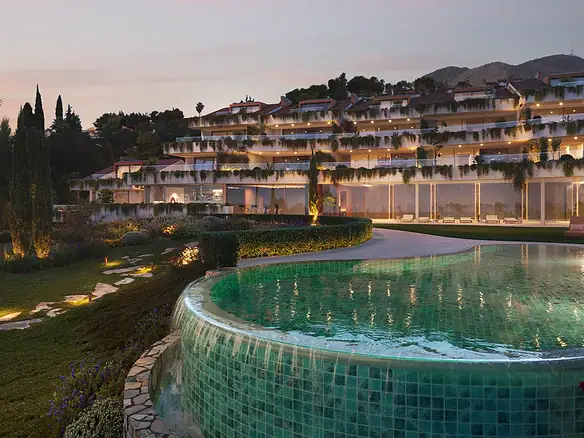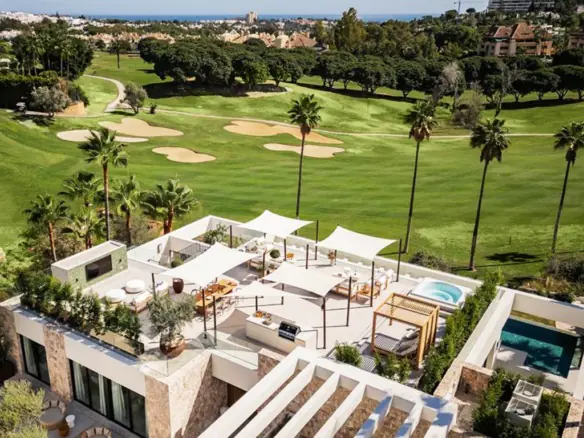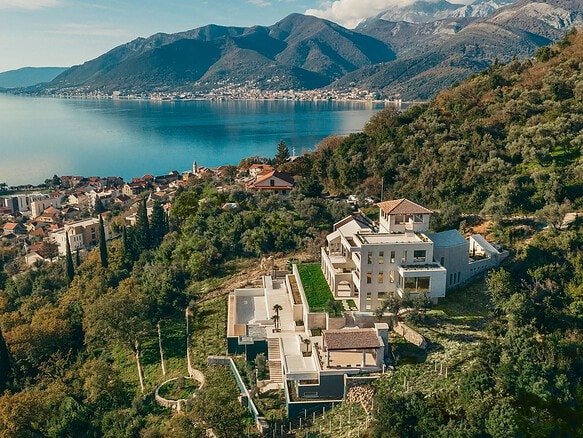
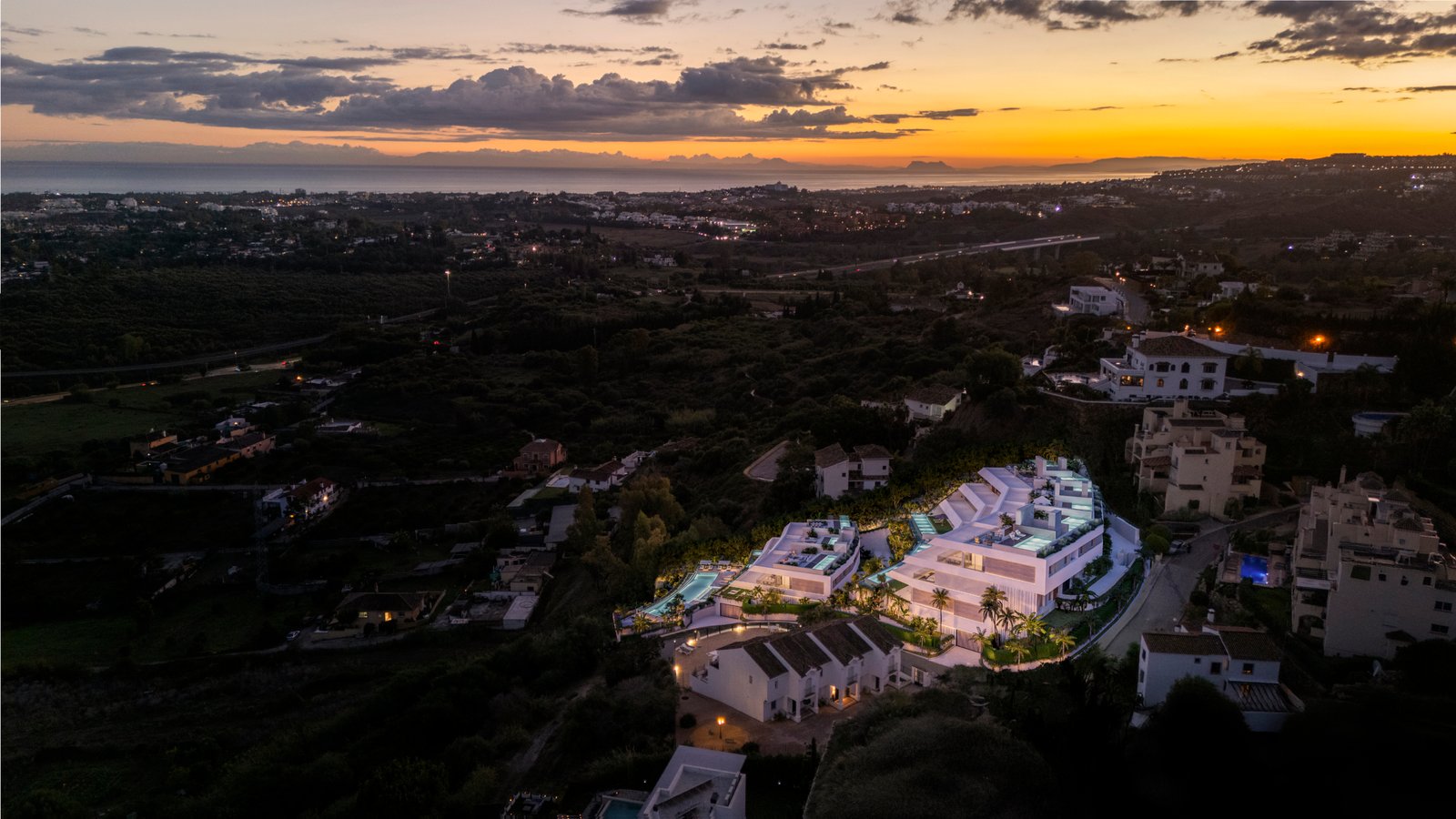
Luxury real estate in Spain is decoupling from the broader European slowdown in 2026, with UHNW demand outpacing supply and cash transactions dominating the ultra-prime segment.
The luxury real estate Spain market enters 2026 at an inflection point. While mainstream residential sales have slowed across most of Europe, according to European Commission economic forecasts, luxury real estate in Spain is decoupling from broader trends, creating distinct opportunities in luxury real estate. Spain attracts serious international investors.
According to Spain Sotheby’s International Realty’s Luxury Outlook 2026 report, the story isn’t about market decline. It’s about segmentation, buyer intent, and the enduring appeal of Spain’s prime destinations.
Luxury Real Estate Spain: Its Place in the Global Map
Spain ranks fourth globally for ultra-high-net-worth individuals, behind Italy, France, and the UAE. This concentration of wealth, combined with Spain’s geographic position, tax incentives (the Non-Habitual Resident regime remains attractive for international buyers), and cultural draw, sustains demand for premium residential assets.
At Barok Estates, we’ve observed a clear trend: UHNW individuals aren’t retreating from the market. They’re becoming more selective. The question isn’t “Is Spain still attractive?” but rather “Which properties in which locations justify capital deployment in 2026?”
Prime vs. Mainstream: A Market in Two Tiers
The most important data point in the market: properties priced above €2 million operate in fundamentally different dynamics from the broader market. Of all transactions at this level, 70 percent involve international buyers. This isn’t domestic activity; it’s global capital seeking shelter and growth in established luxury markets.
Even more striking: 60 percent of prime transactions close without bank financing. This suggests buyer profiles driven by portfolio diversification and wealth preservation rather than leveraged speculation. These buyers have conviction, time horizons measured in decades, and capital ready to deploy.
For Barok Estates’ portfolio companies, this shift means opportunity. It means competition is less intense than in lower segments. Pricing power remains intact. And sellers of genuinely prime properties face fewer economic headwinds than the market narrative might suggest.
Geography as Return Driver: The Luxury Real Estate Spain Golden Triangle
Not all Spanish locations appreciate at equal rates. The data is unambiguous:
The Golden Triangle (Marbella, Benahavís, and Estepona) represents the epicenter of prime activity. Marbella’s Golden Mile commands €9,500 per square meter with 8.2 percent expected annual appreciation in 2026. This is steady, rational growth backed by consistent international demand and limited new supply.
Estepona tells a more dynamic story. At €7,200 per sqm, prices are 24 percent below the Golden Mile. Yet projected growth is 11.5 percent annually, with 80 percent of units absorbing before completion. This is supply-constrained upside: a maturing secondary prime market capturing appreciation as it matures into a primary destination.
Madrid’s Salamanca district, the city’s premier residential address, commands €12,400 per sqm with 6.4 percent growth. Steady, mature, anchored by centuries of status.
We focus our advisory work on these three markets precisely because the fundamentals diverge. Marbella represents wealth stabilization and Mediterranean lifestyle. Estepona offers appreciation with less crowding. Madrid delivers capital-city gravity and tax residency utility.
Buyer Motivation Remains Bifurcated
American buyers continue to favor branded residences, luxury apartment complexes attached to five-star operations or managed services. They want turnkey, professional management, and exit liquidity.
European buyers increasingly weight ESG credentials: energy efficiency, sustainable materials, water management. This trend accelerates pricing for properties with verifiable green credentials and minimal environmental footprint.
At Barok Estates, we evaluate each client profile and align them with properties reflecting both return expectations and lifestyle intent. A California tech founder seeking a Marbella pied-a-terre has entirely different requirements than a London family office building a three-generation Spanish legacy asset.
What Luxury Real Estate in Spain Means for Investors in 2026
The luxury property market isn’t unified. Pricing dynamics at €2M+ operate independently from broader market cycles. International capital maintains gravity in prime Spanish destinations. Supply constraints drive appreciation. Buyer sophistication separates genuine wealth from transaction noise.
For investors considering Spanish property in 2026, the market rewards specificity: specific locations, specific property types aligned to buyer motivation, specific entry points capturing value before the market reprices.
Our top luxury properties in Marbella reflect this thesis. And for those serious about the Golden Mile specifically, our guide to luxury living on the Mediterranean charts the landscape more deeply.
Spain’s luxury market remains open. It’s simply no longer indiscriminate.
Explore our current portfolio of premium properties across Spain’s Golden Triangle. We focus exclusively on institutional-quality assets and serious international buyers.
Barok Estates International provides expert guidance for buyers and investors seeking premium real estate. Explore our current portfolio or contact our team to learn more.