TL;DR: Montenegro’s EU accession will materially increase property values, as membership unlocks capital flows, removes ownership restrictions for EU citizens, and aligns the country with Western European legal standards. (see the European Commission’s enlargement page)
The accession timeline is not speculation, it is policy
Therefore, montenegro became a formal EU candidate in 2010. It has since opened 33 of 35 negotiating chapters and provisionally closed 3. No other Western Balkans country is further along the process. The European Commission’s latest Progress Report affirms the trajectory, with a realistic accession window of 2028 to 2030 contingent on continued progress in rule of law and judicial reform. (see the Montenegro Statistical Office (MONSTAT))
For property investors, this matters for one specific reason: the most significant price appreciation in accession-era property markets happens before membership is confirmed, not after. The capital that benefits from EU accession buys the convergence premium, not the confirmation premium.
As a result, explore Montenegro’s property market in full at our Montenegro real estate hub.
Where Montenegro Stands in the EU Accession Process
Meanwhile, montenegro applied for EU membership in 2008 and was granted candidate status in 2010. Accession negotiations formally opened in 2012. The structure of EU accession negotiations is built around 35 chapters covering everything from free movement of goods to financial services. Environmental standards, and rule of law.
In addition, montenegro has opened all 35 chapters and provisionally closed 3. The outstanding work is concentrated in:
These are not trivial reforms, but they are also well-understood. The European Commission has provided explicit reform roadmaps. And Montenegro’s government has repeatedly reaffirmed EU membership as its primary foreign policy objective. The political consensus across parties is unusually strong by Western Balkans standards.
For this reason, among all Western Balkans candidates, Montenegro is the most advanced: it uses the euro as its currency. Its citizens already enjoy visa-free access to the Schengen area, and it is a NATO member since 2017. Structurally, Montenegro is already operating much like an EU country. Formal accession completes the legal and institutional framework.
What EU Membership Has Done to Property Values in Comparable Countries
However, the historical evidence from comparable accession cycles is instructive and consistent.
Moreover, croatia (accession July 2013): The decade straddling accession (2005 to 2015) saw coastal property values on the Dalmatian coast increase by 40 to 60 percent in real terms. The appreciation was not linear: it accelerated in the 3 to 5 years before accession as institutional capital from EU member states began acquiring. Post-accession, values continued rising but at a normalised pace as the convergence premium was absorbed.
Furthermore, bulgaria and Romania (accession January 2007): Coastal and capital city property in both countries appreciated 30 to 50 percent in the 2003 to 2008 window. Sofia and Bucharest both saw sustained institutional interest from Western European real estate funds in the run-up to membership.
Notably, the consistent pattern across all accession cycles:
At the same time, montenegro’s accession window is 2028 to 2030. We are, by this analysis, inside the optimal acquisition window now.
What Changes for Property Buyers When Montenegro Joins the EU
For international property owners, EU membership creates several direct improvements to the investment environment:
Legal certainty and contract enforcement: EU membership requires alignment of property law, land registry standards, and contract enforcement mechanisms with EU norms. This is not merely formal: it means disputes are adjudicated under a framework aligned with European legal standards, and land registry records are digitised and cross-referenced to EU systems. For buyers who have experienced title risk in non-EU jurisdictions, this distinction is material.
Schengen access: Montenegro’s citizens already have Schengen visa-free access. EU membership is expected to be accompanied by Schengen accession, which will remove remaining border friction for non-EU buyers using Montenegro as a base for European travel.
Currency stability: Montenegro already uses the euro unilaterally. Unlike Croatia (which transitioned from the kuna to the euro at accession), Montenegro carries no currency transition risk for euro-denominated purchasers.
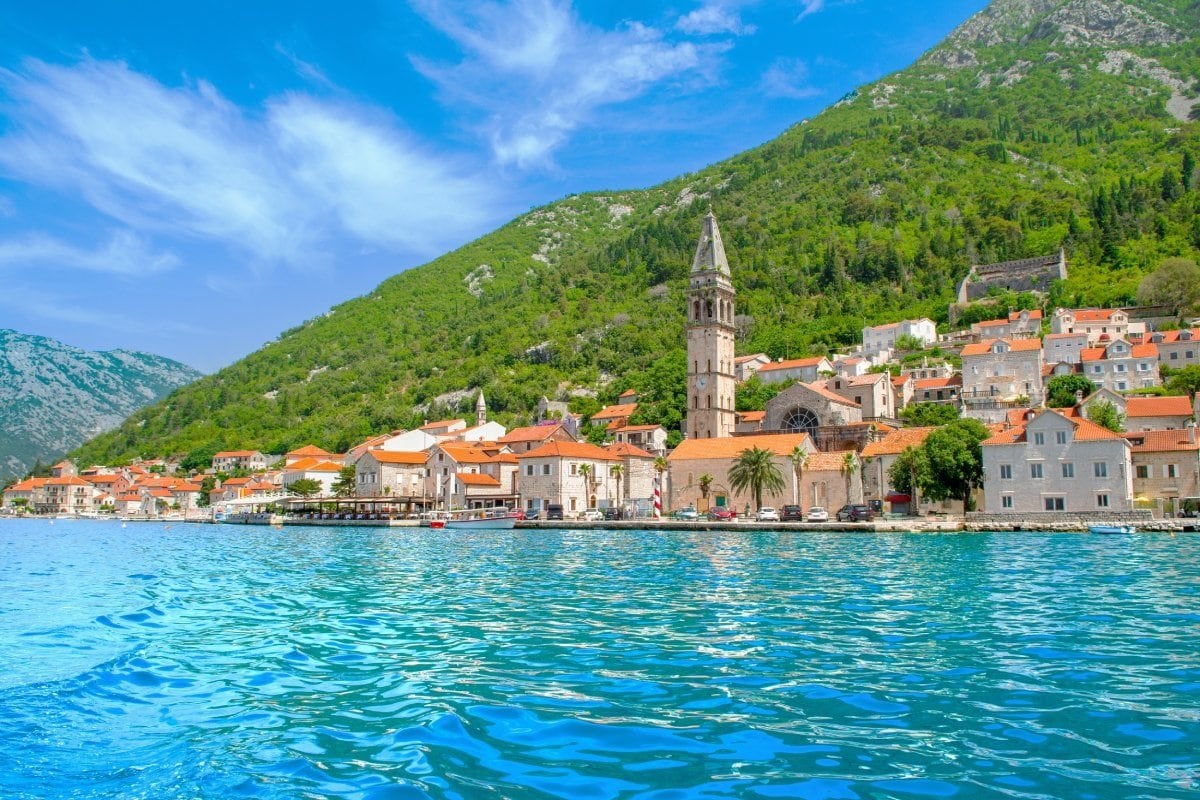
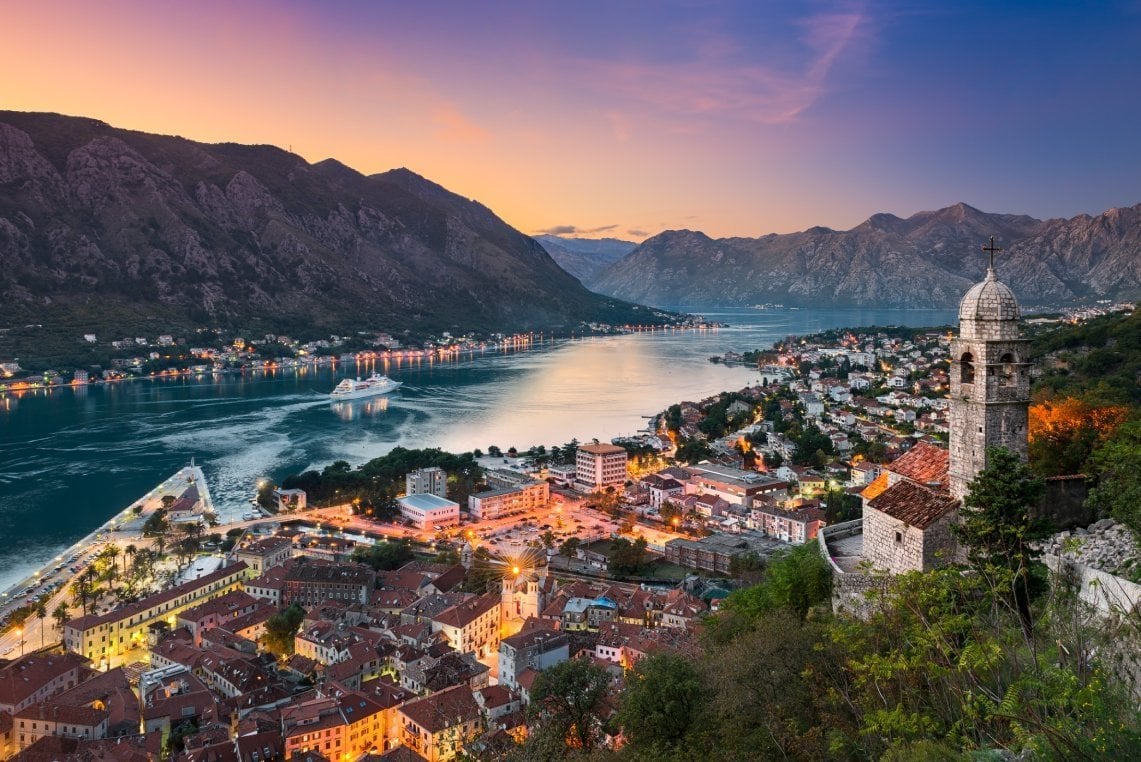
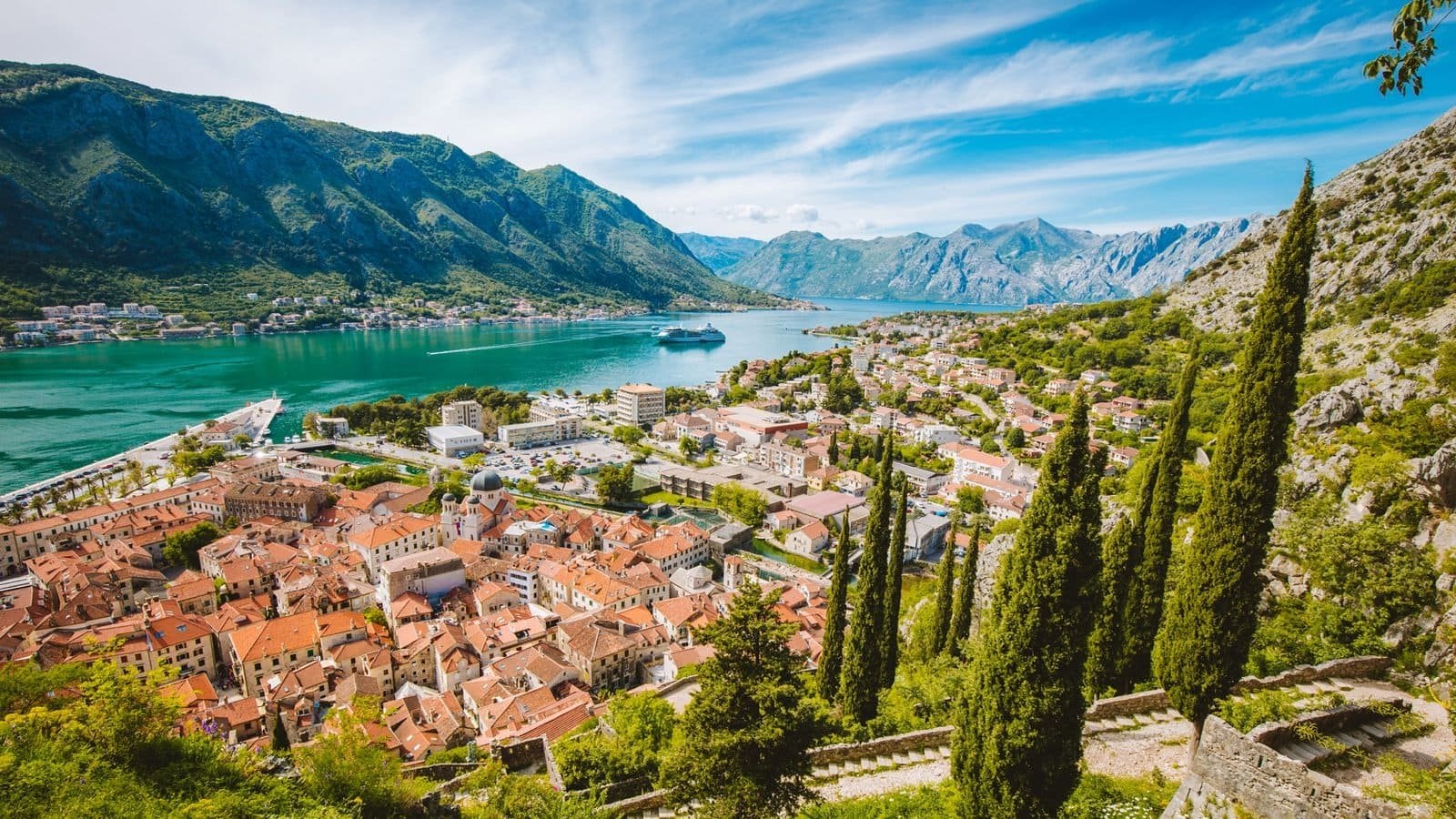
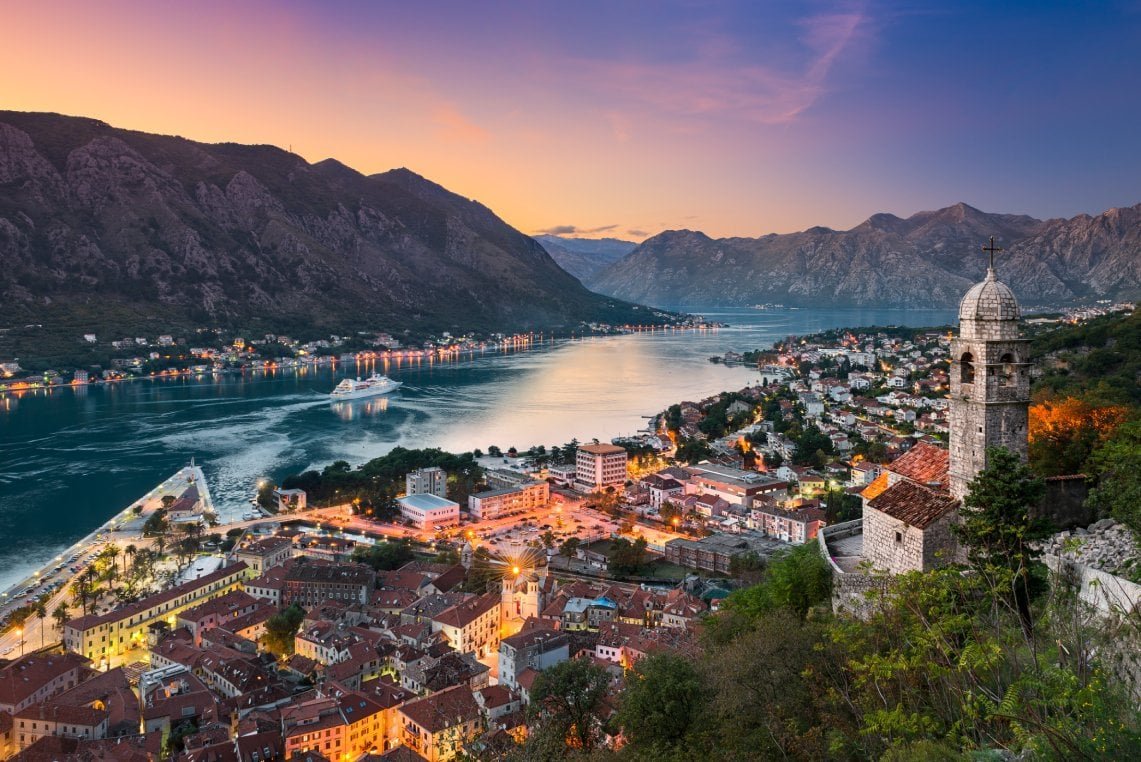
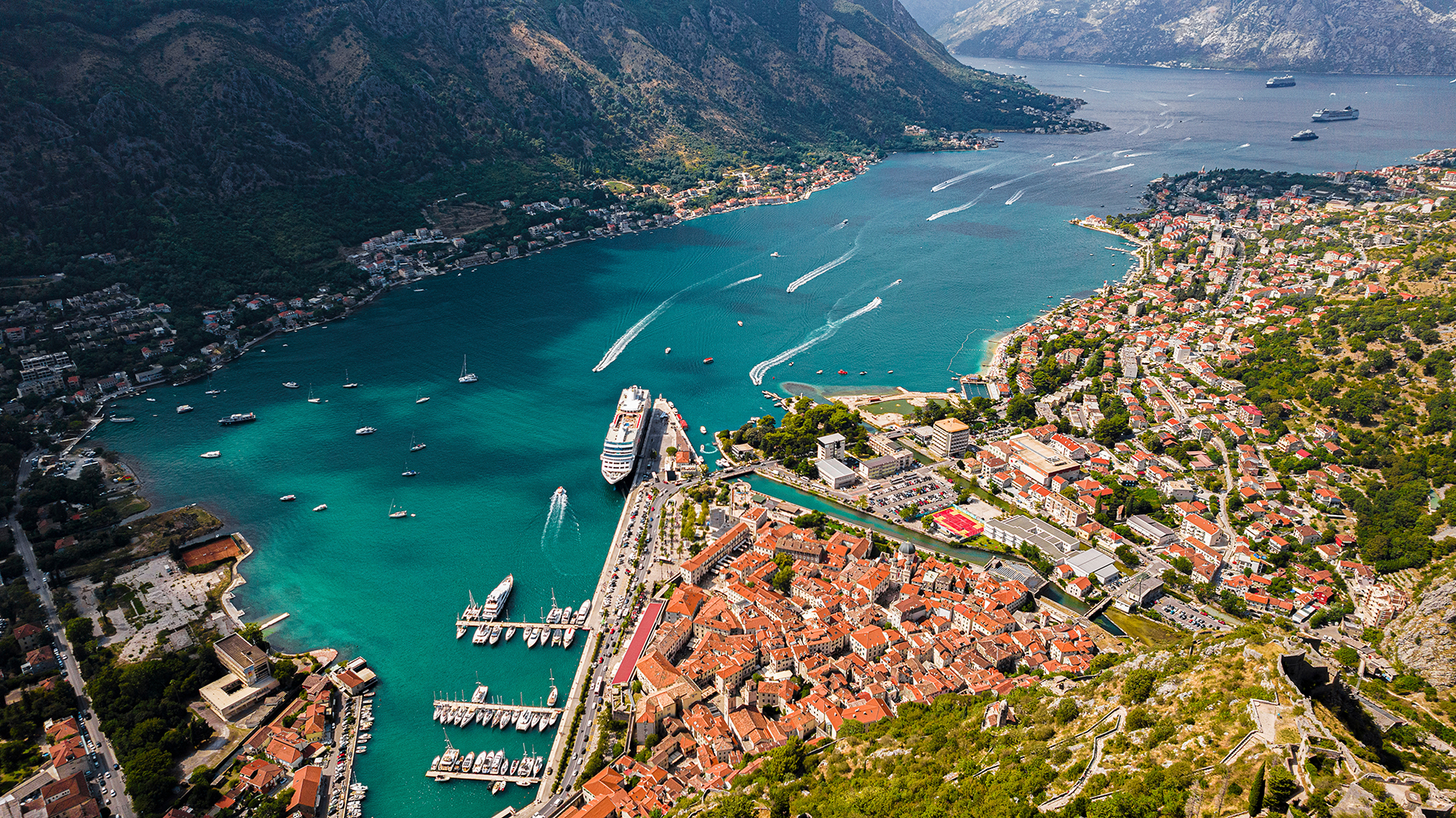
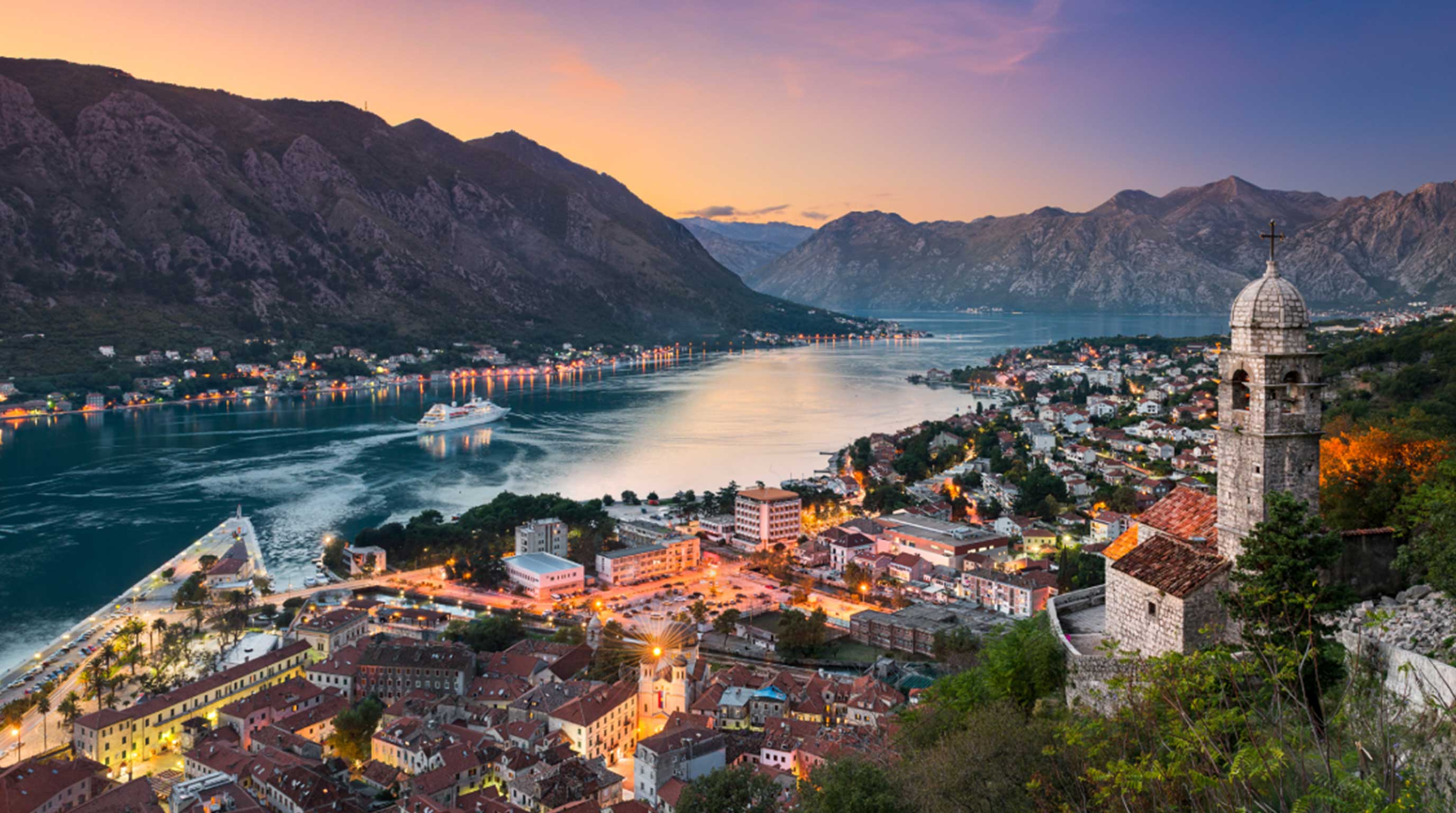
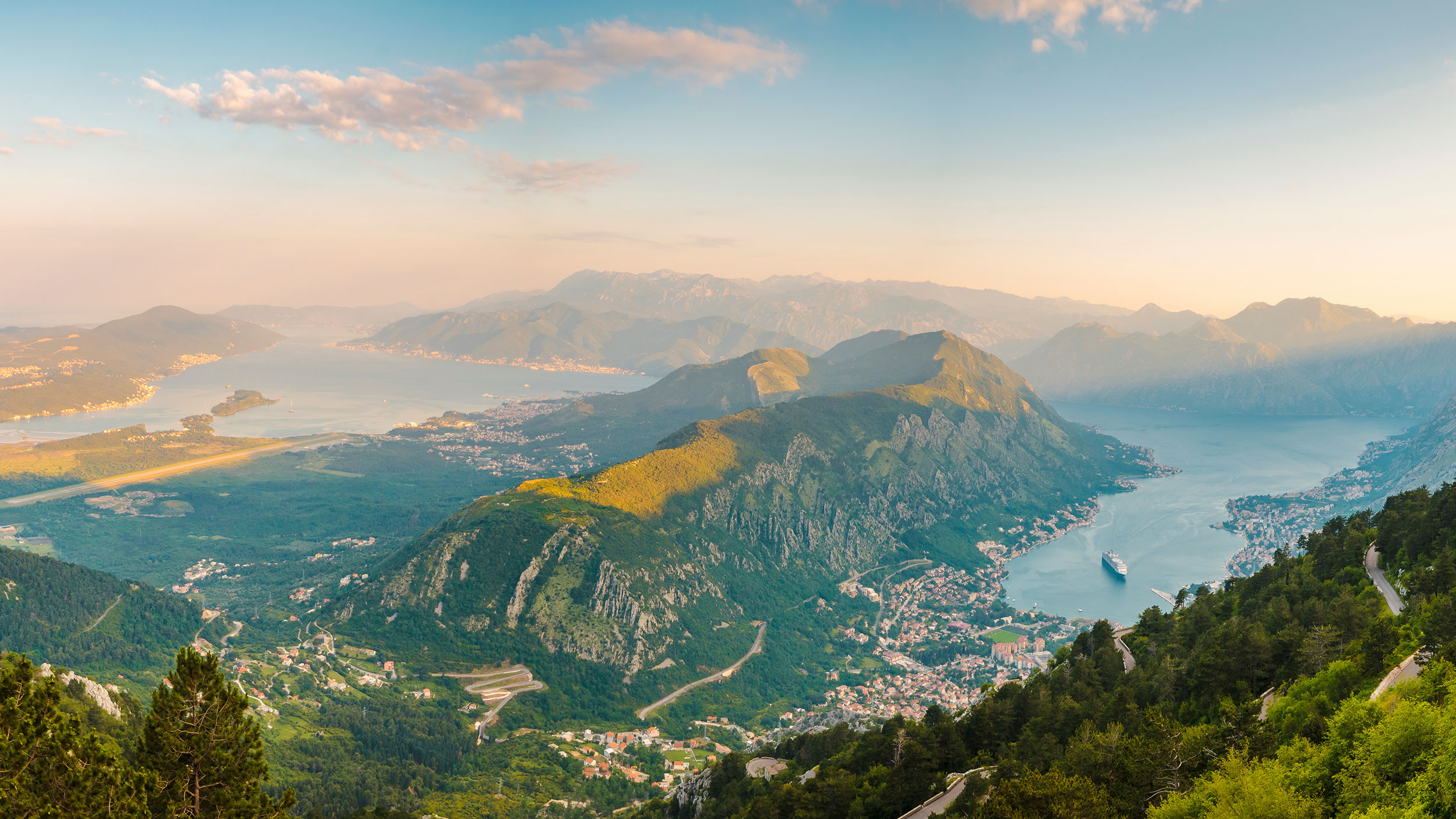
EU structural funds: Accession brings access to EU cohesion funds, which will accelerate infrastructure investment in roads, ports, wastewater treatment, and energy. The Bay of Kotor region, already the highest-value property market in Montenegro, stands to benefit disproportionately from infrastructure spend directed at its tourism and marina economy.
Property law alignment: EU standards require transparent ownership records, defined planning frameworks, and restrictions on opaque land tenure arrangements. This removes several categories of due diligence risk that currently require additional legal scrutiny in non-EU markets.
The Investment Window: Why Timing Matters
The value of the EU accession premium is not symmetric. It is captured by buyers who enter before institutional repricing, not after.
Consider the Croatian parallel in practical terms. Buyers who acquired on the Dalmatian coast between 2008 and 2011, when accession felt uncertain. Political reform was uneven, and the global financial crisis was suppressing sentiment, captured the full convergence premium. By 2016, those who missed the window were buying a market that had already repriced.
Montenegro is currently where Croatia was in 2008 to 2010: a formal candidate. Further along than most observers acknowledge, and still priced as an emerging market rather than a near-EU one. The discount relative to comparable Adriatic addresses (Split, Dubrovnik, or the Istrian coast) is 40 to 60 percent. That discount will compress as accession approaches.
For sophisticated investors, the question is not whether Montenegro will join the EU. It is whether you are positioned before or after the market prices it in.
What This Means for Buyers at Tivat
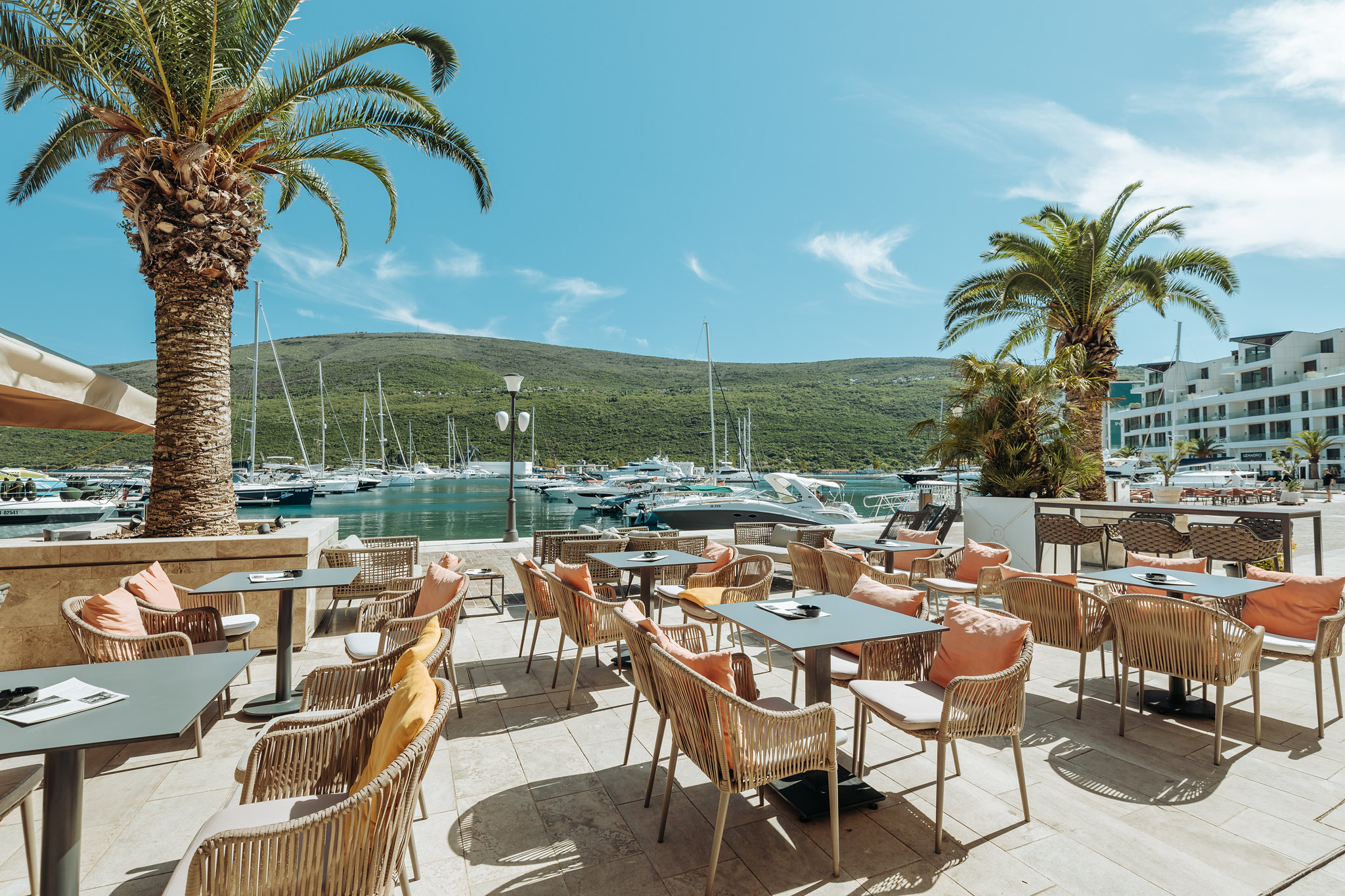
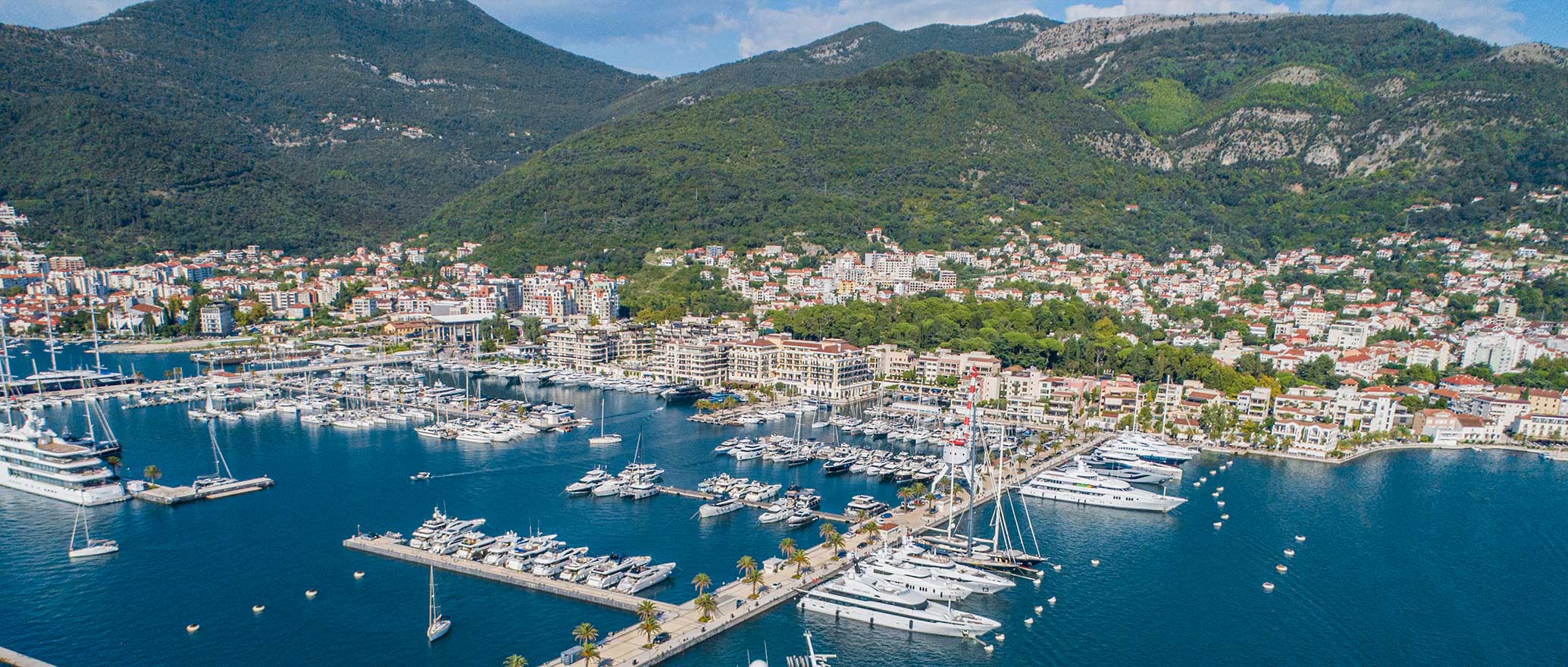
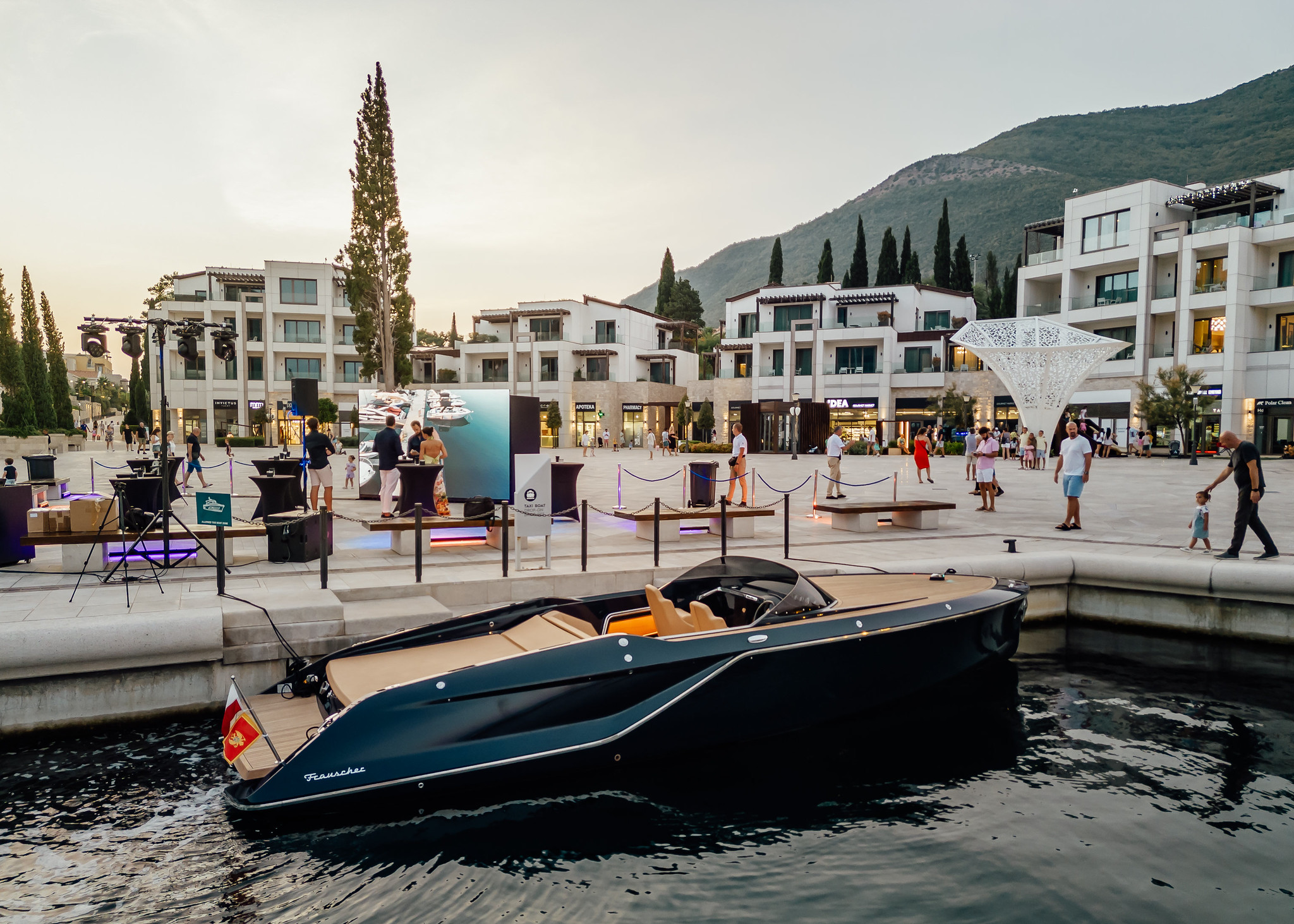
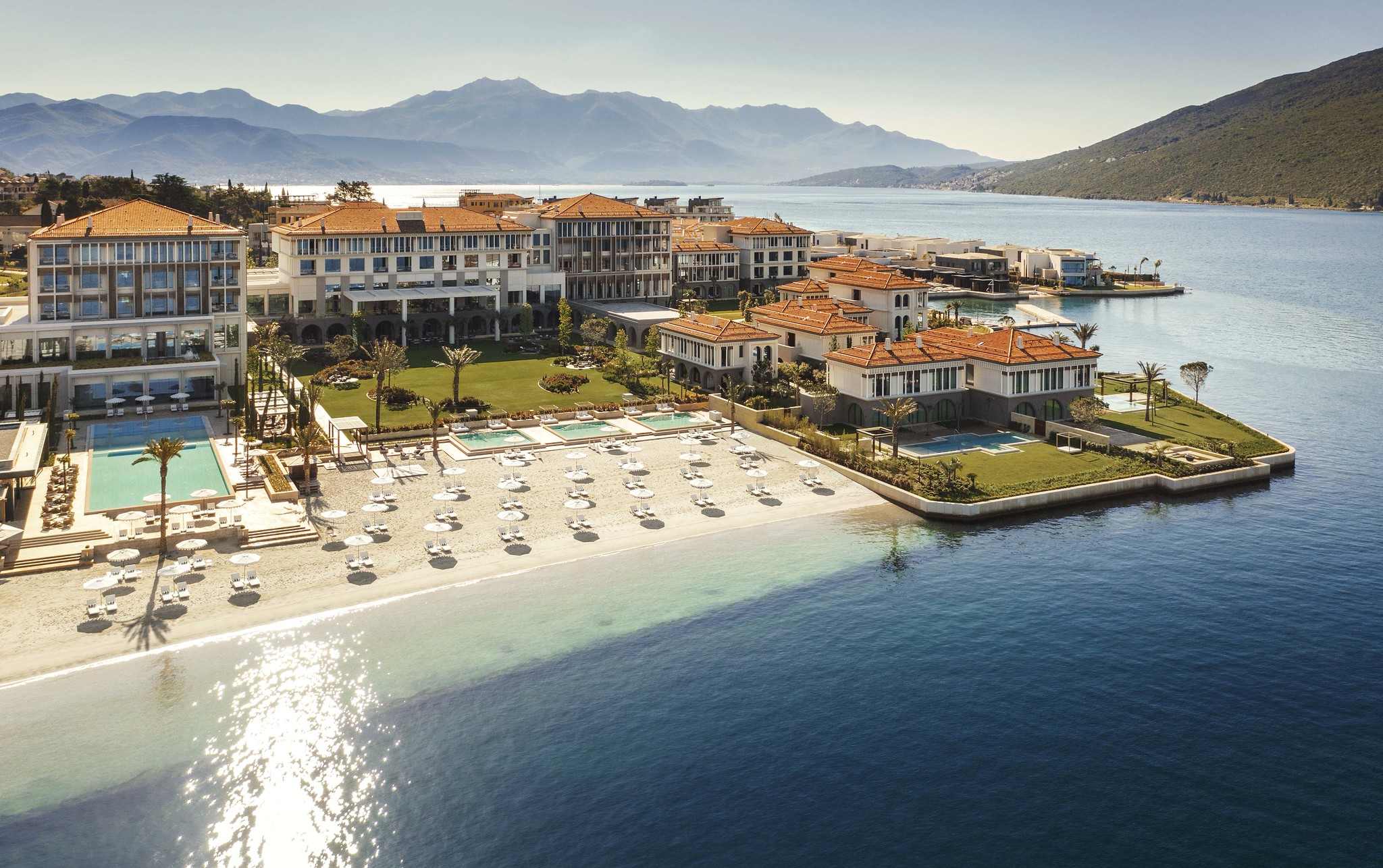
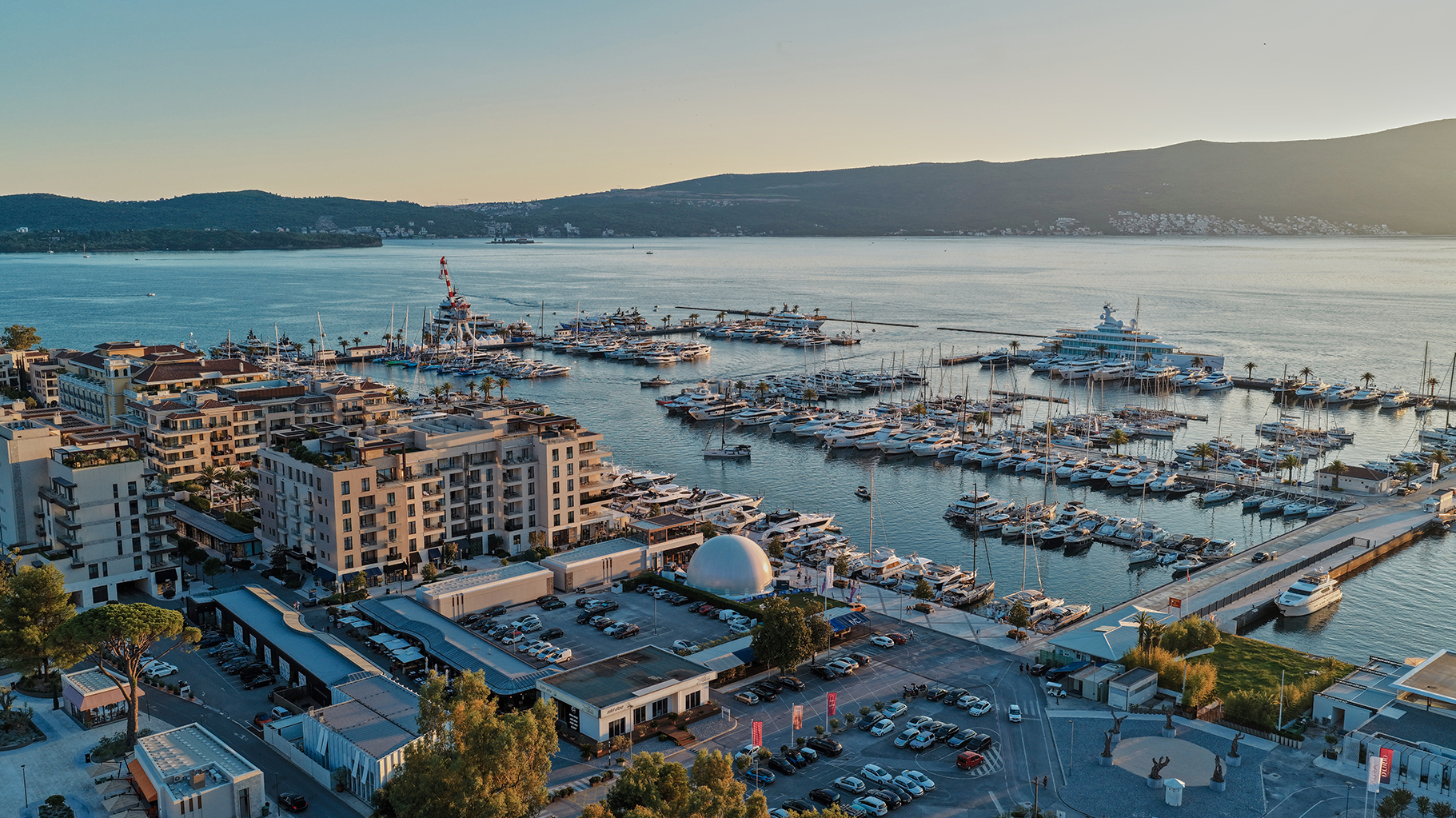
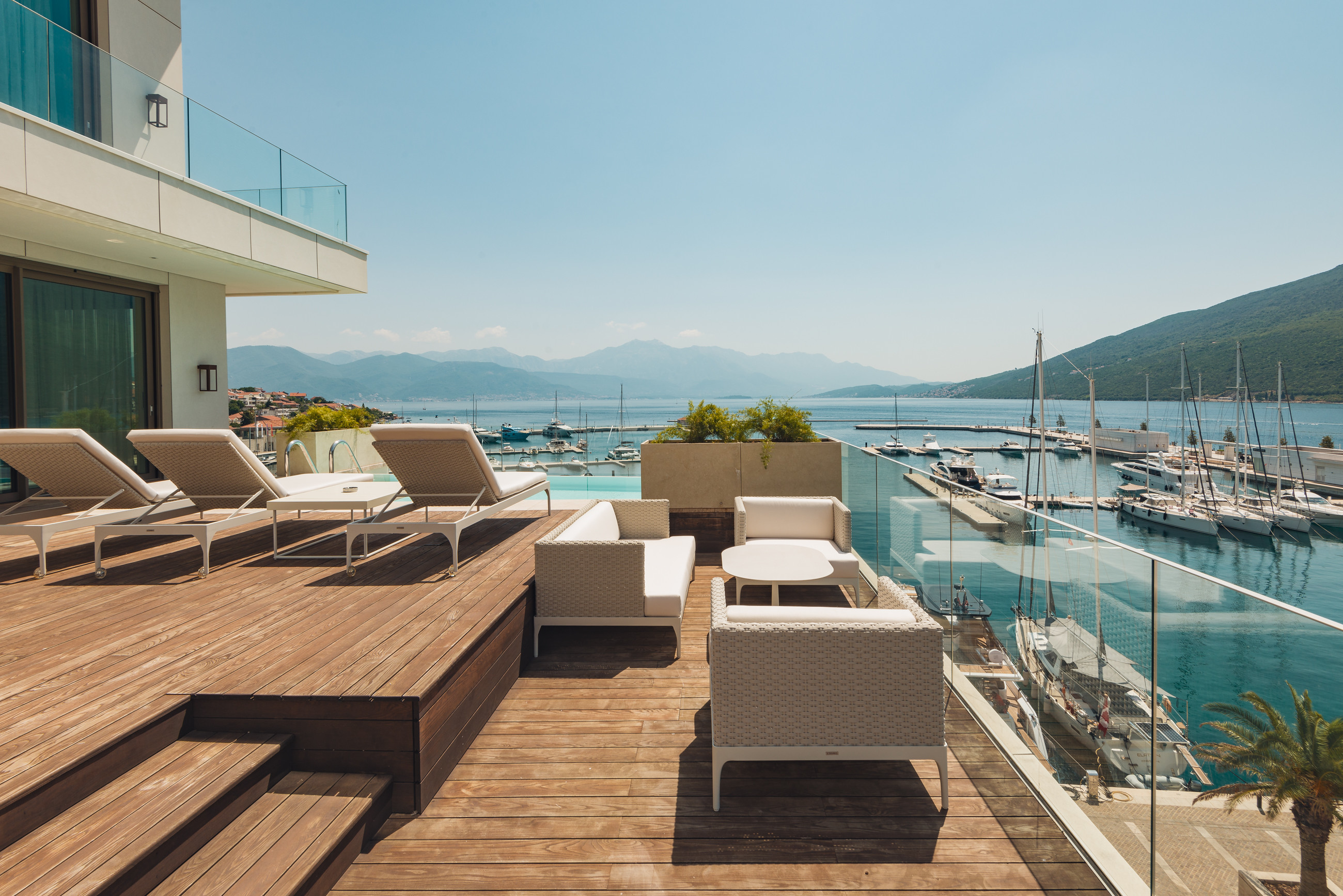
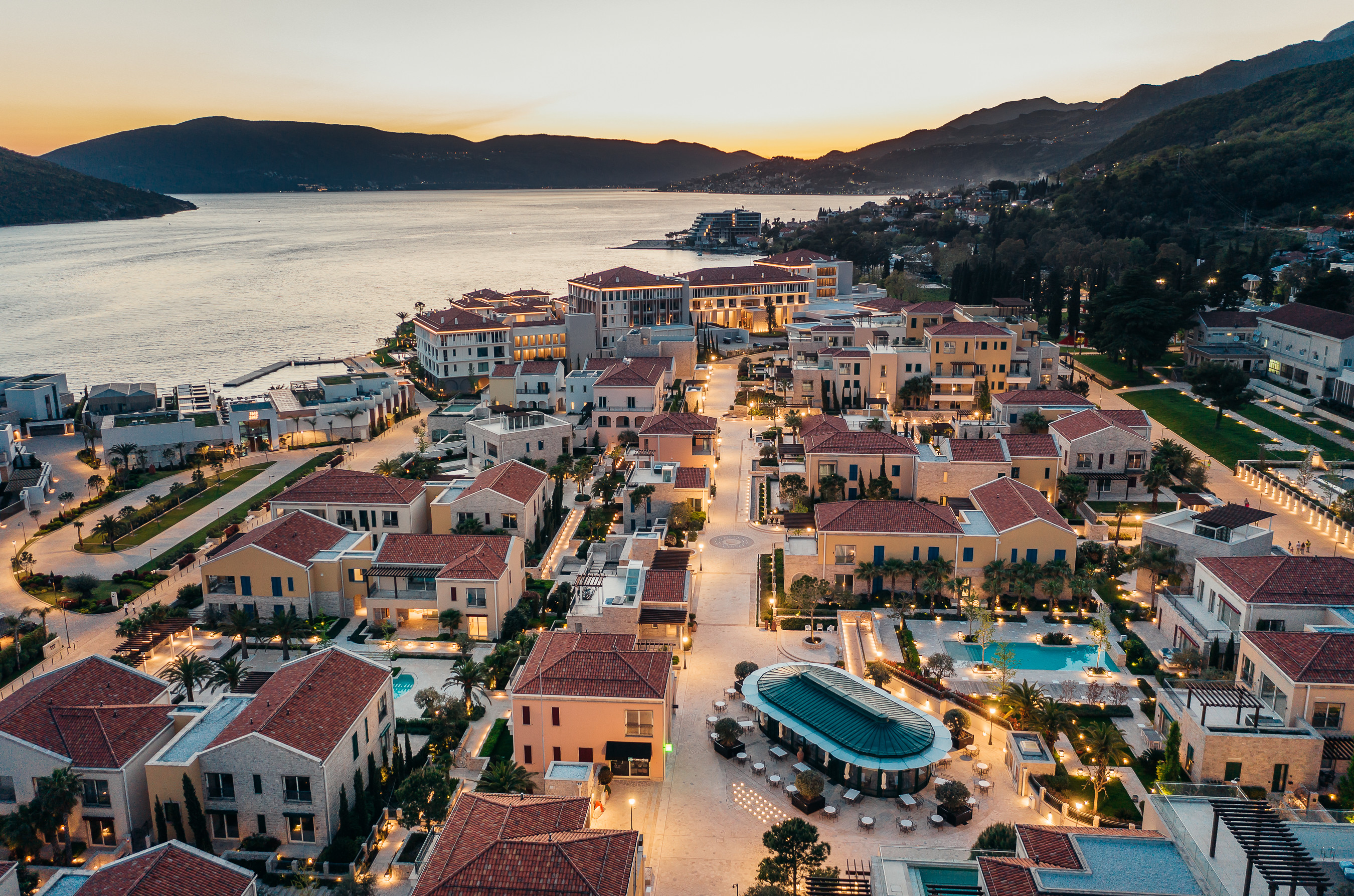
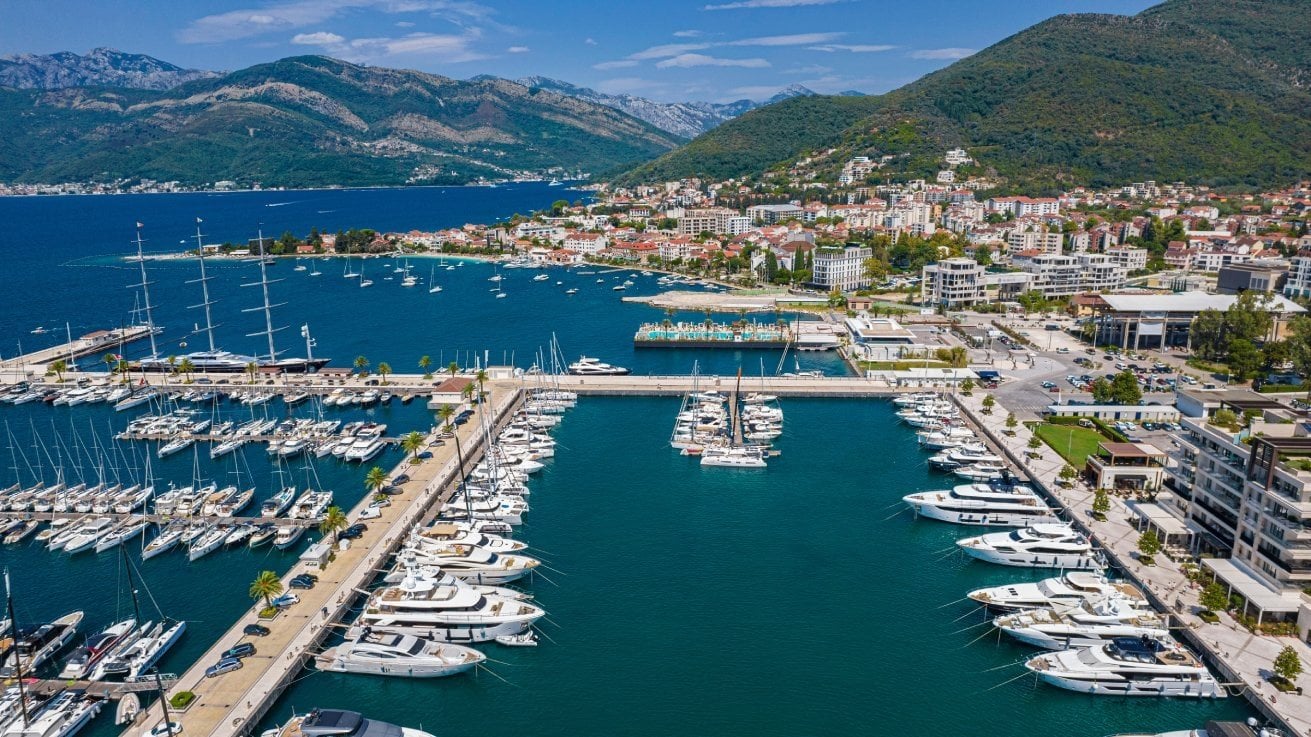
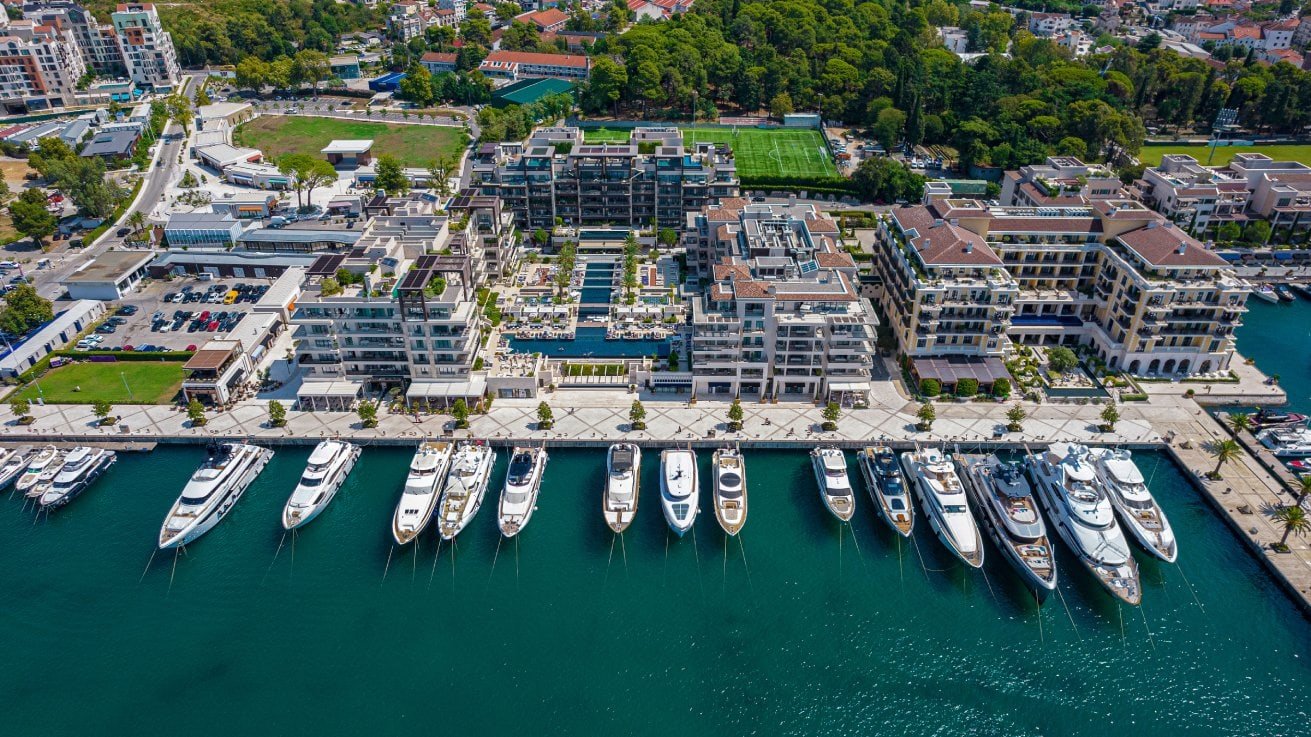
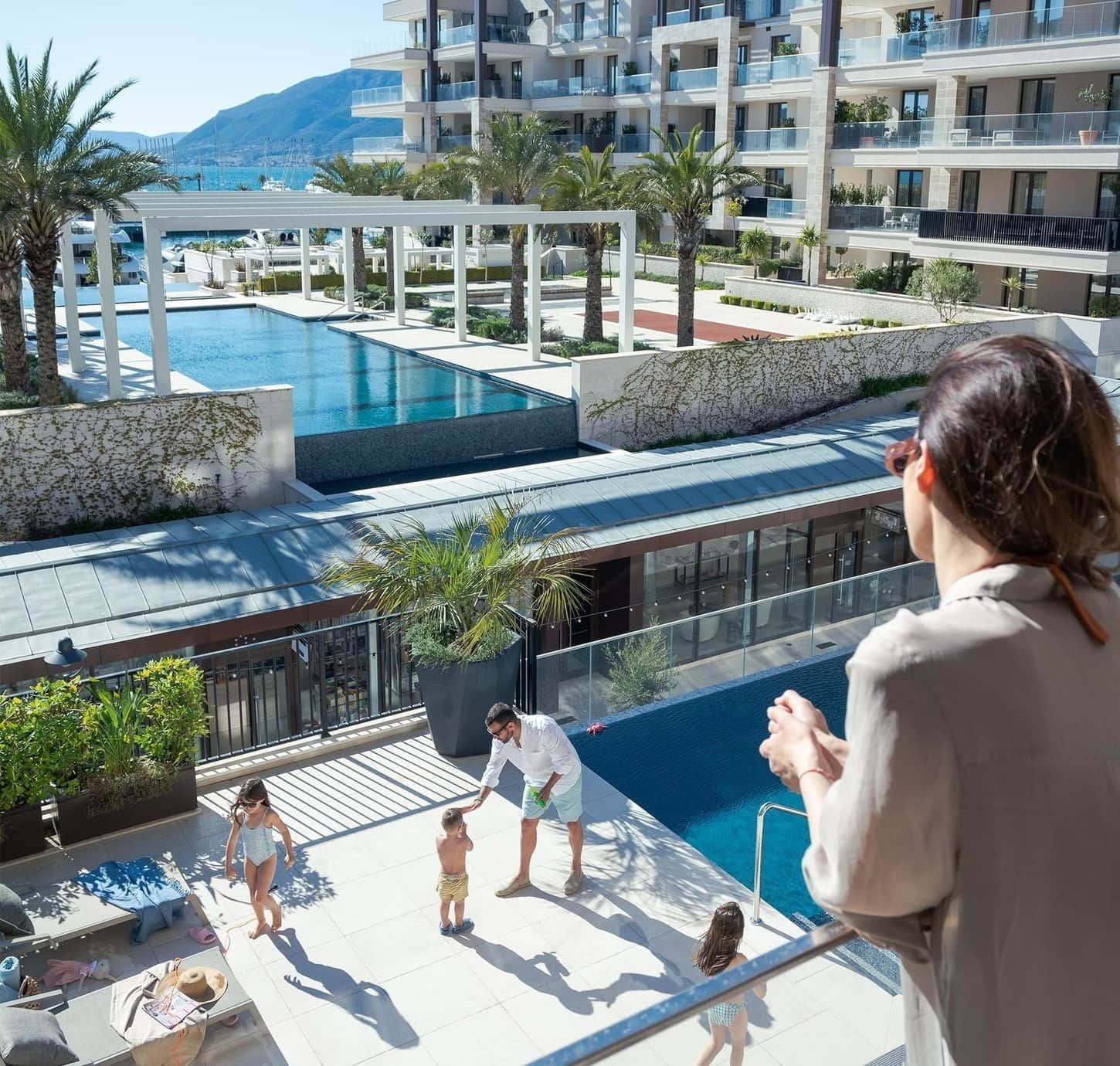
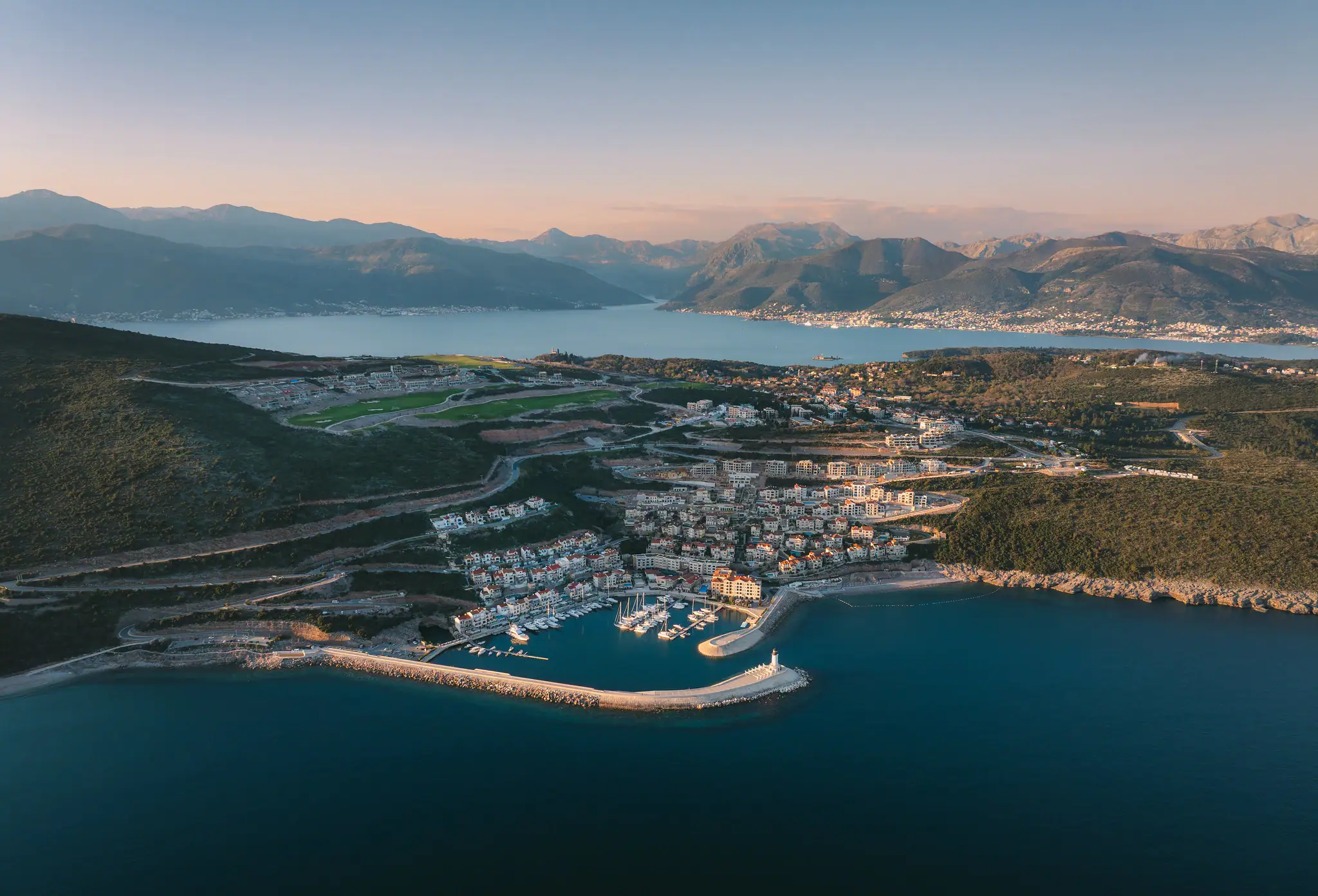
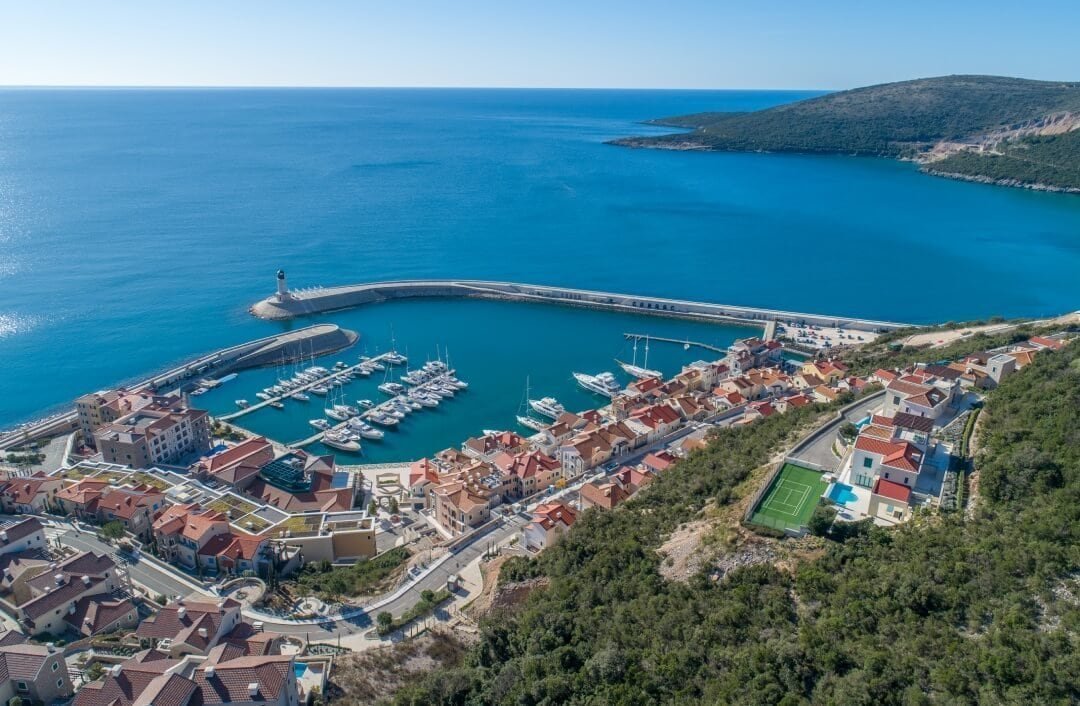
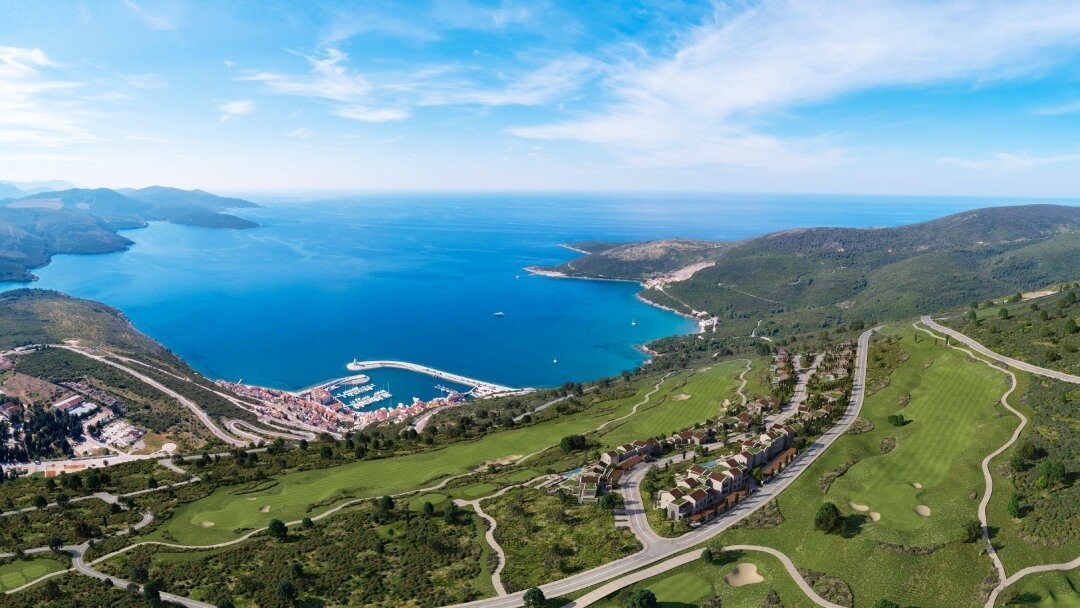
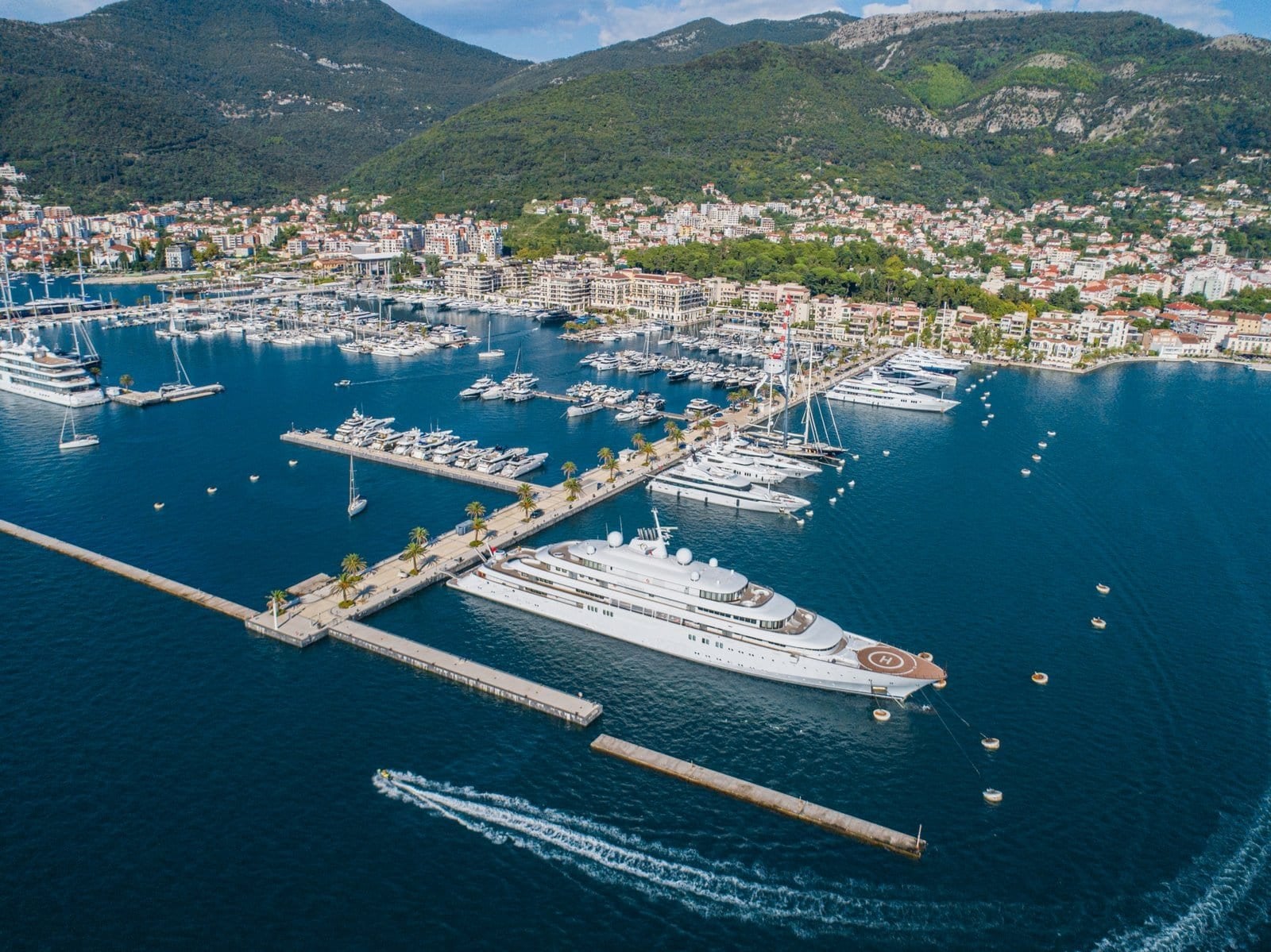
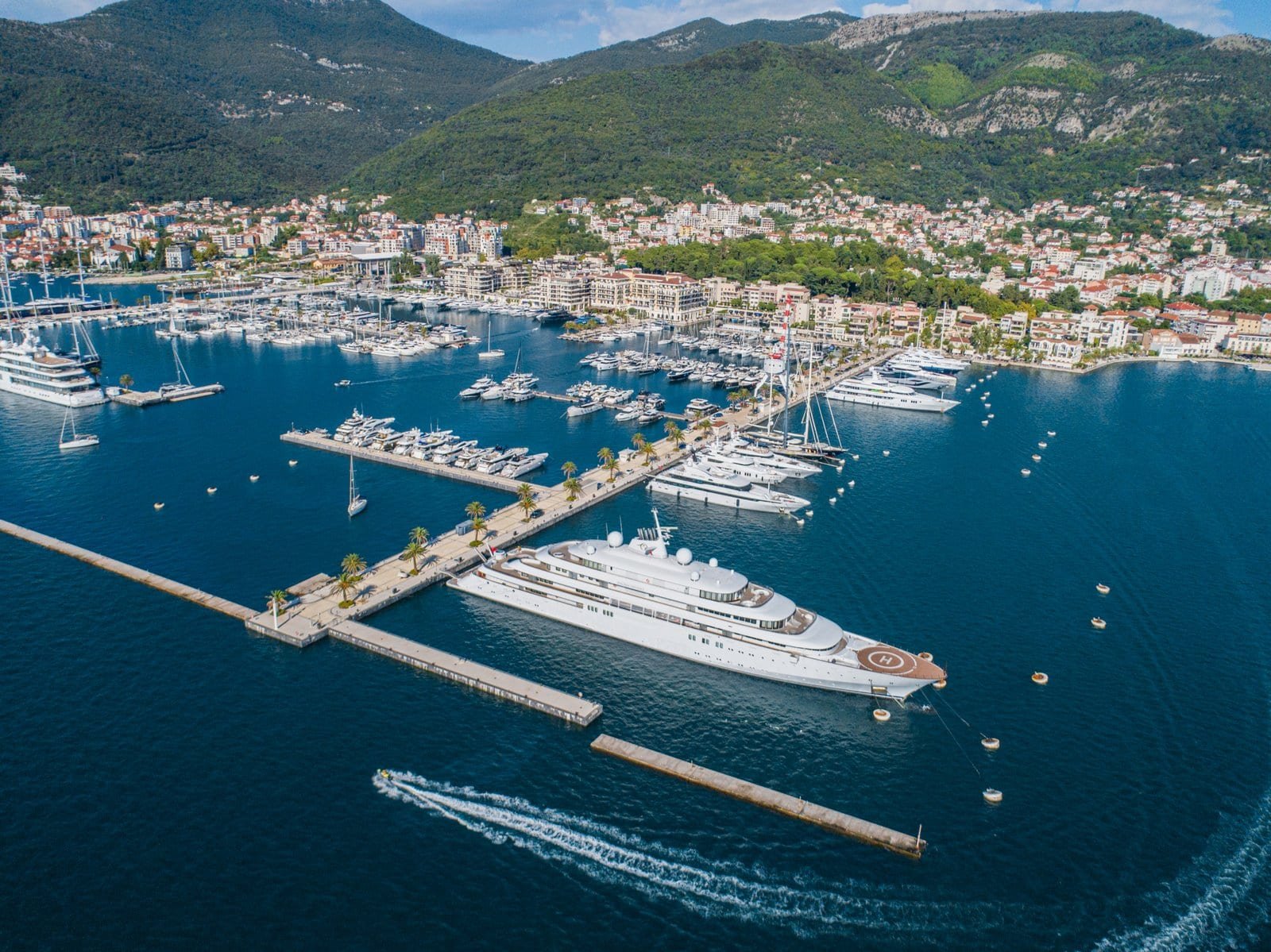
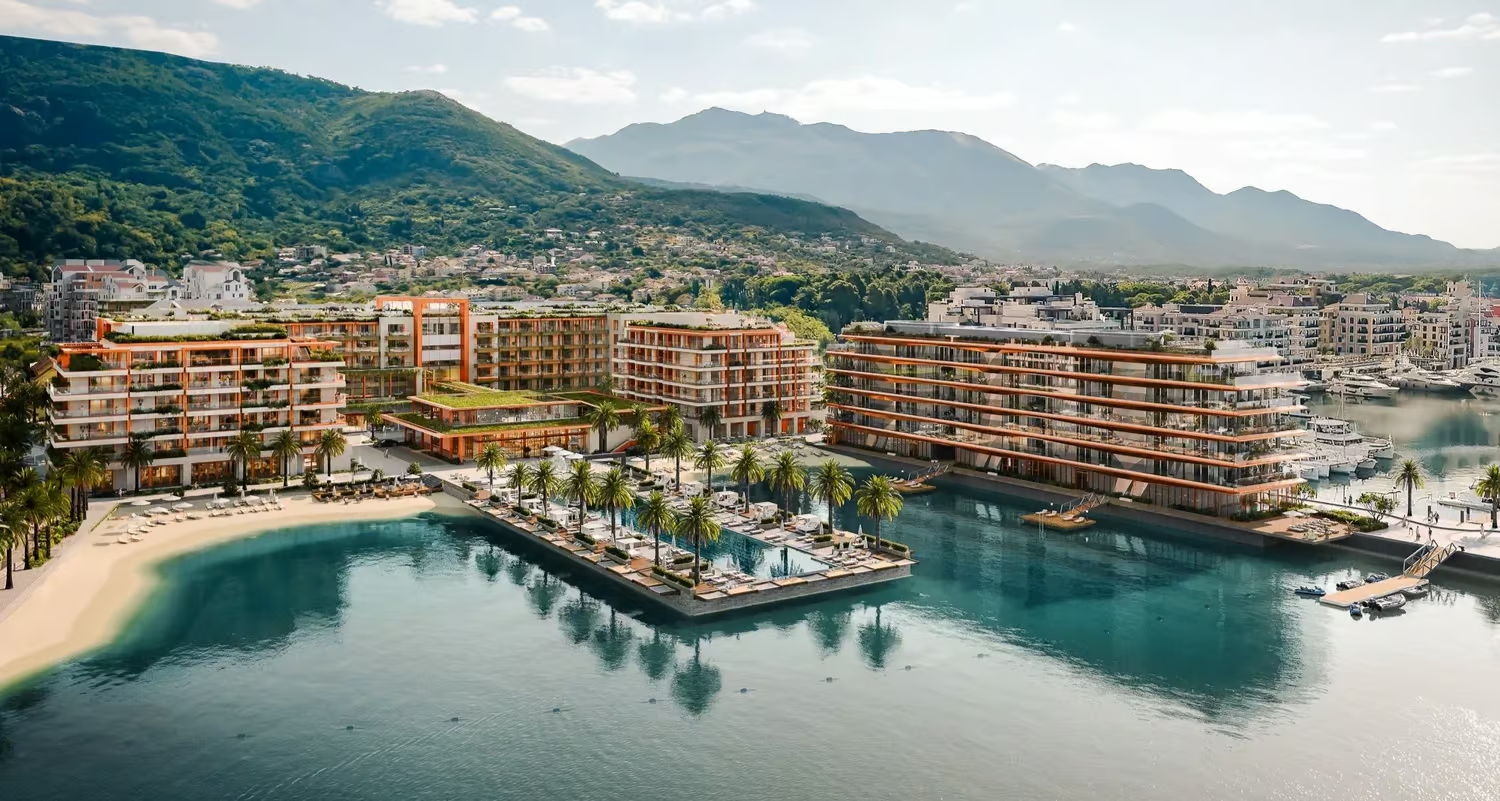
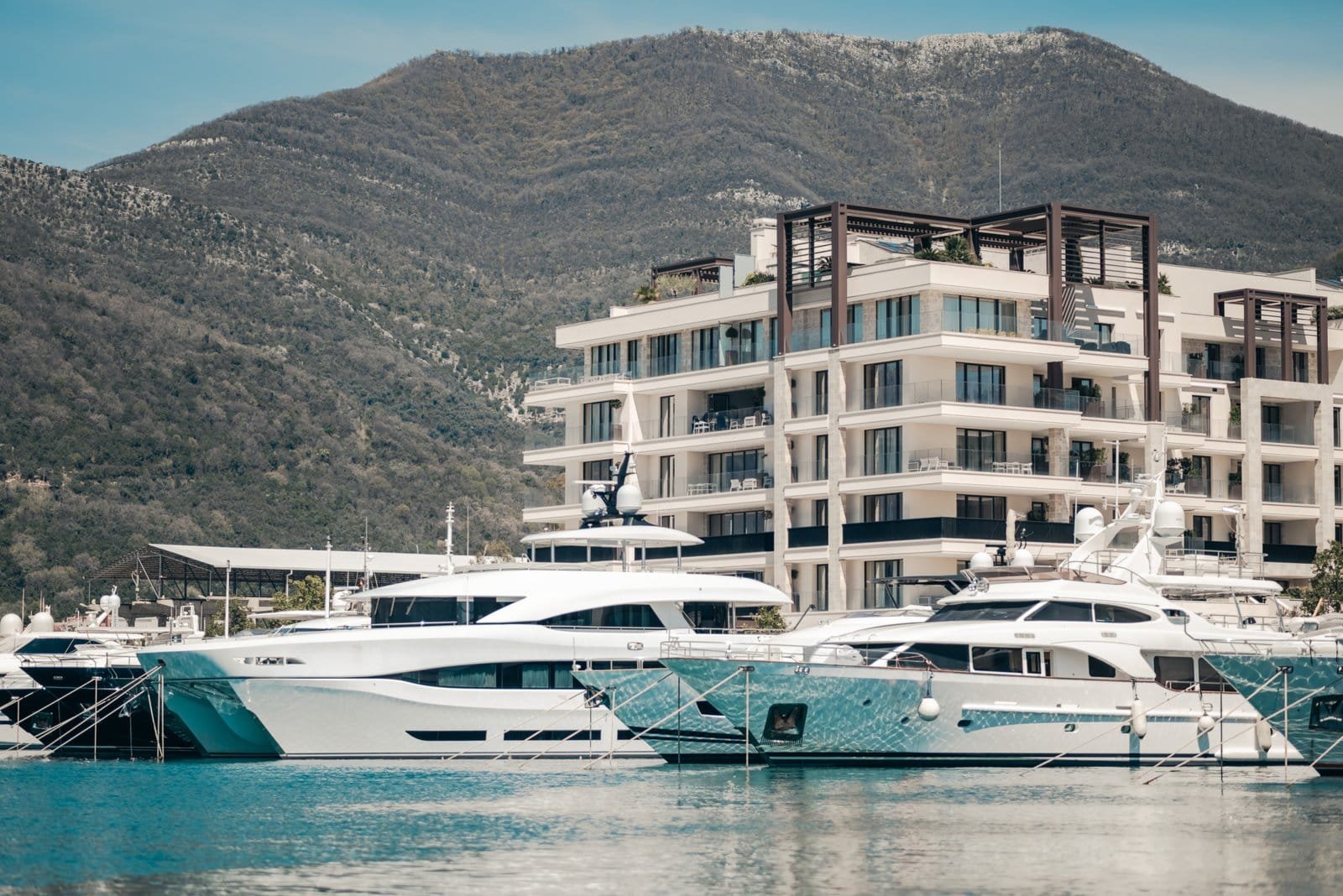
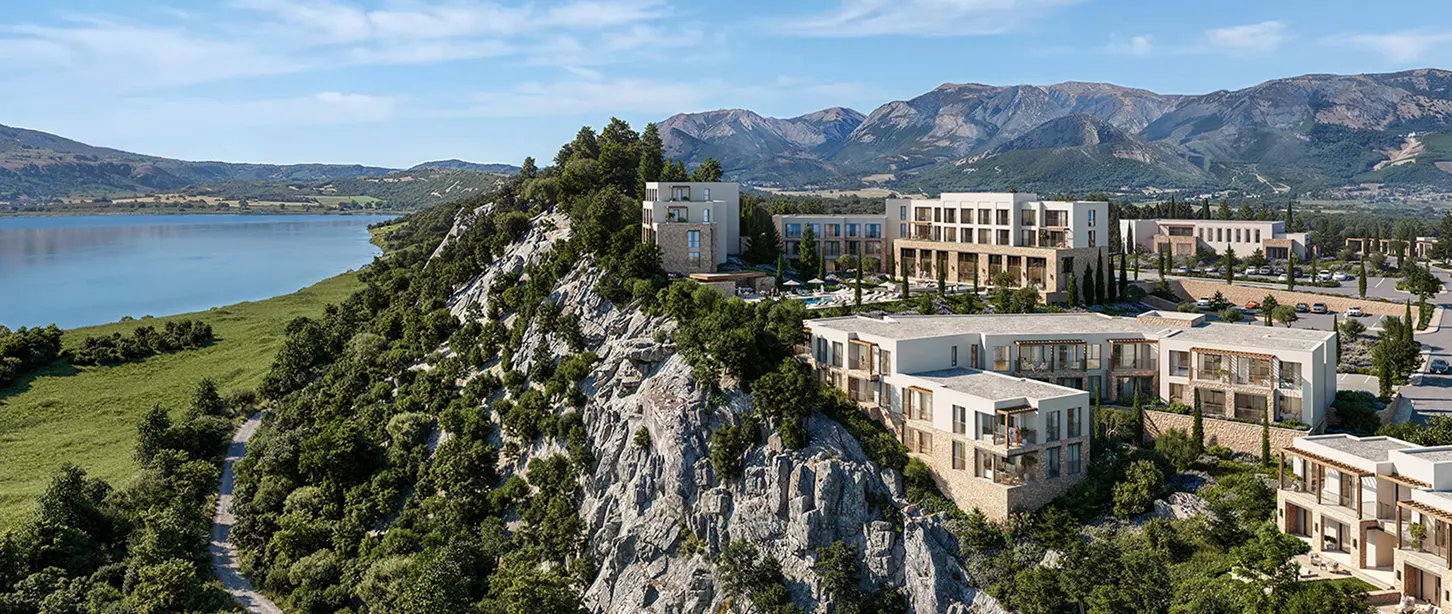
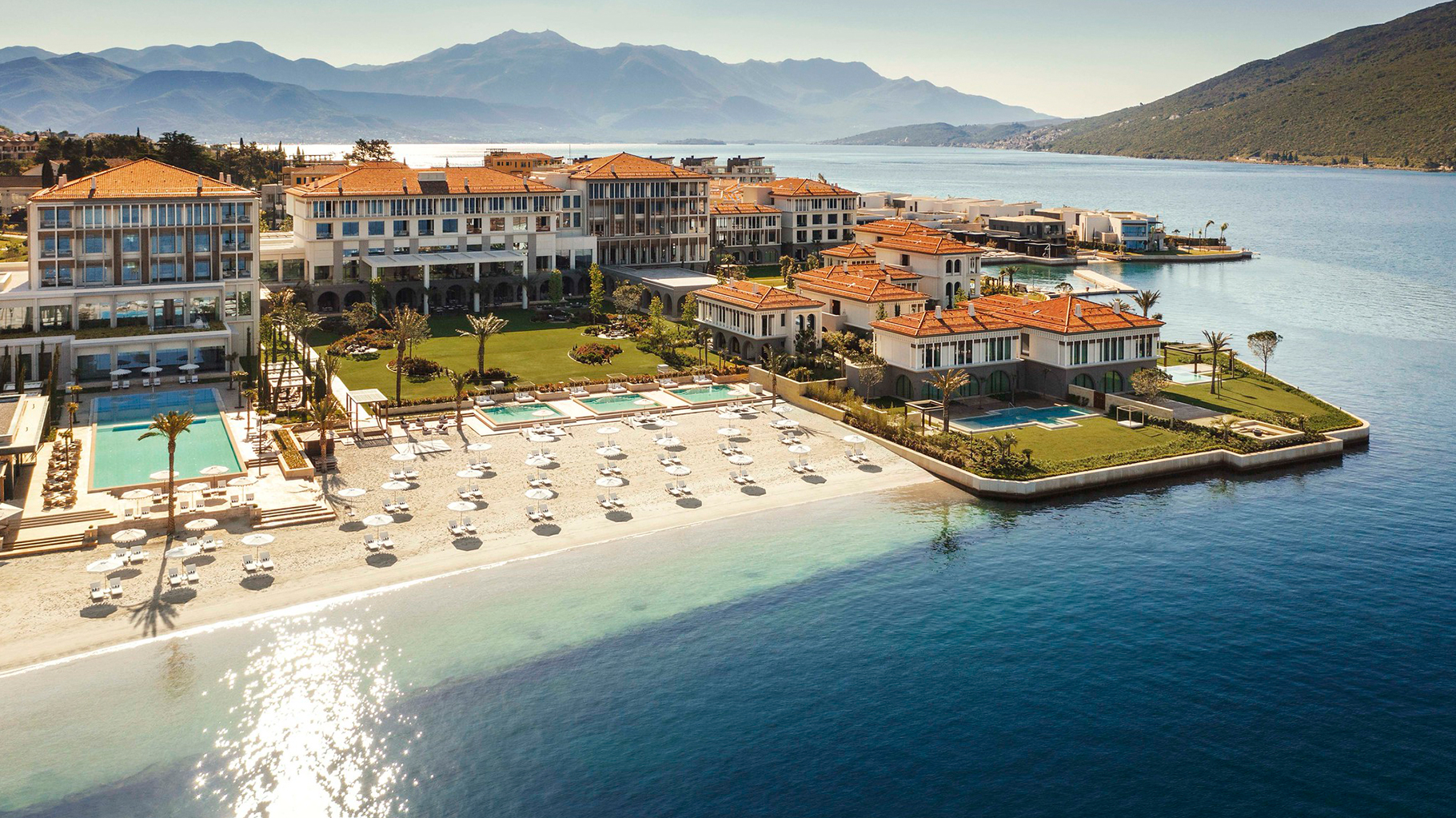
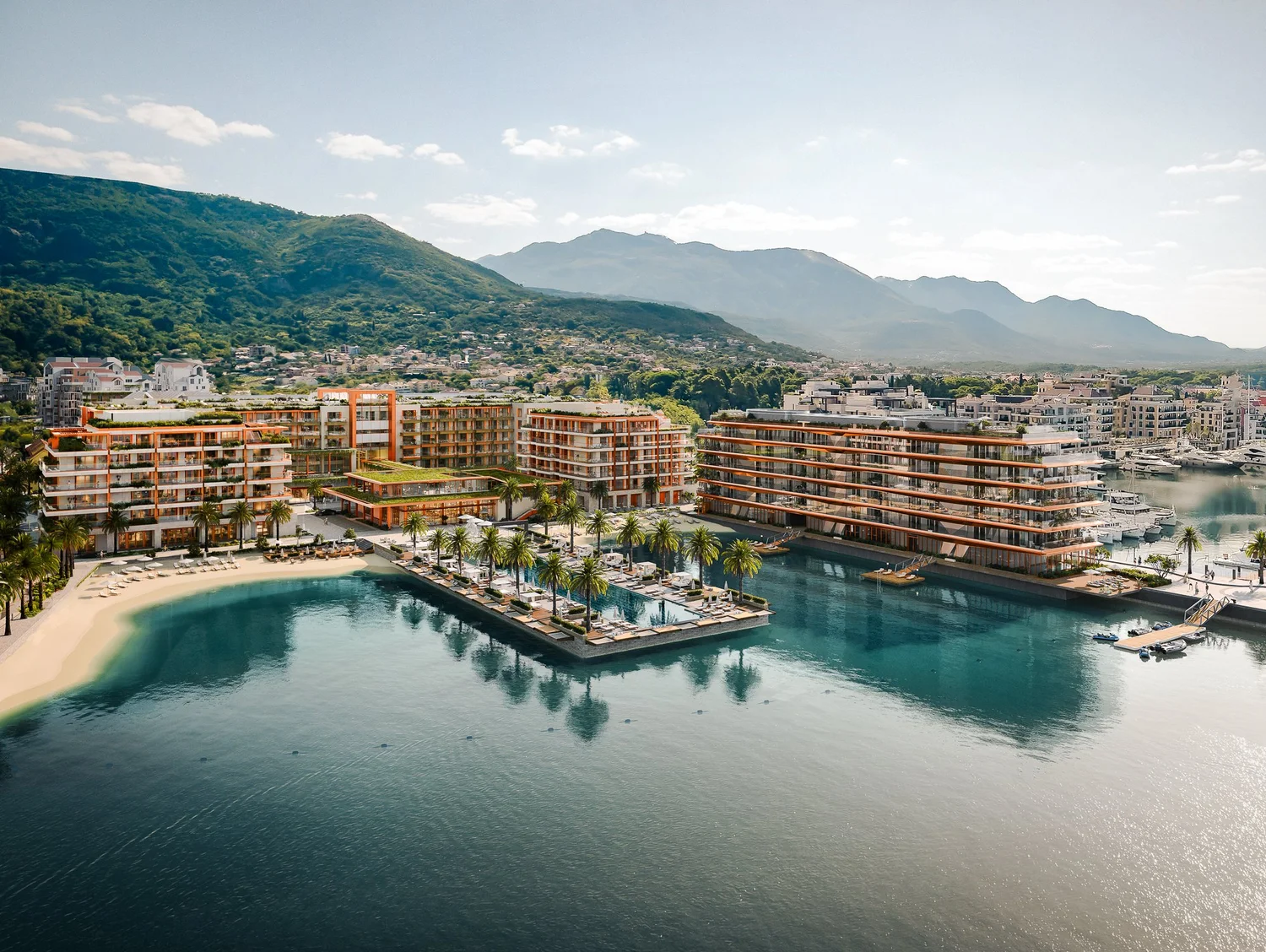
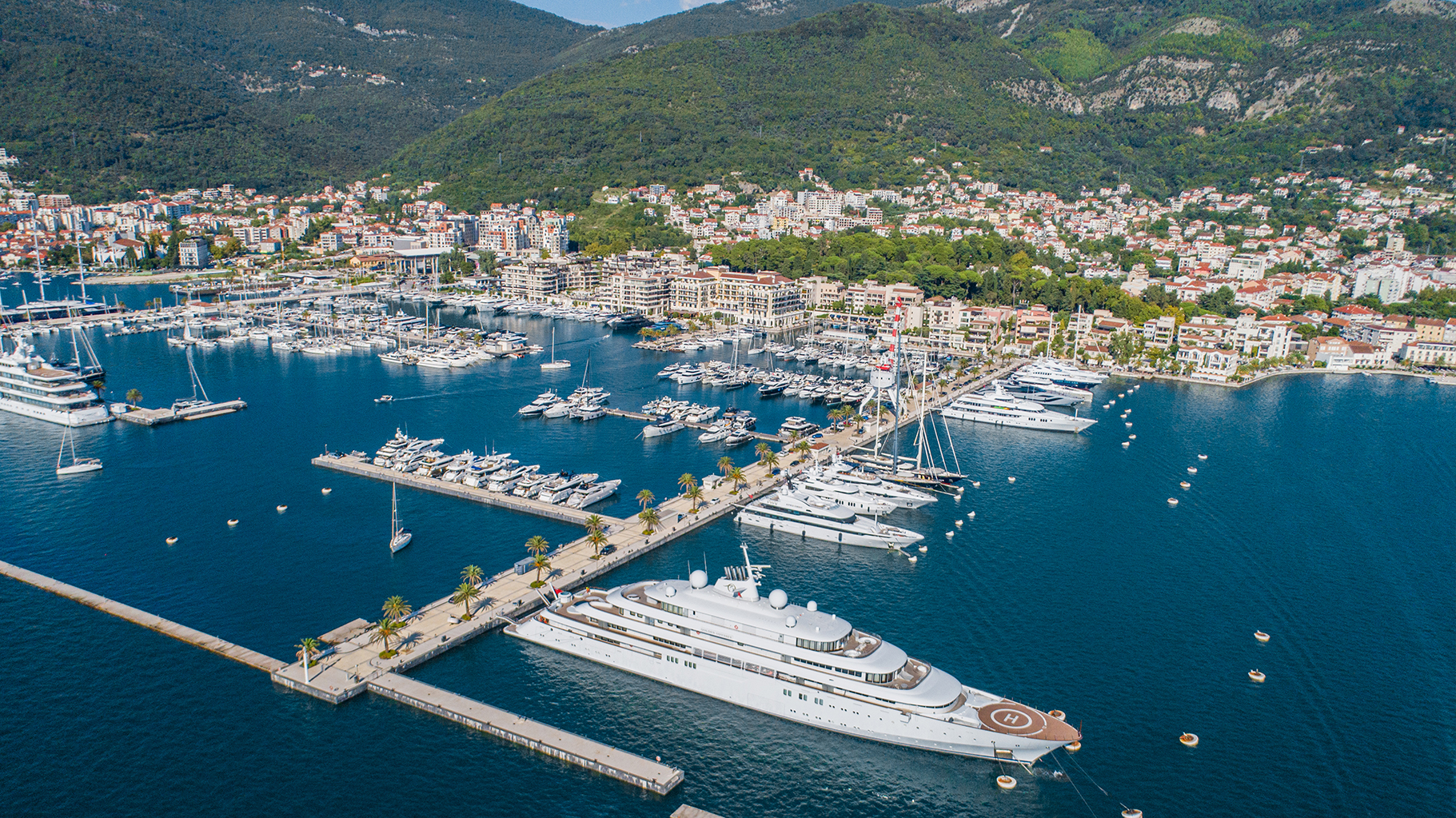
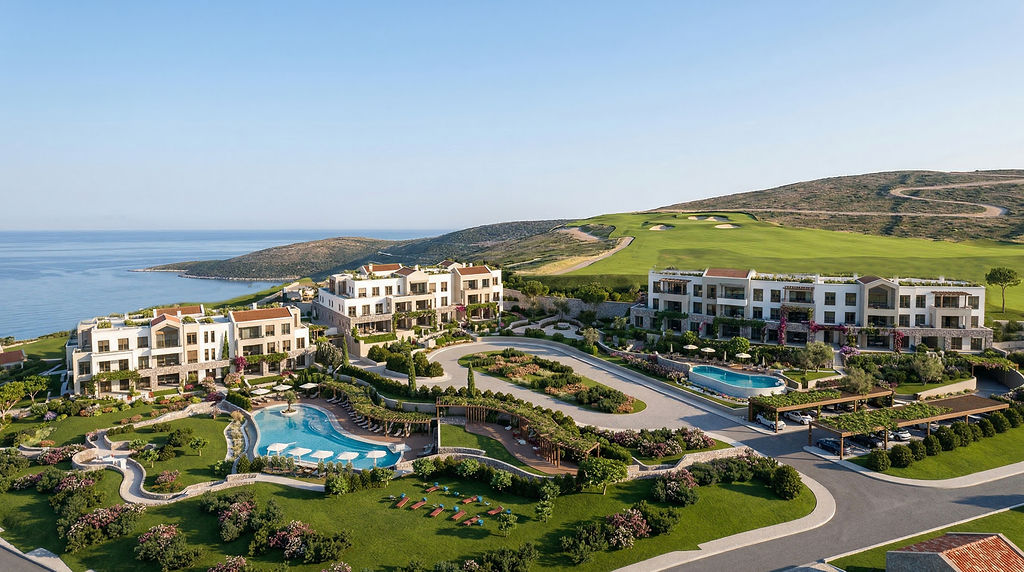
Tivat’s waterfront market combines the EU accession convergence thesis with a set of hard supply constraints. That exist independently of the accession narrative. The world’s only platinum-rated superyacht marina, a physically constrained bay geography, an international airport 4km away and rising demand from GCC and European buyers create a market where the EU premium stacks on top of existing structural scarcity.
Pre-launch pricing on select waterfront units in Tivat remains available through Barok Estates International. Once the development phases open to the broader market, these price levels will no longer be accessible.
Read our detailed guide to buying property in Tivat, Montenegro for the full acquisition framework, or visit the Tivat development page for current availability.
Frequently Asked Questions
When will Montenegro join the EU?
Montenegro is targeting EU accession between 2028 and 2030. It is the most advanced Western Balkans candidate, with 33 of 35 negotiating chapters open. The remaining work is concentrated in judicial reform and anti-corruption measures under Chapter 23.
How much did property values rise in Croatia when it joined the EU?
Coastal property values in Croatia rose approximately 40 to 60 percent in the decade surrounding accession (2003 to 2015). The most significant appreciation occurred in the 3 to 5 years before membership was confirmed in 2013, as international and institutional capital began pricing in the EU premium.
Does Montenegro already use the euro?
Yes. Montenegro unilaterally adopted the euro as its currency in 2002, well before EU membership was on the agenda. This means there is no currency transition risk for euro-denominated property purchases, unlike Croatia which converted from the kuna to the euro at accession in 2023.
Will EU membership affect property ownership rights for non-EU buyers in Montenegro?
Montenegro already allows foreign nationals to own freehold property without restriction. EU membership will strengthen the legal framework around ownership: improving land registry standards, contract enforcement, and alignment with EU property law norms. This is broadly positive for all property owners.
Is the EU accession premium already priced into Montenegro property?
Not fully. Montenegro's coastal property remains 40 to 60 percent below comparable Adriatic markets in EU member states (Croatia, Italy). Some appreciation has occurred in prime markets like Tivat, but the full convergence premium has not yet been reflected. Historical precedent from Croatia and Bulgaria suggests the premium compresses most significantly in the 3 to 5 years immediately before accession.
What is the main obstacle to Montenegro's EU accession?
The primary outstanding chapter is Chapter 23, covering Judiciary and Fundamental Rights. The EU requires demonstrated judicial independence, credible anti-corruption prosecutions, and rule of law reforms that show systemic change rather than individual cases. Progress has been made but the chapter remains open. Montenegro's political consensus in favour of EU membership is strong across parties, which supports continued reform momentum.
Request a Private Briefing
Barok Estates International provides qualified buyers with detailed investment analysis on the EU accession thesis and its application to specific waterfront opportunities in Tivat. Pre-launch pricing is available on a confidential basis.
Email: info@barokestates.com
Phone/WhatsApp: +34 614 100 466
Barok Estates International provides expert guidance for buyers and investors seeking premium real estate. Explore our current portfolio or contact our team to learn more.






.jpg)