TL;DR: Montenegro real estate in 2026 occupies a unique position in Europe’s emerging luxury corridor, offering prime coastal assets at a fraction of comparable Mediterranean market prices. (see the Montenegro Statistical Office (MONSTAT))
Montenegro Real Estate 2026: Premium Market Positioning in Europe’s Emerging Luxury Corridor
Therefore, montenegro is no longer a secondary market for European investors. What was once overlooked is now reshaping as a serious asset class, particularly in the ultra-prime segment with construction permits down 82% year-over-year, prices appreciating 15% since 2023, and average valuations at EUR 2,228 per square metre, the country has entered a critical window. For serious investors seeking diversified exposure to emerging European markets, understanding Montenegro’s positioning is essential.
Montenegro’s Market Foundation: Why Now Matters
As a result, montenegro’s real estate market in 2025 has reached one of its most active periods in a decade. The average price for newly built residential property stands at EUR 2,228 per square metre, representing a structural shift from earlier undervaluation. Coastal properties command EUR 2,458 per square metre, while inland markets trade at EUR 1,578 per square metre. This two-tier structure creates both accessibility and opportunity depending on investment thesis.
But the critical metric is supply. Construction permits issued in Q2 2025 numbered just 10, representing an 82% year-over-year collapse from Q2 2024. This dramatic supply contraction, combined with rising demand from both local and international buyers. Has locked in scarcity dynamics across prime markets. When supply dries up faster than demand can absorb, pricing power concentrates in the hands of owners holding assets in strategic locations.
Price Growth Trajectory: 15% Appreciation Since 2023
Residential property values across Montenegro have climbed approximately 15% cumulatively since 2023. This appreciation reflects the convergence of three forces: international capital inflows seeking European diversification. Steady local demand driven by improving economic conditions and lifestyle migration, and a shrinking supply pipeline. Forecasts suggest this momentum will persist, though at moderated rates, as the market consolidates upward.
Importantly, this growth is not speculative. It is grounded in structural undersupply. Developers face construction bottlenecks, permitting delays, and shifting project economics. The result is a market where completed inventory cannot keep pace with buyer interest. In such environments, owners of completed premium properties benefit from multiple years of price appreciation before meaningful supply increases materialise.
Regional Segmentation: Where Premium Capital Concentrates
Budva Riviera: Tourism-Driven Income Play
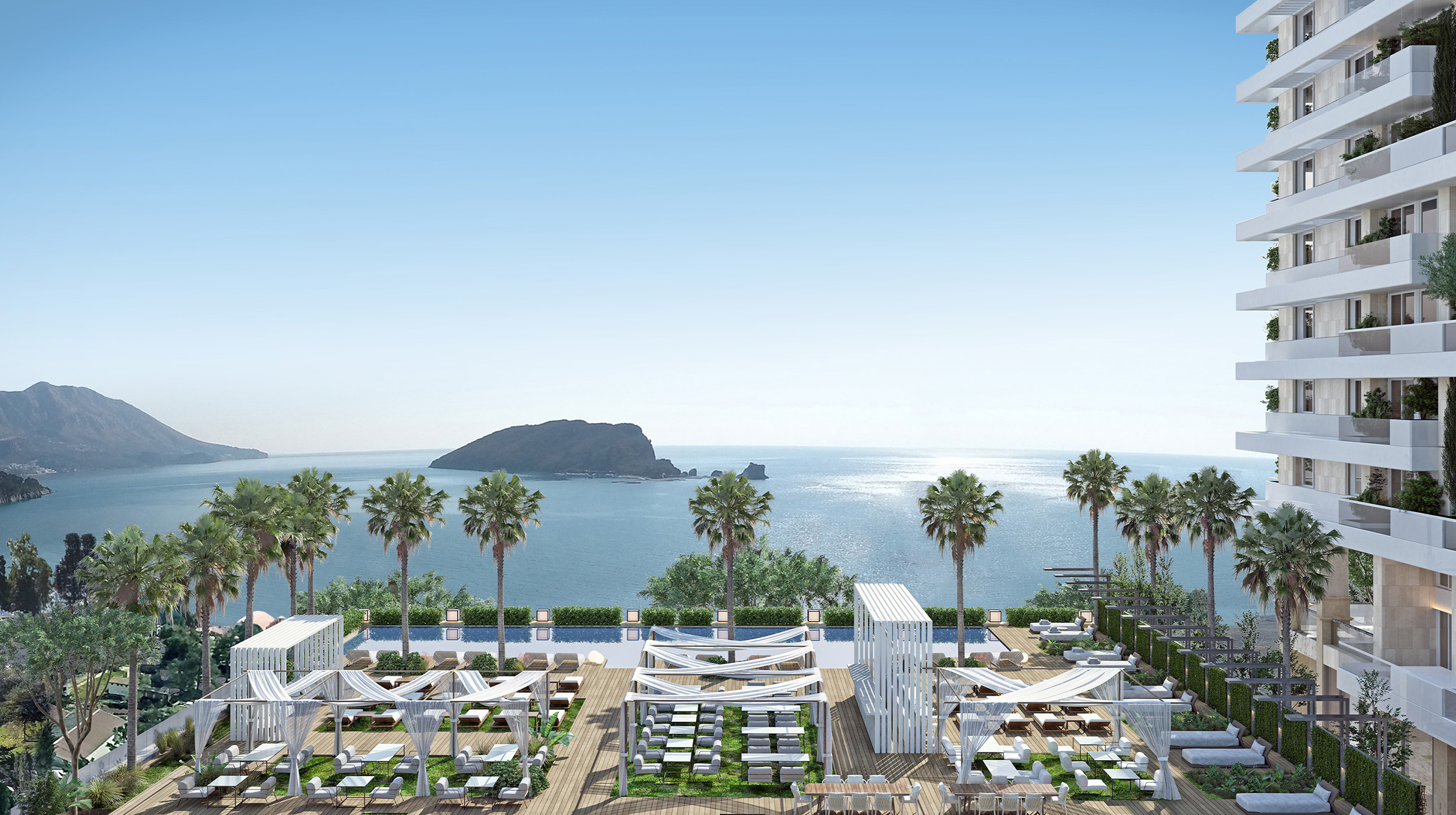
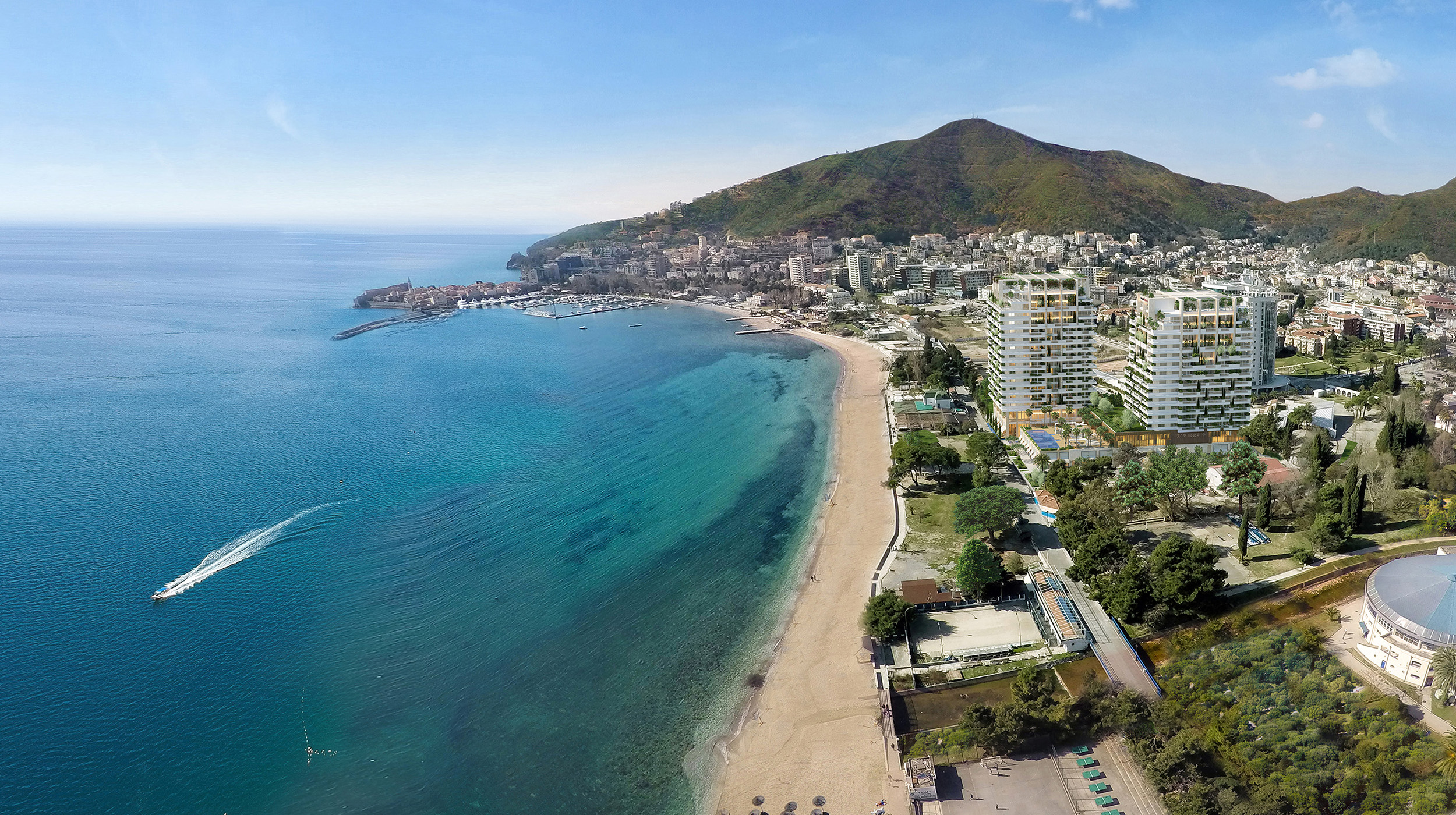
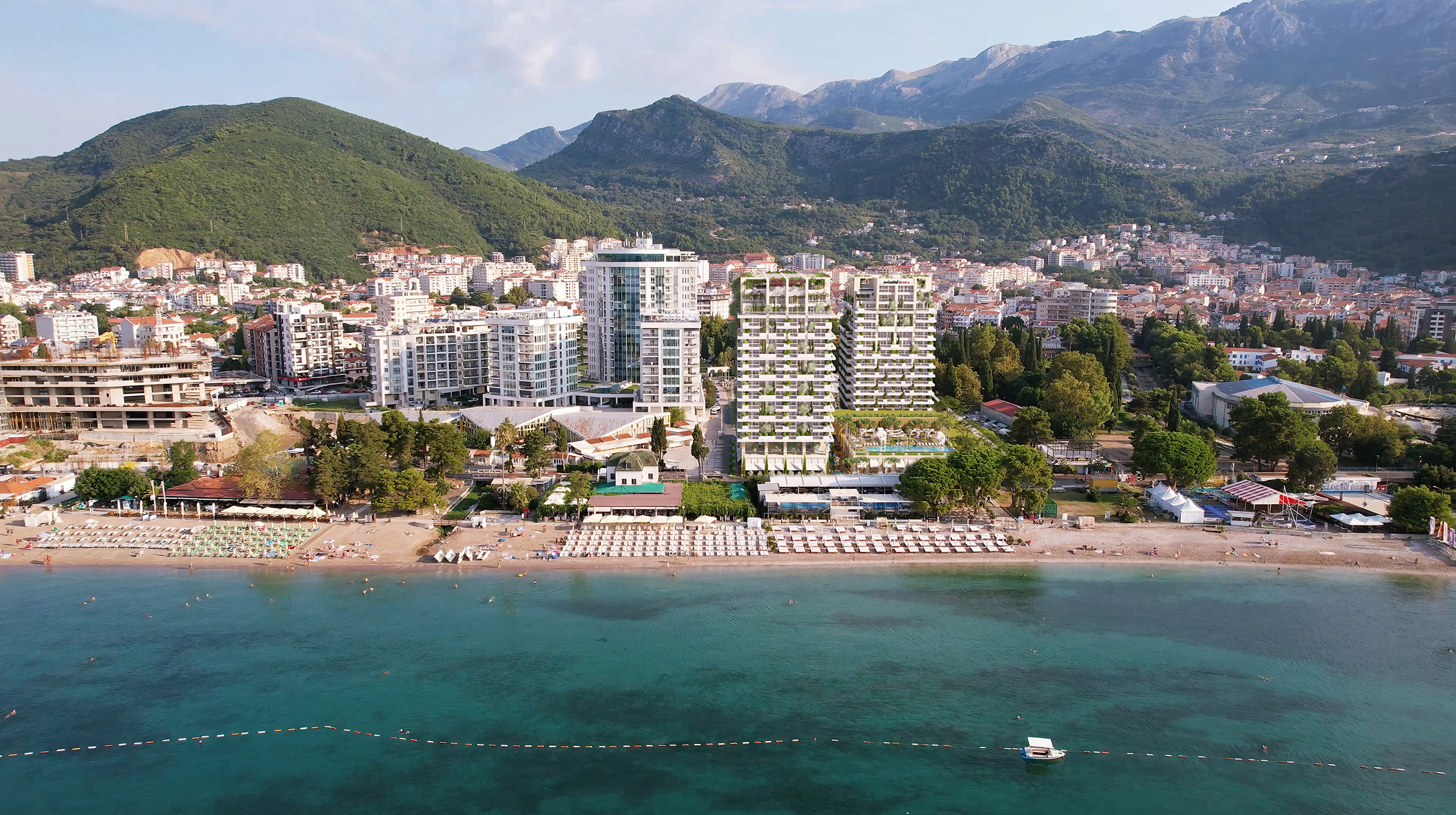
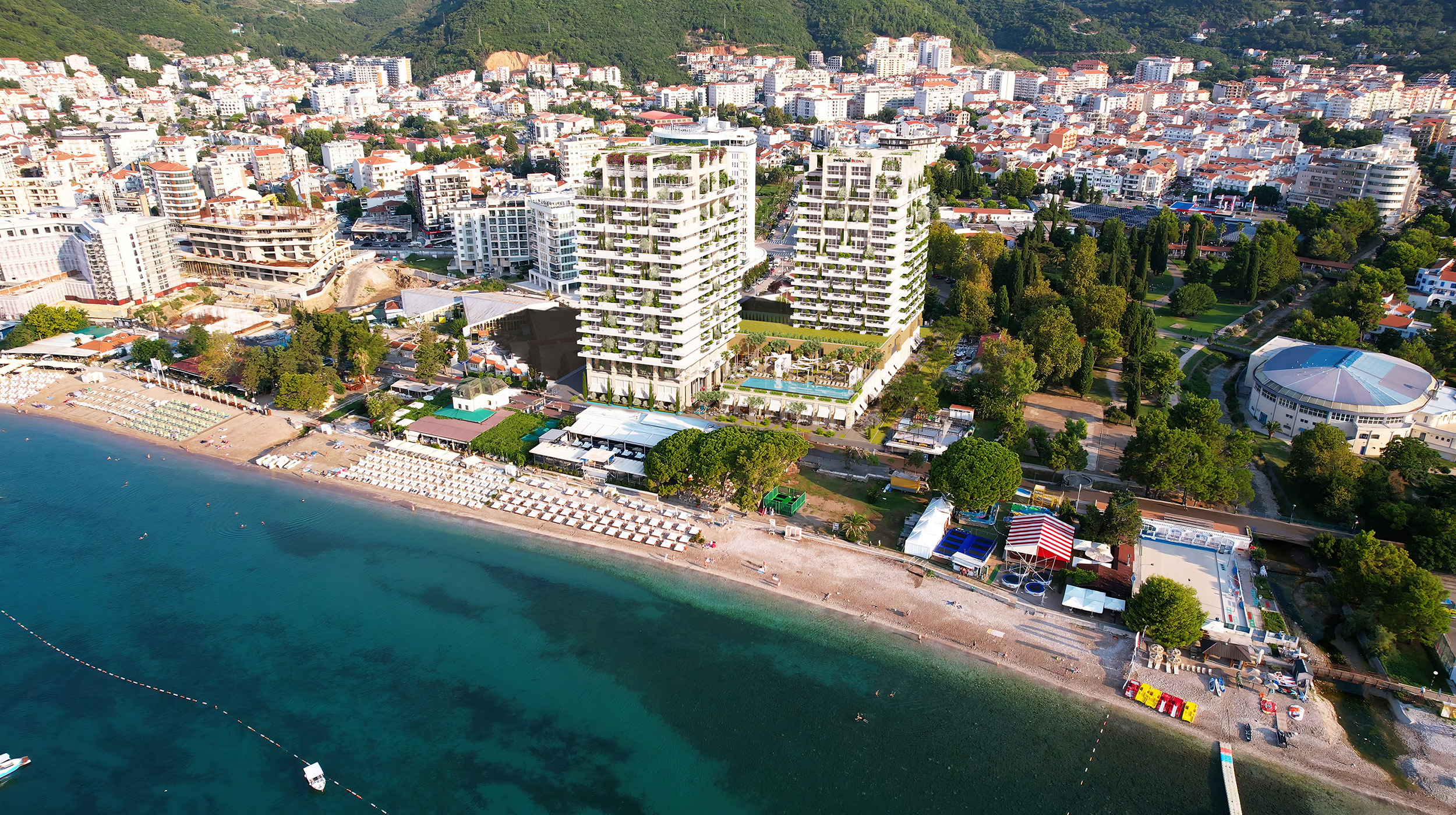
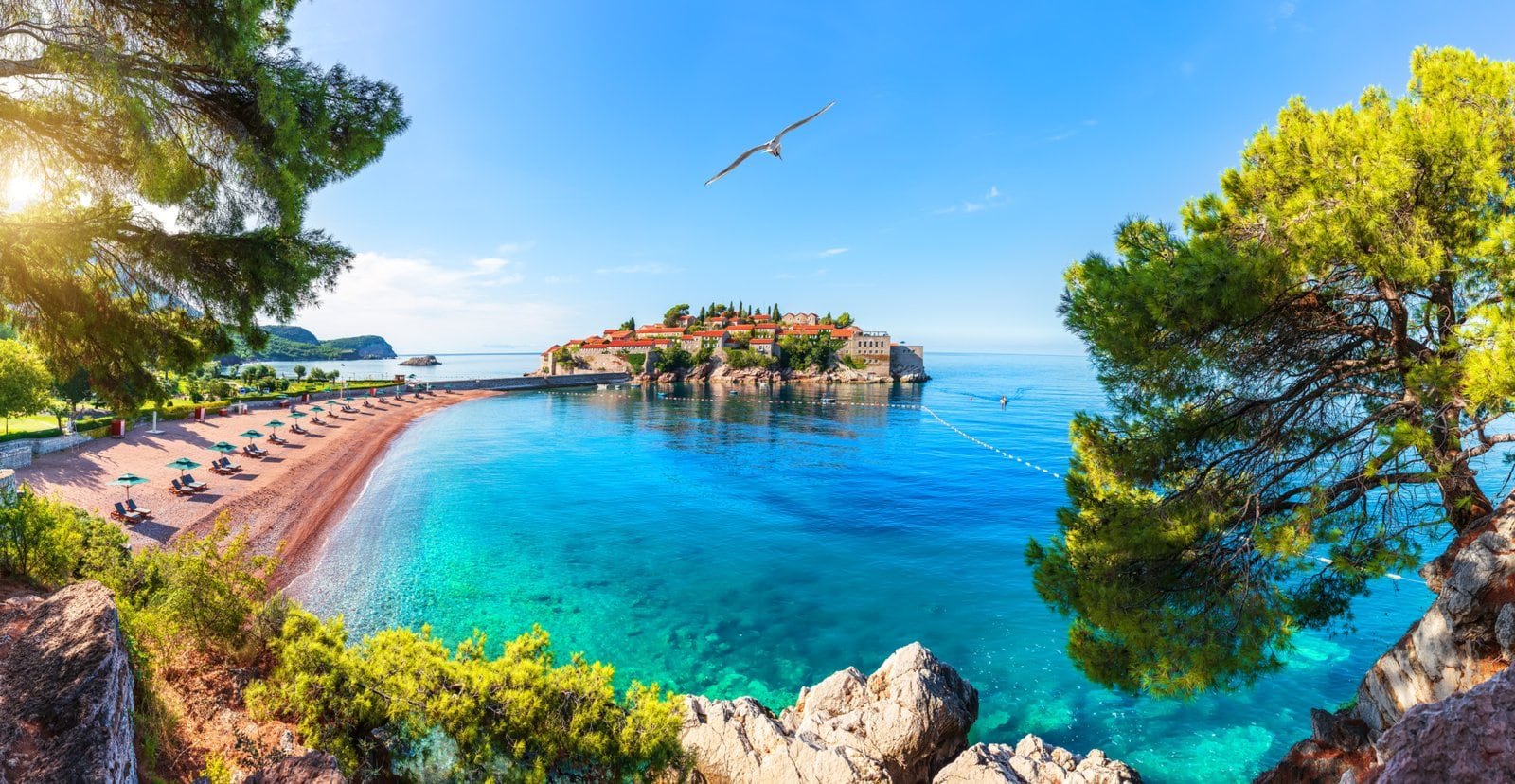
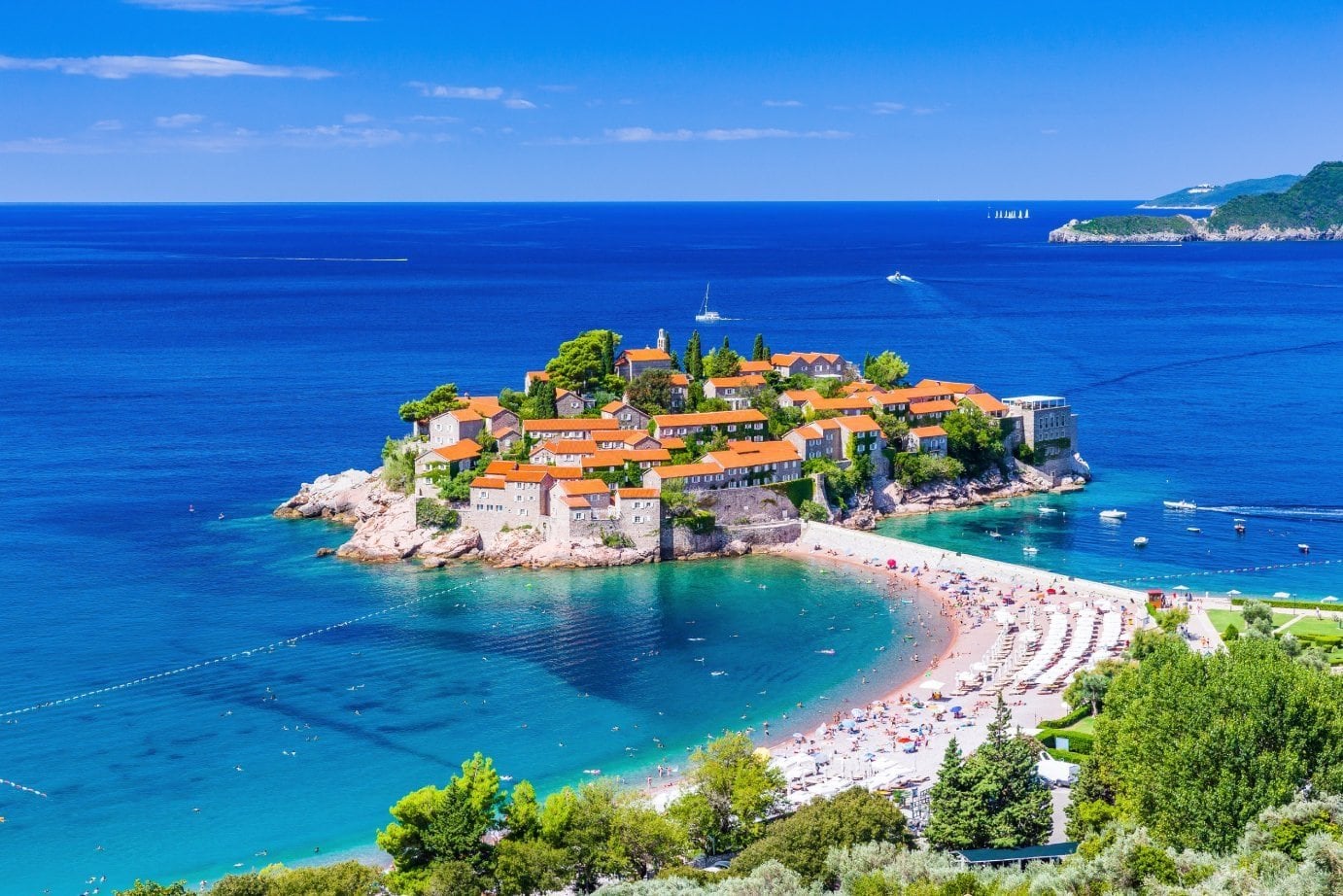
Meanwhile, Budva remains Montenegro’s highest-traffic rental destination. Standard apartments trade between EUR 1,700 and EUR 3,500 per square metre with luxury apartments commanding EUR 3,500 to EUR 6,000 per square metre. Villas range from EUR 3,000 to EUR 10,000 per square metre depending on positioning and sea access. Expected ROI spans 4.5% to 6.5% for standard apartments, reflecting strong seasonal occupancy from the millions of tourists who visit annually.
In addition, budva’s appeal is straightforward: tourism creates predictable rental demand, occupancy rates remain high during peak season and the market attracts price-conscious investors seeking reliable cash flow. However, this is a volume play. Properties here perform their function as income generators rather than strategic portfolio anchors.
Tivat, Kotor, and the Bay of Kotor: Ultra-Prime Positioning
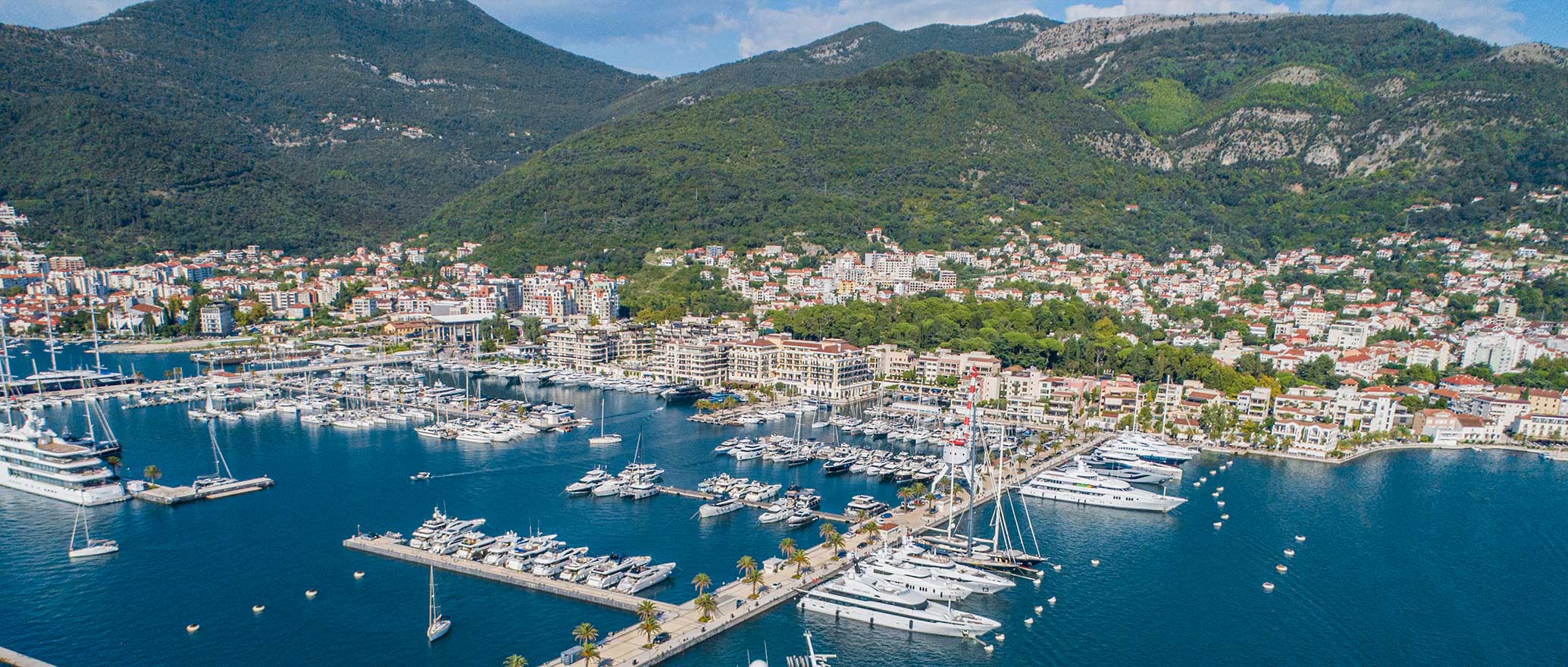
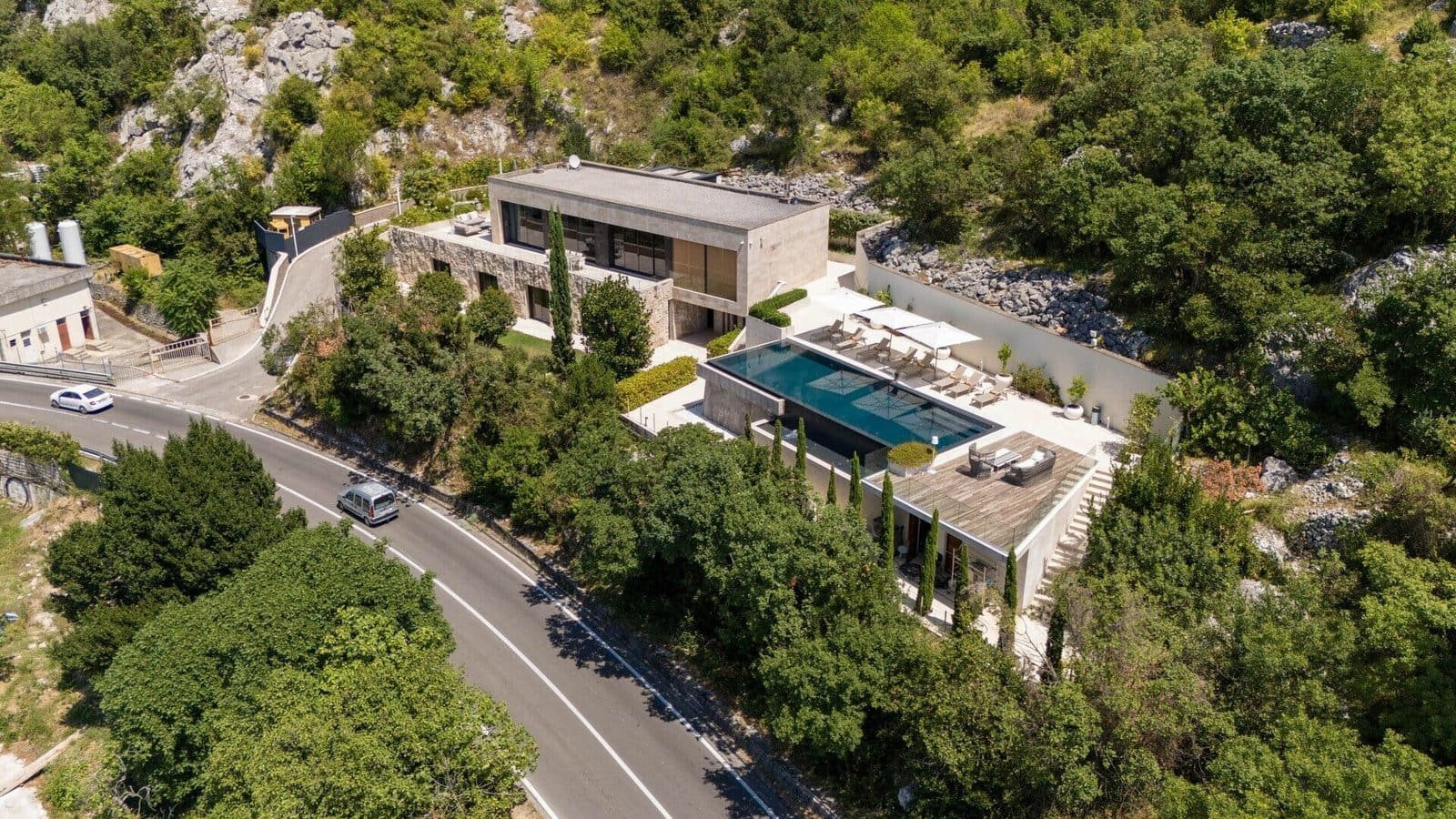
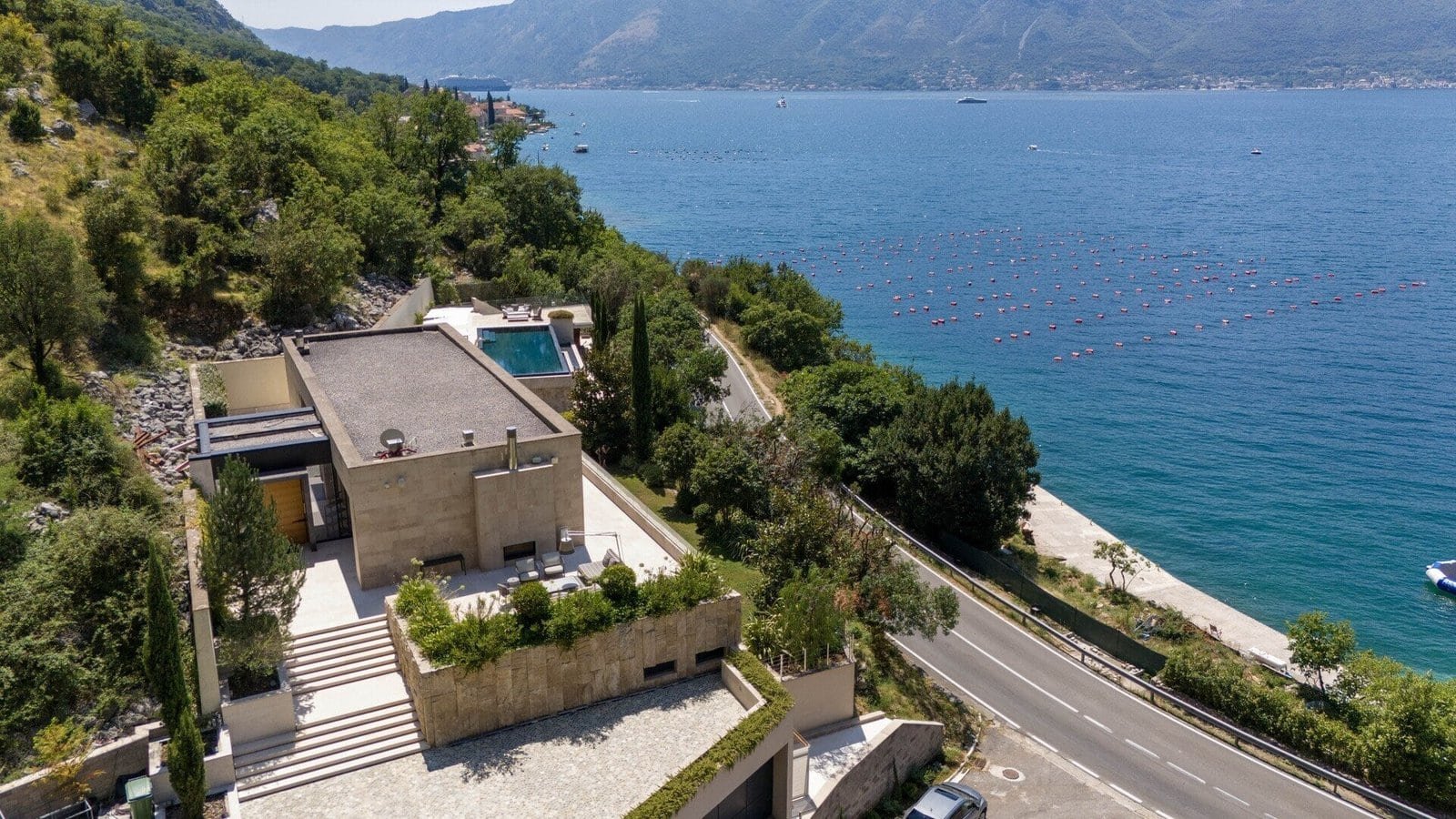
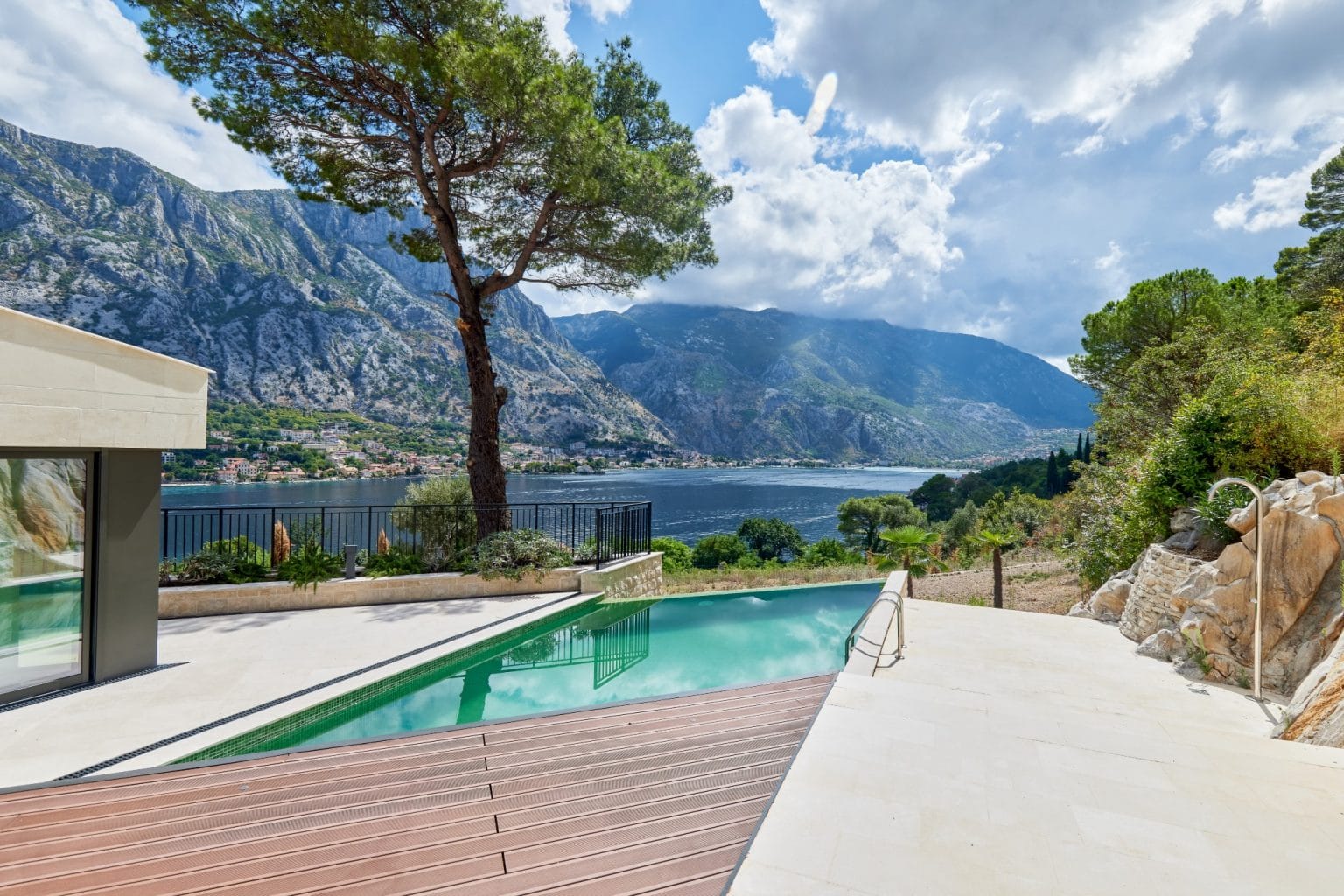
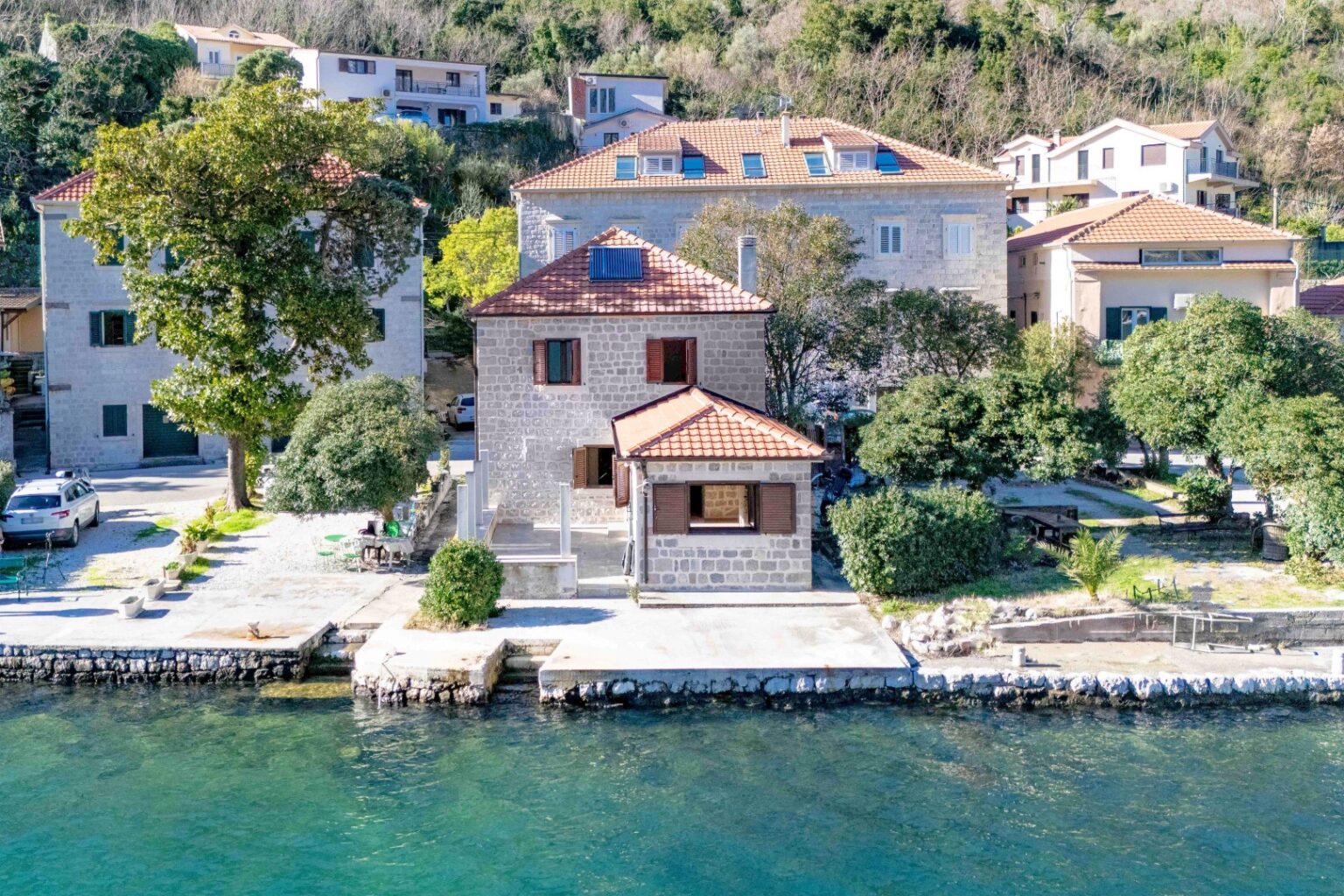
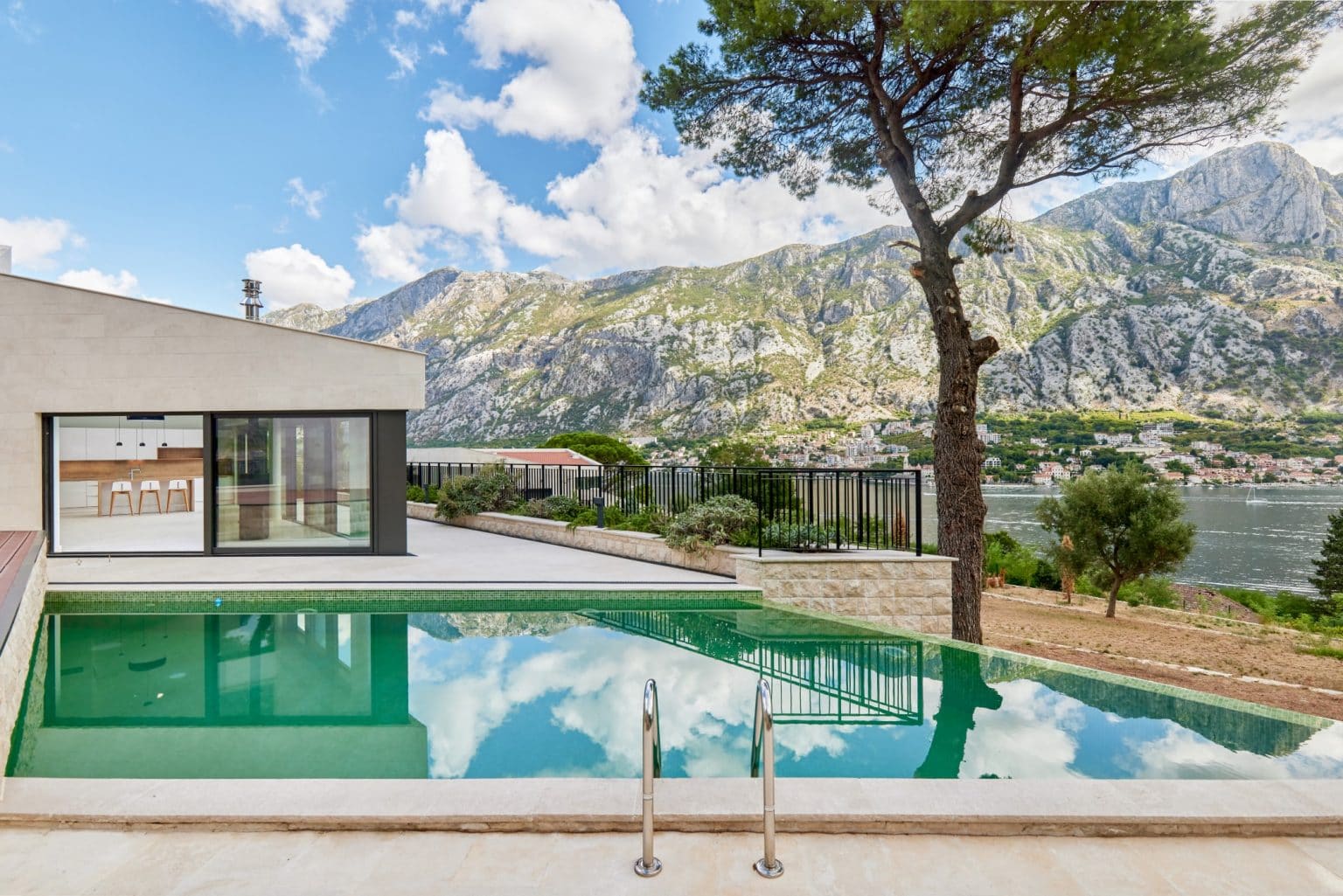
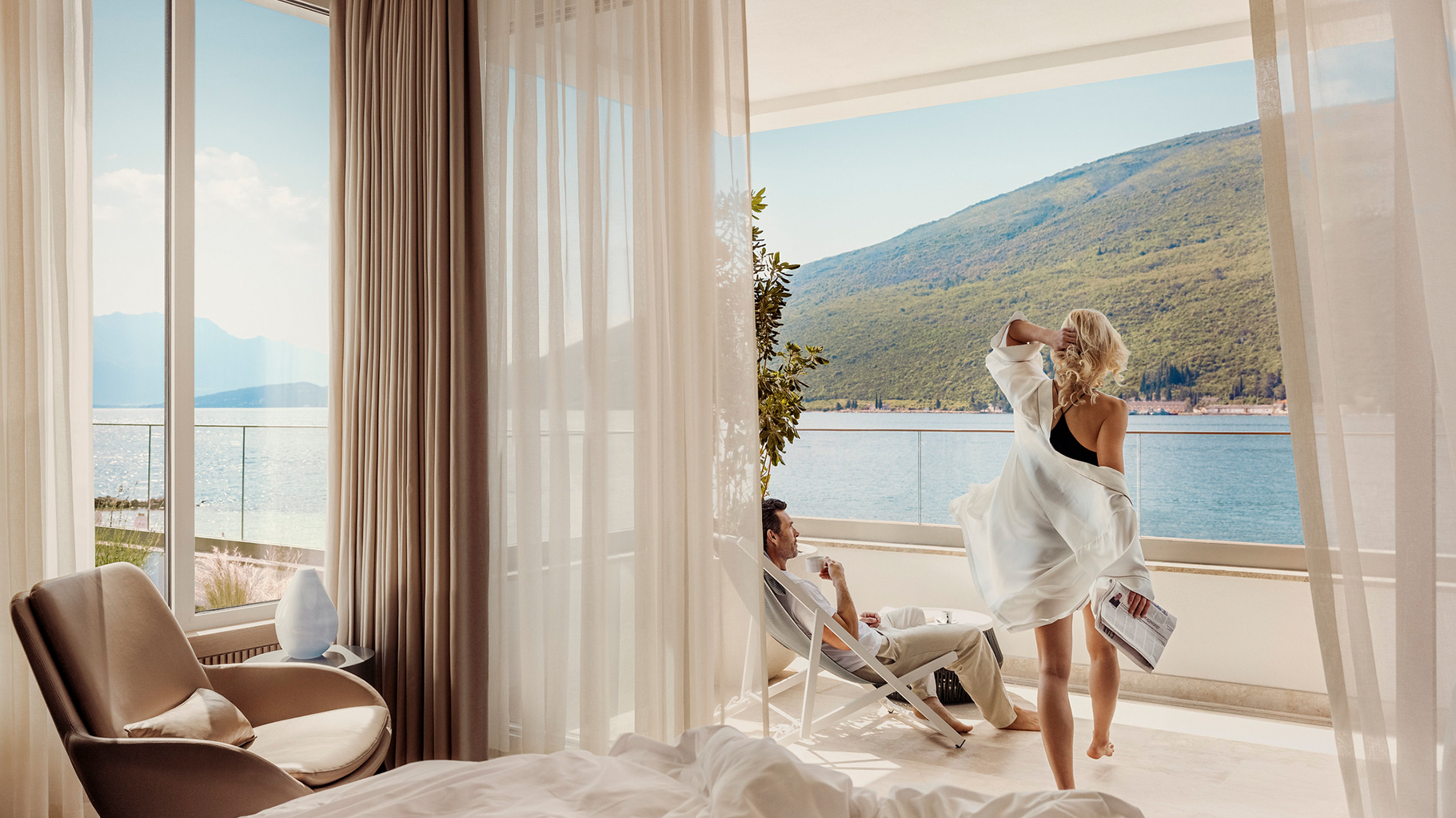
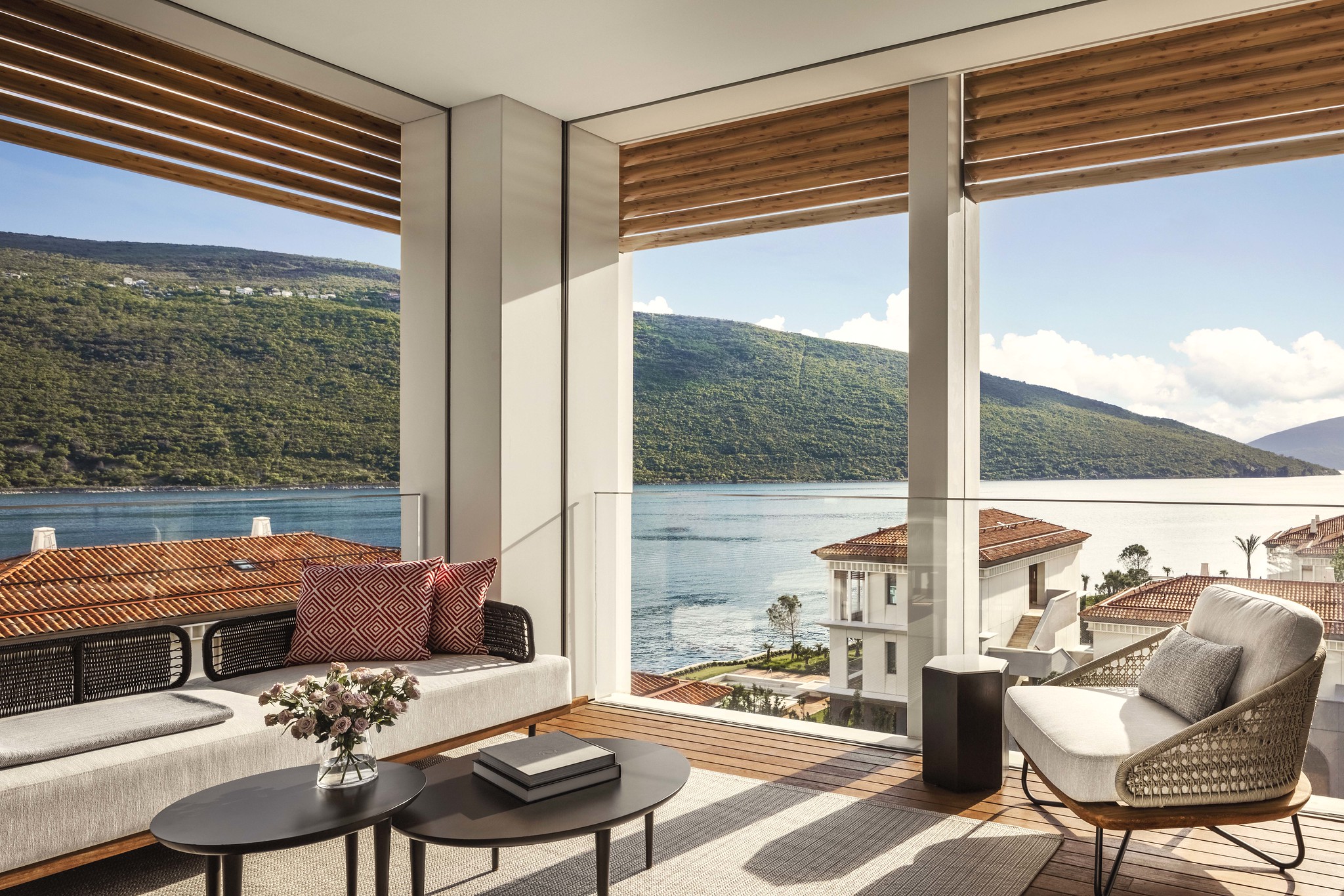
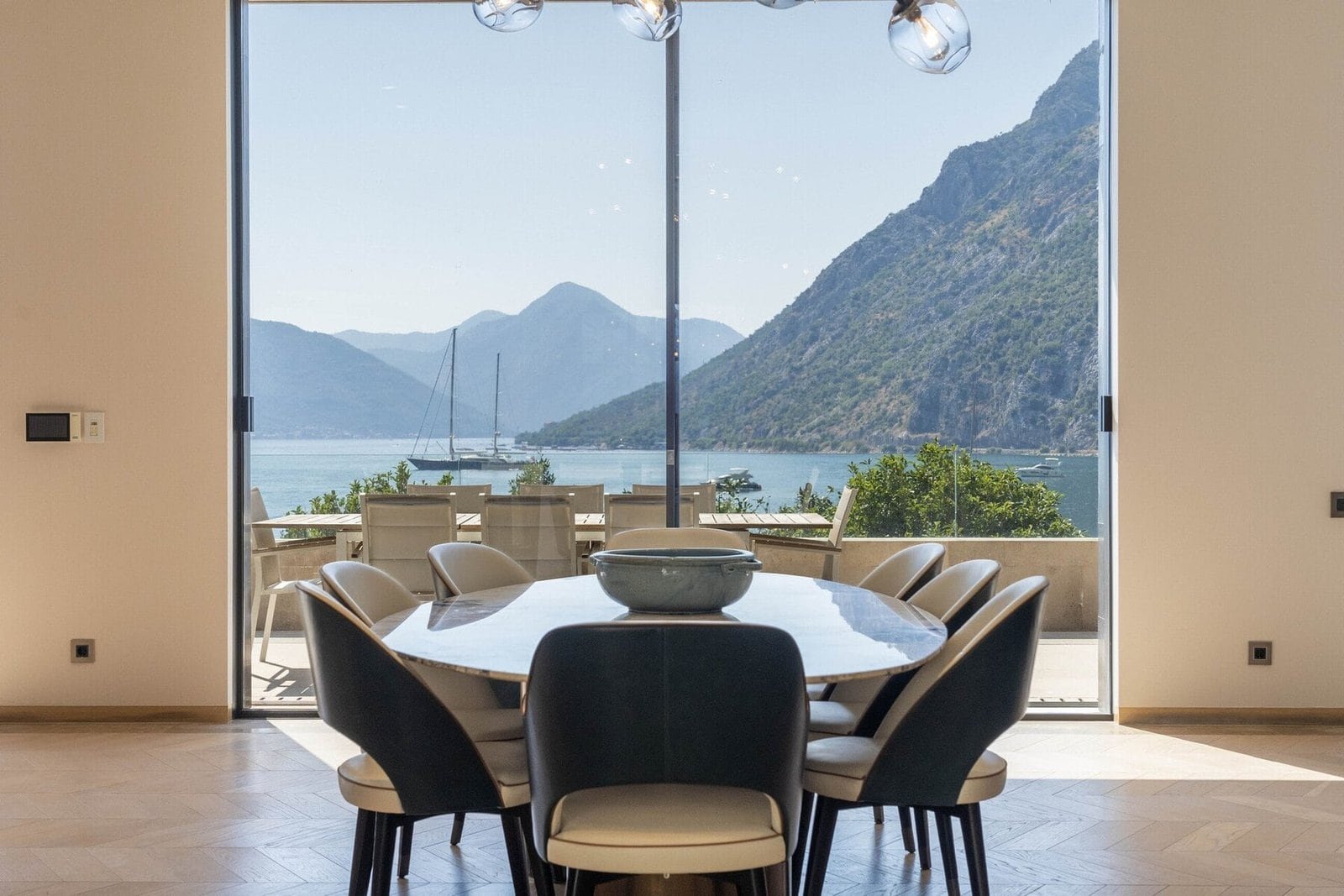
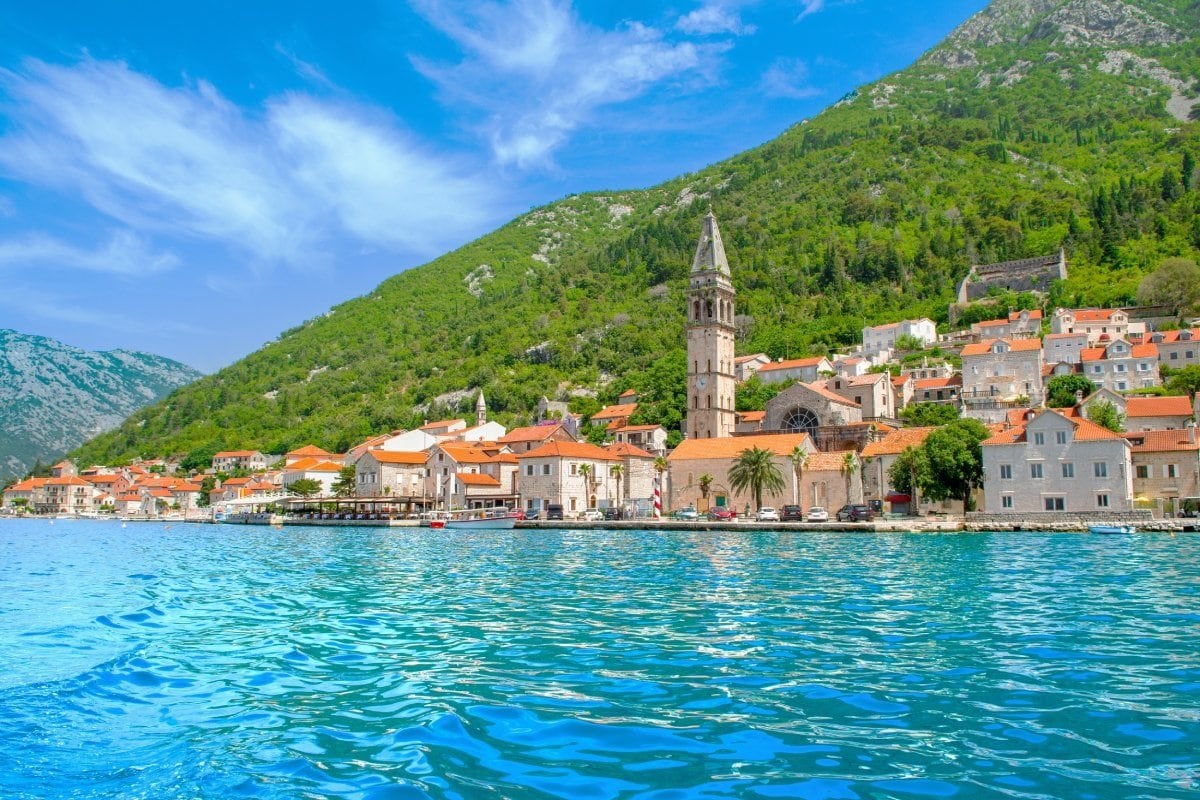
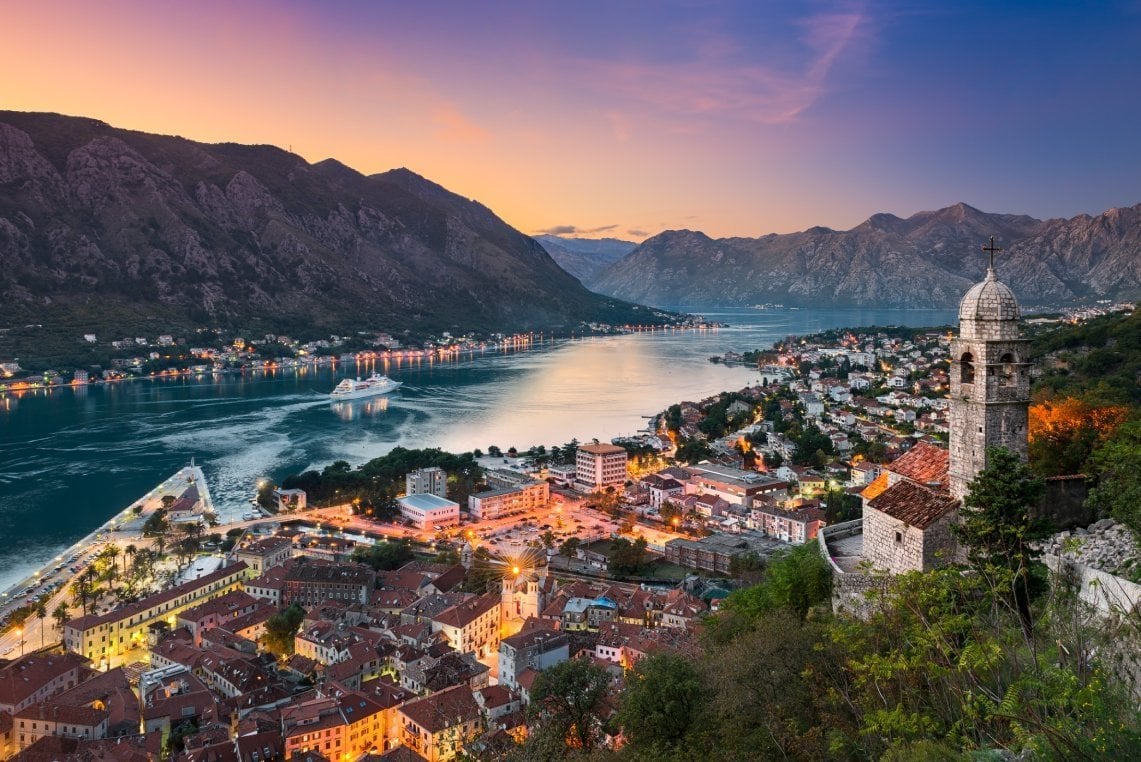
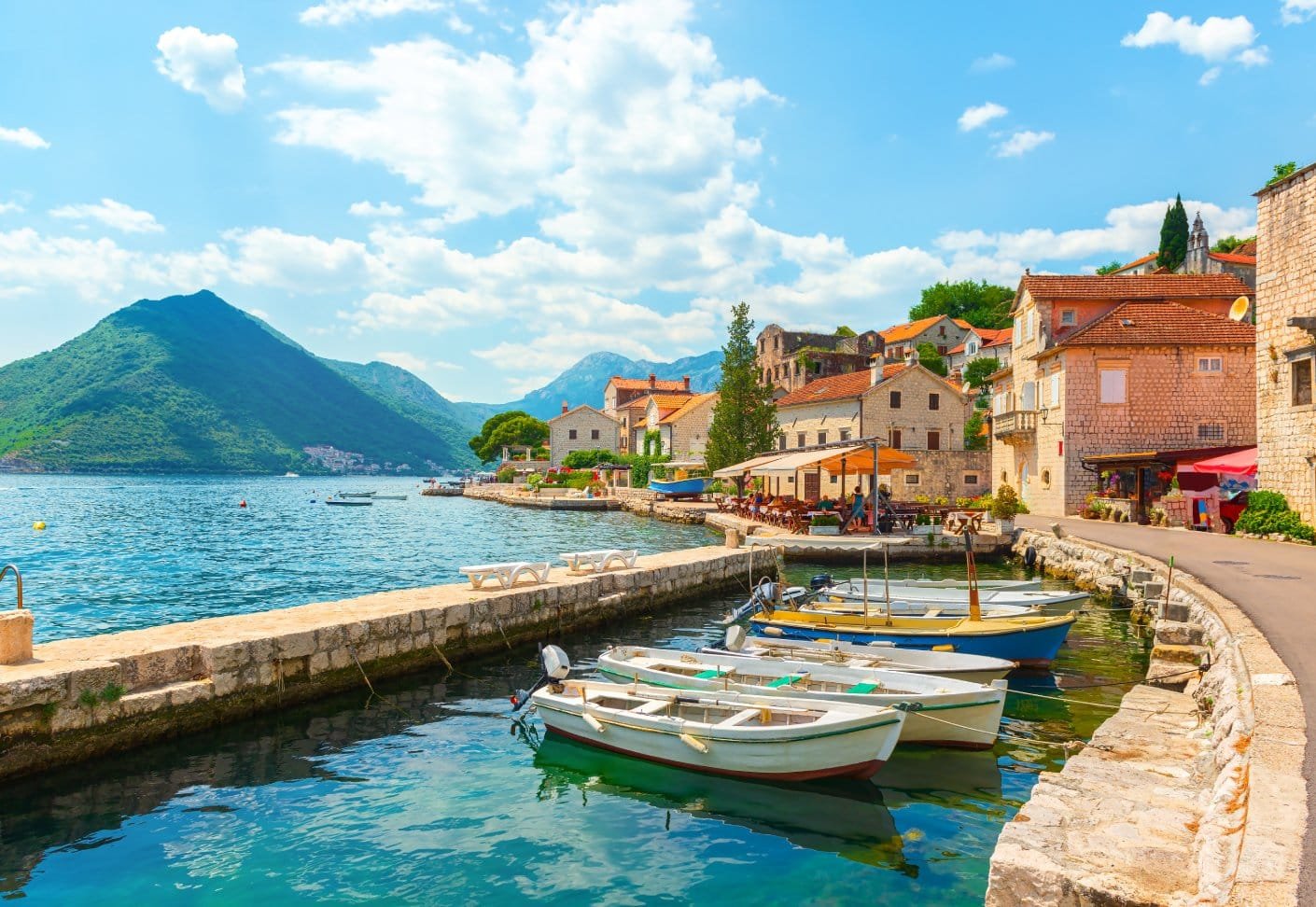
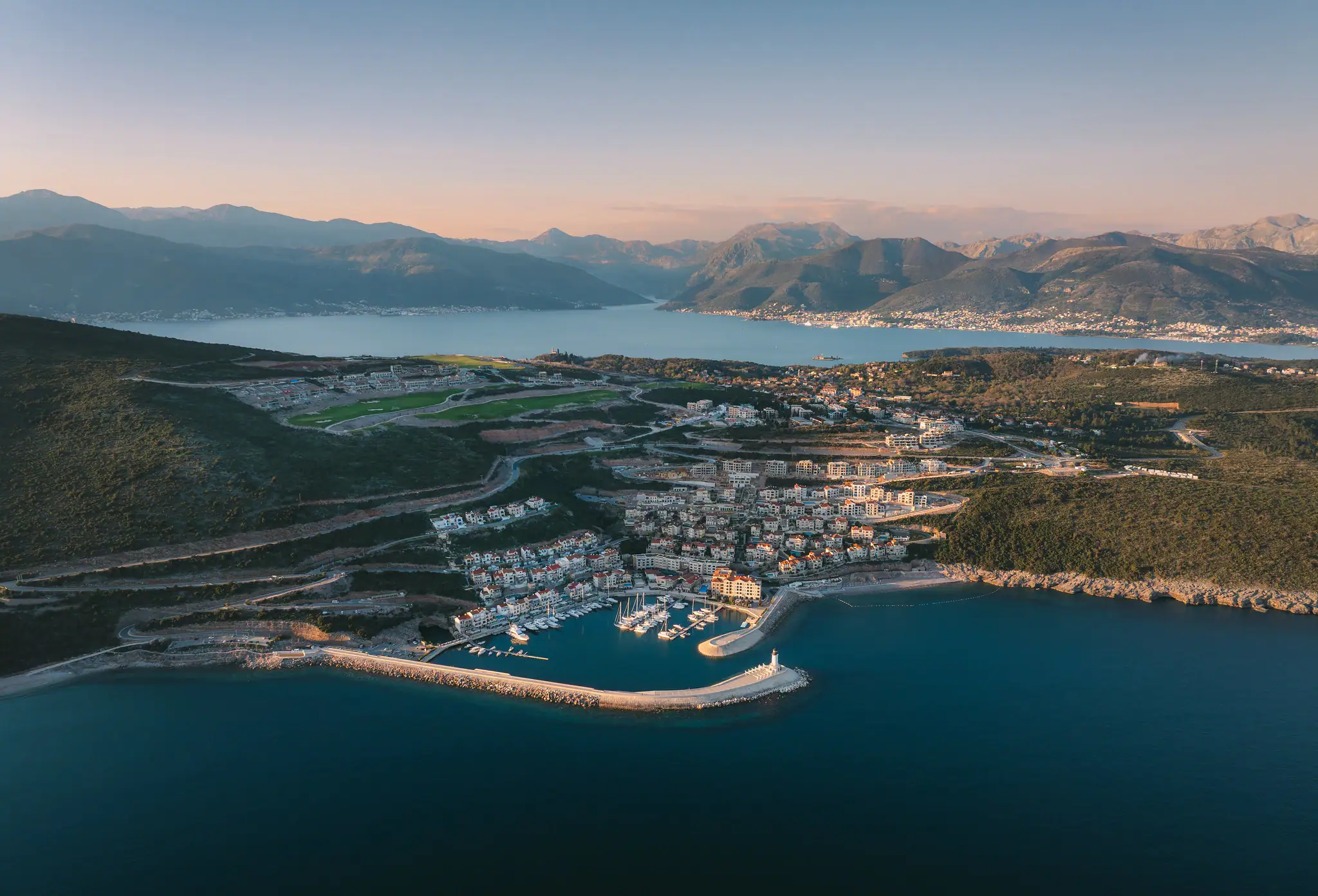
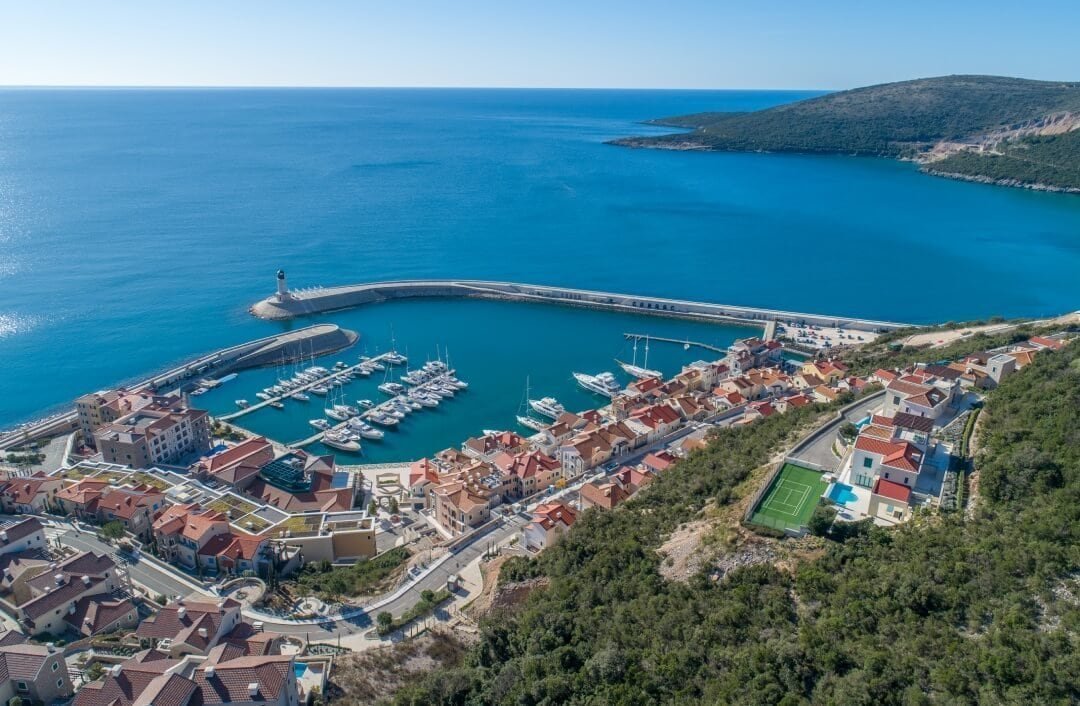
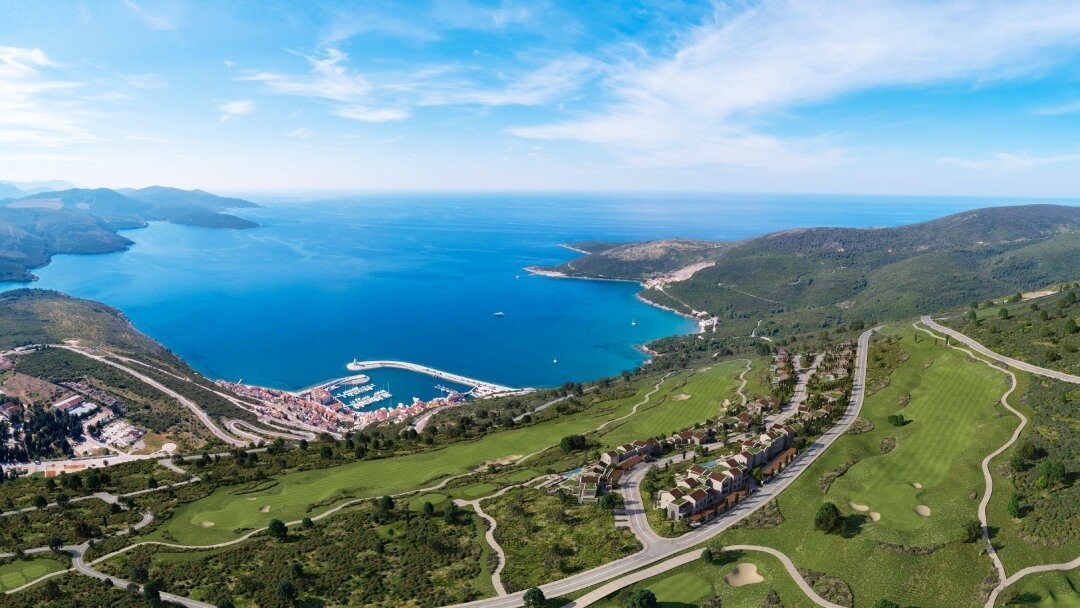
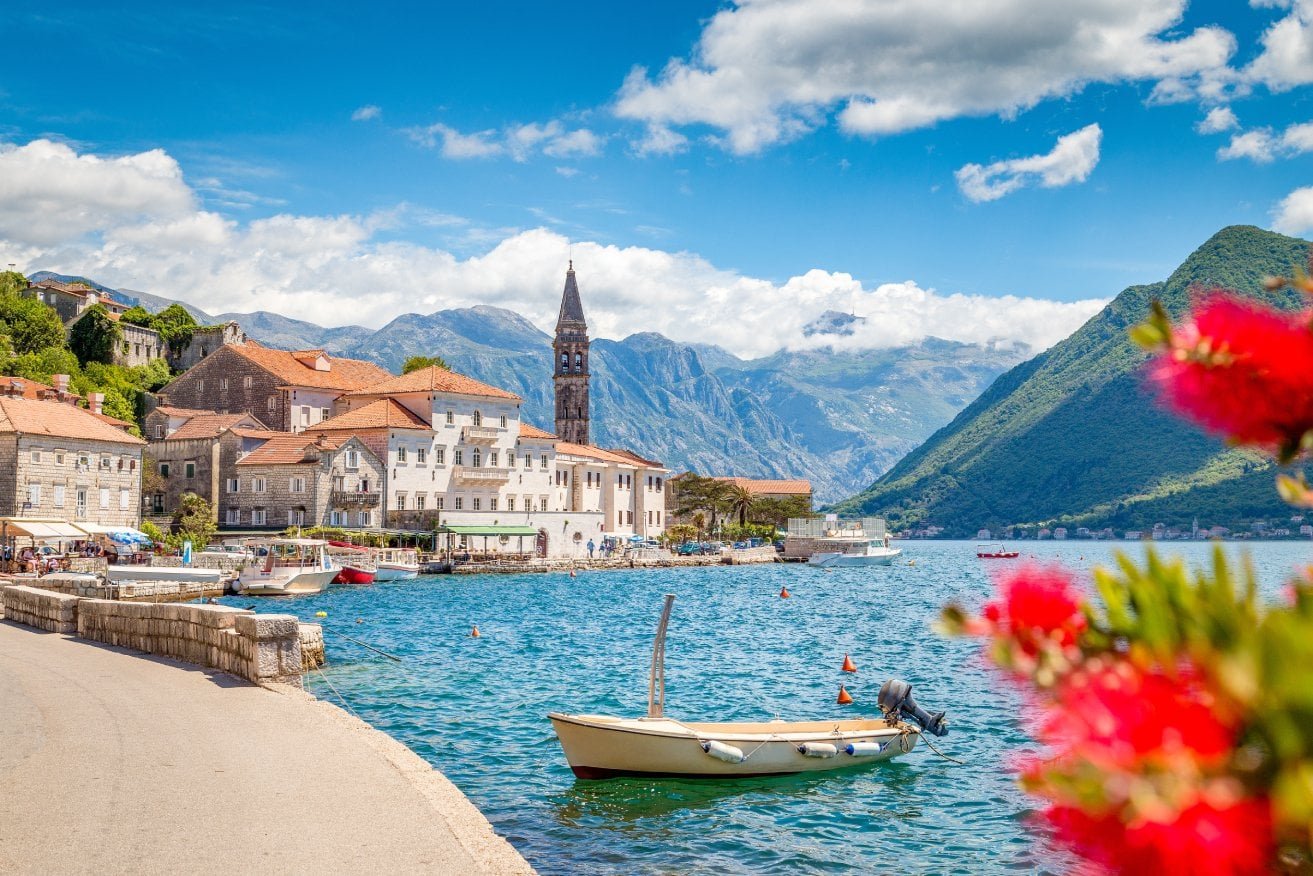
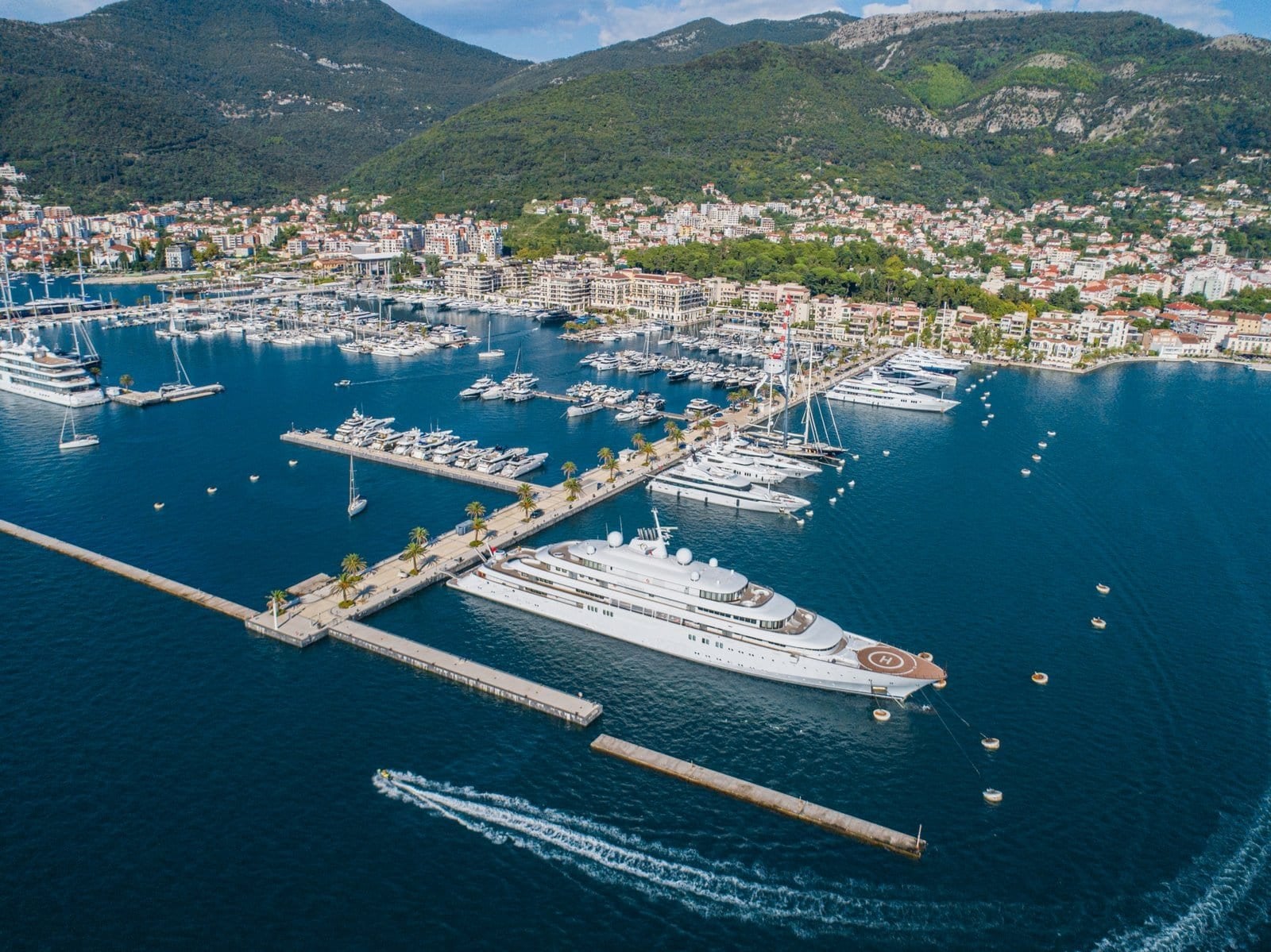
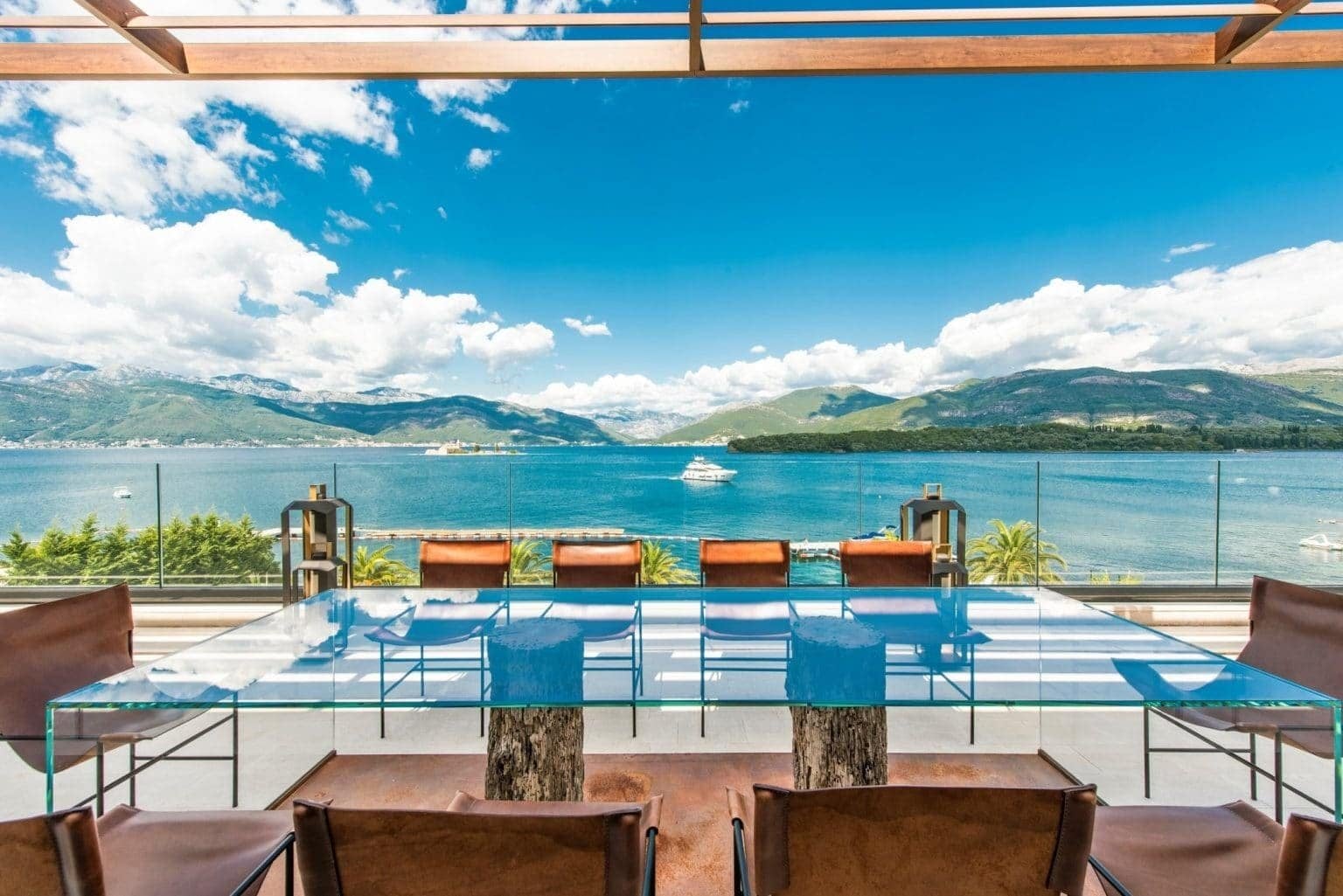
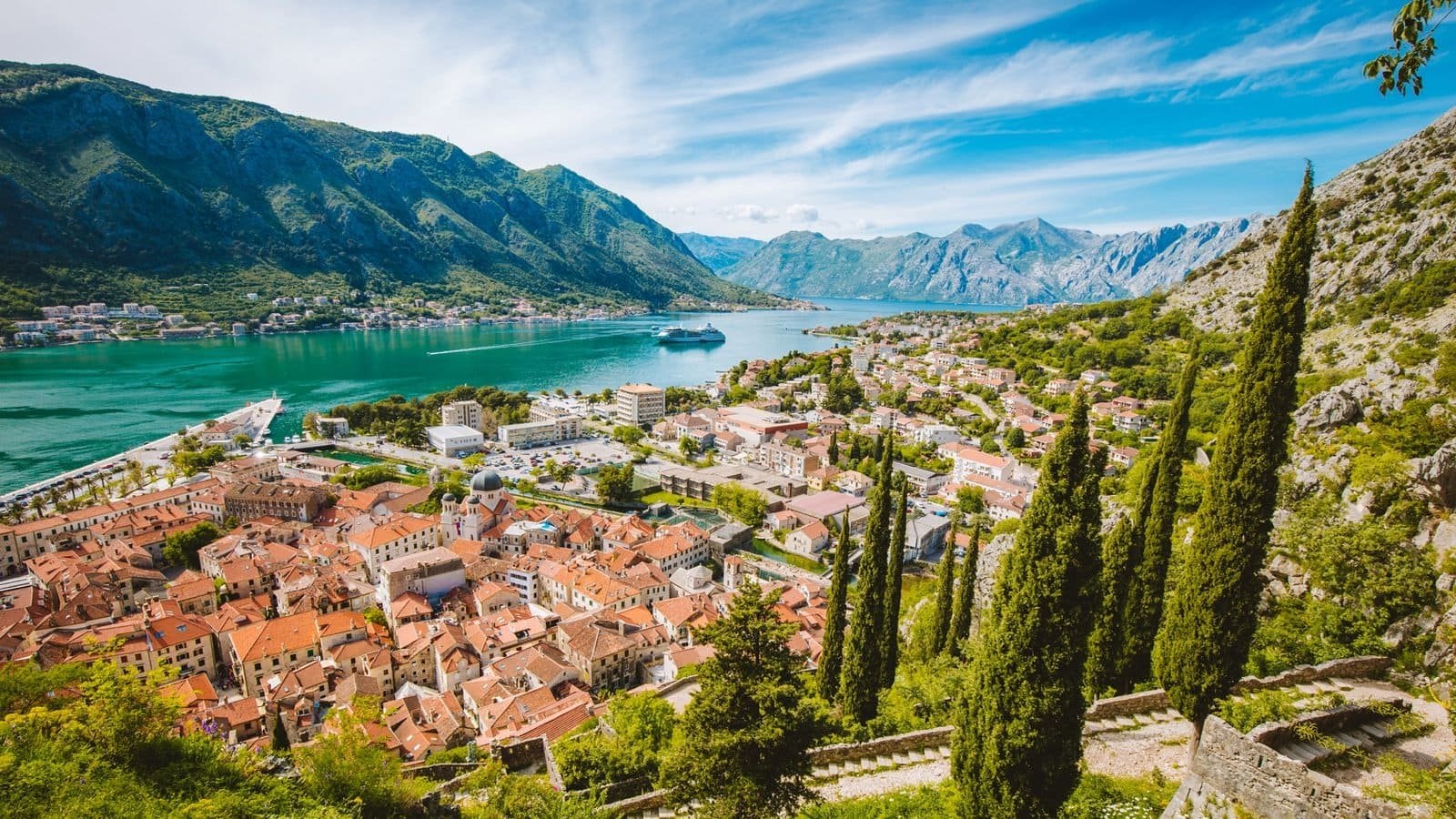
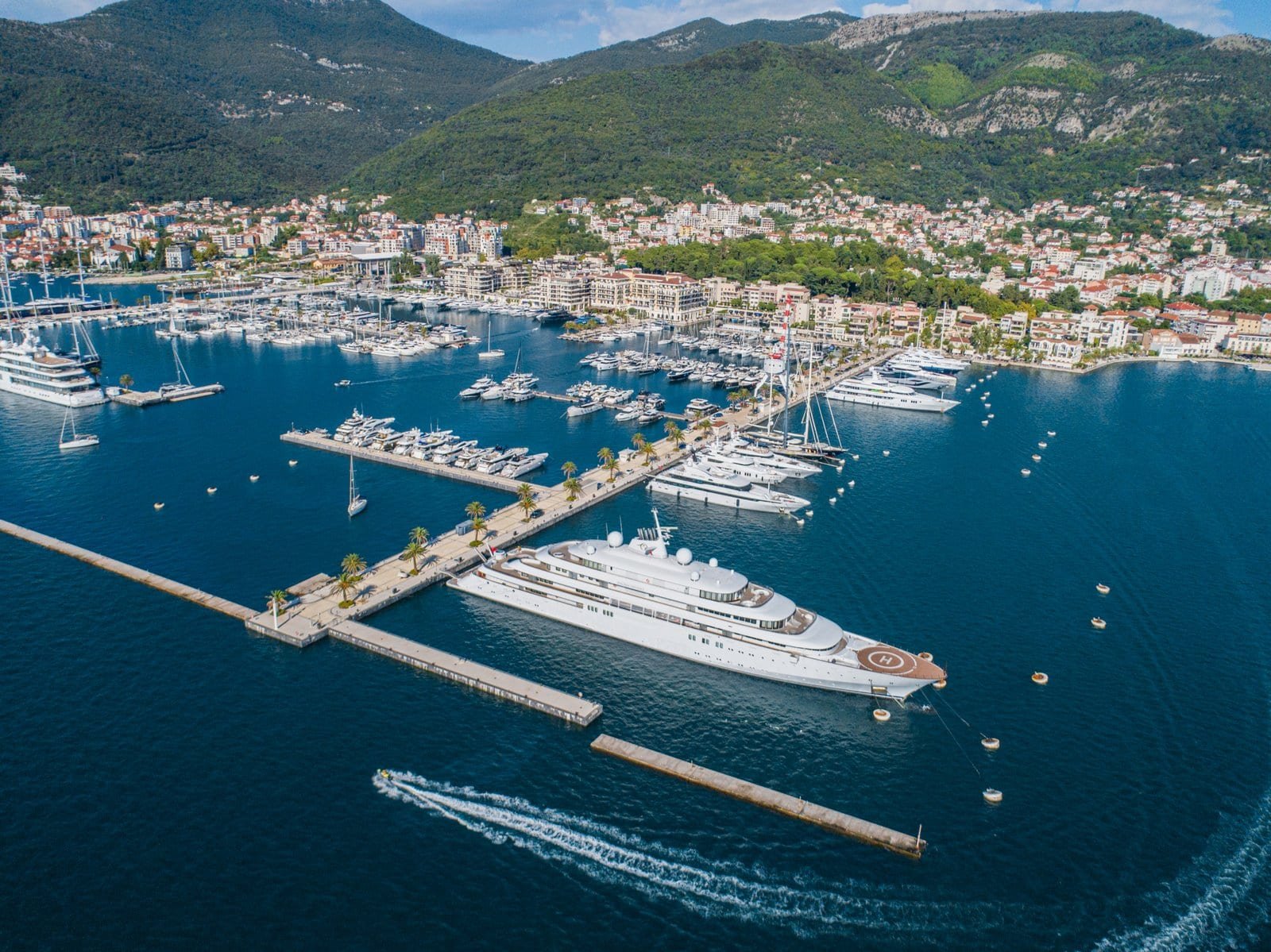
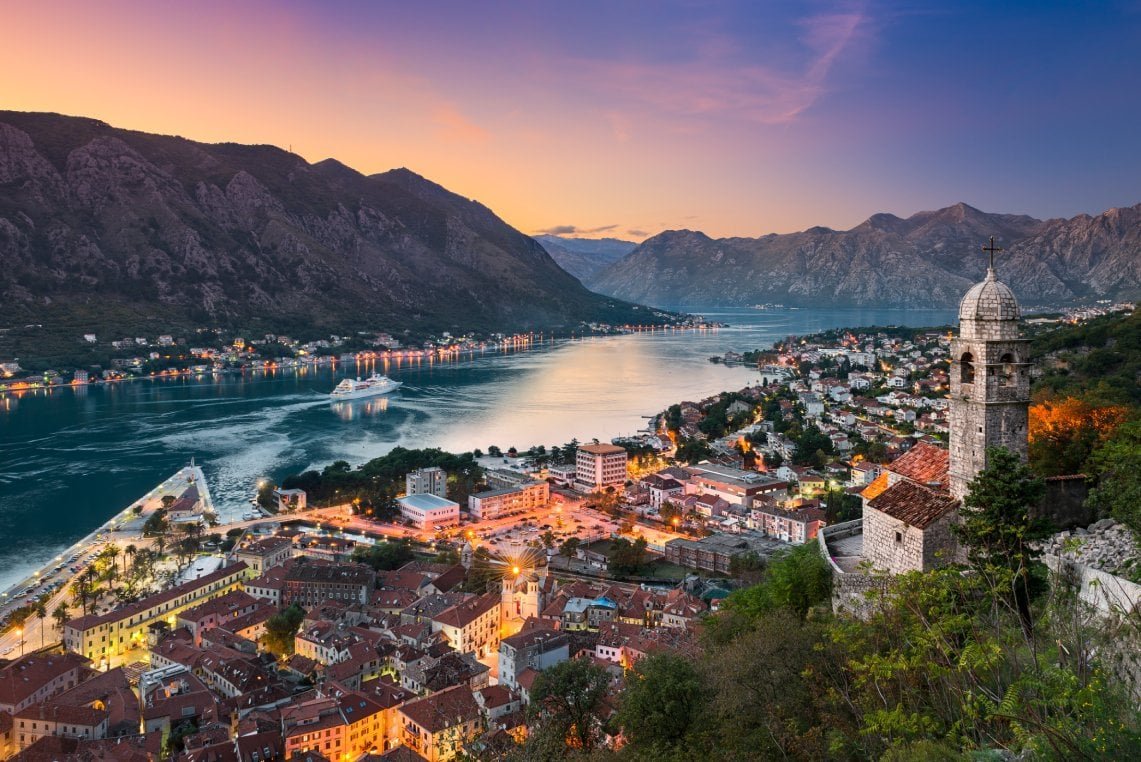
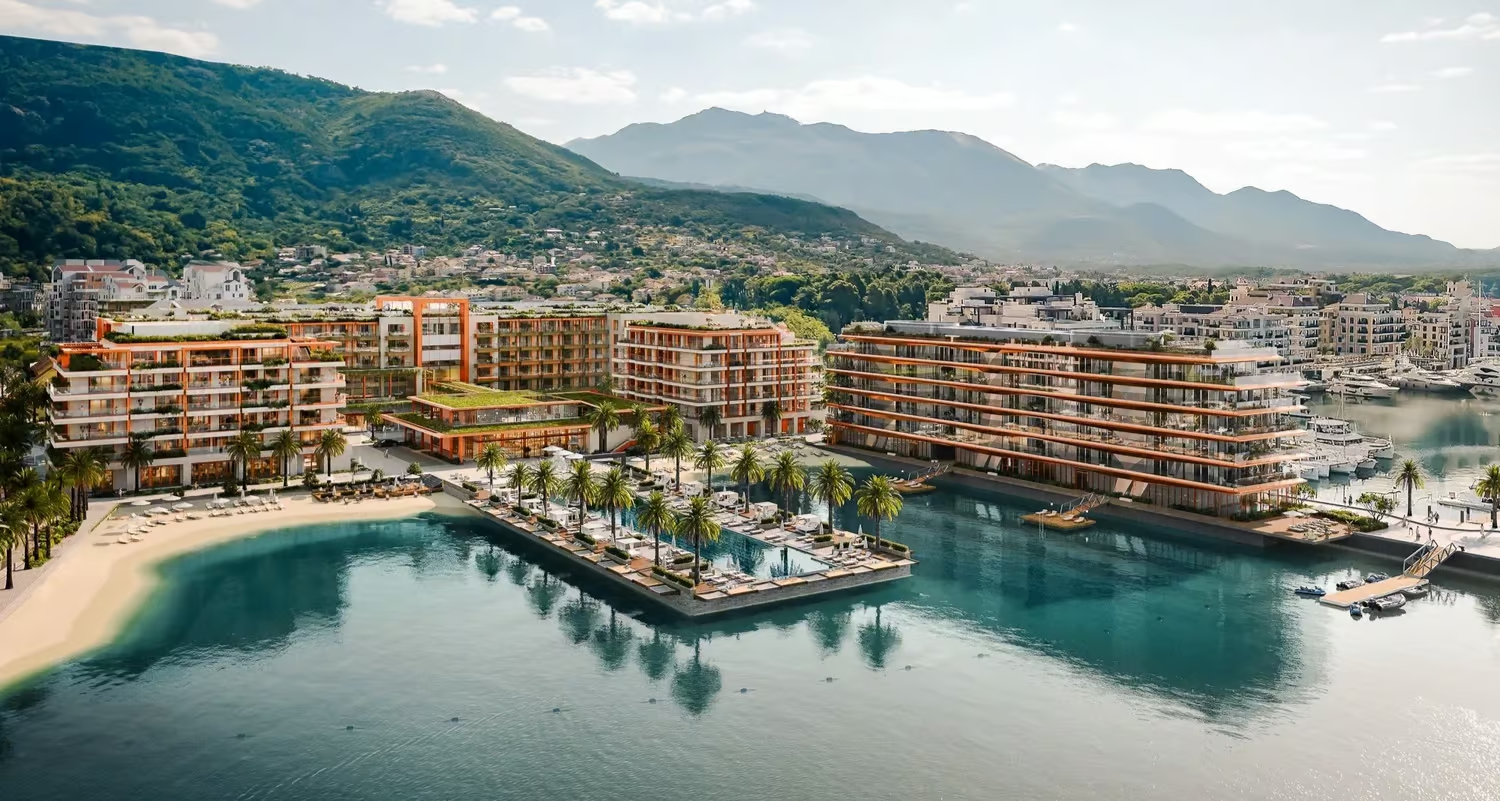
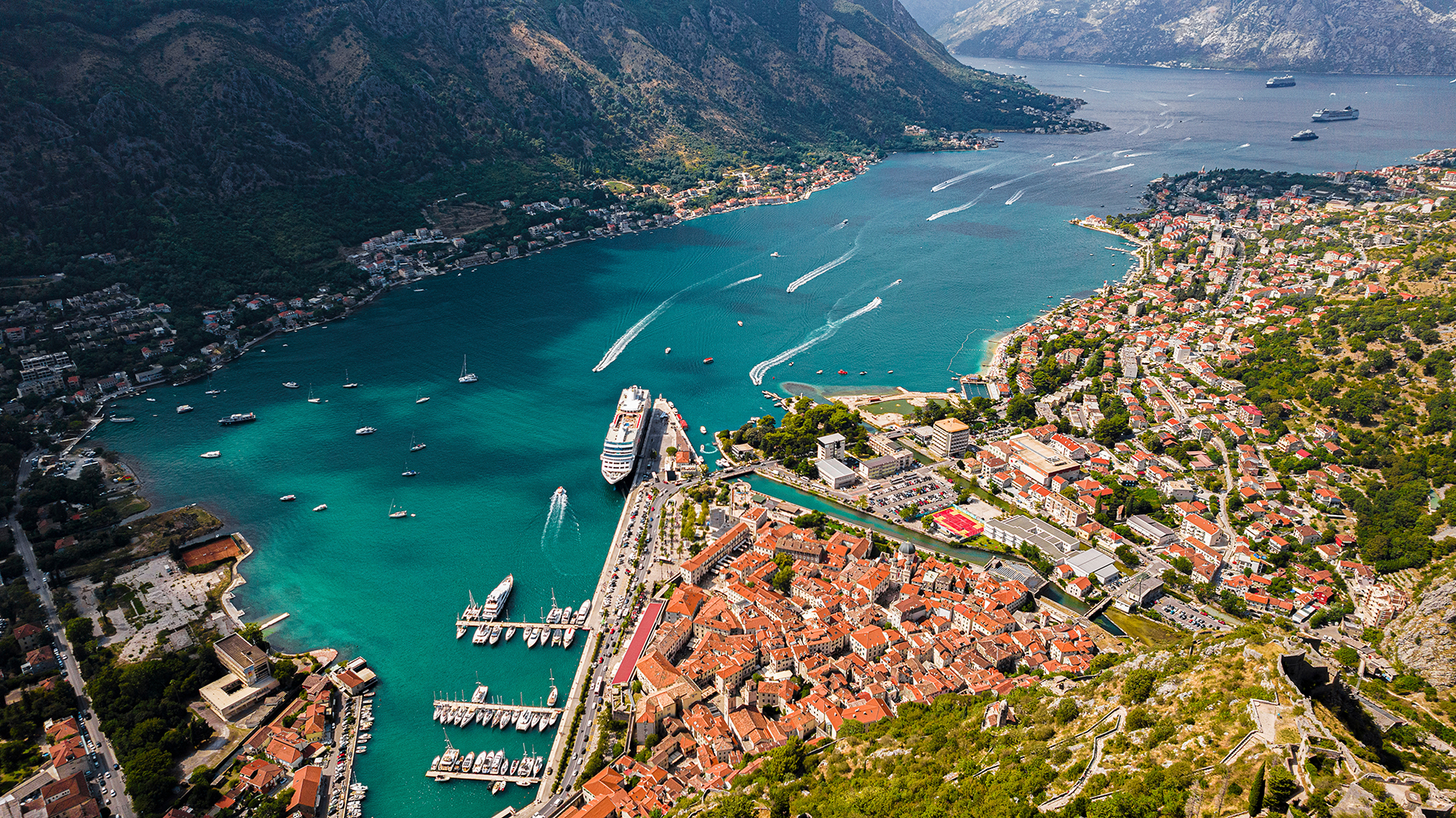
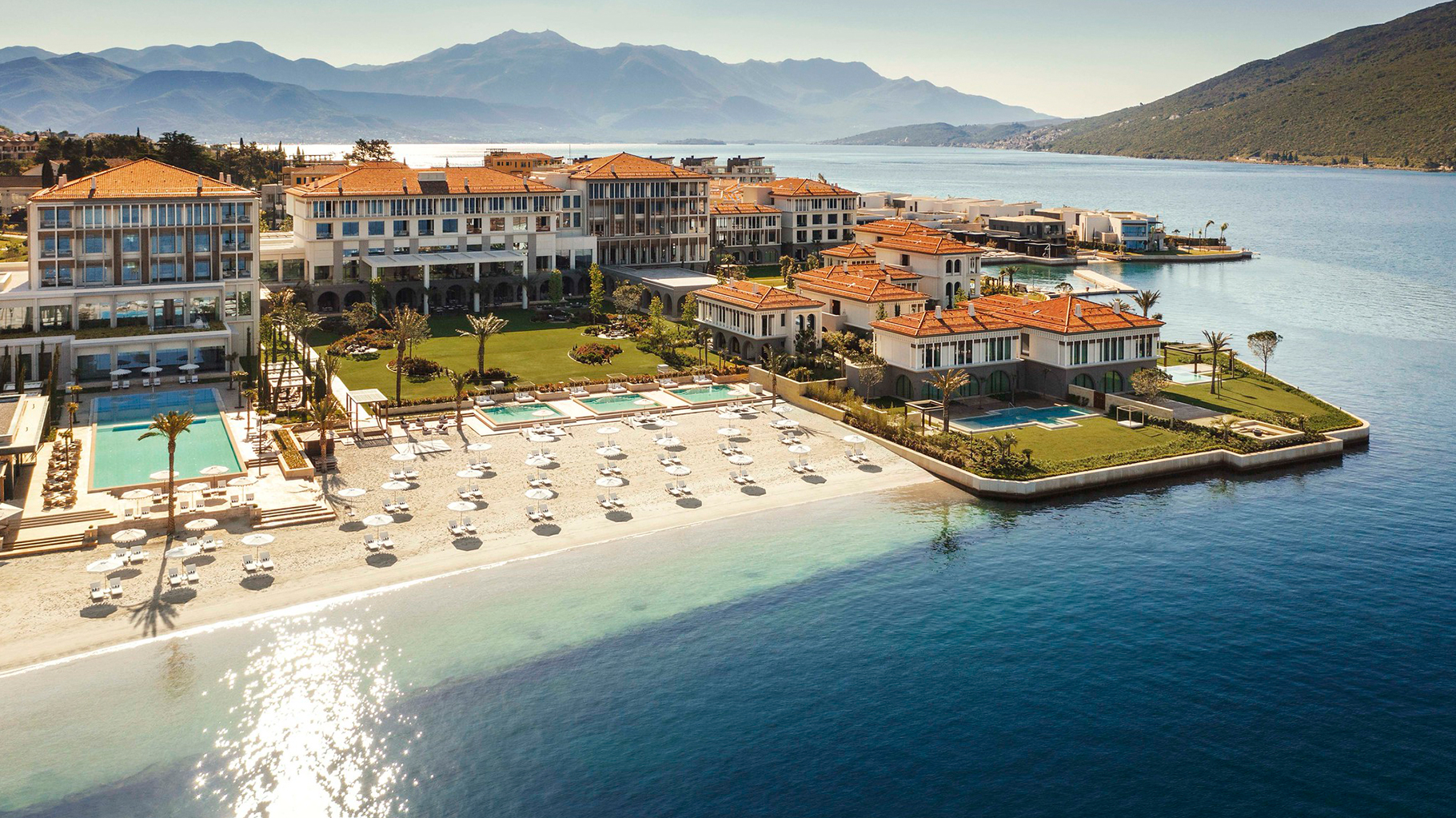
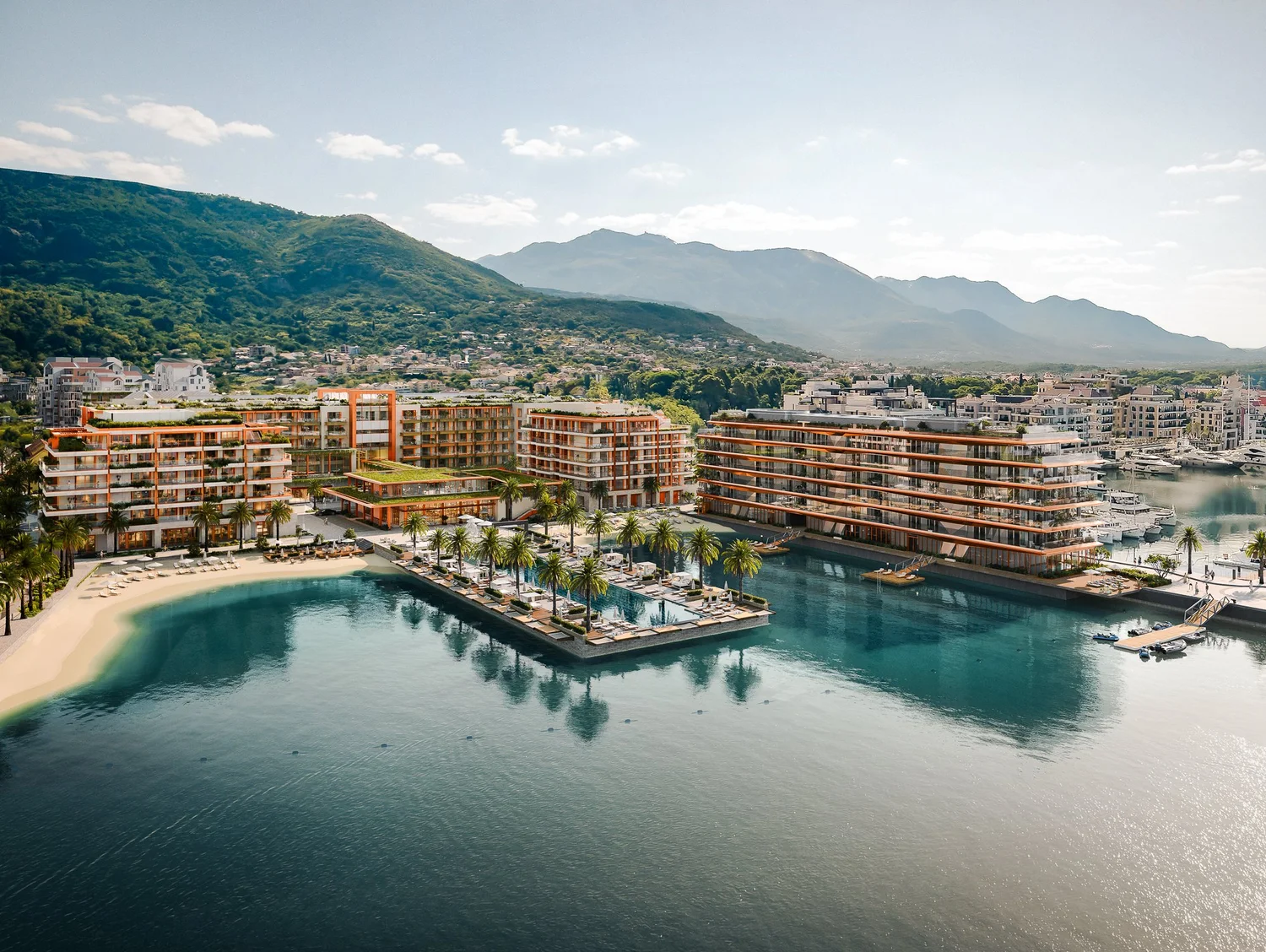
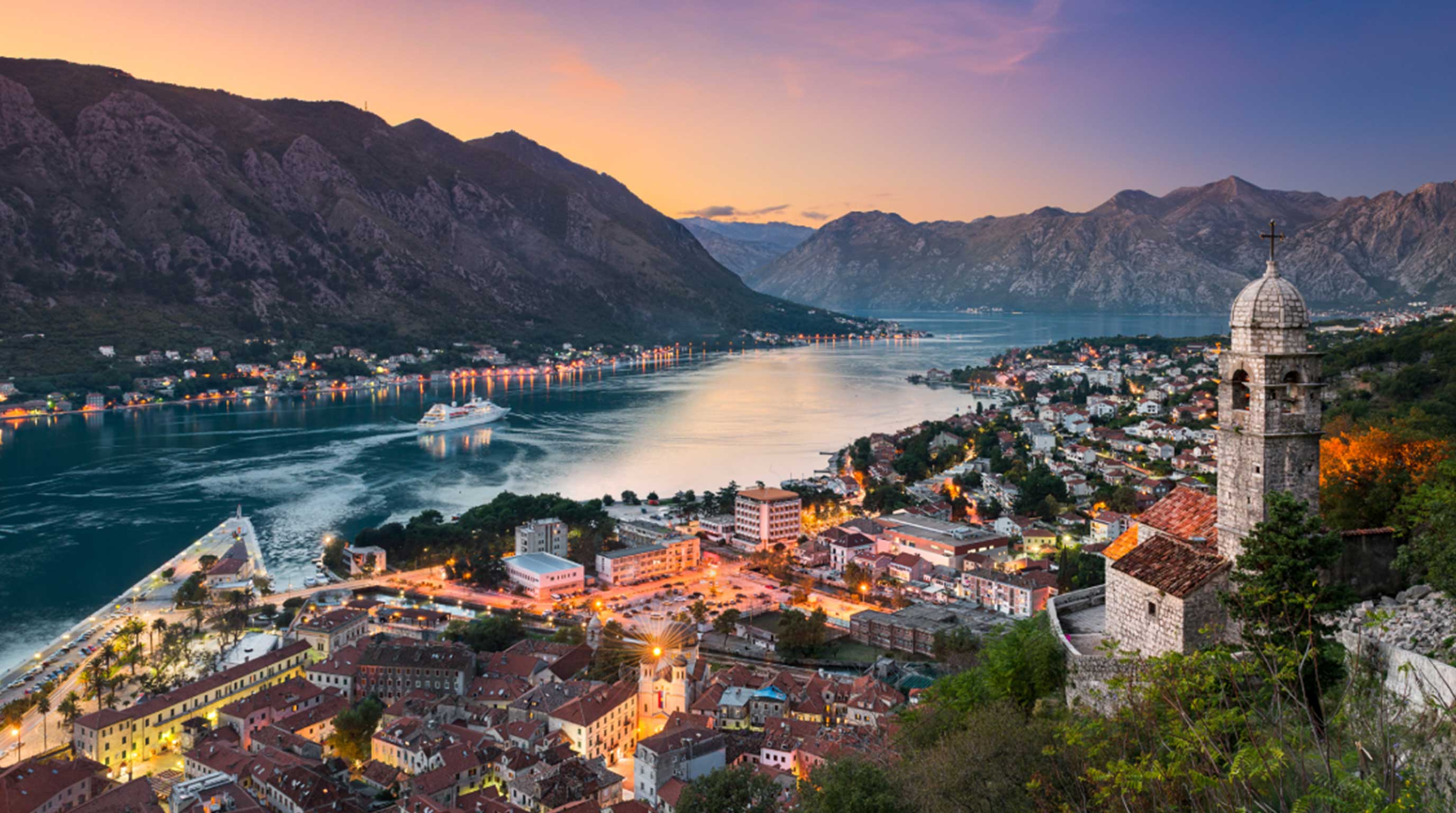
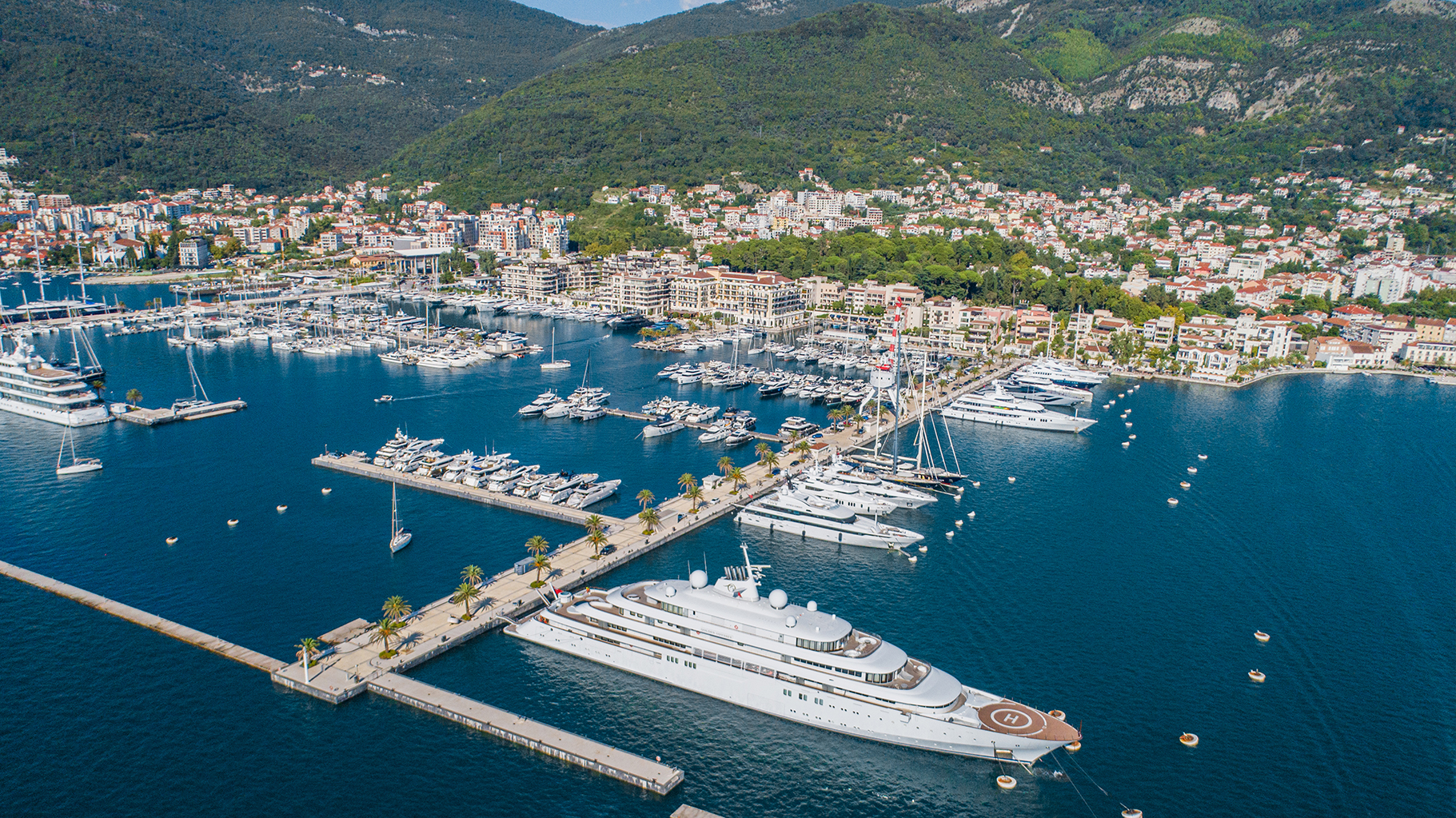
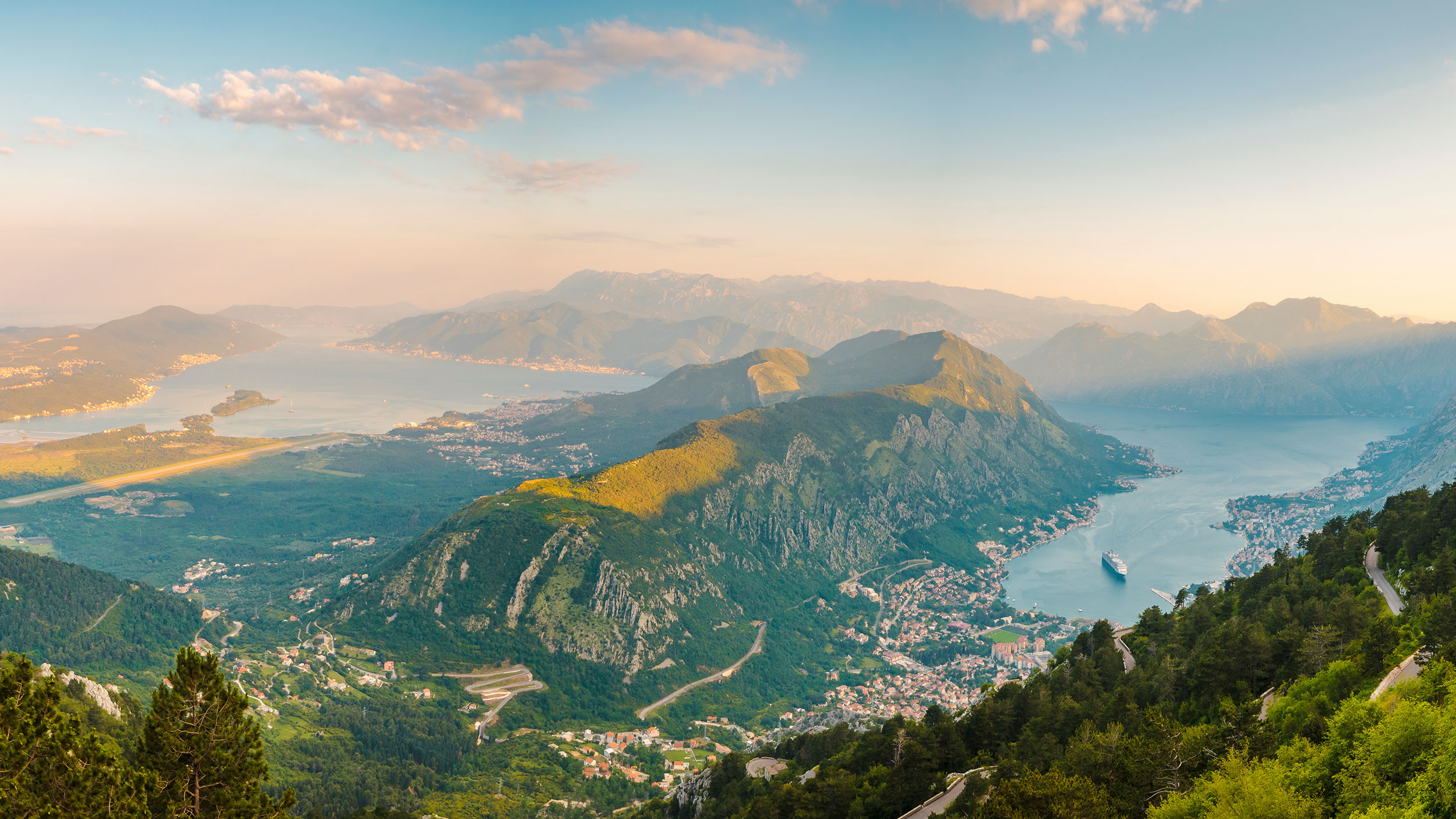
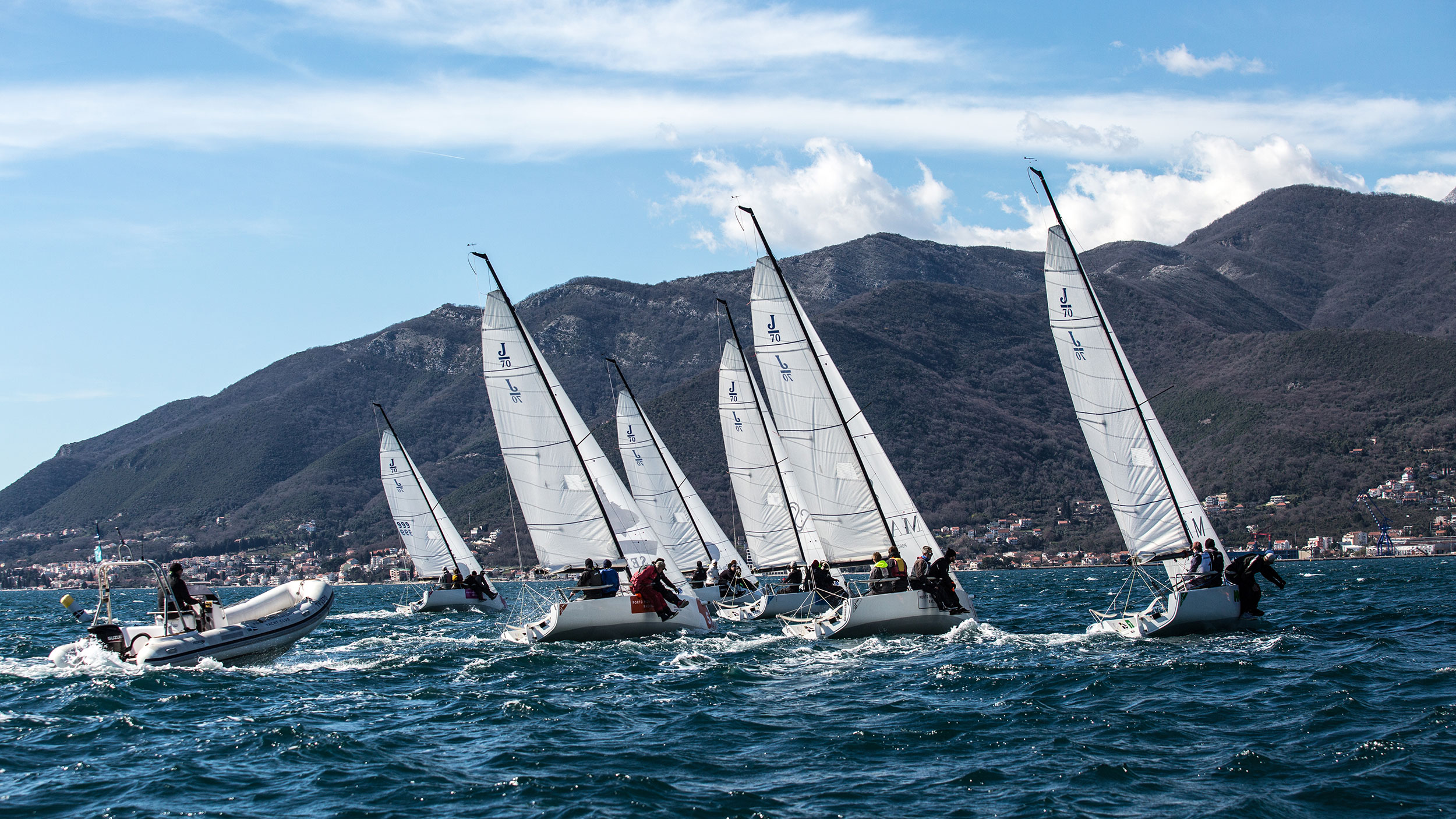
For this reason, this is where premium capital concentrates. Tivat and the wider Bay of Kotor attract a fundamentally different buyer cohort: high-net-worth individuals seeking lifestyle assets with capital appreciation potential. Waterfront apartments trade between EUR 4,500 and EUR 8,000 per square metre. Villas and waterfront residences command EUR 4,000 to EUR 12,000+ per square metre. Depending on marina access, privacy, and architectural calibre.
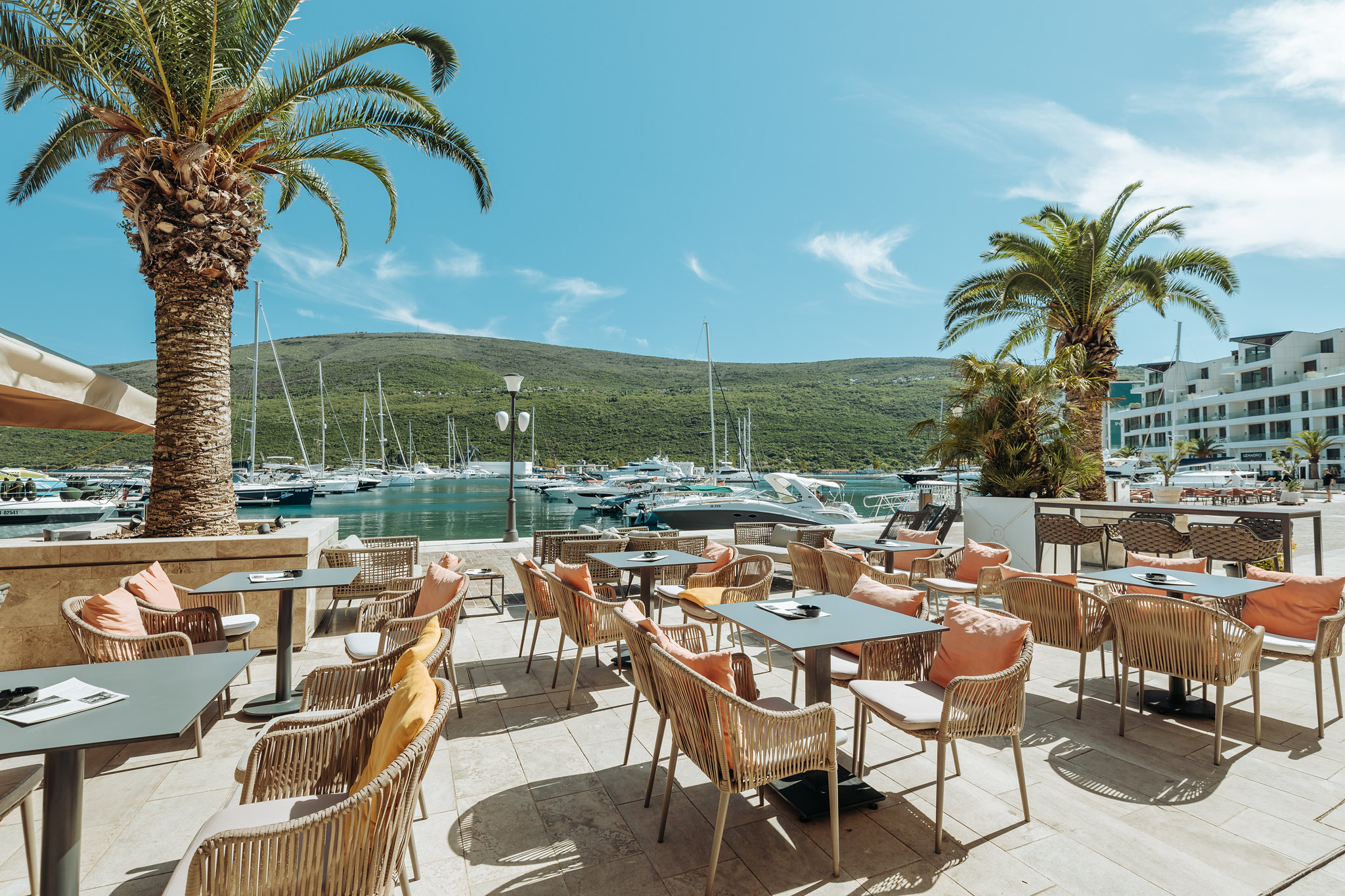
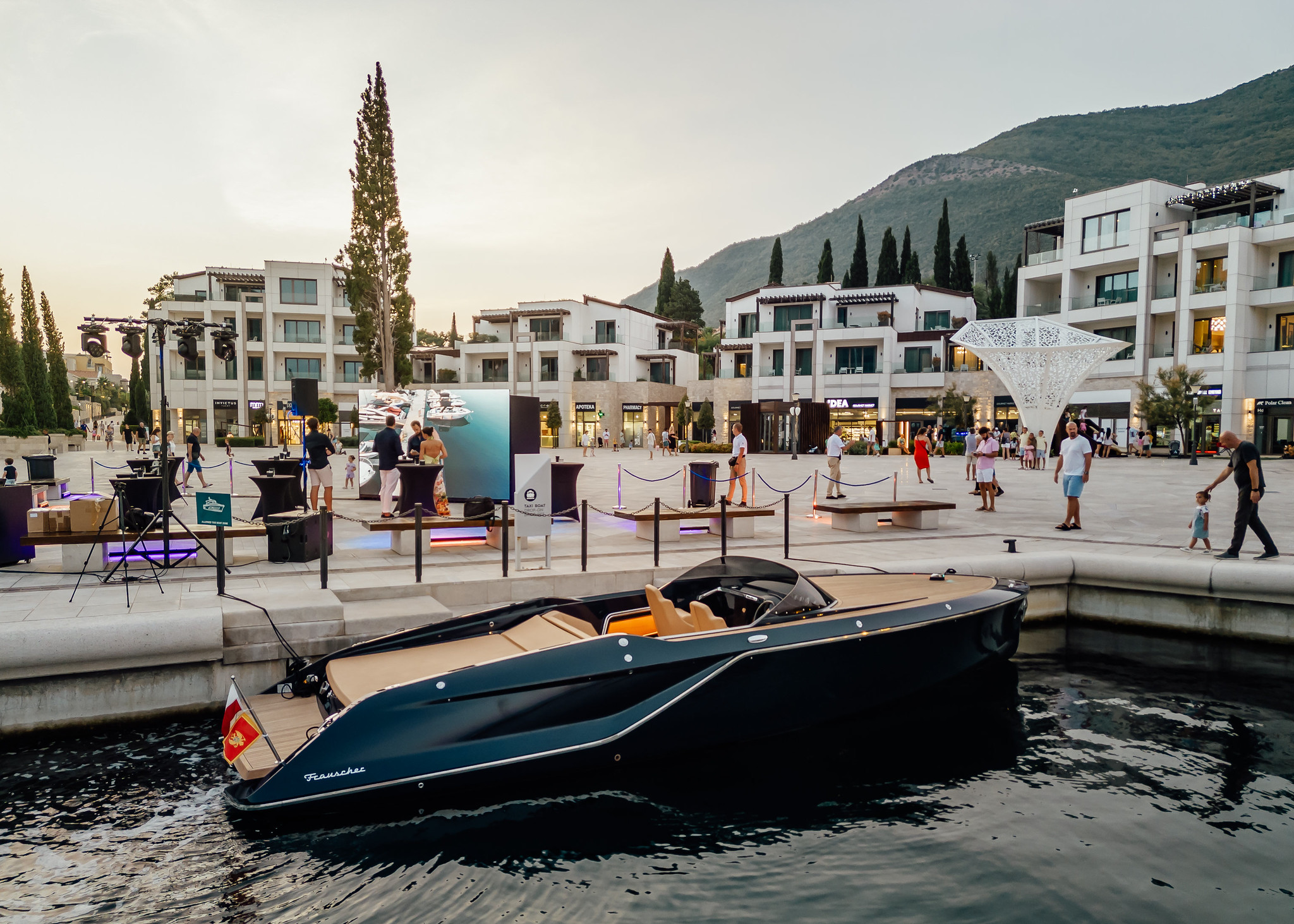
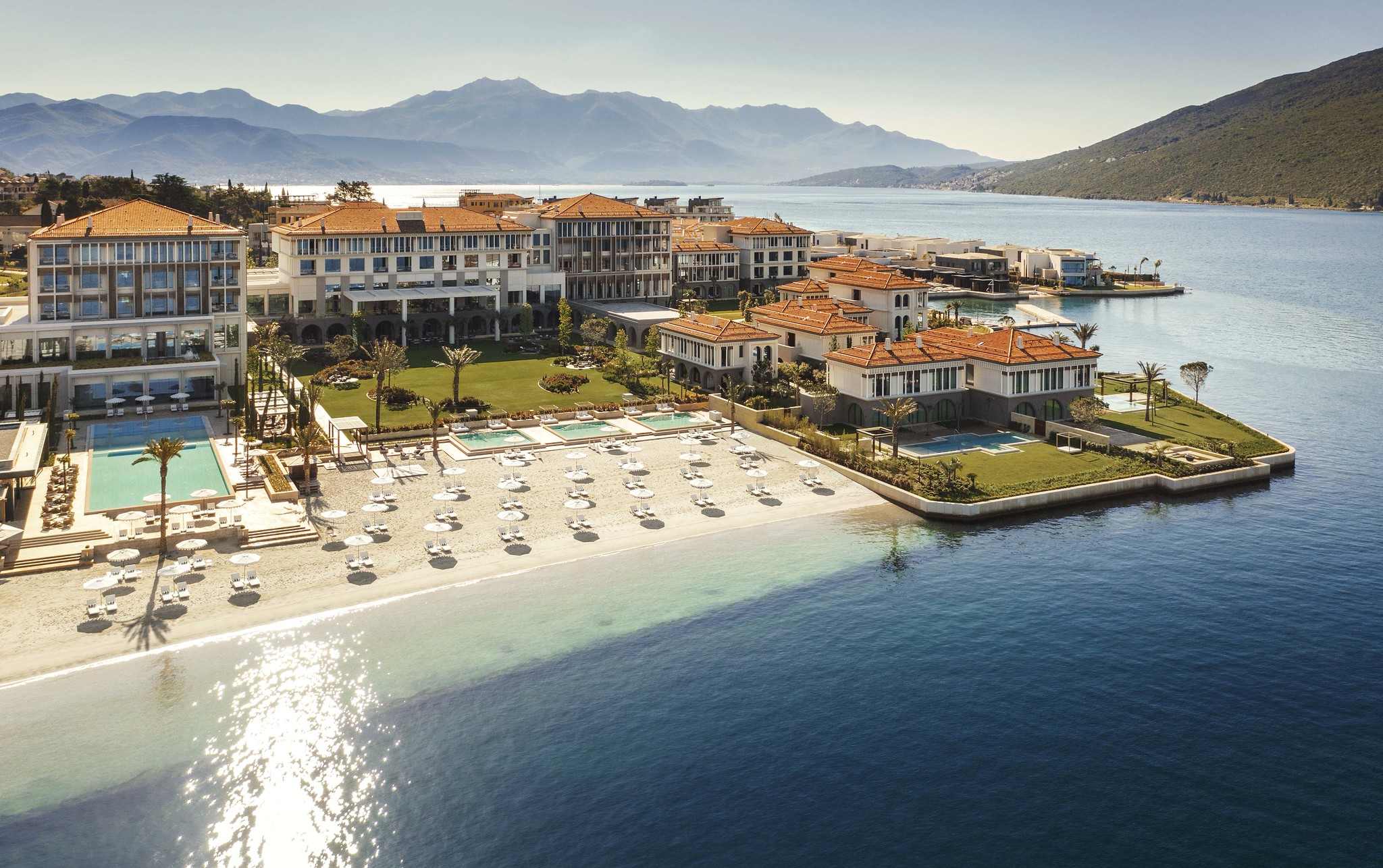
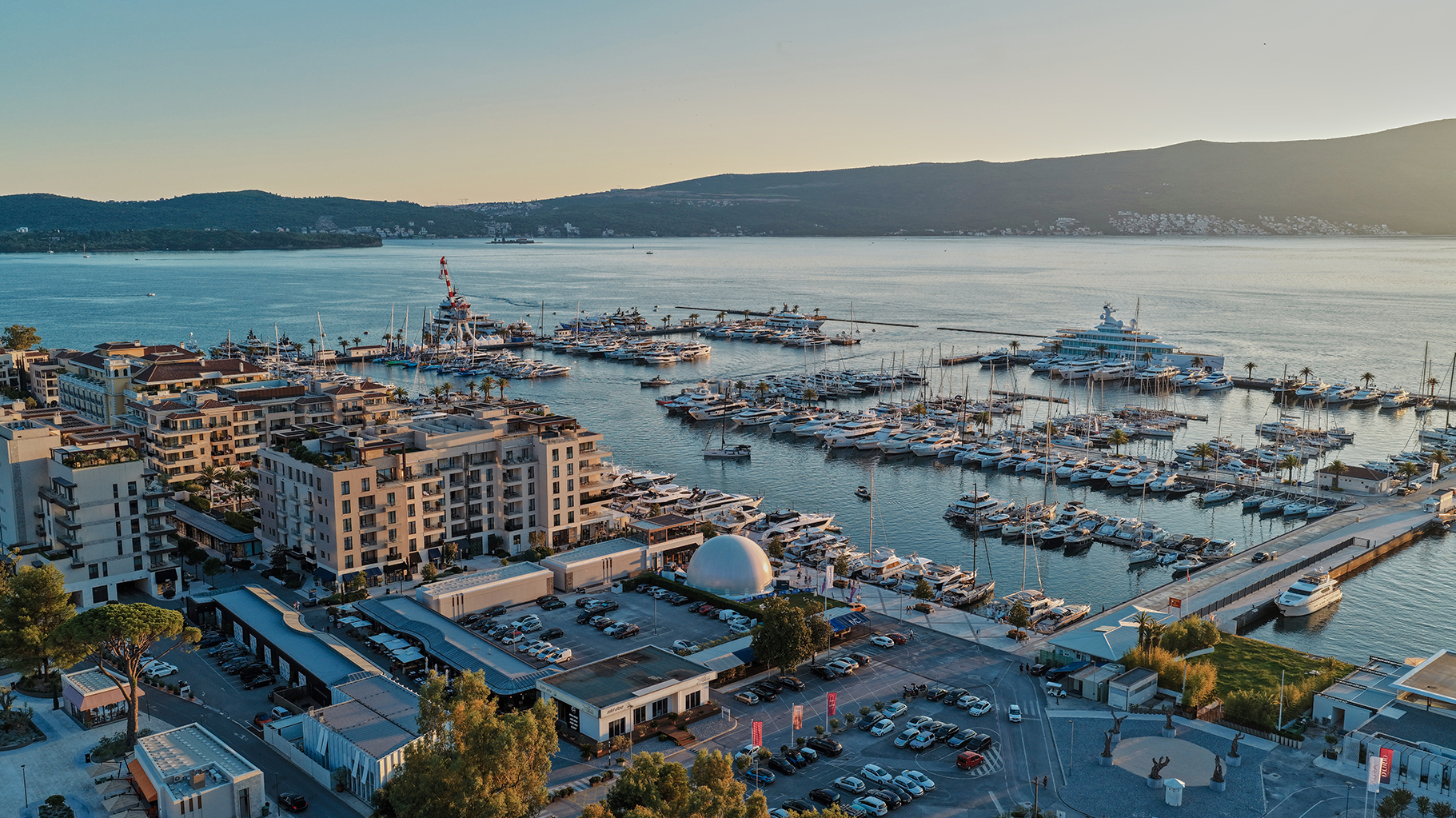
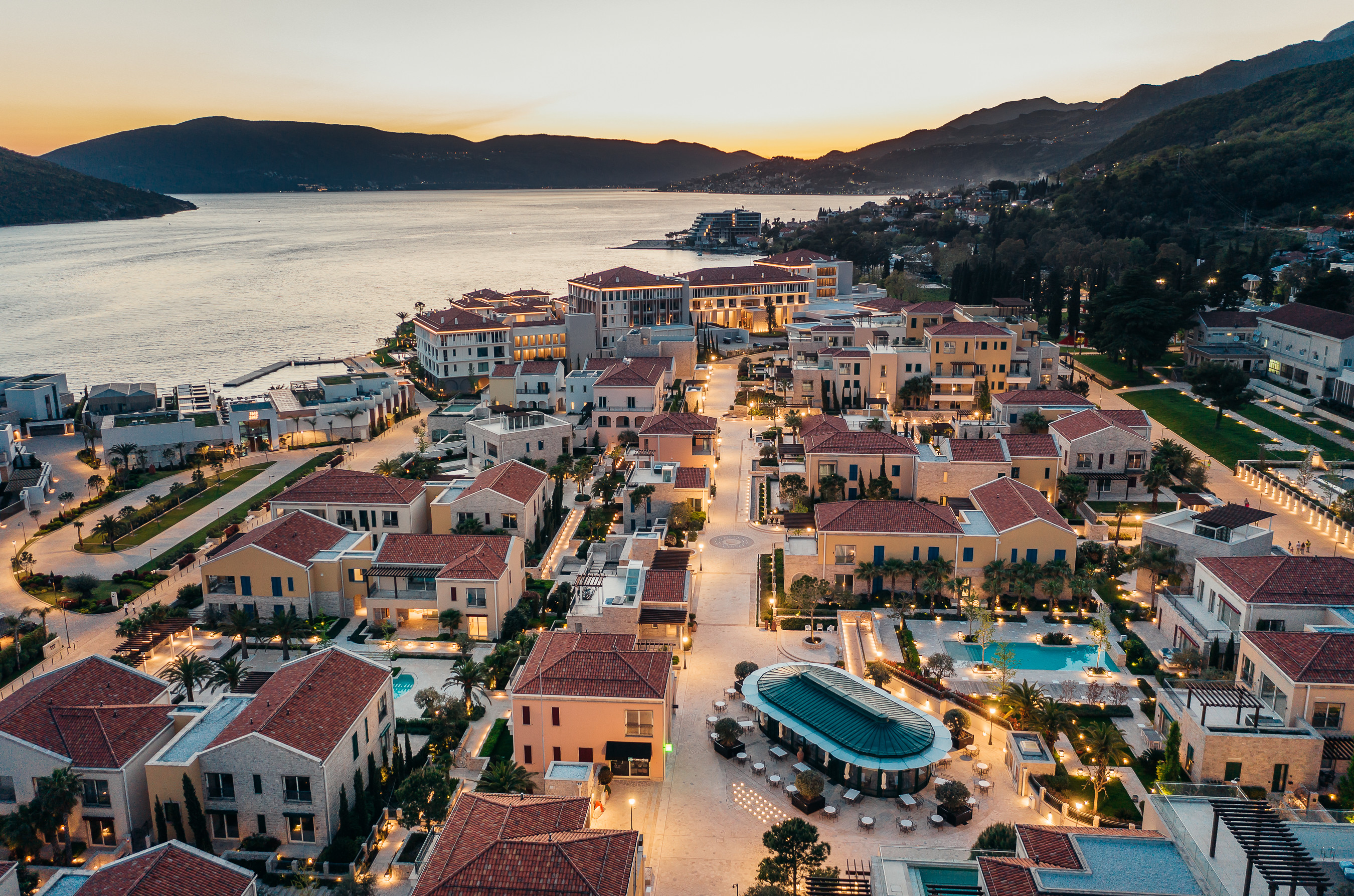
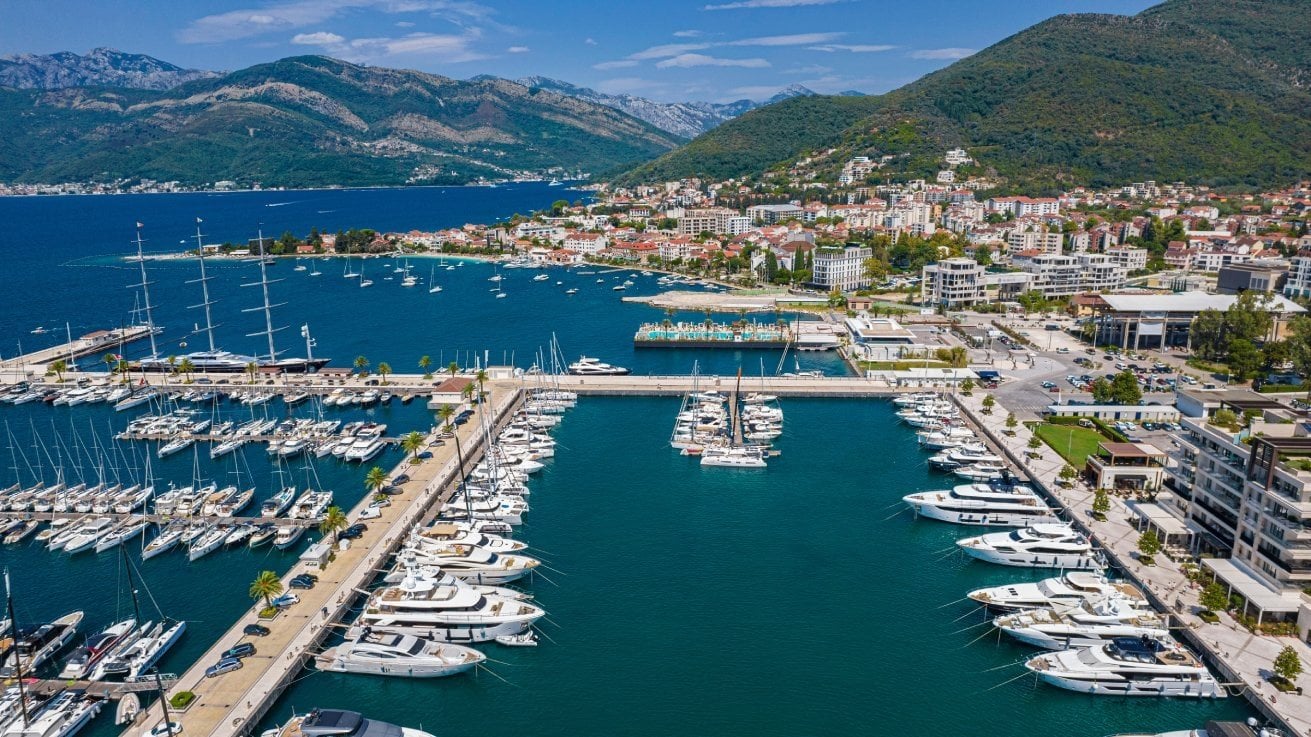
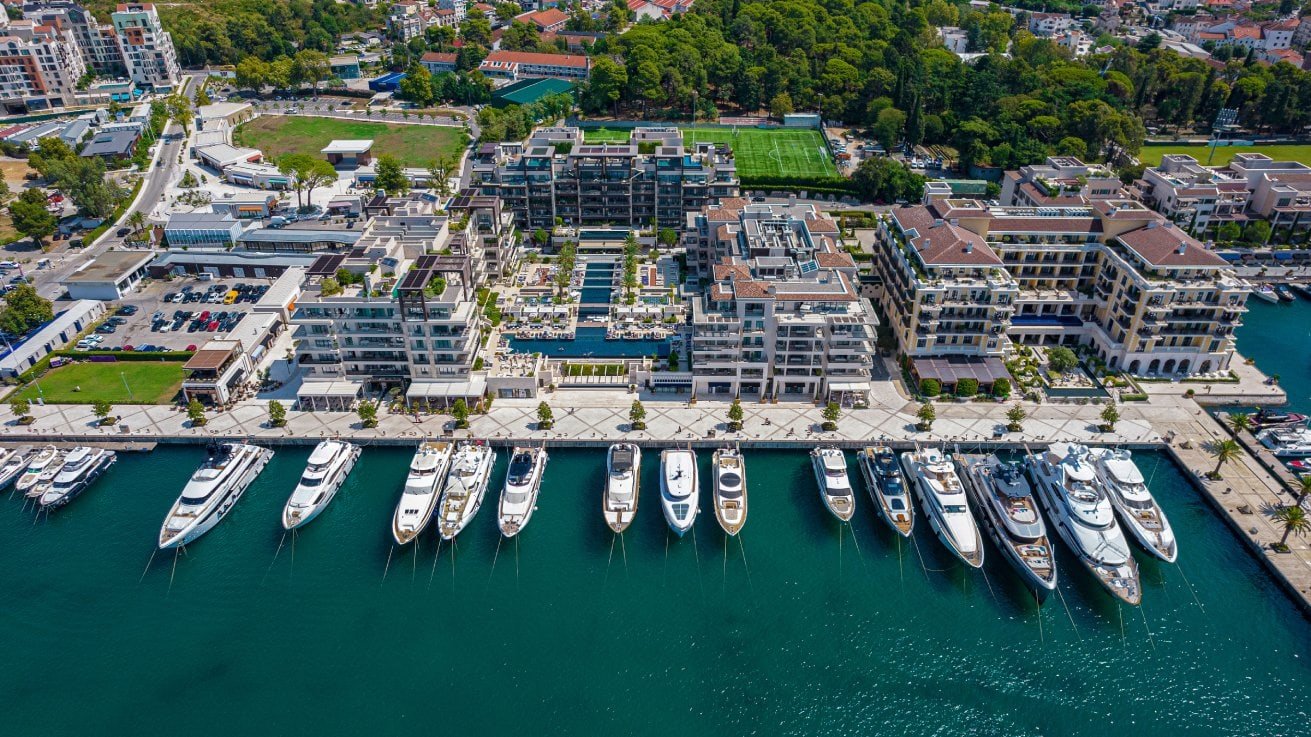
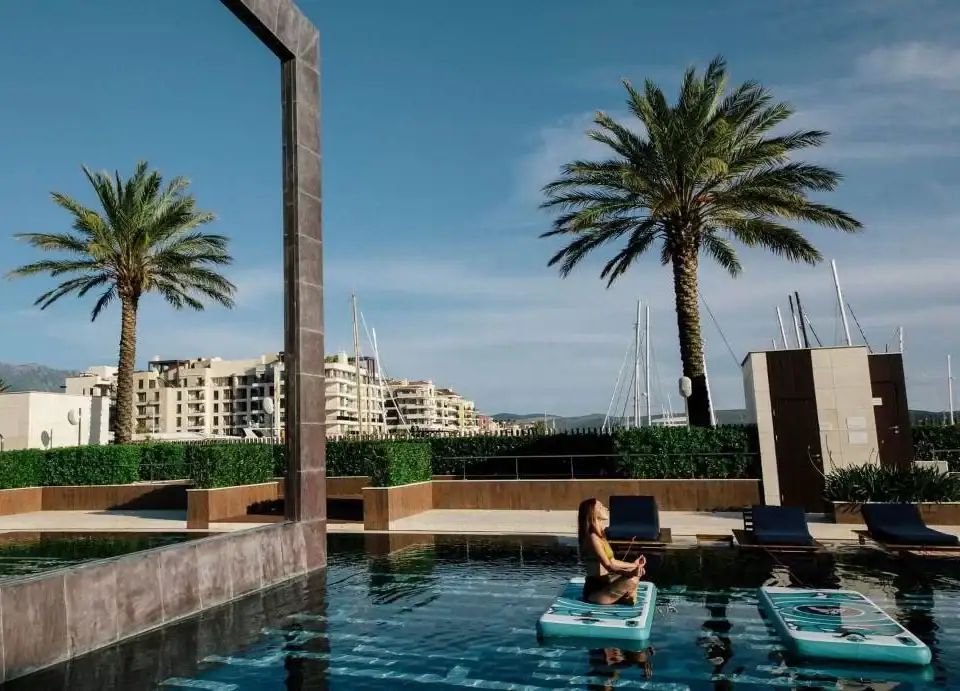
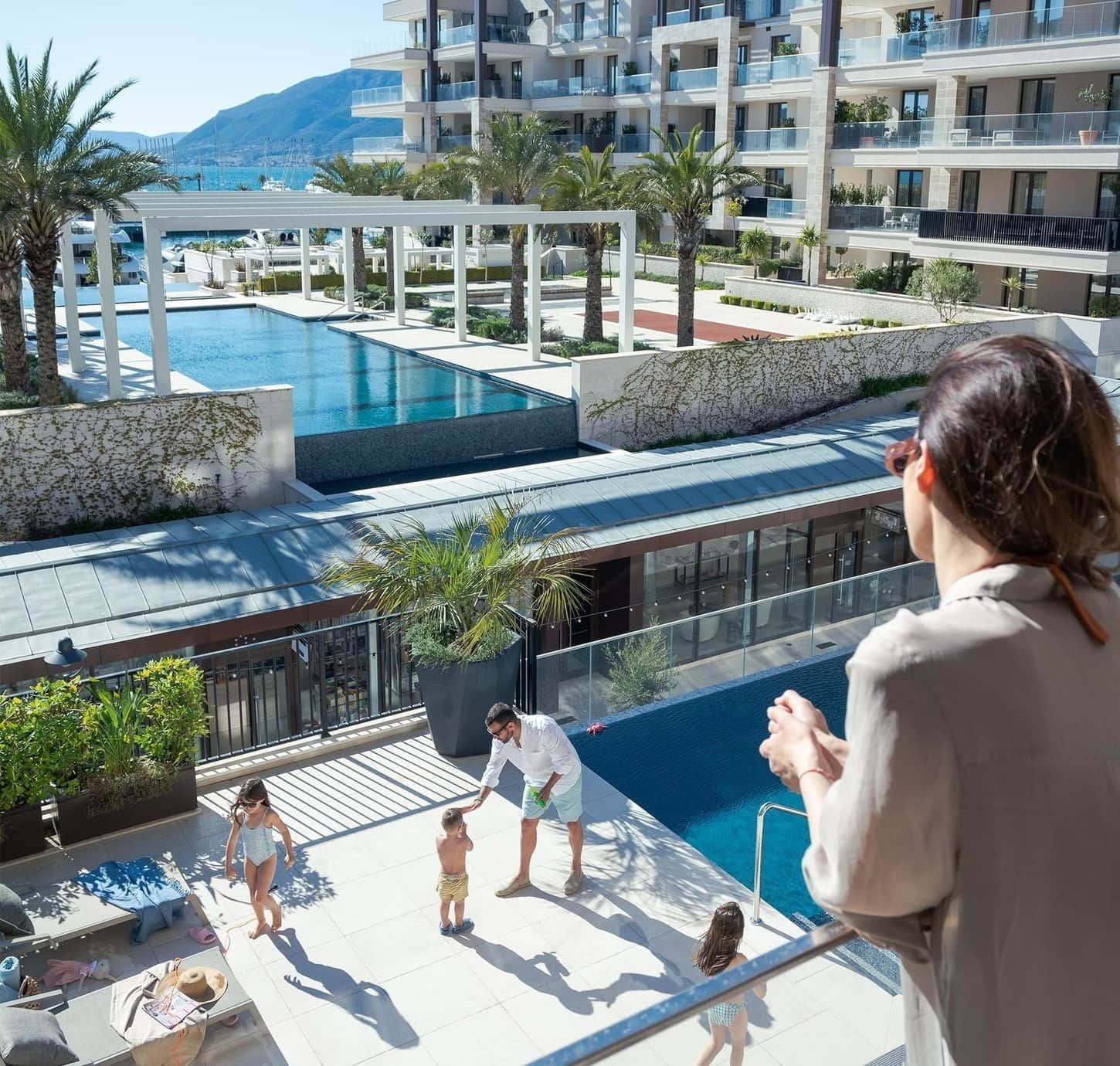
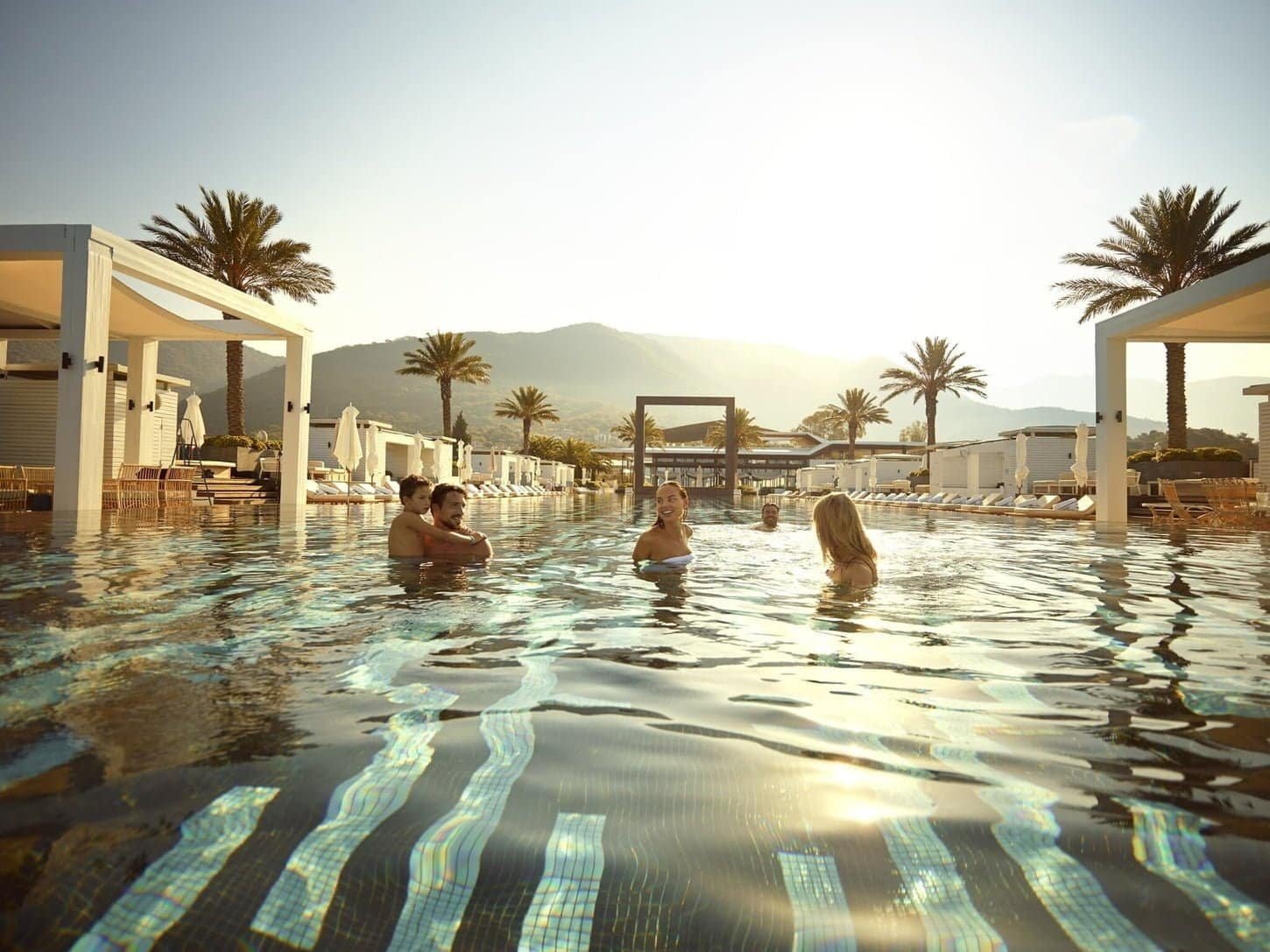
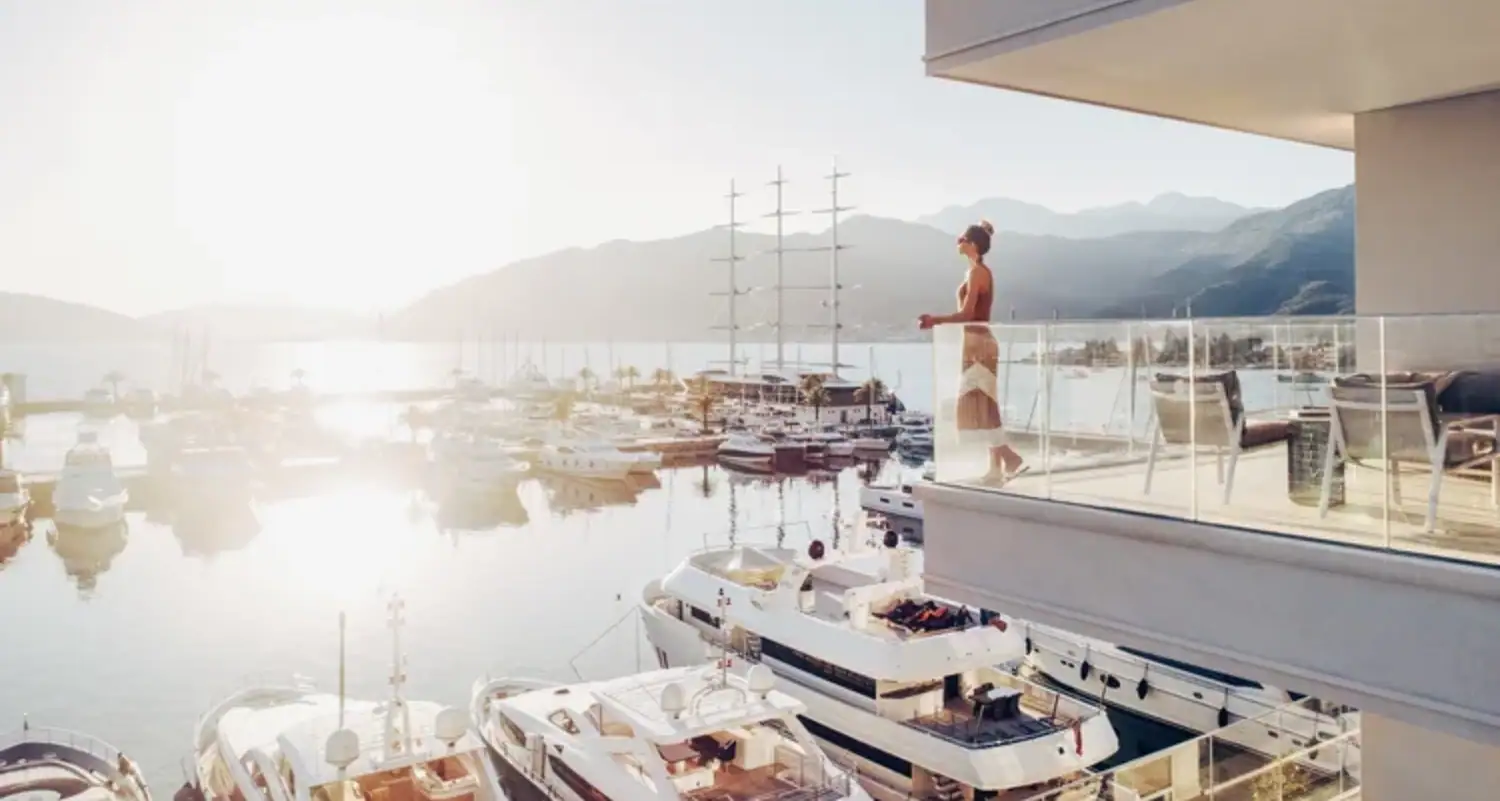
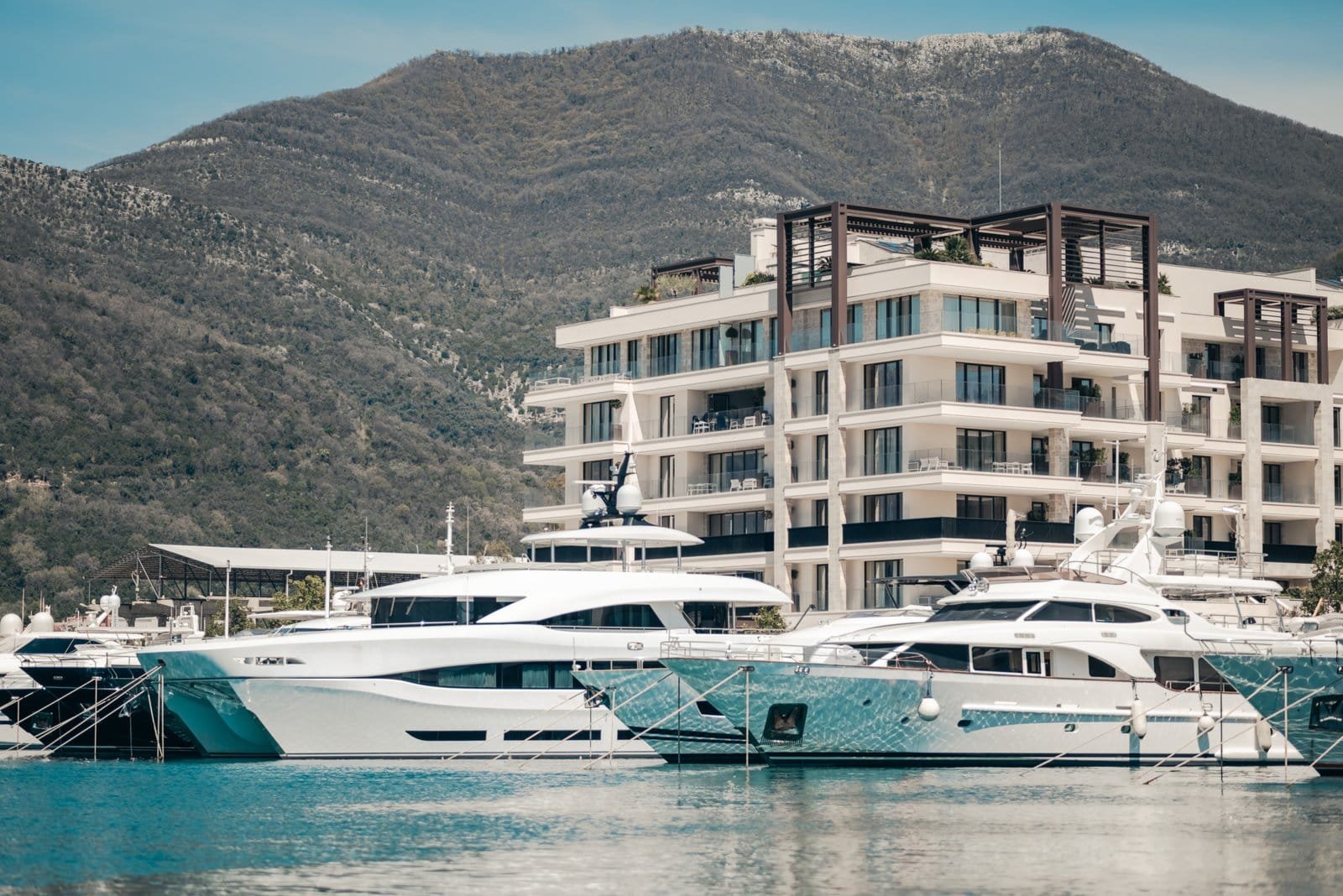
However, expected ROI in this segment ranges from 3.5% to 5%, appearing modest on a yield basis, but this metric obscures the real value proposition. Properties in this category serve multiple functions simultaneously: primary or secondary residences for international families. Portfolio diversification for European capital, and rental income during vacancy periods or seasonal windows. Porto Montenegro, the flagship development, epitomises this positioning: a gated luxury community with marina facilities, white-glove services, and direct appeal to international wealth.
Podgorica: Capital Stability and Institutional Demand
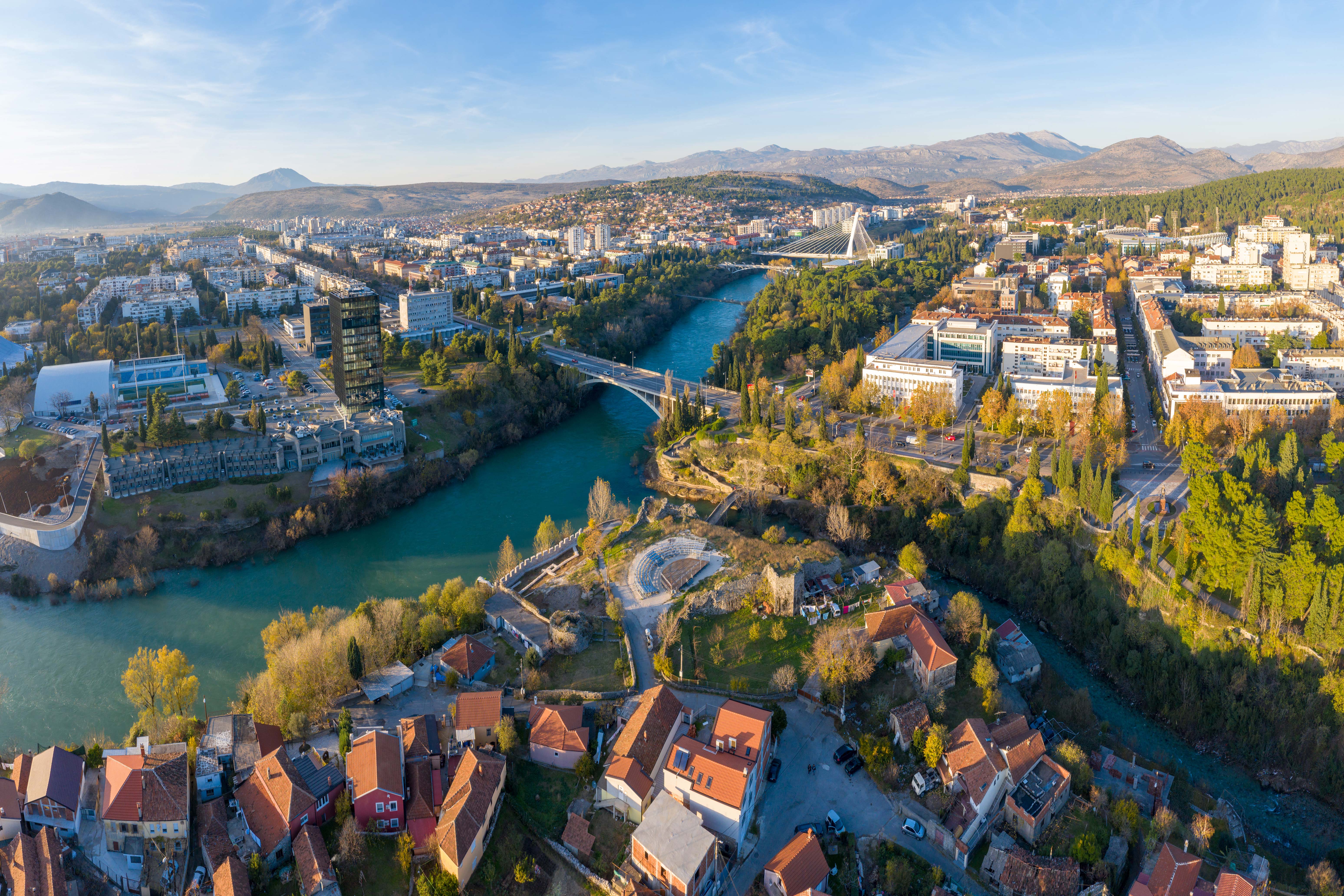
Moreover, as Montenegro’s capital and economic centre, Podgorica attracts a different buyer profile: professionals. Long-term residents, and investors prioritising stability over seasonal fluctuation. New-build apartments trade around EUR 2,066 per square metre, with older stock between EUR 1,700 and EUR 2,250 per square metre. Central and premium areas command EUR 2,200 to EUR 2,500 per square metre and generate 4.2% to 5.8% rental yields from steady tenant demand.
Podgorica lacks the lifestyle appeal of coastal markets but offers durability. Rental demand is less seasonal, tenant retention is higher, and appreciation reflects institutional demand rather than tourism cycles. For investors seeking non-correlated exposure to emerging European markets, Podgorica provides ballast.
The Supply Constraint: 82% Permit Collapse Creates Entry Window
Furthermore, the headline number deserves emphasis: construction permits in Q2 2025 numbered 10, down 82% year-over-year from Q2 2024. This is not a temporary slowdown. This reflects persistent bottlenecks in project development, permitting processes, and construction economics. When supply collapses this dramatically while demand remains steady or grows, scarcity mechanics take hold.
Notably, completed inventory cannot keep pace with buyer interest. Developers hold projects in pipeline longer, awaiting favourable conditions. In this environment, owners of completed premium properties enjoy a multi-year window during which supply constraints support price appreciation. Once permitting normalises and new projects deliver, this dynamic shifts. Strategic investors recognise this window and position accordingly before supply recovery begins.
Tourism as Economic Anchor: Stable Rental Demand Foundation
At the same time, montenegro’s real estate market is underpinned by consistent tourism inflows. The Adriatic coastline, old towns, outdoor recreation, and emerging infrastructure draw millions of visitors annually. This tourism creates several positive effects for property investors: steady short-term rental demand. Particularly in coastal locations; support for hospitality infrastructure that enhances lifestyle appeal; and incentives for developers to maintain quality standards in competitive markets.
By contrast, unlike speculative real estate markets driven by credit expansion or purely transactional investment, Montenegro’s tourism foundation provides tangible, recurring demand. Visitors need accommodation. Owners of quality properties in strategic locations capture that demand through short-term rentals. Seasonal leasing, or long-term positioning for tourist-related employment.
Luxury Real Estate Segment: Emerging Premium Corridor
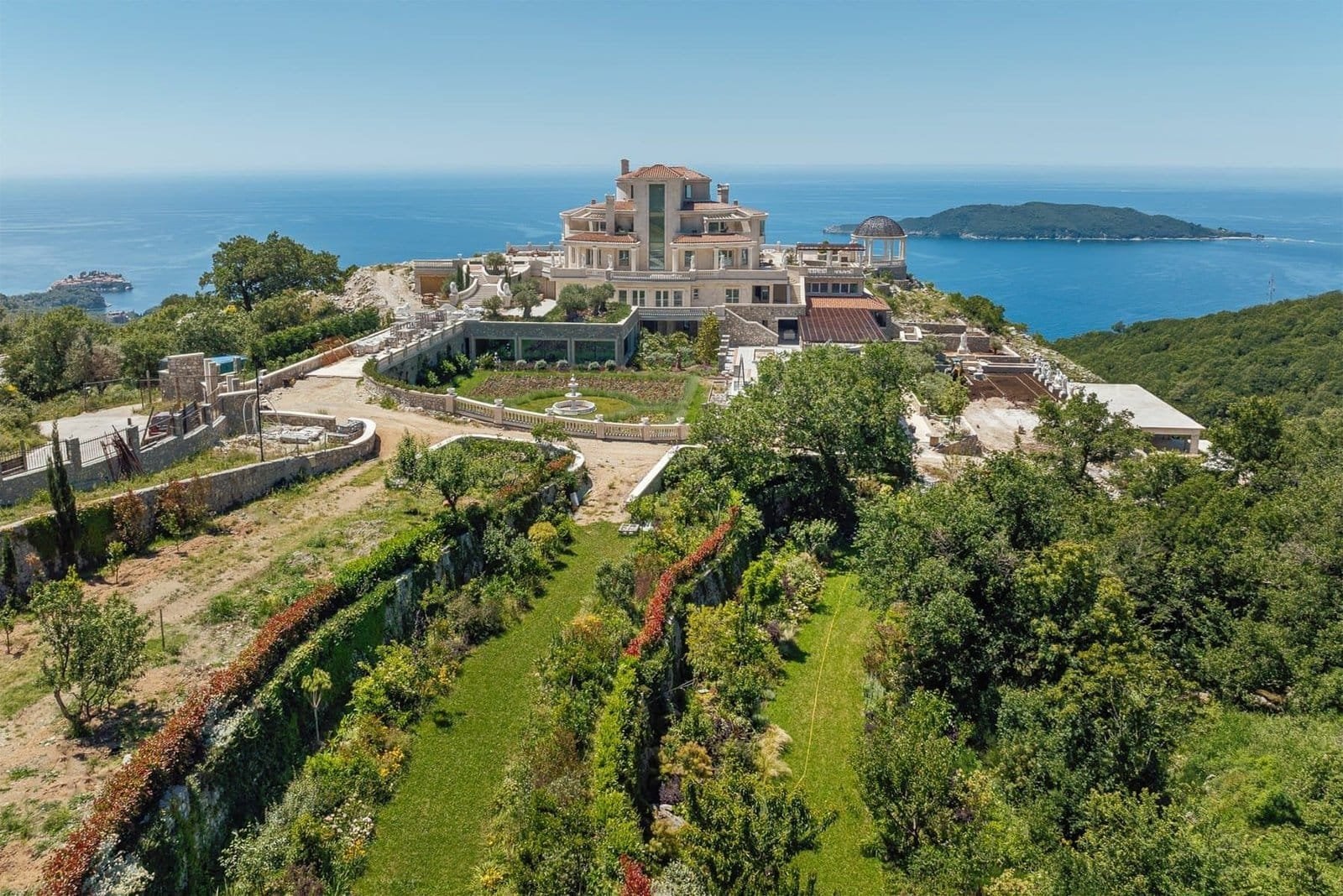
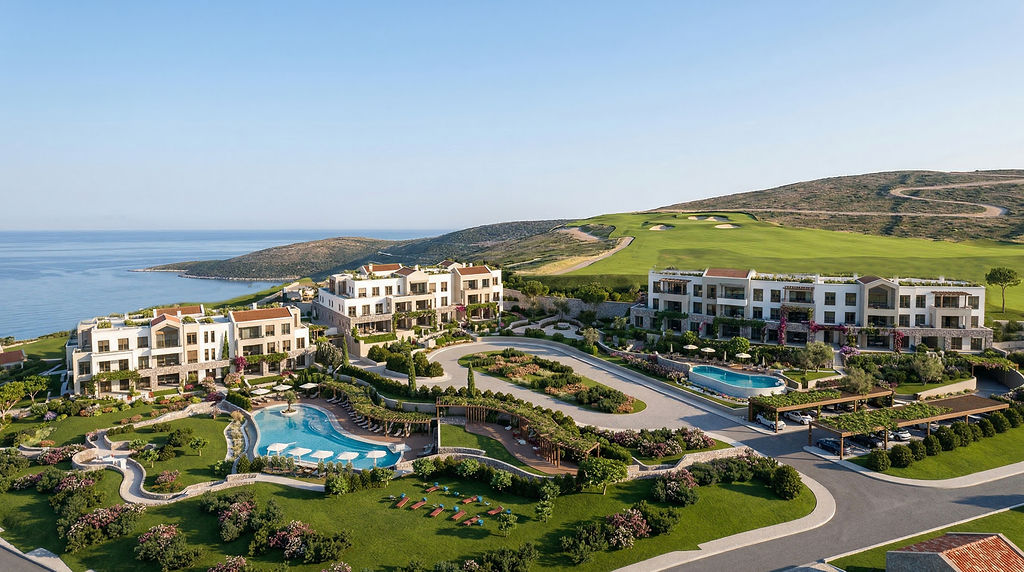
Montenegro’s luxury segment is still forming its identity in global real estate markets. Unlike established luxury destinations in Switzerland or the Côte d’Azur, Montenegro’s high-end properties are priced at meaningful entry points while offering comparable design, location quality, and amenity levels. Waterfront apartments at EUR 4,500 to EUR 8,000 per square metre deliver marina access. Curated communities, and permanent residency pathways, at a fraction of comparable London or Monaco pricing.
For example, this pricing advantage is not a bug. It is precisely why sophisticated international capital is shifting attention to Montenegro. The proposition is simple: acquire quality assets in emerging markets at current valuations, benefit from multi-year appreciation as international recognition increases, and enjoy lifestyle use throughout the holding period. As Montenegro establishes itself as a destination for ultra-prime real estate, the market normalises upward toward European benchmarks.
Investment Decision Framework: Three Buyer Personas
The Income Investor
In particular, seeks 5%+ gross rental yield with minimal volatility. Target: Budva standard apartments (EUR 1,700-3,500/m²) and Podgorica central properties (EUR 2,200-2,500/m²). These deliver predictable occupancy, steady tenant demand, and 4.5-6.5% returns. Trade-off: limited capital appreciation, exposure to seasonal fluctuation.
The Lifestyle Investor
Ultimately, seeks dual-use positioning: primary or secondary residence with capital appreciation and rental upside. Target: Tivat/Kotor waterfront apartments and villas (EUR 4,500-8,000/m² apartments, EUR 4,000-12,000/m² villas). These provide luxury living, marina access, and international community while capturing 3.5-5% yields during vacancy periods. Premium pricing justified by lifestyle utility.
The Portfolio Diversifier
Similarly, seeks non-correlated European real estate exposure with emerging-market appreciation potential. Target: Ultra-prime Tivat/Porto Montenegro properties (EUR 5,000+/m²) with 12+ month lease profiles for international tenants or corporate housing. Accepts lower yields (3-4%) in exchange for portfolio diversification, currency exposure and long-term capital growth as Montenegro establishes premium market positioning.
Legal Clarity for International Buyers
Above all, montenegro maintains straightforward rules for foreign property acquisition. Residential apartments and single-family homes can be purchased freely without entity formation or permit requirements. Agricultural or forestry land purchases exceeding certain thresholds require buyer incorporation. The process involves property shortlisting, licensed agent engagement, legal due diligence (hiring a local lawyer for title verification), preliminary contract with 10% deposit, final notarised contract, payment of remaining balance, property transfer tax (3% to 6% on resale, progressive based on property value; VAT-inclusive for new builds), and Land Registry registration. (see PwC’s international tax summaries)
Importantly, total transaction costs range from 4-7% of purchase price. The process typically completes within 60-90 days with proper legal representation. Clear ownership rights, transparent titling, and established legal frameworks make Montenegro accessible to international buyers compared to less developed markets.
Barok’s Positioning in Montenegro’s Premium Segment
Barok Estates International specialises precisely in Montenegro’s ultra-prime positioning: properties where scarcity, international appeal, and lifestyle utility converge. Our portfolio focuses on Tivat, Kotor Bay, and Porto Montenegro, where prices command premiums to market averages. Supply remains structurally constrained, and international capital concentration is highest.
The distinction matters. Standard Budva apartments generate 5%+ yields but deliver limited upside potential. Ultra-prime Tivat waterfront properties at EUR 6,000-8,000 per square metre offer dual positioning: 3.5-4.5% yields for disciplined investors, plus appreciation potential as Montenegro’s market matures and international recognition accelerates. These properties serve as portfolio anchors, not yield plays.
Market Outlook: 2026 and Beyond
Montenegro’s property market enters 2026 from a position of structural strength. The 82% permit decline ensures supply scarcity will persist for multiple years. Demand drivers remain intact: international capital seeking European diversification, tourism supporting coastal rental income, and local economic growth supporting urban migration. EU accession prospects and improved infrastructure enhance long-term appeal.
For investors, the strategic window is now. Current valuations at EUR 2,228/m² baseline, with ultra-prime coastal properties at EUR 5,000-8,000/m², reflect pre-recognition pricing. As Montenegro establishes itself as a premium European destination, comparable pricing normalises upward. Investors acquiring quality assets today benefit from multi-year appreciation before this normalisation completes.
Strategic Acquisition in Montenegro’s Premium Market
Understanding Montenegro’s market means recognising three distinct segments: income-focused Budva, lifestyle-oriented Tivat/Kotor, and stability-focused Podgorica. Barok specialises in the middle tier, where premium properties, supply scarcity and international appeal align to create meaningful returns alongside lifestyle utility.
Explore our curated portfolio of ultra-prime Montenegro properties, particularly our Tivat and Porto Montenegro exclusives. Review our analysis of emerging European luxury markets to understand how Montenegro fits within global capital allocation. Contact Barok Estates International to discuss acquisition strategy in Montenegro’s premium segment, where scarcity mechanics, international capital concentration, and lifestyle positioning create durable value.







.jpg)