Ultra-high-net-worth buyers are securing Montenegrin residency now, ahead of EU accession, to lock in lower entry prices and gain a future EU residential foothold. (see the European Commission’s enlargement page)
Montenegro’s Residency Play: Why UHNW Buyers Are Positioning Before EU Accession
Notably, Montenegro is offering something rare in 2026: a residential foothold in an EU-candidate nation at pre-accession pricing. For high-net-worth individuals seeking European exposure with upside optionality, Montenegro UHNW real estate investment presents a unique and timely opportunity. The timing window is compressed. Here’s why now matters. (see the Montenegro Statistical Office (MONSTAT))
The Three-Factor Arbitrage
The Convergence: Lifestyle Plus Accession Math
Montenegro offers three things simultaneously that rarely align:
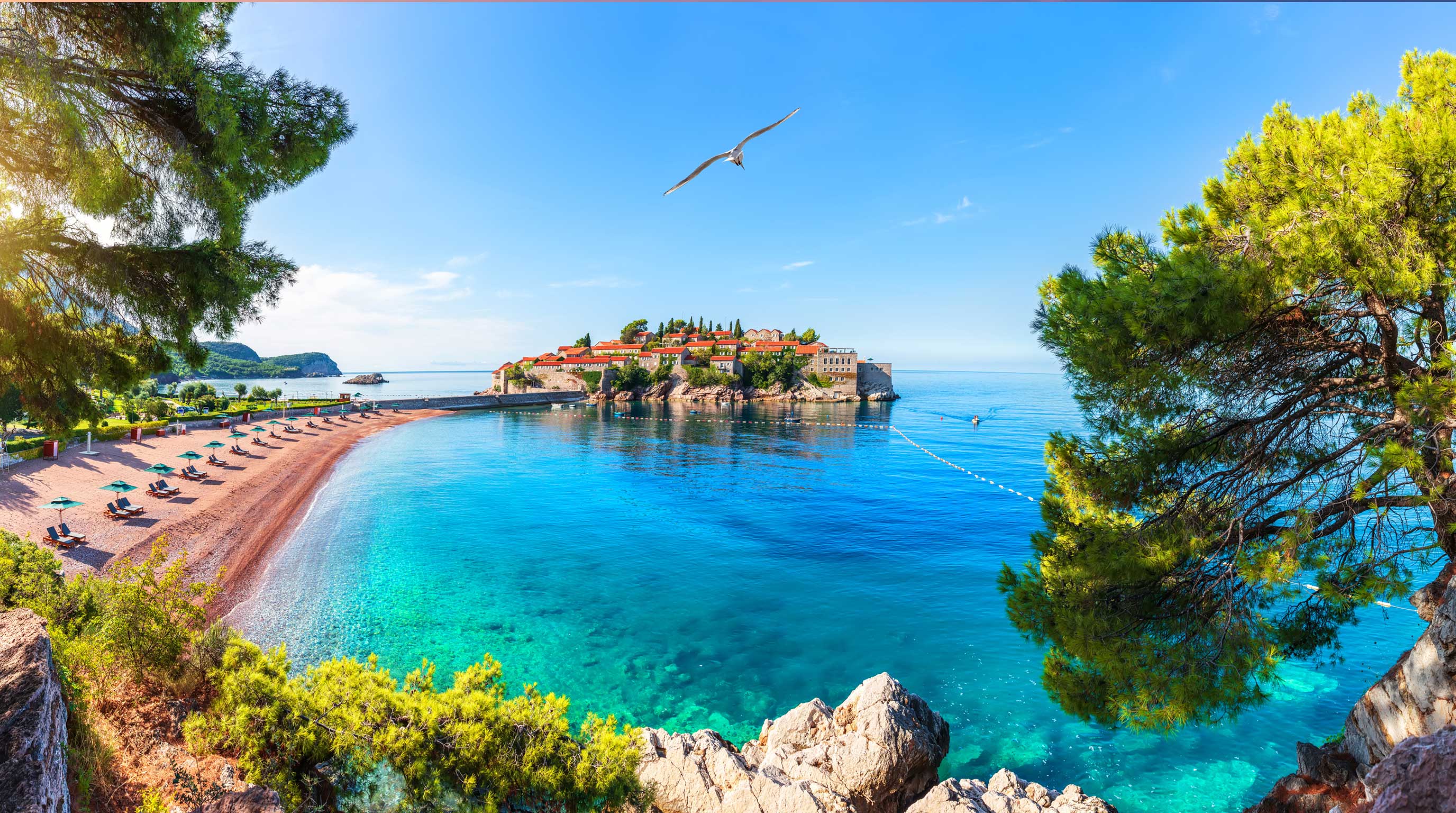
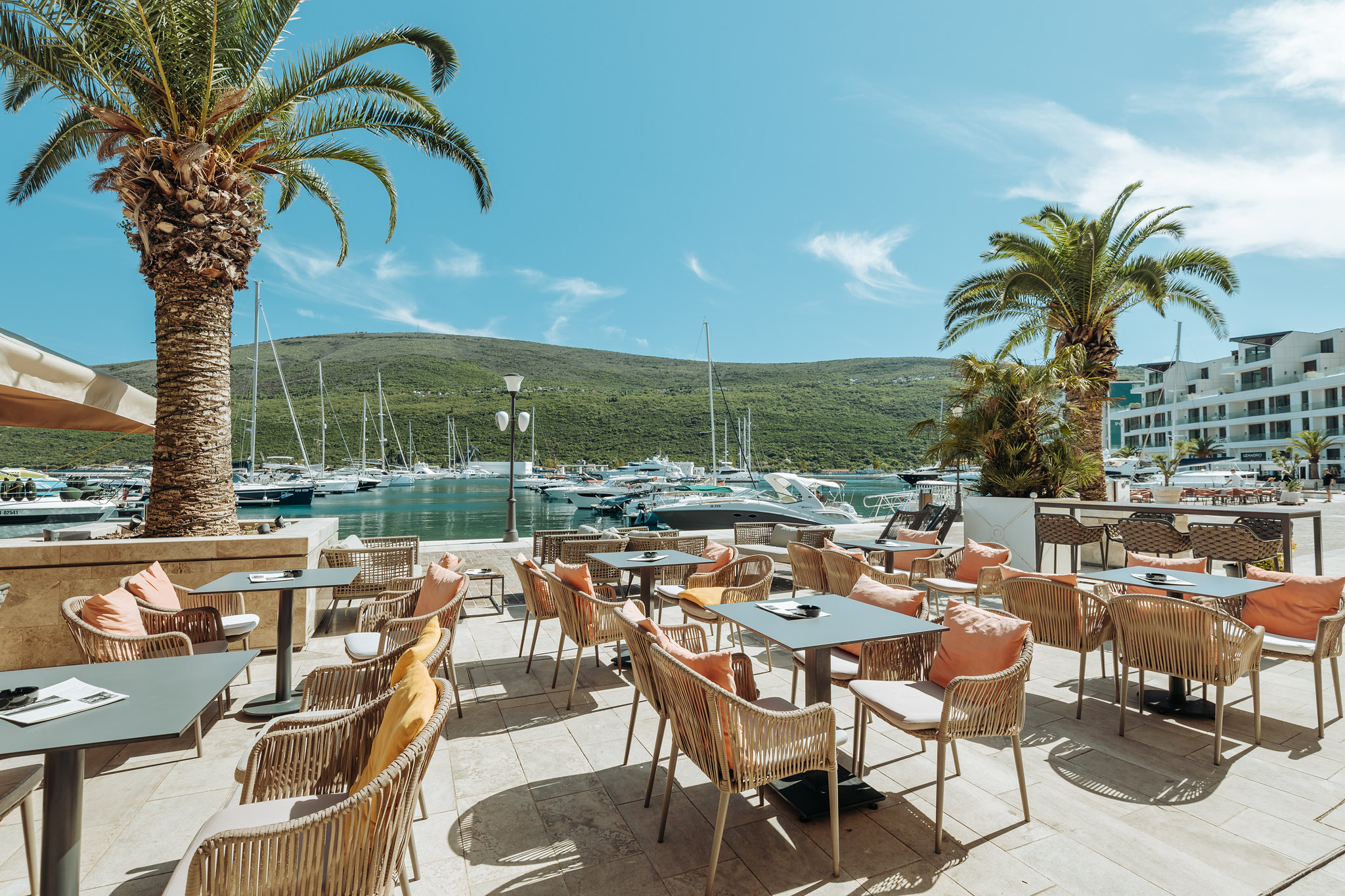
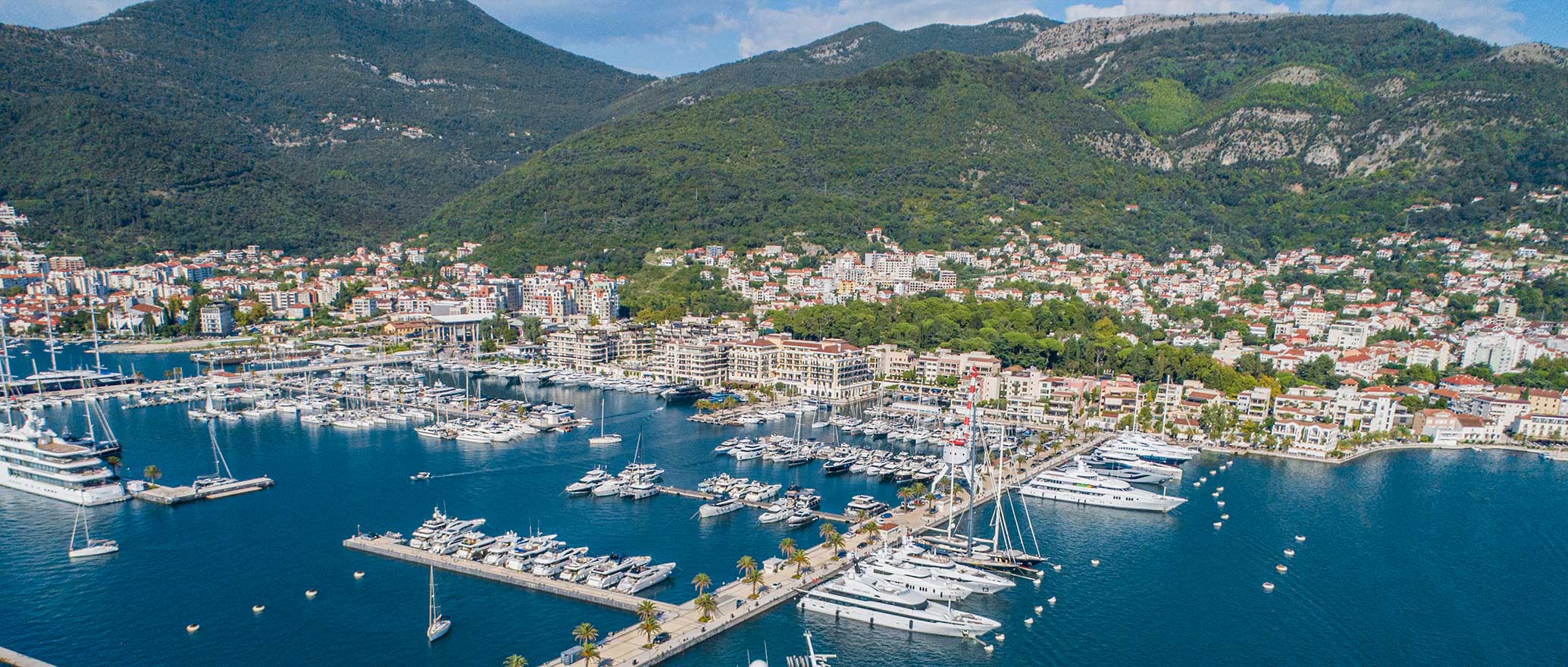
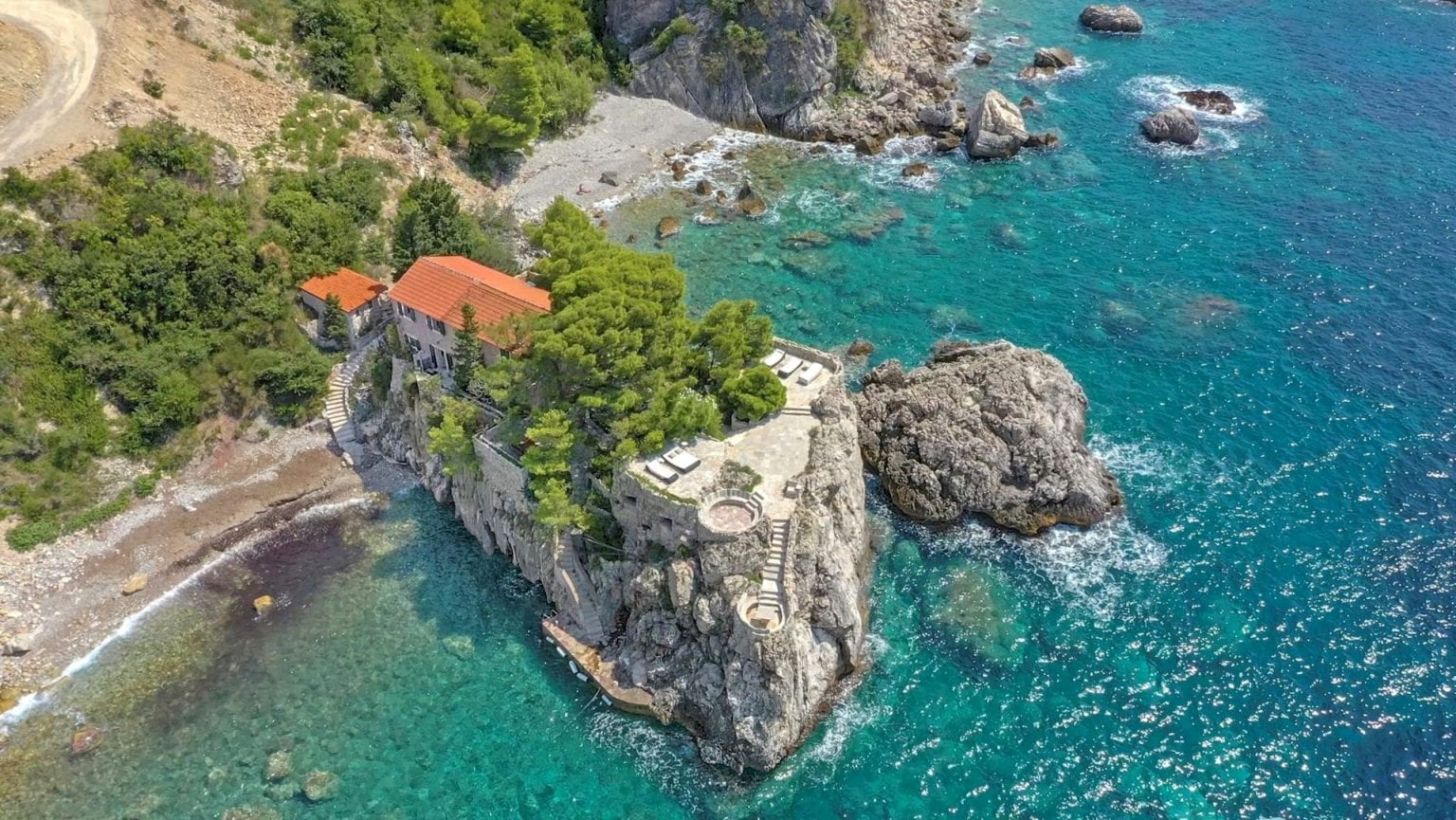
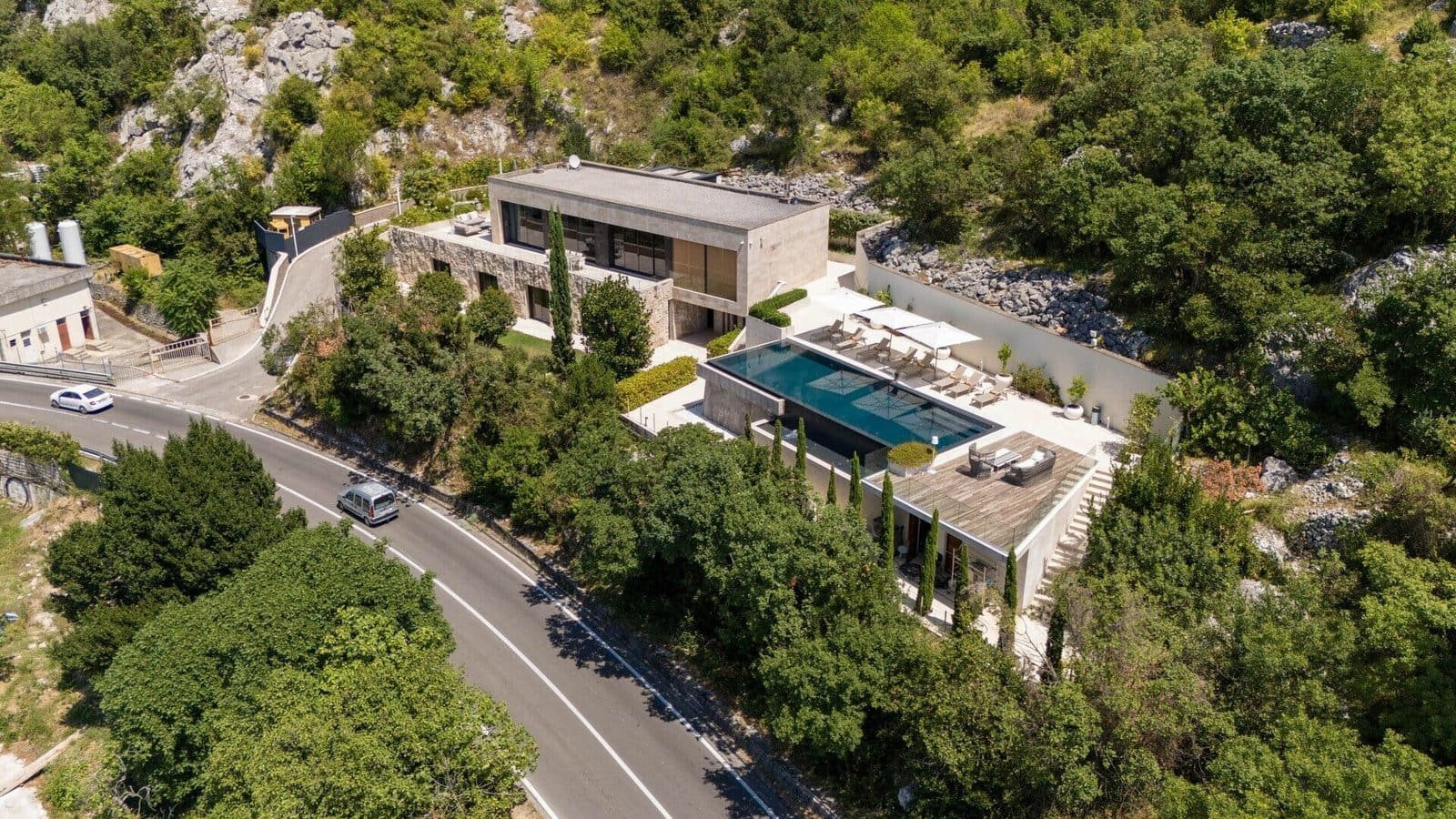
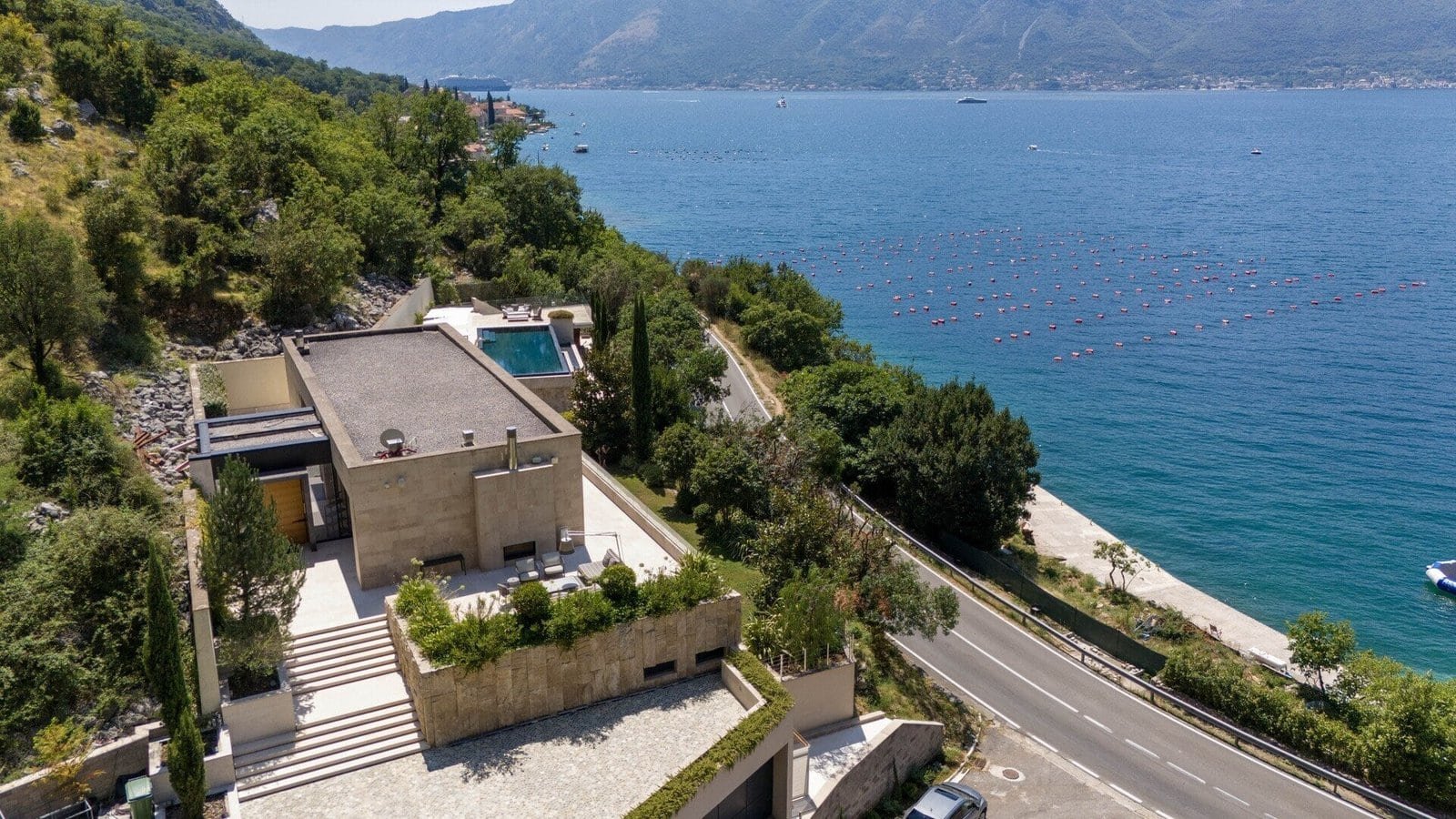
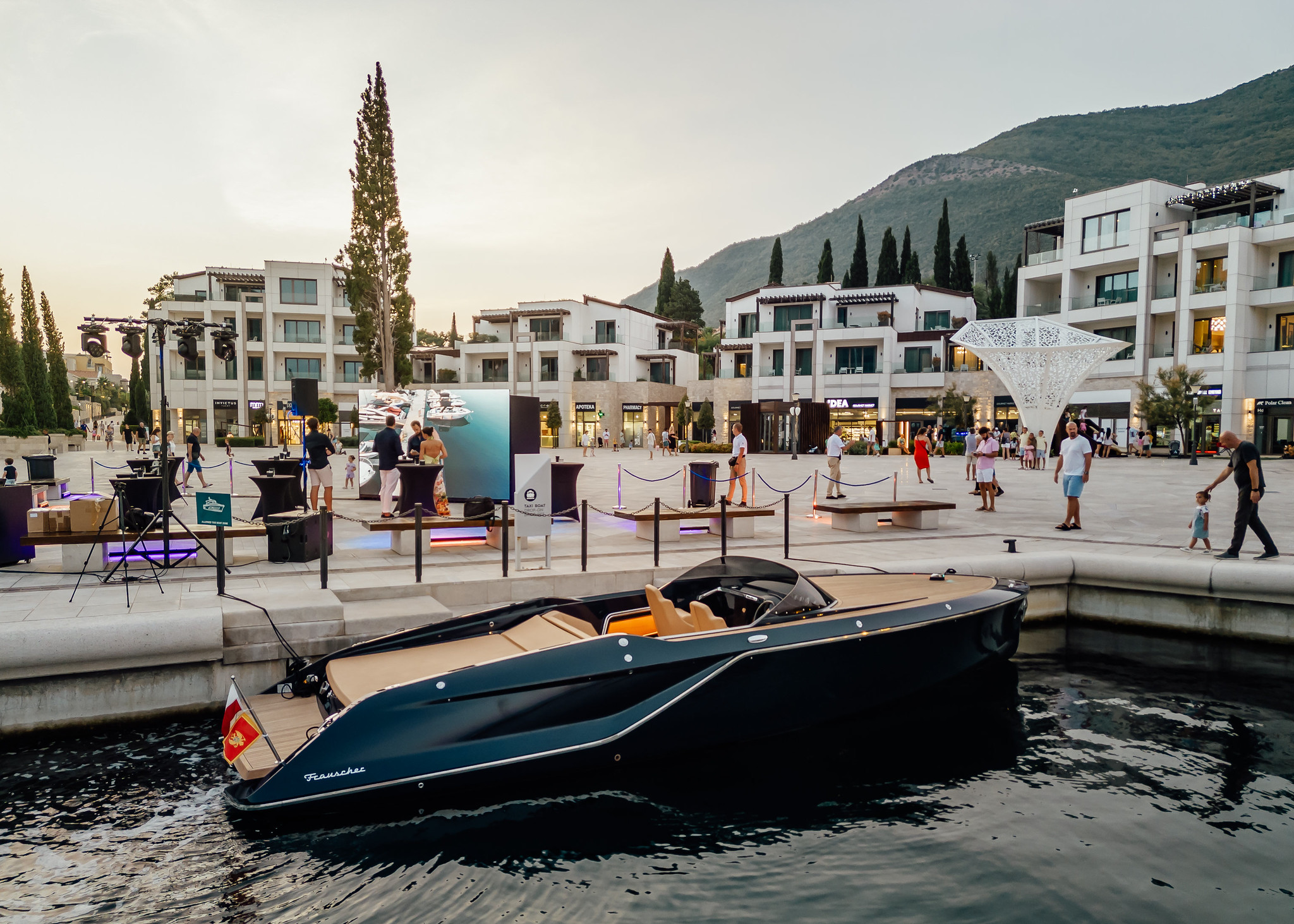
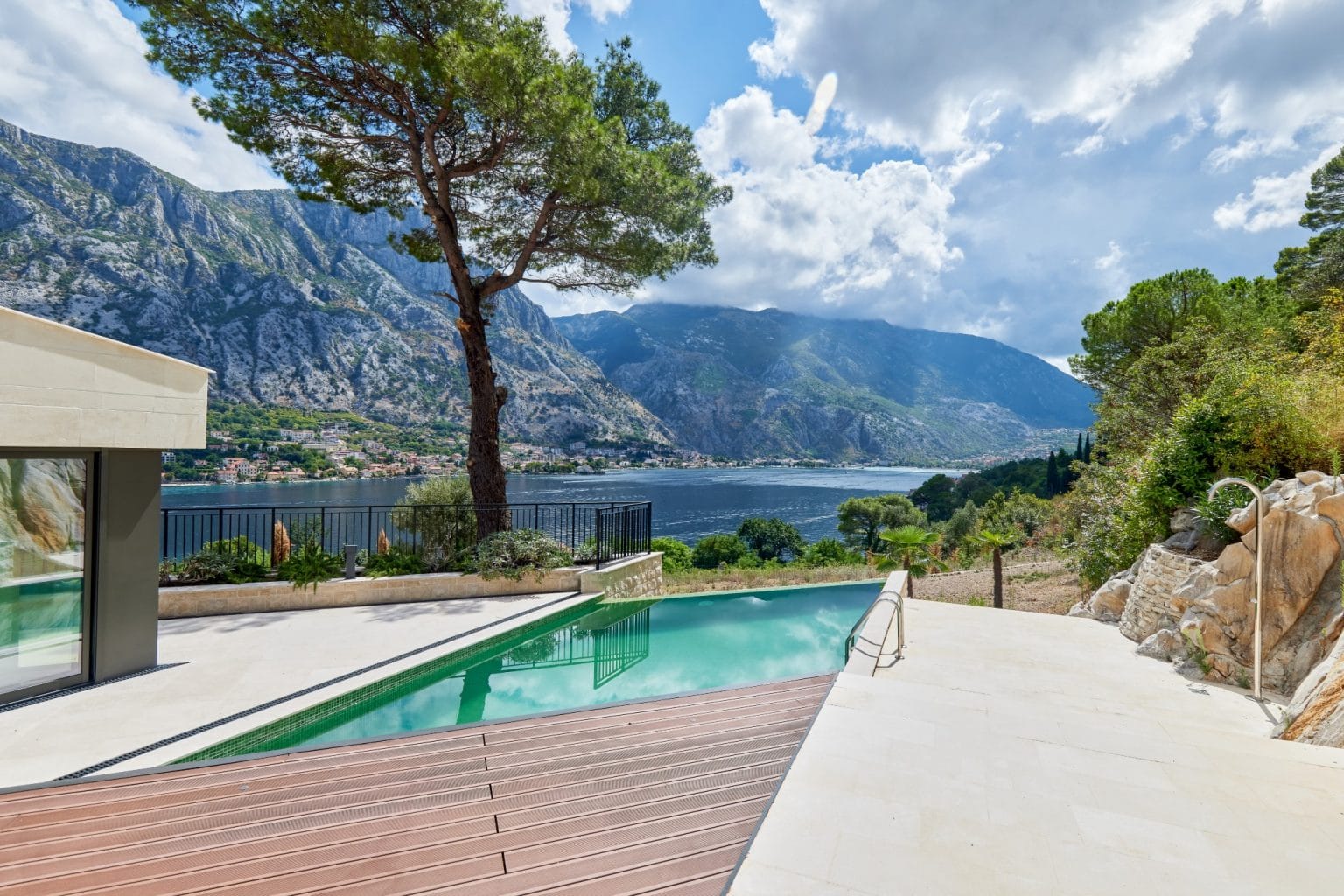
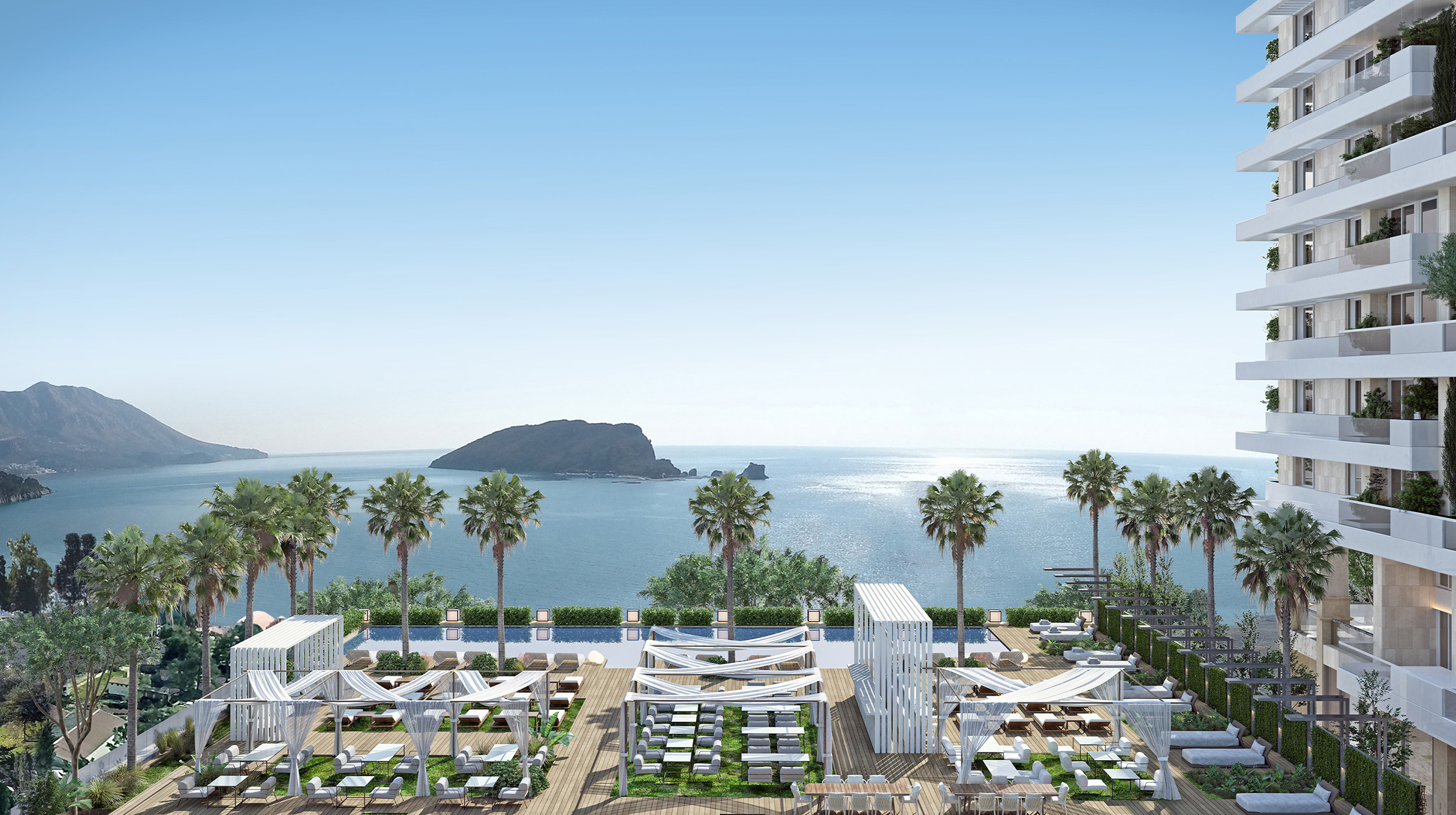
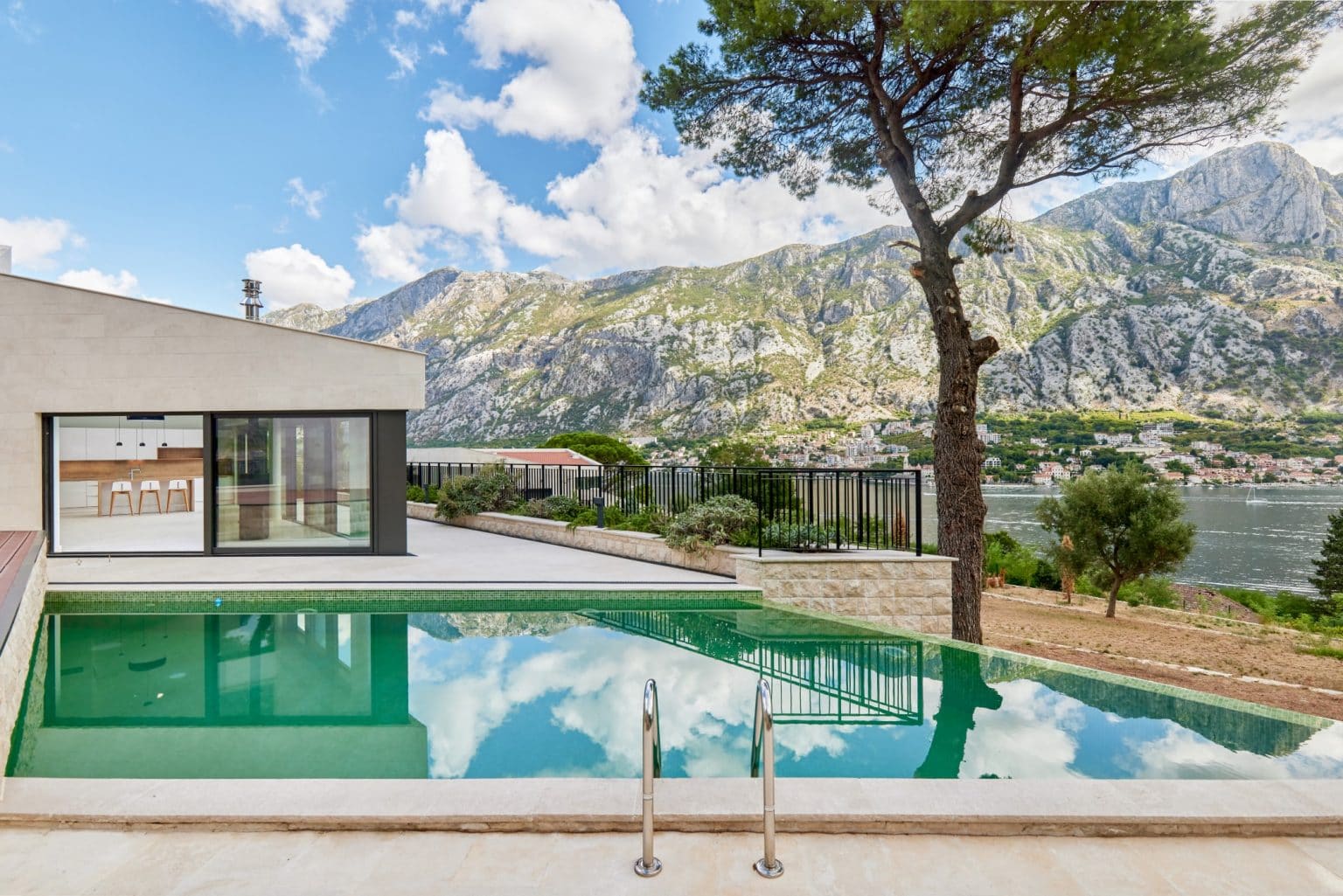
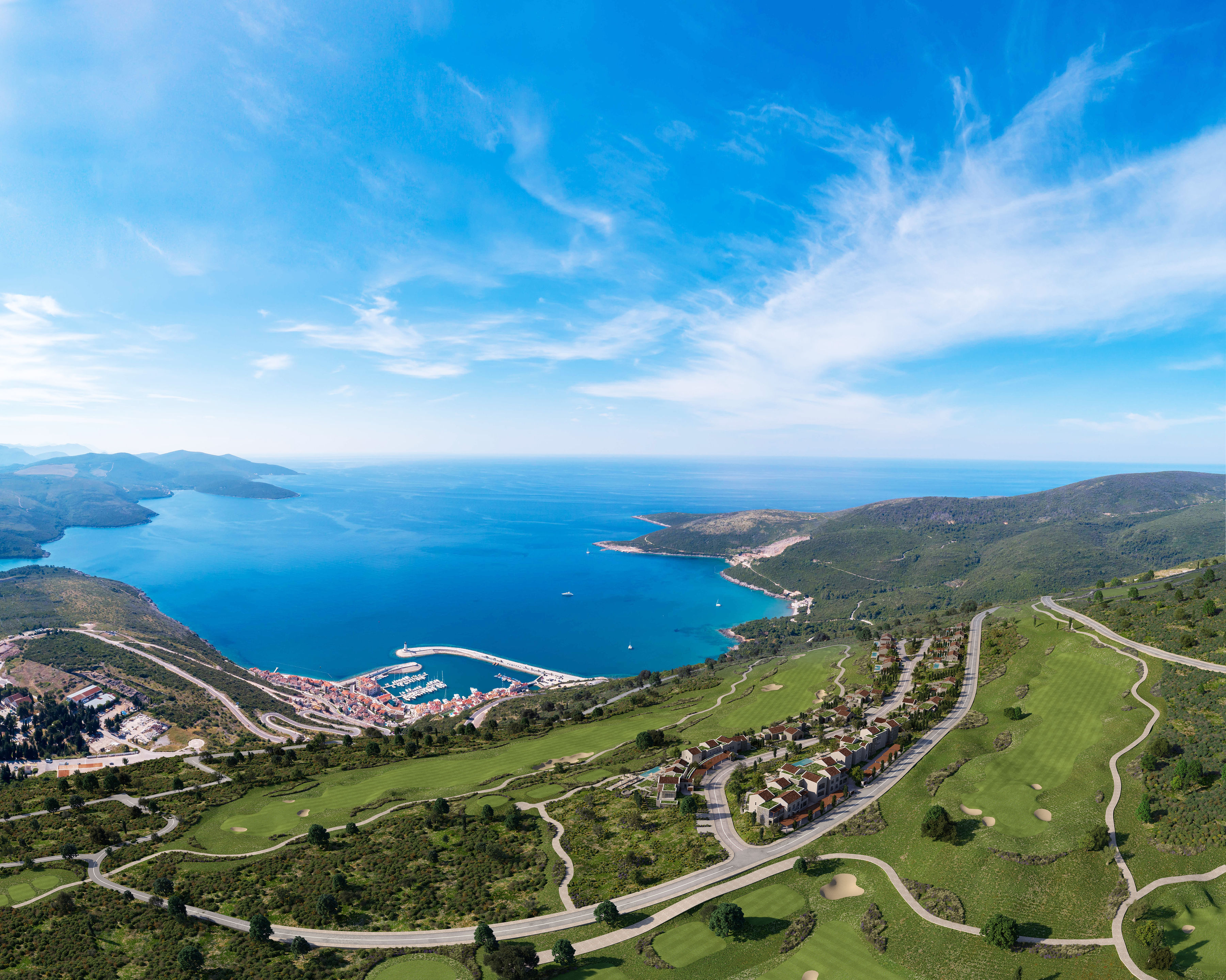
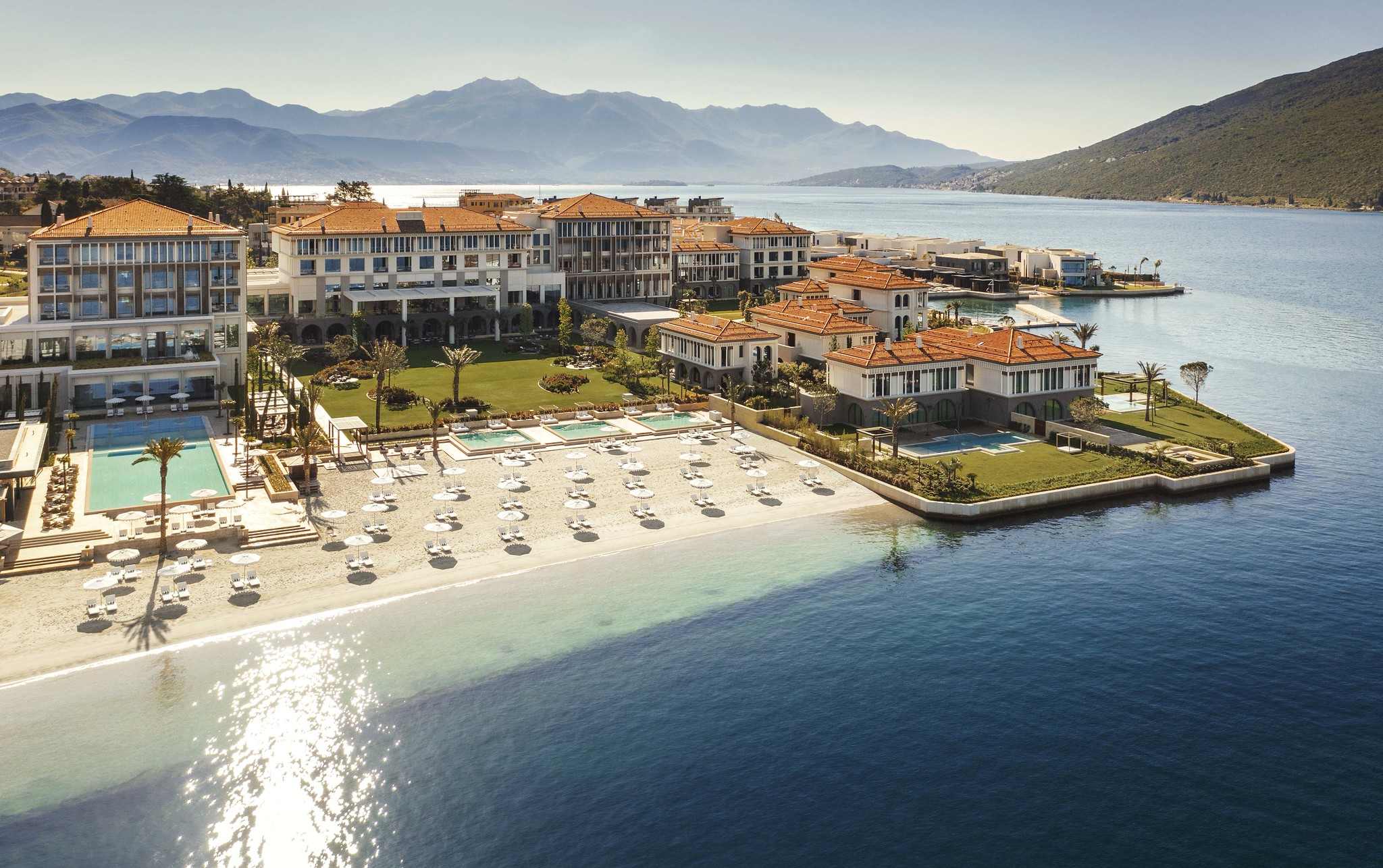
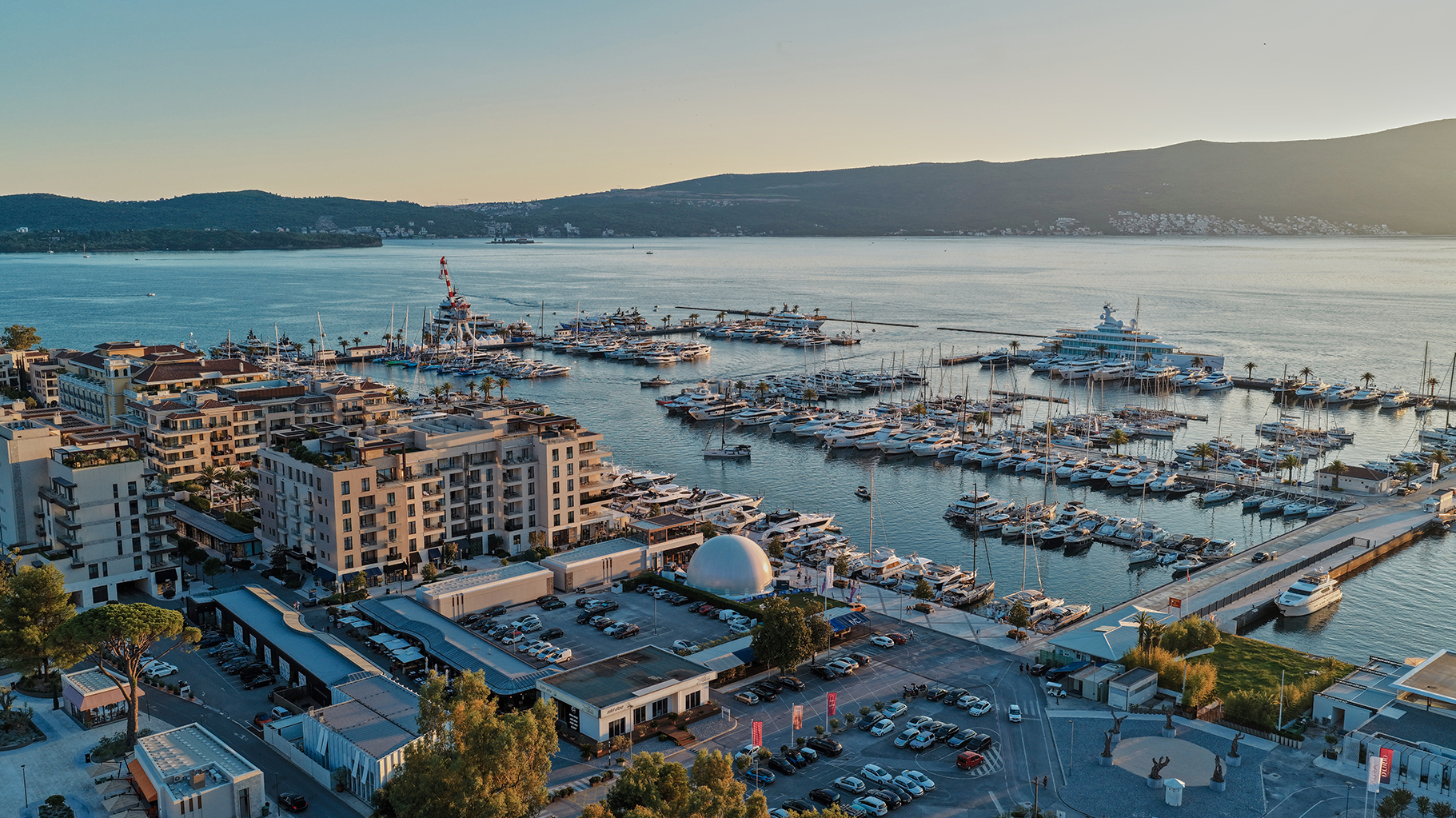
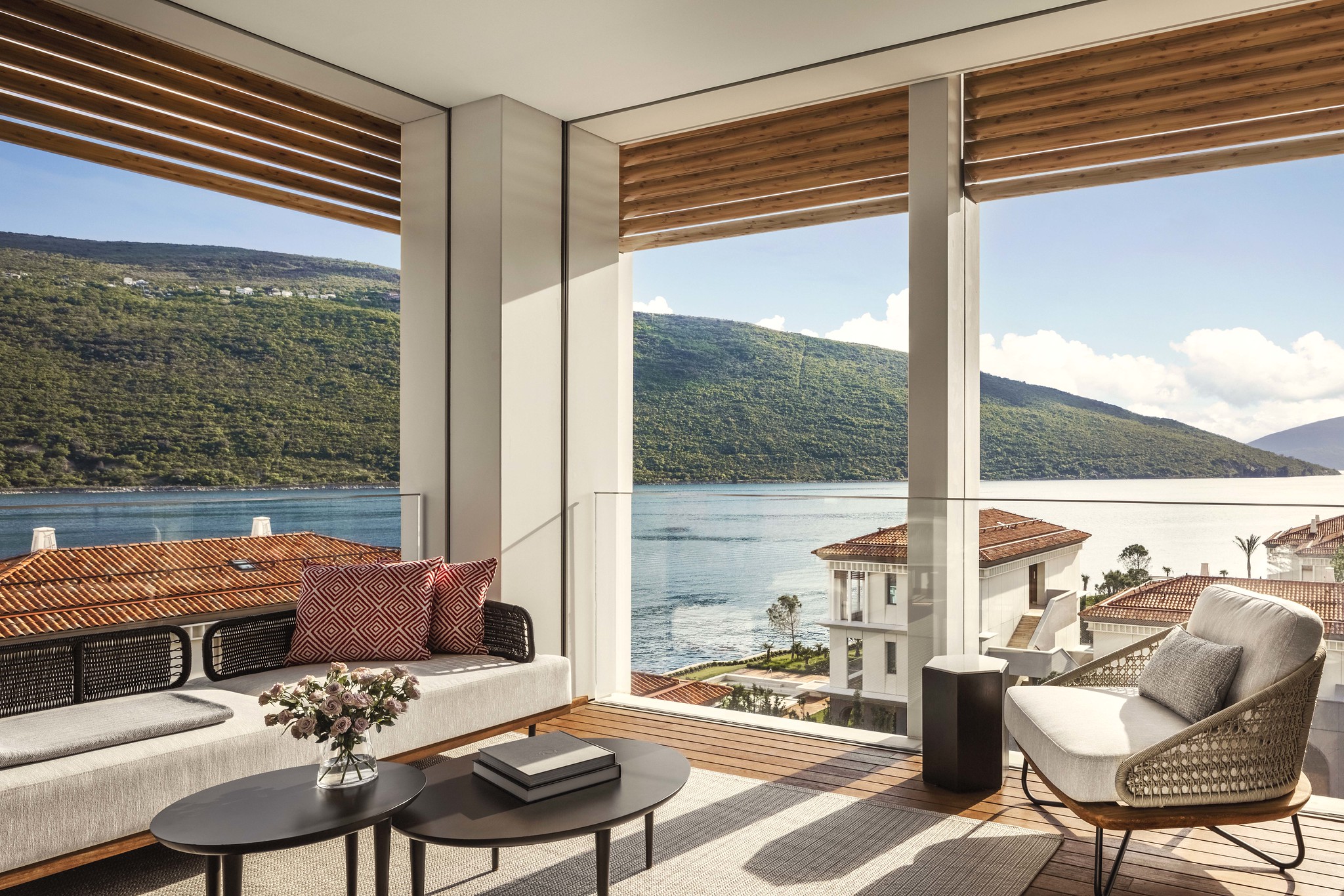
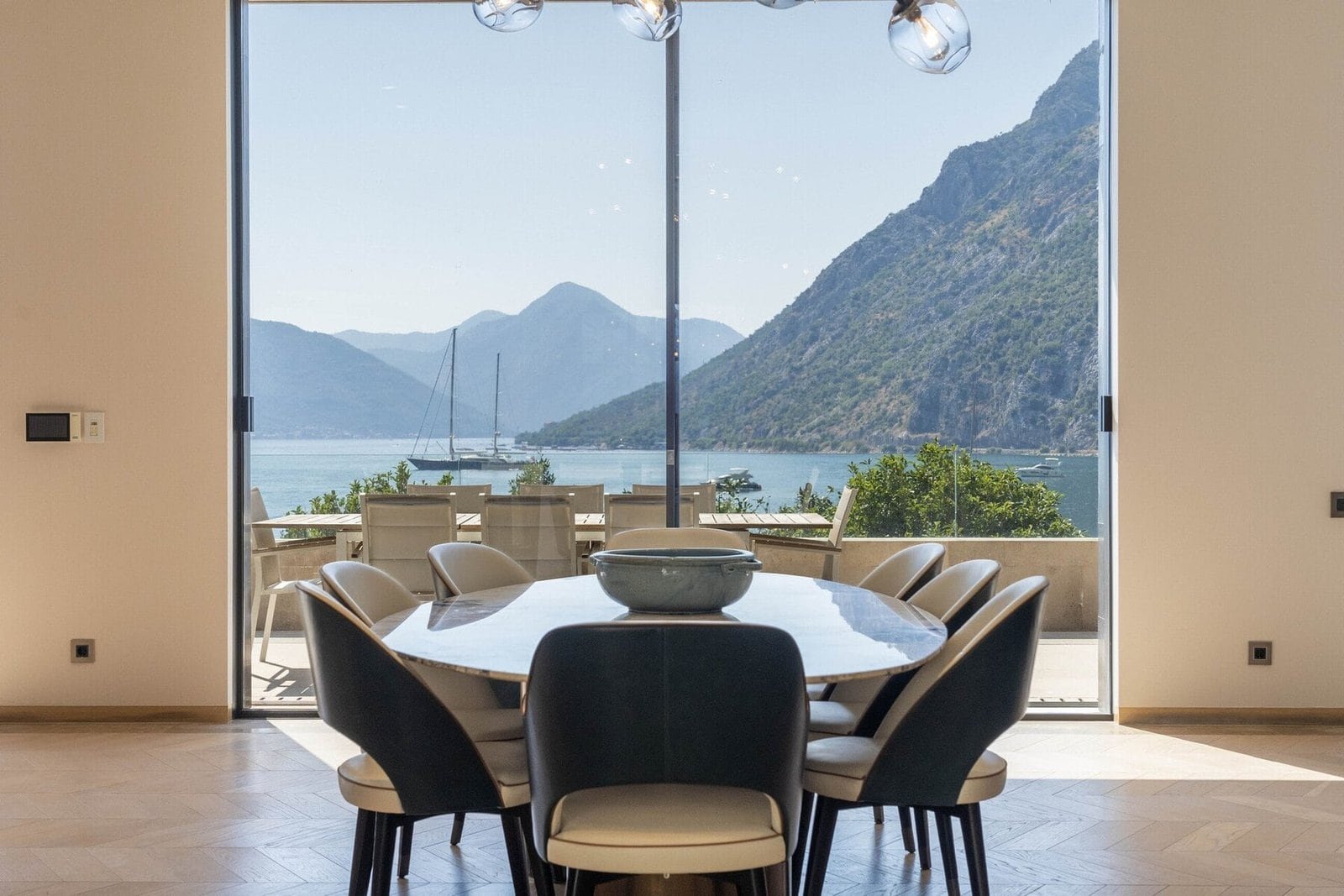
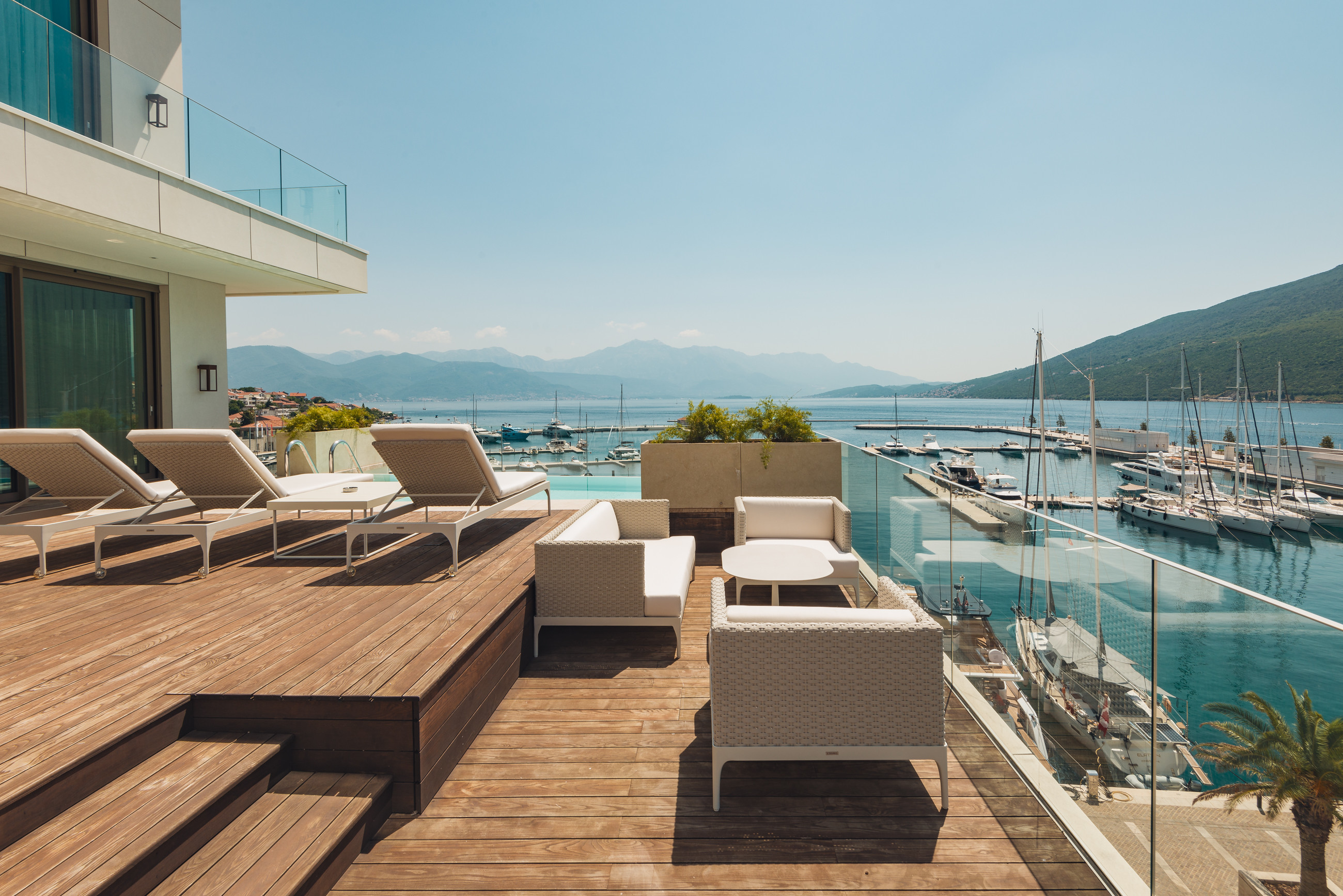
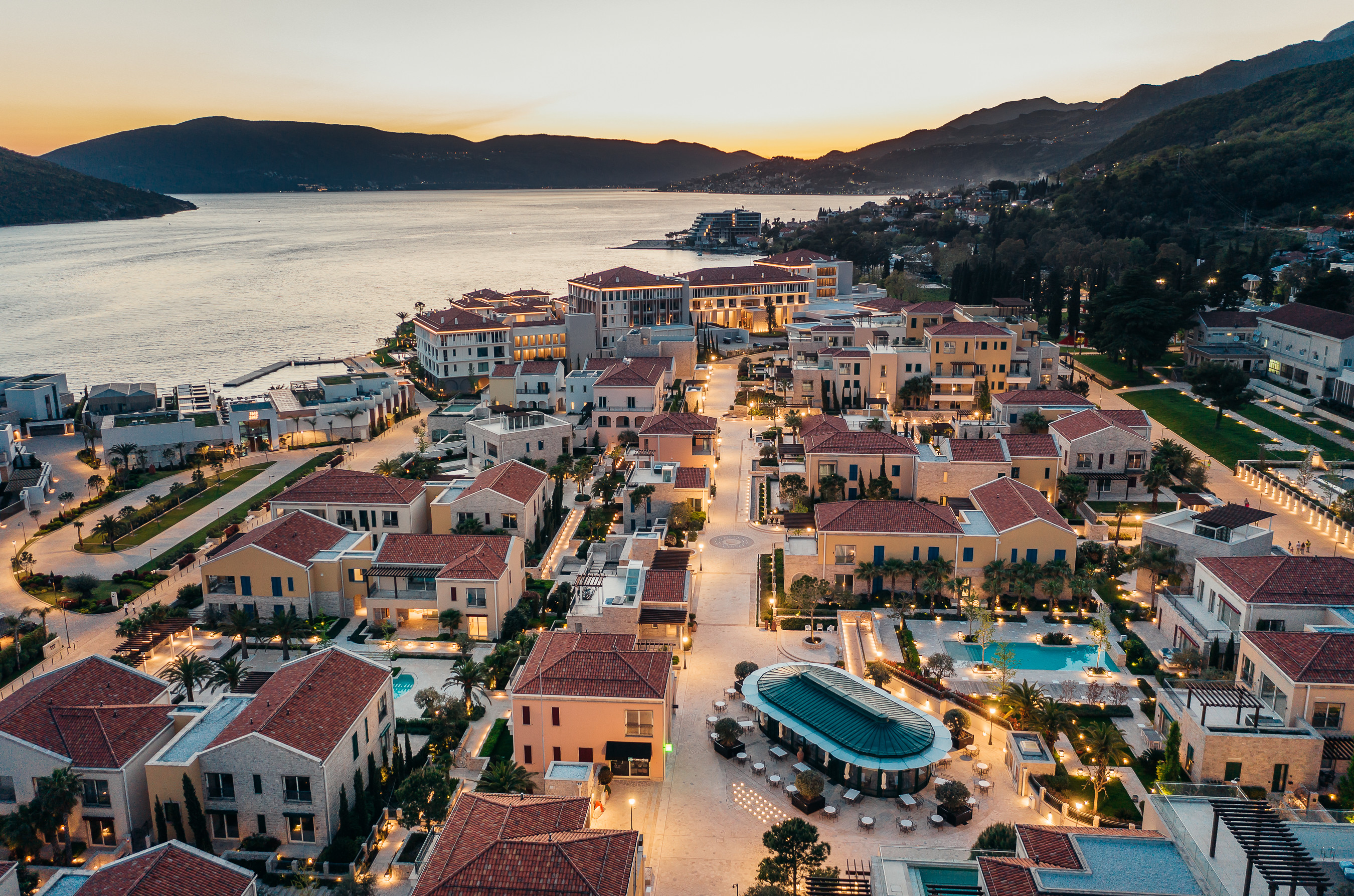
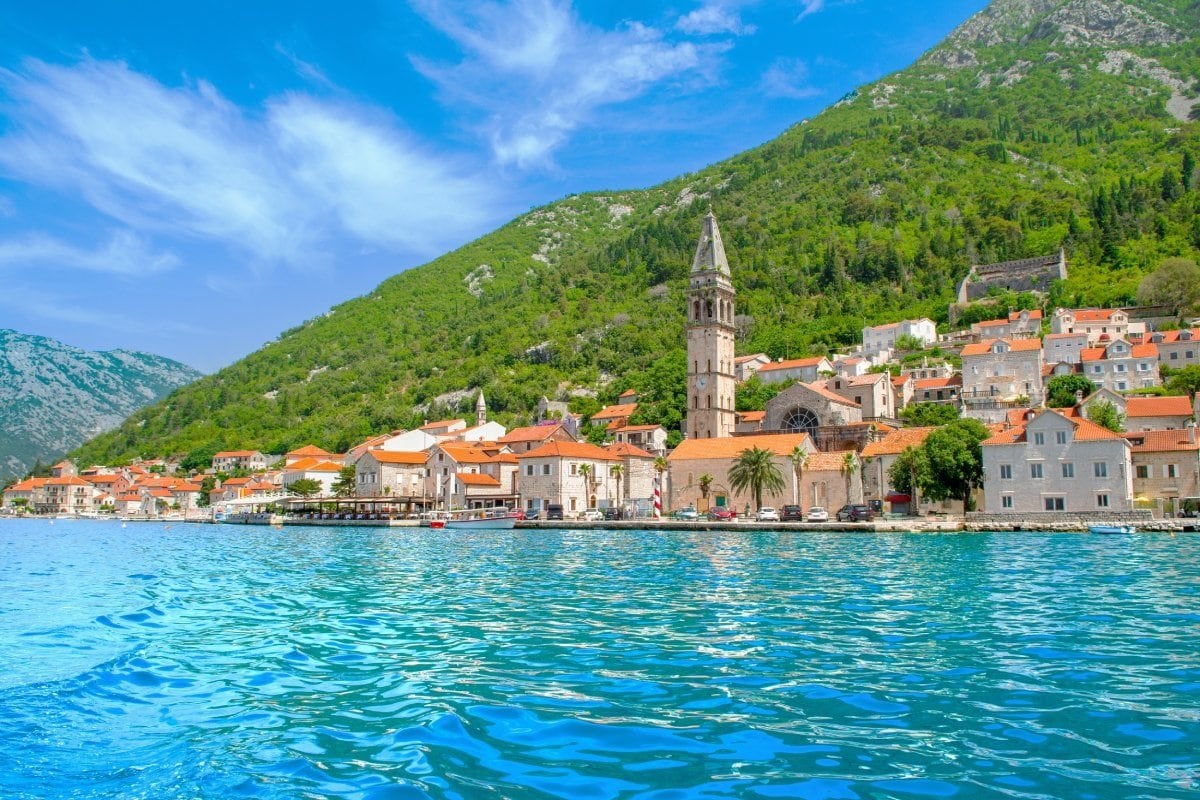
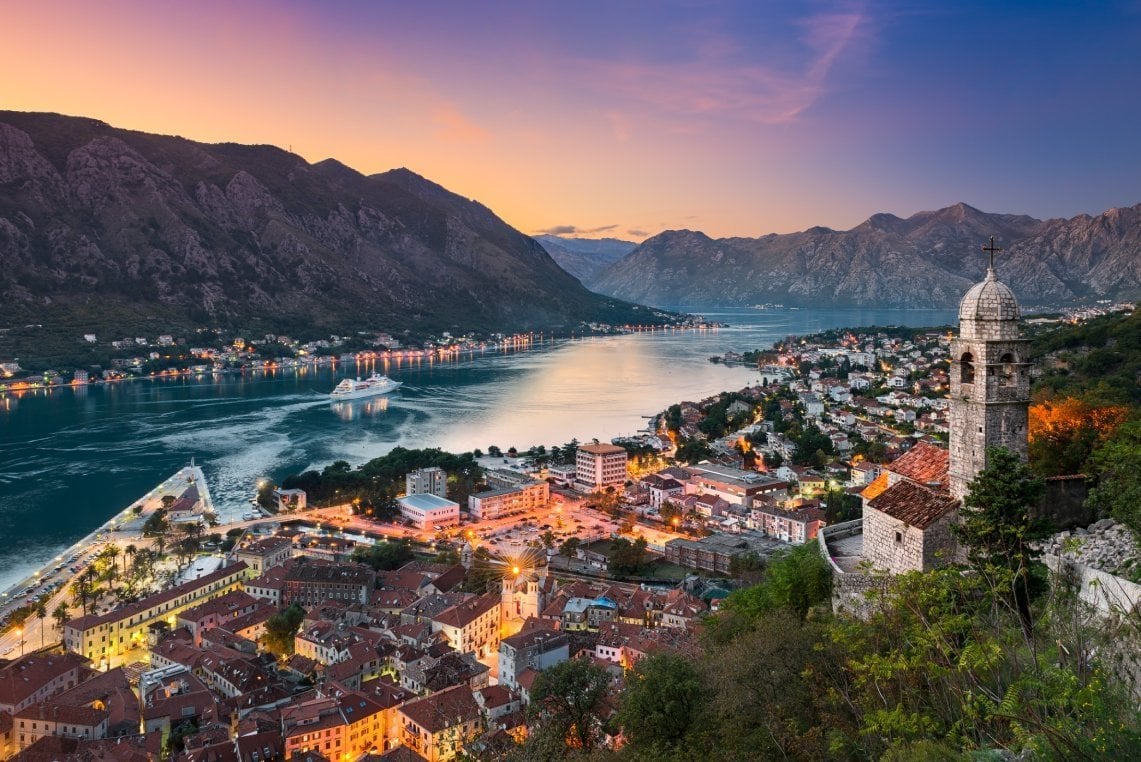
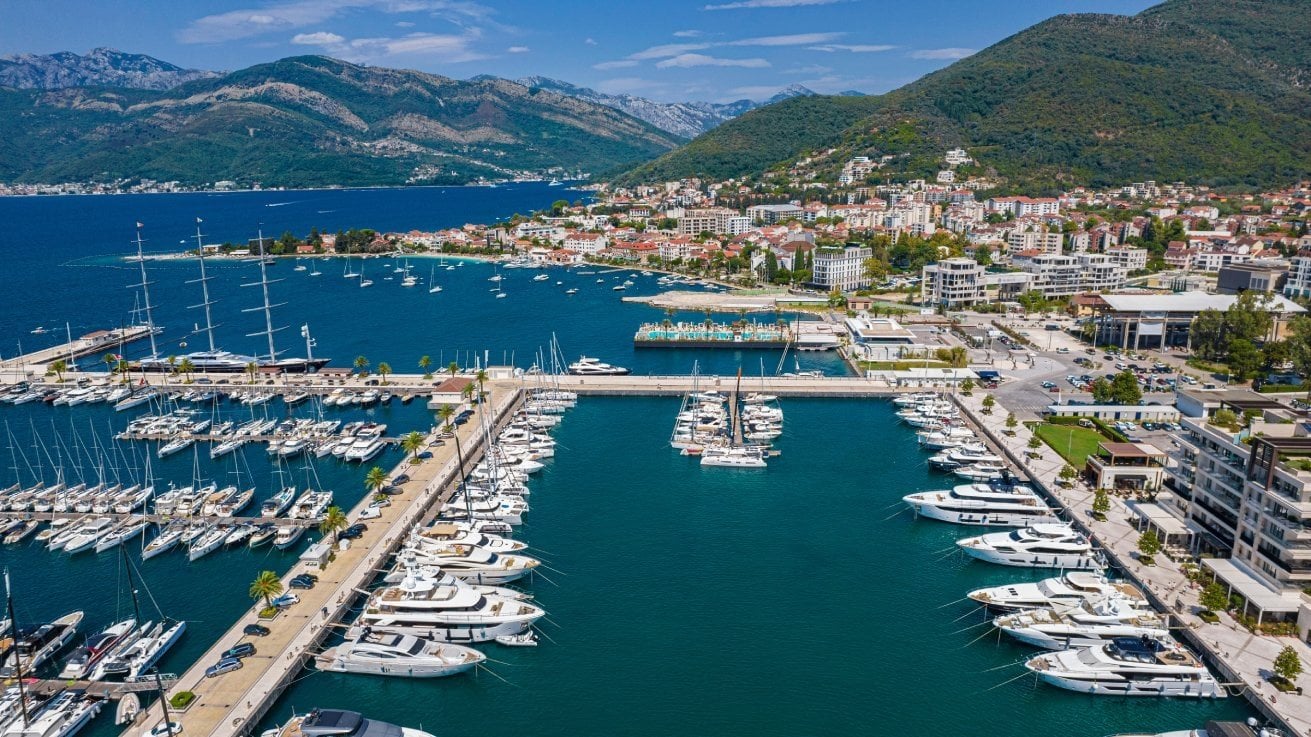
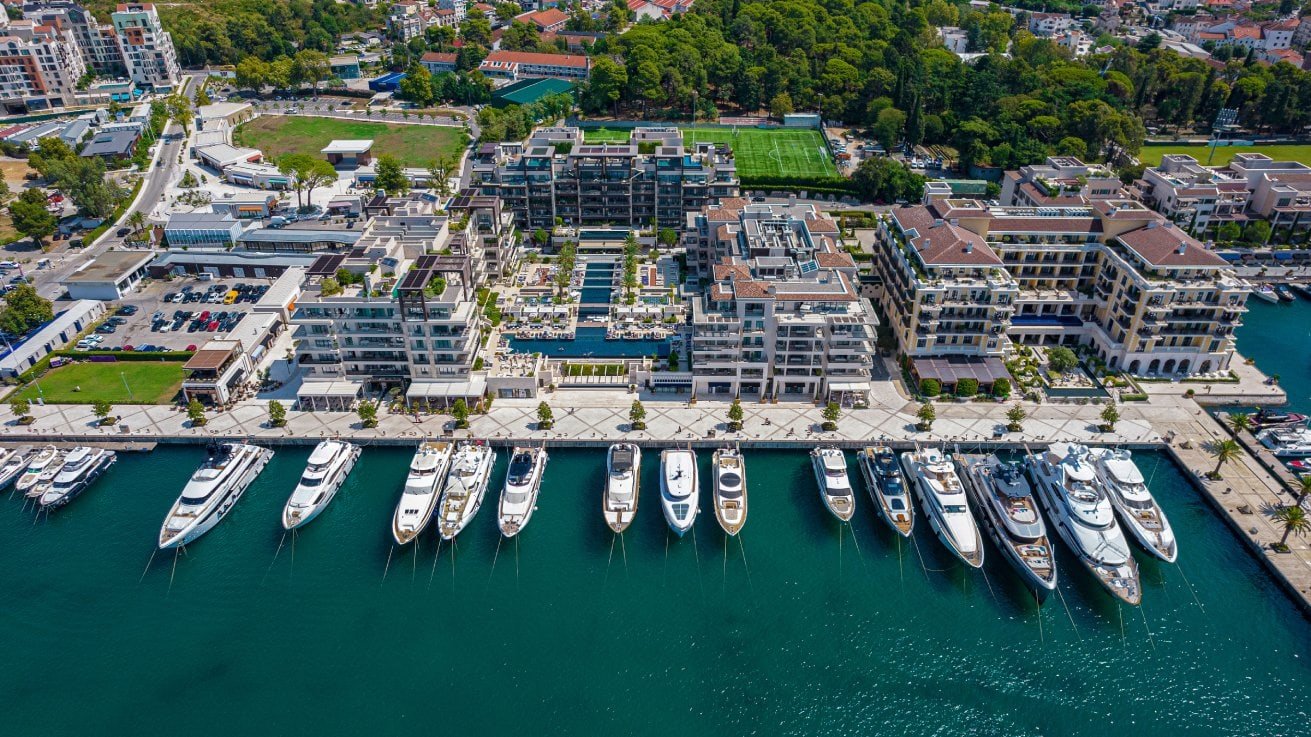
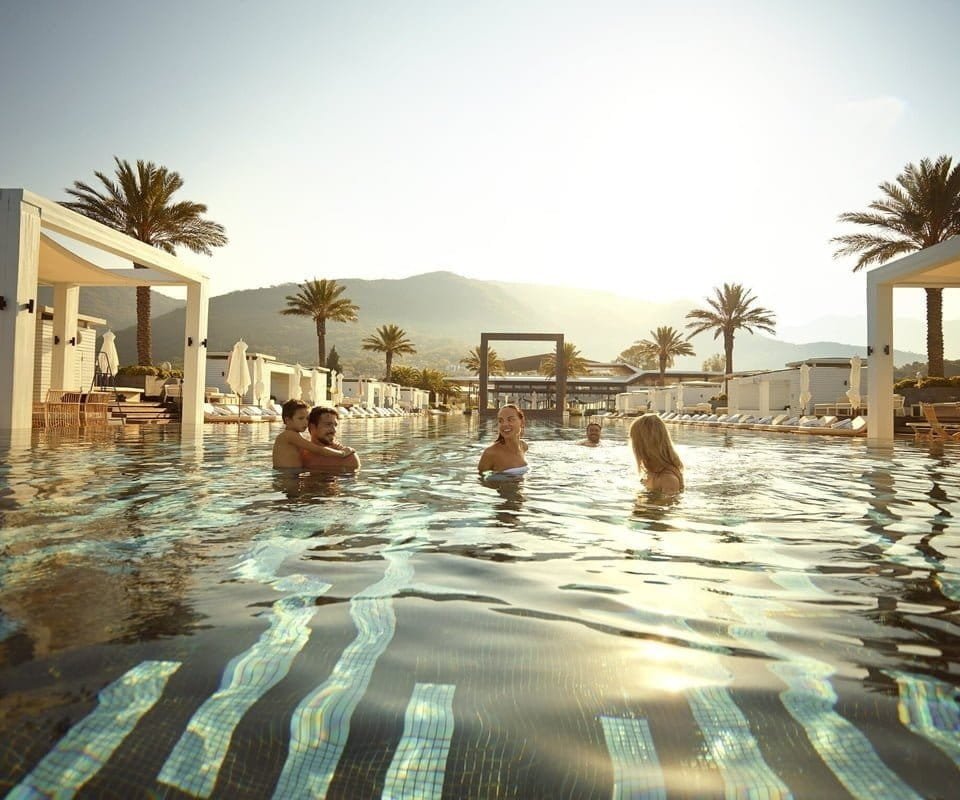
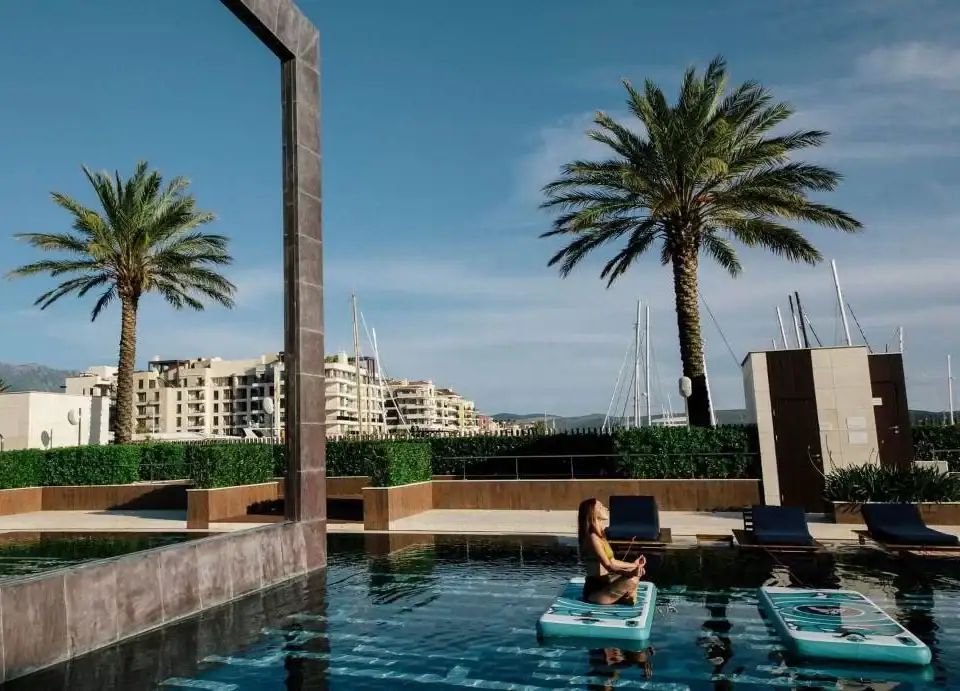
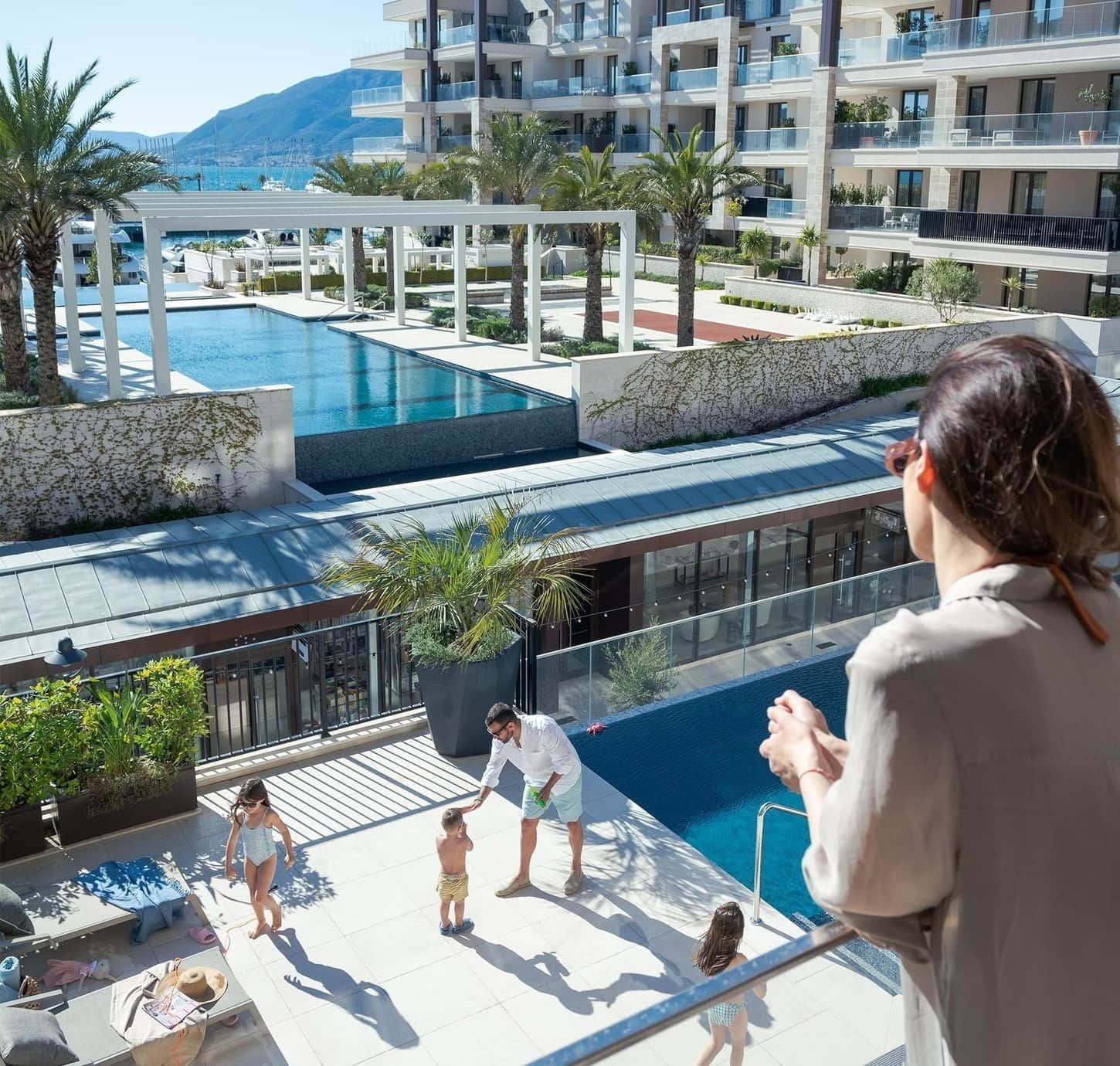
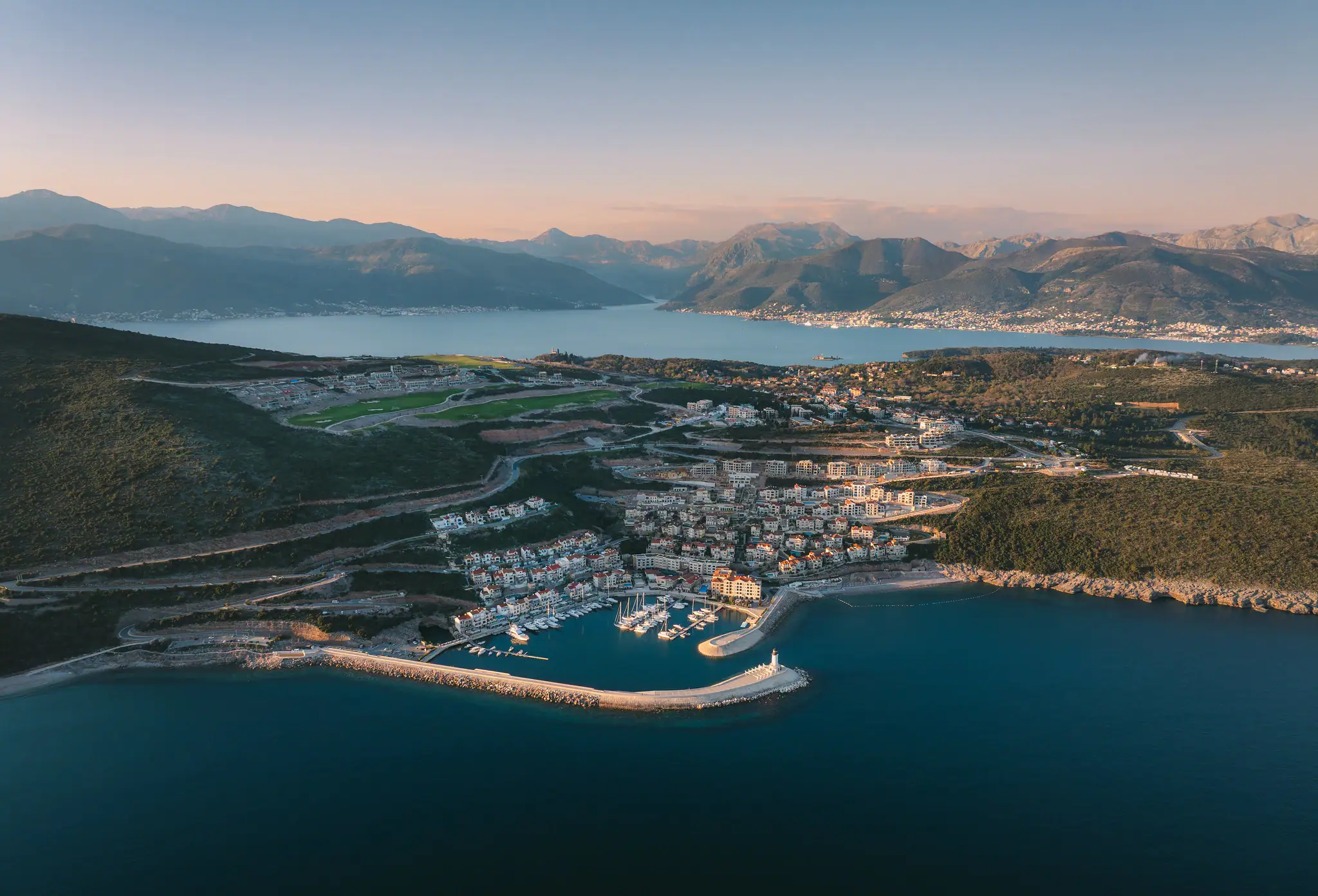
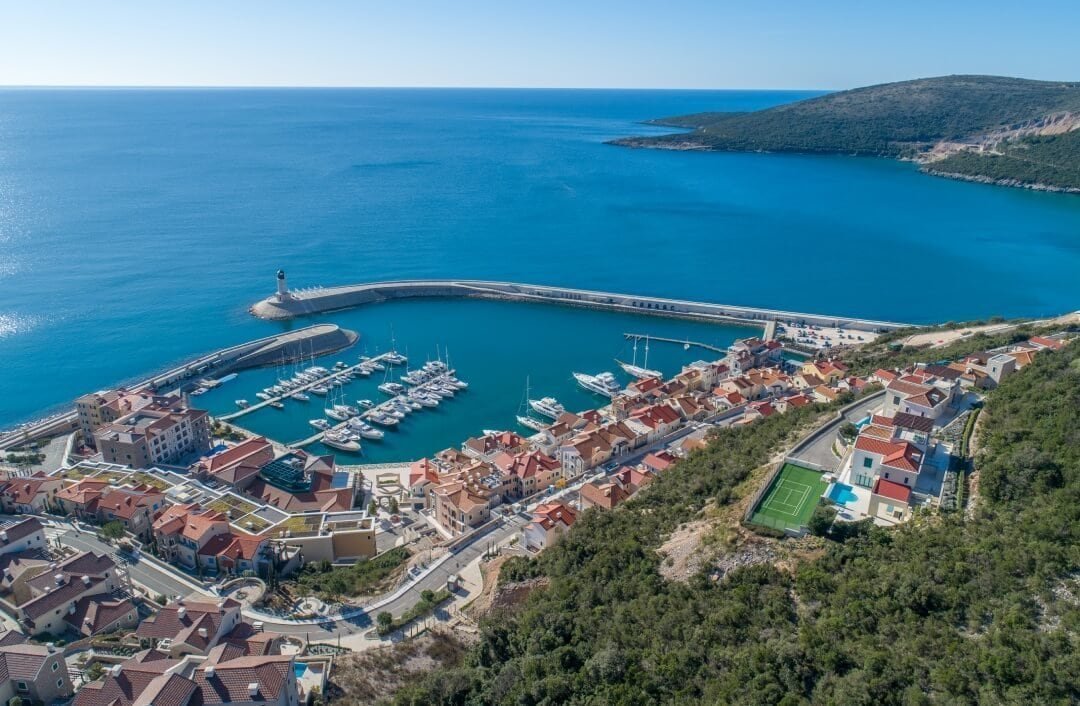
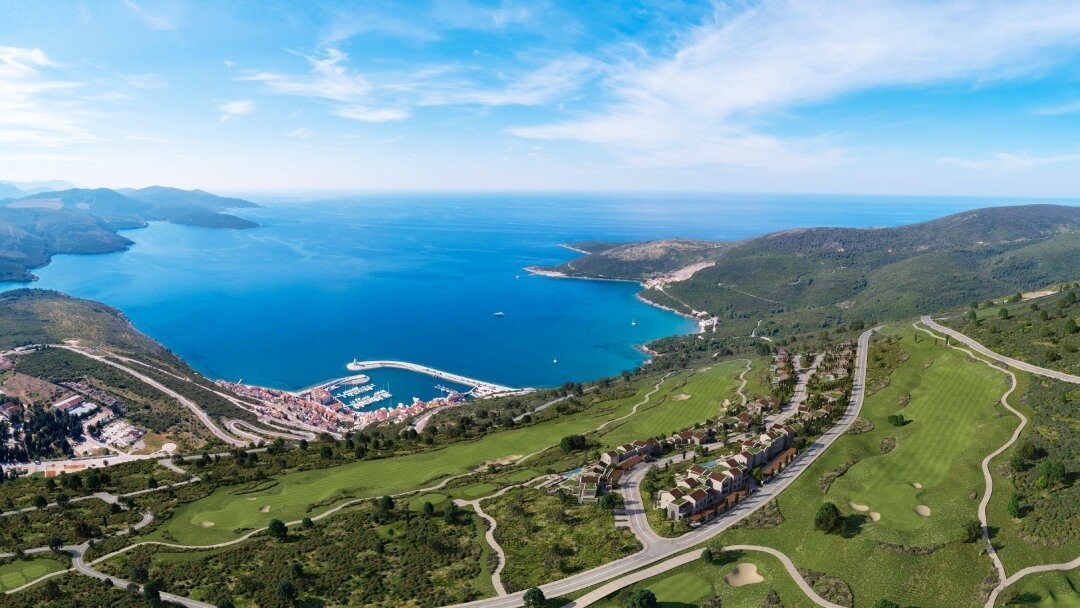
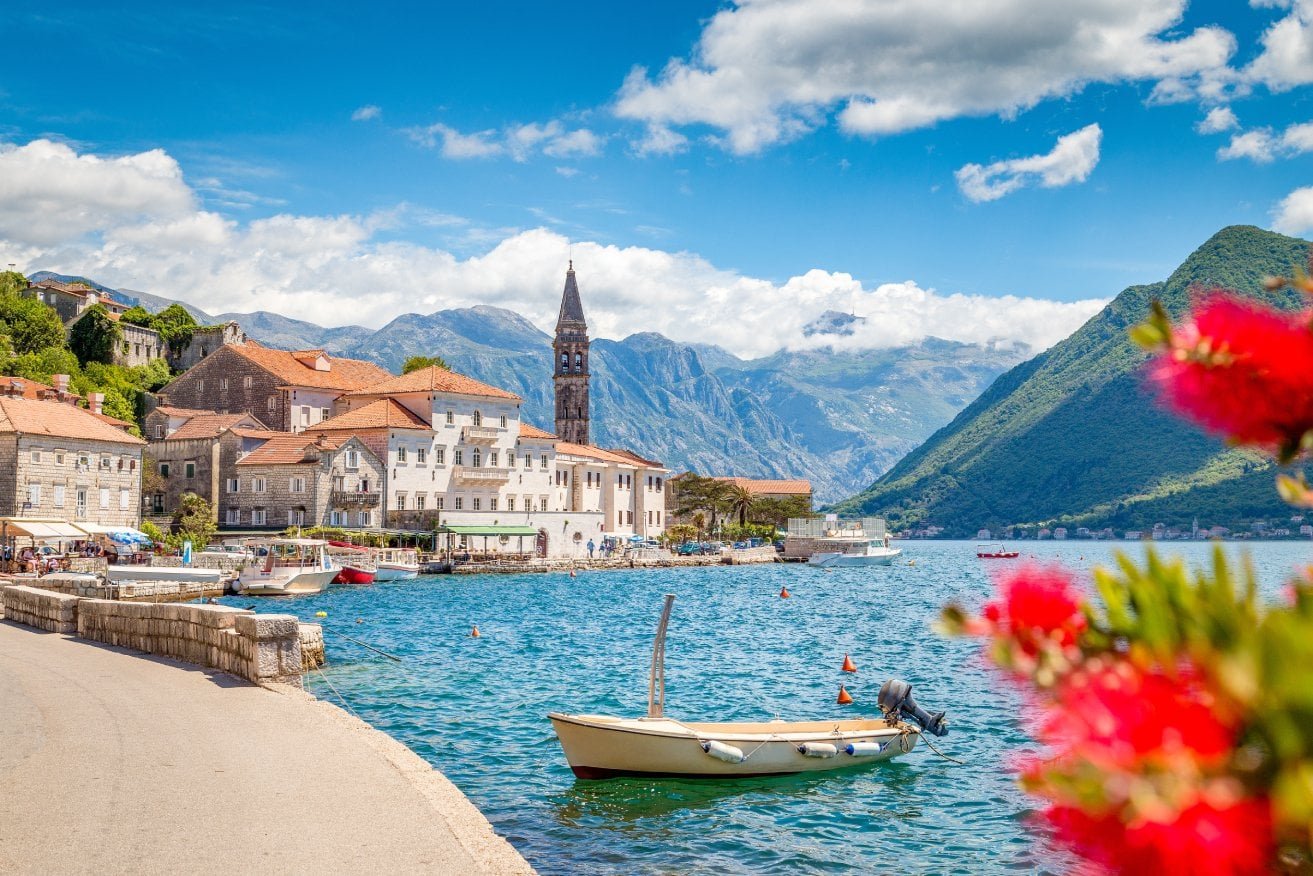
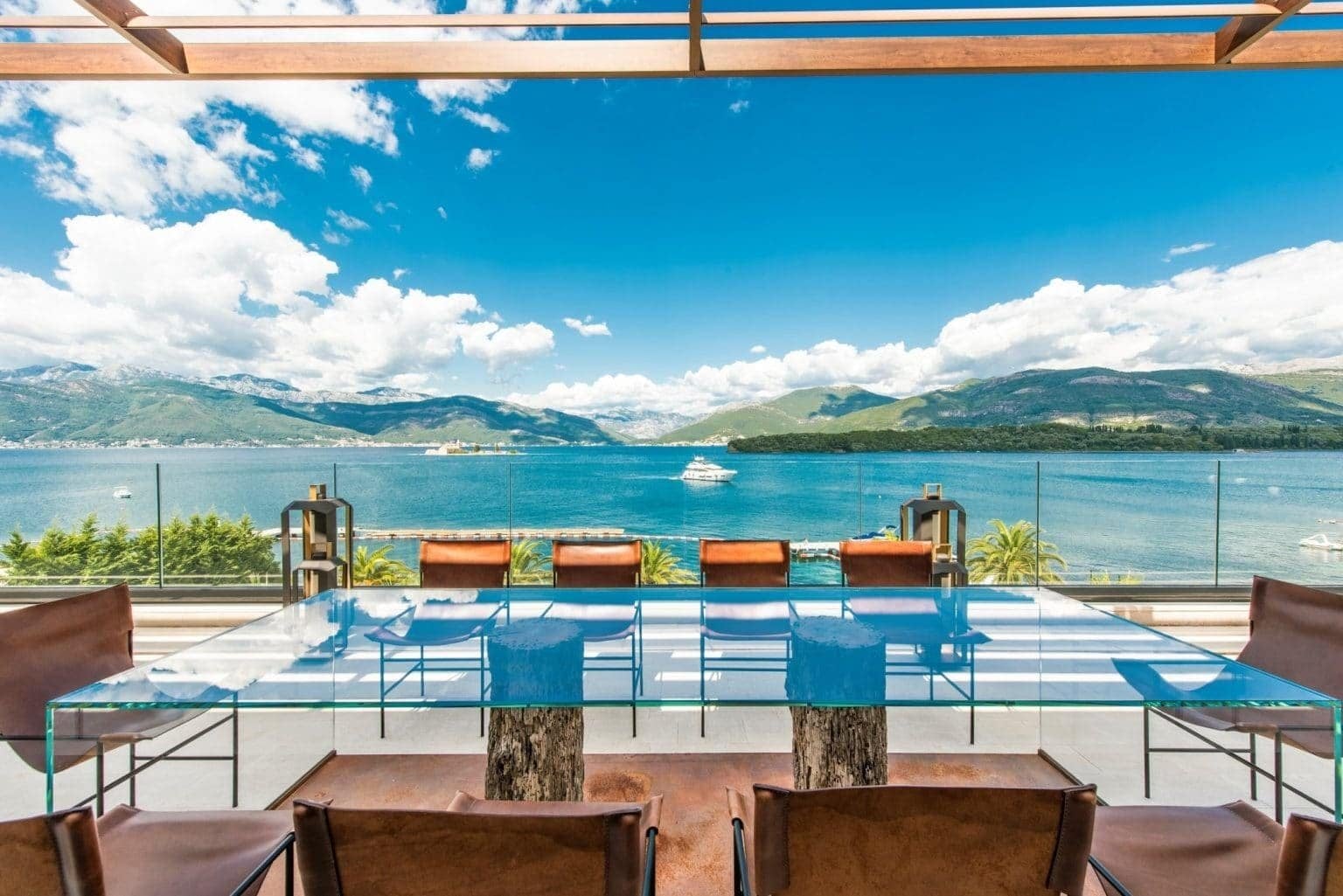
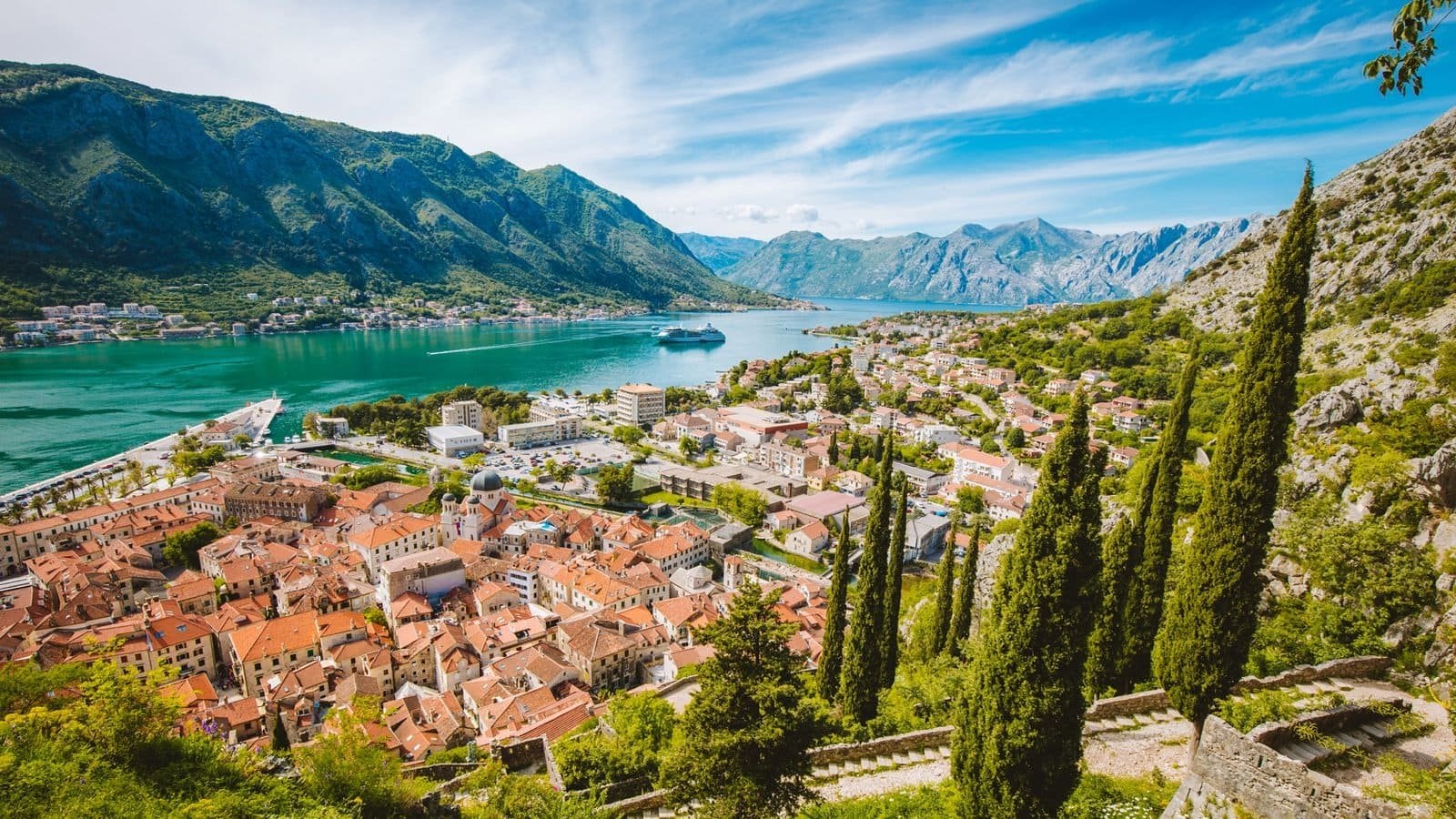
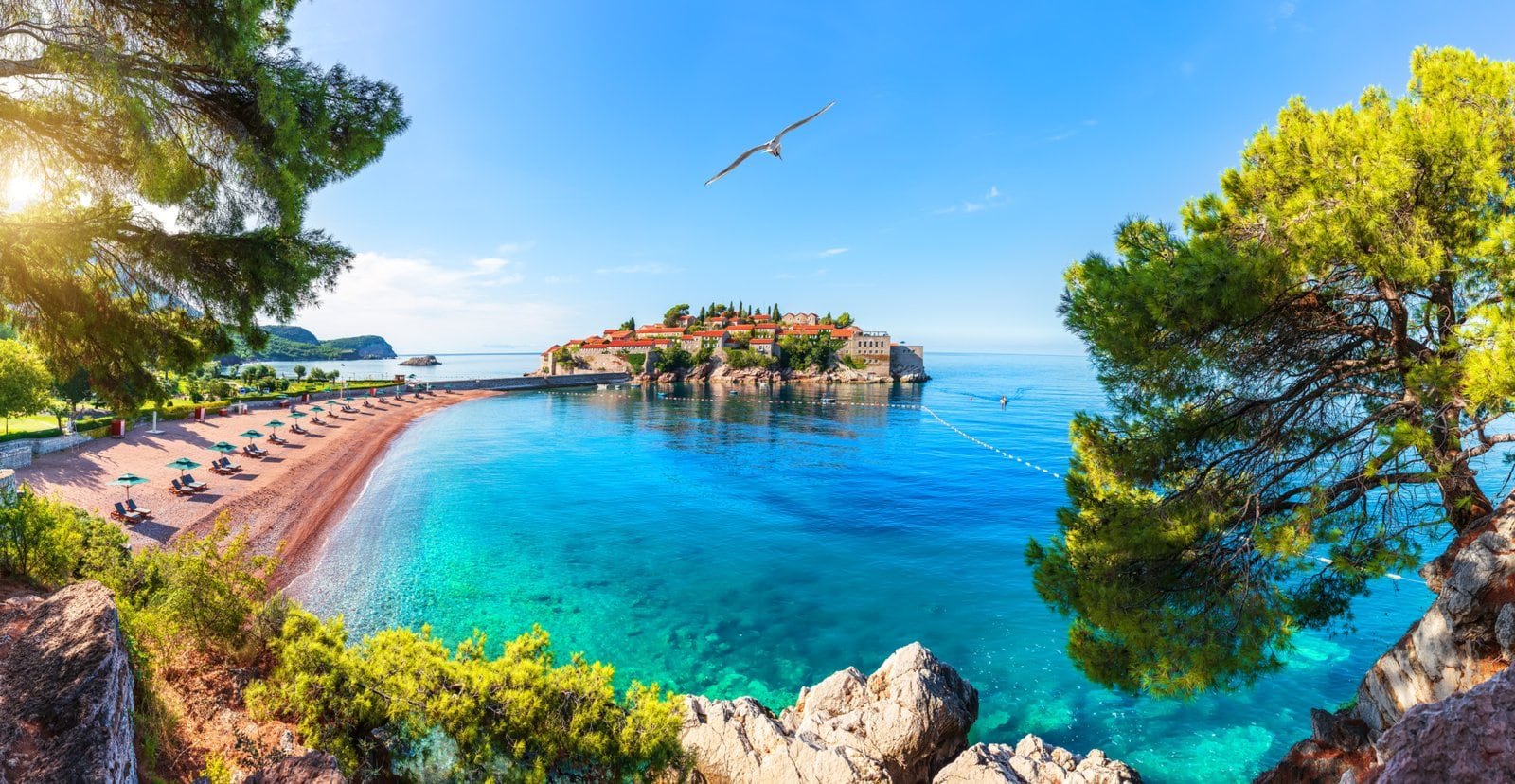
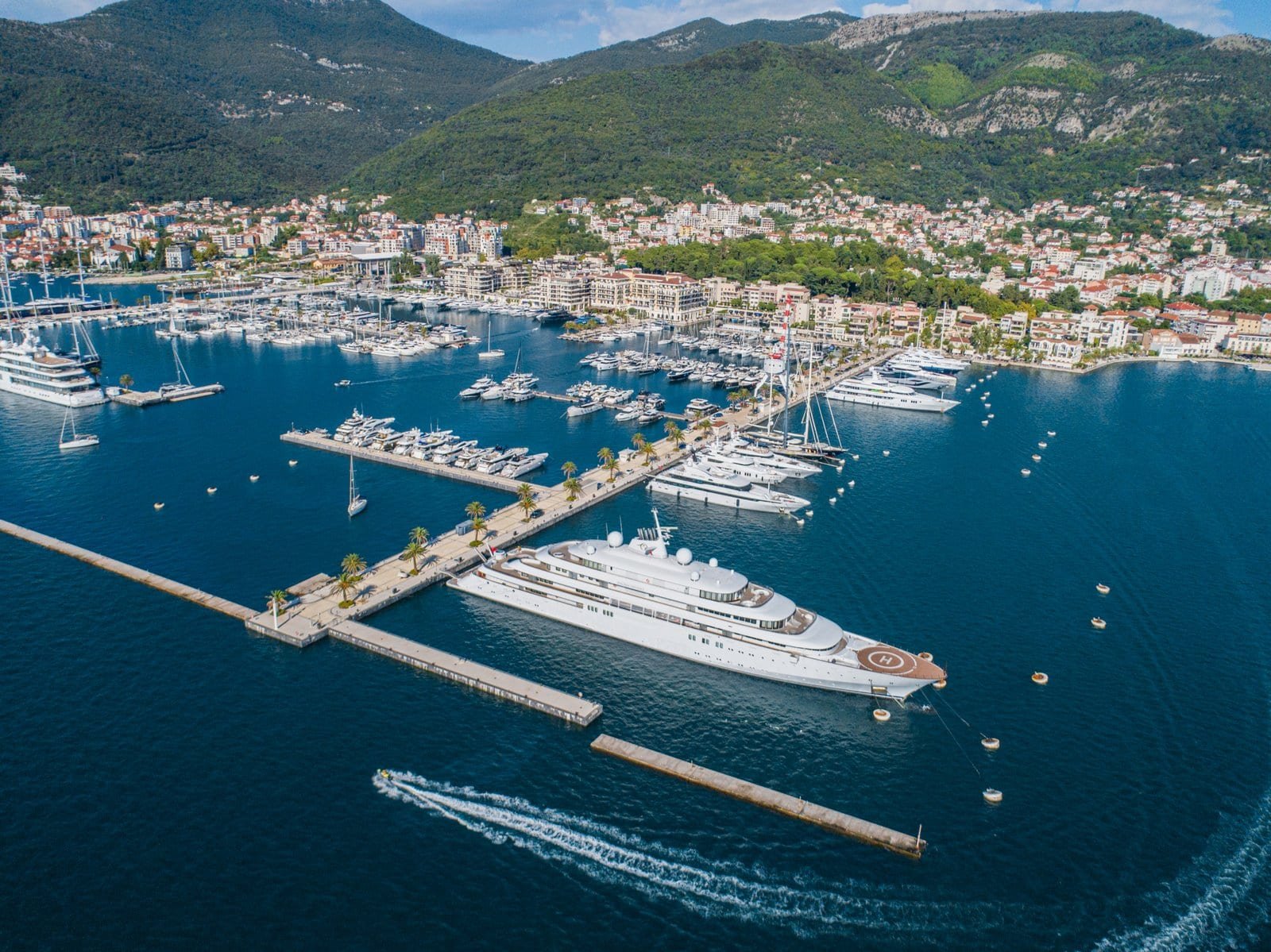
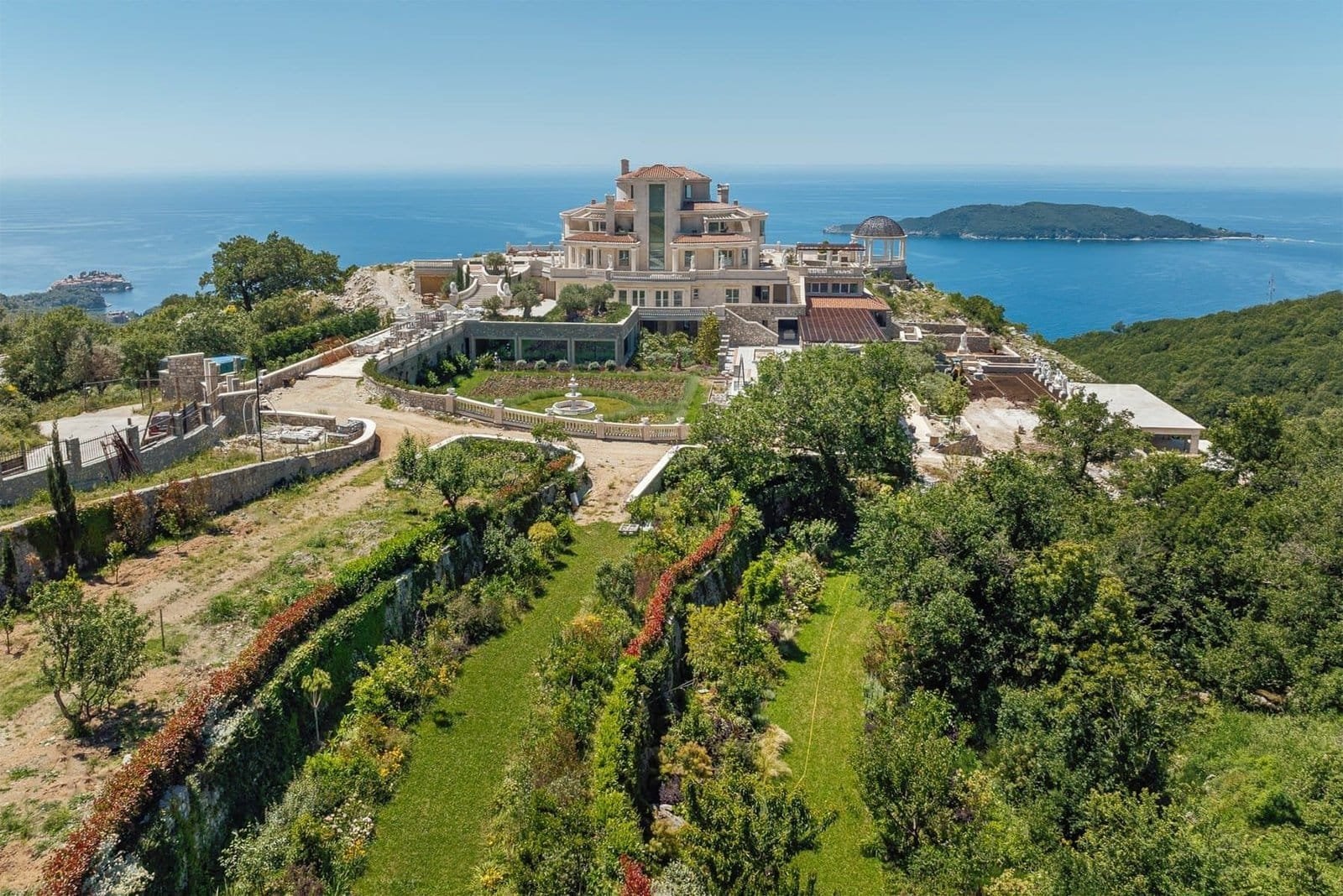
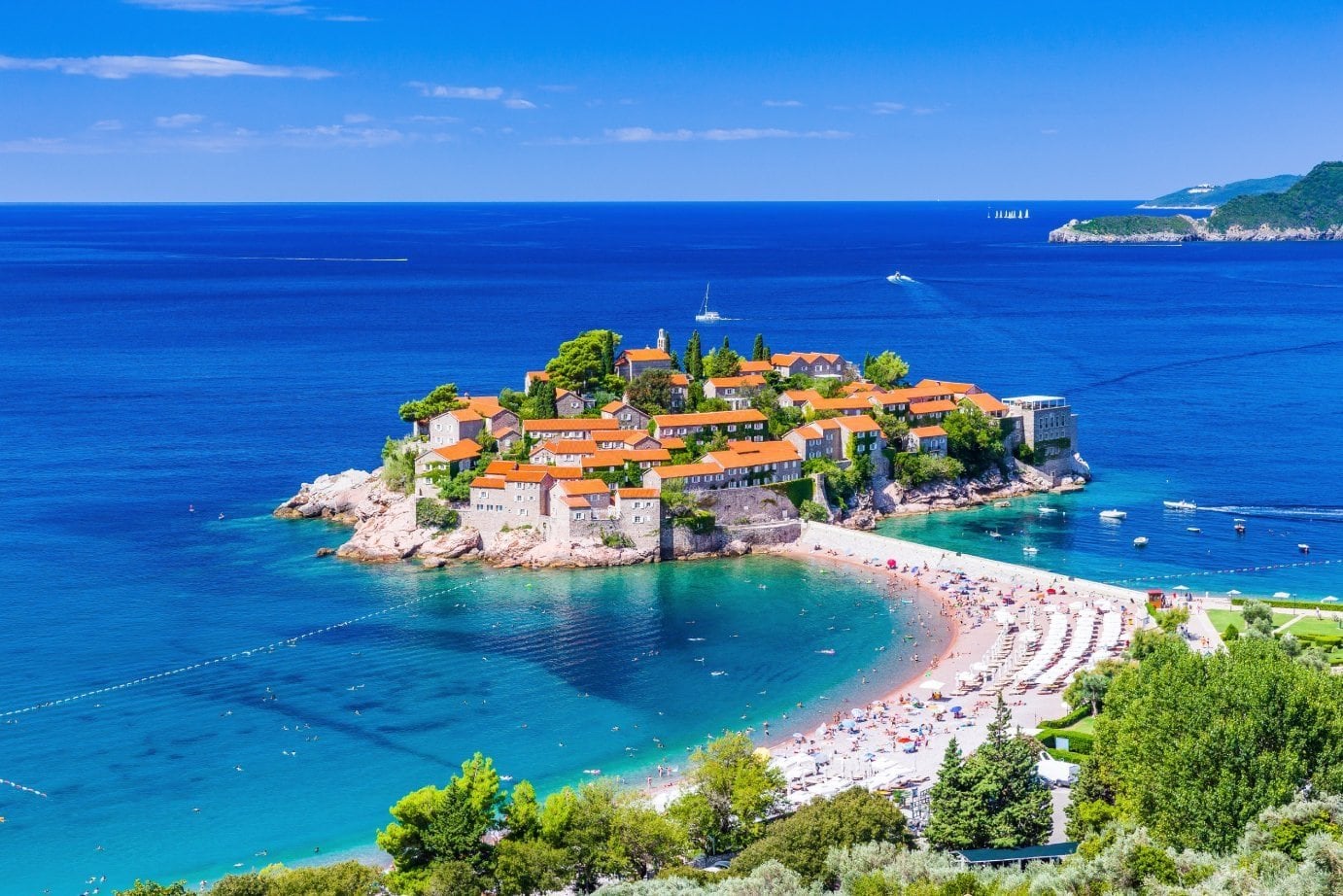
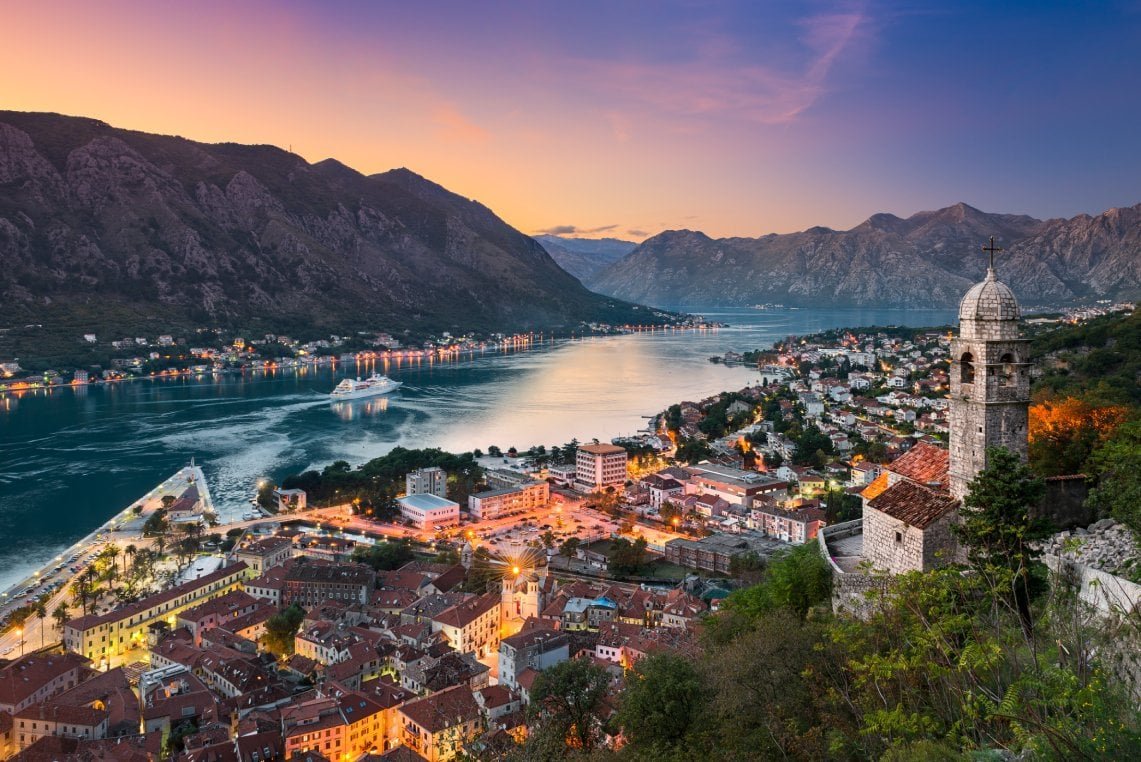
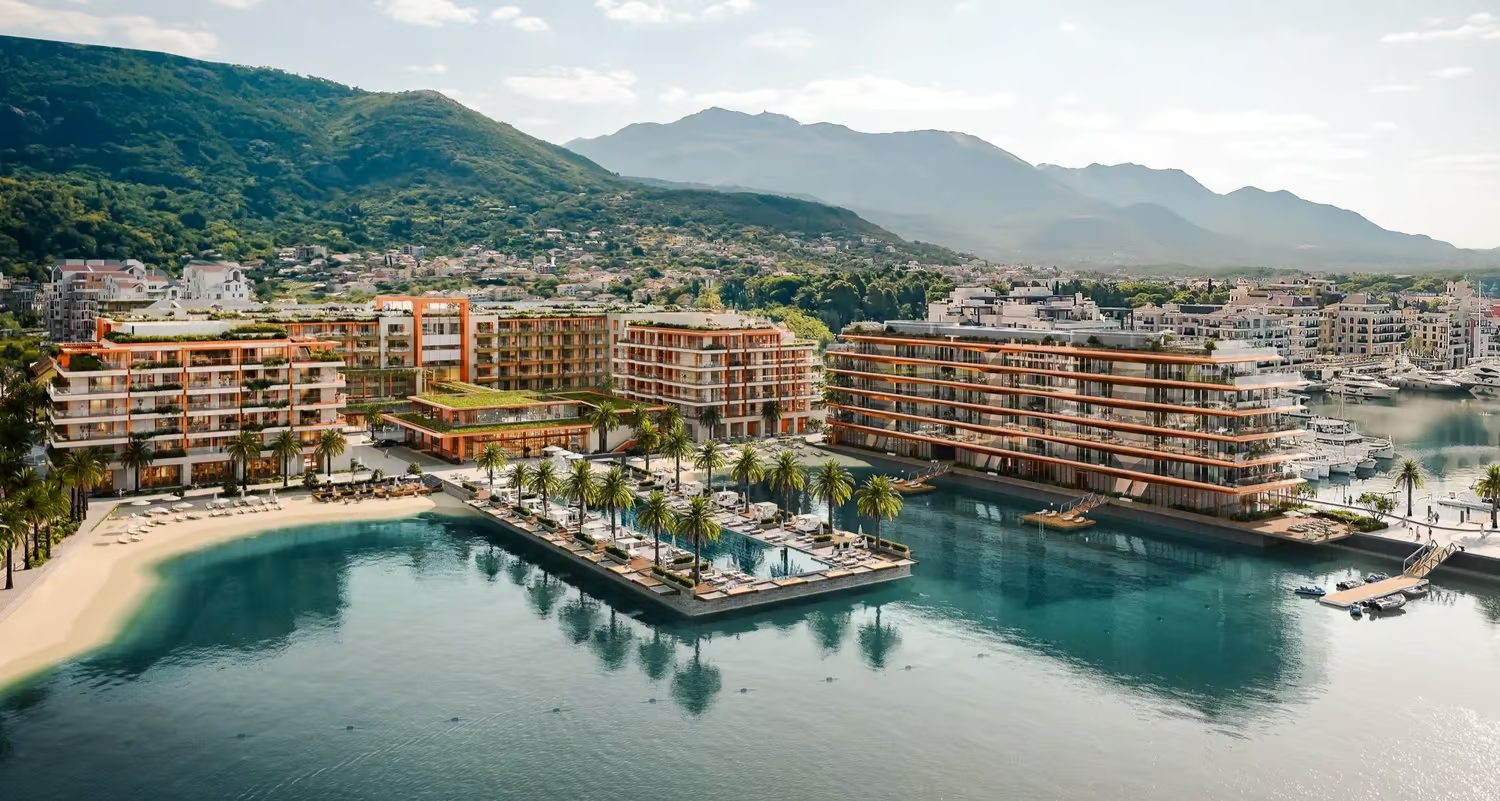
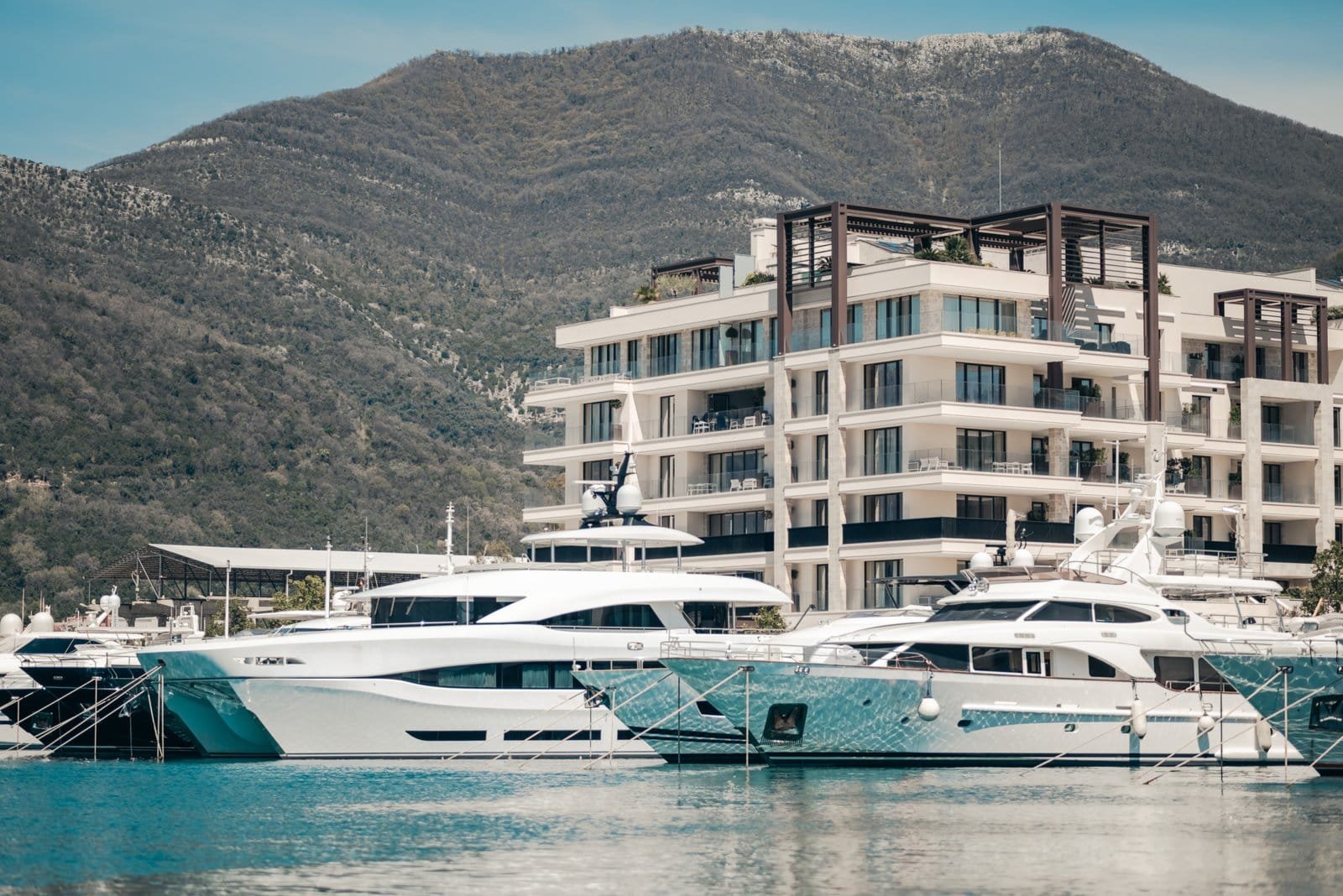
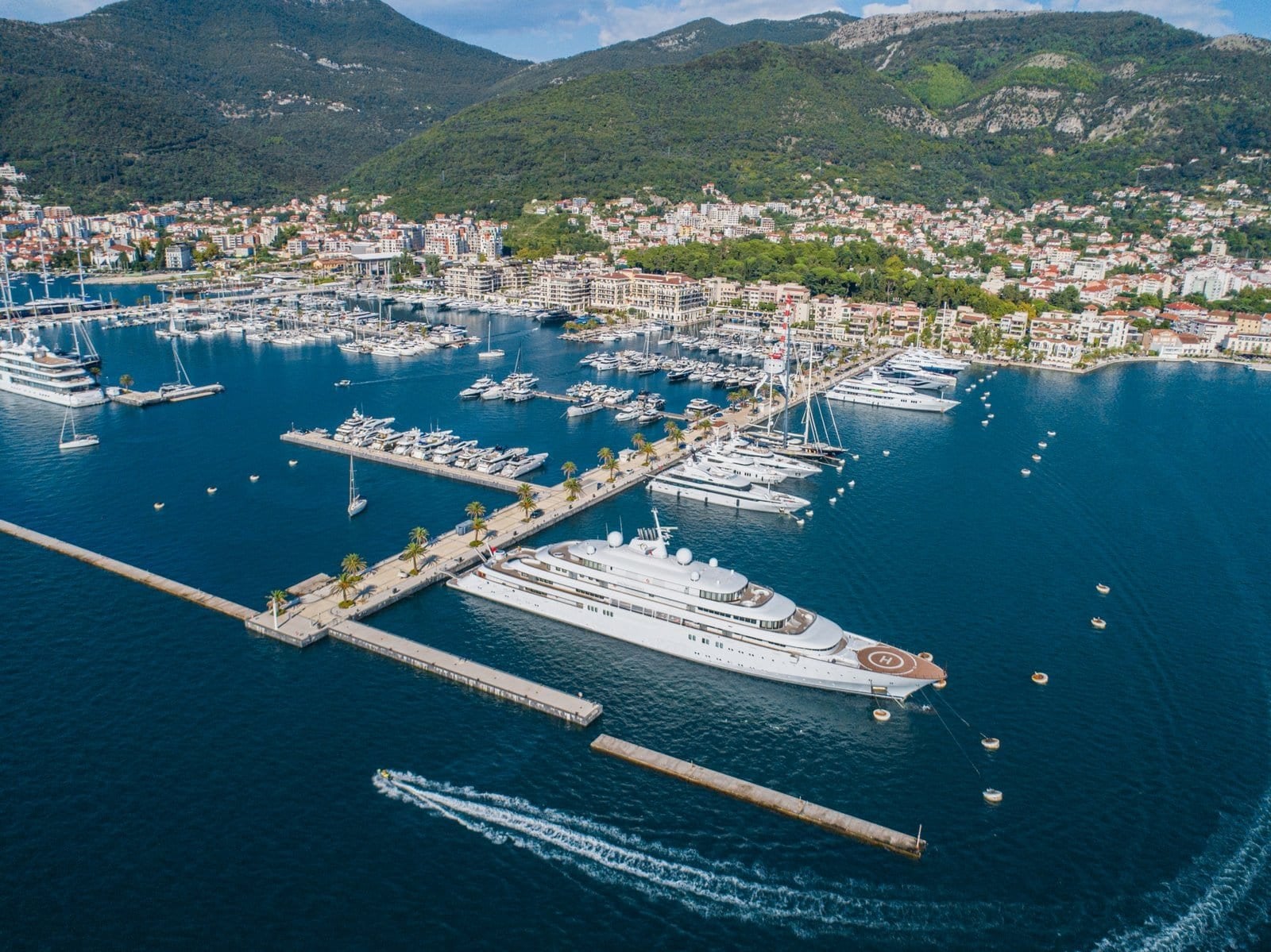
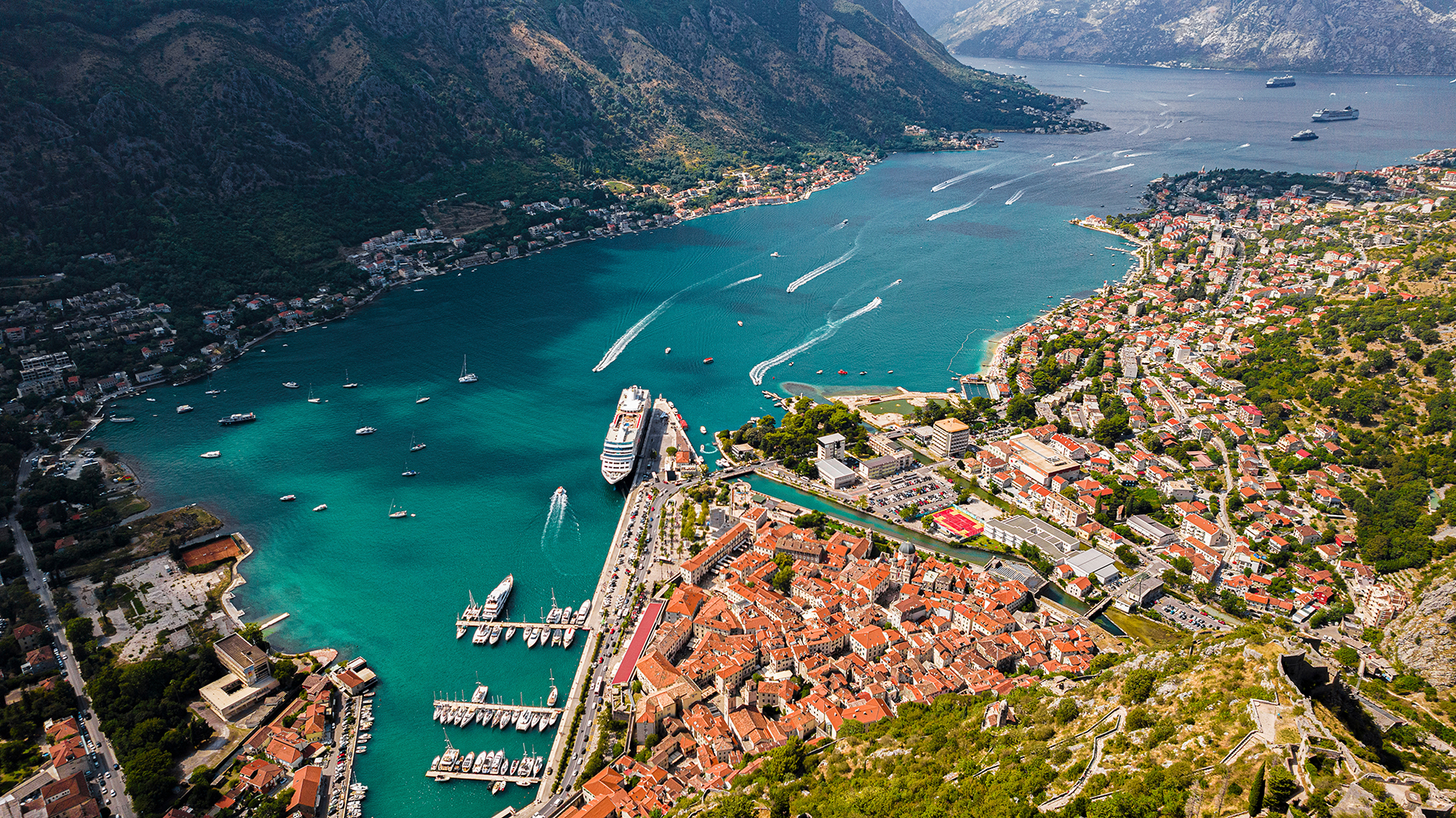
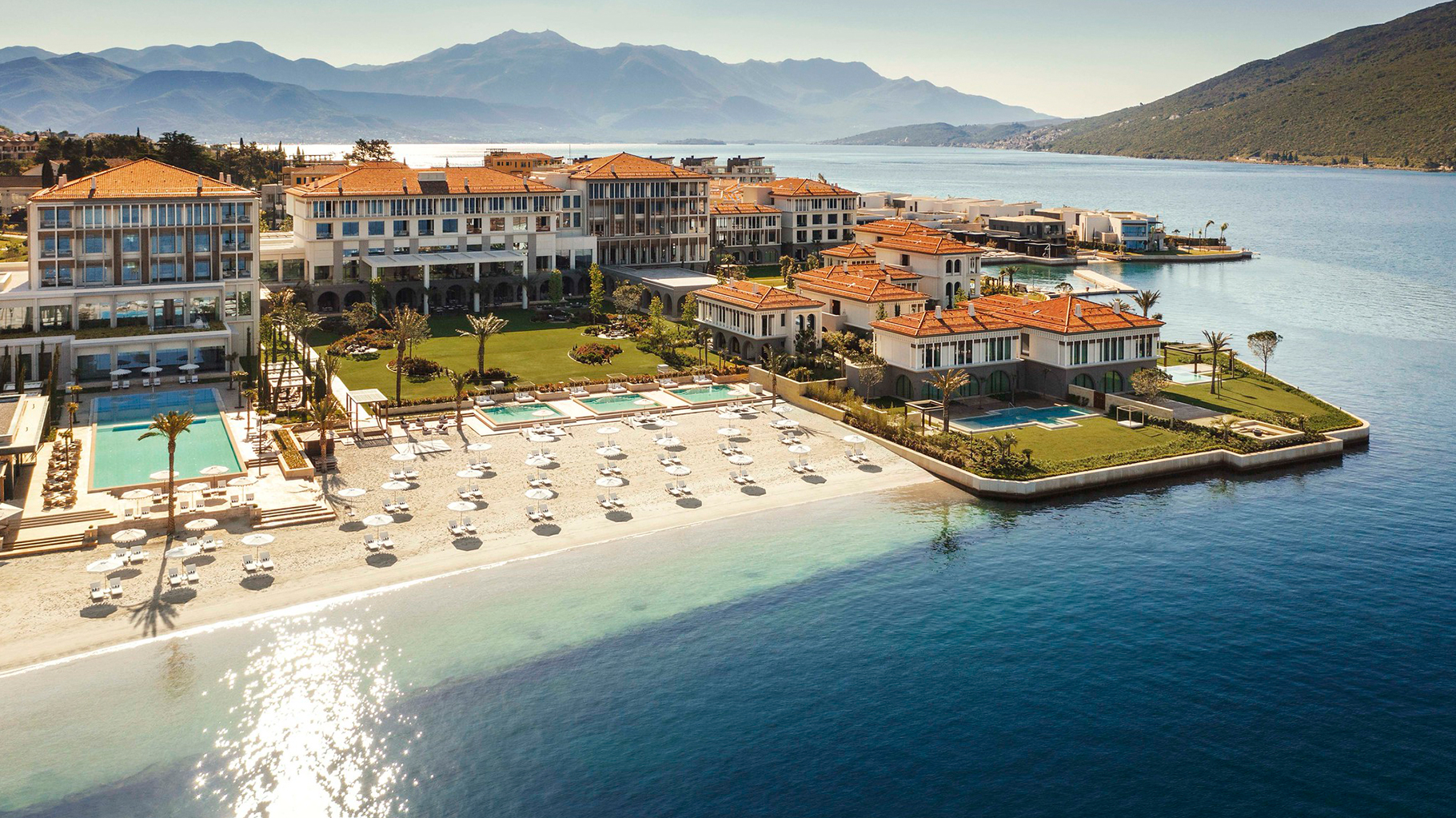
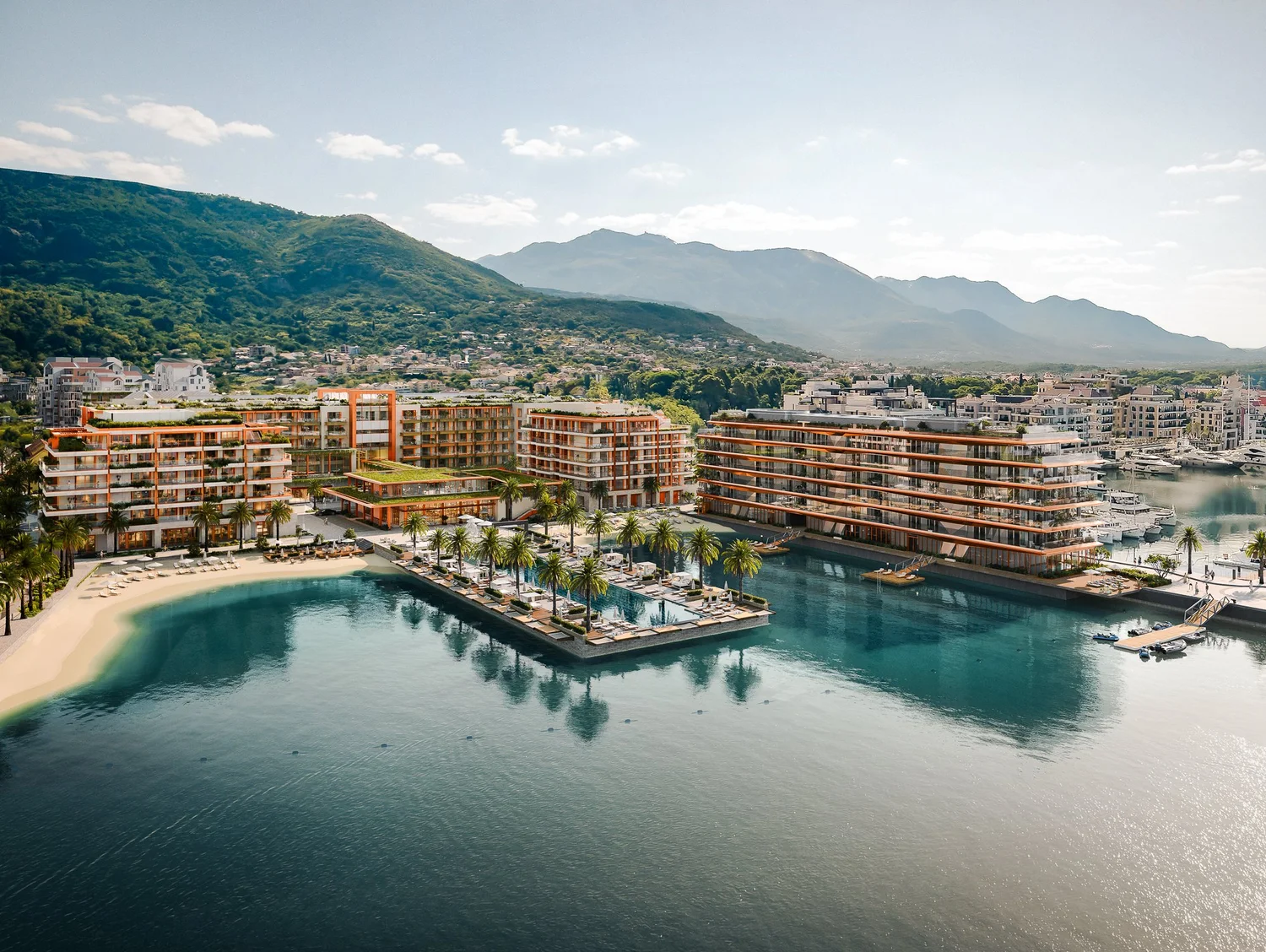
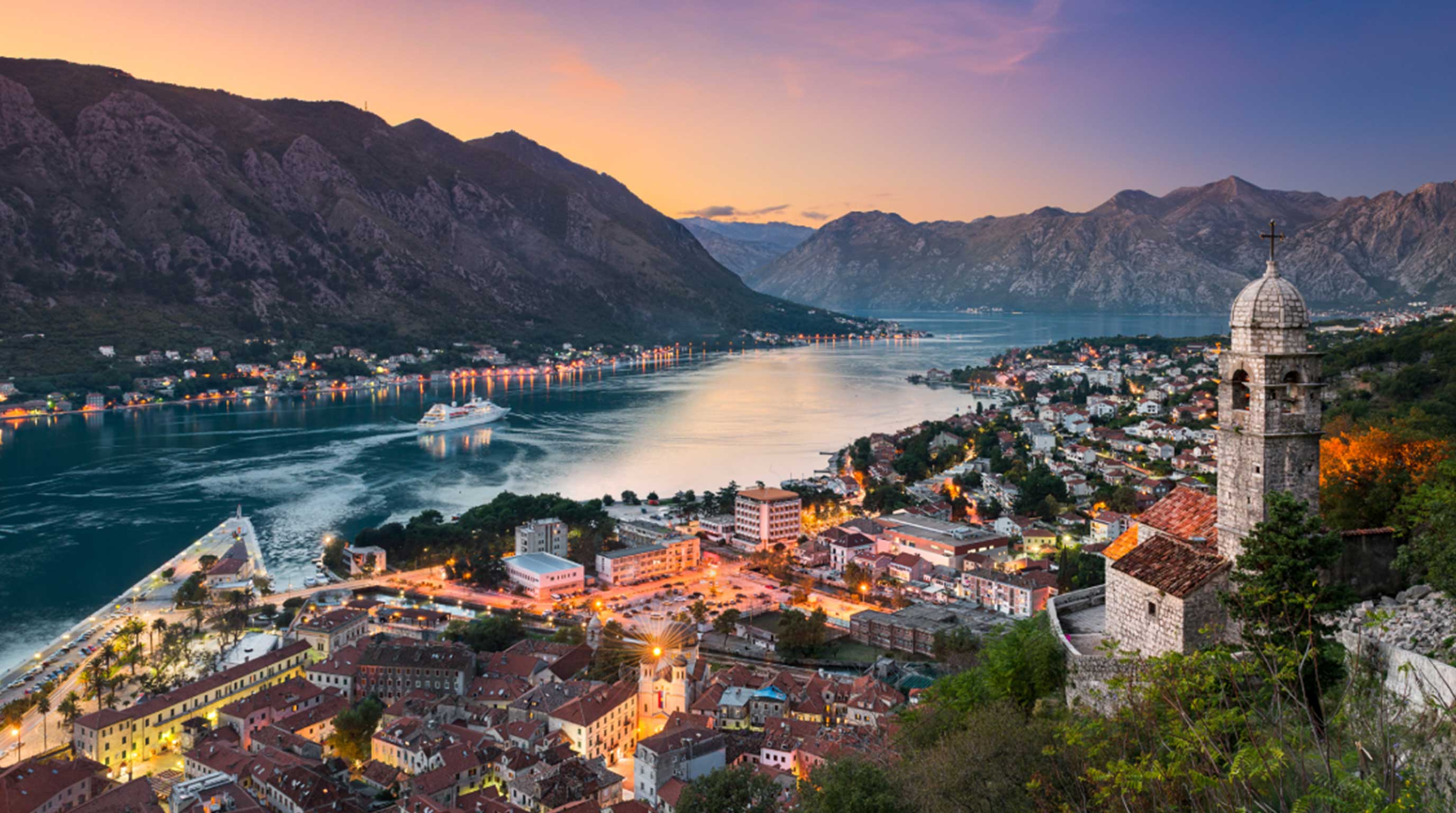
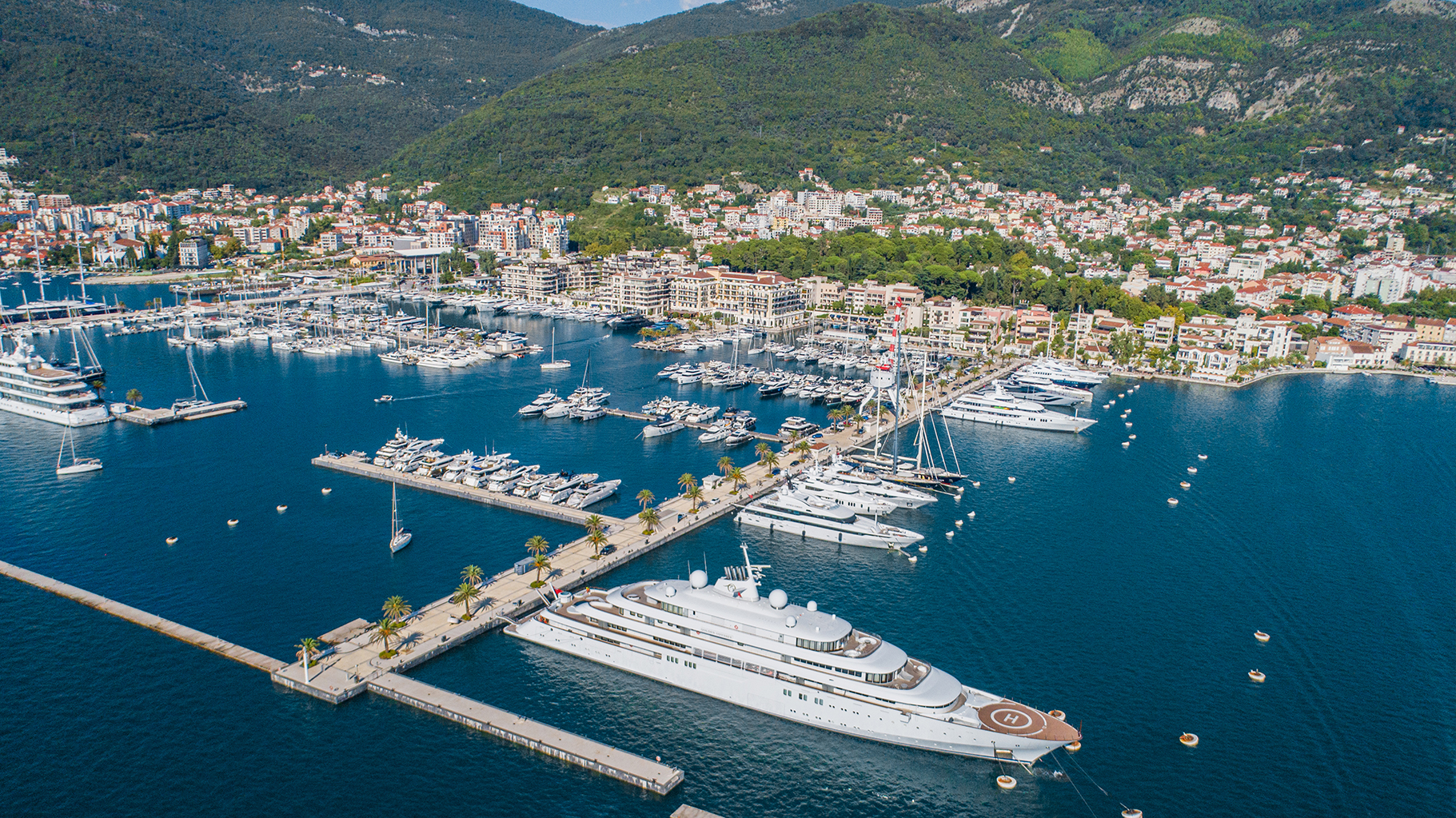
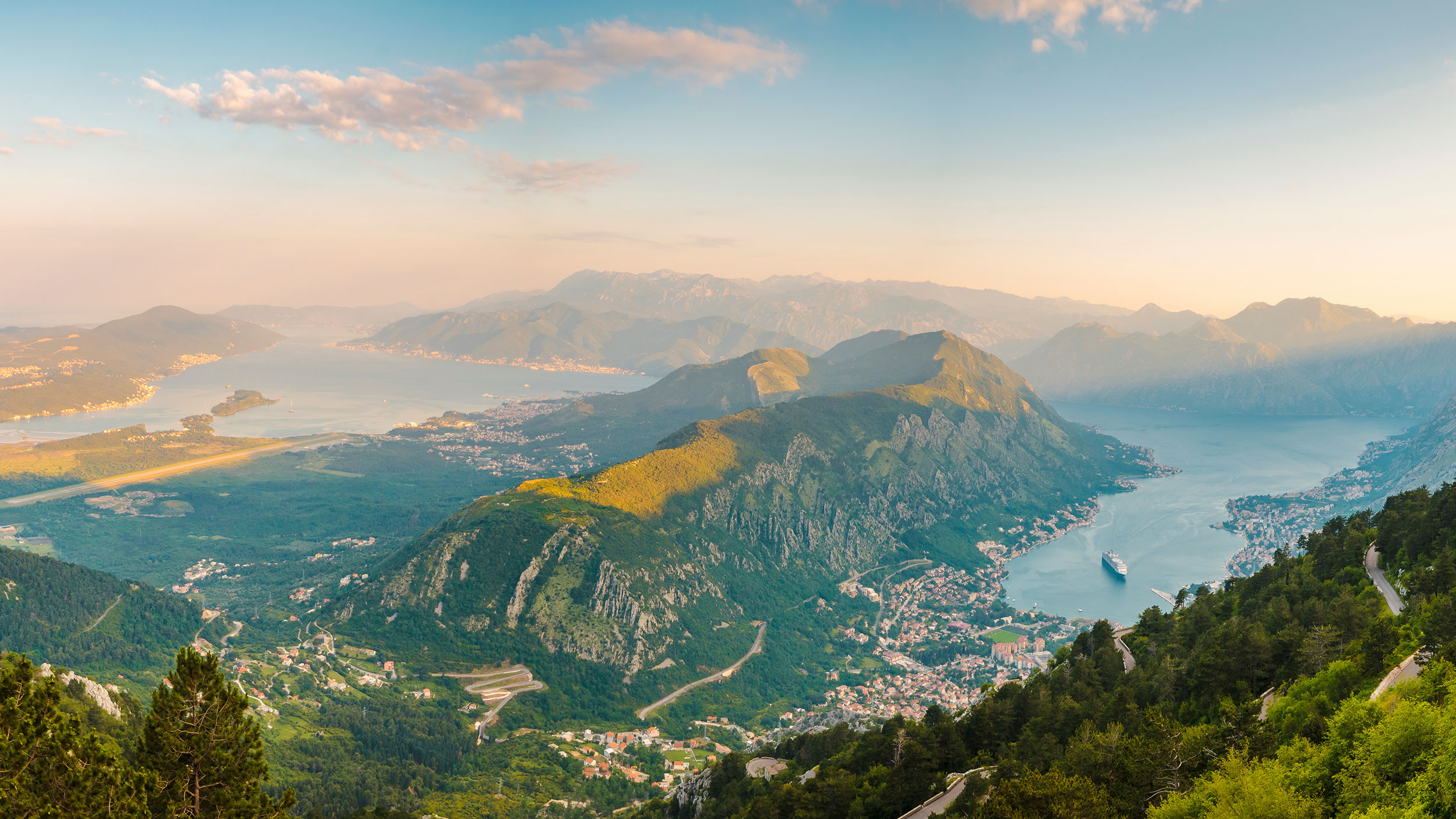
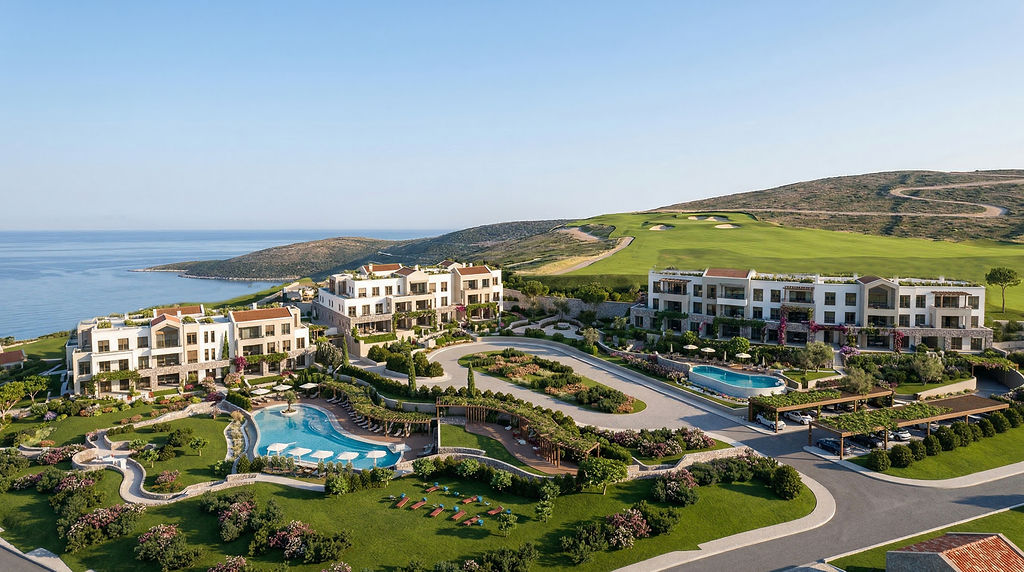
To begin with, it has genuinely exceptional coastline. The Bay of Kotor rivals the Italian Riviera. Porto Montenegro and Lustica Bay deliver institutional-quality developments with marina infrastructure, fine dining, and wellness amenities that rival anything in Côte d’Azur.
Importantly, Montenegro demonstrates accession momentum. Montenegro has opened all 35 EU negotiating chapters and closed 14 as of March 2026. Critically, Brussels has backed the country with 383.5 million euros in growth funding through 2028. Notably, accession is projected for 2027-2028, not “someday.”
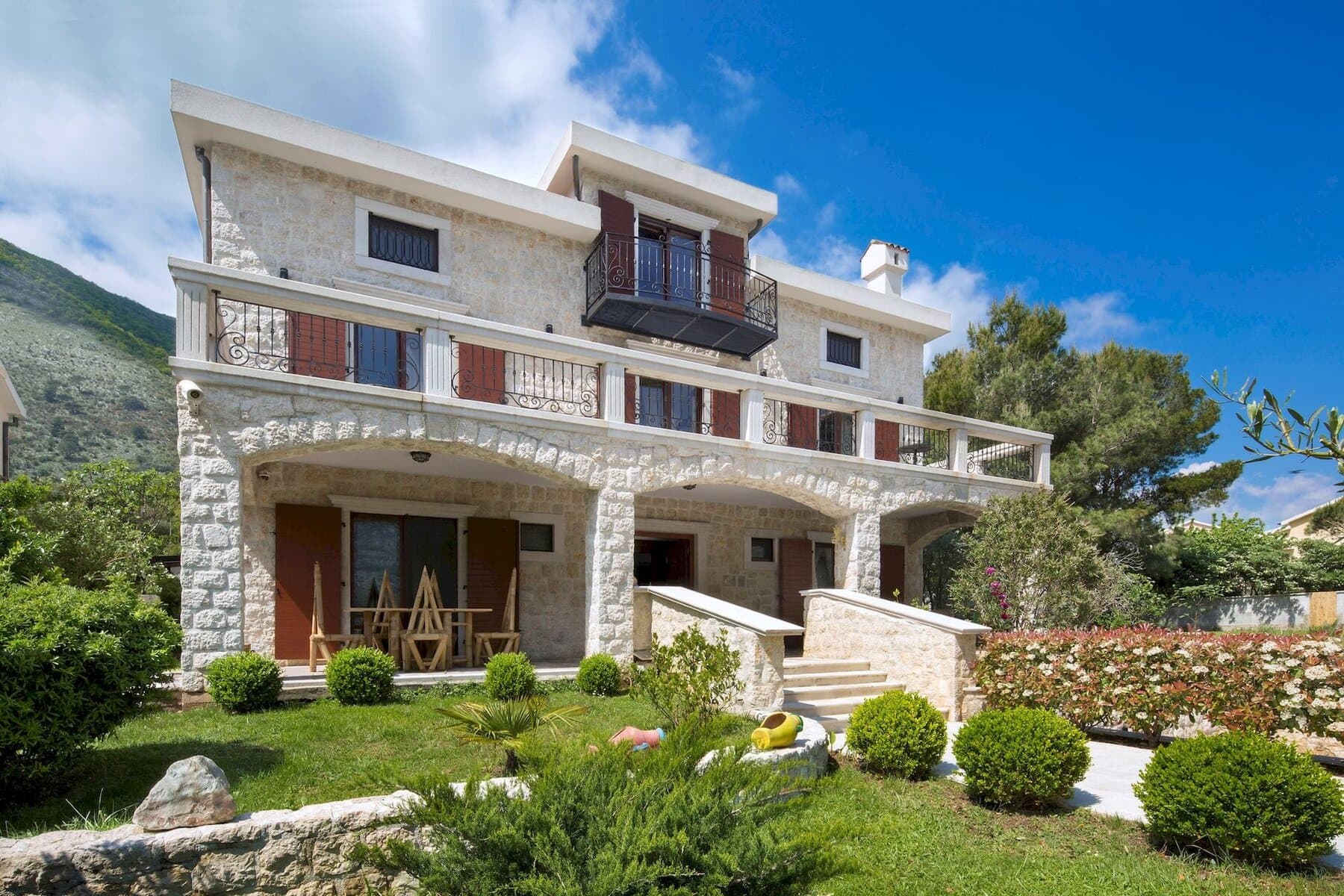
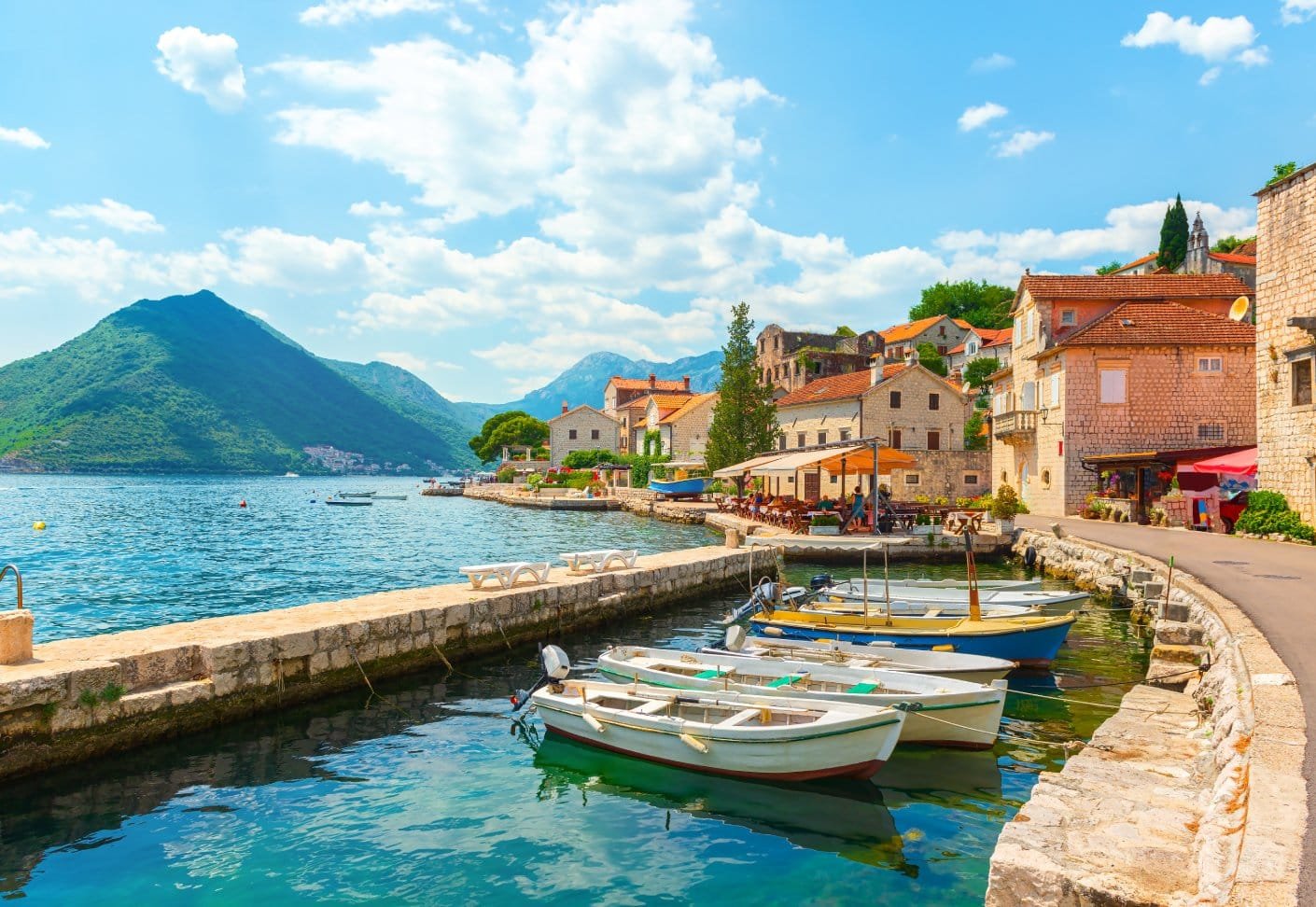
Furthermore, it has pricing that hasn’t yet converged to EU levels. A waterfront villa in Tivat costs less than comparable property in Barcelona or the Algarve. Yet the property is identical in quality and standards. The price difference is purely “pre-accession discount.”
For UHNW buyers, this is the arbitrage: buy now at non-EU pricing, hold through accession, and benefit from the 15-25% property appreciation that historically follows EU membership.
EU Accession: The Historical Pattern
Historically, when countries join the EU, property values follow a predictable pattern:
For example, For example, Croatia joined in 2013. Coastal property prices appreciated 18-22% within 12 months of membership. The jump reflected capital flooding in from EU investors suddenly able to purchase under harmonized regulations.
Similarly, Similarly, Bulgaria and Romania (2007) saw similar patterns. Property values rose 15-20% post-membership as risk premium disappeared and cross-border capital accessed new markets.
In particular, Consequently, Montenegro’s accession is not different. The moment Brussels gives the green light, Notably, European pension funds, family offices, and institutional investors will systematically add Montenegrin coastal property to their European allocation.
Consequently, when capital rotates in, prices will move. Substantially.
Ultimately, the question is whether you’re buying before that capital rotation or after.
The Institutional Investment Case
Capital Metrics and Returns
Institutional investors care about three variables: yield, capital appreciation, and risk.
Notably, Montenegro’s coastal property scores well on all three.
For instance, coastal rental properties generate 4-6% annual yields in soft market conditions, 6-8% in strong tourism years. For example, a property yielding 5%, that’s meaningful income. Compare this to London prime property at 2-3% or New York luxury at 1-2%.
Furthermore, capital appreciation EU accession creates a one-time valuation shift (15-25% within 12 months). Thereafter, normal market dynamics apply, but that one-time shift is material for UHNW buyers.
Regarding risk, tourism is structural, not cyclical. Spain received 92 million arrivals in 2025. Montenegro received 2.5-3 million, but the growth trajectory is steep, and international tourism to the Adriatic is a permanent structural trend, not temporary vacation pattern.
Ultimately, for institutional money, these metrics justify allocation. That’s why GCC family offices and UK wealth managers are systematically adding Montenegrin coastal property in 2026.
Porto Montenegro as a Regional Economic Platform
Notably, Porto Montenegro is not just a residential development. It’s become a regional economic node.
As evidence, the Adria Future Summit in April 2026 drew 1,000 delegates and was hosted at Porto Montenegro. This signals something important: the development is now significant enough to host regional-scale events.
As a result, when property becomes the venue for regional economic coordination, its value proposition changes. It’s no longer a real estate asset. It’s infrastructure.
Importantly, investors buying at Porto Montenegro in 2026 are not buying a luxury apartment. They’re buying a stake in what’s becoming a regional platform. In fact, that carries optionality that standalone residential doesn’t.
Above all, Barok Estates International advises clients on exactly this type of strategic positioning.
In practice, this matters for valuation. Porto Montenegro properties command premiums of 30-40% over comparable coastal properties because they’re embedded in an operating platform with diversified revenue (residences, marina, hospitality, events).
The Accession Timeline: 2026 to 2028
Here’s what matters for decision-making: the accession window is closing.
In summary, Montenegro’s path to membership follows this timeline:
2026 (Now): Negotiation phase continues. Capital is positioned pre-accession. Risk premium is highest. Growth potential is highest. Prices are lowest.
2027: Accession negotiations finalize. Capital begins openly pre-positioning. Prices start rising. Risk premium begins compressing.
2028: Accession vote likely occurs. Regulatory harmonization accelerates. The 15-25% appreciation window opens.
Post-2028: Prices converge to EU levels. Accession discount disappears. Future appreciation follows normal market rates (3-7% annually).
Investors buying in 2026 capture the full “pre-accession to post-accession” cycle. An entry in 2027 captures most of it. Investors buying in 2028 or later capture little to none.
Importantly, this is not speculation. It’s pattern recognition based on historical precedent (Croatia, Bulgaria, Romania).
Where Institutional Capital Is Positioning
The institutional allocation shift is visible in transaction patterns:
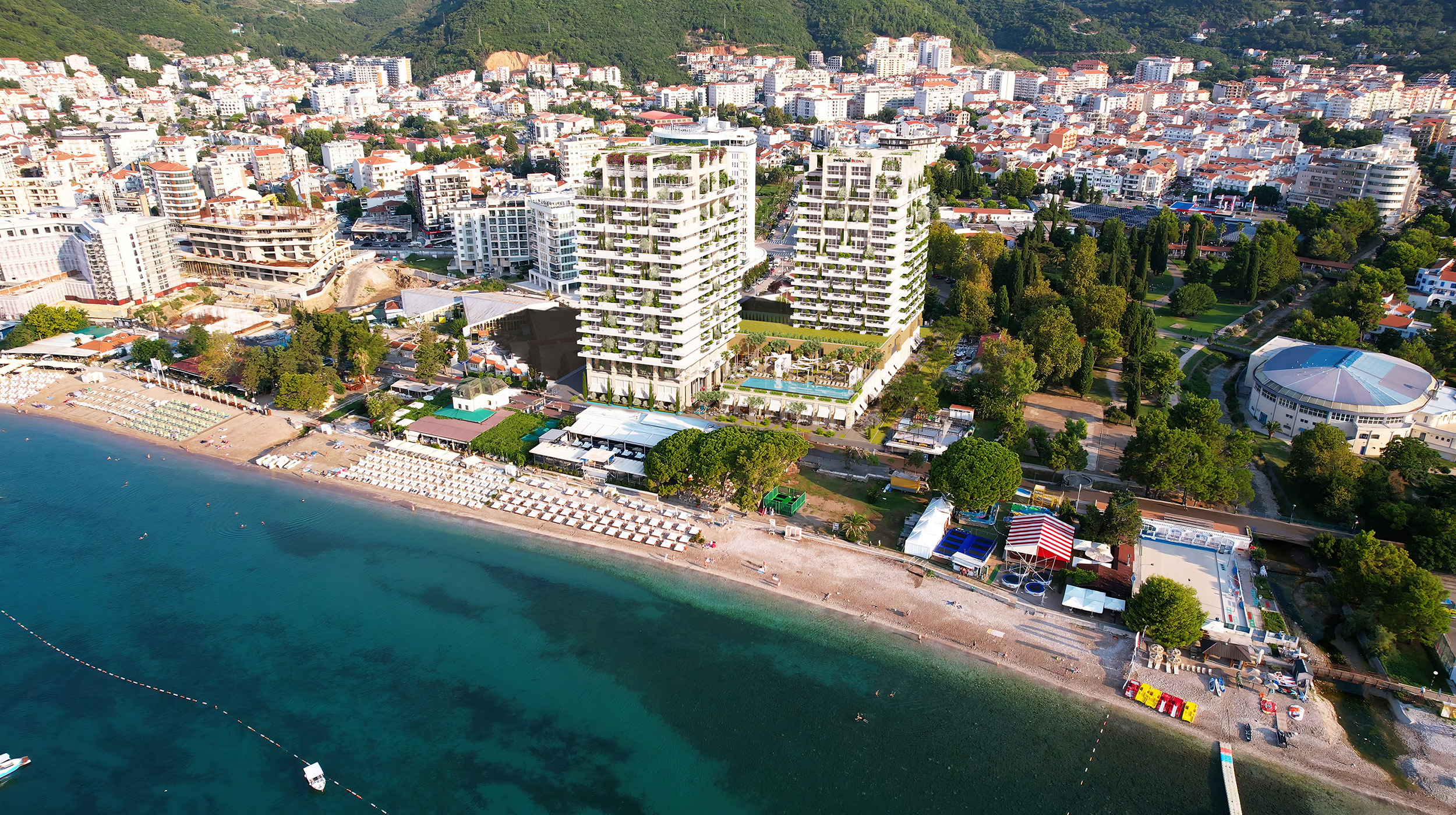
Porto Montenegro: Notably, attracting London-based wealth managers and Gulf family offices. New-build units command 40-50 million euro asking prices. Sold inventory reflects significant foreign capital.
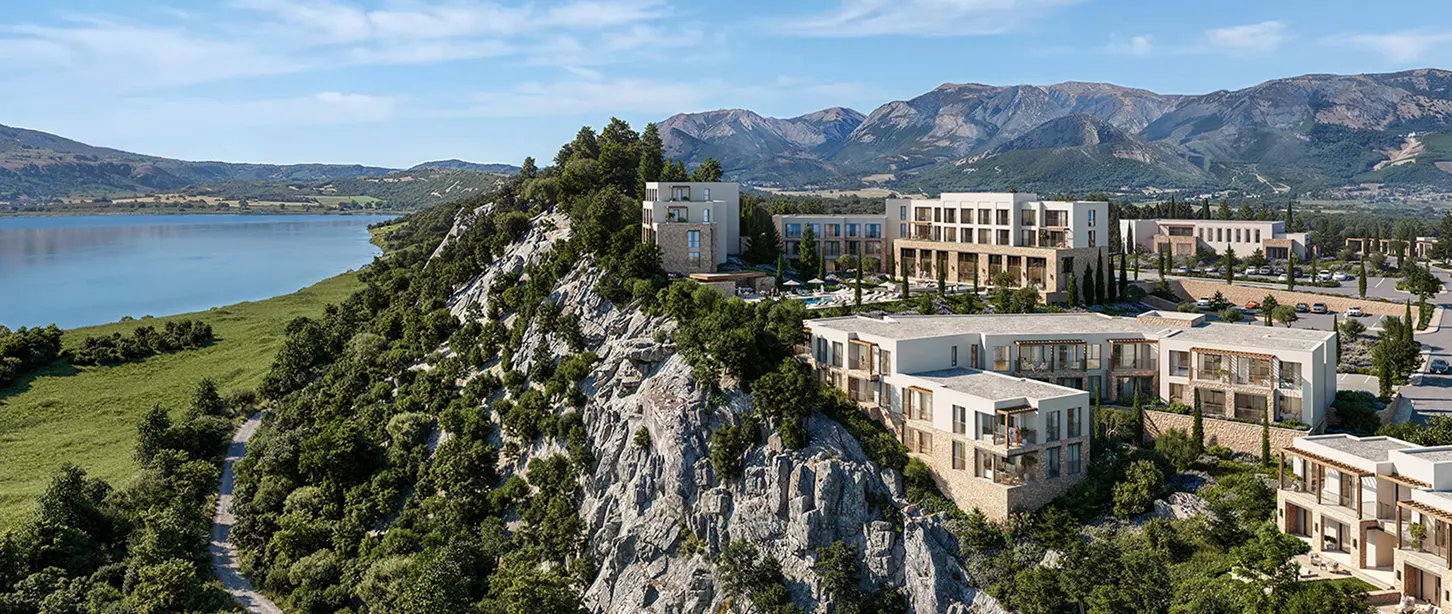
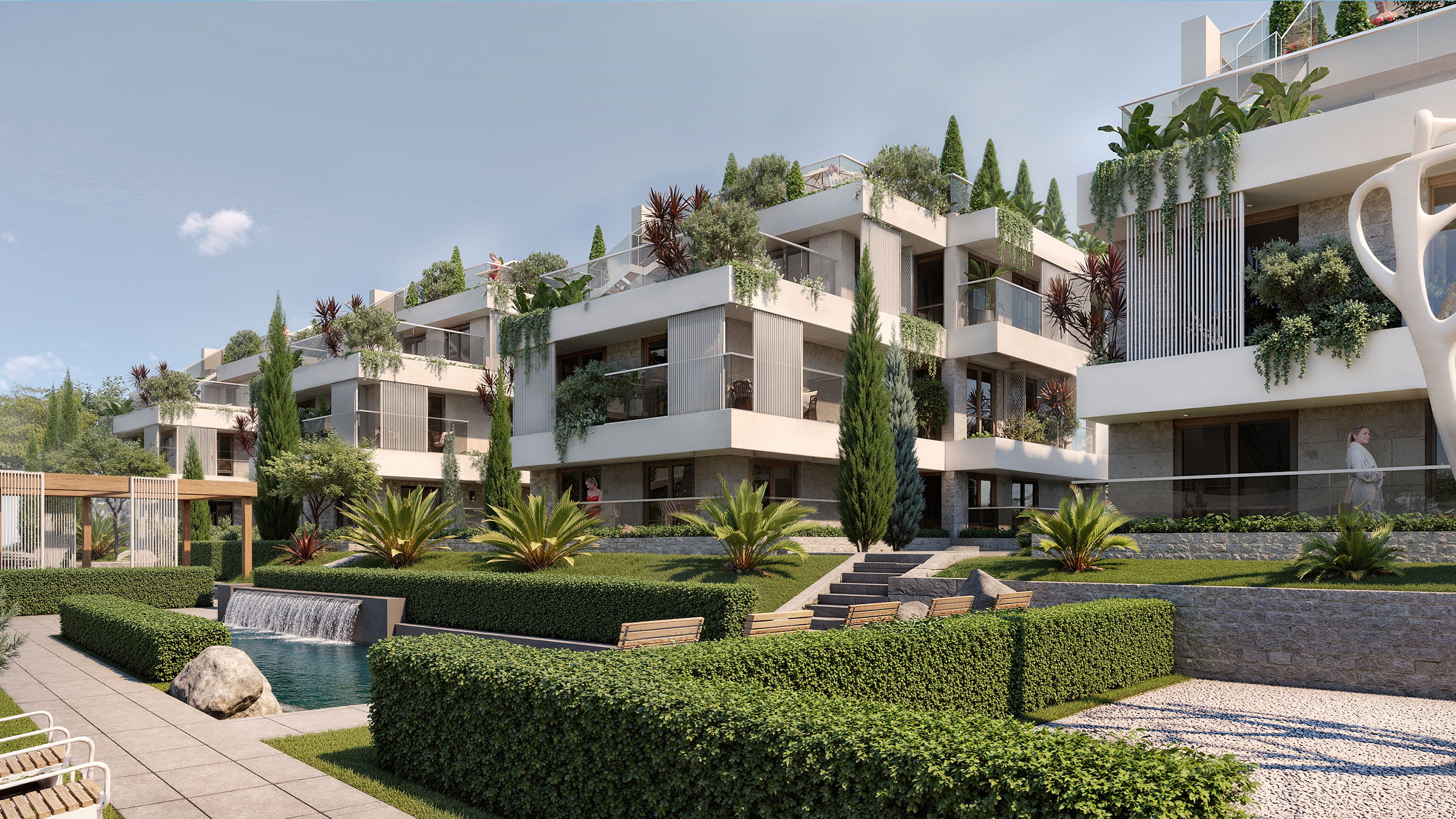
Lustica Bay: The eco-luxury development is positioning as the “next Quinta do Lago” (Portuguese luxury development). Sustainability credentials plus development scale attract ESG-focused capital.
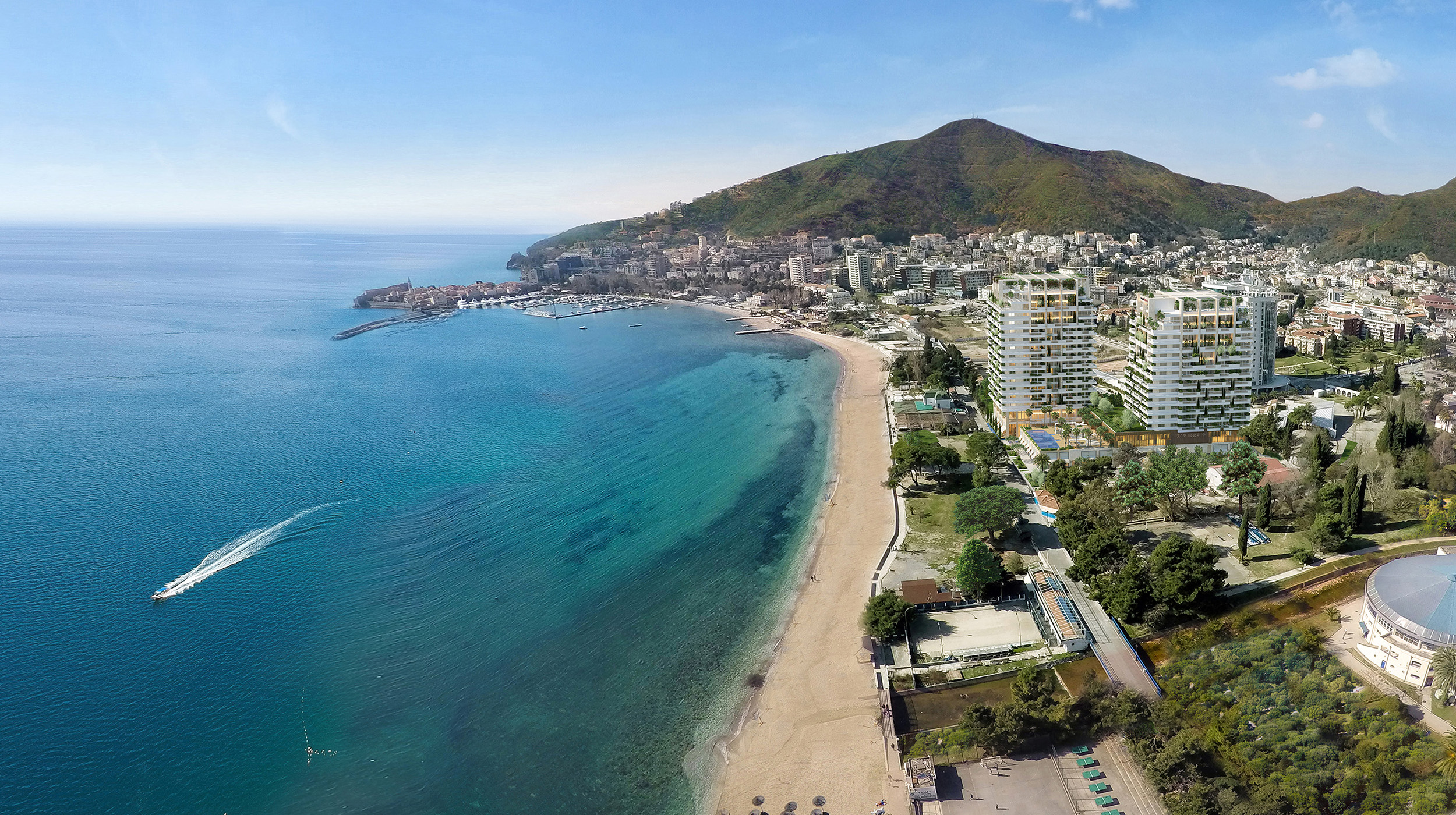
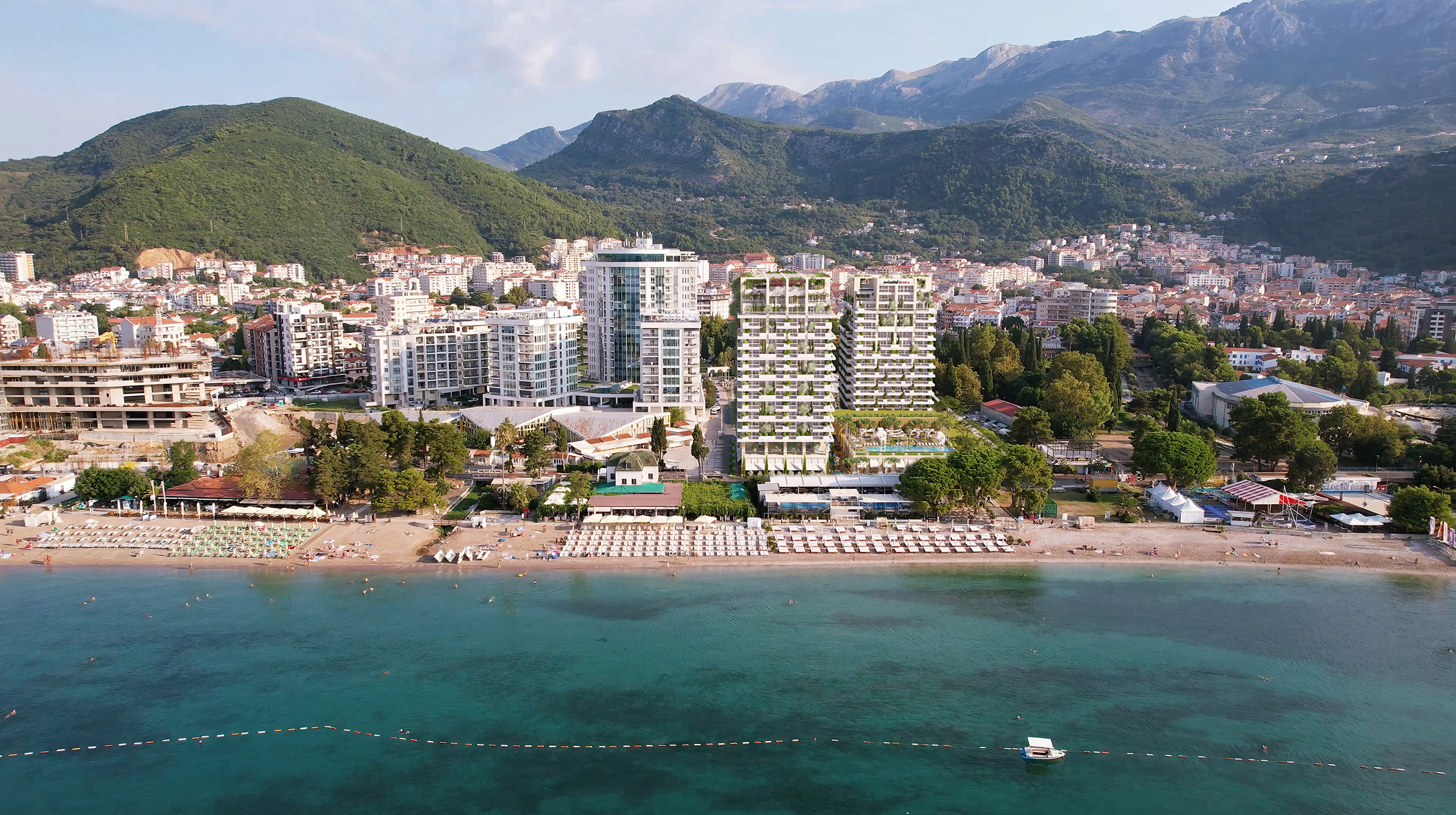
Portonovi: Positioned as the more accessible luxury alternative to Porto Montenegro. Attracting Scandinavian and Eastern European wealth.
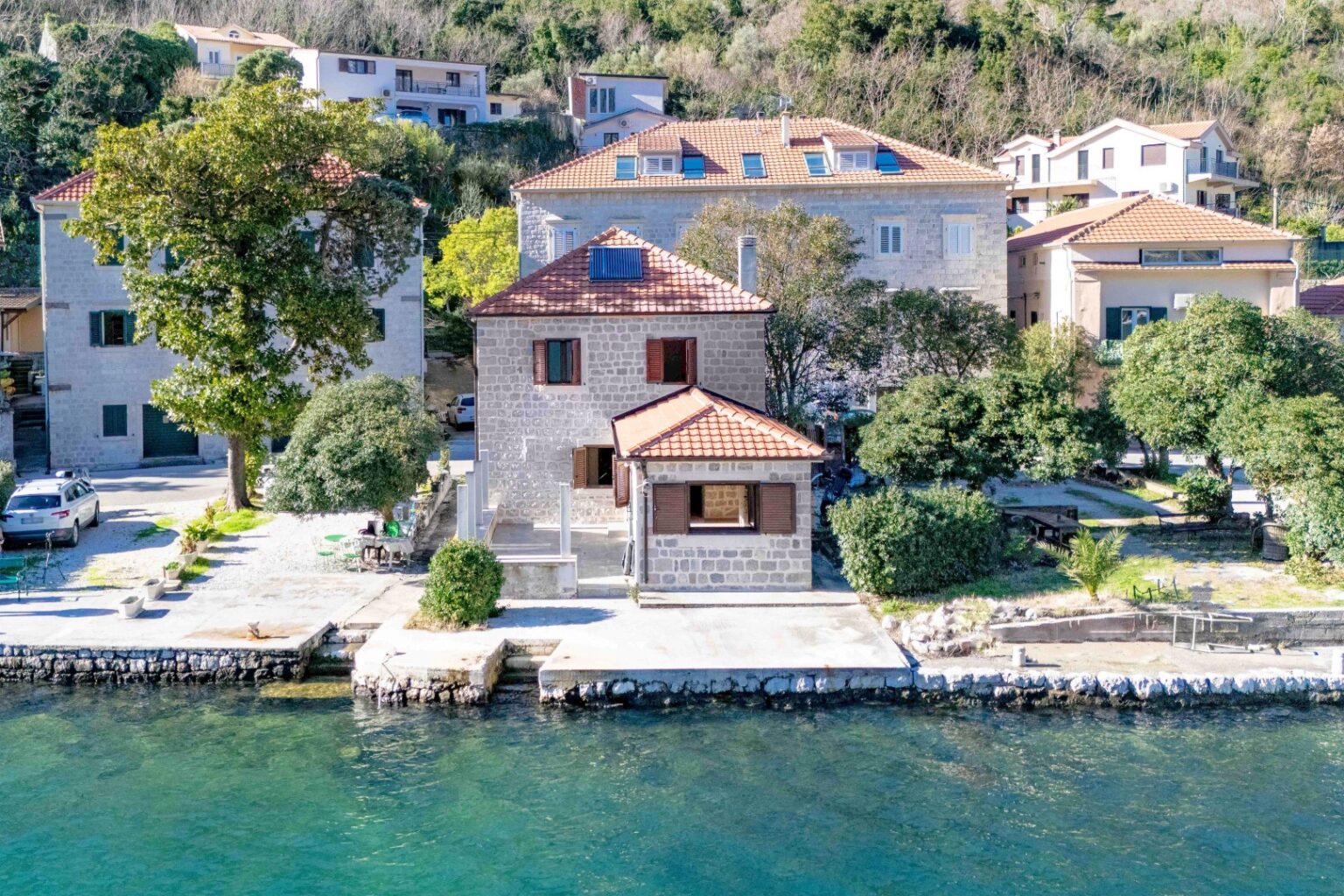
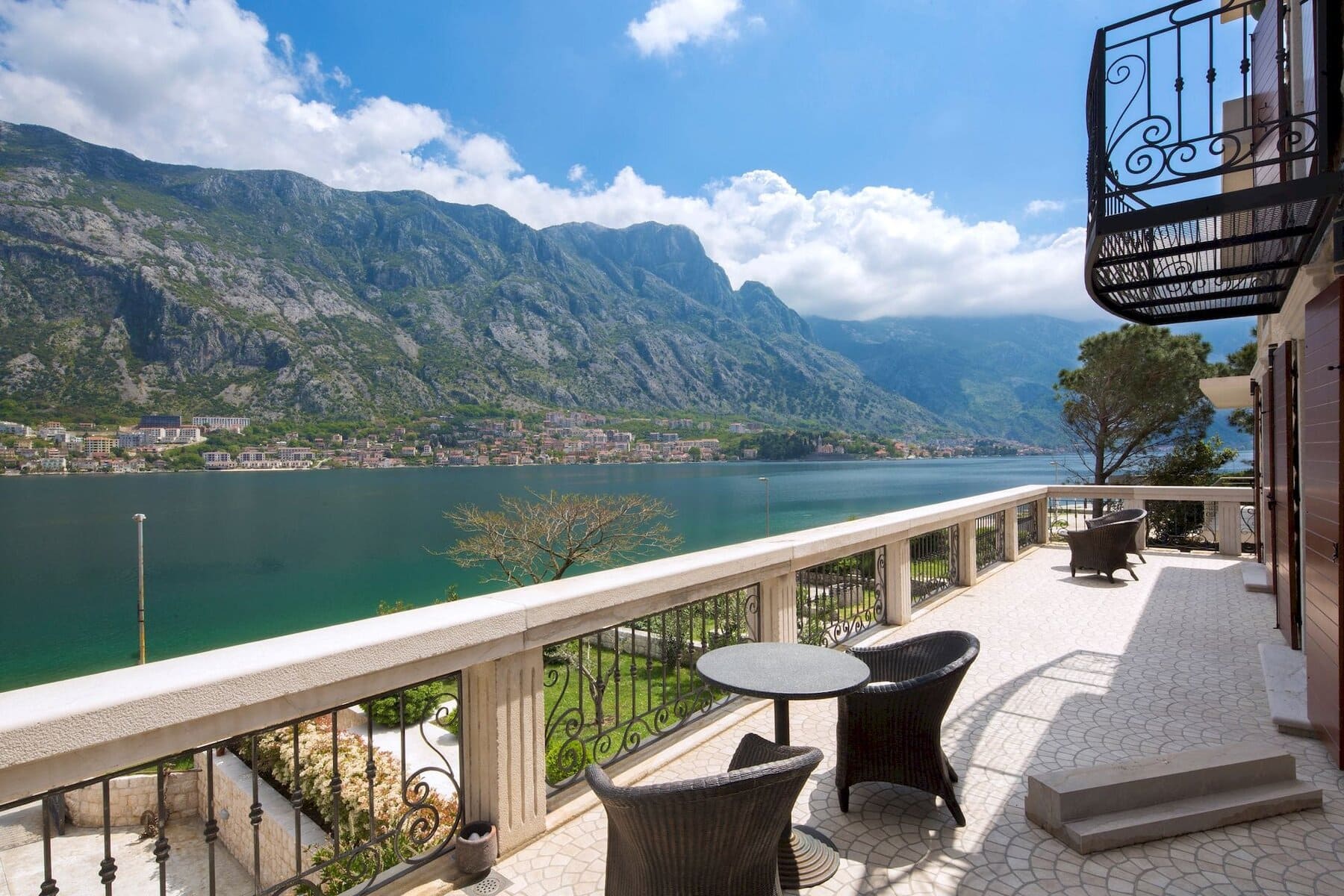
Kotor Bay waterfront: Historic properties attracting European collectors willing to pay for character plus location.
In particular, the pattern is clear: capital is no longer coming to Montenegro to speculate on beach apartments. Capital is coming to deploy in institutional-grade developments with diversified use, professional management, and post-accession appreciation optionality.
Residency as Strategic Optionality
One advantage Montenegro offers that Spain or Portugal doesn’t: residency eligibility.
For non-EU nationals seeking European residency without requiring full employment or family ties, Montenegro’s pathway is straightforward. You purchase property valued at 150,000 euros or more, and you’re eligible for temporary residence.
However, here’s the critical point: for UHNW buyers, residency is not the primary motivation. It serves as a secondary benefit.
In reality, the primary motivation is capital appreciation and yield. The residency component is extra value that comes along with the investment thesis.
Meanwhile, By contrast, EU citizens get simpler access (no minimum property value, visa-free entry). However, for non-EU UHNW investors from the Middle East, Asia, or the Americas, the residency pathway adds another layer of optionality.
Lifestyle Value and Holding Cost Advantage
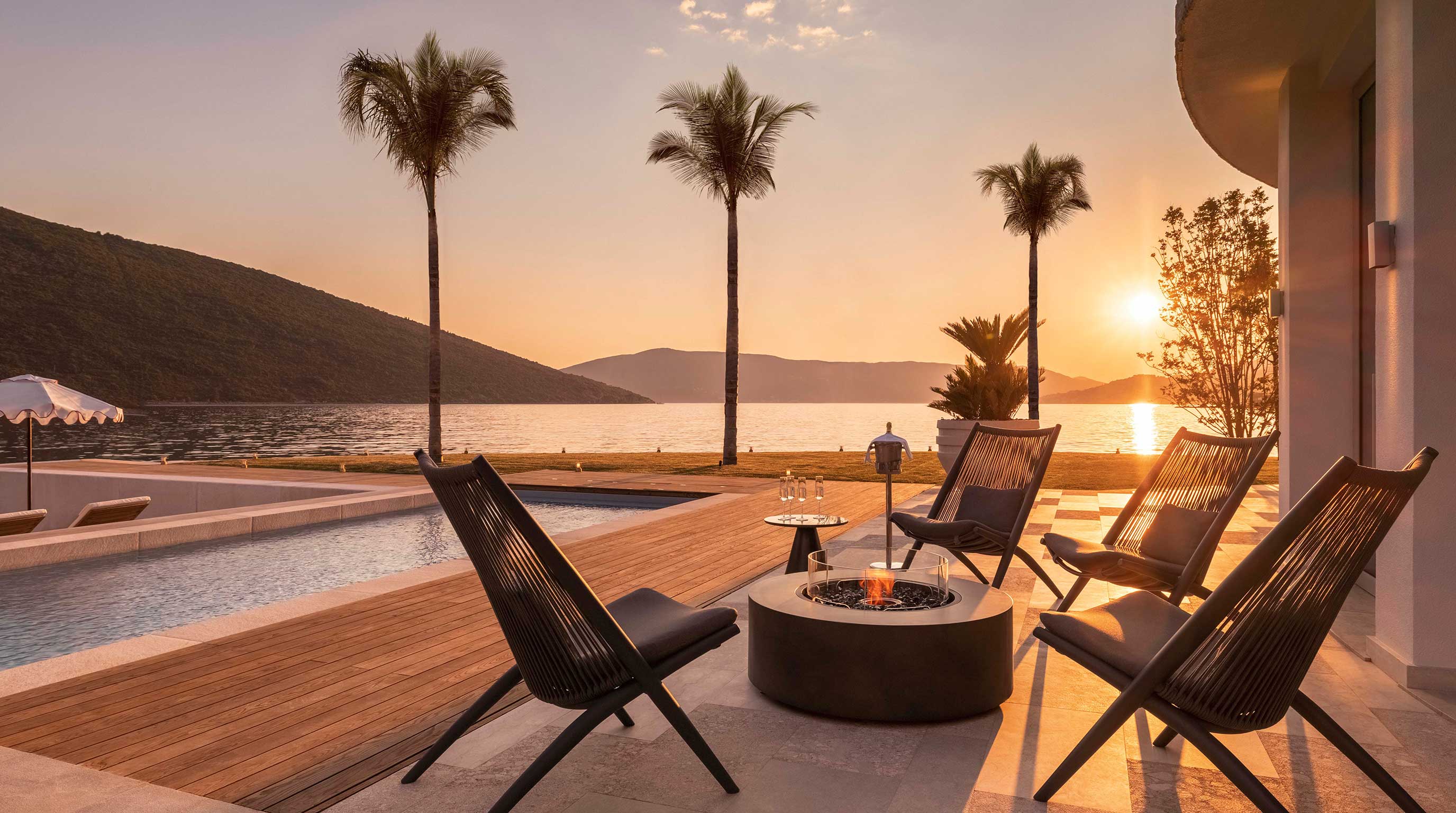
Beyond financial mechanics, Montenegro offers something more valuable: lifestyle quality at a sustainable price.
For example, a UHNW buyer in London or Dubai can maintain a second home in Tivat with annual costs far lower than equivalent property in the Côte d’Azur or Balearics.
Notably, property taxes in Montenegro are minimal (under 1% annually). Operating costs are lower. Staff (housekeepers, chefs, marina crew) are significantly less expensive than in Western Europe yet maintain professional standards.
In practice, a 300-square-meter waterfront villa in Porto Montenegro might cost 2 million euros to purchase. Annual operating costs are roughly 25,000-30,000 euros (property tax, maintenance, utilities, staff). In Monaco or the French Riviera, comparable property would cost 5-7 million to purchase and 75,000-100,000 annually to operate.
In summary, for UHNW buyers with multiple residences globally, Montenegro offers an arbitrage: premium lifestyle at emerging-market cost structure.
Infrastructure as a Leading Indicator
The most telling sign of institutional commitment to Montenegro is not property prices. It’s infrastructure investment.
This is the kind of market dynamic that Barok Estates monitors closely for its UHNW clientele.
Specifically, Montenegro is investing 9.5 million euros in water and wastewater upgrades in Tivat specifically. This is not glamorous, but it’s the foundation for coastal development at scale.
Similarly, Tivat and Podgorica airports are expanding capacity. The road from Tivat to Podgorica is improving. Port facilities are modernizing.
Fundamentally, when a government invests in unglamorous infrastructure (water systems, power grids, transportation networks), it signals real commitment to long-term development, not short-term tourism.
Therefore, infrastructure investment precedes property appreciation. Above all, watch where the pipes and roads are being built, not just where the luxury marketing is happening.
Risk Factors and Mitigation
Accession could be delayed. A 2027-2028 timeline is realistic, but not guaranteed. Political or regulatory delays could push accession to 2029 or beyond.
Meanwhile, tourism could soften. A recession in source markets (UK, Germany, US) would reduce arrivals immediately, but three-year tourism growth of 30%+ suggests structural demand, not cyclical tourism.
However, interest rates could spike. If European mortgage rates rise significantly, use for purchases becomes more expensive, but this affects all European property, not just Montenegro.
EU regulations could restrict non-EU capital flows. Unlikely, though Brussels has shown willingness to restrict foreign ownership in some sectors.
Nevertheless, these risks are real but manageable. They argue for disciplined entry (target waterfront with tourism anchors, not inland speculation). They don’t argue for avoiding Montenegro entirely.
The UHNW Buyer Playbook
If you’re a UHNW investor considering Montenegro exposure:
Thesis Clarity: First, define whether you’re buying for capital appreciation (pre-accession play, 2-3 year hold) or yield plus residency (5+ year hold). Different properties suit different theses.
Location Selection: Coastal waterfront beats inland. Institutional platform (Porto Montenegro, Lustica Bay) beats standalone development. Tourism-anchored beats speculative secondary markets.
Capital Discipline: Negotiate hard. Prices are high but not immovable, especially in secondary developments. Budget 5-10% negotiation room.
Legal Rigor: Hire a Montenegrin attorney. Critically, verify ownership, tax compliance, title clarity. Cost: 2,000-3,000 euros. Cheap insurance on a 2 million euro commitment.
Timeline Alignment: If holding for accession play, target 2027-2028 exit window (post-accession, pre-convergence). If holding for yield, 5+ years is appropriate.
Diversification: Don’t concentrate portfolio in single development or single town. Porto Montenegro plus Kotor Bay plus Lustica Bay gives you diversification within Montenegro, not concentration.
Exit Strategy and Timing
If your thesis is pre-accession capital appreciation, here’s the exit window:
Specifically, Montenegro accession vote will likely occur in 2028. EU membership confirmation will trigger the 15-25% appreciation within 12 months.
Optimal exit: 6-12 months post-accession, once the capital rotation is complete but before the market normalizes. This captures the accession premium without waiting for normalized market dynamics to unfold.
However, holding beyond that makes sense only if you believe long-term appreciation (3-7% annually post-accession) justifies the capital. It may, but the extraordinary accession premium is a 1-2 year phenomenon, not a permanent driver.
Conclusion: The Window Is Real, But Compressed
In conclusion, Montenegro is offering UHNW investors something rare: institutional-quality coastal property at pre-accession pricing, with a documented path to 15-25% capital appreciation within 12 months of EU membership.
Ultimately, this window is real, but it’s also compressed. By 2027-2028, the accession story will be widely known. Capital will have already rotated in. Prices will have moved.
Investors positioning in 2026 capture the full upside. Those waiting until 2027-2028 capture part of it. Investors buying post-accession capture none of it and face normalized European real estate dynamics.
The math is straightforward. Time is compressed and the decision window is now.
Barok Estates International provides expert guidance for buyers and investors seeking premium real estate. Explore our current portfolio or contact our team to learn more.







.jpg)