Montenegro real estate investment has entered a new phase. The country that most of the world still cannot place on a map is quietly accumulating the infrastructure, the capital flows and the demographic profile of a market that will look very different in a decade. Understanding why requires looking past the tourist brochure narrative and examining the structural forces at work.
This guide draws on macroeconomic data, on-the-ground market intelligence and documented transaction patterns to give a clear-eyed picture of what Montenegro real estate investment looks like in 2026, where the genuine opportunities sit and what risks any serious buyer should weigh.
A Small Economy With Outsised Investment Momentum
Montenegro is a country of 630,000 people. GDP growth runs at over 3% per year according to IMF data, which is strong by European standards. Total GDP sits at just over five billion euros, which means even a modest inflow of foreign direct investment creates a disproportionate impact on local asset prices.
Tourism accounts for approximately 25% of the economy, one of the highest ratios in Europe. The country has rebuilt from the 2020 collapse, with tourist numbers surpassing their 2019 peak in 2023 before stabilising. Crucially, the composition of that tourism has shifted. That shift matters enormously for anyone evaluating montenegro real estate investment in 2026.
Montenegro joined the SEPA zone in 2025, simplifying euro-denominated transactions and strengthening banking infrastructure. EU accession remains on track, with 2028 cited as the current target. Both developments are removing friction that has historically made international buyers hesitant.
The Structural Shift That Changes the Investment Calculus
For years, Montenegro’s tourism economy was dominated by Russian, Ukrainian and Belarussian charter tourism. Much of that traffic was volume-driven and low-margin. Since 2022, those charter flights have effectively disappeared. What has replaced them is more valuable: Gulf Arab visitors, high-net-worth Western Europeans, Israeli and Turkish tourists, and an emerging American presence.
High-end restaurants report being fully booked throughout summer while mass-market venues have seen a drop in footfall. Five-star hotels are running at capacity while budget accommodation struggles. This bifurcation is not incidental. It reflects a deliberate strategic repositioning that the Montenegrin government has pursued through FDI incentives targeting luxury developers specifically.
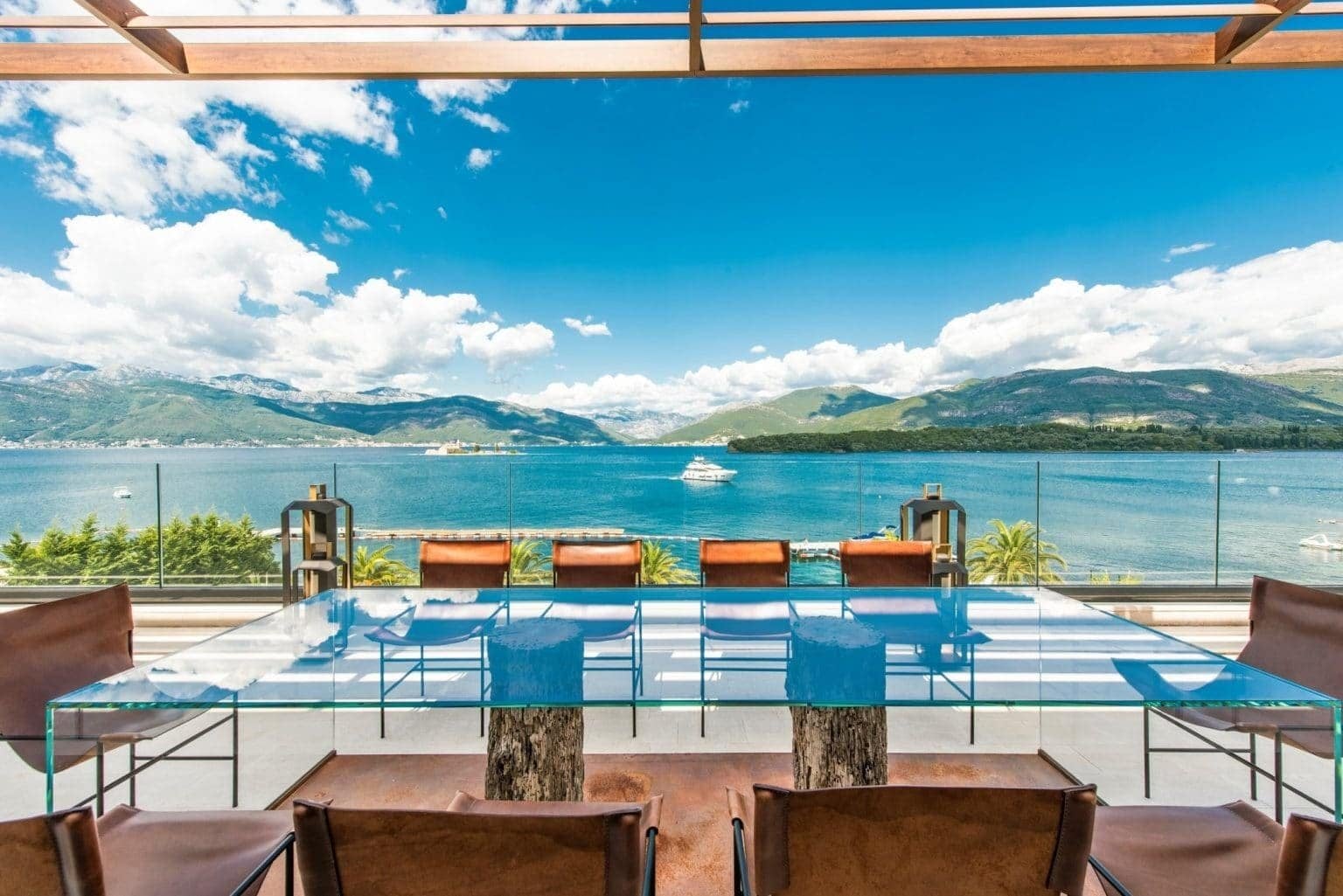
The result is a concentration of globally recognised hospitality brands that is, proportionally, without comparison in the region. The Hyatt Regency opened in Kotor Bay in 2023. InterContinental has a project near Bar. Hilton operates in Podgorica and has plans for Ulcinj. A Marriott Ritz-Carlton agreement for the Lustica Peninsula has been pre-signed. The Chedi and One&Only resorts are already operational.
For Montenegro real estate investment purposes, this matters because each new brand arrival anchors aspirational pricing for the surrounding residential market.
Where Capital Is Being Deployed: Price Benchmarks by Zone
Montenegro’s coastal strip is not uniform. Price per square metre varies sharply by location, product quality and proximity to the major resort complexes.
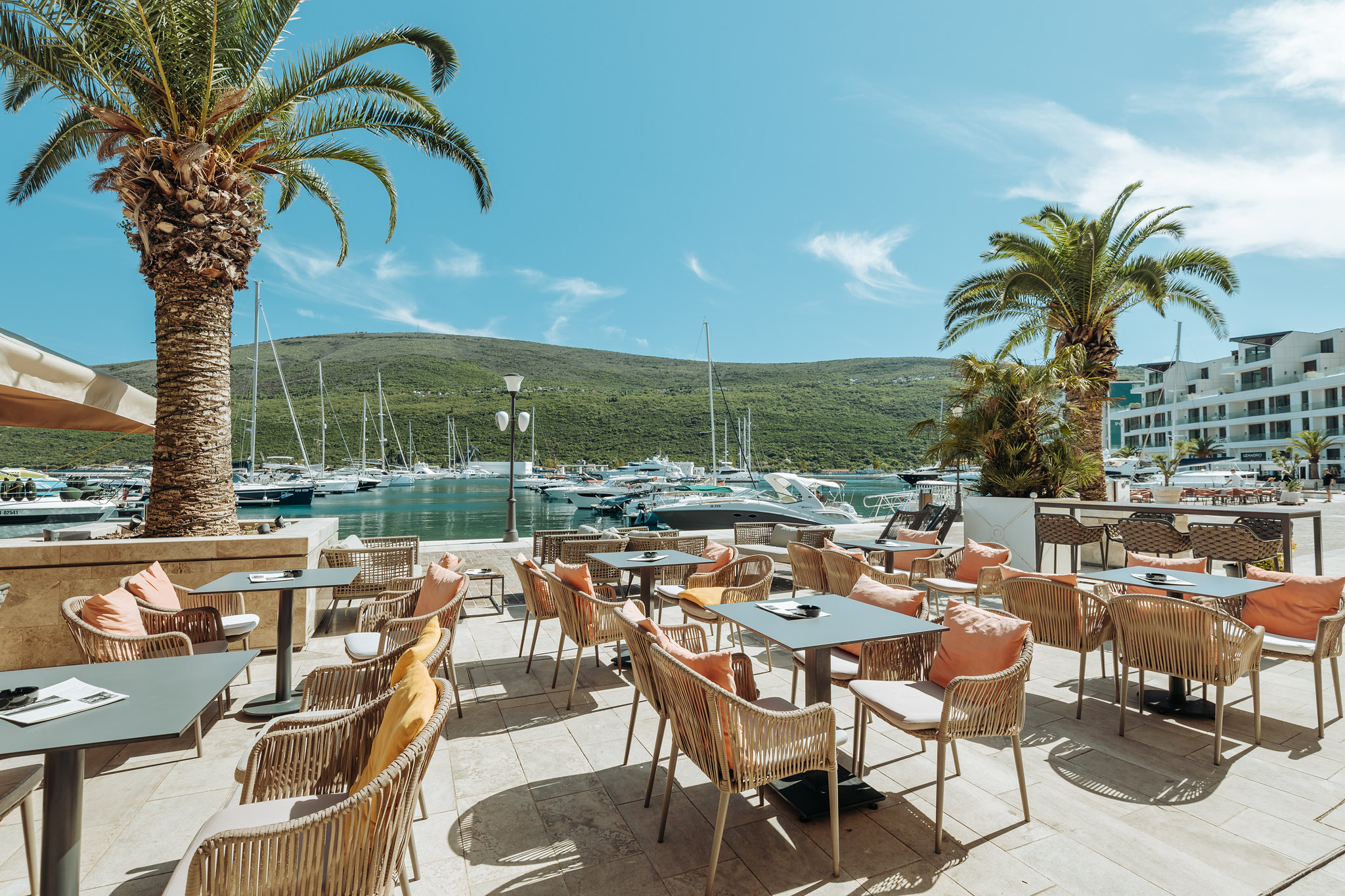
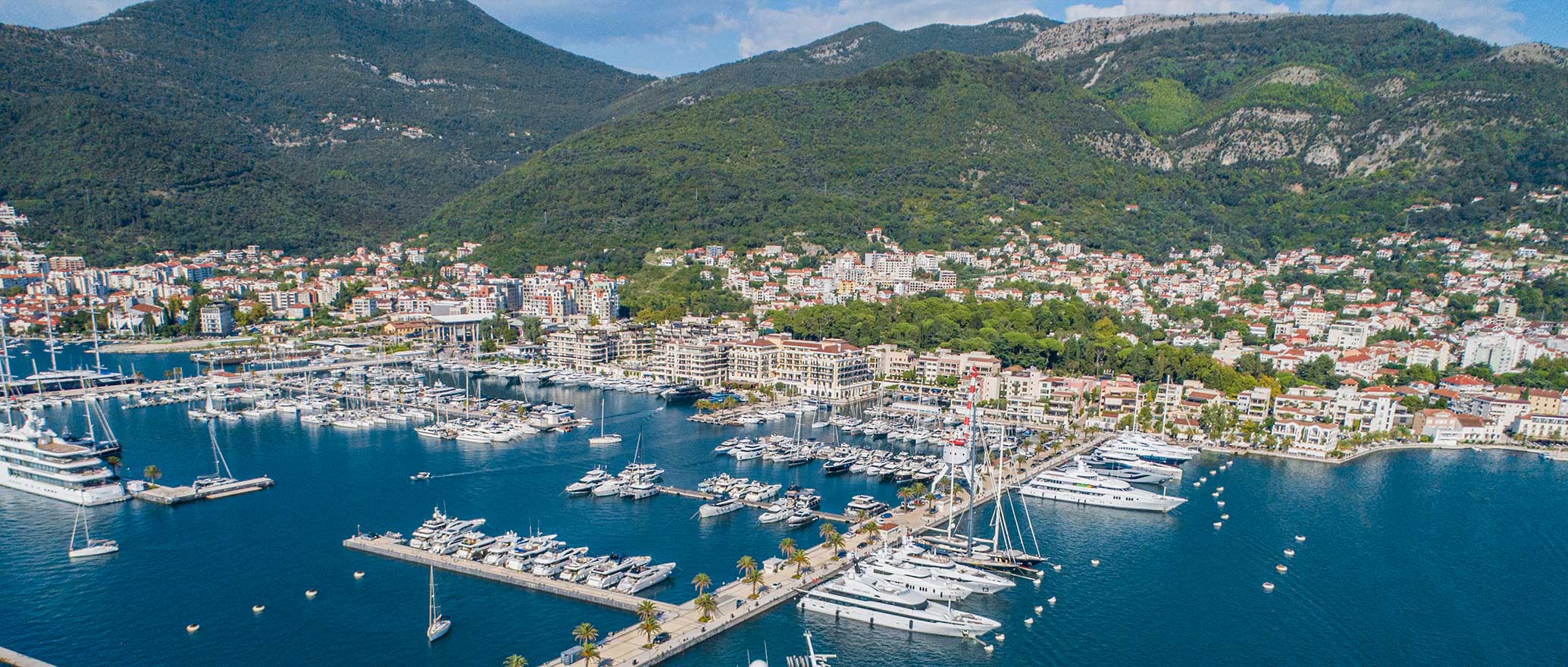
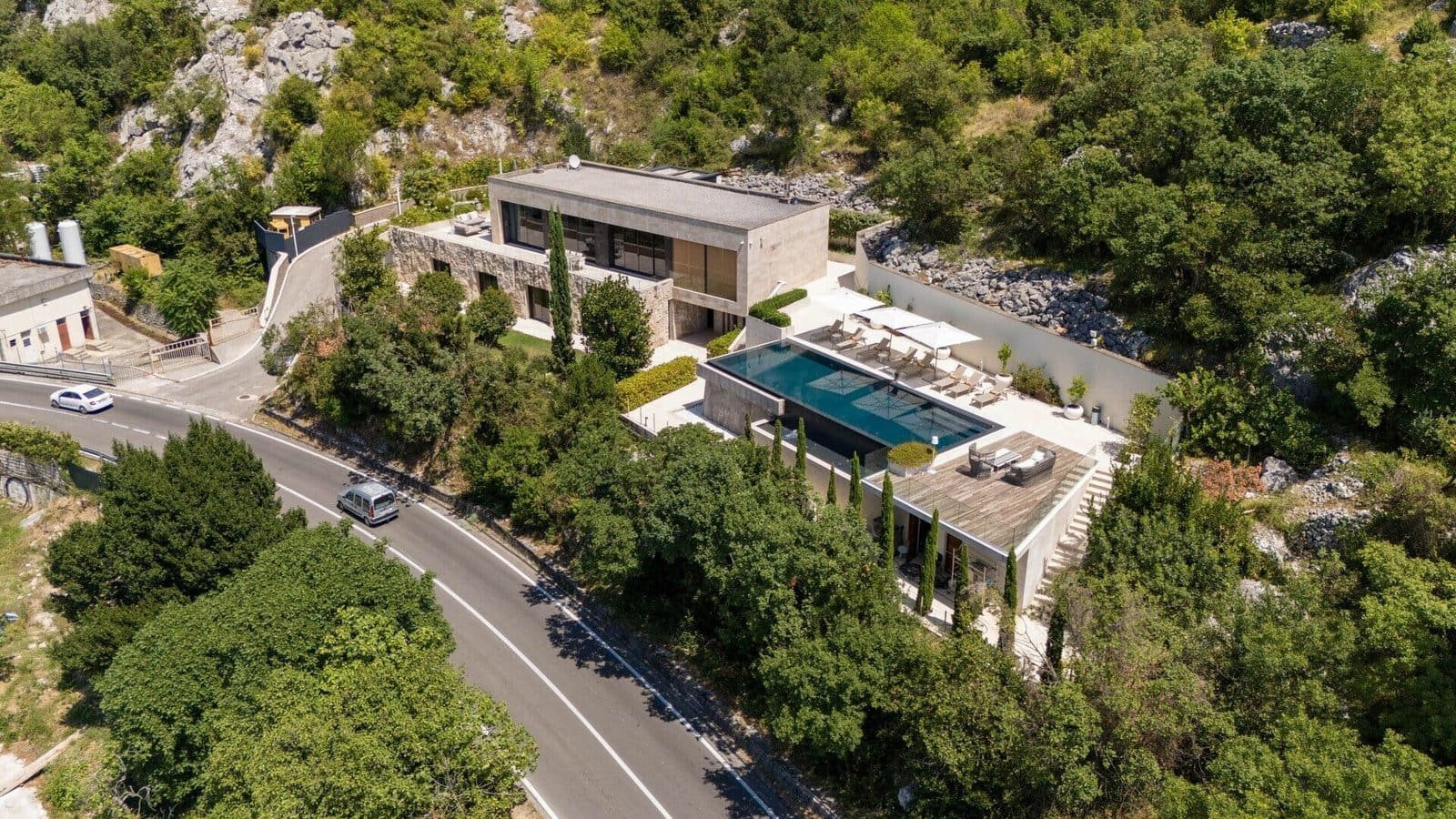
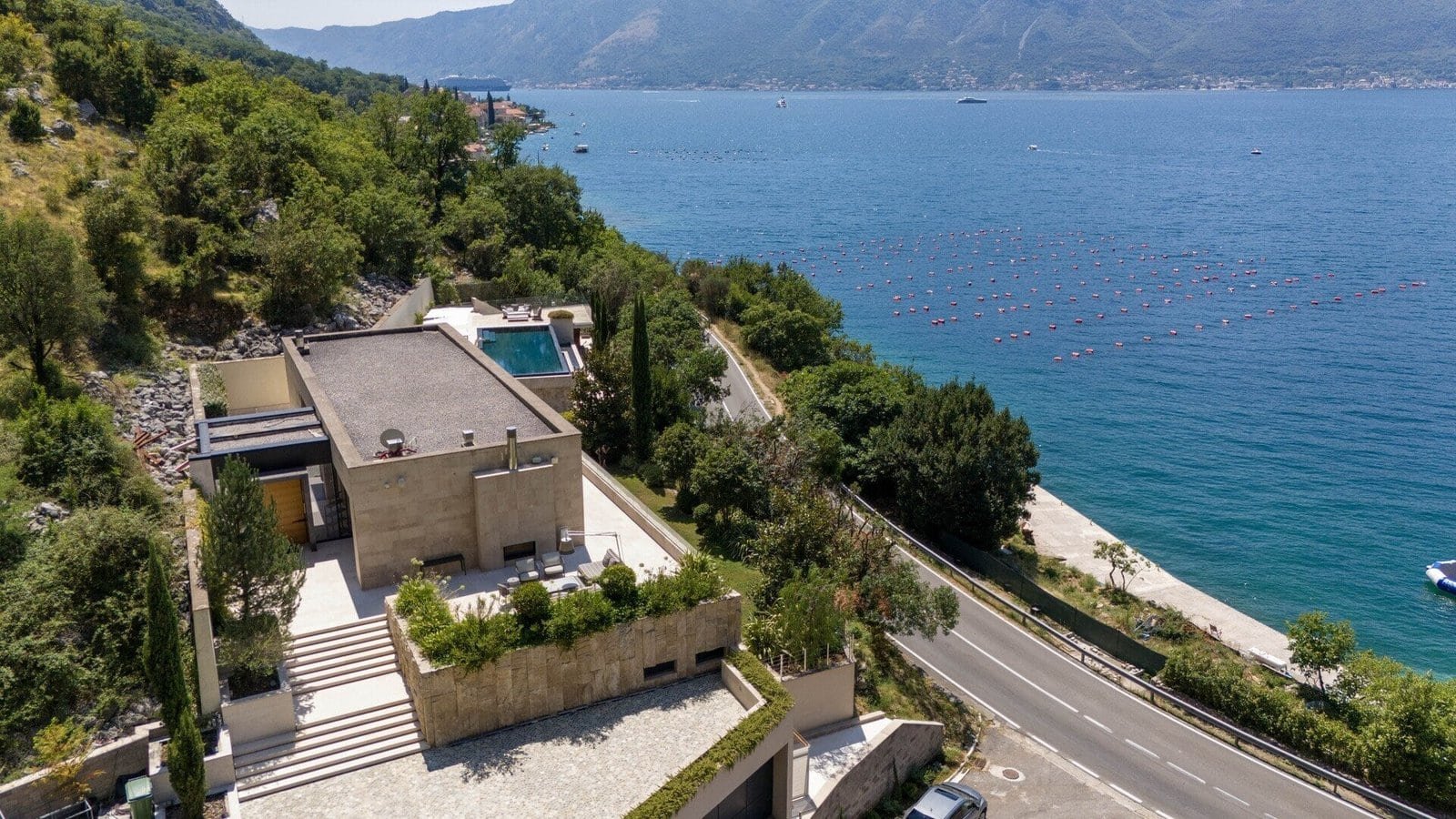
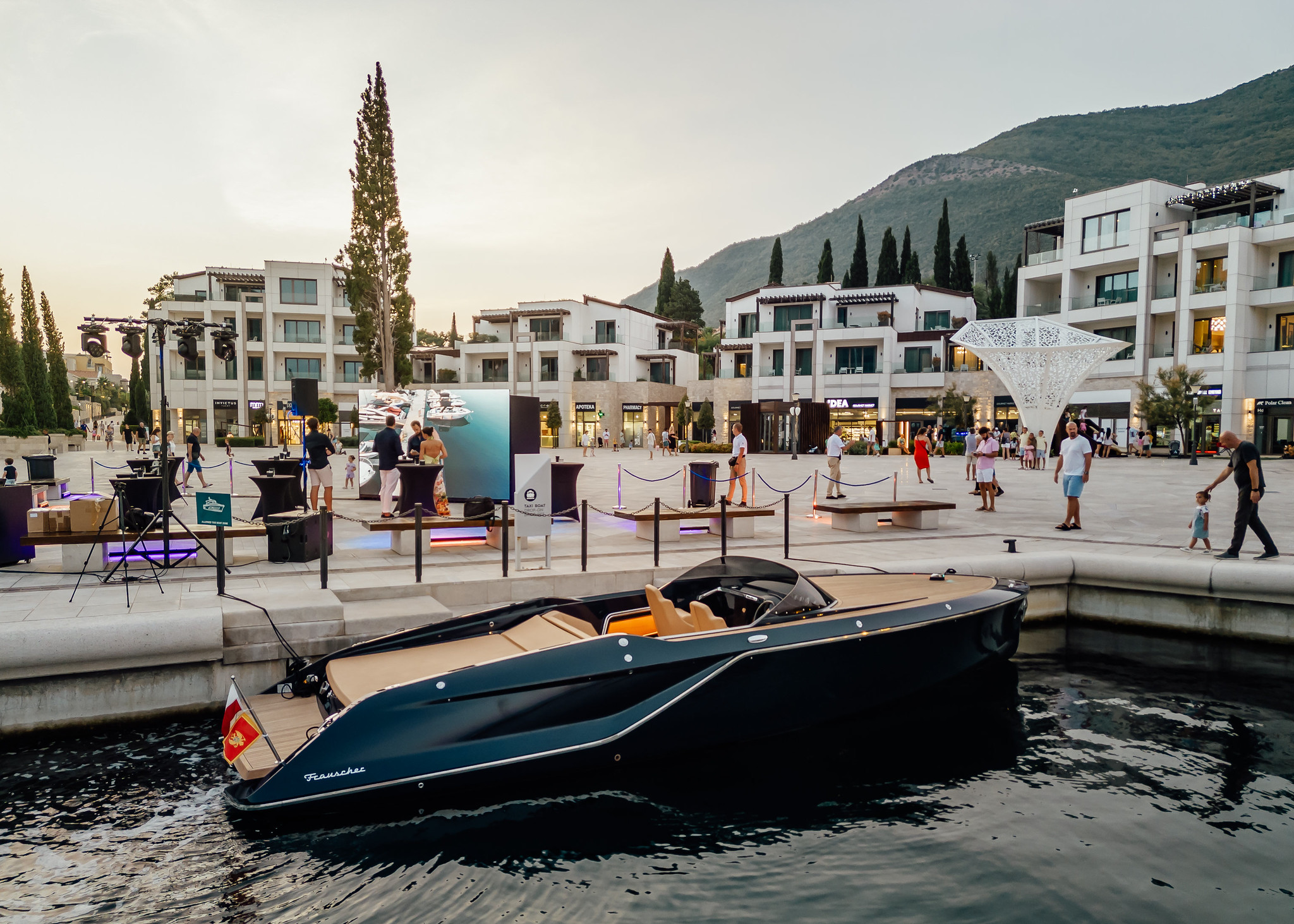
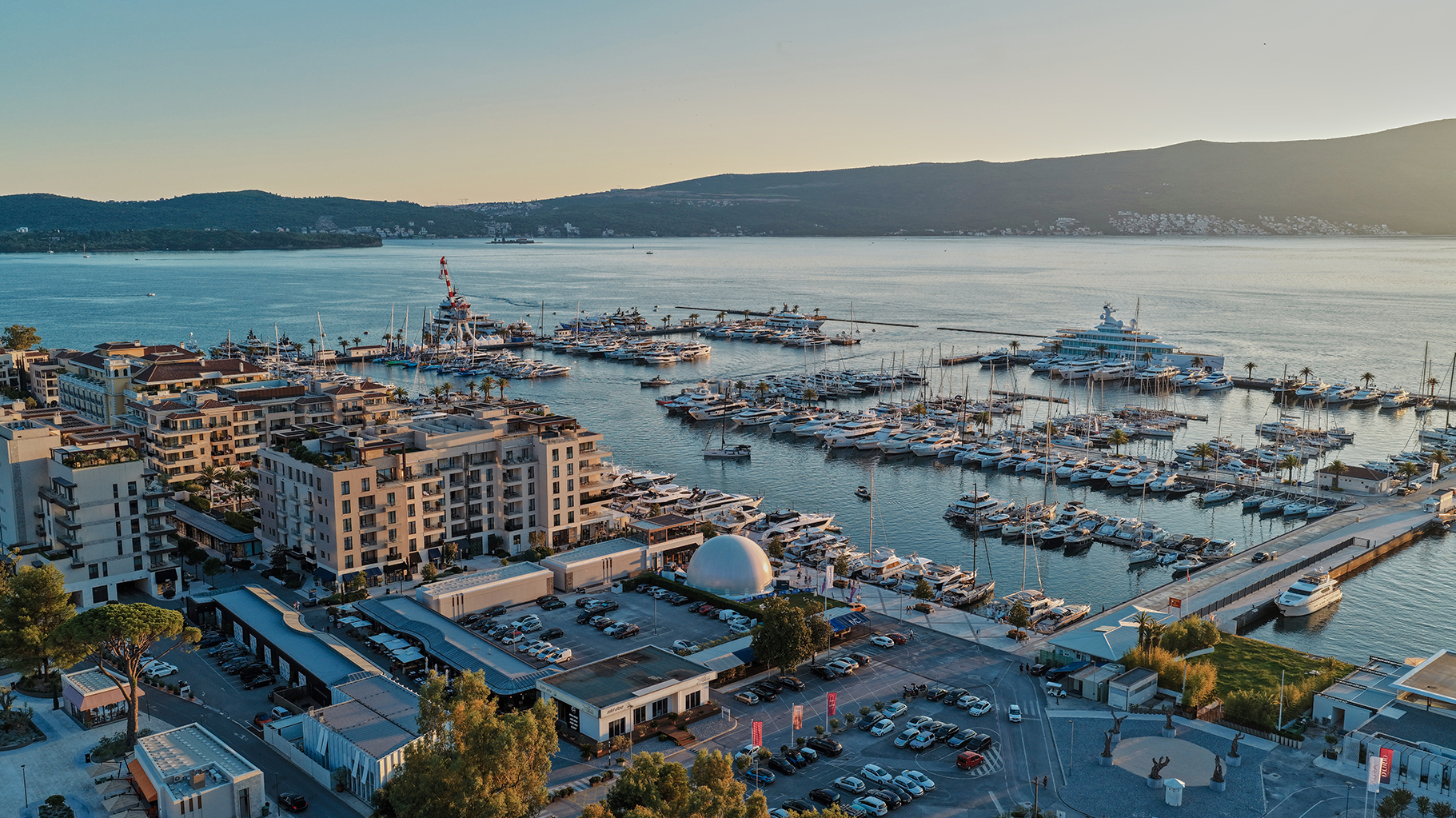
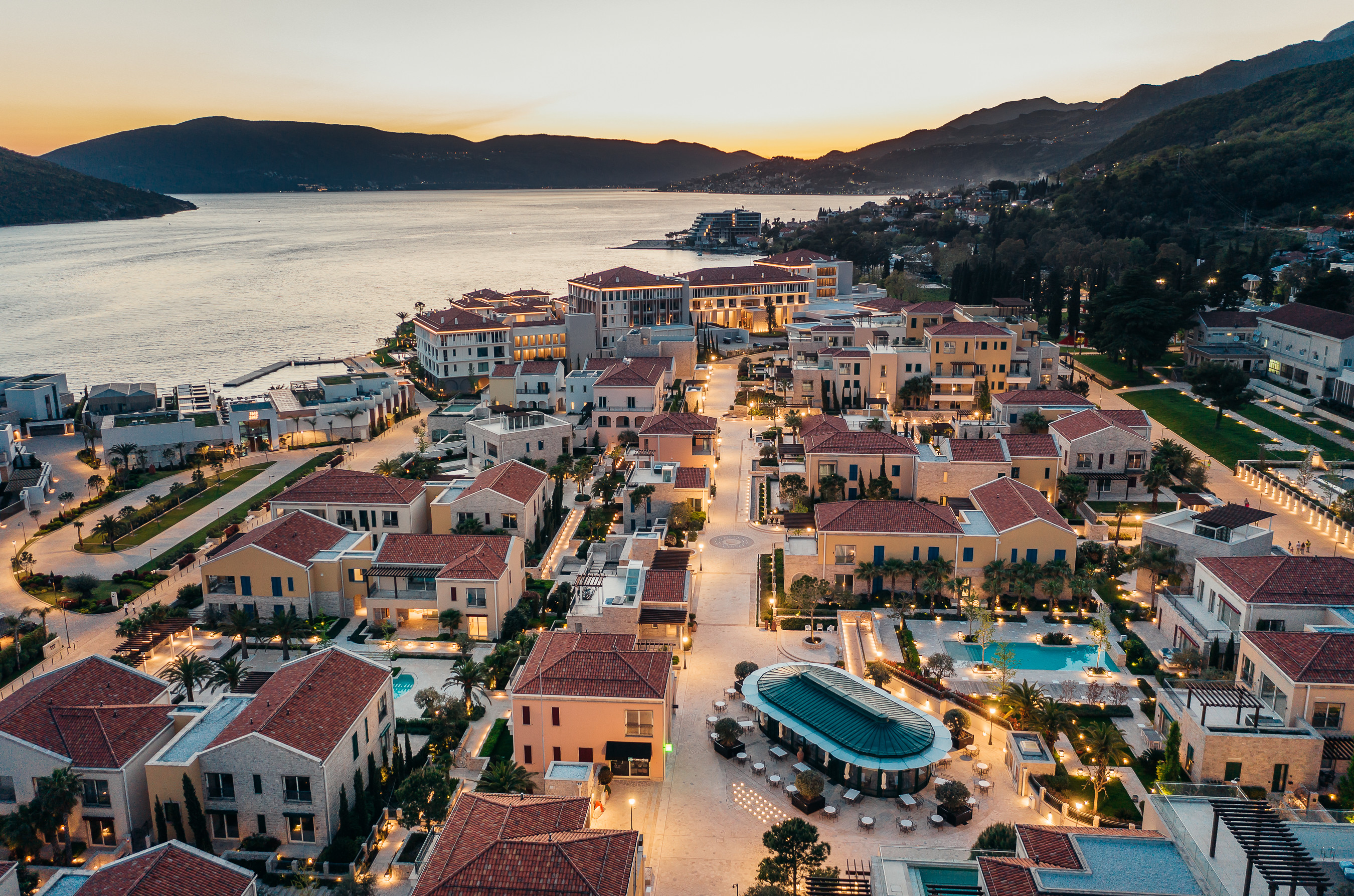
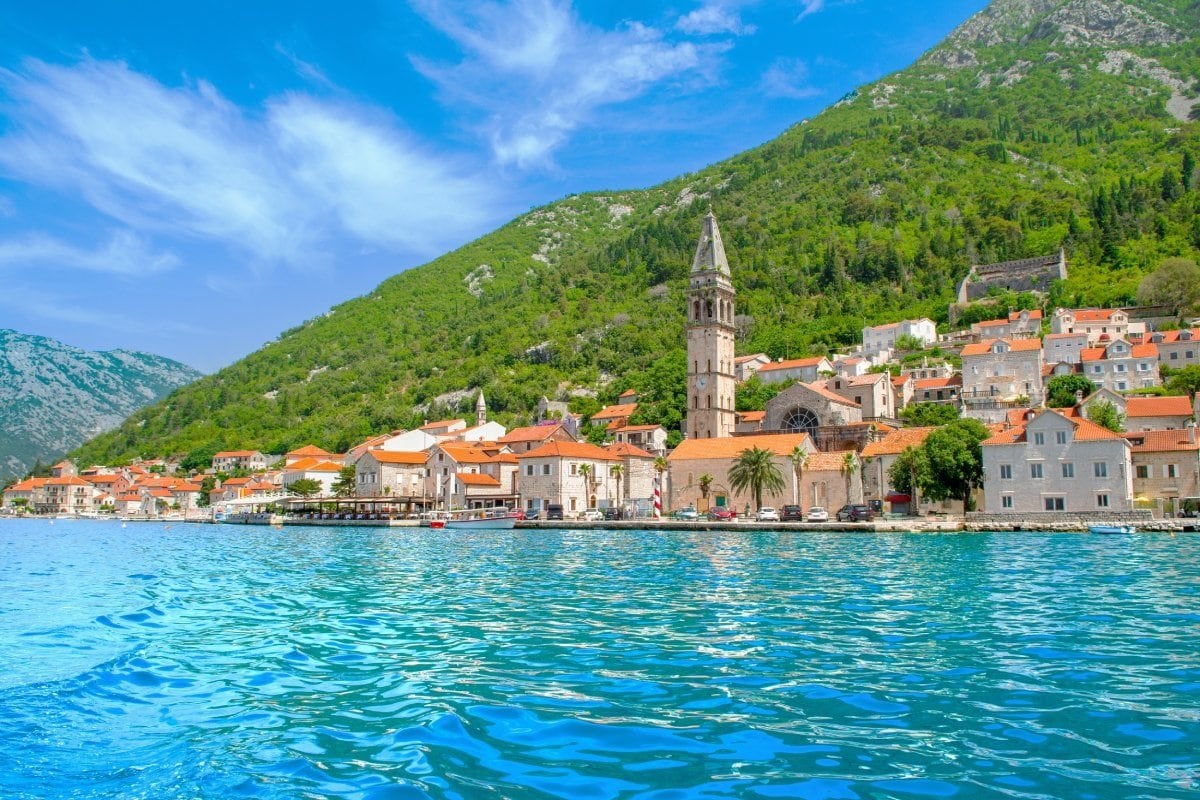
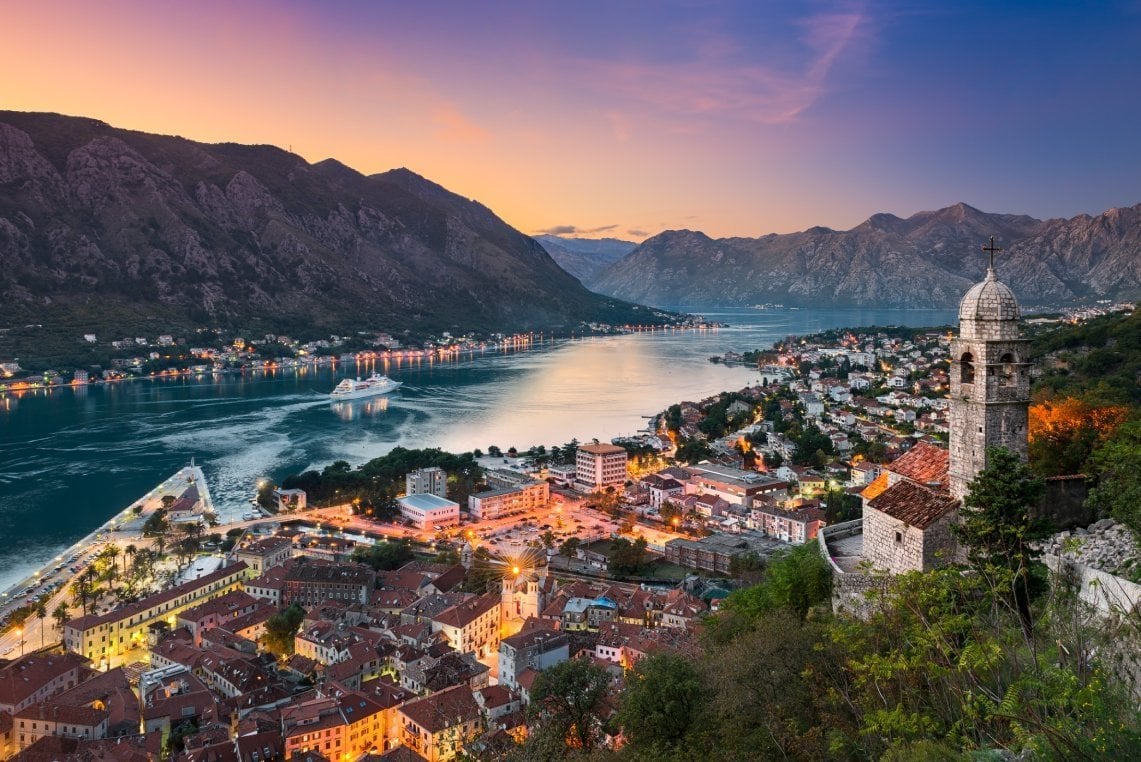
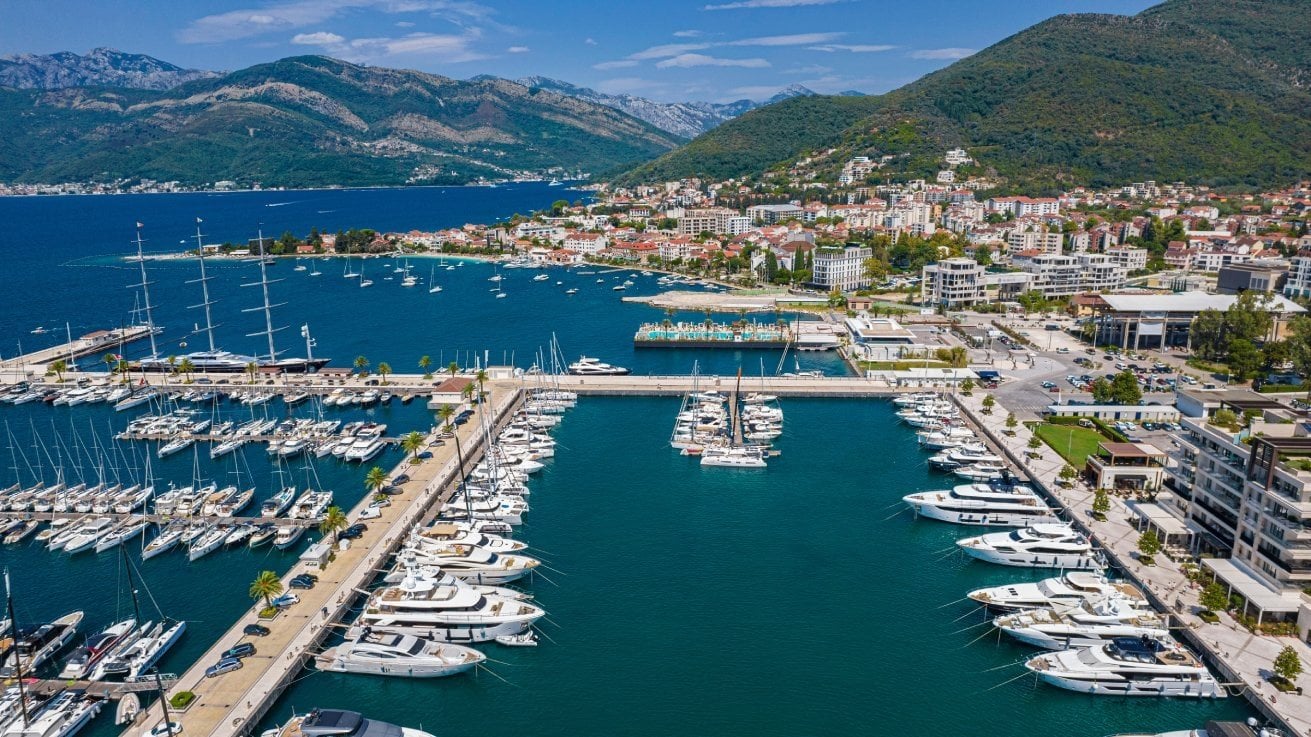
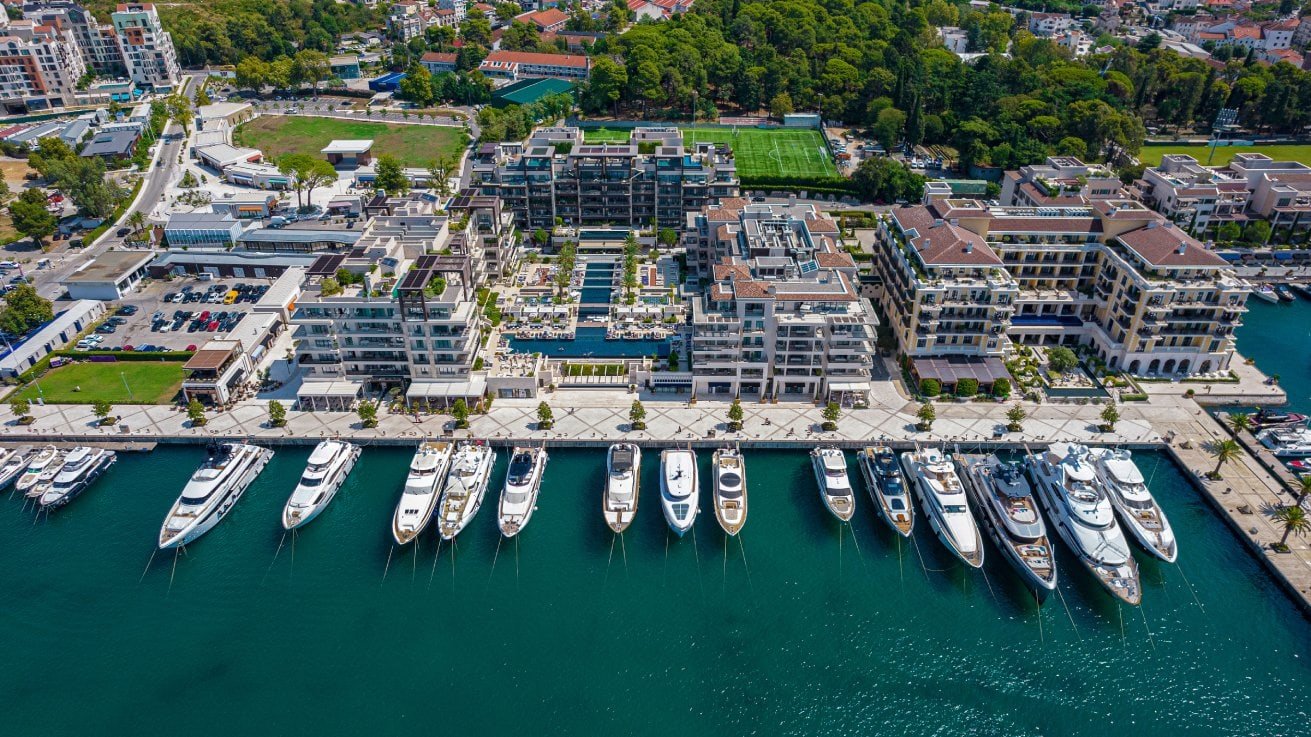
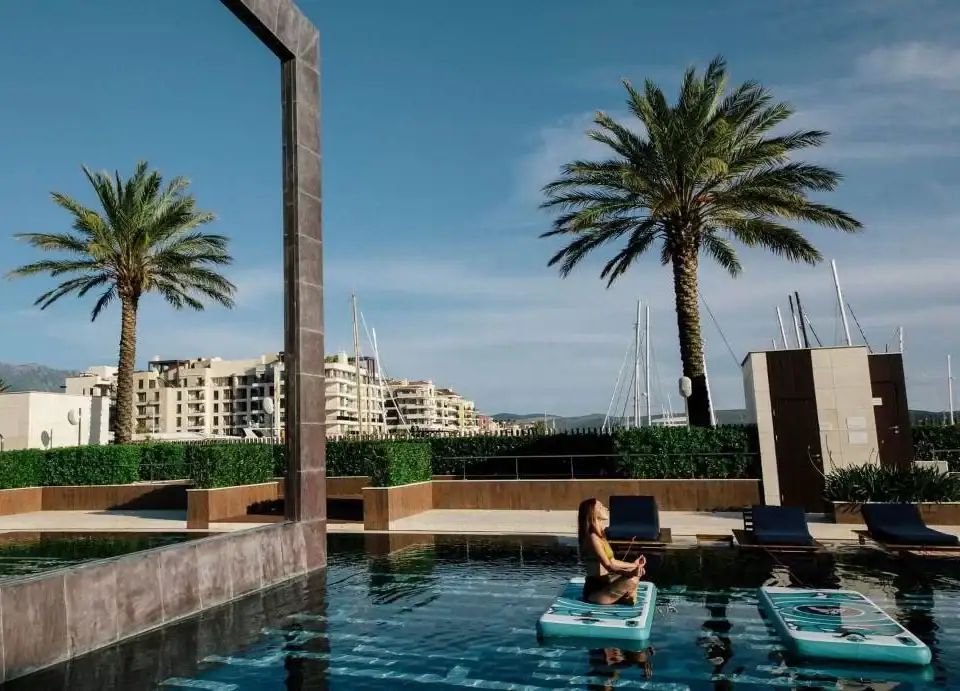
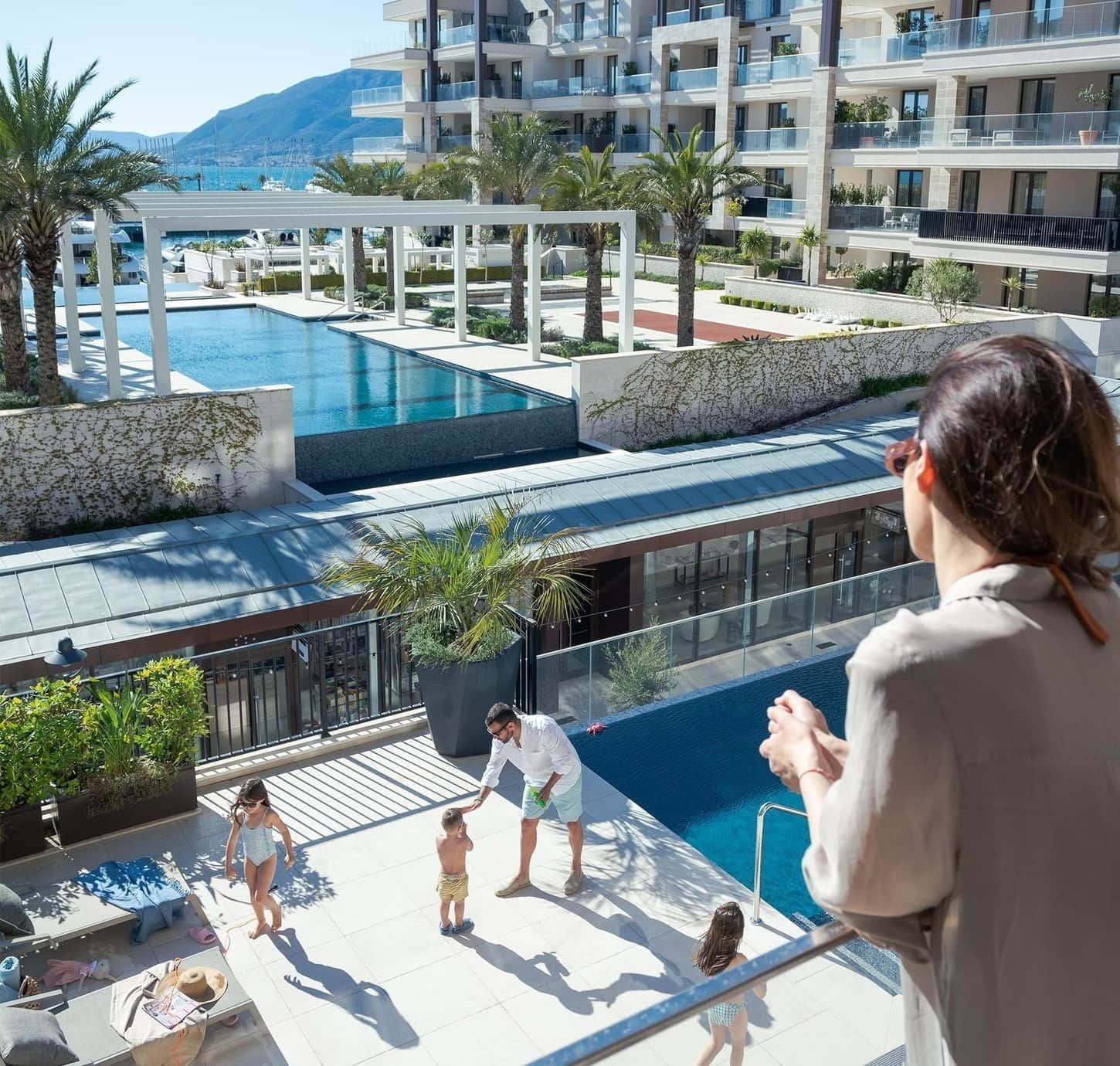
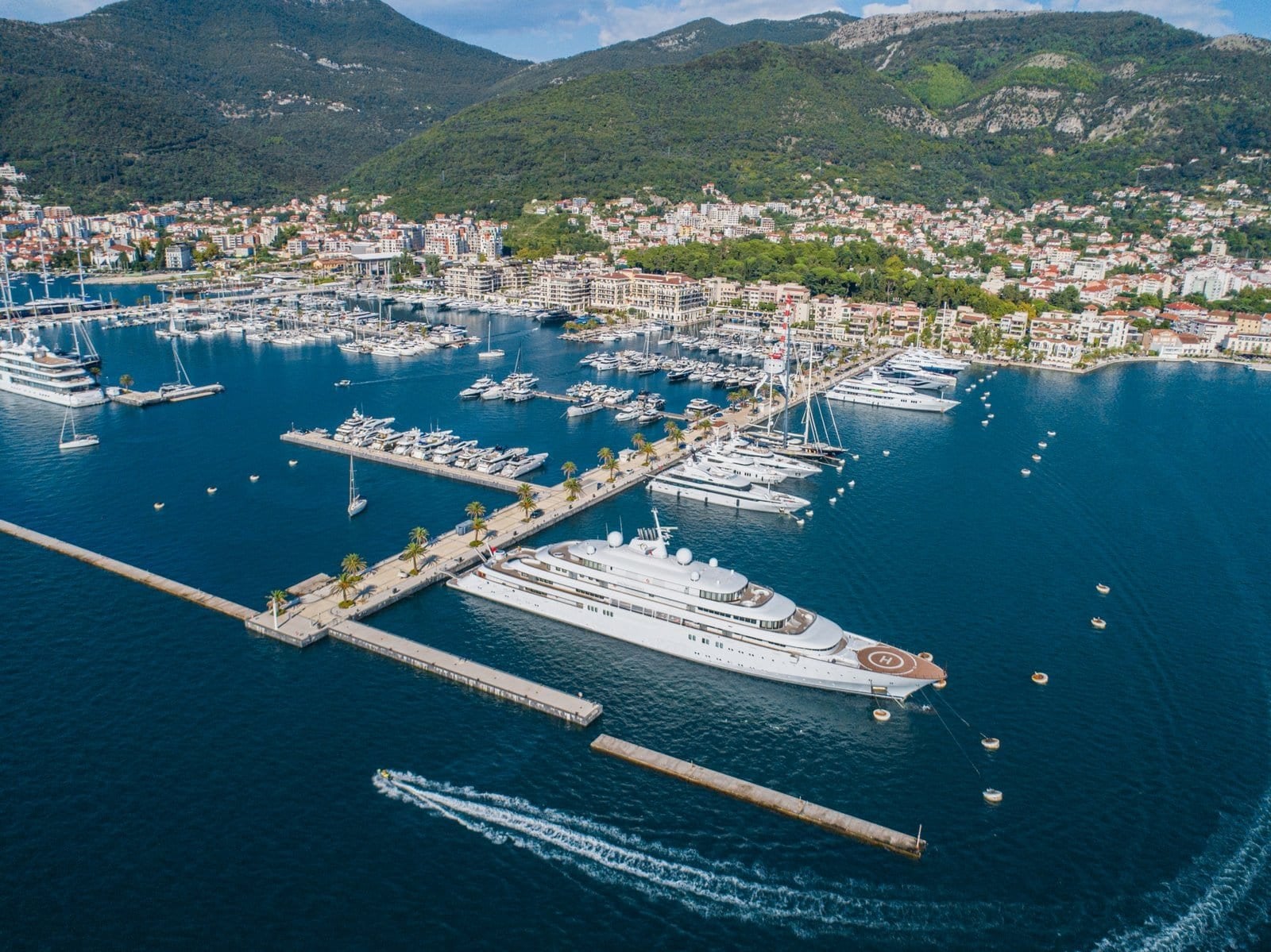
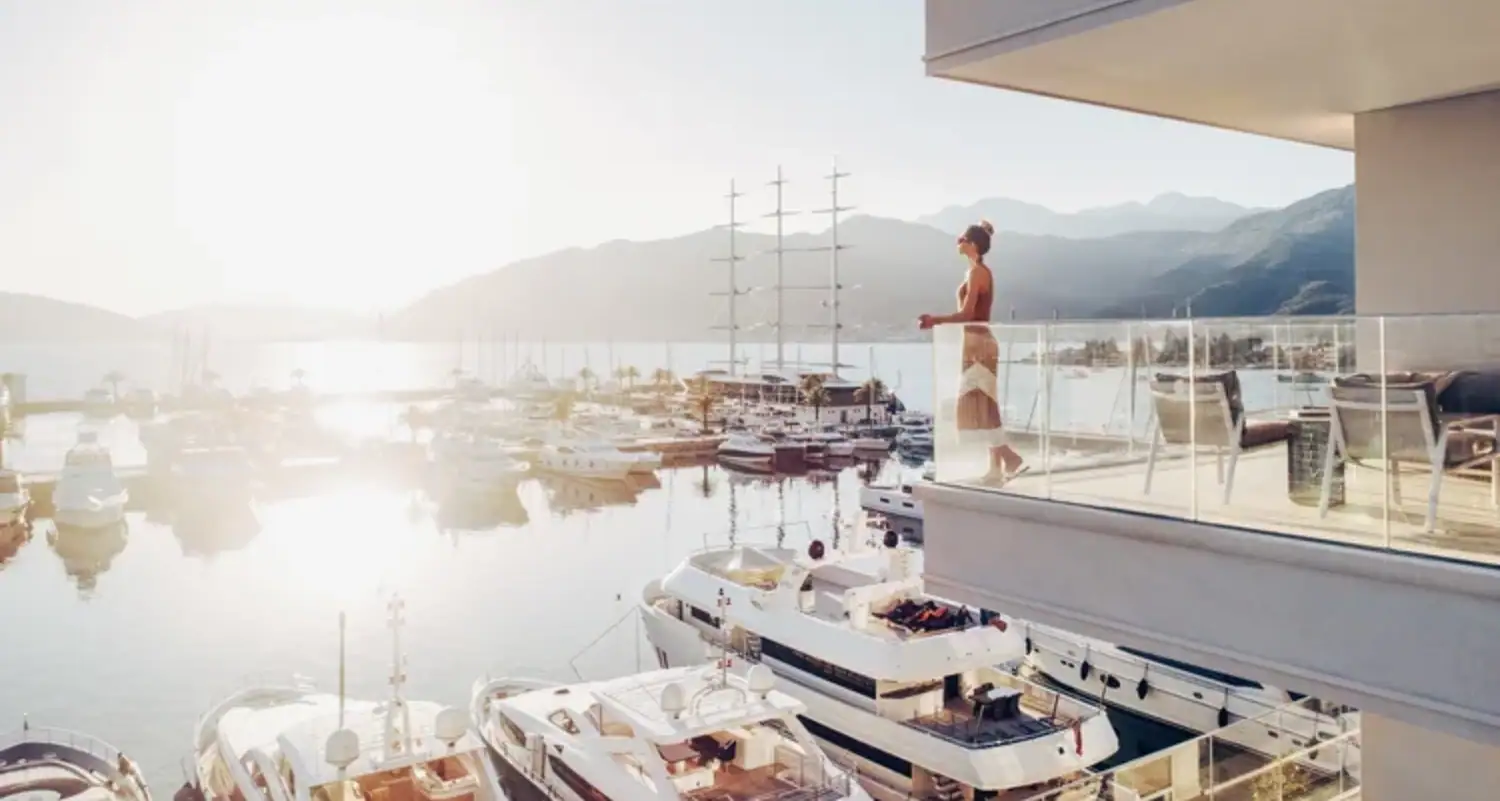
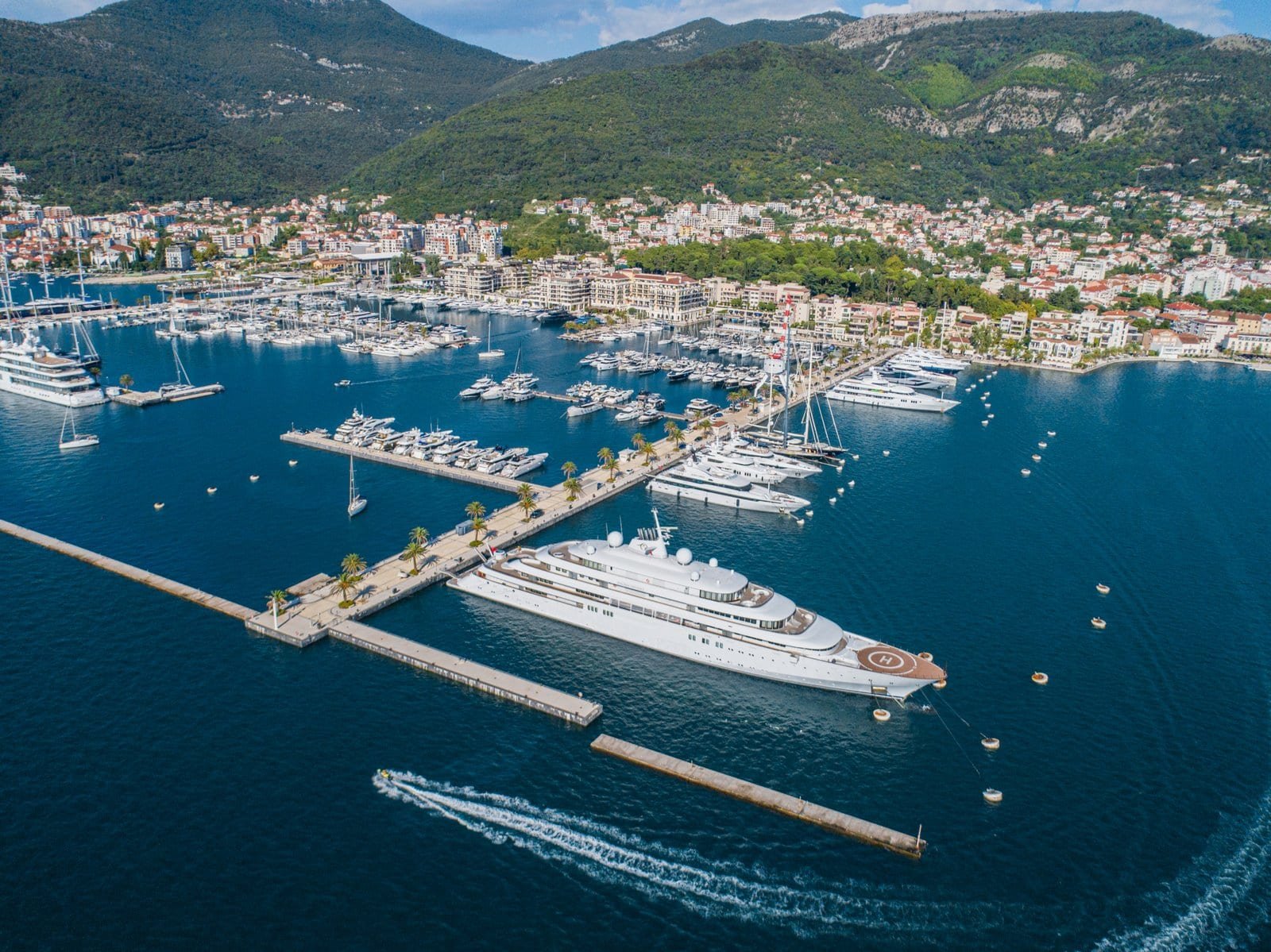
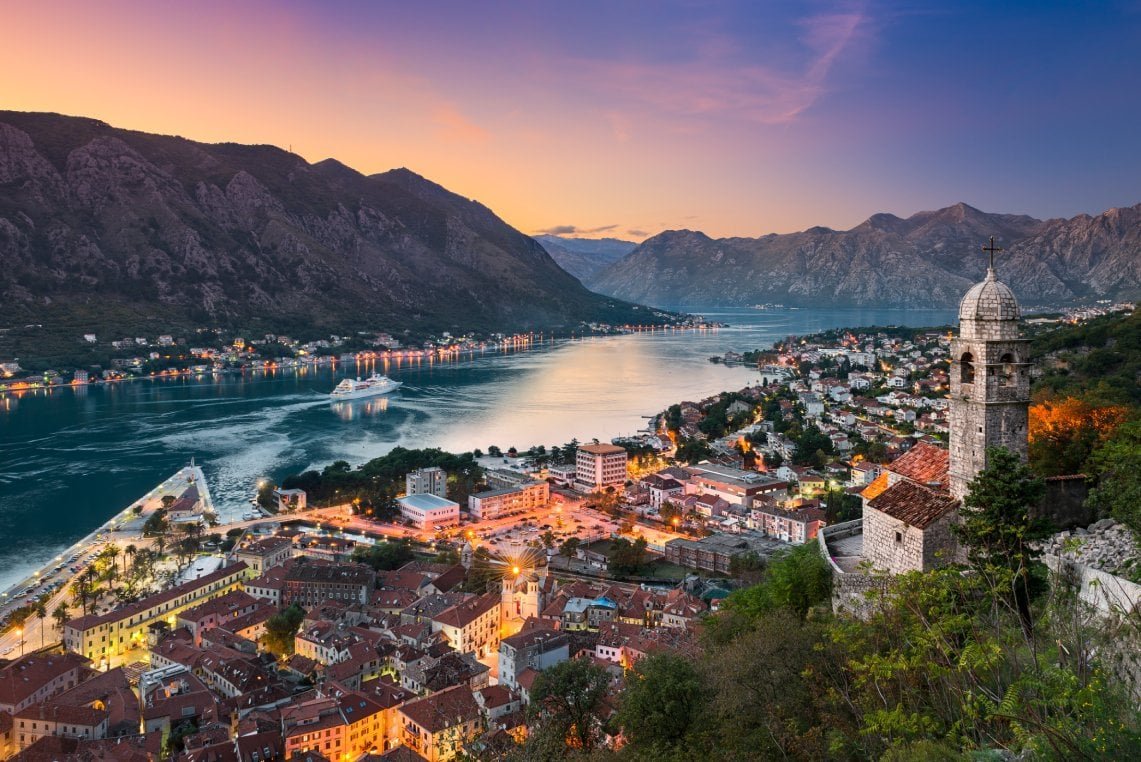
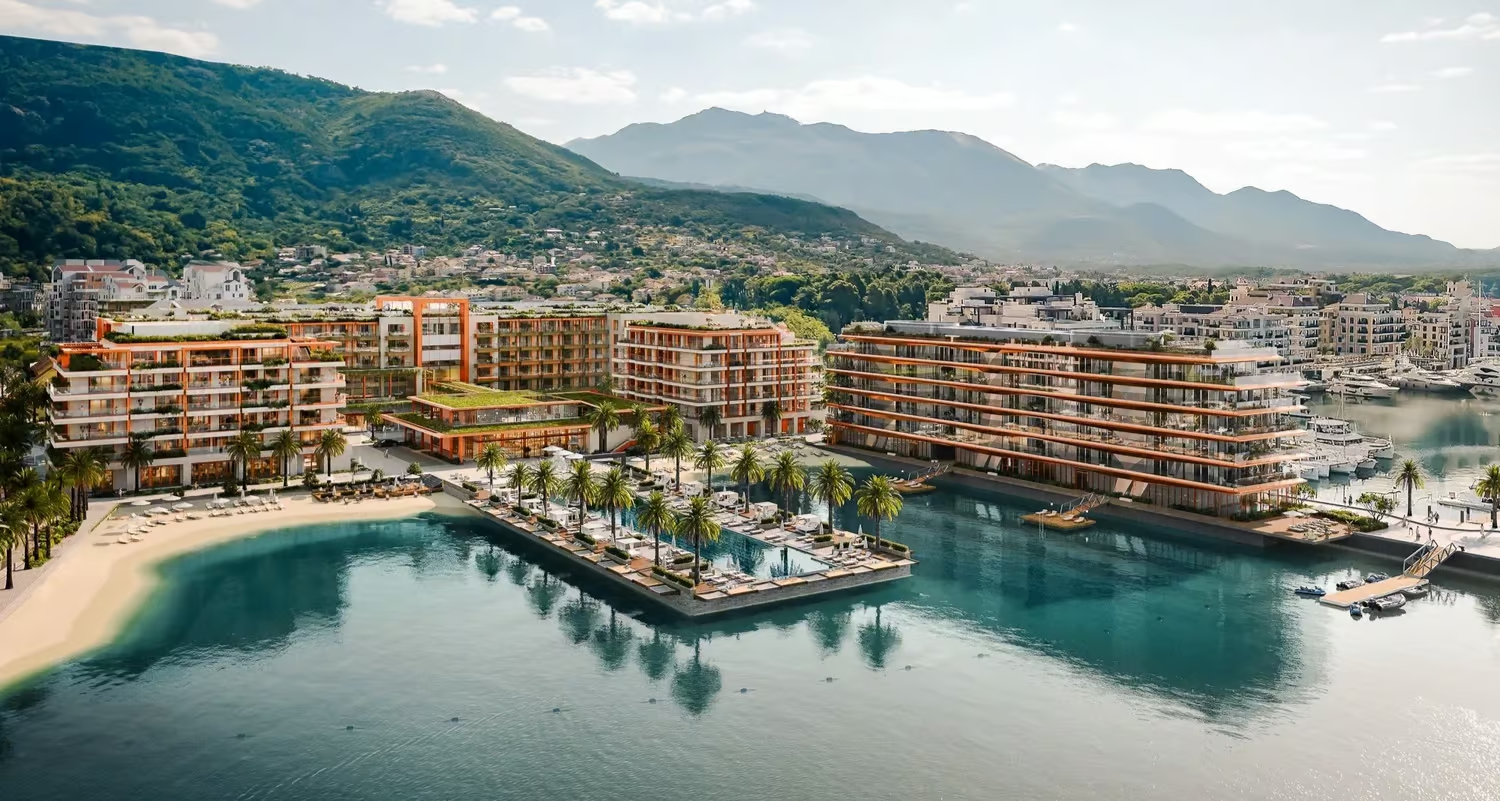
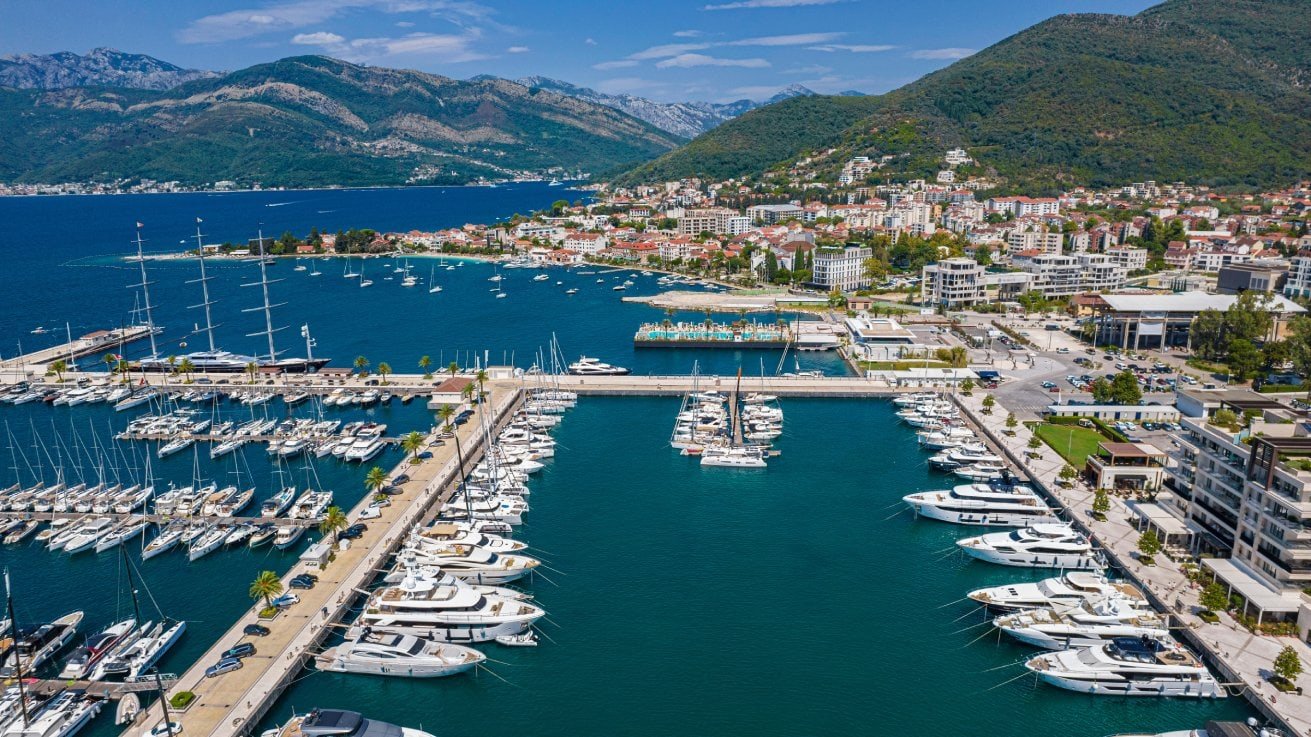
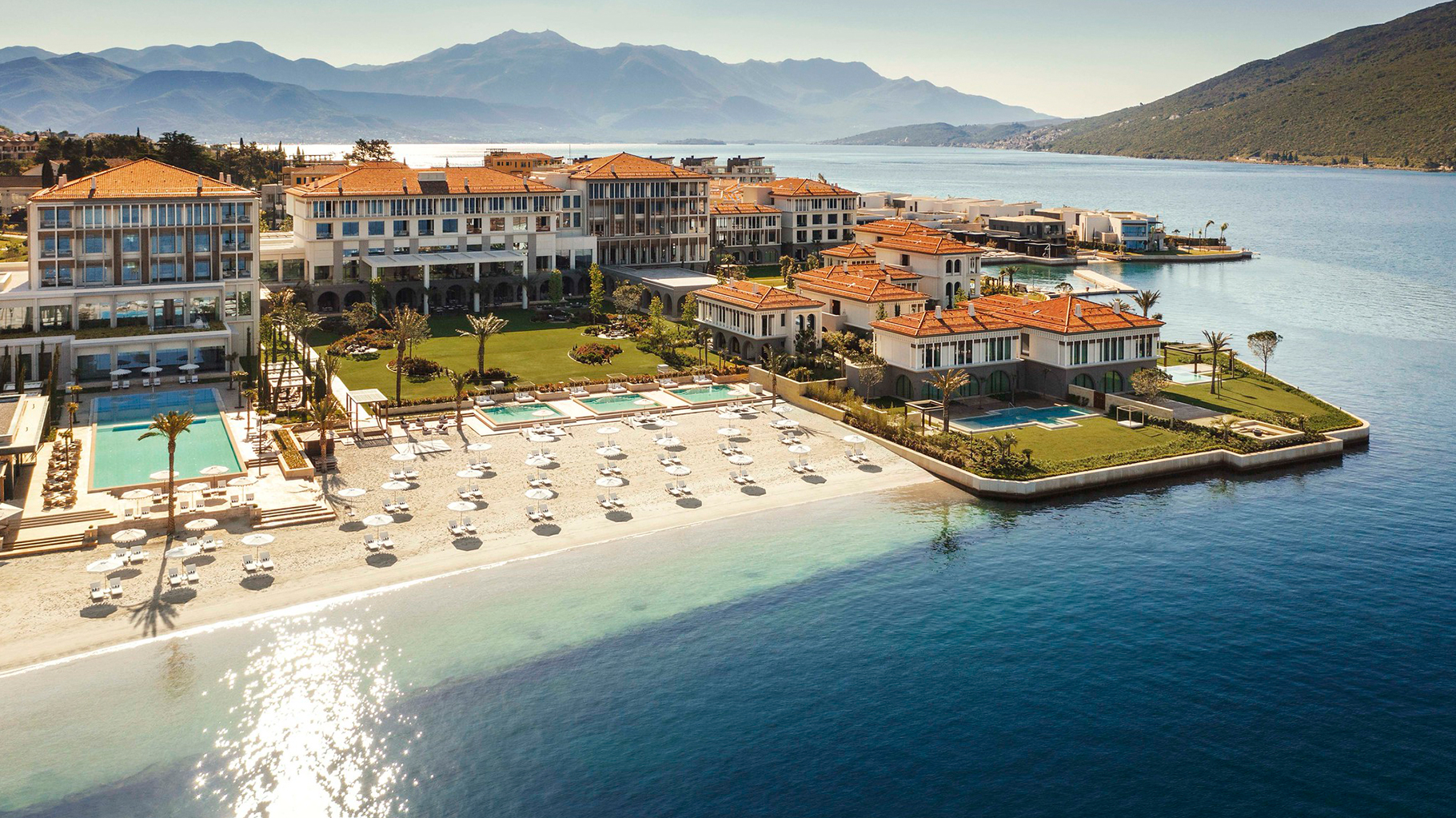
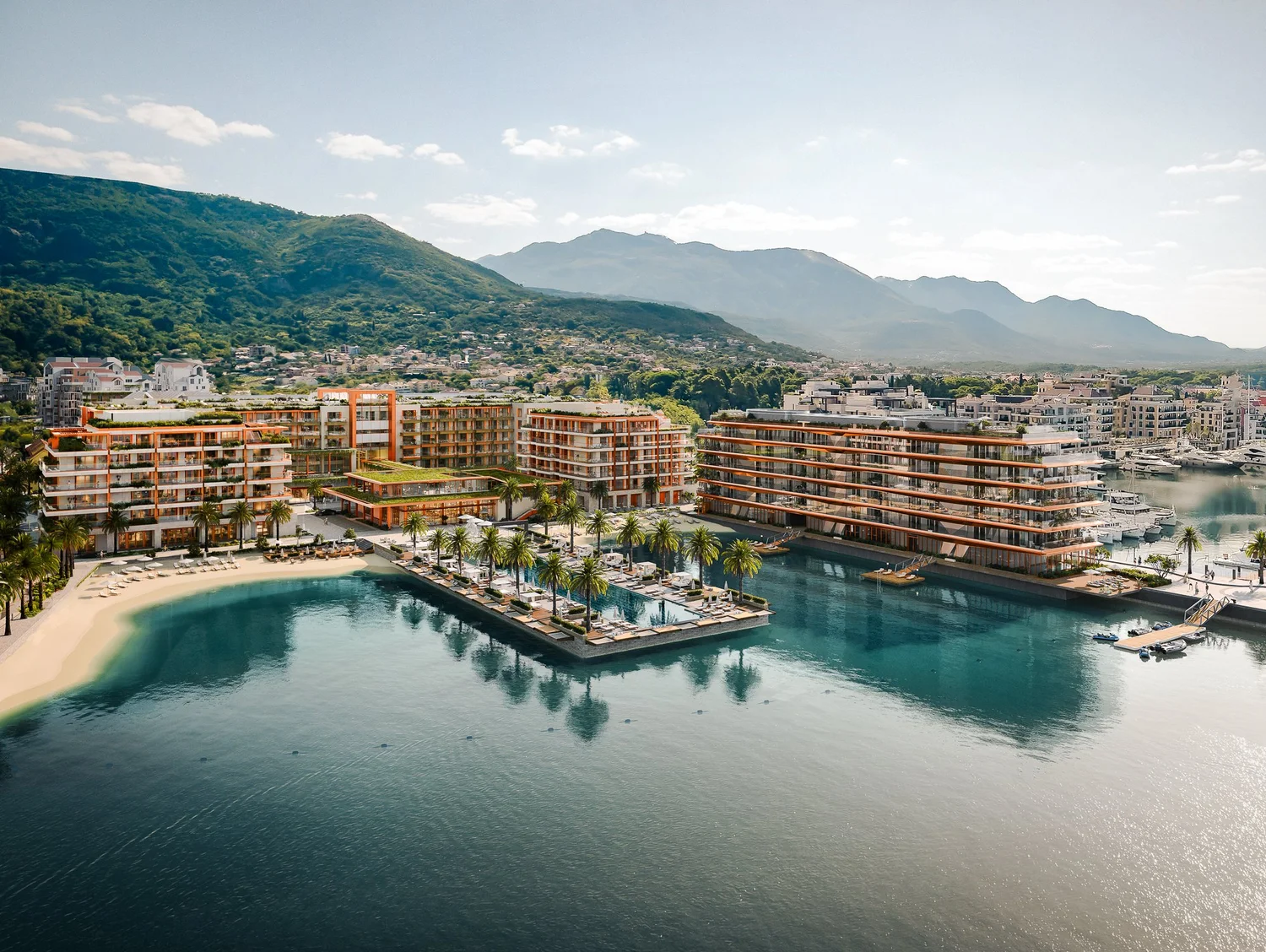
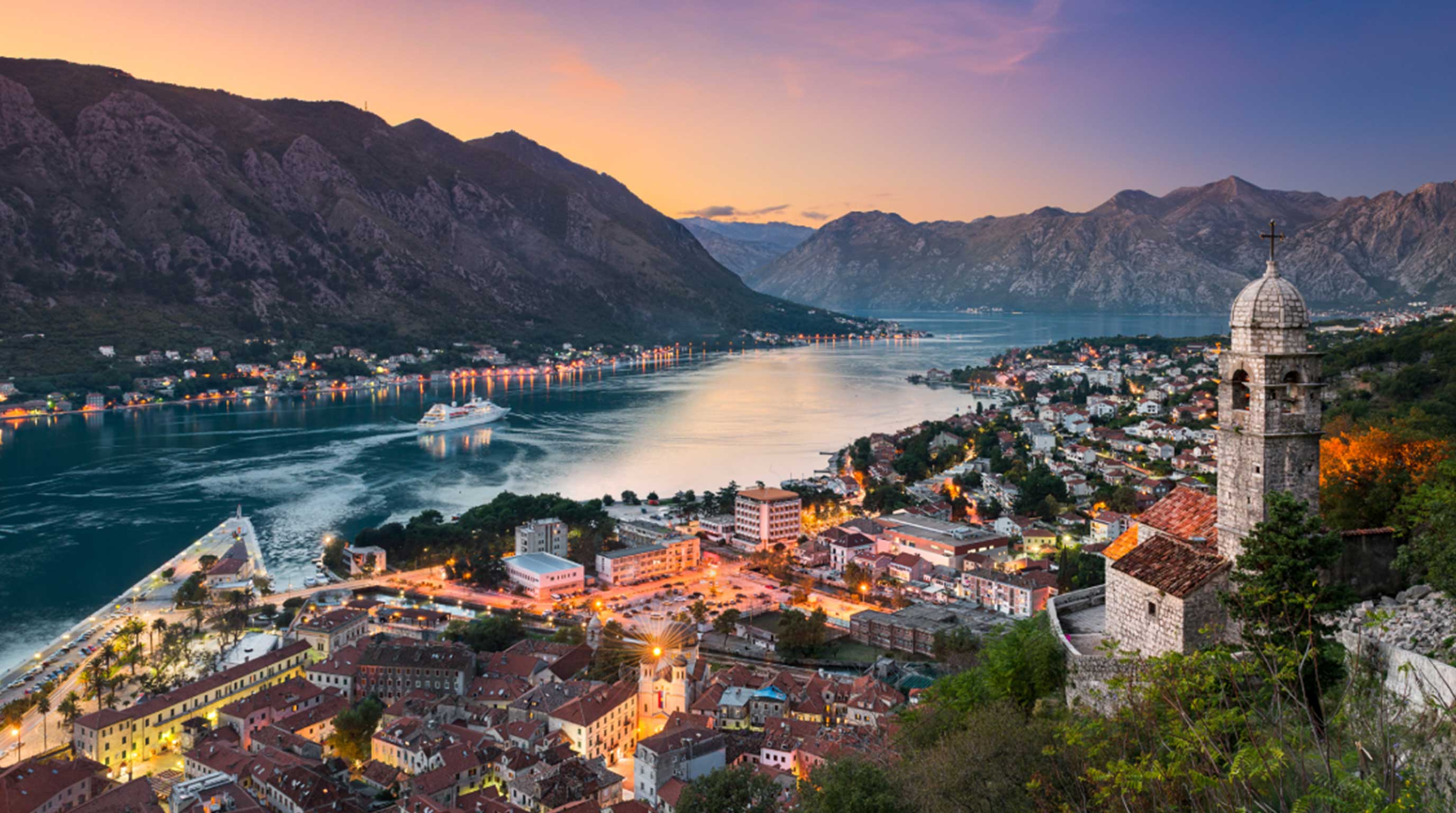
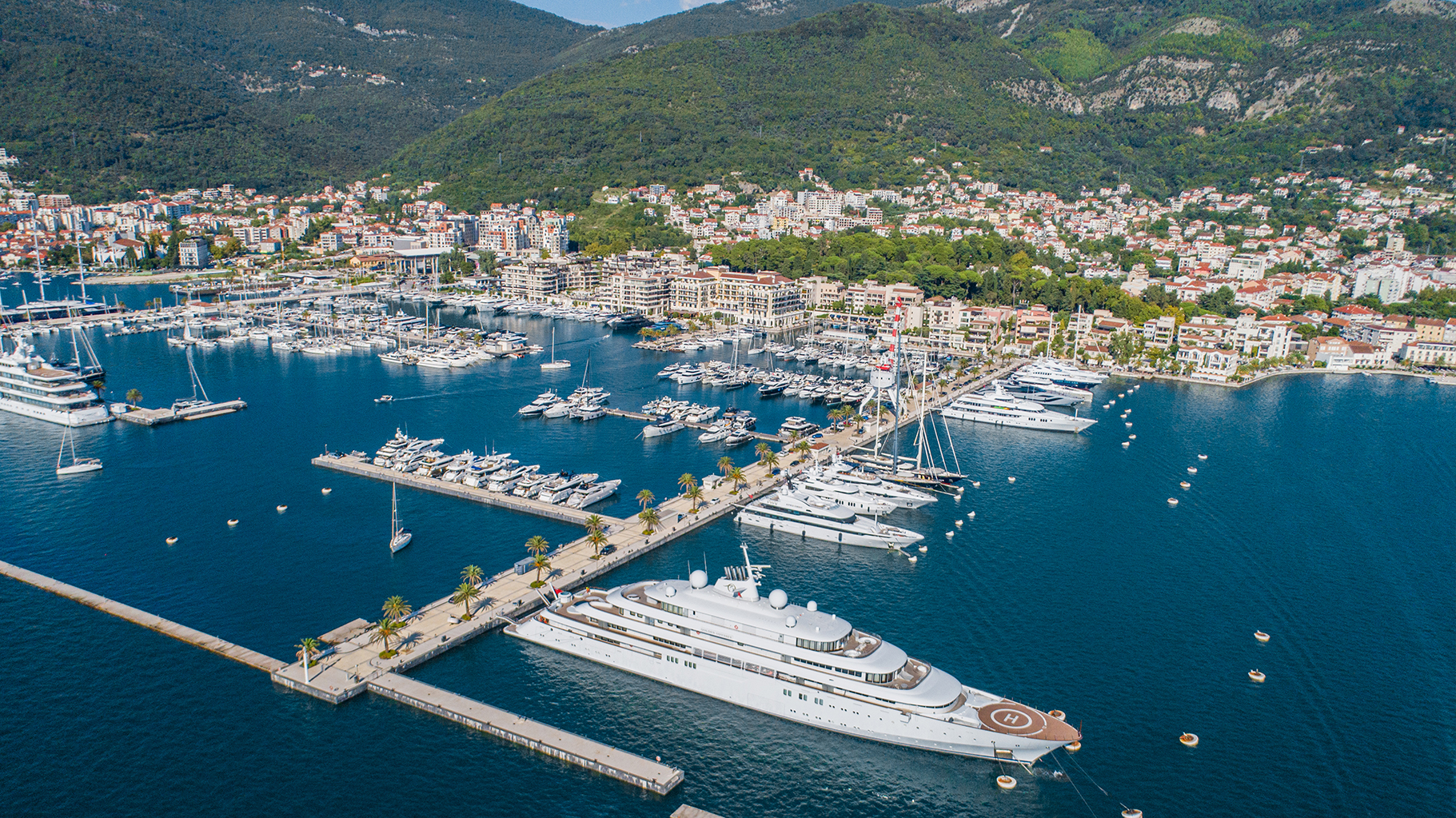
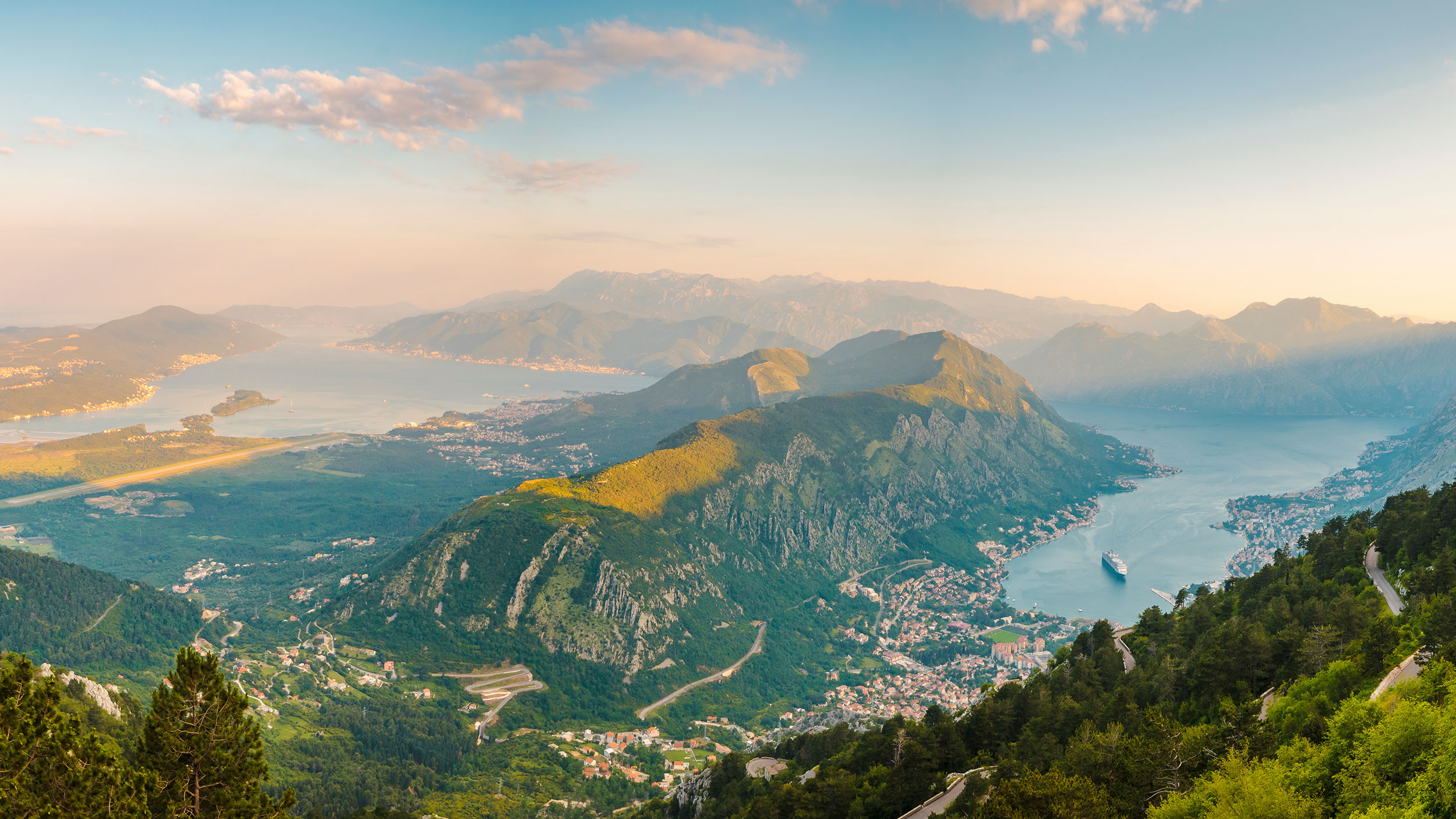
The Bay of Kotor corridor, centred on Tivat, commands the highest prices on the Adriatic side. Porto Montenegro, a former Yugoslav naval base redeveloped with backing from LVMH chairman Arnault, the Rothschild family and now under Dubai Investment Corporation ownership, reports starting prices in the region of €8,000 per square metre for non-front-line positions, rising to over €14,000 per square metre for sea-view residences. The complex houses a Regent Hotel, hundreds of superyacht berths and luxury retail including Dior, Fendi and Balenciaga boutiques.
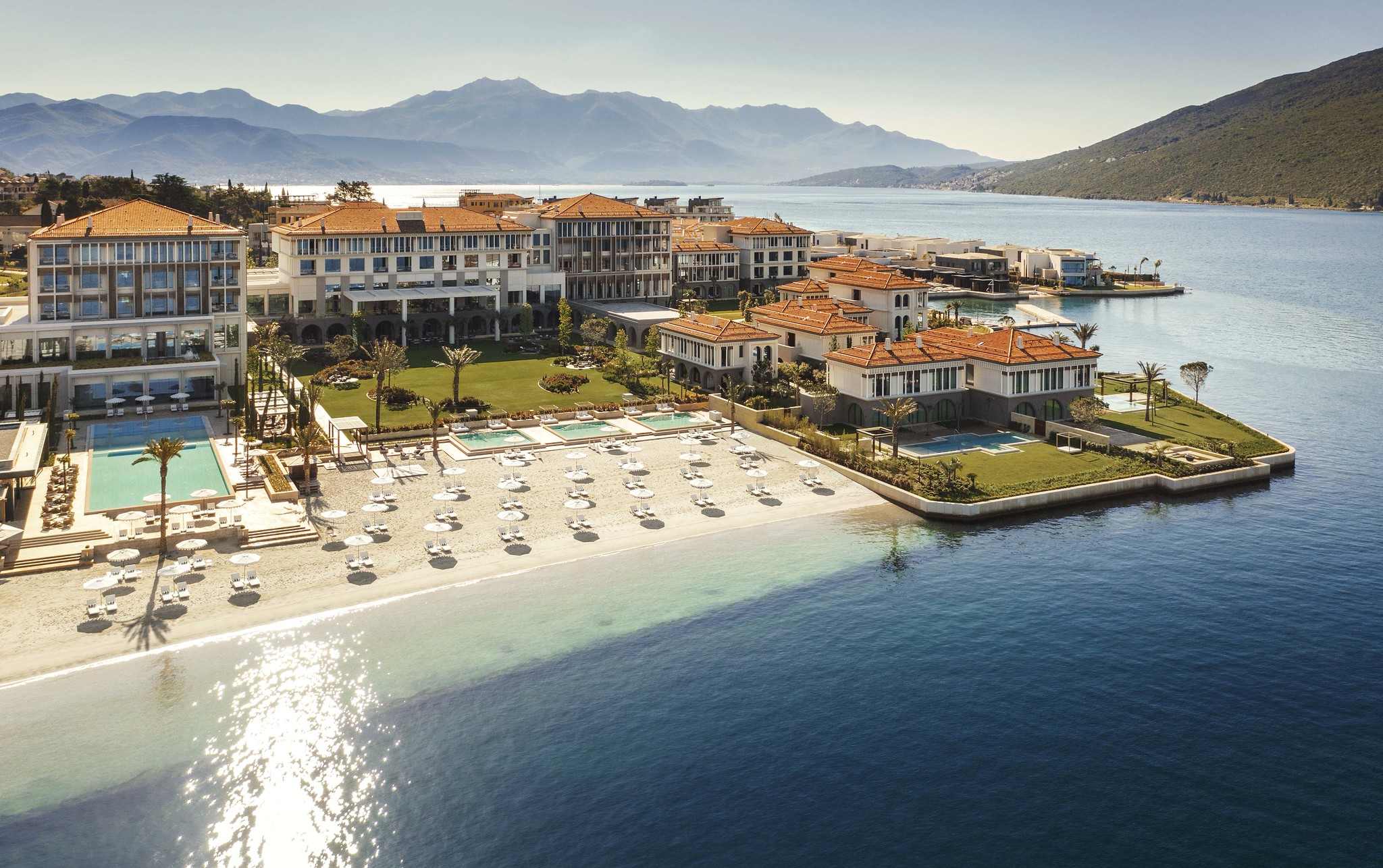
Porto Novi, near Herceg Novi, anchored by Europe’s first One&Only Resort and backed by Azerbaijani capital, sits at approximately €12,000 per square metre. It opened in 2020 and is positioned as a direct competitor to Porto Montenegro for the ultra-high-net-worth segment.
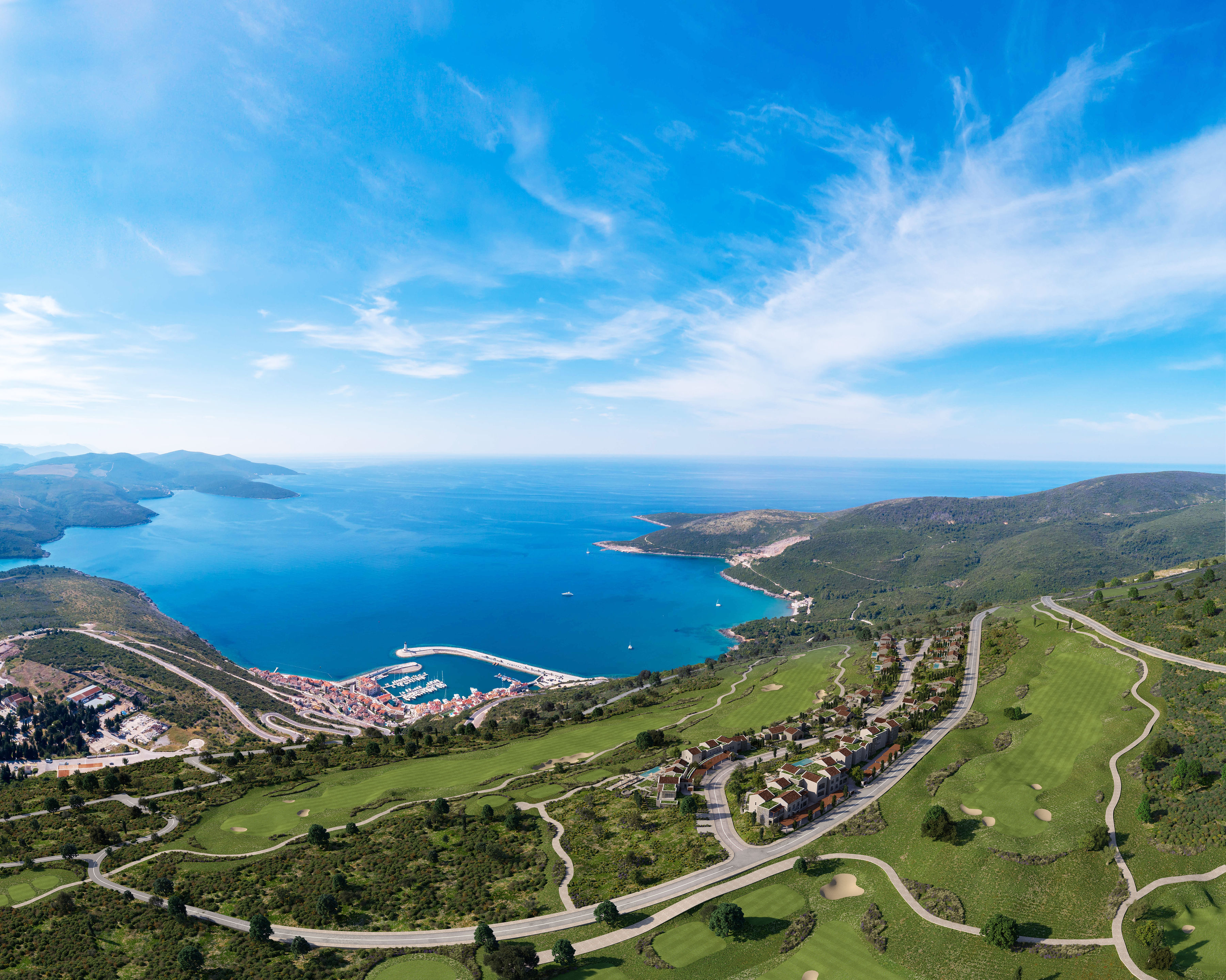
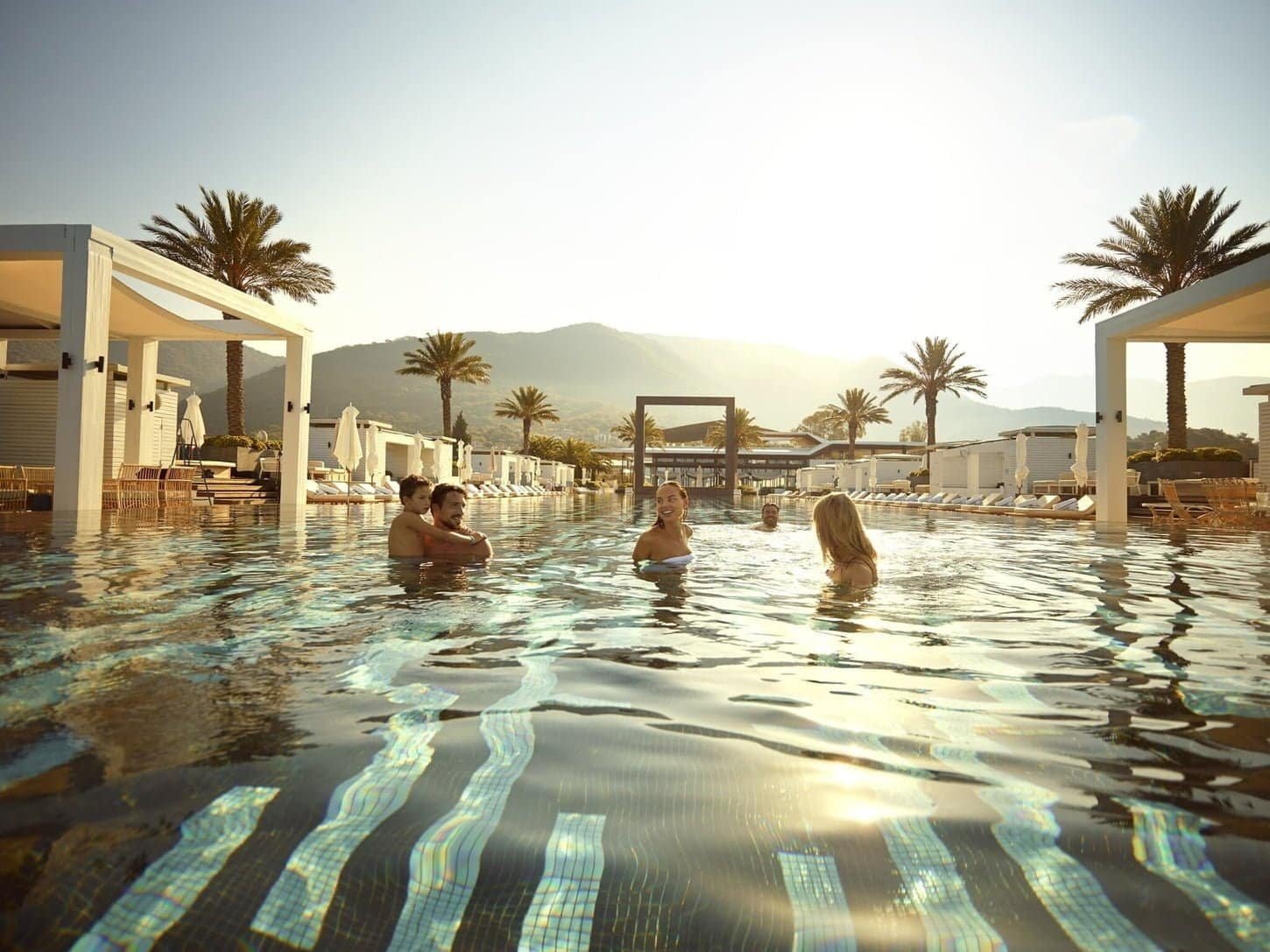
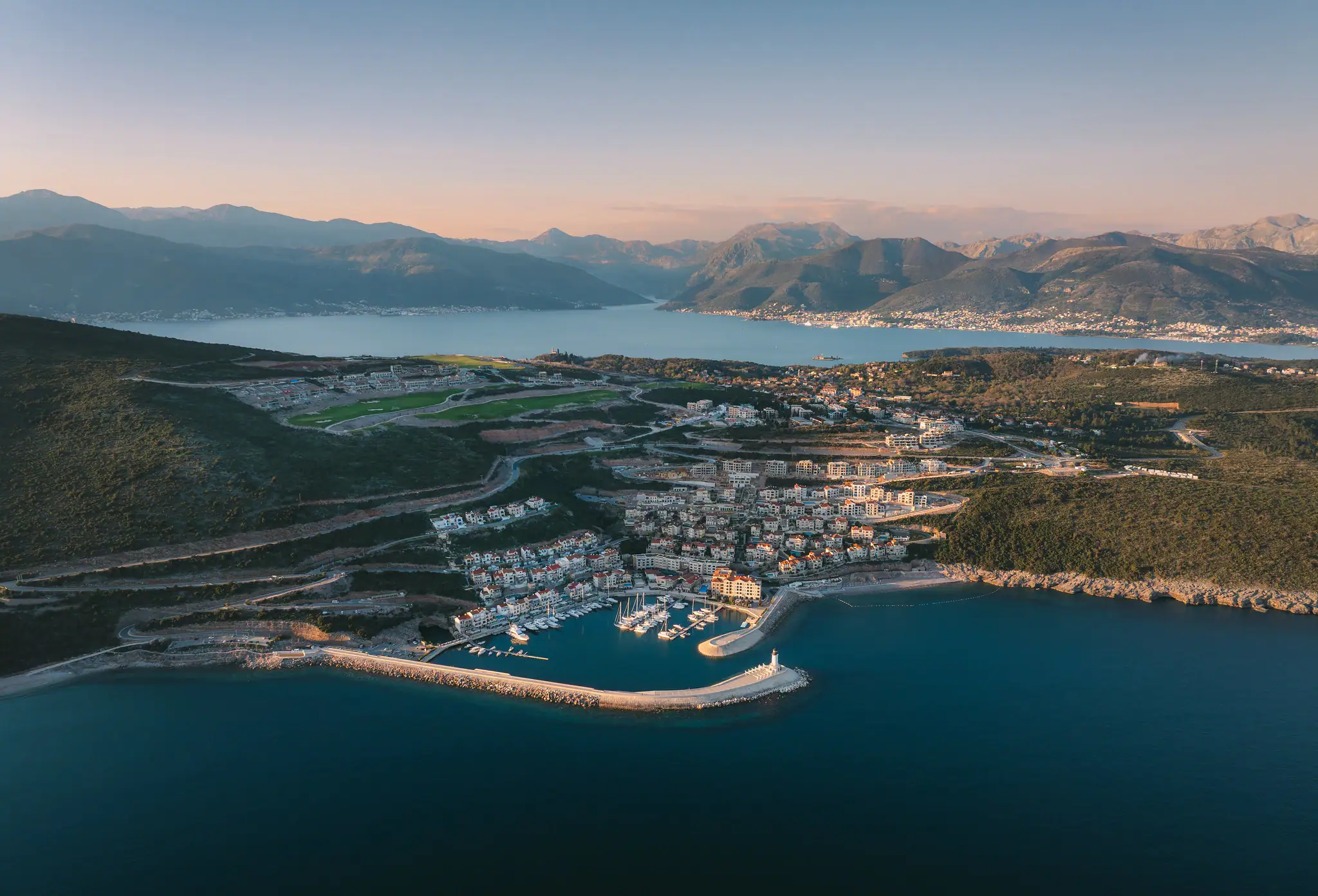
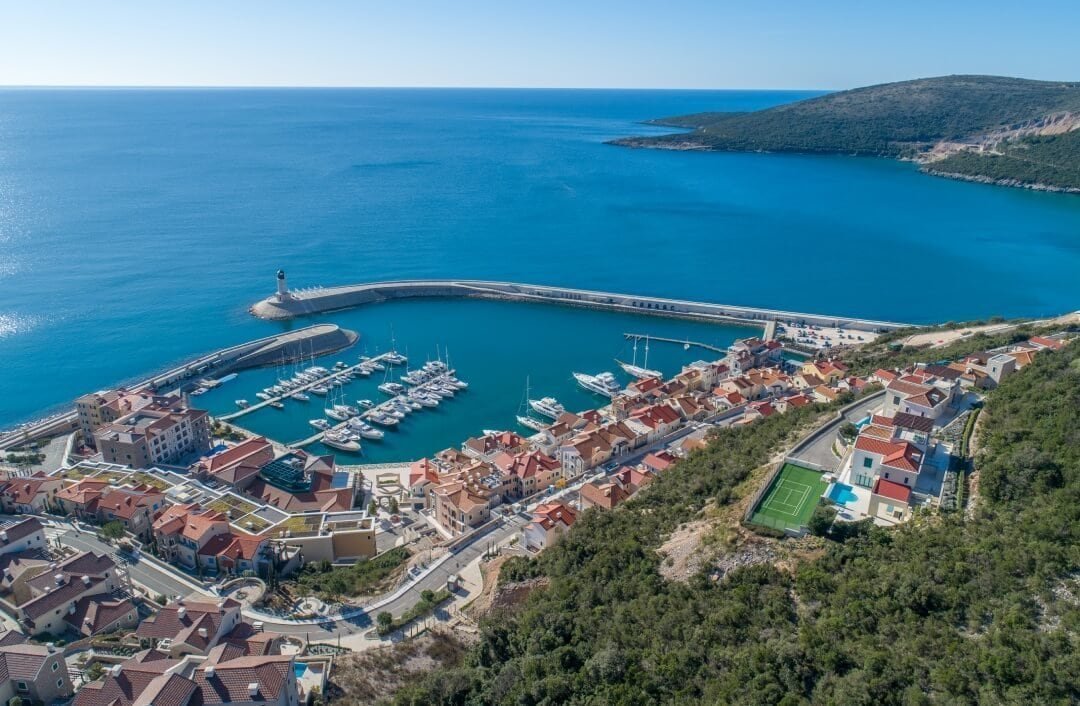
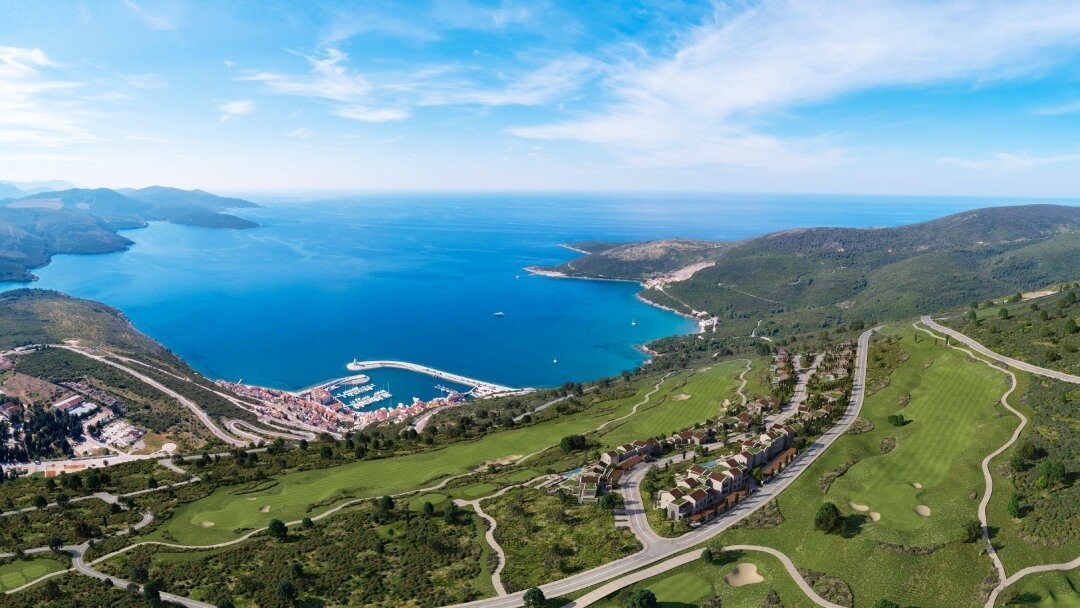
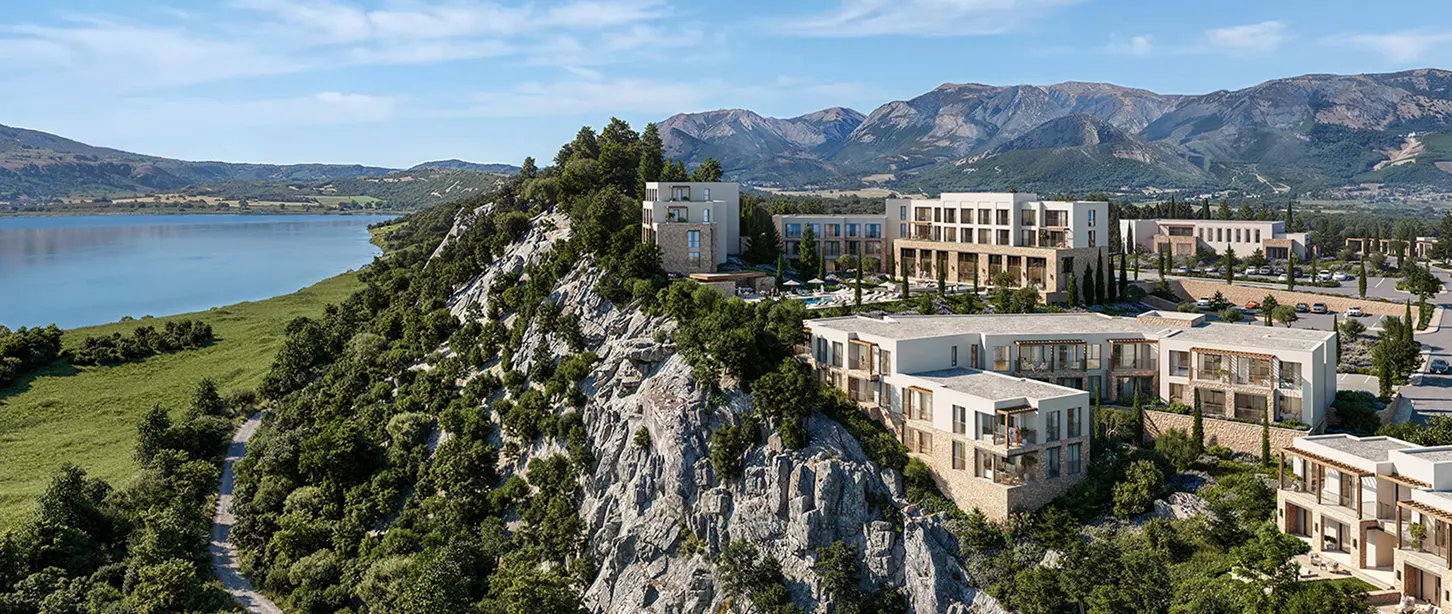
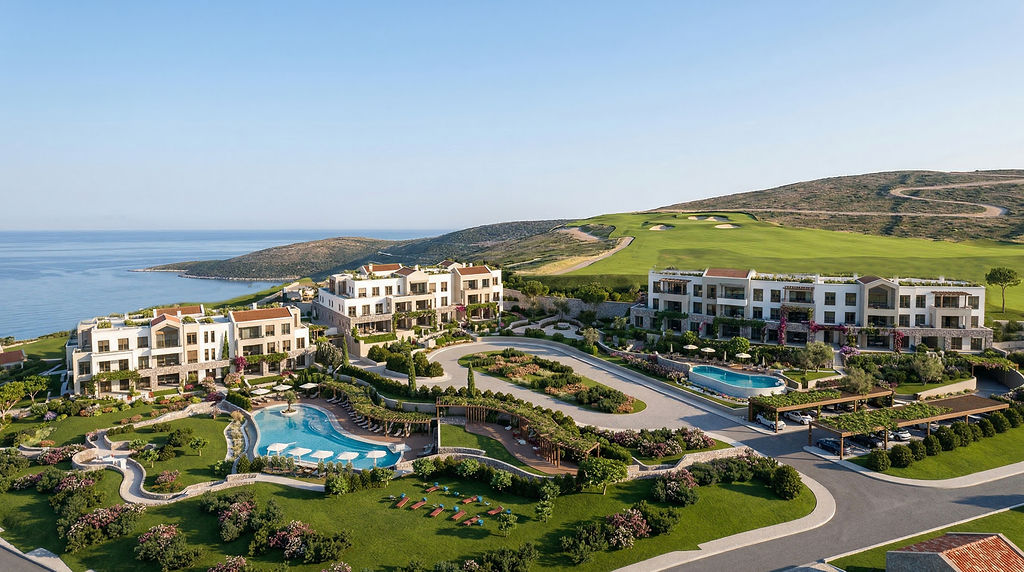
Lustica Bay, a joint venture between Egyptian developer Orascom and the Montenegrin government with a total committed investment of around one billion euros over fifteen years, spans a wider price range. The Chedi resort opened in 2019. Residential prices run from approximately €6,000 to over €15,000 per square metre depending on tier, view and proximity to the marina.
Outside these flagship developments, pricing softens considerably. Budva, the most established resort town, offers a larger inventory of older stock and newer mid-market developments. Podgorica, the capital, is a long-term rental market driven by resident demand rather than tourism. Bar and the north offer value-led opportunities for buyers with longer time horizons.
A detailed comparison of Tivat, Lustica Bay and Budva as investment locations is available in our area comparison guide.
Rental Yields and Return Profiles: What the Data Shows
Montenegro real estate investment returns depend heavily on asset type, location and operational model.
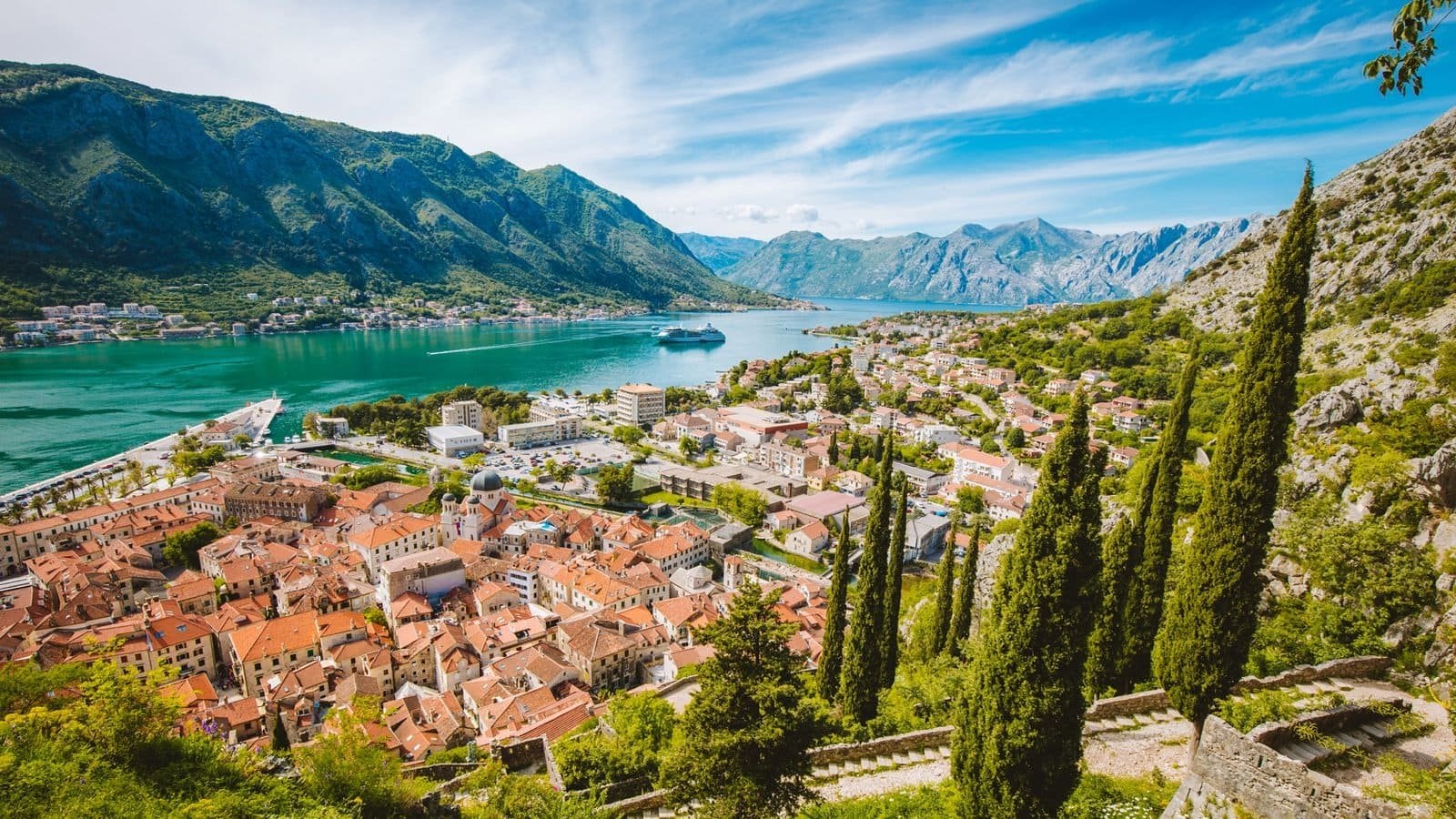
Long-term residential lets in coastal areas such as Kotor Old Town have demonstrated gross yields in the range of 5% to 7% per annum on well-positioned apartments, based on documented transaction patterns. The yield is sustained by year-round residential demand from the growing expat and digital nomad population, rather than purely seasonal tourism.
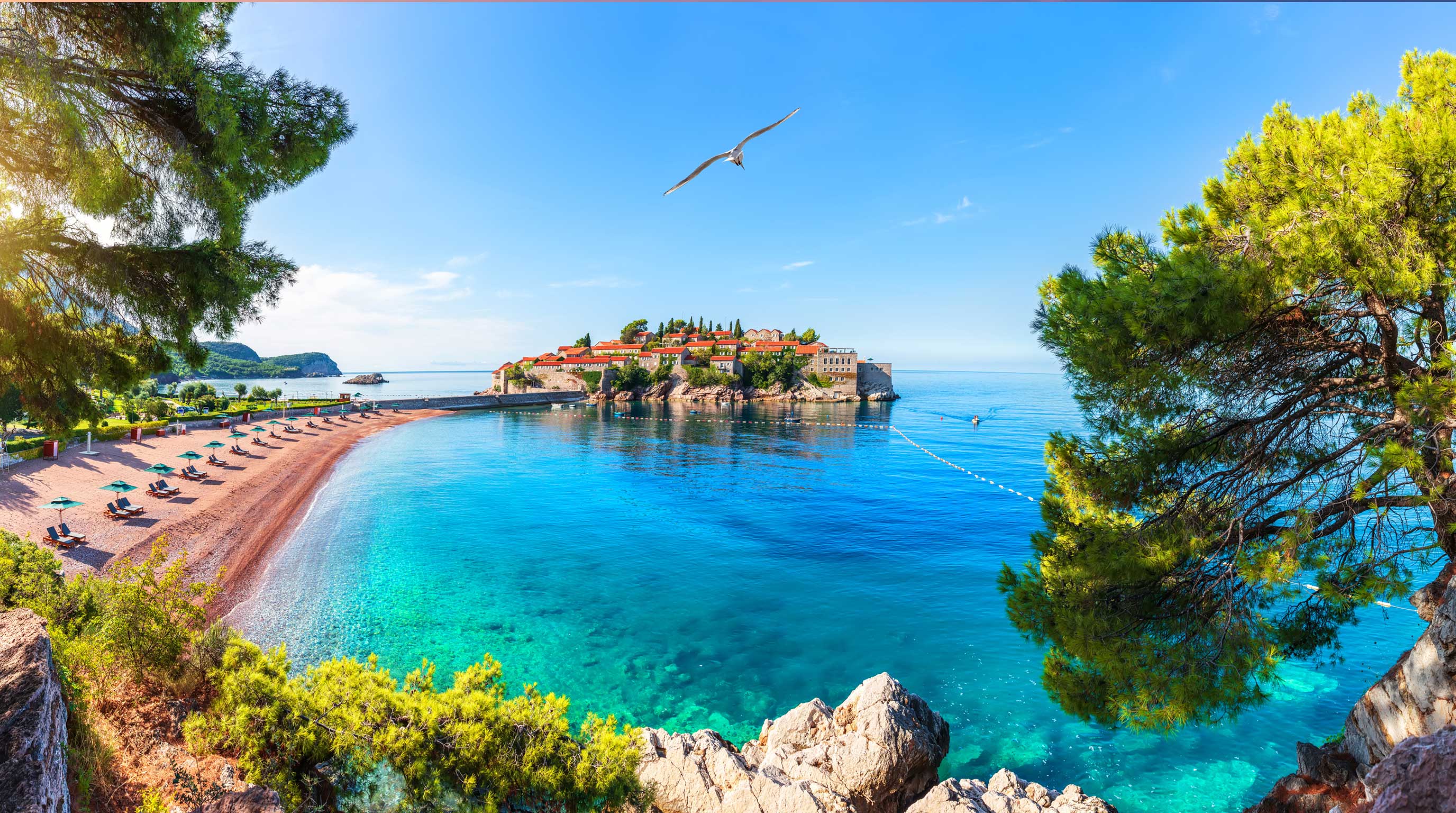
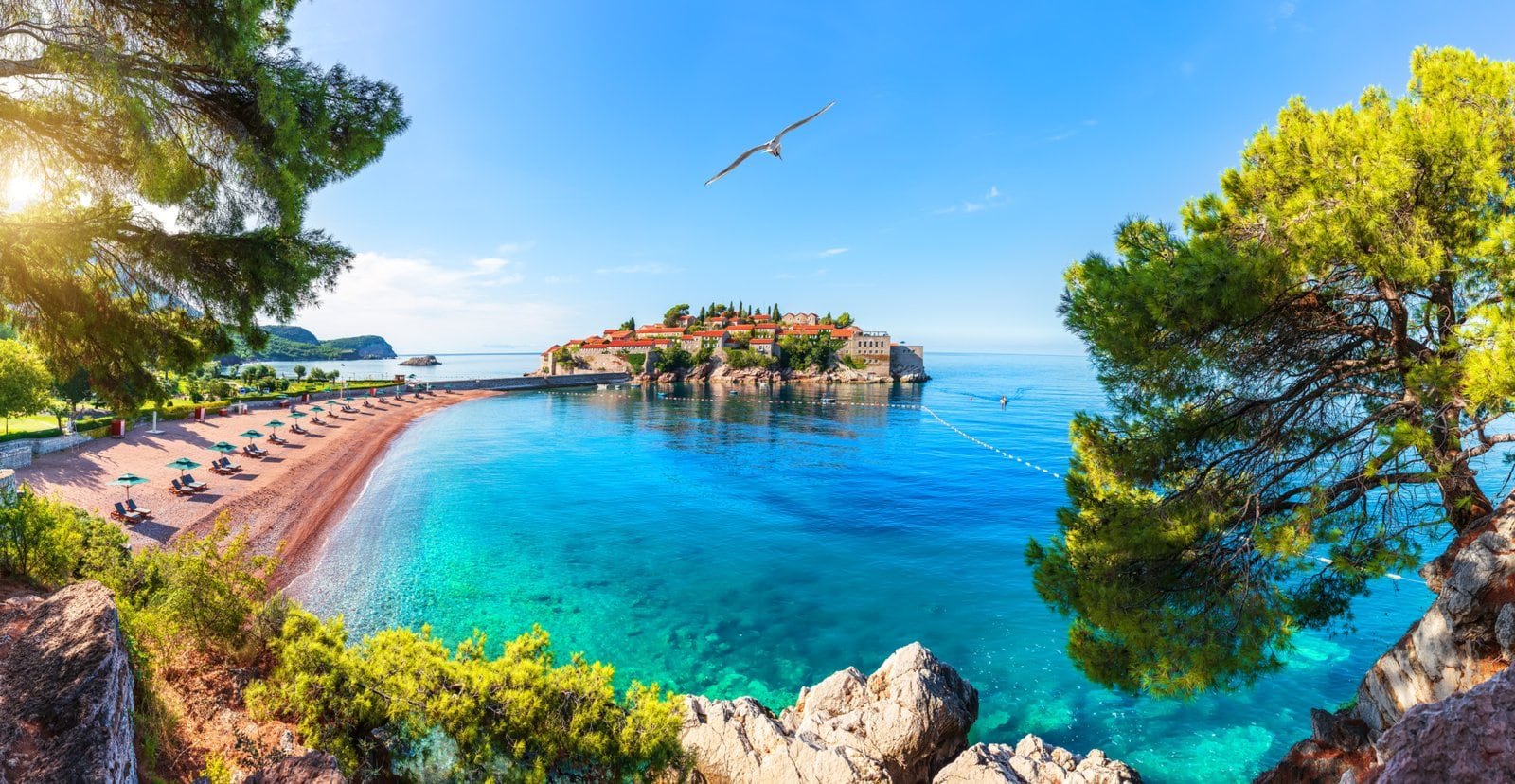
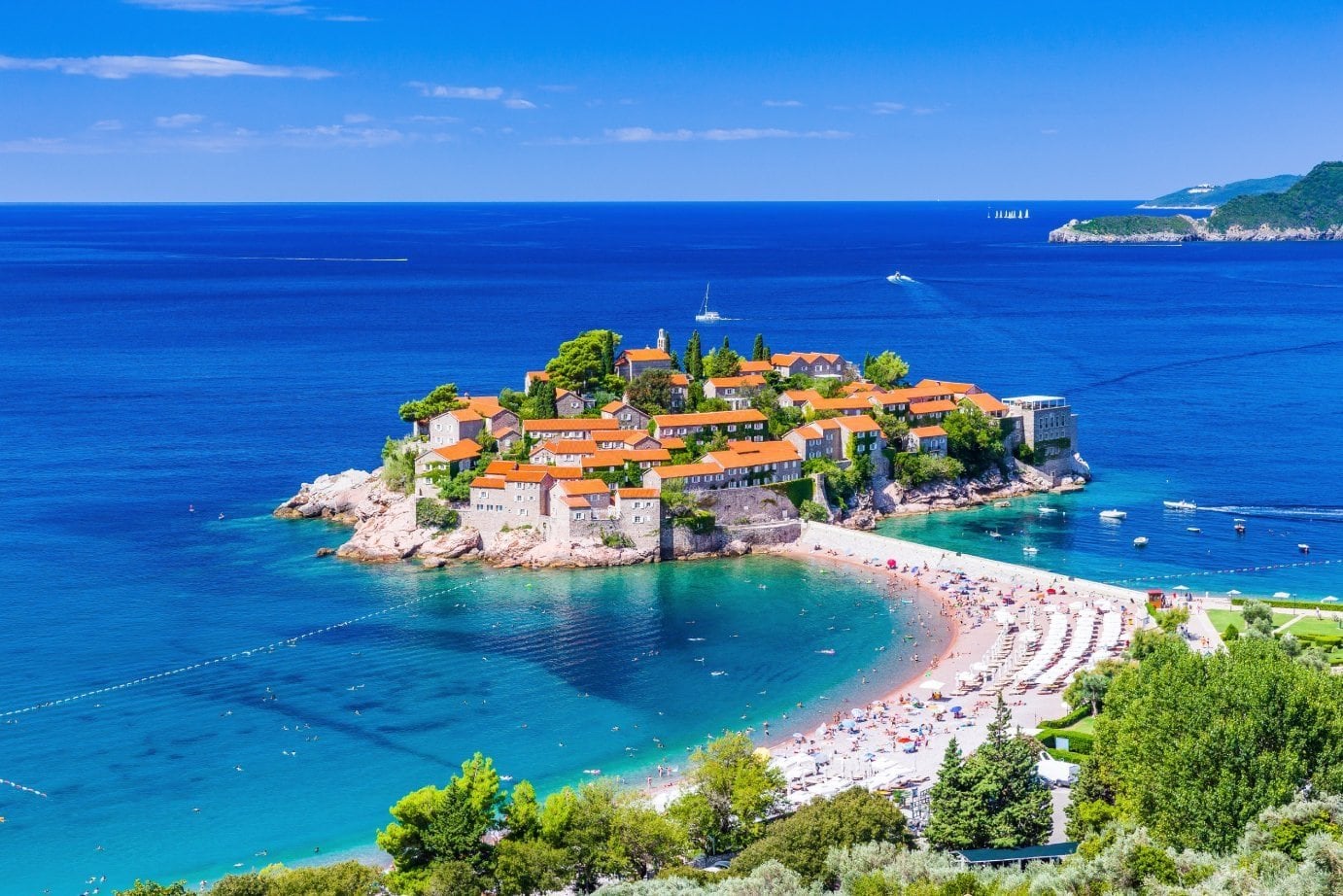
Short-term holiday lets near Sveti Stefan and central Budva have performed well for buyers who operate professionally or work with experienced management. The model suits buyers who can tolerate seasonal income concentration and the management complexity of high-turnover hospitality.
The more compelling documented return in the current cycle has come from development-phase entry and resale. One documented transaction on the Lustica Peninsula involved a villa acquired in early development phase and resold prior to completion at a 50% margin. This is not a universal outcome and carries development risk, but it reflects what happens when global capital enters a structurally undersupplied coastal market at scale.
The key distinction in any Montenegro real estate investment analysis is between the branded resort complexes and the wider market. Branded developments offer lifestyle quality and brand-anchored pricing floors. However, net rental yields at these price points are often modest relative to acquisition cost, and capital appreciation is contingent on the next buyer agreeing to a higher price. The wider market, particularly in Tivat town and established Budva neighbourhoods, offers more straightforward yield-driven returns.
The Demographics Story That Official Statistics Undercount
One of the most significant developments in Montenegro real estate investment since 2022 has been a structural change in who lives in Montenegro, not just who visits.
The full-time population of Montenegro has grown by an estimated 10% since the start of the war in Ukraine, according to observers tracking residency registrations and school enrolments. The primary cohorts driving this shift include: Russian nationals seeking to maintain access to international payment systems and online platforms; Ukrainian nationals of independent means who prefer low-tax, low-cost-of-living environments over Western European refugee support systems; Turkish nationals re-evaluating domestic conditions; and a growing wave of Western Europeans seeking a lower tax and regulatory burden.
Data compiled by Adriatic Appraisal shows Montenegro holds the highest number of Ukrainian refugees per thousand inhabitants in all of Europe. The coastal municipalities of Tivat and Budva are the primary beneficiaries, with population curves that contrast sharply with the declining demographics seen in much of the rest of the country.
This matters for real estate investors because it converts what was a highly seasonal rental market into a year-round residential demand story. International schools are at capacity. The service economy is more resilient. Vacancy risk on long-term lets is structurally lower than it was three years ago.
Montenegro’s position outside the Schengen zone adds a specific digital nomad dimension. High-earning remote workers from North America and other non-Schengen countries, constrained by the 90-day Schengen limit, treat Montenegro as a base to reset their Schengen days while remaining in a comfortable European environment. Average length of stay in Montenegro is measurably higher than in neighbouring countries, partly for this reason, though a significant share of accommodation operates informally and goes undeclared in official tourism data.
The Risks: What Serious Buyers Account For
A credible assessment of Montenegro real estate investment must include the downside.
Montenegro is an economy highly exposed to external shocks. The current account deficit is structural and relies on continued FDI to fund it. Any sustained slowdown in European discretionary spending compresses tourism revenue. The region carries historical geopolitical volatility in neighbouring Bosnia and Kosovo, even if Montenegro itself has maintained a stable trajectory.
The EU accession timeline has been described as imminent for over a decade. 2028 is the current estimate; it is not a guarantee. Much of the investment thesis rests on EU accession closing the valuation gap with Croatia and other Adriatic markets. Delays compress that potential.
Early 2026 brought meaningful changes to residency law, bringing Montenegro into closer alignment with EU norms. Visa-free access is being progressively removed for countries without Schengen equivalency, including Russia, Turkey and Azerbaijan, which have historically been important sources of both tourism and residential demand. These changes will reduce the residency-driven buying pool from certain nationalities in the near term.
Notably, the same period has seen Wizz Air announce a new base at Podgorica airport with 17 new routes planned for 2026, with passenger numbers projected to grow by 50% as a result. Improved EU connectivity directly offsets some of the demand reduction from the residency law changes.
The New Residency Threshold: €150,000 and What It Means
Prior to early 2026, Montenegro’s residency framework was among the most accessible in Europe. Real estate of modest value, combined with a straightforward registration process, was sufficient to establish residency for nationals of a wide range of countries.
The new rules require a minimum qualifying investment of €150,000 in real estate for non-EU nationals seeking residency. Company formation residency for non-EU nationals now also requires documented annual tax and social security contributions of at least €5,000 for renewal eligibility.
For buyers in the Barok Estates International client profile, this threshold is not restrictive. It is, however, worth understanding that the change has shifted the buyer composition in the market. Properties priced below this threshold may see reduced demand from certain buyer segments who were previously motivated primarily by residency access.
A full breakdown of current acquisition costs and holding taxes is available in our Montenegro property taxes guide.
Strategic Entry Points in 2026
For buyers approaching Montenegro real estate investment with a clear-eyed view of risk and return, the following positioning framework applies.
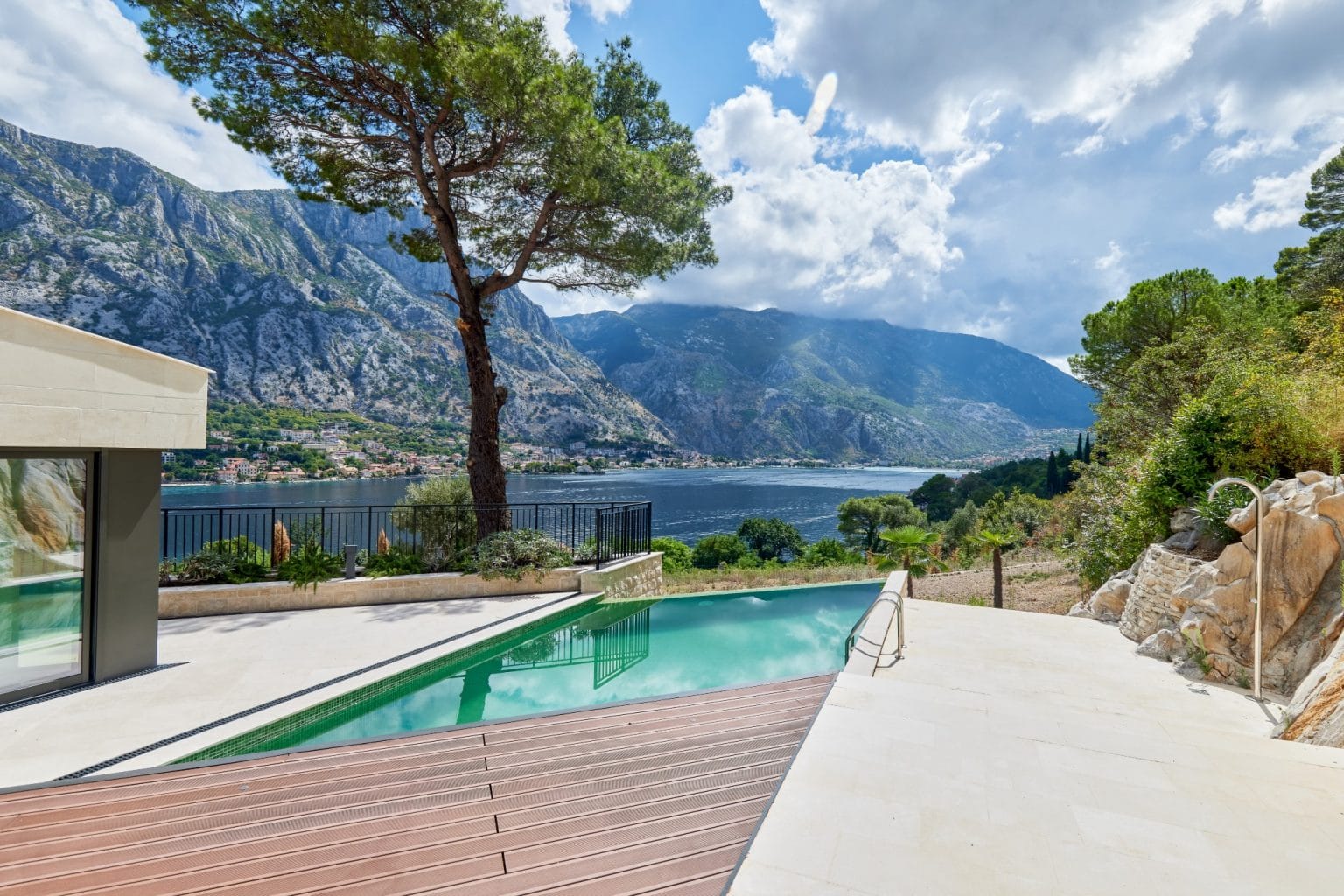
The Bay of Kotor corridor, and Tivat specifically, represents the most liquid sub-market. It has the deepest pool of international buyers, the highest-quality infrastructure and the strongest medium-term demand driven by both tourism and residential growth. Our Tivat property guide covers the specific dynamics of this market in detail.
Budva offers more entry-price flexibility and a larger inventory of established rental stock, though quality varies widely and due diligence on title and construction standards is essential. Our comparison guide addresses this directly.
Development-phase entry within branded resort complexes carries higher risk and lower short-term yield but provides access to a globally recognised product at pre-completion pricing. This route suits capital-patient buyers with a five to seven year horizon. The UHNW buyers guide to Montenegro explores this further.
Podgorica’s residential market is a yield-driven long-term let story anchored by resident rather than tourist demand. Yields are steadier but the capital appreciation narrative is more dependent on EU accession than on tourism.
The full Montenegro real estate market analysis is available in our Montenegro real estate hub.
Barok Estates International operates as preferred brokerage partner for several of the major development projects along the Montenegrin Adriatic coast. Our advisory team provides access to pre-launch inventory, transaction management across jurisdictions and portfolio positioning guidance for international buyers structuring their first or subsequent Montenegro acquisition.
For confidential availability and consultation: barokestates.com/contact
Is Montenegro real estate a good investment in 2026?
Montenegro offers a combination of strong GDP growth (3%+ per year by IMF data), expanding luxury infrastructure, EU accession trajectory and a structural increase in year-round residential population. The best-performing assets have been development-phase acquisitions in the Bay of Kotor and long-term residential lets in coastal towns with growing expat populations. As with any emerging market, risk management and asset selection are critical.
What is the minimum investment for Montenegro residency in 2026?
Montenegro raised its minimum qualifying real estate investment for non-EU nationals to 150,000 euros in early 2026, aligning more closely with European standards. Company formation residency for non-EU nationals now also requires documented annual tax and social security contributions of at least 5,000 euros for renewal.
What are typical rental yields on Montenegro property?
Long-term residential lets in well-located coastal areas have delivered documented gross yields in the range of 5% to 7% per annum. Short-term holiday lets near Sveti Stefan and Budva have performed well in the right locations with professional management. Yields at ultra-luxury branded resort complexes tend to be lower relative to purchase price but are supported by strong brand recognition and liquidity.
Where are property prices highest in Montenegro?
The Bay of Kotor corridor commands the highest prices. Porto Montenegro reports prices from approximately 8,000 euros per square metre for standard positions to over 14,000 euros per square metre for sea-view residences. Porto Novi sits at around 12,000 euros per square metre. Lustica Bay spans 6,000 to over 15,000 euros per square metre. Budva and Podgorica offer significantly lower entry points.
When will Montenegro join the EU?
The current estimate for EU accession is 2028, though the timeline has shifted before. EU membership is expected to close the valuation gap with Croatia and other Adriatic EU member states, which is a key component of the long-term capital appreciation thesis for Montenegro real estate investment.
Is Montenegro in the Schengen zone?
No. Montenegro is outside the Schengen zone. This is a draw for digital nomads and international remote workers from North America and other non-EU countries who are constrained by the 90-day Schengen limit. Montenegro functions as a base from which to reset Schengen eligibility while remaining in a comfortable Adriatic environment.






.jpg)