Montenegro remains one of Europe’s most accessible retirement destinations for internationally mobile buyers, but January 2026 brought the most significant residency rule change in a decade: non-EU nationals must now purchase property with a tax-assessed value of at least €150,000 to qualify for residency through the property route. That single threshold redraws the map for anyone planning a retirement here on a modest budget, and it demands a more precise approach to both acquisition and planning than was required in previous years.
The shift reflects a broader pattern across Southern Europe. Montenegro’s government is calibrating its residency framework to attract buyers who will contribute meaningfully to the local economy rather than hold minimal assets purely for permit purposes. Consequently, the communities forming in Tivat, around the Bay of Kotor and along the Budva Riviera are, on balance, more stable and better resourced than they were five years ago. For the serious retirement buyer, the new rules function as a useful filter rather than an obstacle.
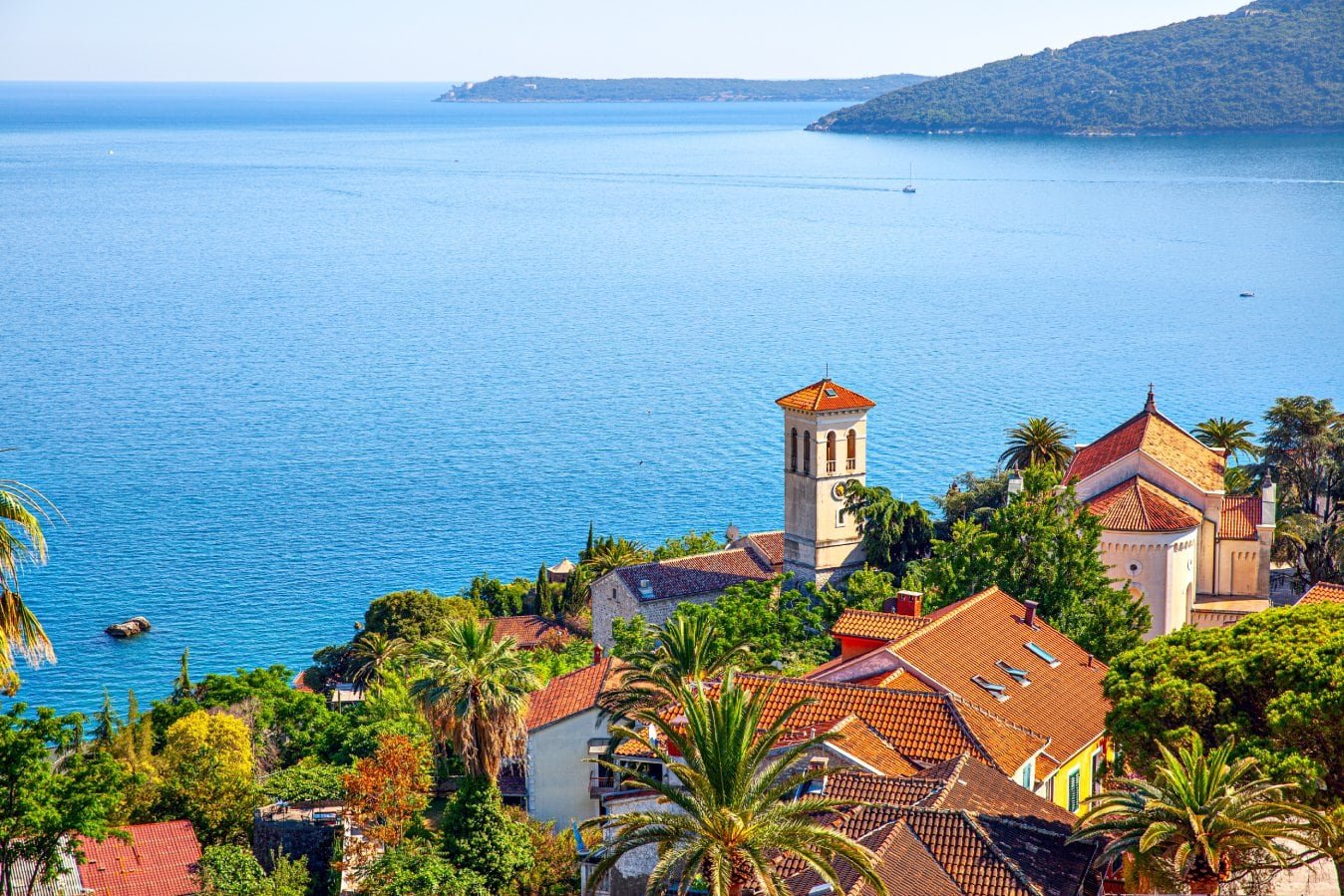
What the January 2026 amendments did not change is the core case for retiring here. Montenegro offers low personal income tax rates, a cost of living that remains considerably below the Western European average, and access to one of the most dramatic coastlines on the continent. The Bay of Kotor and the Adriatic littoral continue to attract capital from the United Kingdom, Scandinavia, the Gulf states and North America. The infrastructure supporting full-time international residents has improved materially, and the question for most buyers is no longer whether Montenegro is viable but which part of it suits their particular retirement profile.
What Changed in January 2026
The Ministry of Interior’s January 2026 amendments to the Law on Foreigners introduced two headline changes for non-EU, non-EEA and non-Swiss nationals. The first is the €150,000 property threshold. That figure is determined by the Montenegrin tax authority during the real estate transfer tax process and is not necessarily identical to the purchase price. Properties that do not meet the threshold, including bare land and ruins, do not qualify for the property-based route.
The second change concerns company-based residency. Non-EU nationals who establish a Montenegrin limited liability company (DOO) for residency purposes must now demonstrate that the company pays at least €5,000 per year in combined taxes and social contributions. This closes the earlier practice of forming a nominal company with zero business activity purely to satisfy the permit requirement.
EU and EEA nationals are exempt from both thresholds. For European buyers, the framework in 2026 remains essentially as accessible as it was before the amendments, with property value requirements applying only to the general eligibility criteria that have always existed. Non-Swiss EEA citizens should nonetheless verify current specifics with a local legal adviser, as the implementing regulations are recent enough that some nuances are still being interpreted in practice.
Two Routes to Residency
For non-EU retirees, the practical choice lies between the property route and the company route. The property route is simpler for most people considering full-time retirement. A qualifying apartment or villa with a tax-assessed value of €150,000 or more, with clean title, no outstanding debts and no legal disputes, forms the basis of the application. You must hold at least 50 percent ownership of the qualifying property. The physical presence requirement is also material: the property route assumes you are genuinely living in Montenegro for the greater part of the year, and the permit is renewed annually on that basis.
The company route suits buyers who prefer to retain capital flexibility or who intend to continue light business activity during retirement. A Montenegrin DOO can be formed with minimal capital, though the director appointment requires a high-school diploma that must be apostilled, translated and, for some nationalities, officially validated by the Ministry of Education. The €5,000 annual tax and social-contribution requirement adds a real operating cost, but for buyers with business interests or consulting income, the structure can serve multiple purposes simultaneously.
Both routes lead to a one-year renewable temporary residence permit. After five years of continuous, legal residency, permanent residence becomes available. That timeline is an important planning variable for buyers who intend eventually to seek Montenegrin permanent residence as part of a longer-term estate or tax strategy. For a full overview of the purchase process and associated costs, Barok’s Montenegro property guide for 2026 covers the transaction framework in detail.
Tax as a Resident: What Retirees Actually Pay
Montenegro applies a broadly flat personal income tax structure at rates that are considerably lower than most Western European equivalents. Foreign pensions are treated as ordinary income and are taxable in Montenegro if you are tax resident there, though double-taxation treaties with your home country may allocate or credit those liabilities. Tax residence follows the standard 183-day rule, and given that the property-based permit requires physical presence for most of the year, retirement buyers will almost always become tax resident.
For buyers relocating from the United Kingdom, Northern Europe or North America, that outcome is frequently the point: Montenegro’s effective burden on retirement income tends to be materially lighter than equivalent income taxed at home. That said, exit-tax implications in your departing jurisdiction and the specific terms of any applicable tax treaty require professional advice before you make any irreversible decisions.
Property taxes are levied annually by the relevant municipality and are modest by Western standards. The real estate transfer tax on purchase is progressive: 3 percent applies on the first tranche of the tax-assessed value, 5 percent on the middle band and 6 percent on amounts above a higher threshold. Buyers who have been quoted a flat 3 percent should verify the full calculation with their legal adviser before exchange. Barok’s guide to Montenegro property taxes and purchase costs sets out the full framework, including the municipality-by-municipality variations that can affect total acquisition cost.
Where Retirement Buyers Are Positioning
The two primary markets for retiring international buyers are the Bay of Kotor and the Budva Riviera. Each serves a distinct profile, and the choice between them shapes not just the lifestyle but the likely performance of the underlying asset.
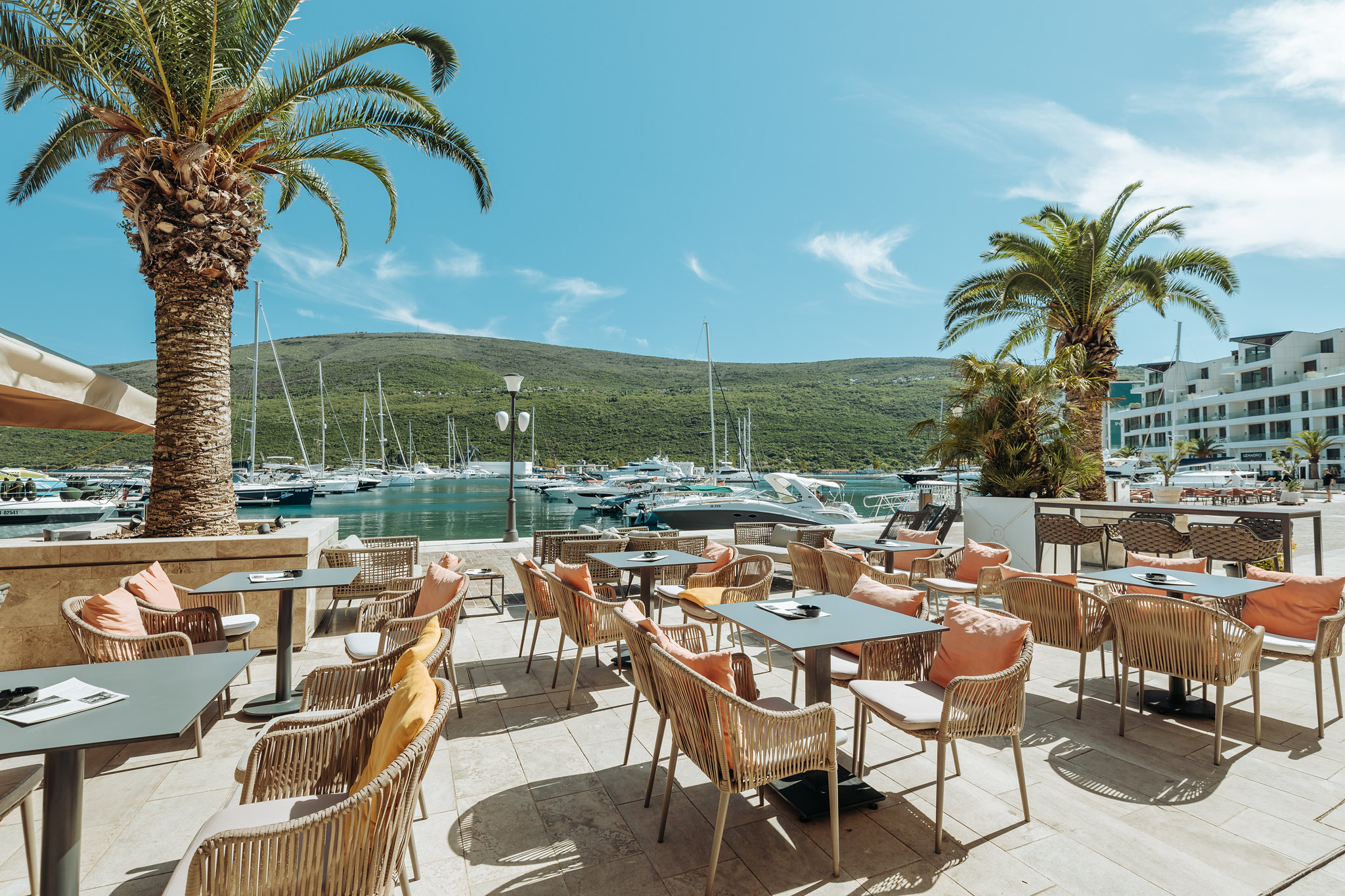
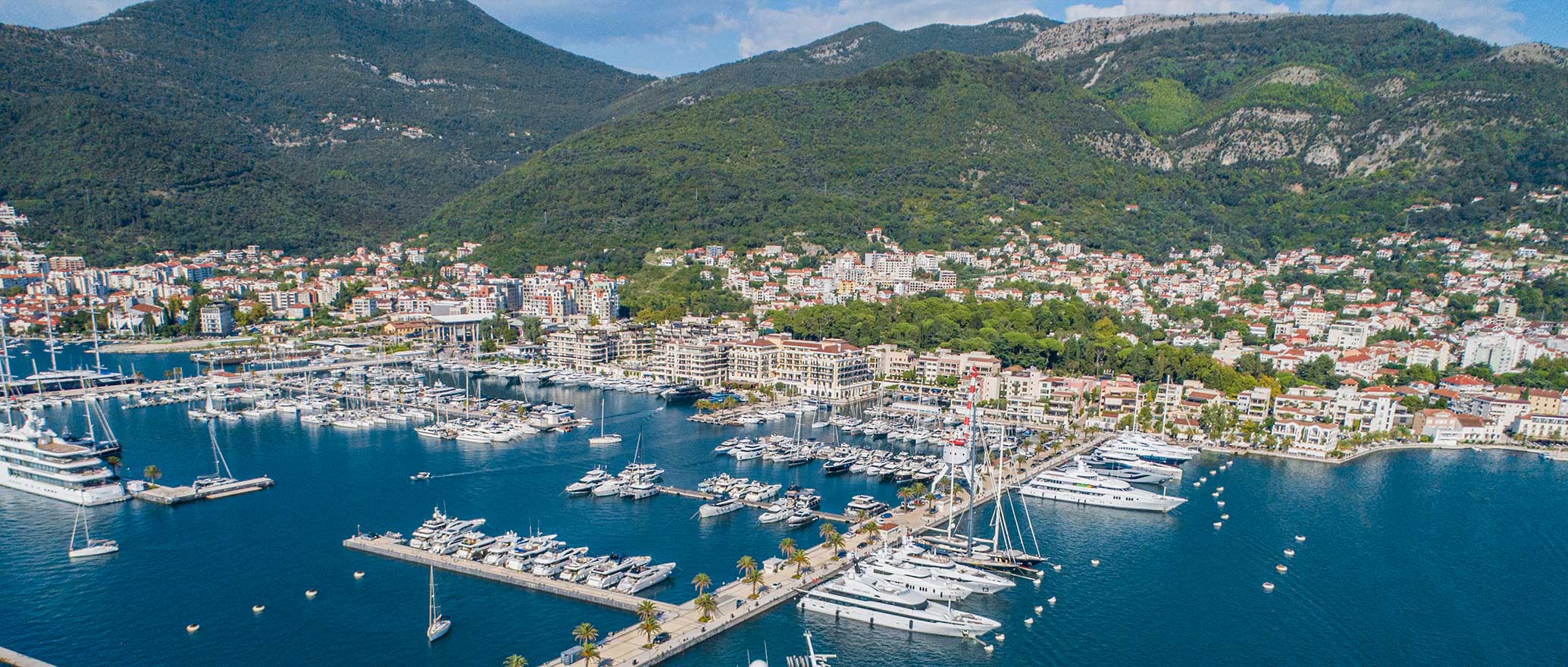
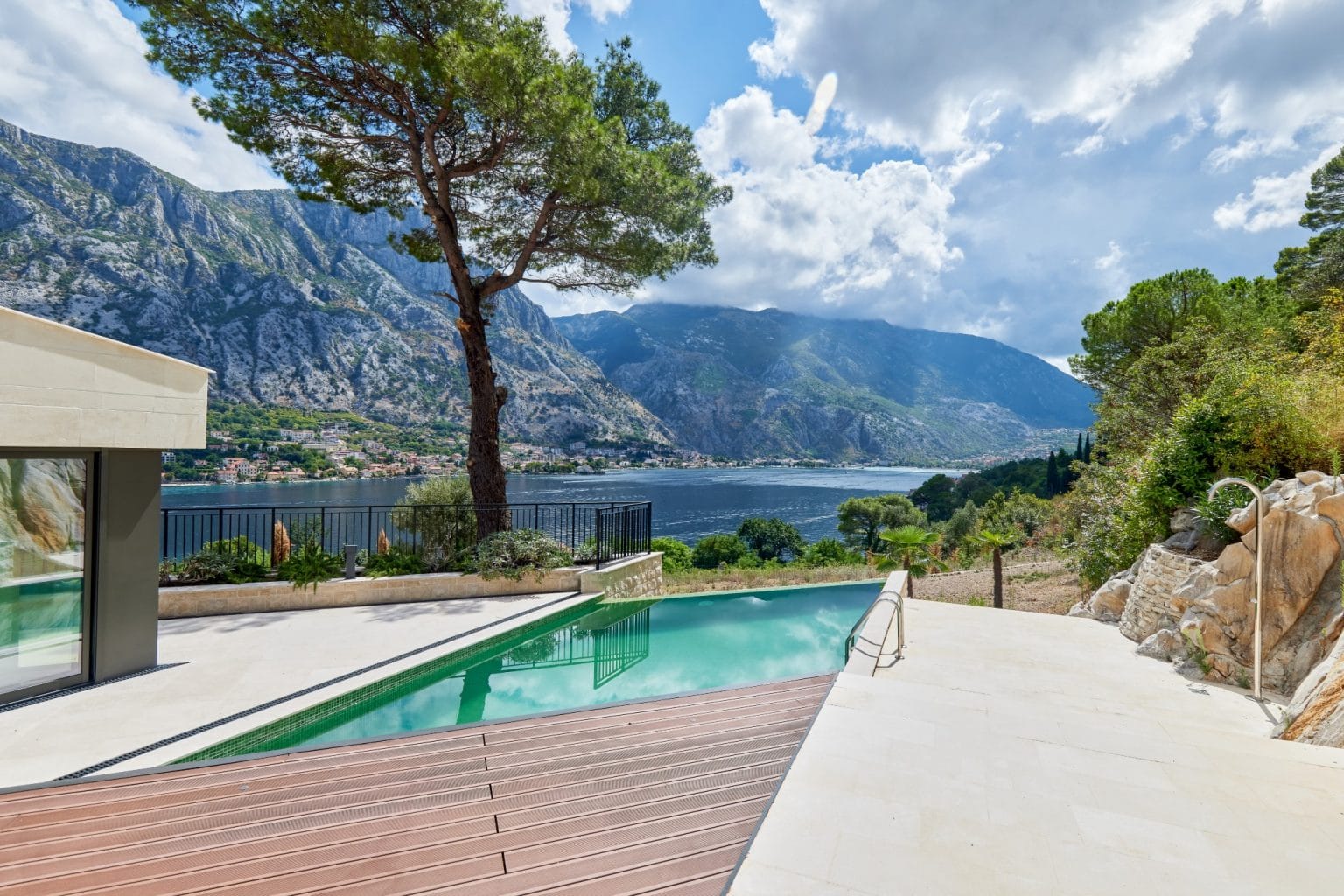
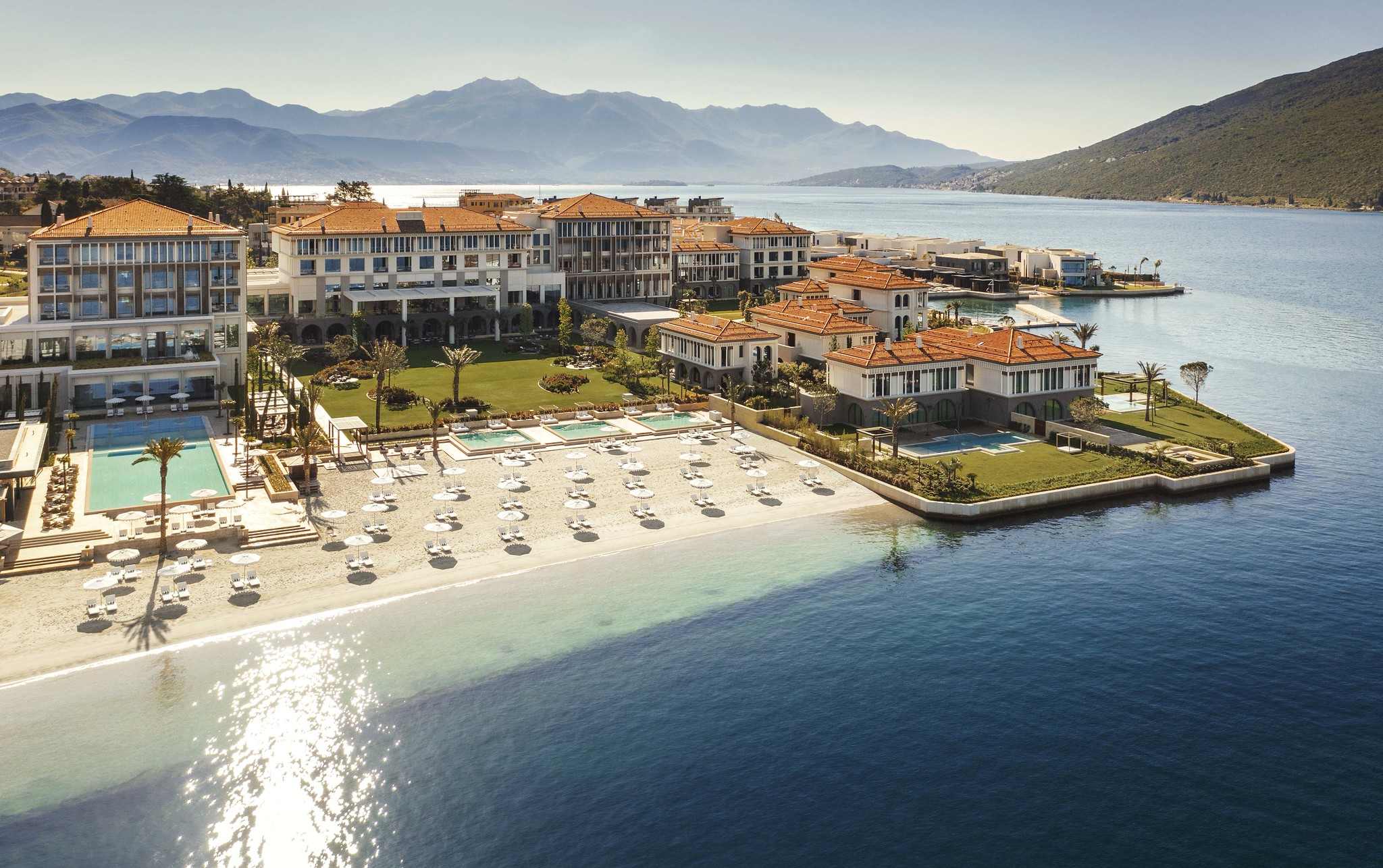
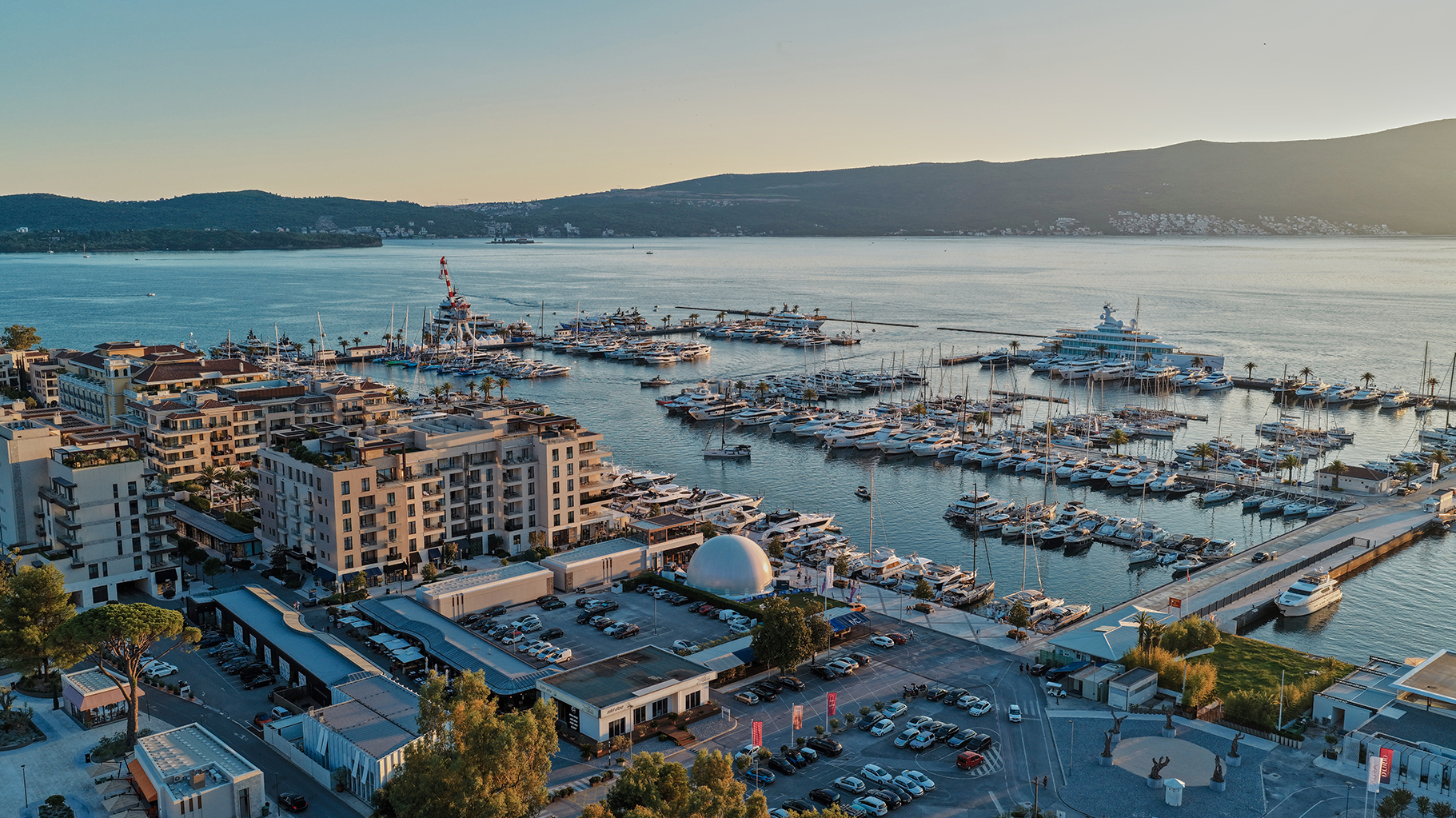
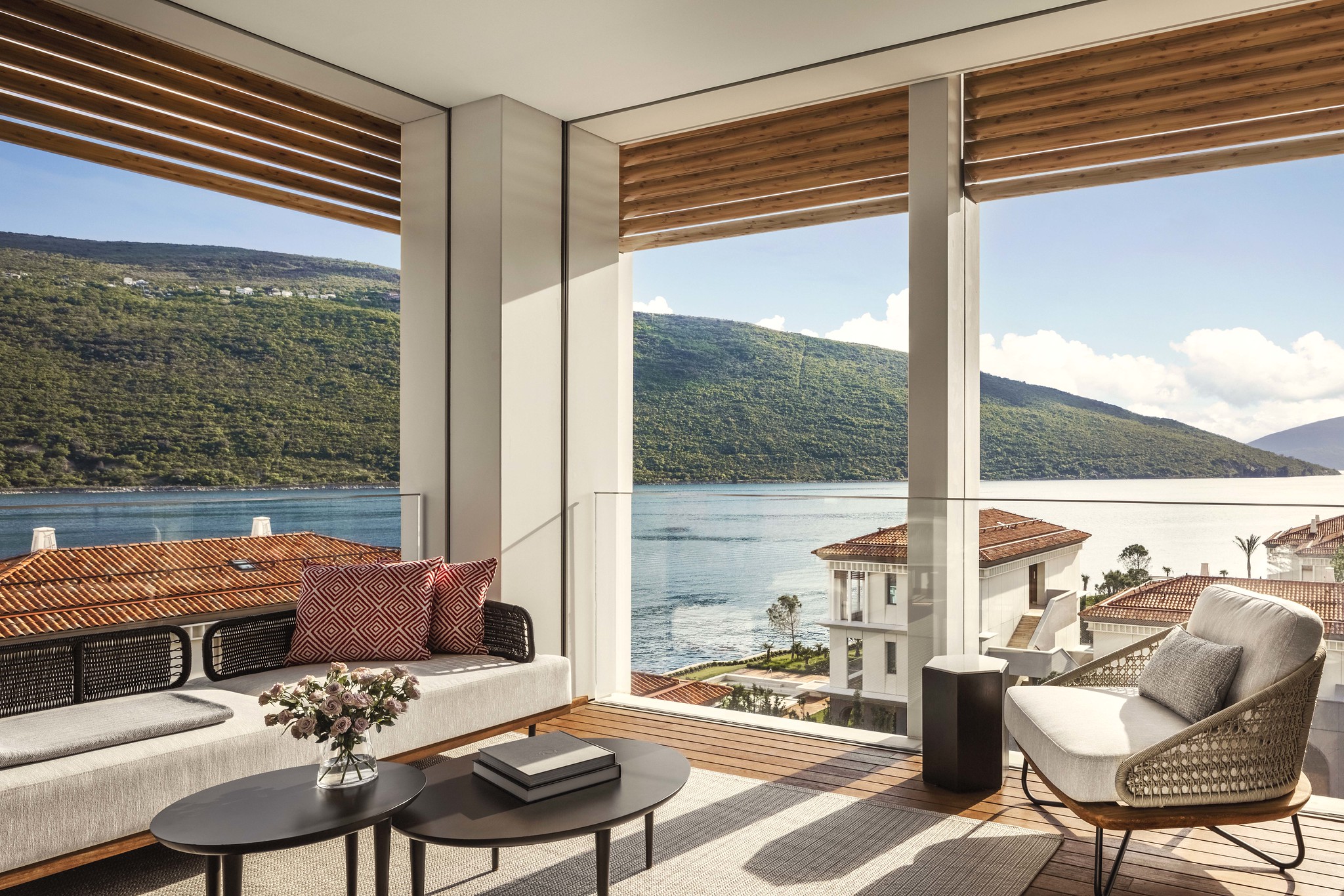
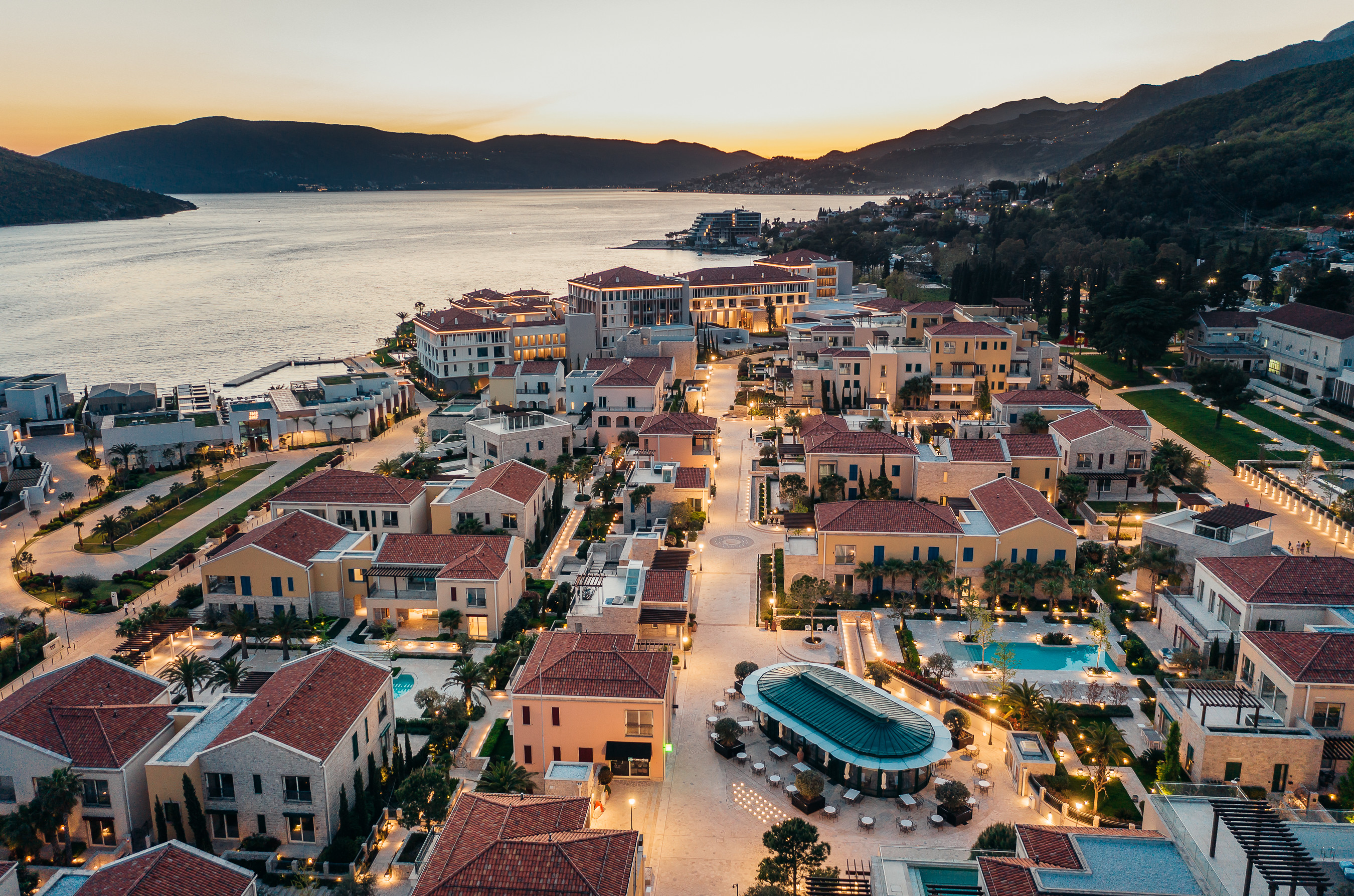
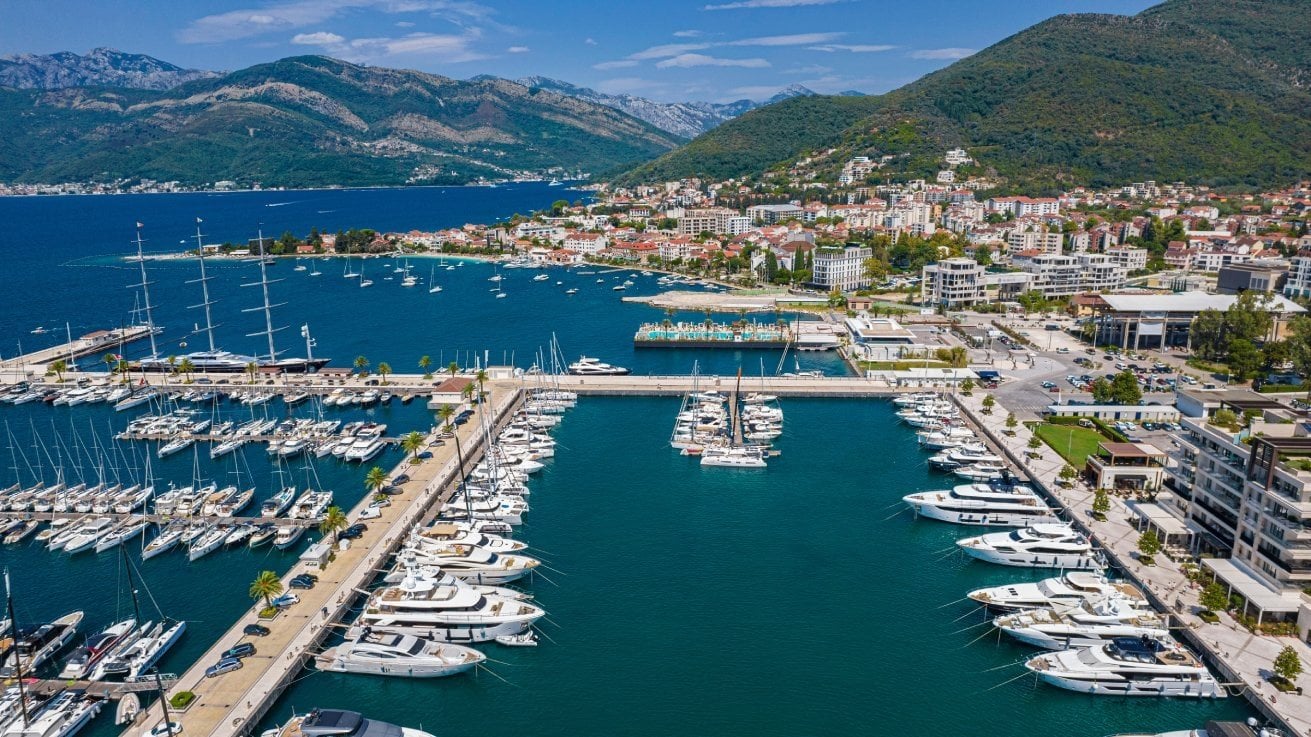
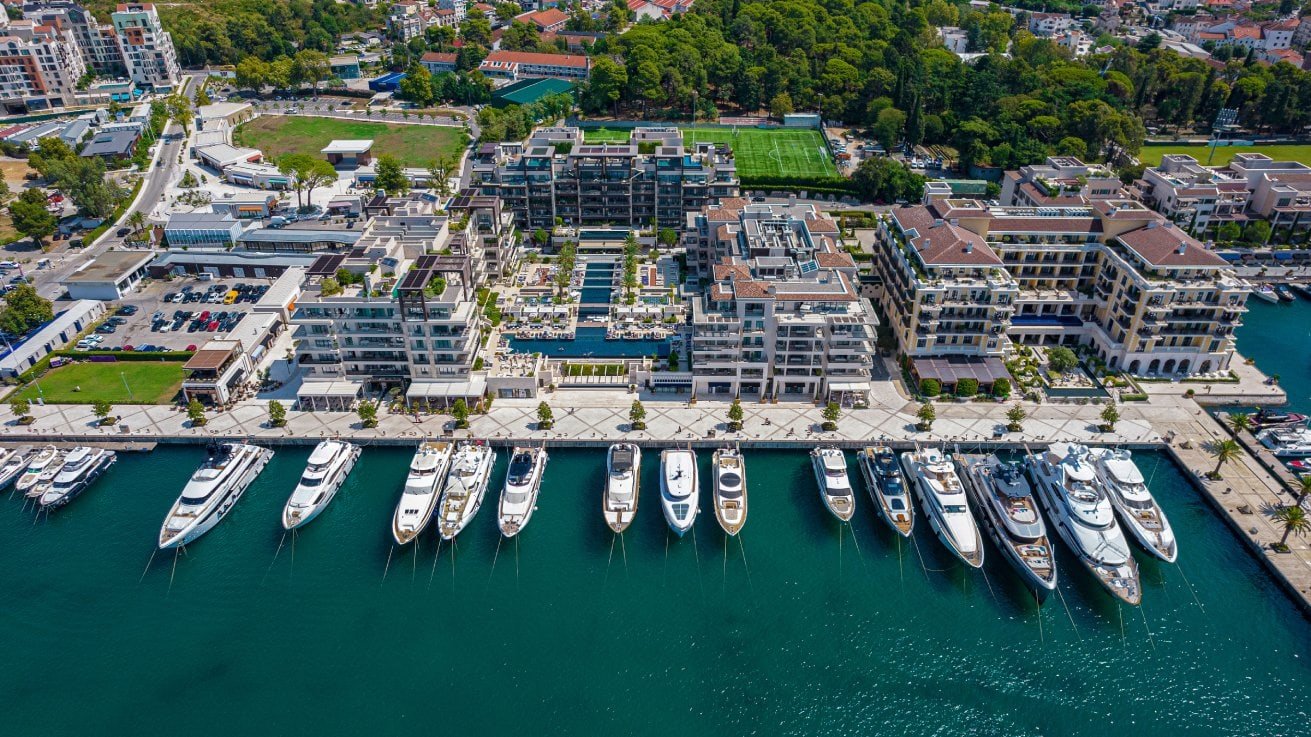
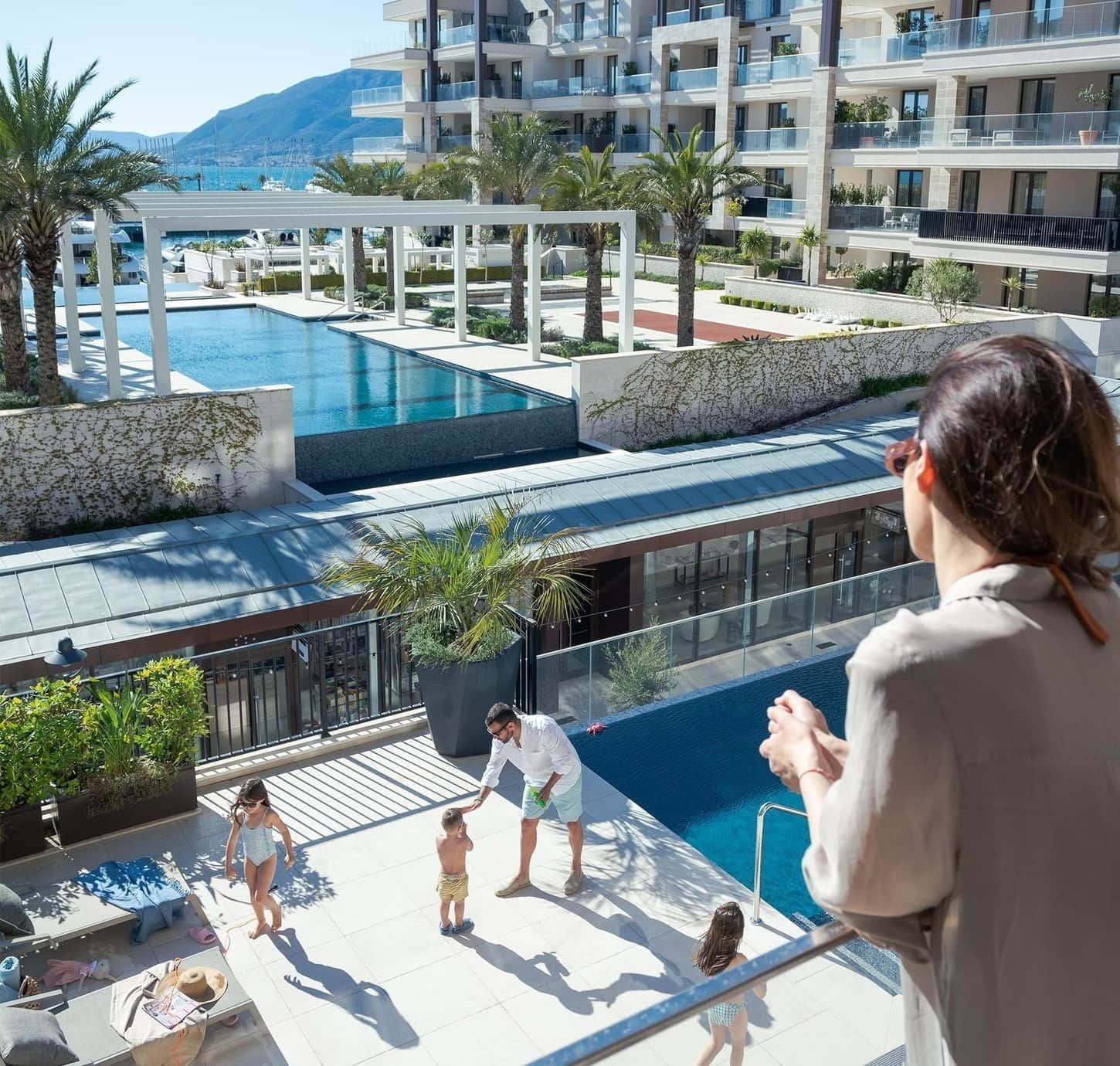
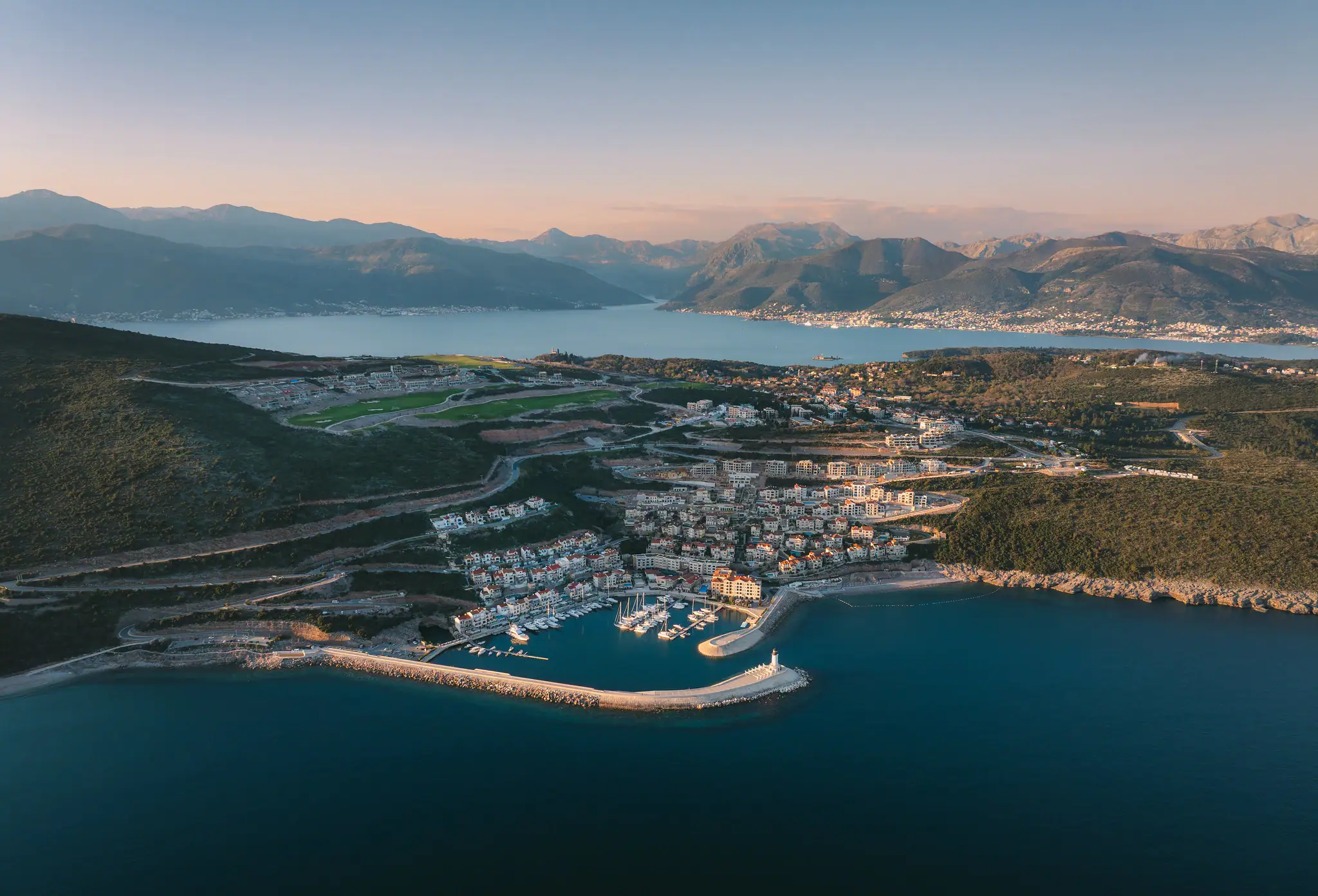
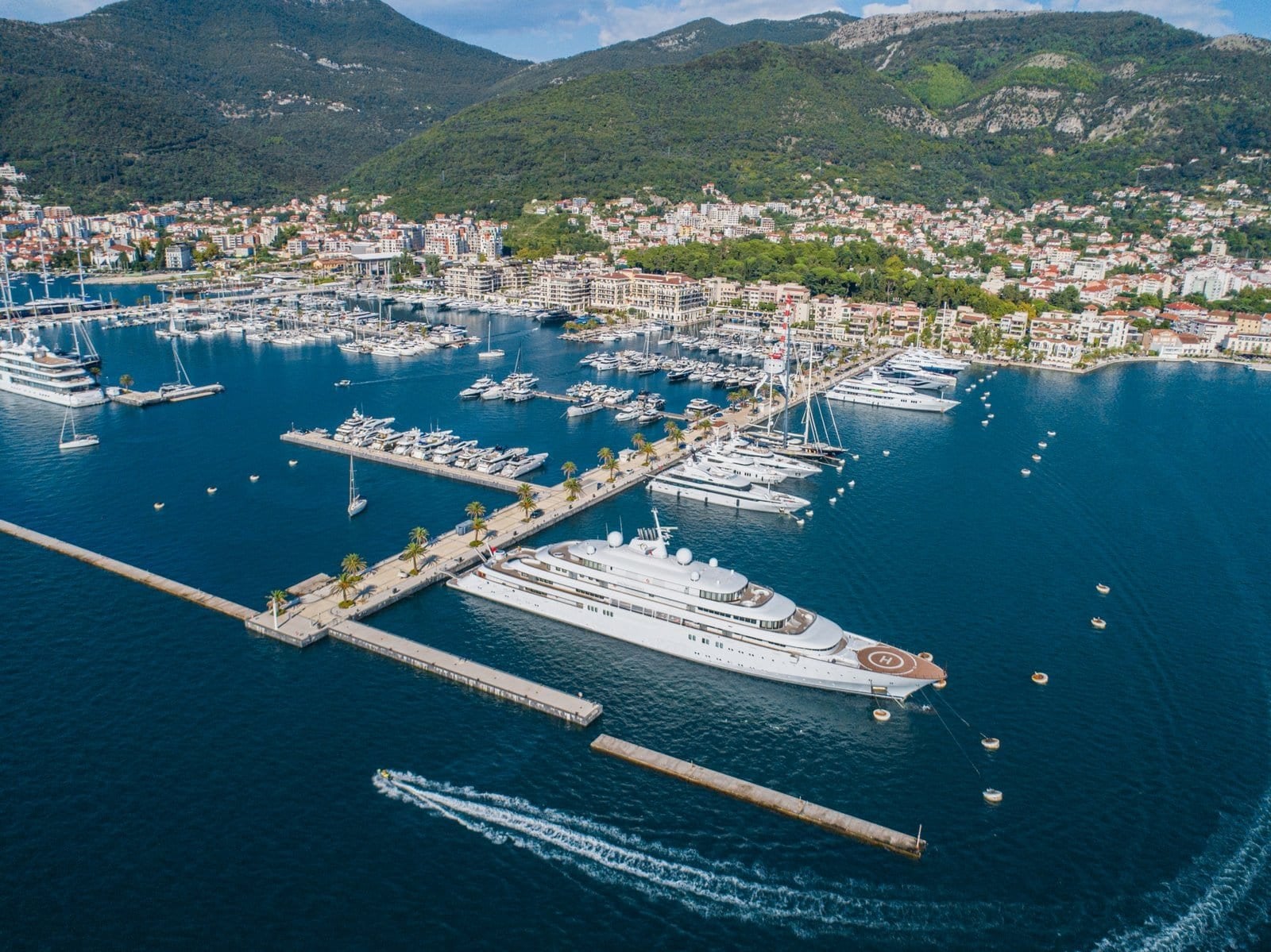
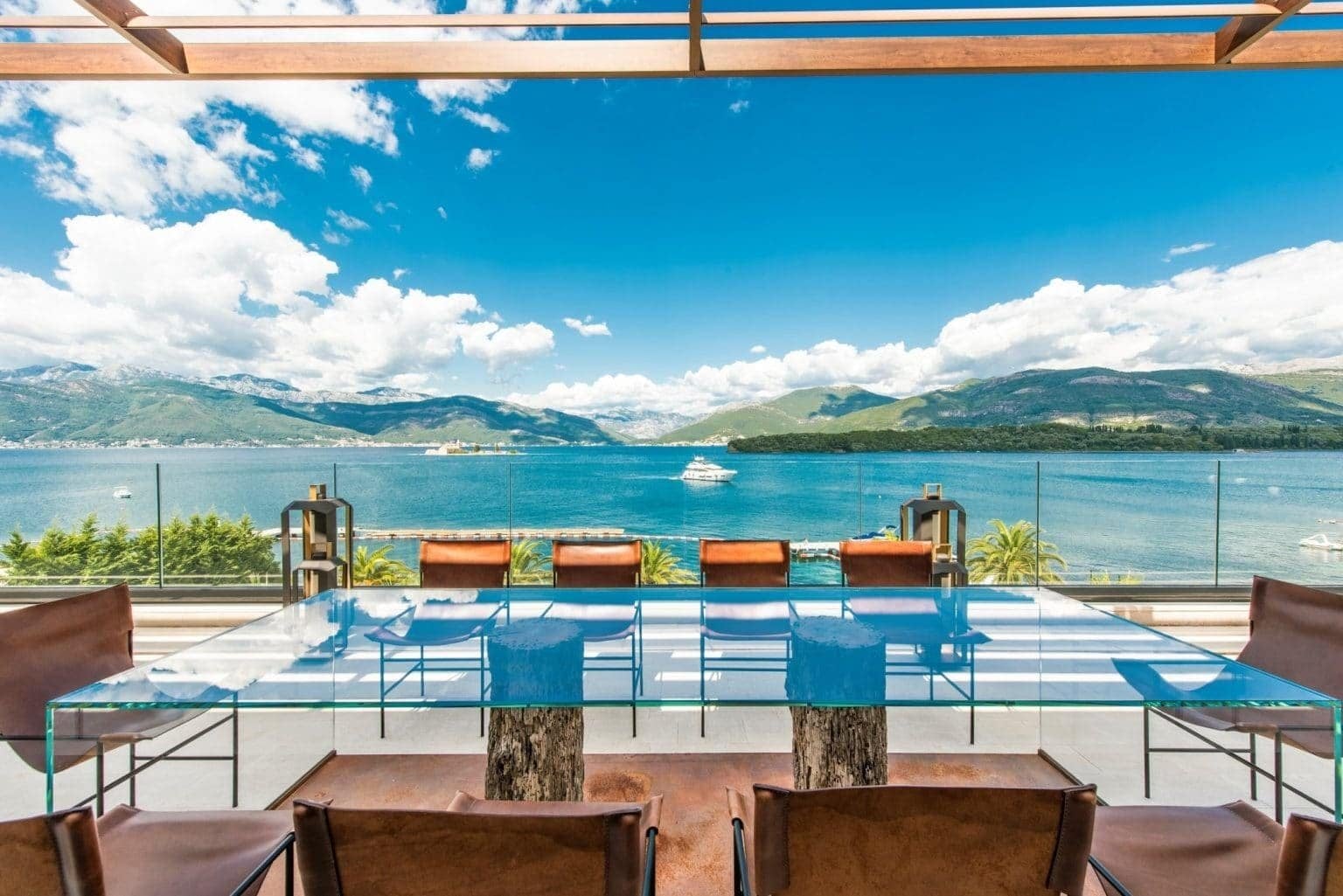
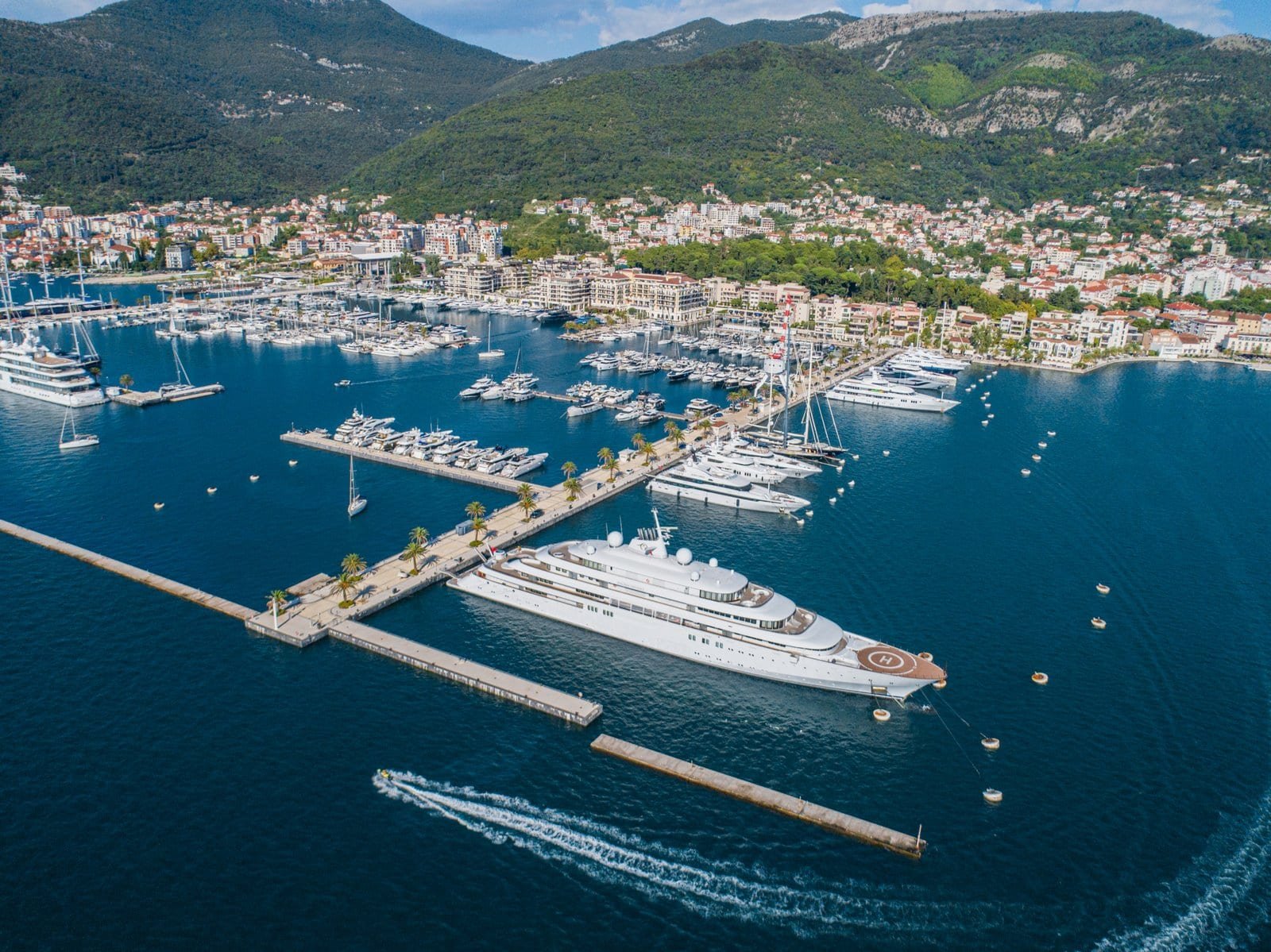
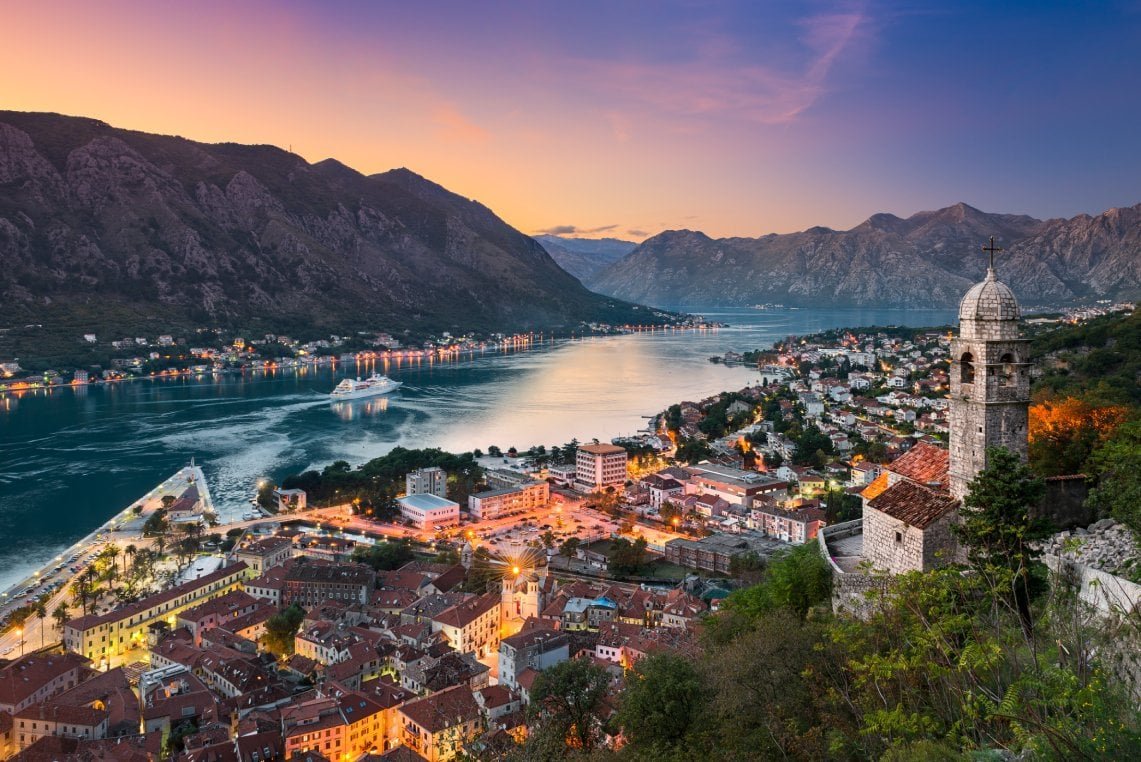
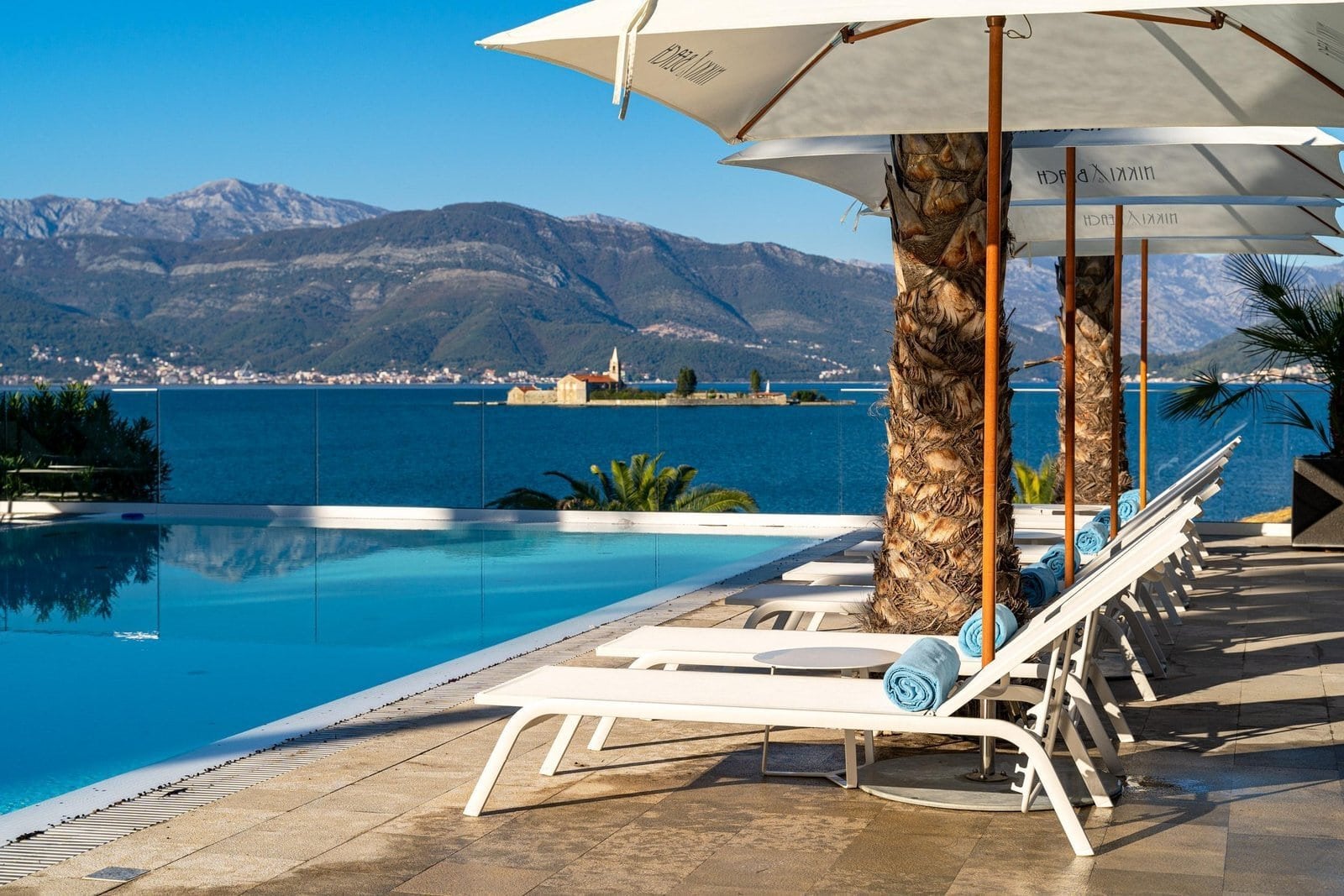
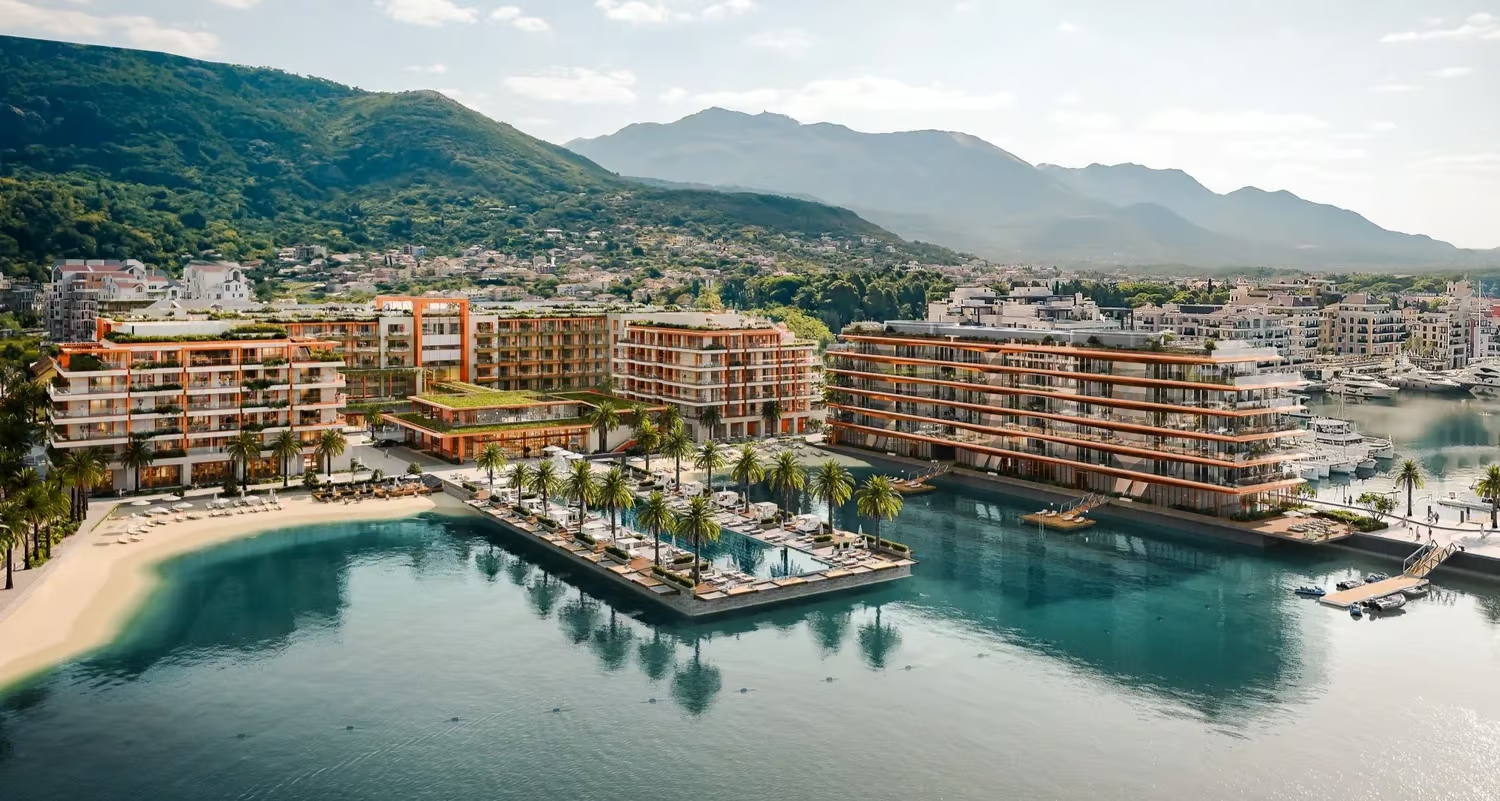
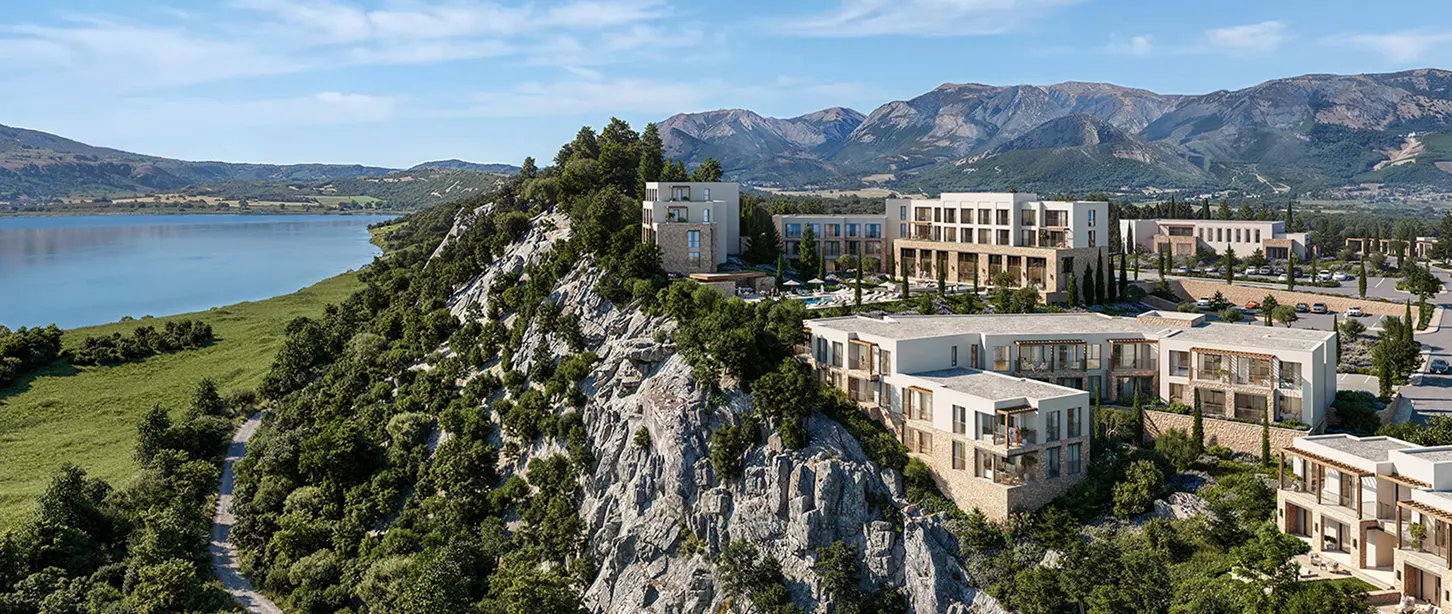
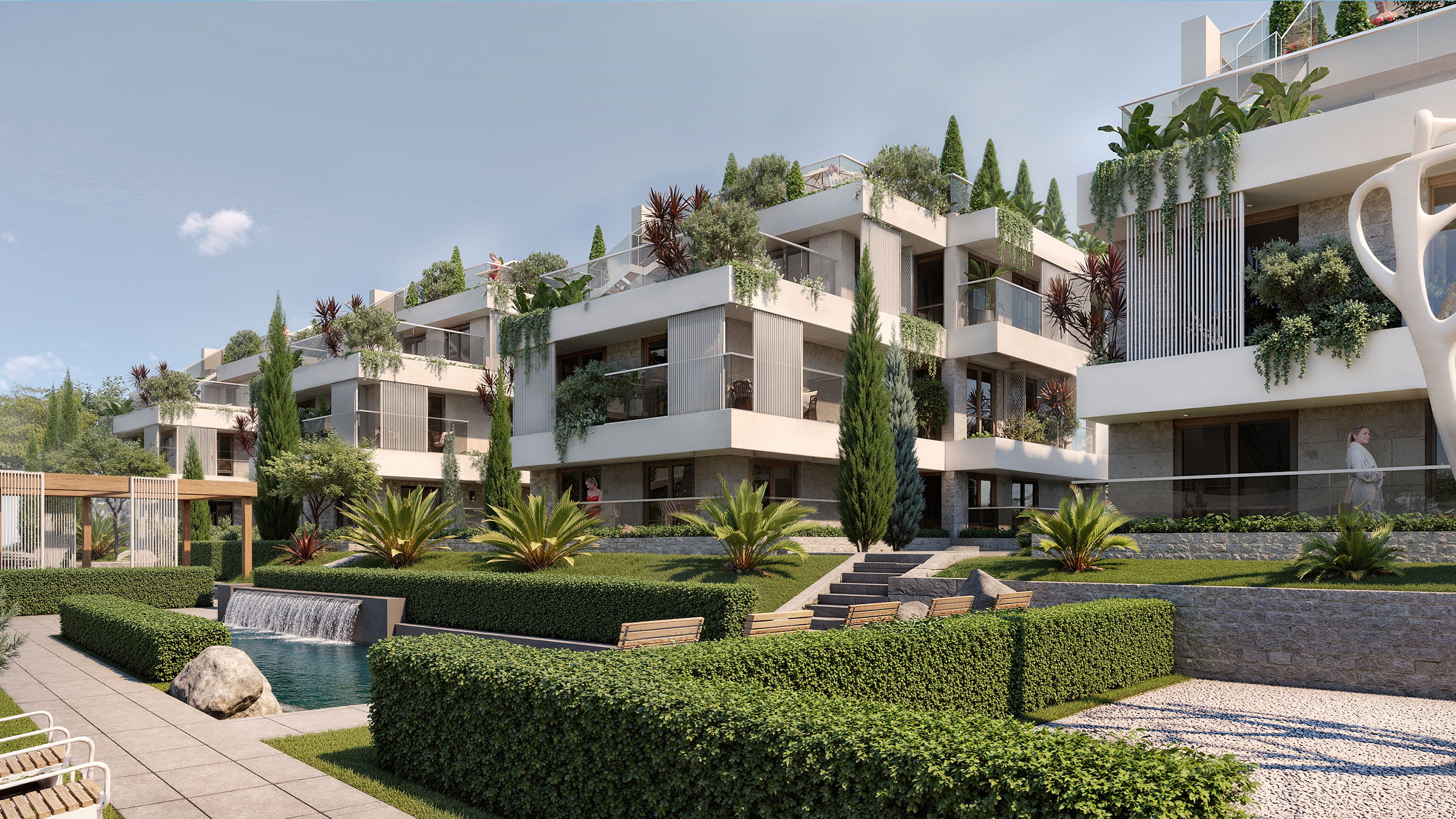
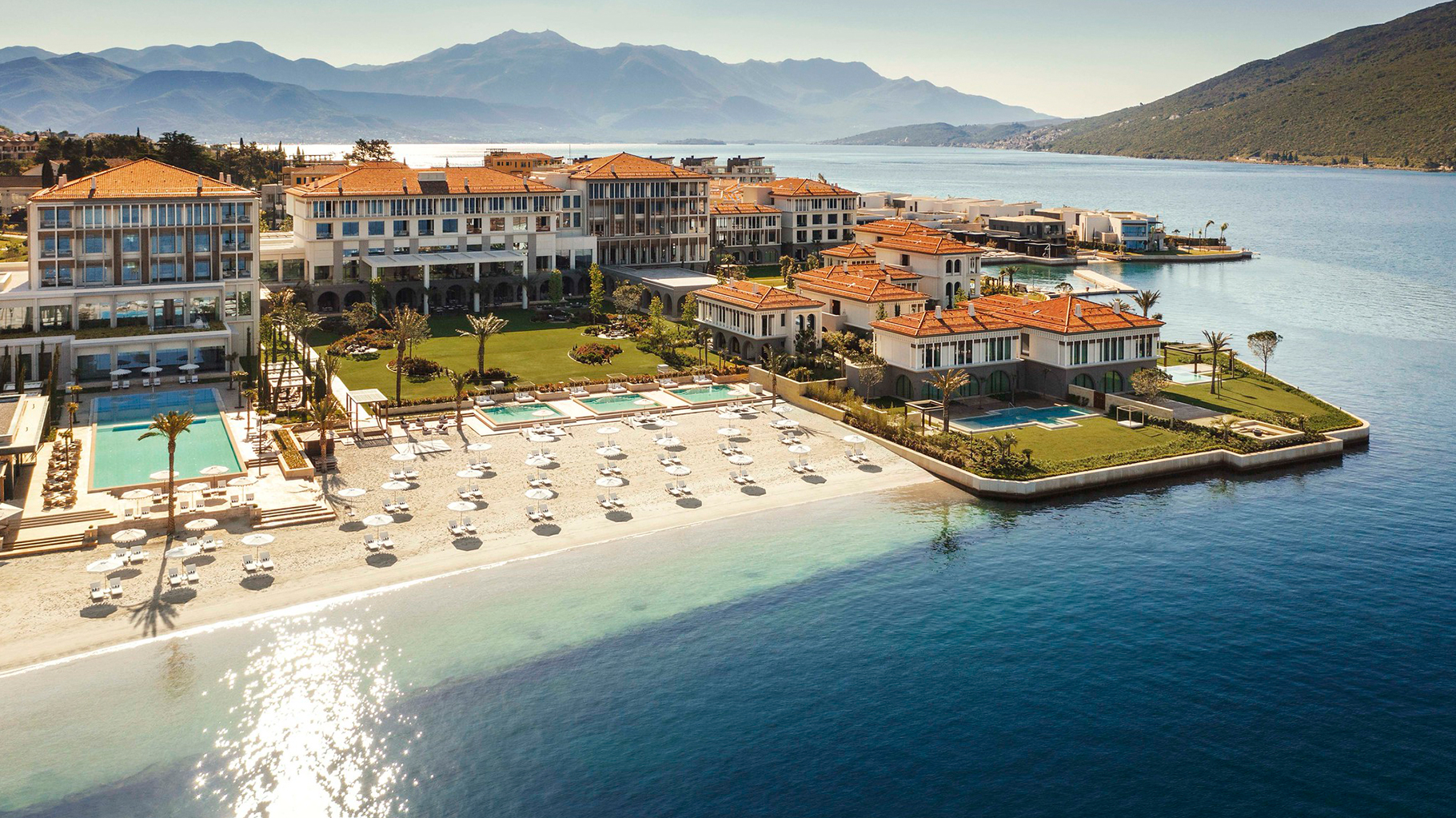
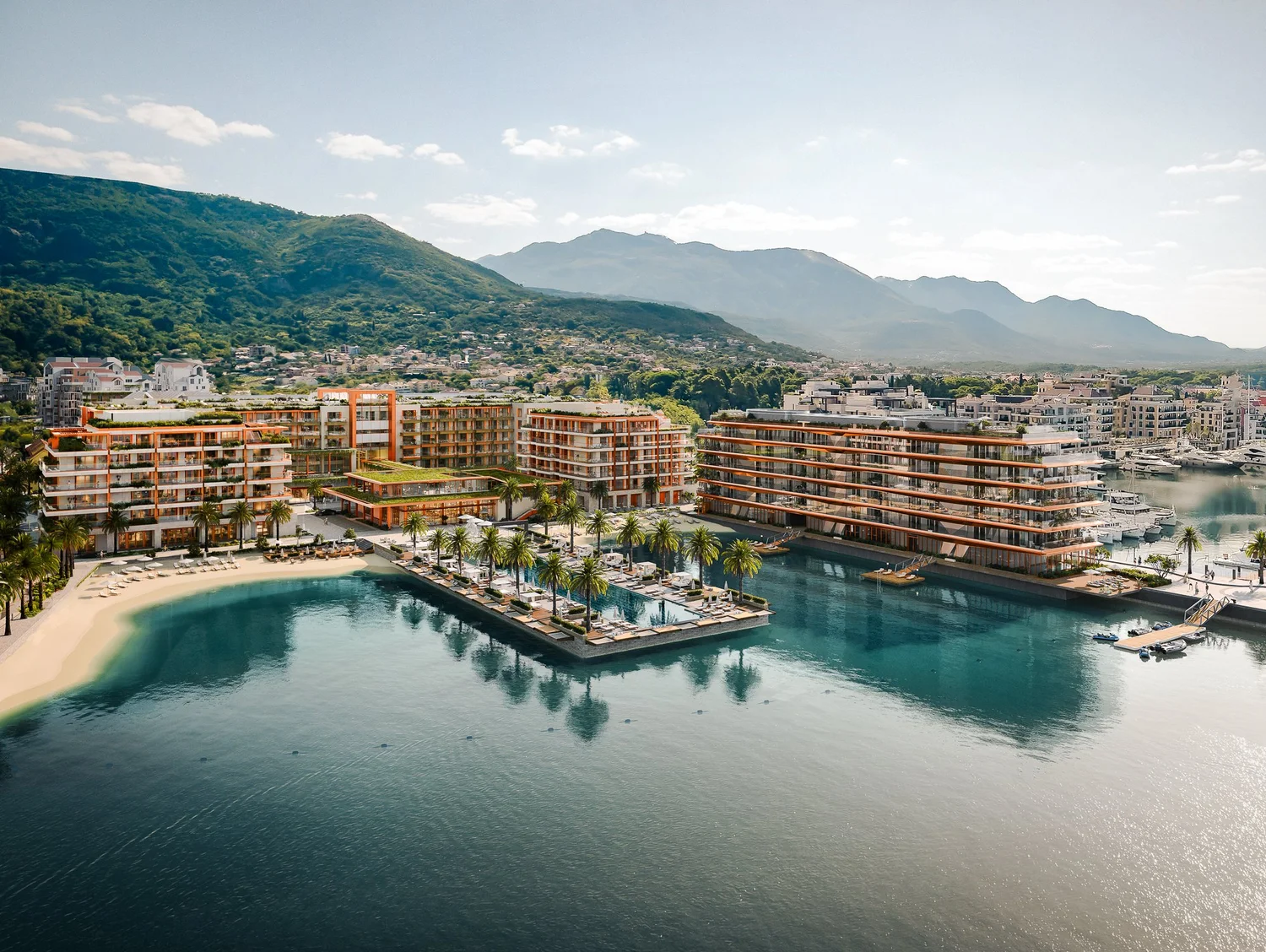
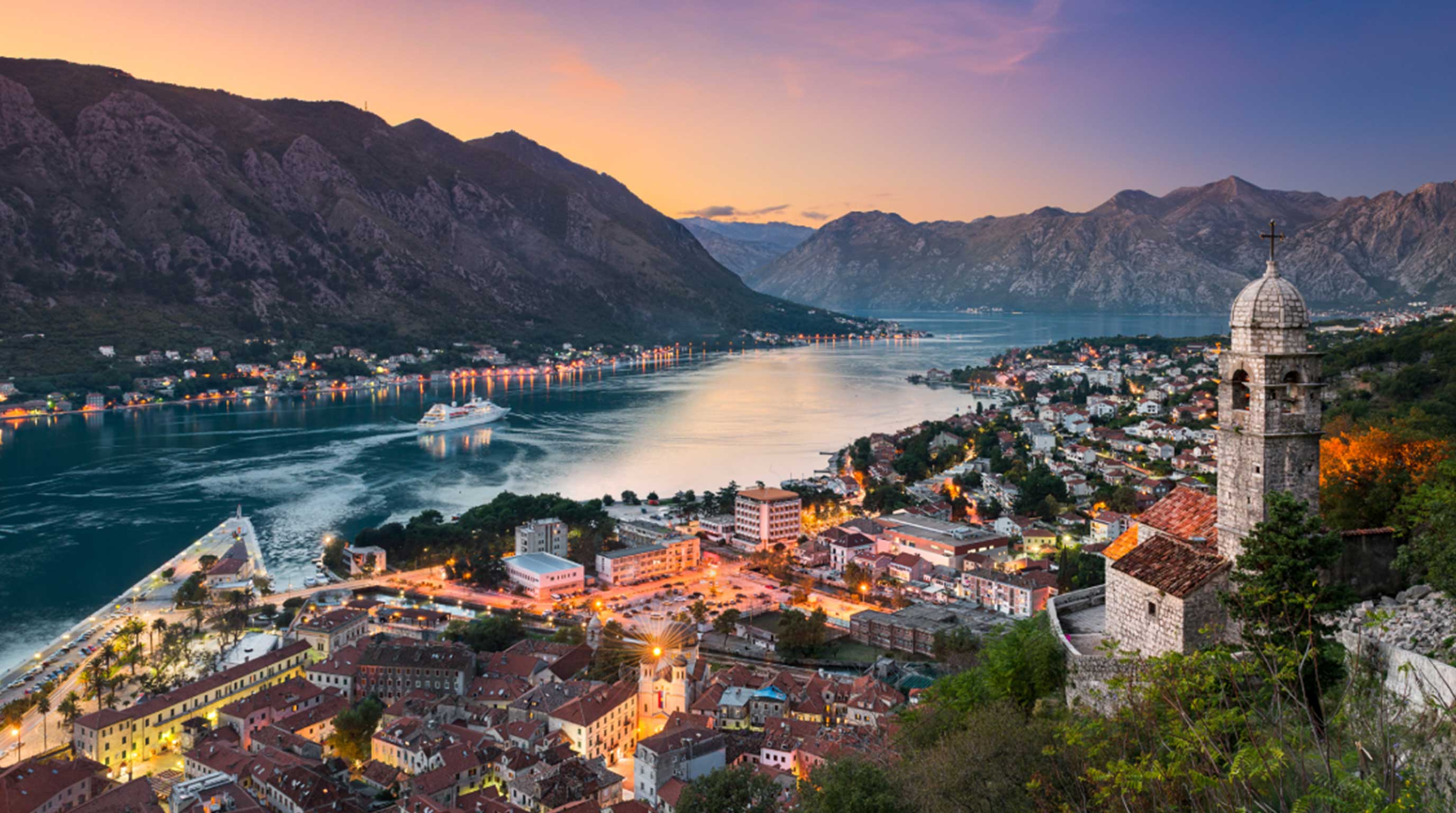
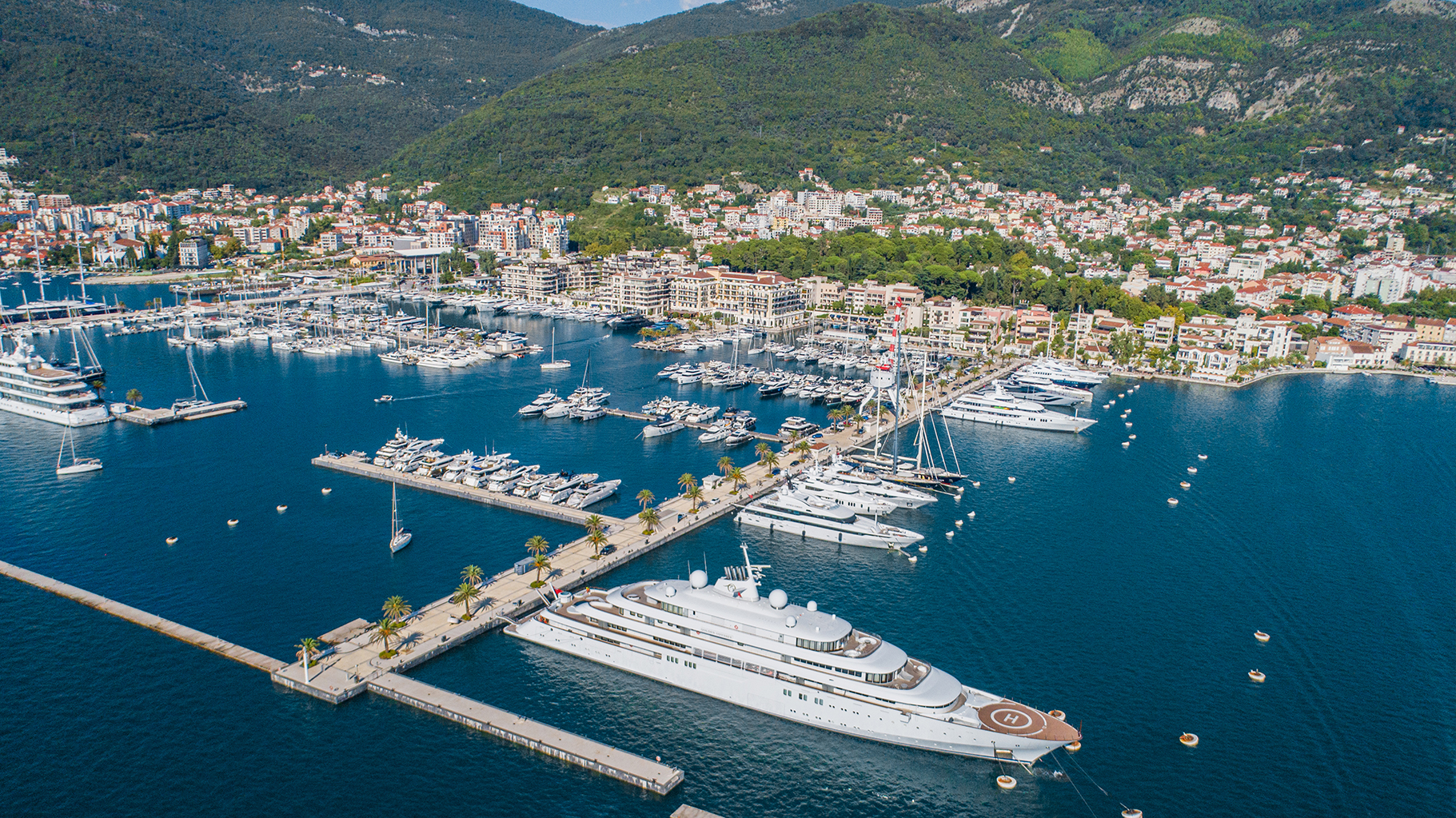
The Bay of Kotor, anchored by Tivat and the Porto Montenegro marina complex, is the choice for buyers who prioritise international community infrastructure, connectivity via Tivat Airport, and access to managed services that support full-time residency year-round. The Boka Verde residences in Tivat sit within the Porto Montenegro district and represent the kind of managed, waterfront product that suits buyers transitioning from a primary residence in a major city. The Nikki Beach Penthouse at Tivat is the branded waterfront option for buyers at the upper end of the market who value hotel-standard services alongside private ownership. For a broader view of supply and pricing in this market, Barok’s Tivat real estate advisory covers the micro-location dynamics in detail.
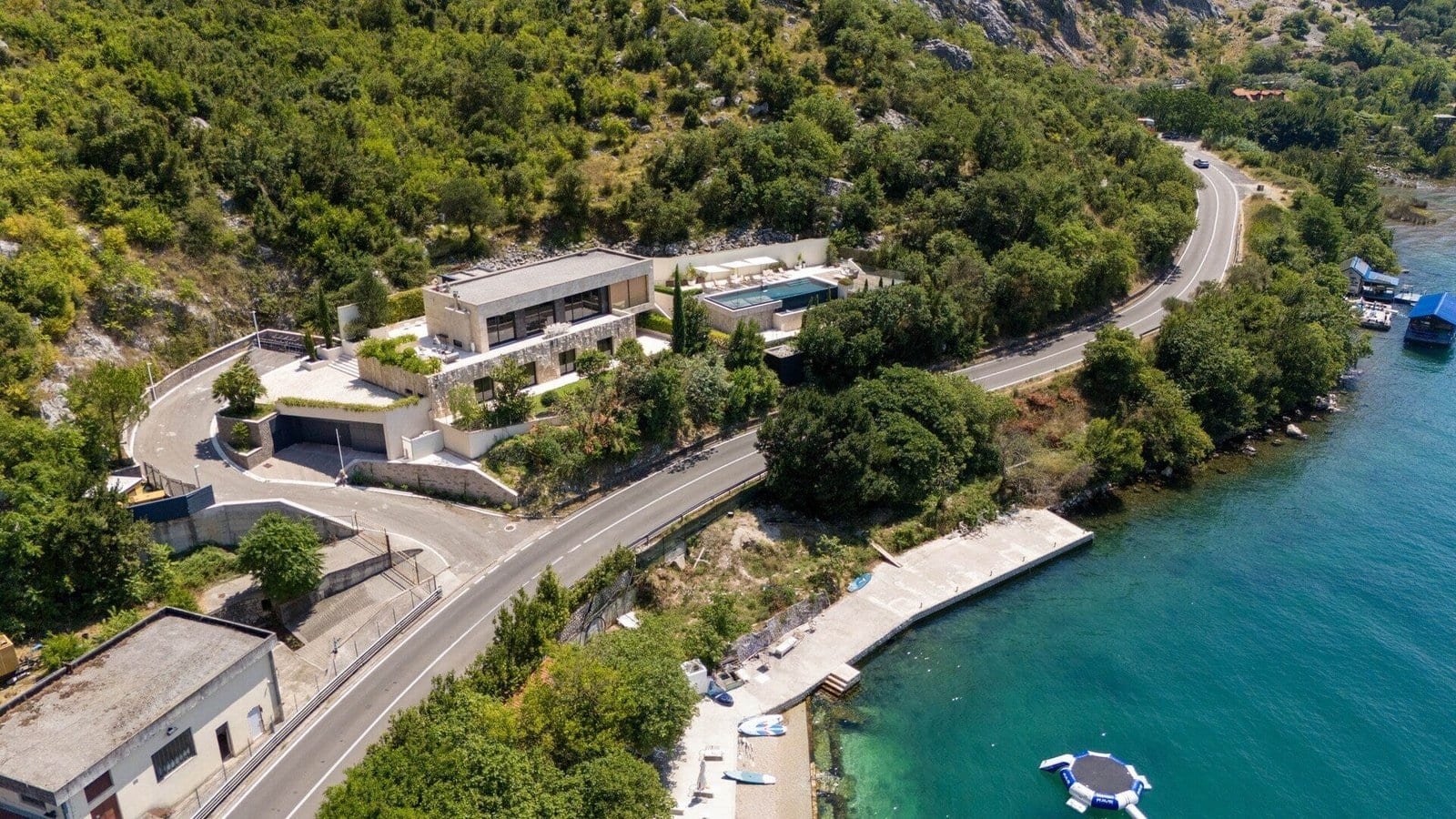
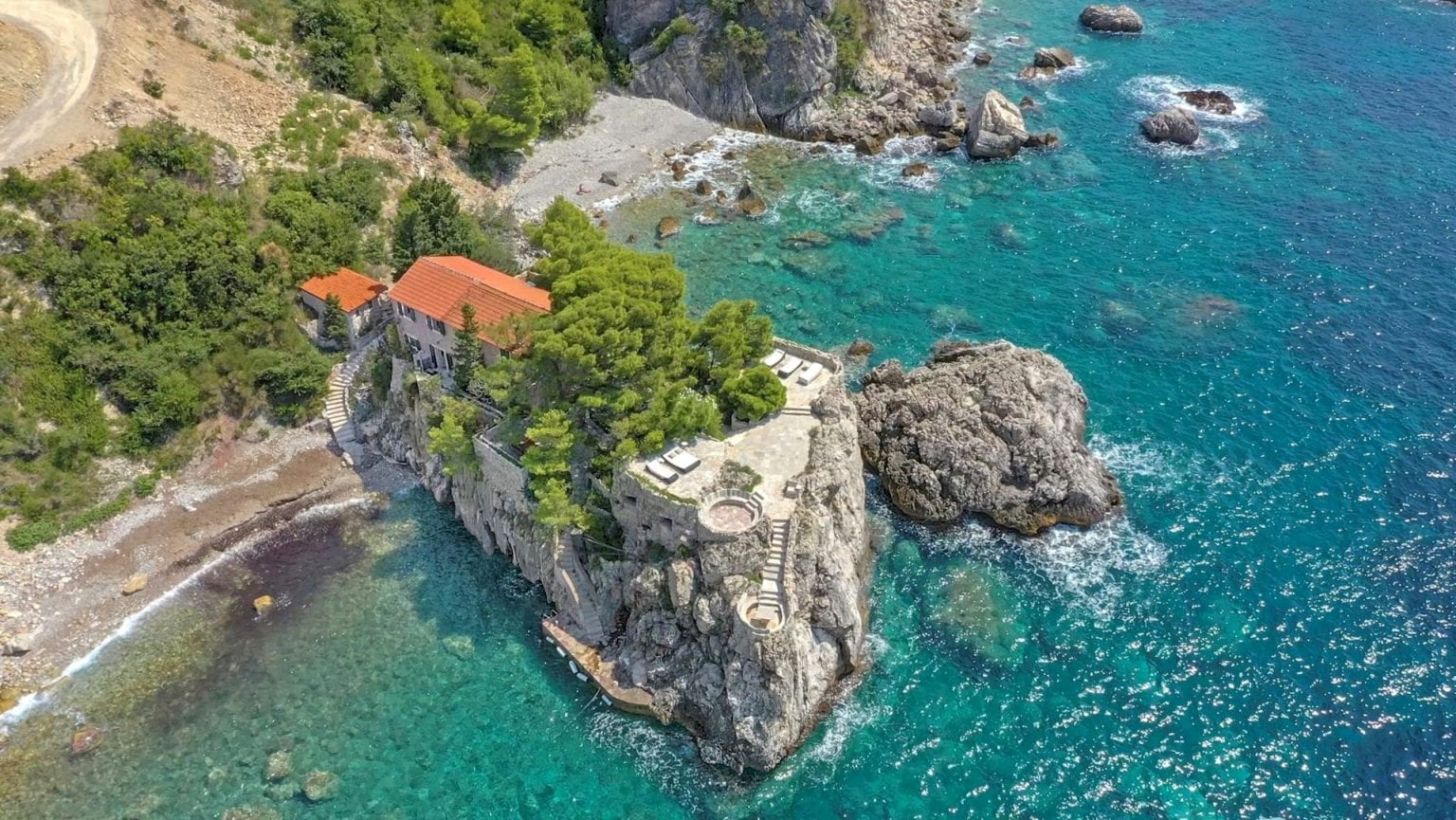
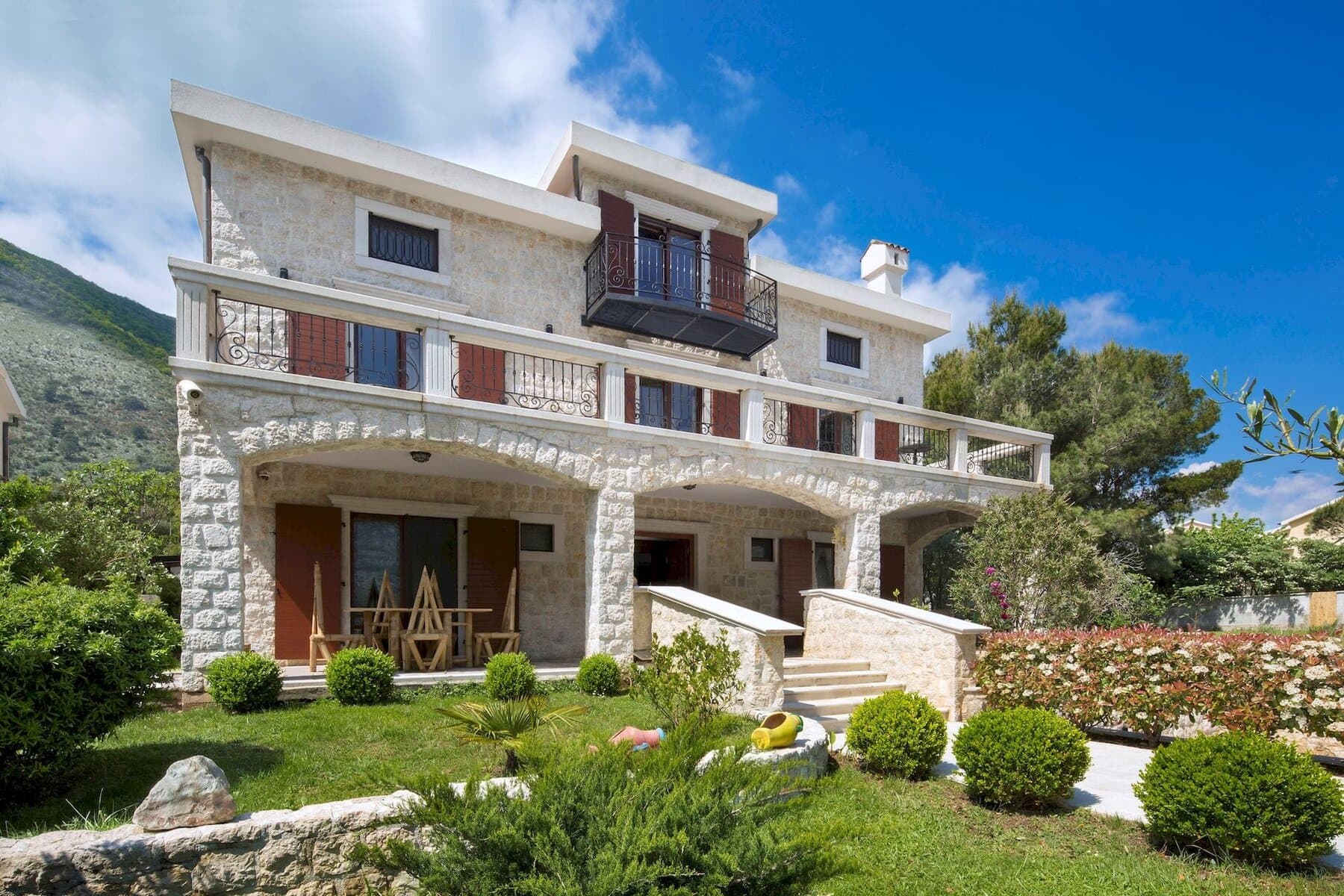
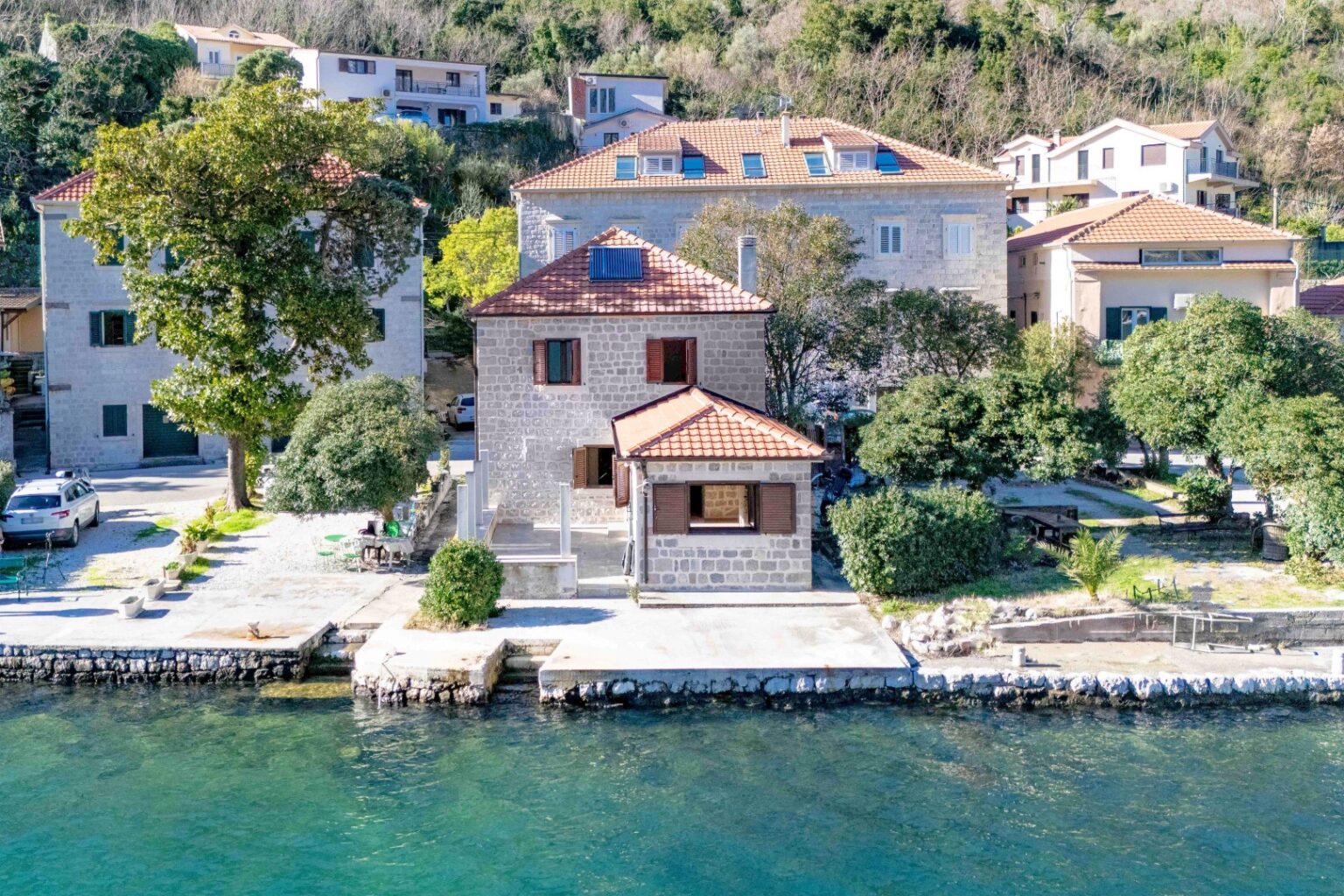
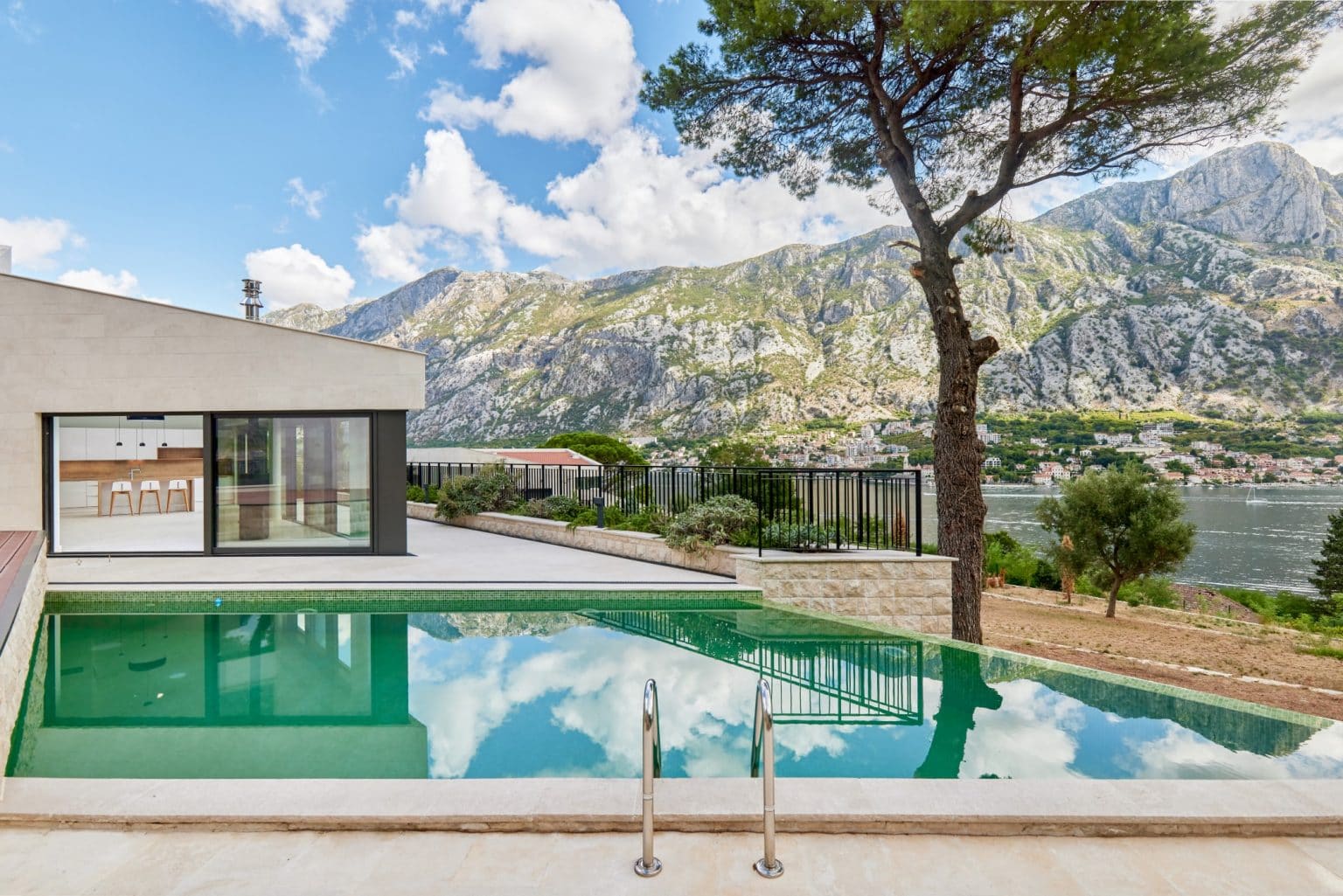
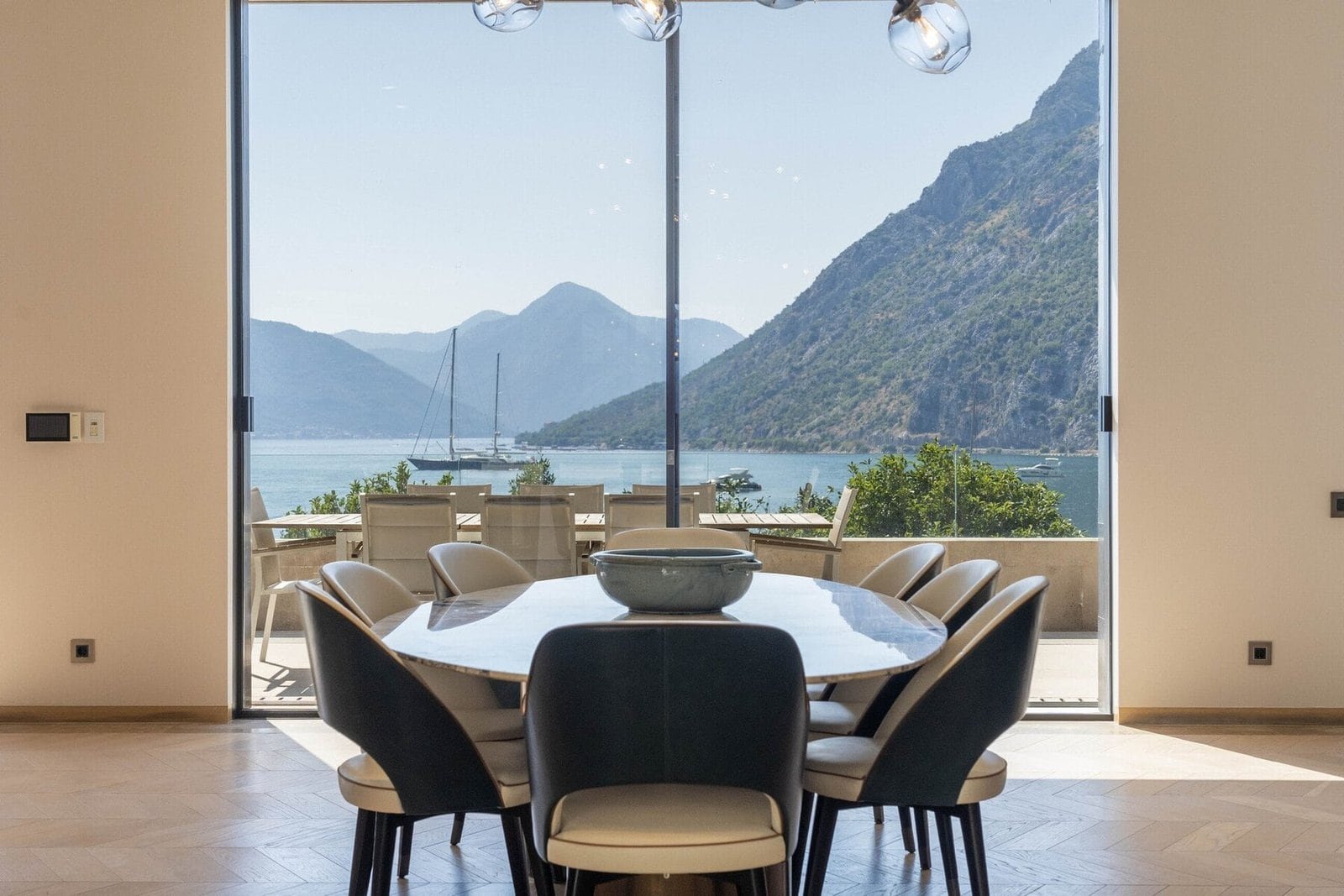
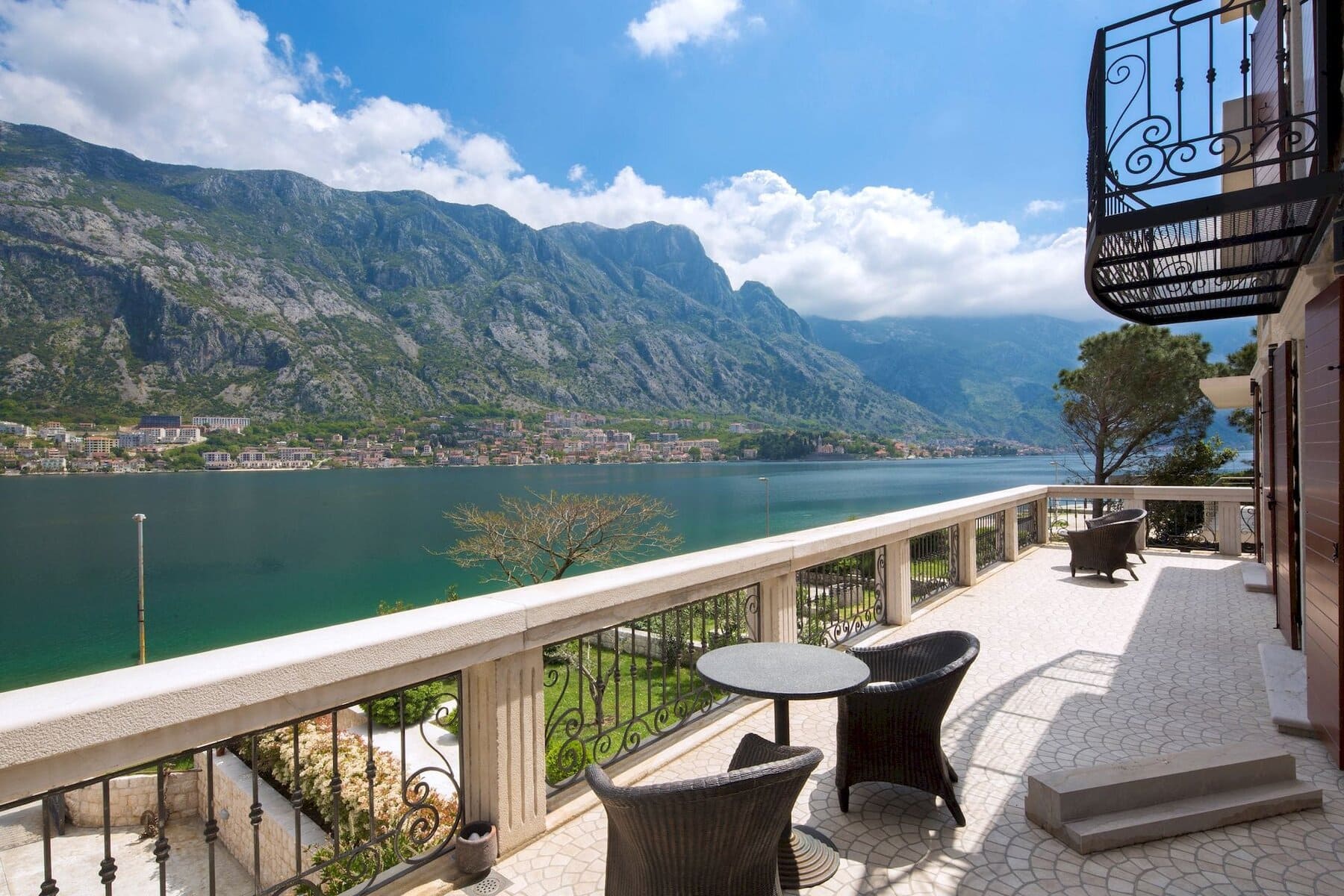
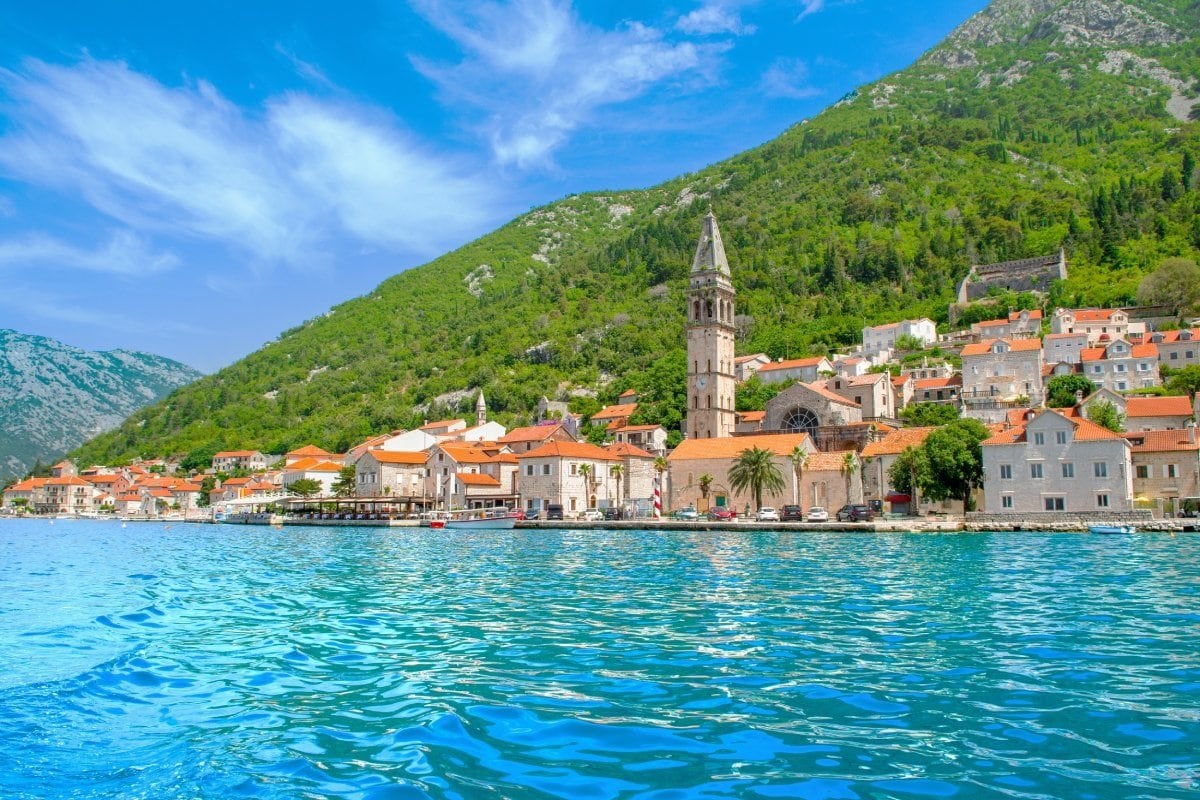
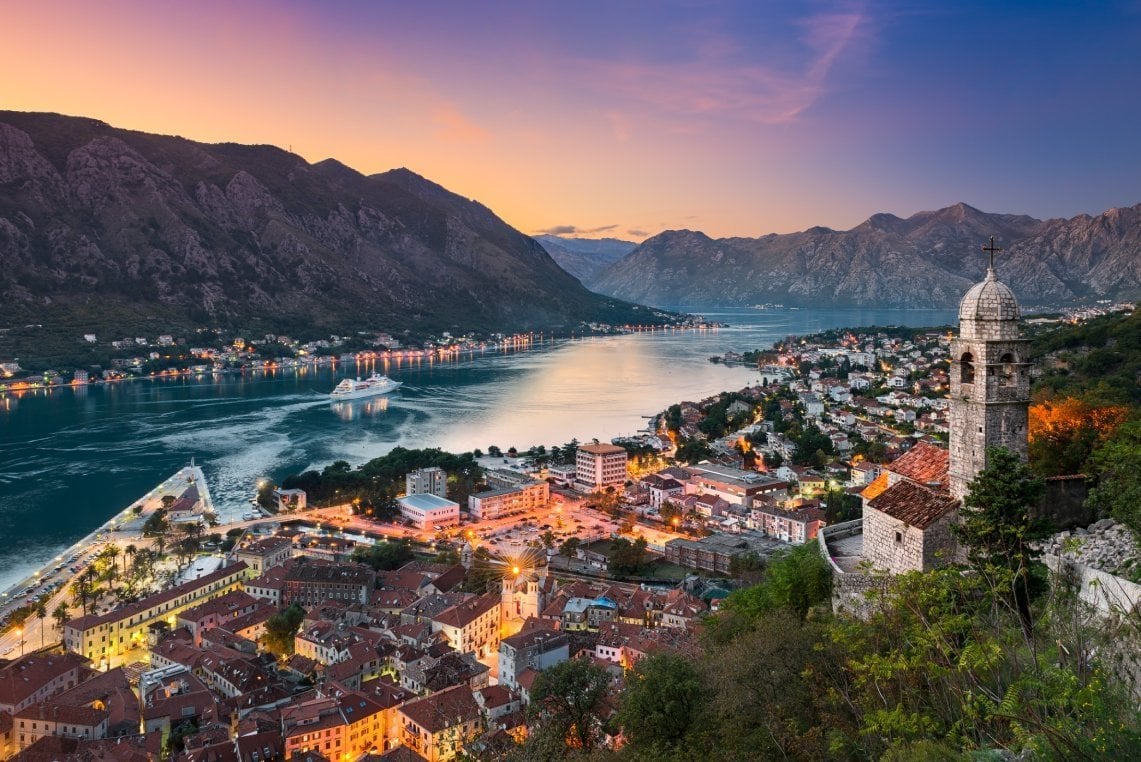
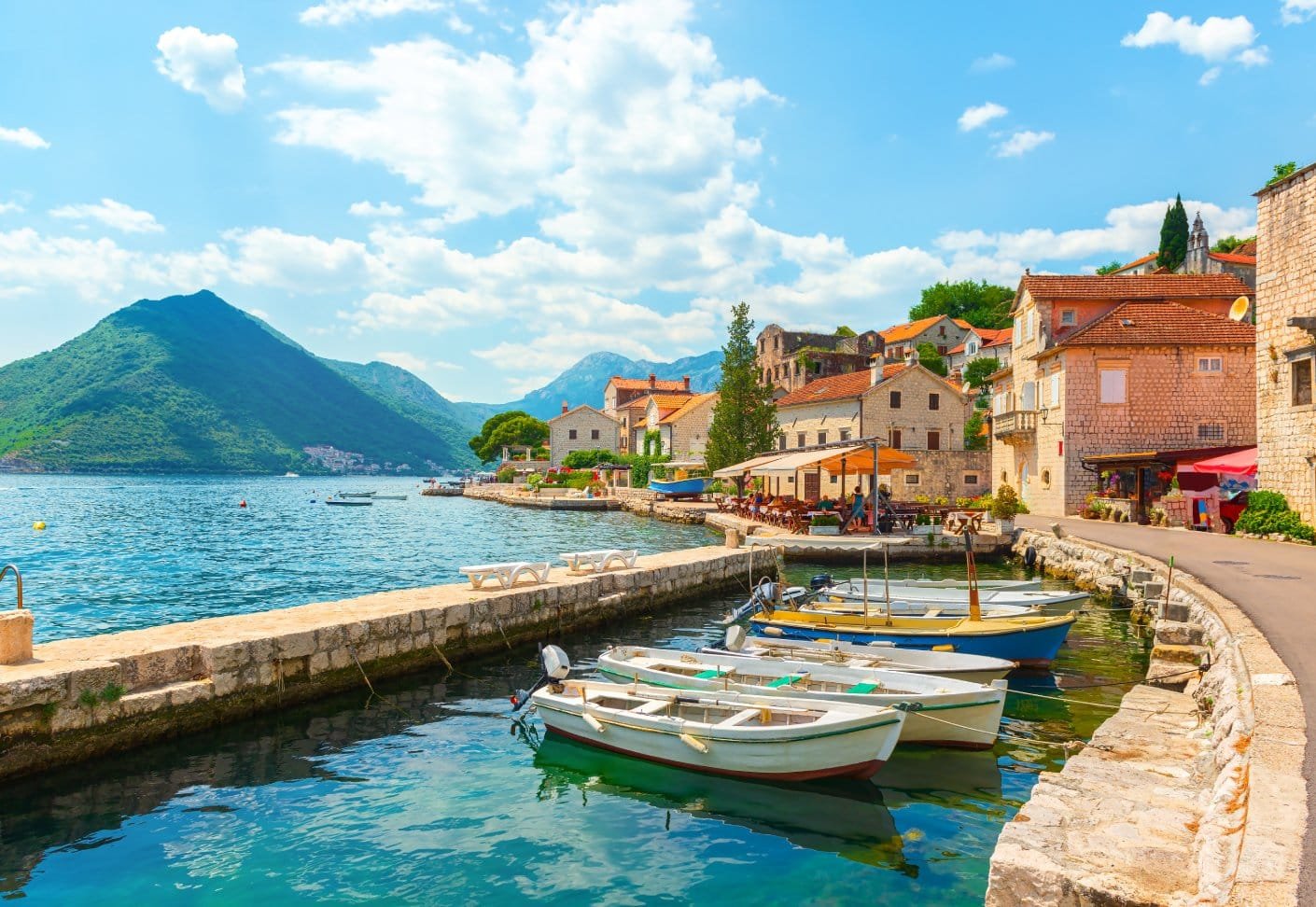
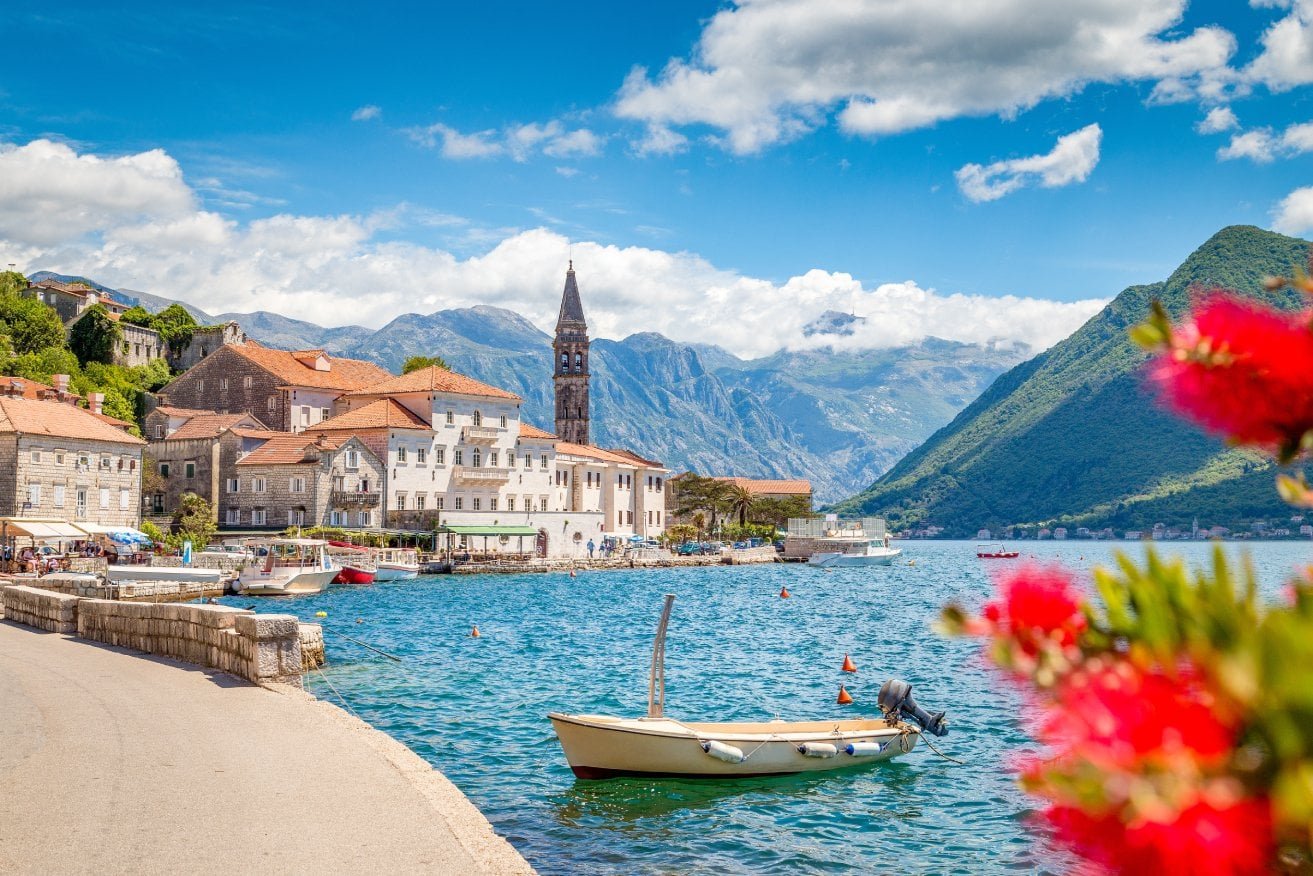
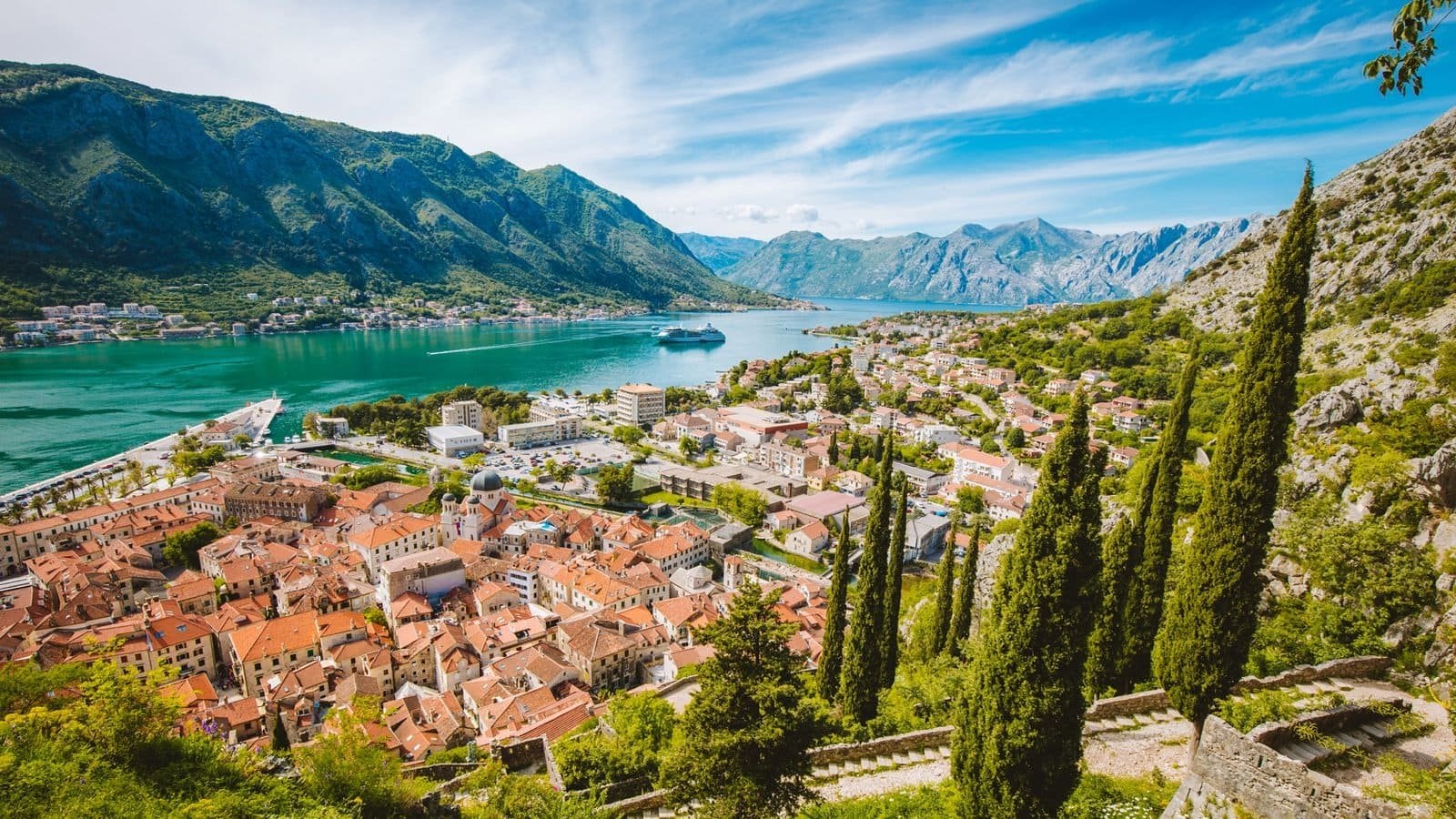
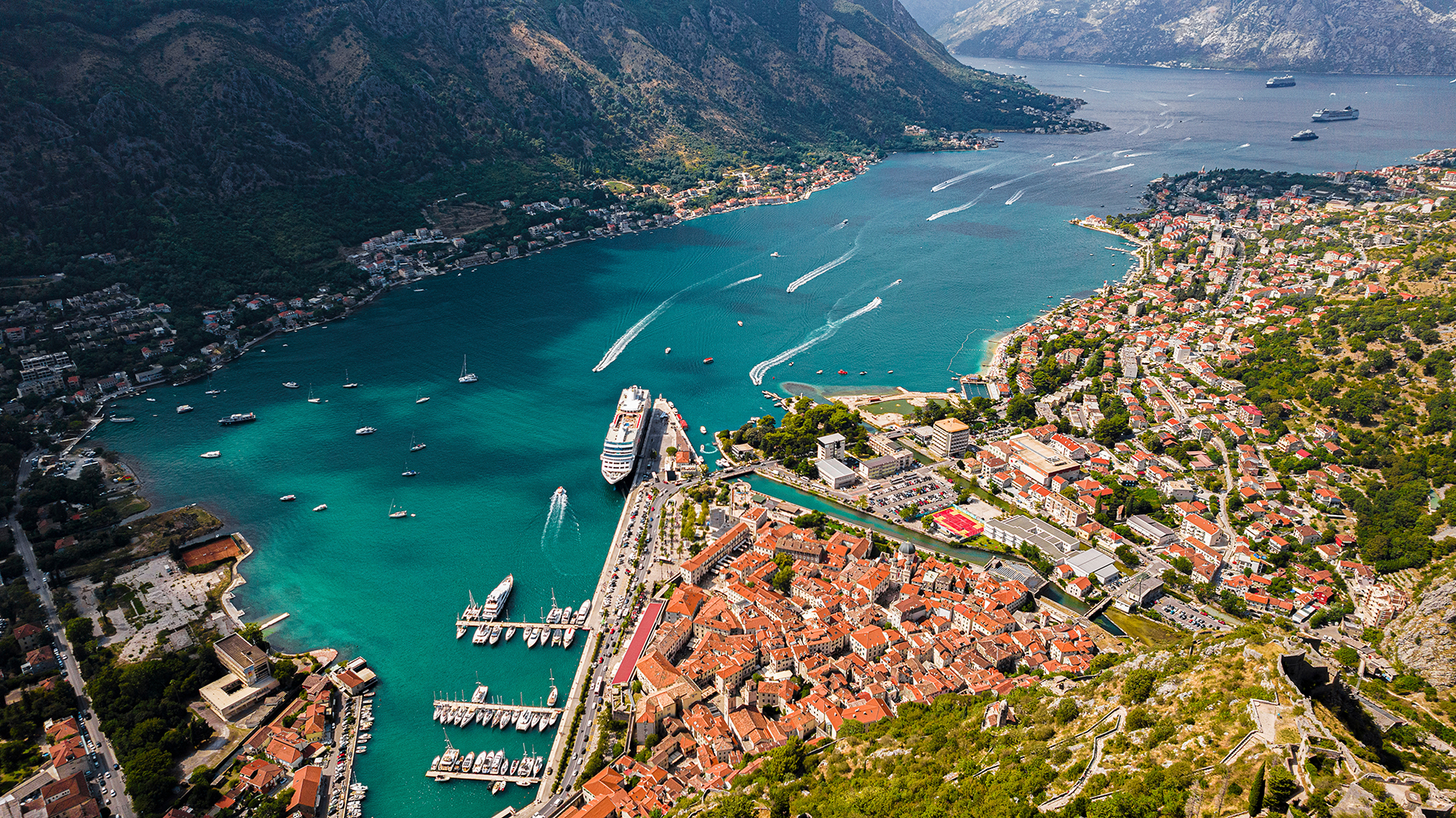
The Bay’s quieter shoreline villages, particularly around Kotor and the upper bay settlements, offer a different proposition: stone villas, restored traditional homes and a pace of life that has no equivalent in the Tivat marina district. Villa Mandragora in Orahovac, a first-line waterfront estate with a private beach on Kotor Bay, is a clear example of what the upper end of that market looks like. The Kotor real estate guide covers the specifics of buying within and near the UNESCO-listed old town.
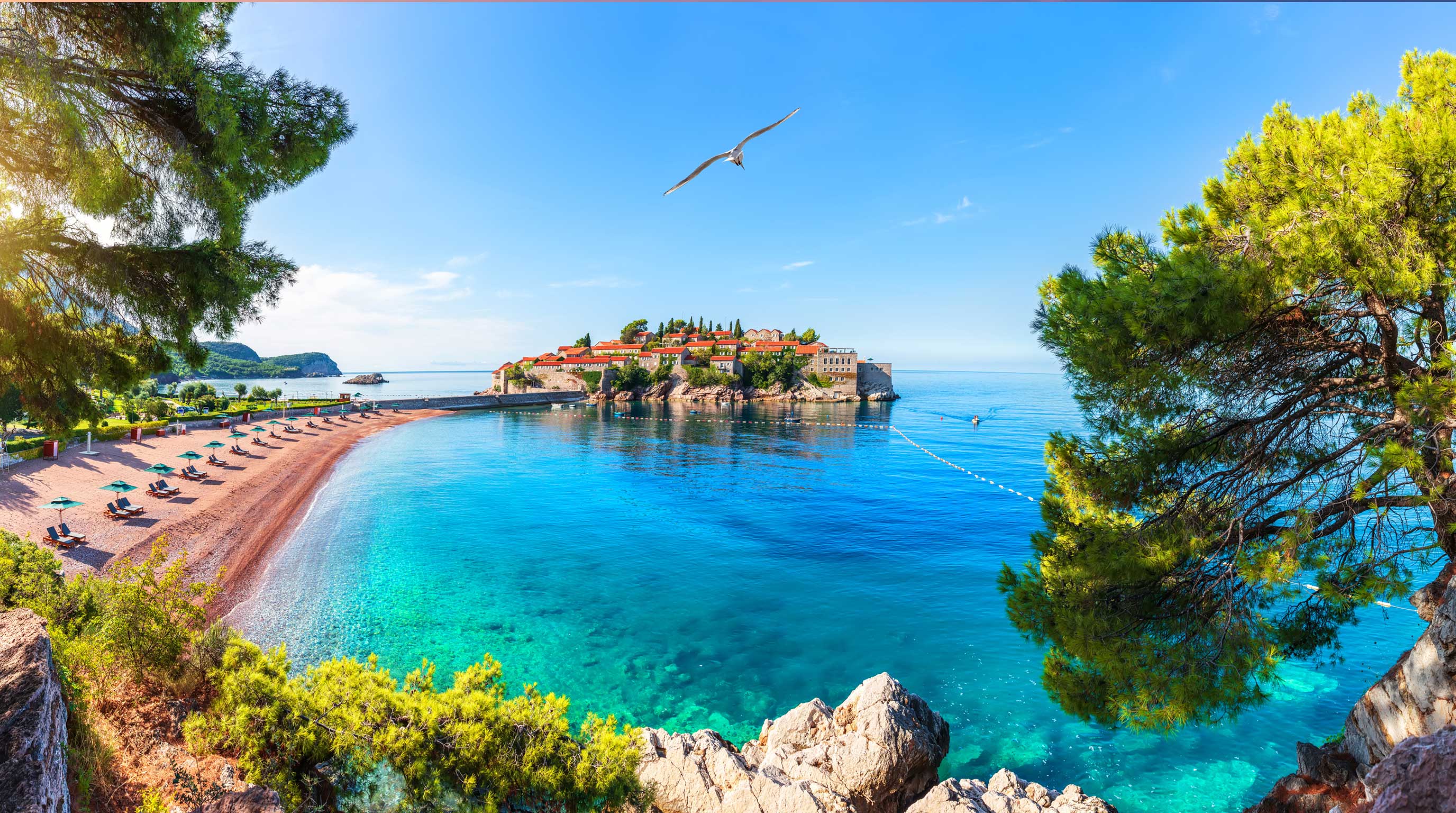
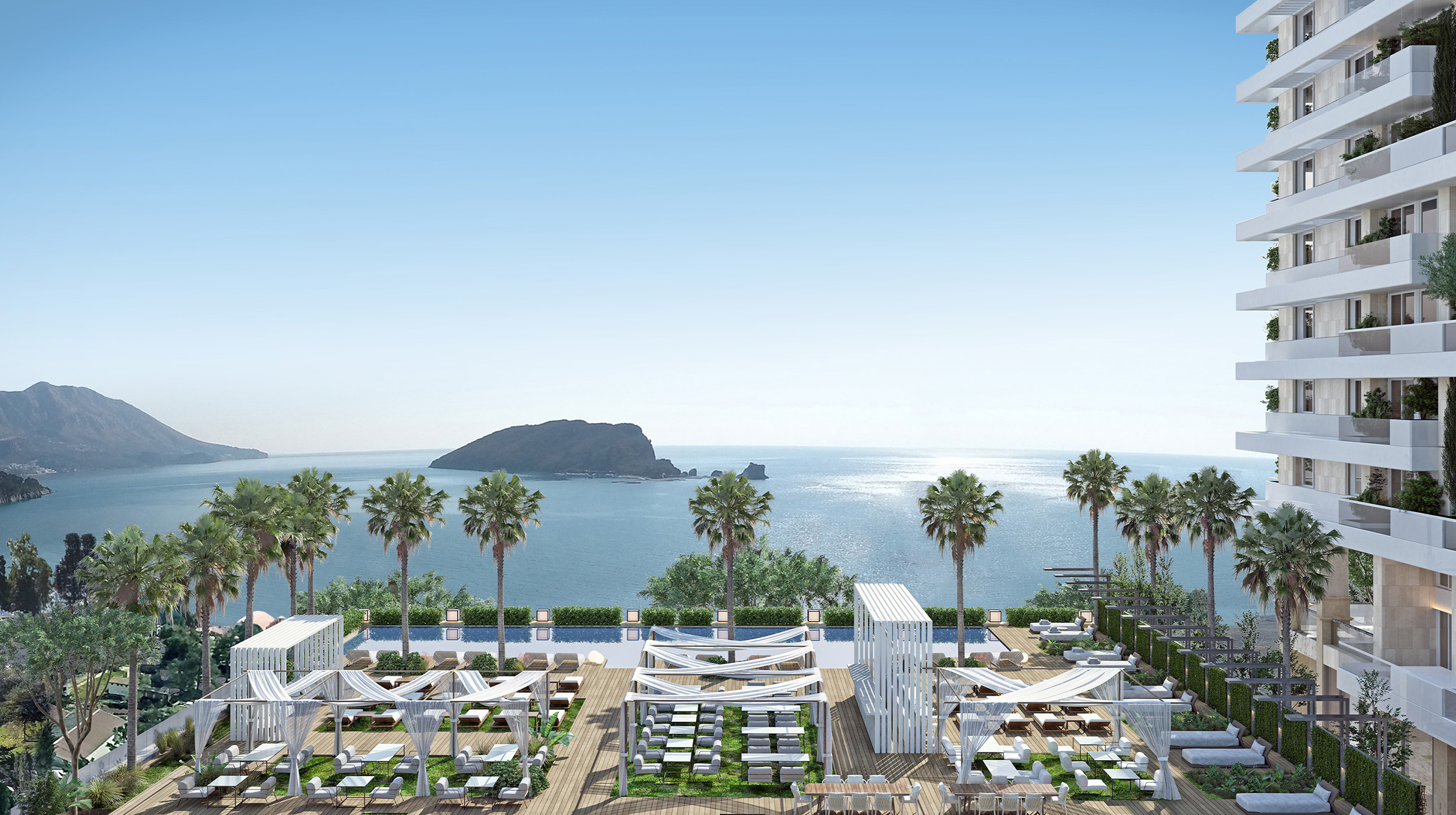
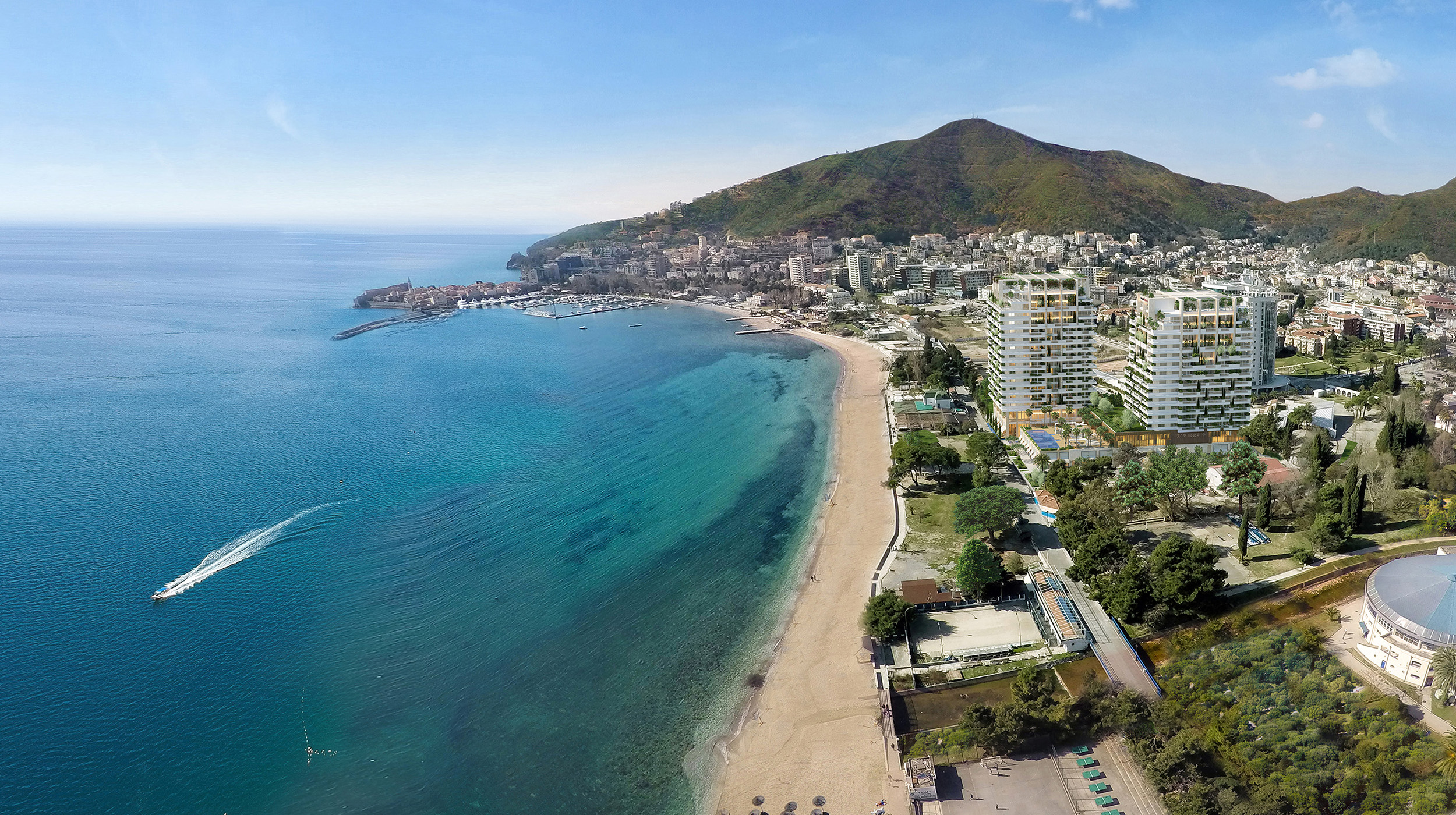
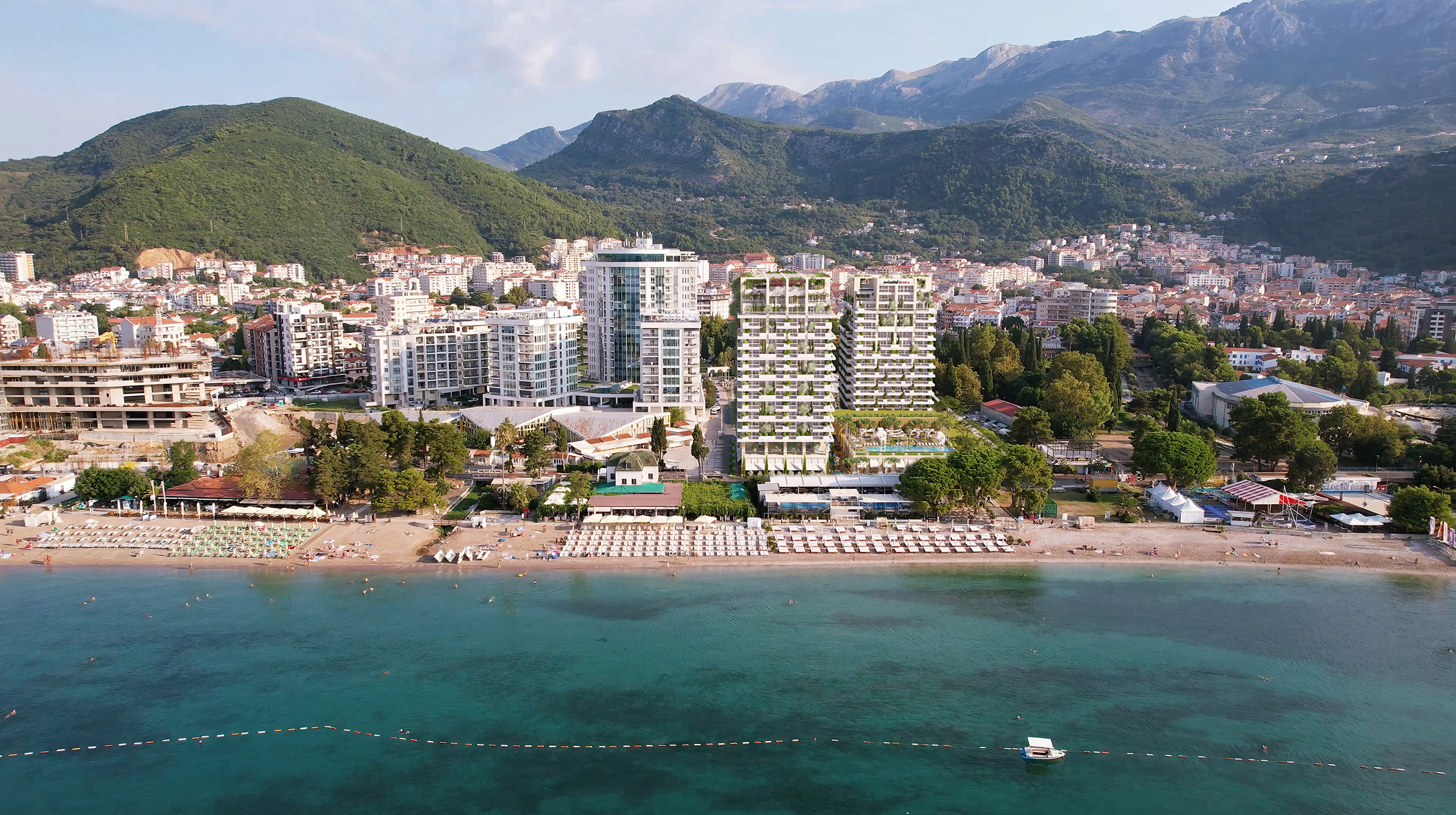
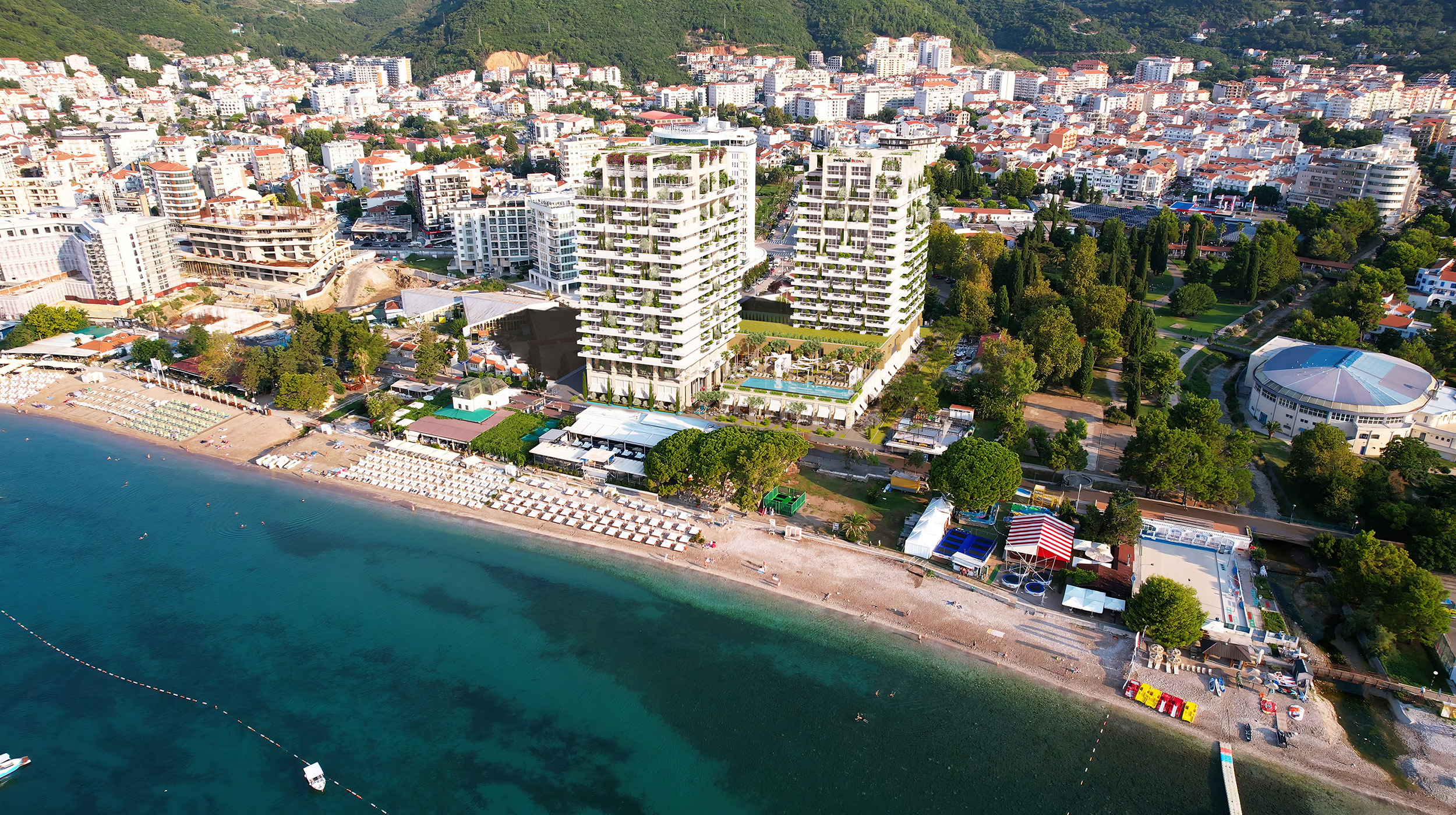
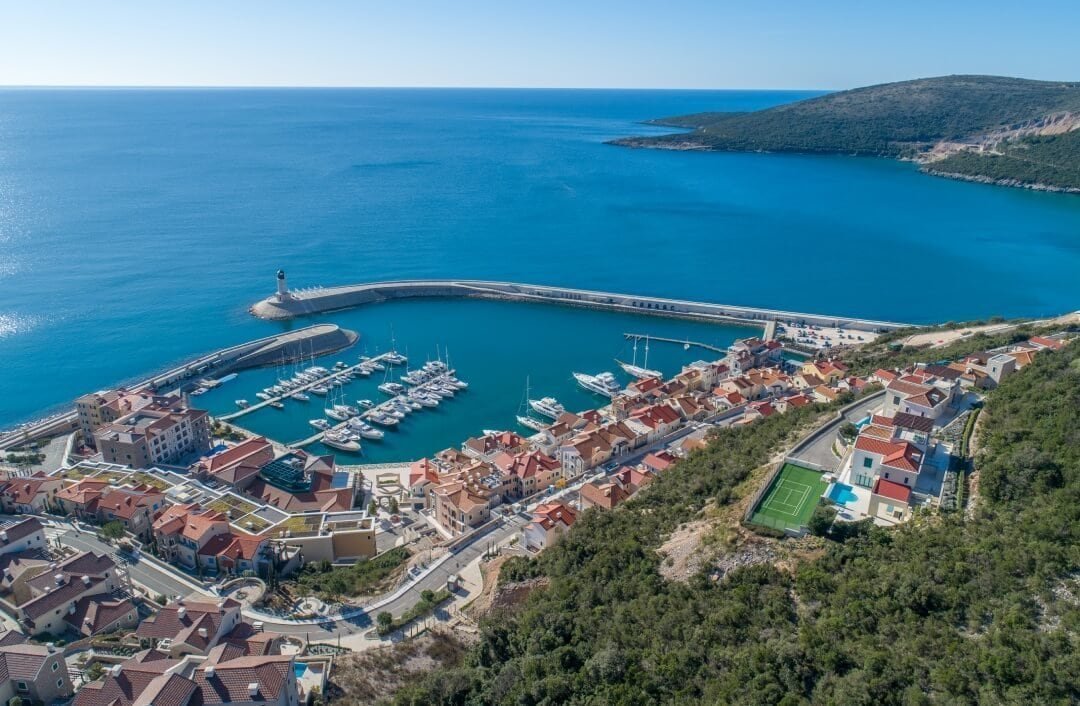
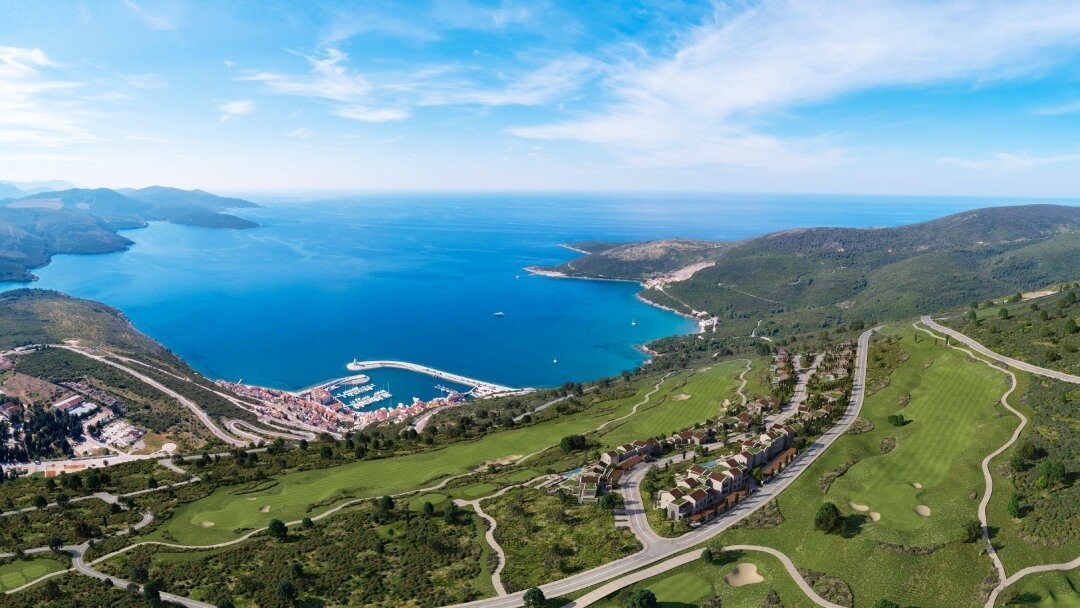
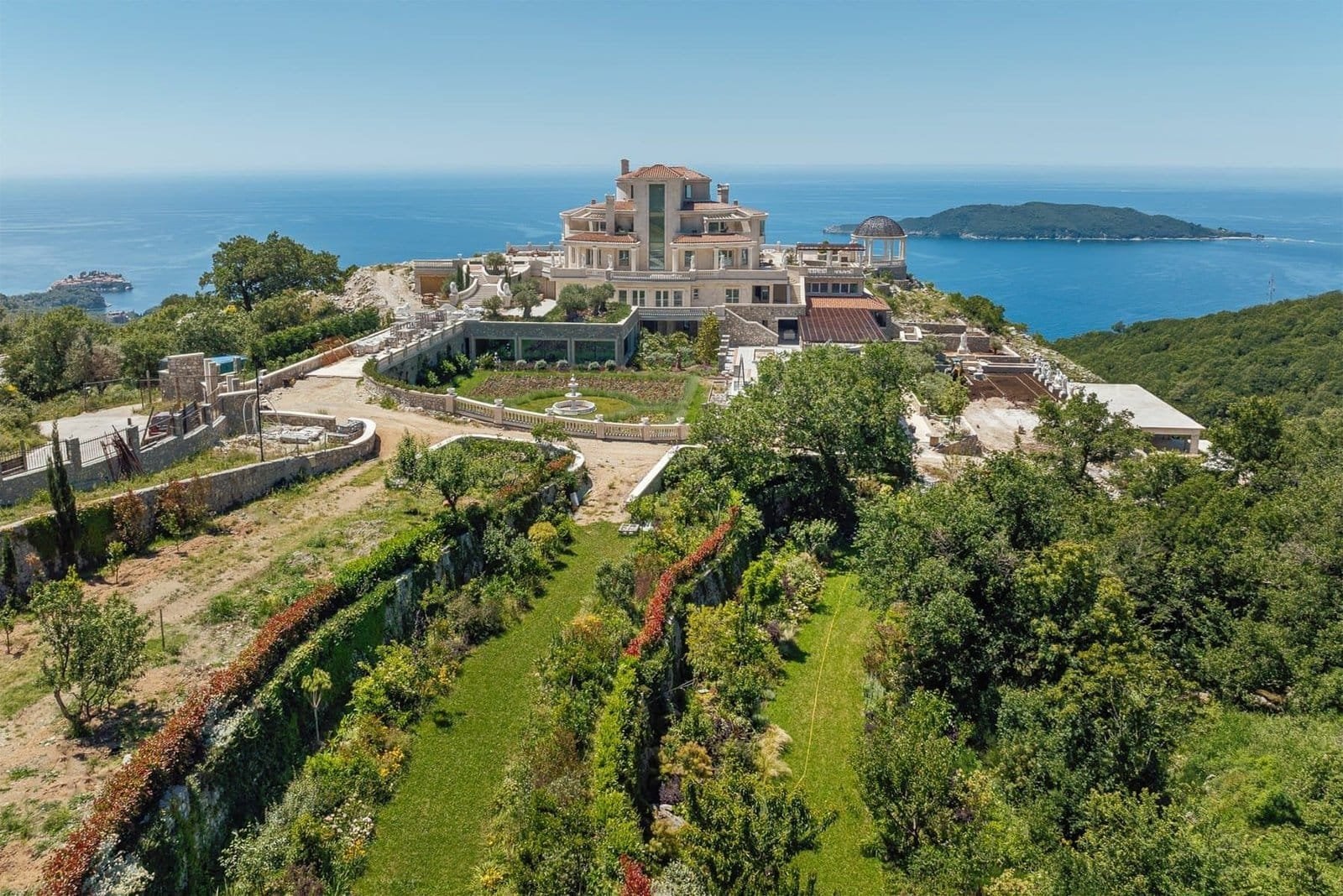
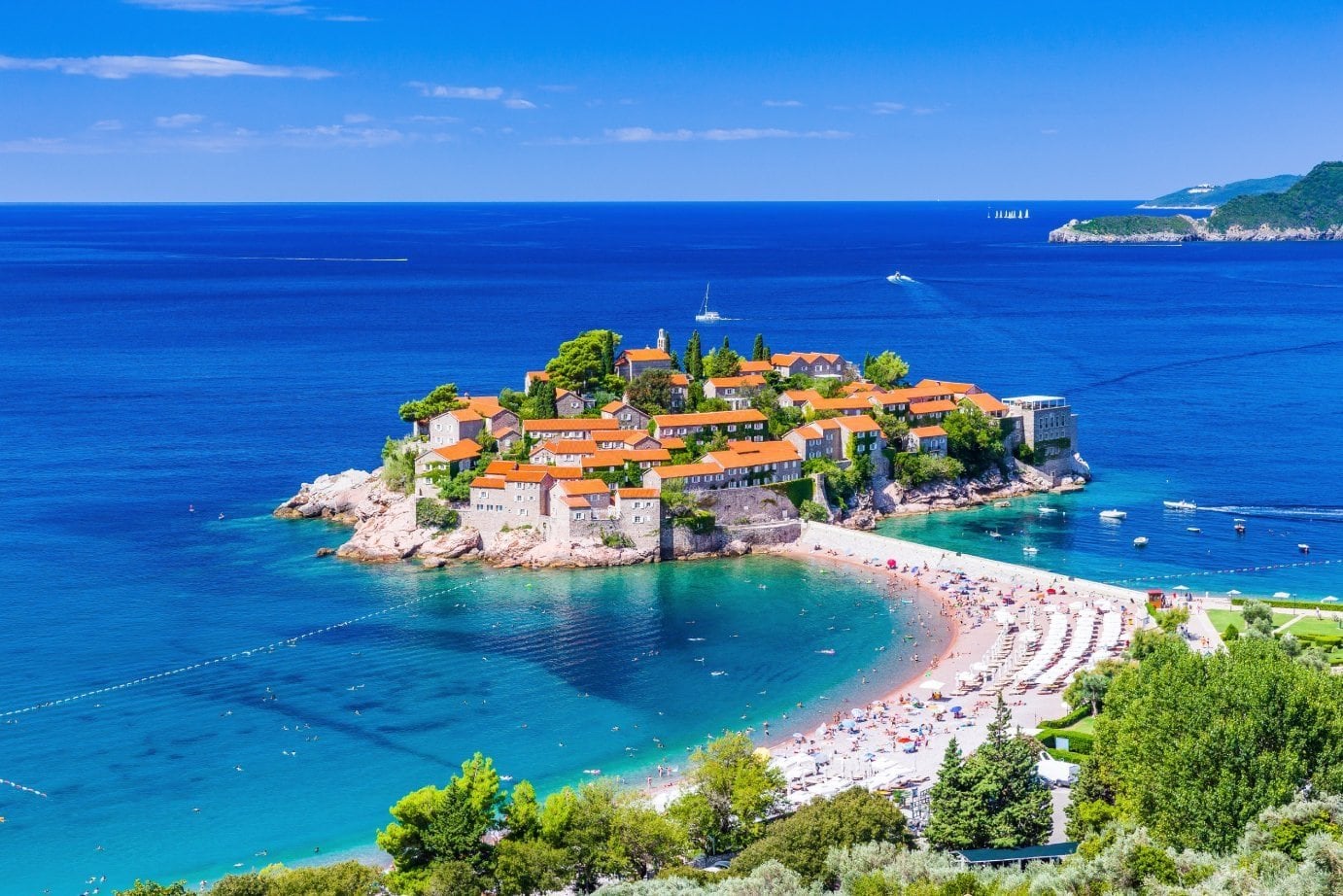
The Budva Riviera serves buyers who want beach proximity, a more active social environment and the widest choice of new-build inventory. Riviera Five Star seafront residences in Budva represent the contemporary, managed end of that market. For buyers drawn to the Riviera’s elevated hillsides rather than the town itself, the Luxury Estate with Sveti Stefan Views at Kuljace offers the iconic bay panorama with private, estate-scale grounds. The Budva real estate guide examines the full Riviera market and its distinct investment dynamics.
Is Montenegro Right for Your Retirement?
Retiring to Montenegro in 2026 is a coherent choice for buyers who intend to be genuinely resident, who value a low-tax environment, and who see the Adriatic as a long-term home rather than a seasonal escape. The January 2026 changes raise the floor on the property route but do not alter the fundamental proposition: for buyers committing €150,000 or more to a residential acquisition, Montenegro offers a quality of life and a tax efficiency that have no direct comparable in Western Europe at a similar price point.
The due diligence required is more specific than it was before the rule change. The tax-assessed value of the chosen property must be confirmed before exchange, the title must be entirely clean, and the physical presence requirements must be factored honestly into personal plans. These are not obstacles for the committed buyer. They are the clarifications that allow a serious retirement decision to be made on accurate terms.
Barok Estates International advises internationally mobile buyers entering the Montenegrin market at every stage, from initial location selection and market pricing through transaction management and post-purchase residency planning. For a confidential discussion about positioning your retirement acquisition in Montenegro, contact the Barok advisory team.
For further reading: Montenegro’s official temporary residence framework sets out the legal basis for each permit category.










.jpg)