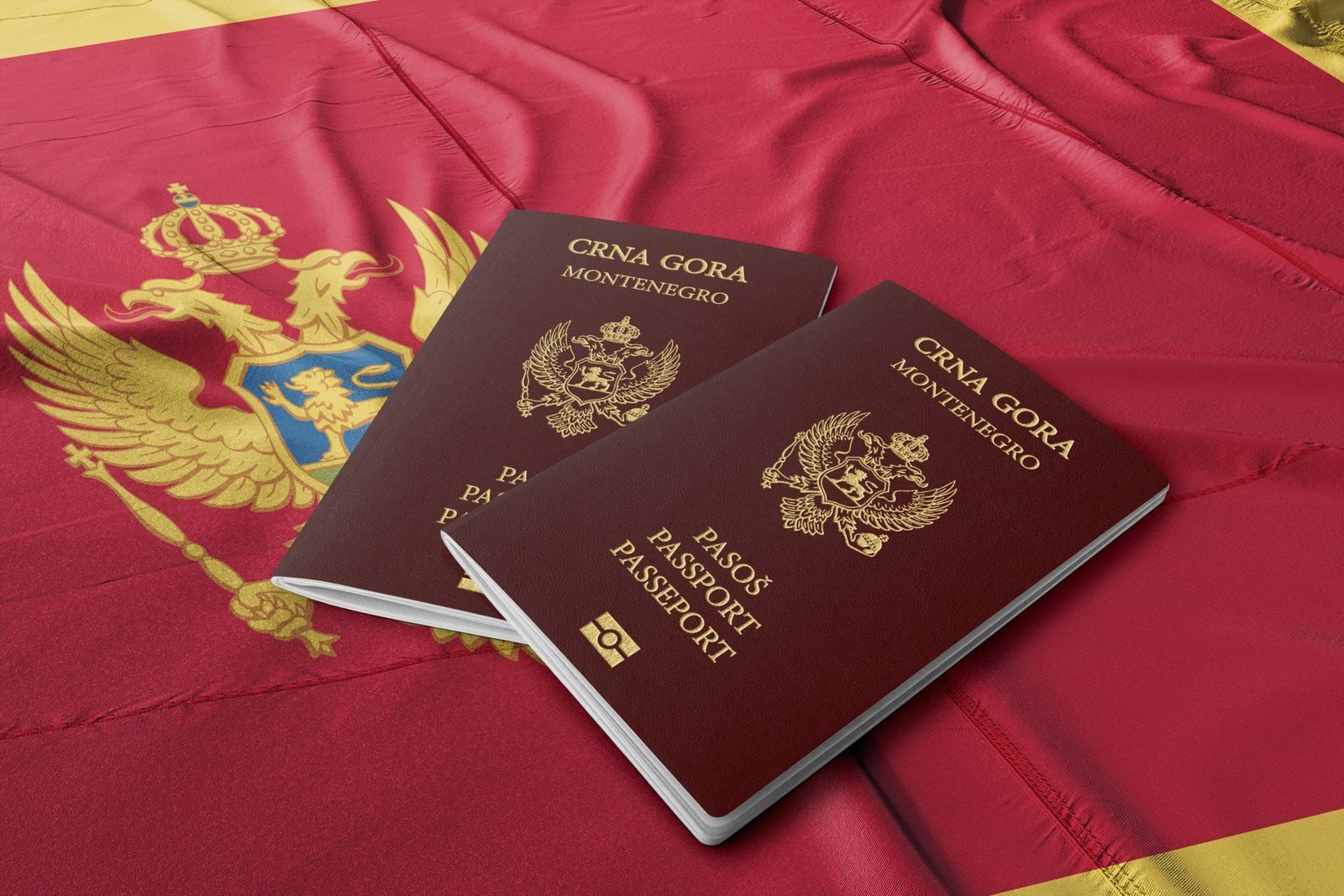
Montenegro’s citizenship by investment programme closed permanently on 31 December 2022, ending a three-year scheme that issued 484 passports to approximately 1,100 applicants before the government formally terminated it under pressure from the European Commission. Montenegro Citizenship by Investment: What the Closure Means for Buyers in 2026 is a question on the minds of many prospective investors following this programme’s closure.
For buyers who have been researching Montenegro as a second citizenship option, the closure is definitive. No further applications were accepted after the final deadline, and the government has given no indication it intends to reinstate the programme. What remains is a property market largely unaffected by the scheme’s closure, and a residency pathway that continues to offer meaningful strategic value for internationally mobile capital.
This distinction matters. Montenegro the investment destination and Montenegro the passport programme are different propositions, and conflating them leads to decisions based on information that is no longer current.
Why Buyers Were Drawn to Montenegro’s CBI in the First Place
The citizenship by investment programme attracted attention because Montenegro offered something genuinely compelling: a Schengen-adjacent passport with visa-free access to 124 countries, in a low-tax Adriatic jurisdiction, at an investment threshold that was competitive by global standards.
The country’s EU accession timeline provided an additional layer of appeal. The logic was straightforward: acquire today at Montenegrin pricing, hold through accession, and benefit from a transition to full EU status. That accession narrative remains intact. Montenegro continues to be among the most advanced EU candidate countries in the Western Balkans, and EU accession progress continues to underpin property values in the premium coastal markets.
What changed on 31 December 2022 was the citizenship element. The property market continued on its own terms.
Why the Programme Closed
The European Commission applied sustained pressure on Montenegro to end the scheme as a condition of continued EU accession progress. Citizenship-for-investment programmes are incompatible with EU membership norms: Brussels has required candidate countries to eliminate them as part of the accession process.
The programme also significantly underperformed its projections. Against an anticipated quota of 2,000 passports, approximately 1,100 applications were received across the entire three-year period, with 484 ultimately approved. The majority of applicants were Russian and Chinese nationals, a profile that created additional scrutiny in the context of EU accession due diligence. The programme generated approximately €300 million in investment and €100 million in government revenue before closing.
What Is Still Available: Residency by Investment
The channel that remains open for foreign buyers is residency, not citizenship. Montenegro’s residency framework allows non-nationals to establish legal residence through property acquisition, active economic engagement, or other qualifying criteria. Residency by investment in Montenegro remains accessible and operationally straightforward by European standards.
Residency in Montenegro does not confer an EU passport, nor does it provide the visa-free access that the now-closed CBI did. What it provides is legal residence in a country with a 9% flat income tax rate, no capital gains tax on property held for longer than two years, and a cost of professional and personal infrastructure that remains substantially below Western European counterparts.
For buyers whose primary interest is capital positioning rather than passport acquisition, the residency route remains structurally sound and the property case stands independently of any citizenship consideration.
The Property Market After the CBI Closure
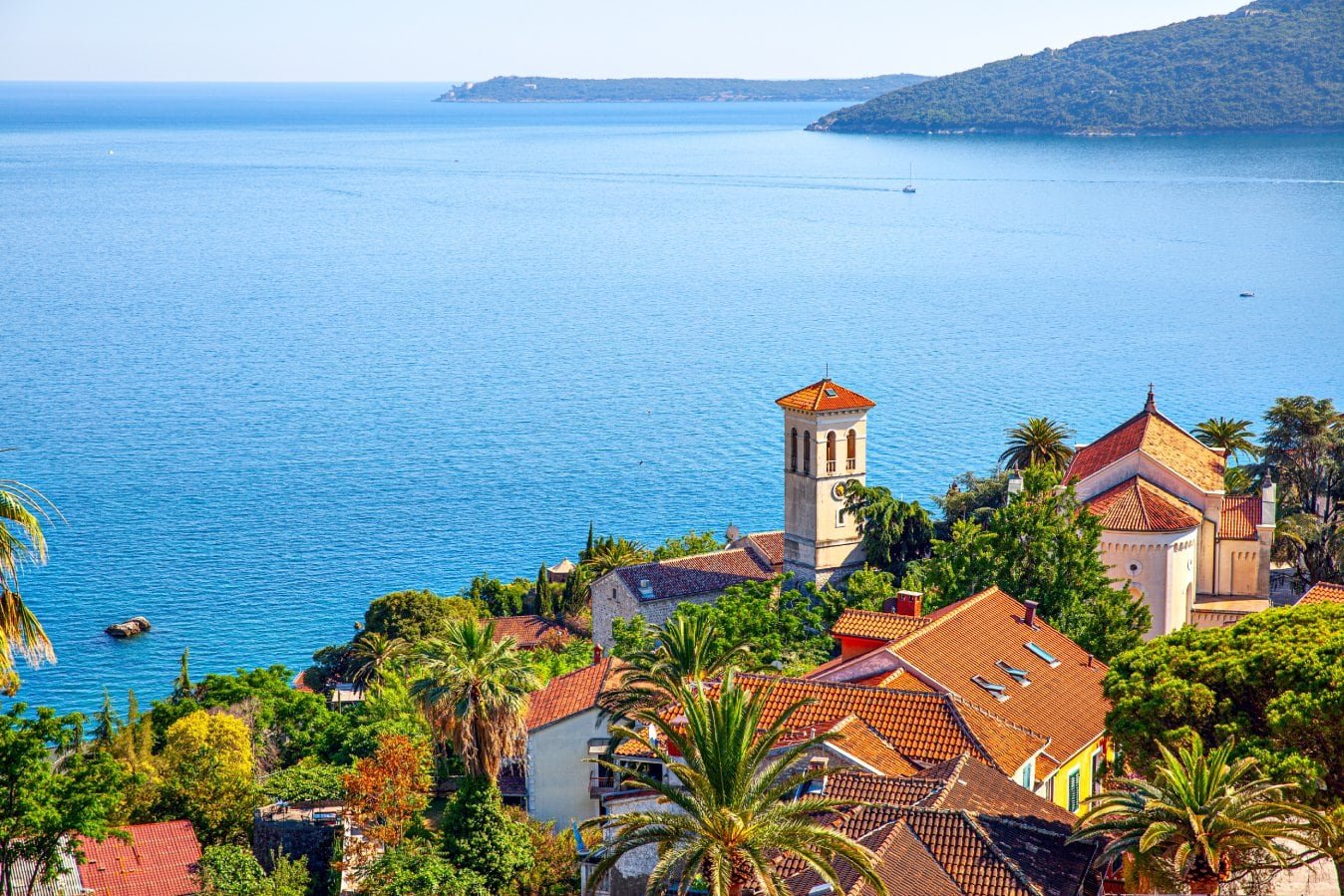
The closure of the CBI programme had less impact on Montenegro’s coastal property market than many observers expected. Demand from Northern European buyers, UAE-based investors, and buyers from across the Western Balkans has remained consistent since 2023.
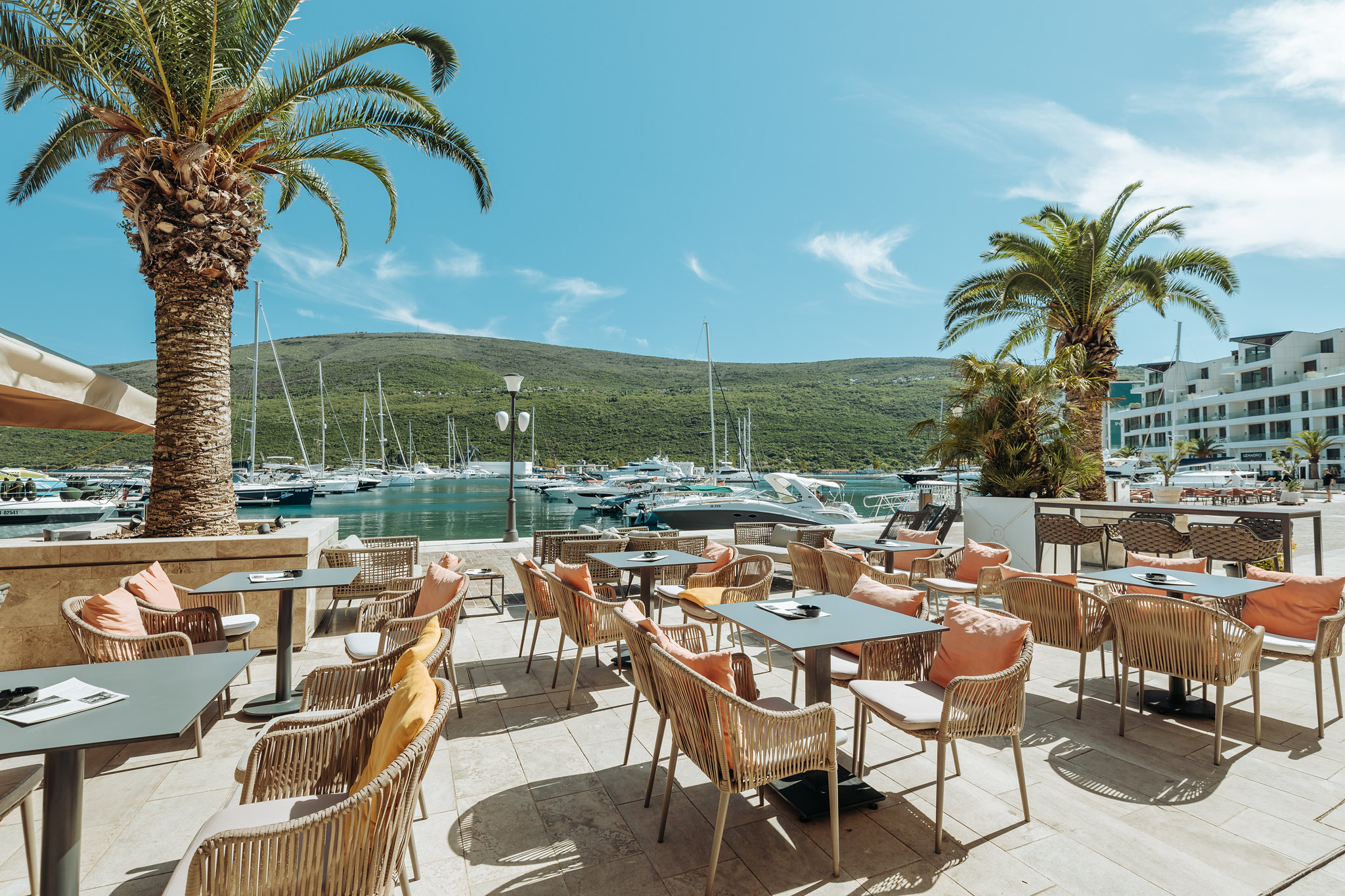
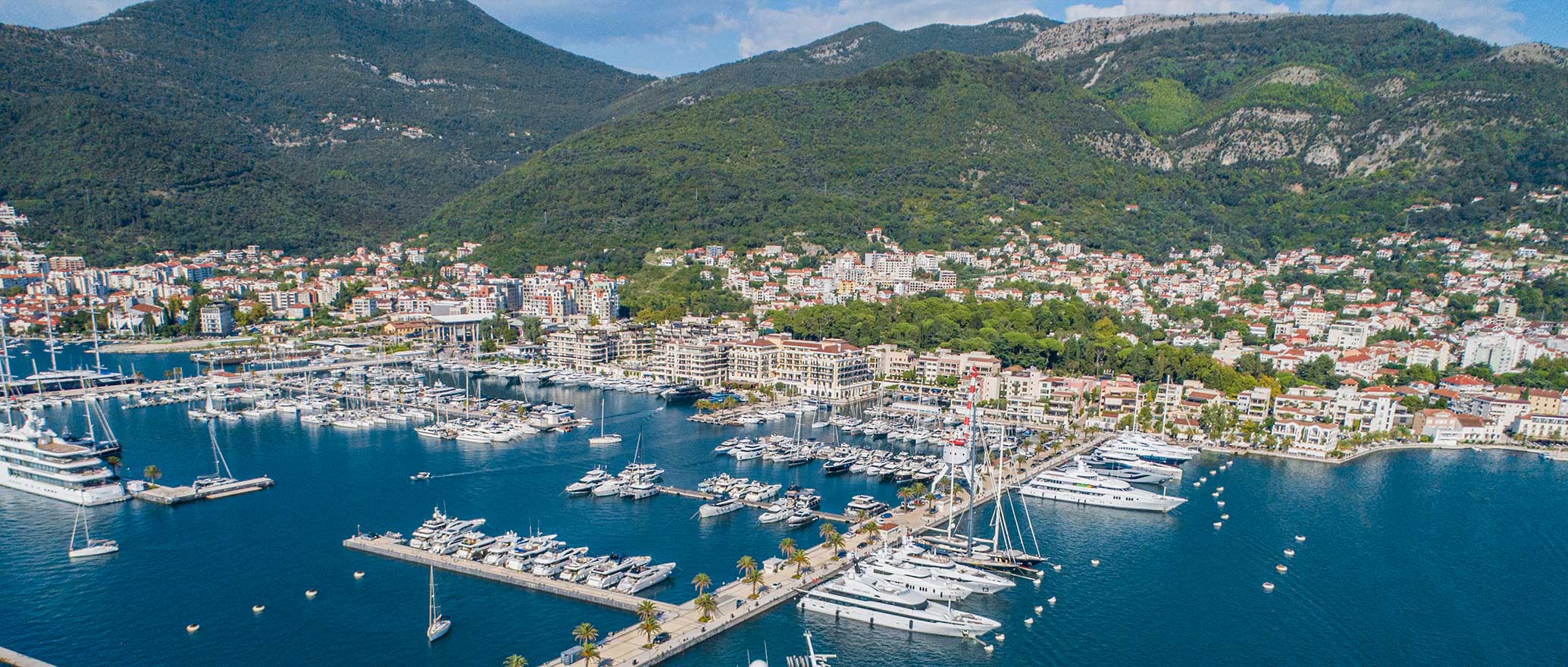
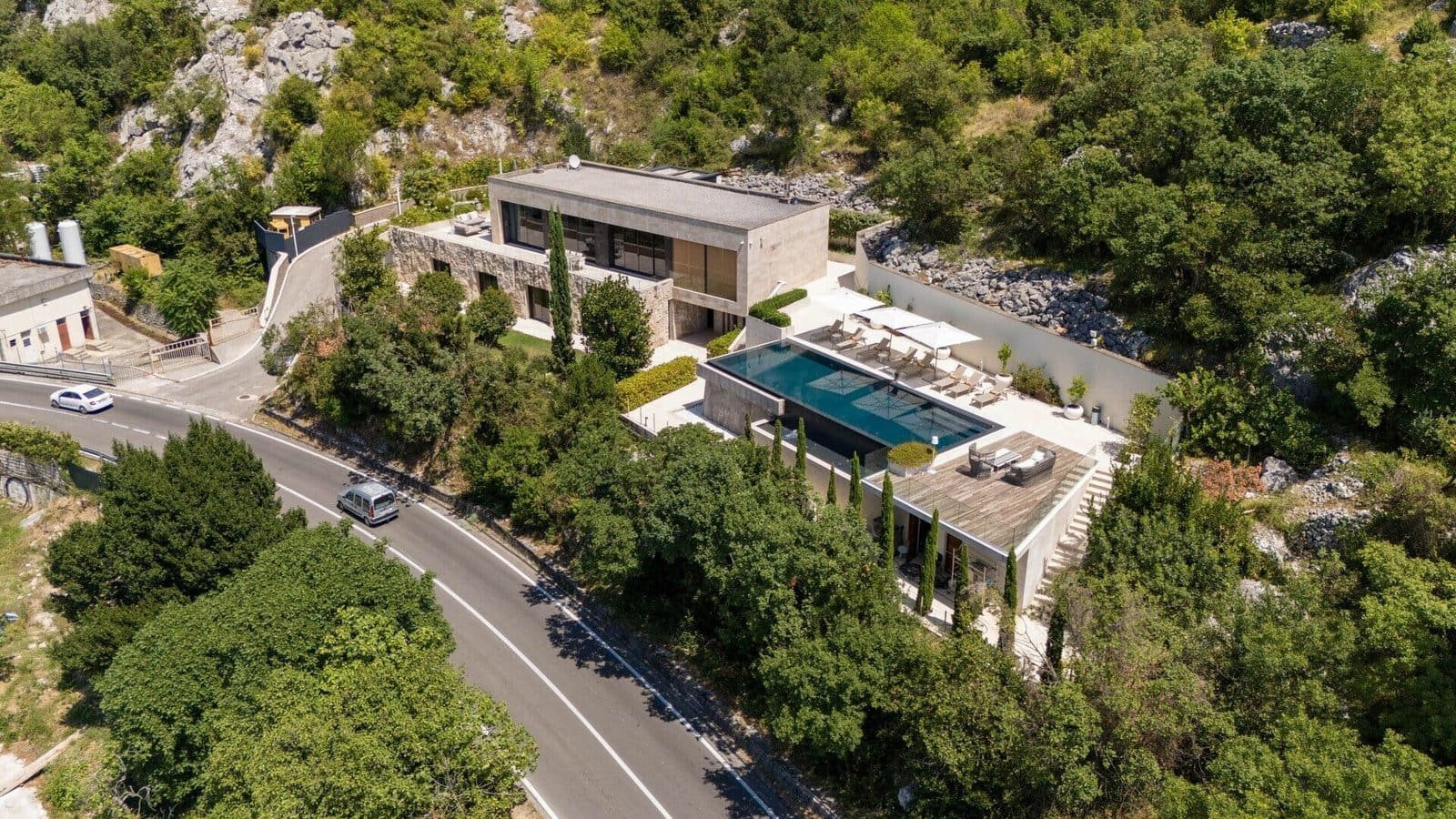
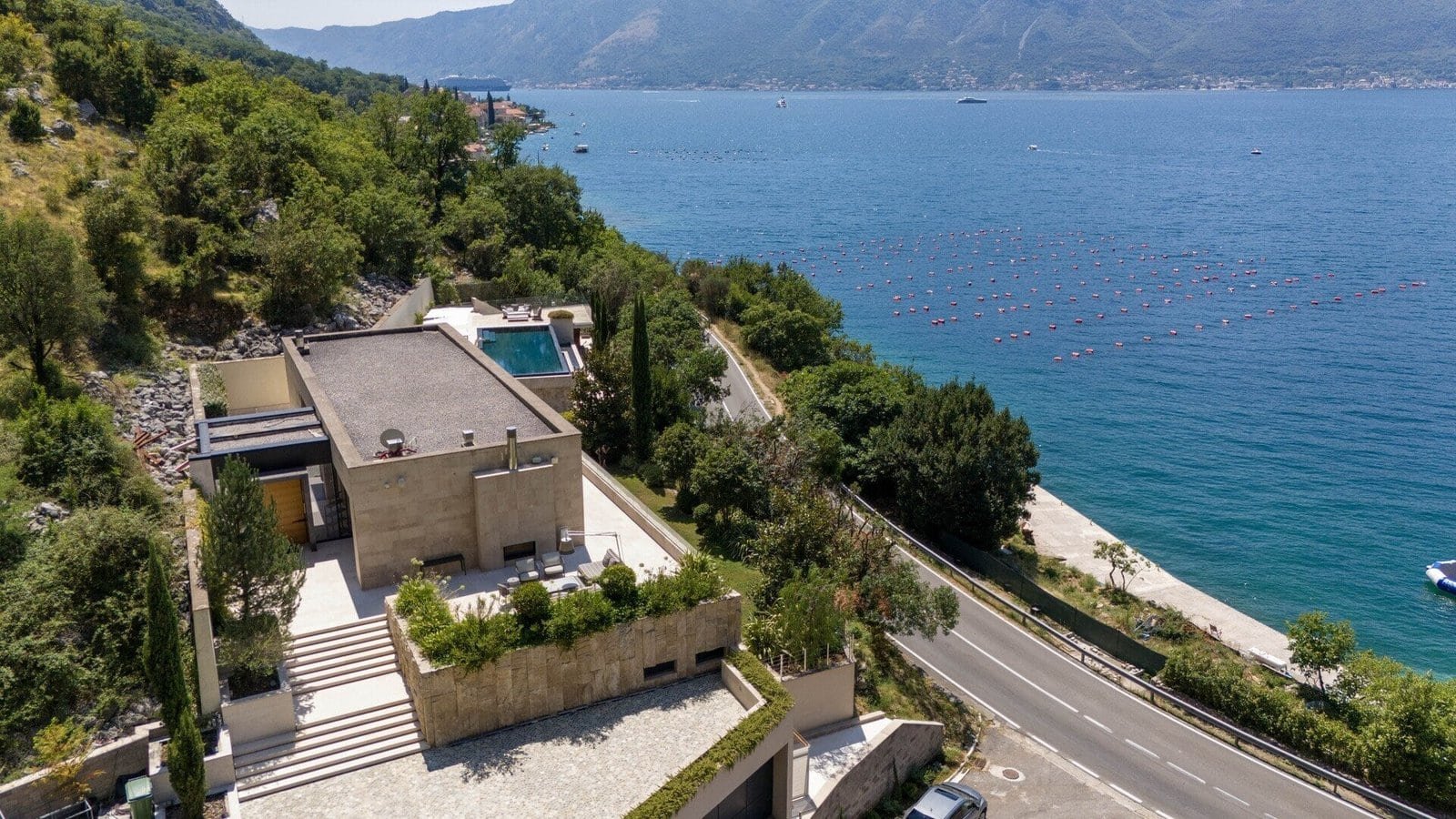
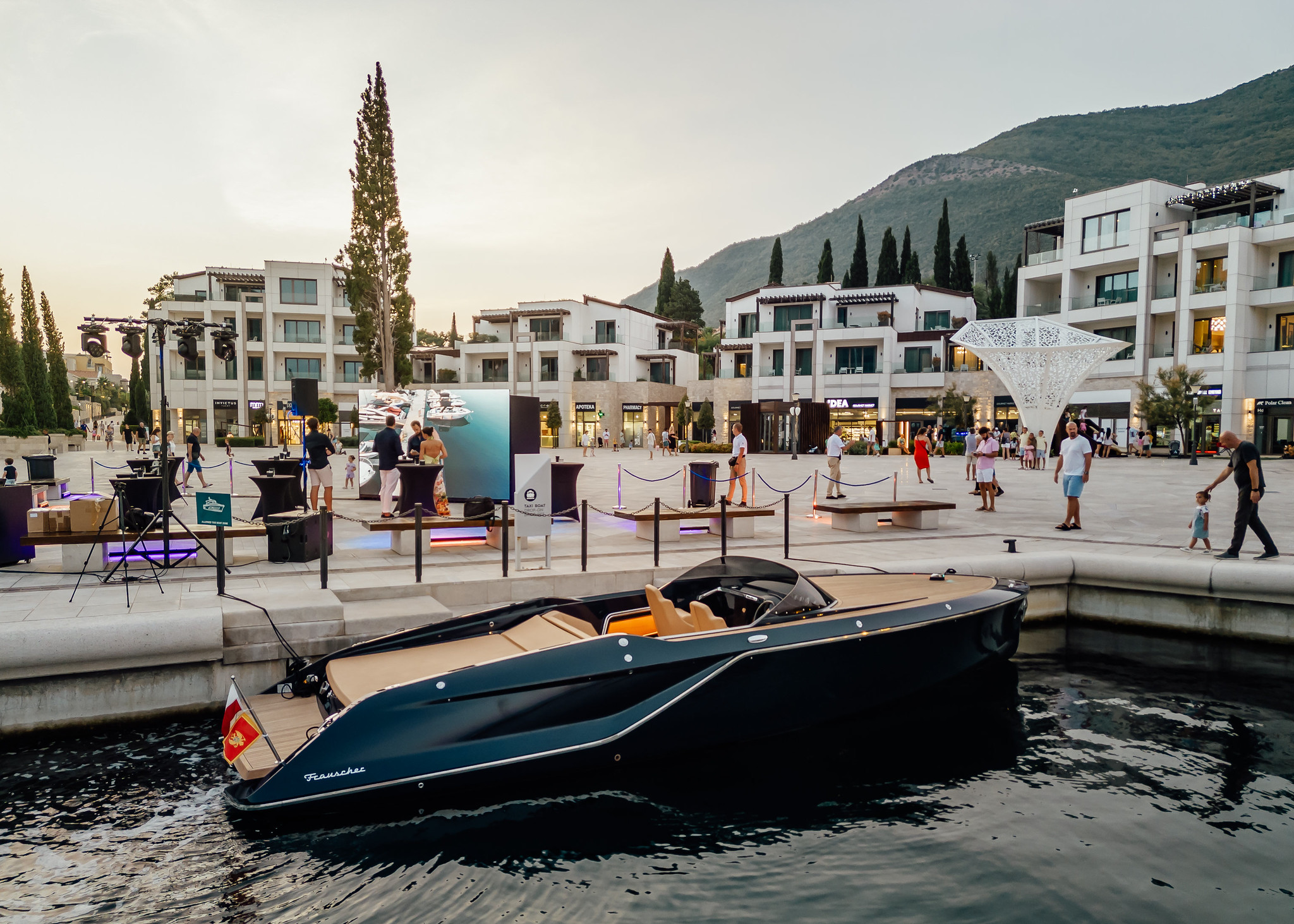
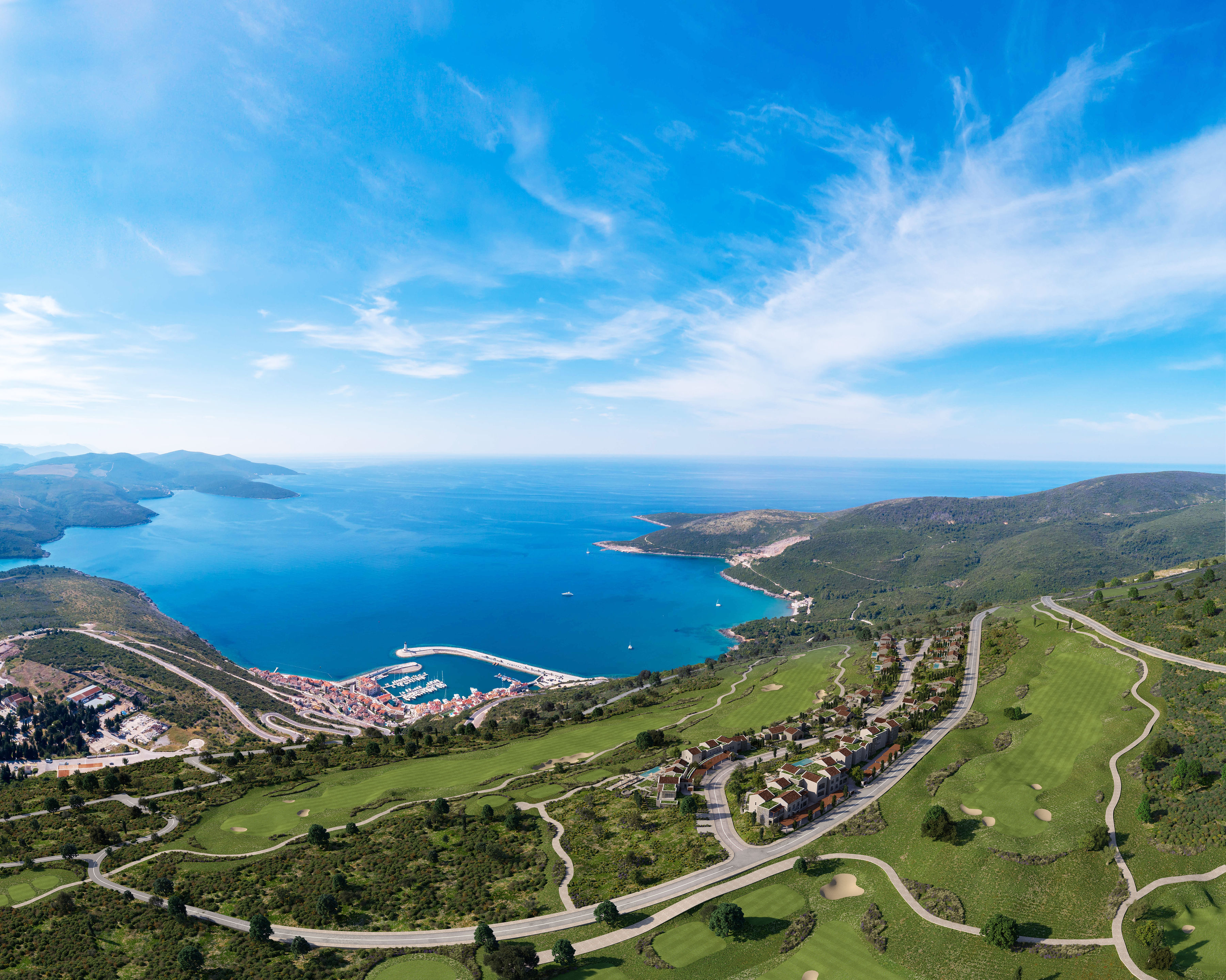
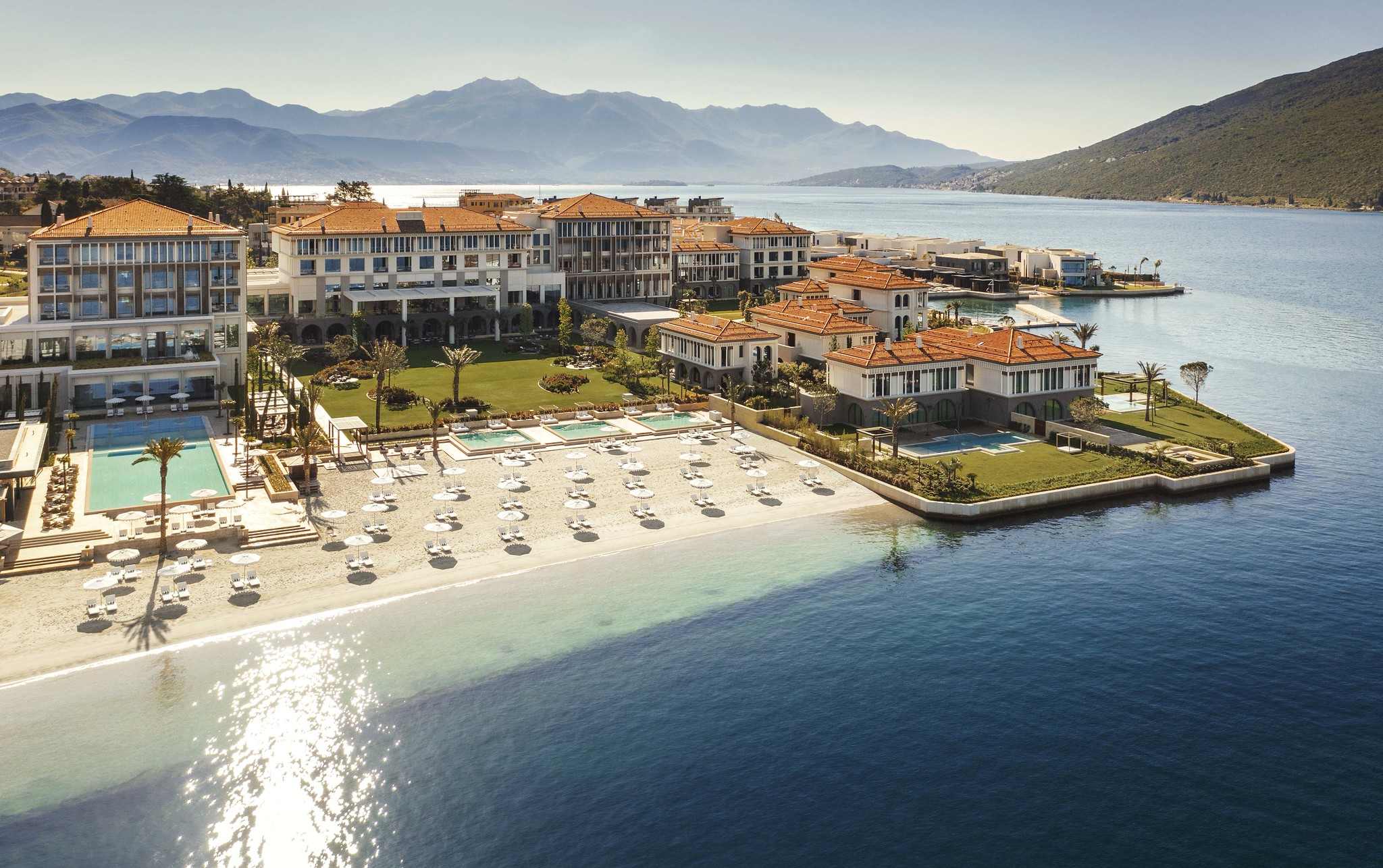
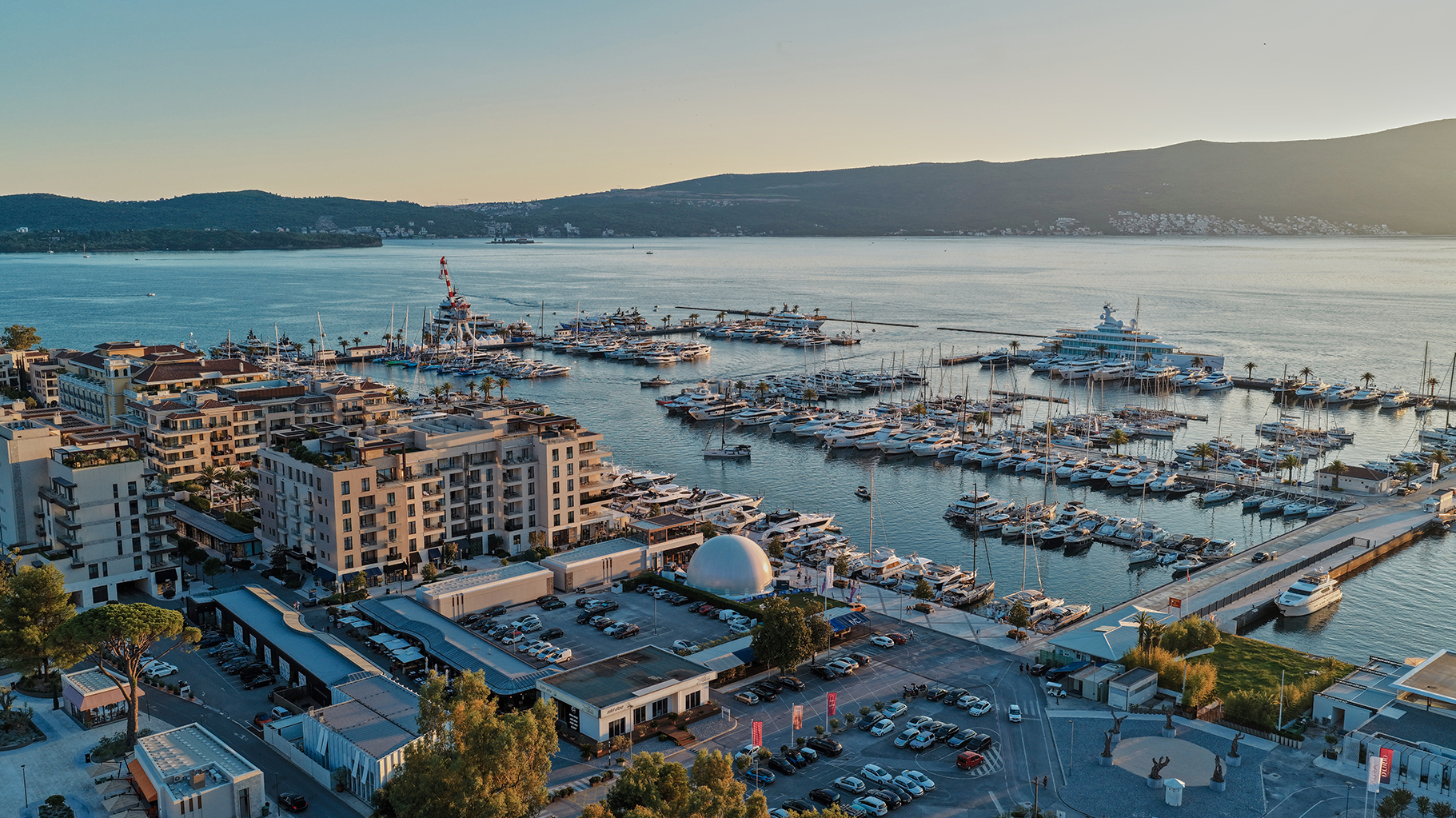
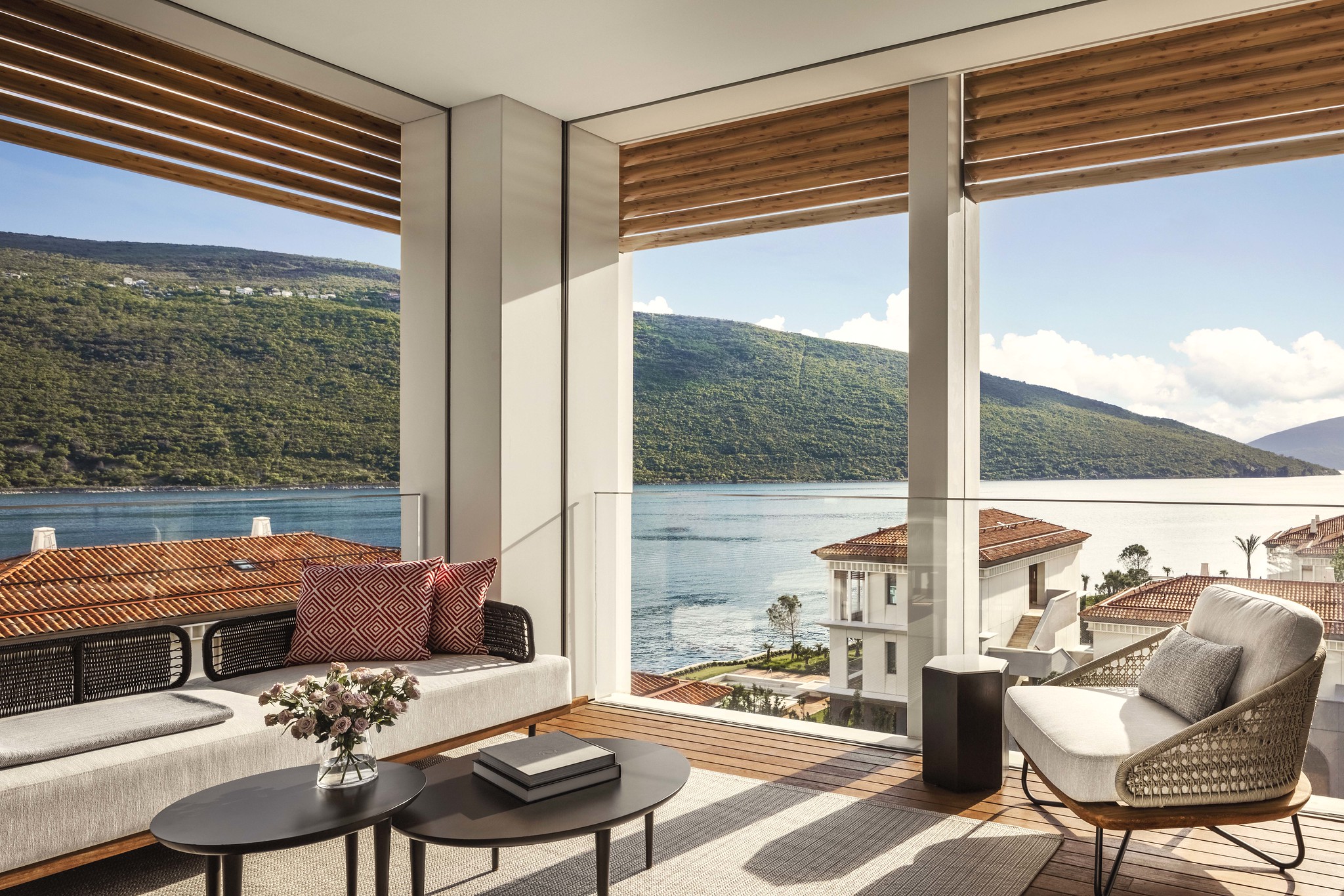
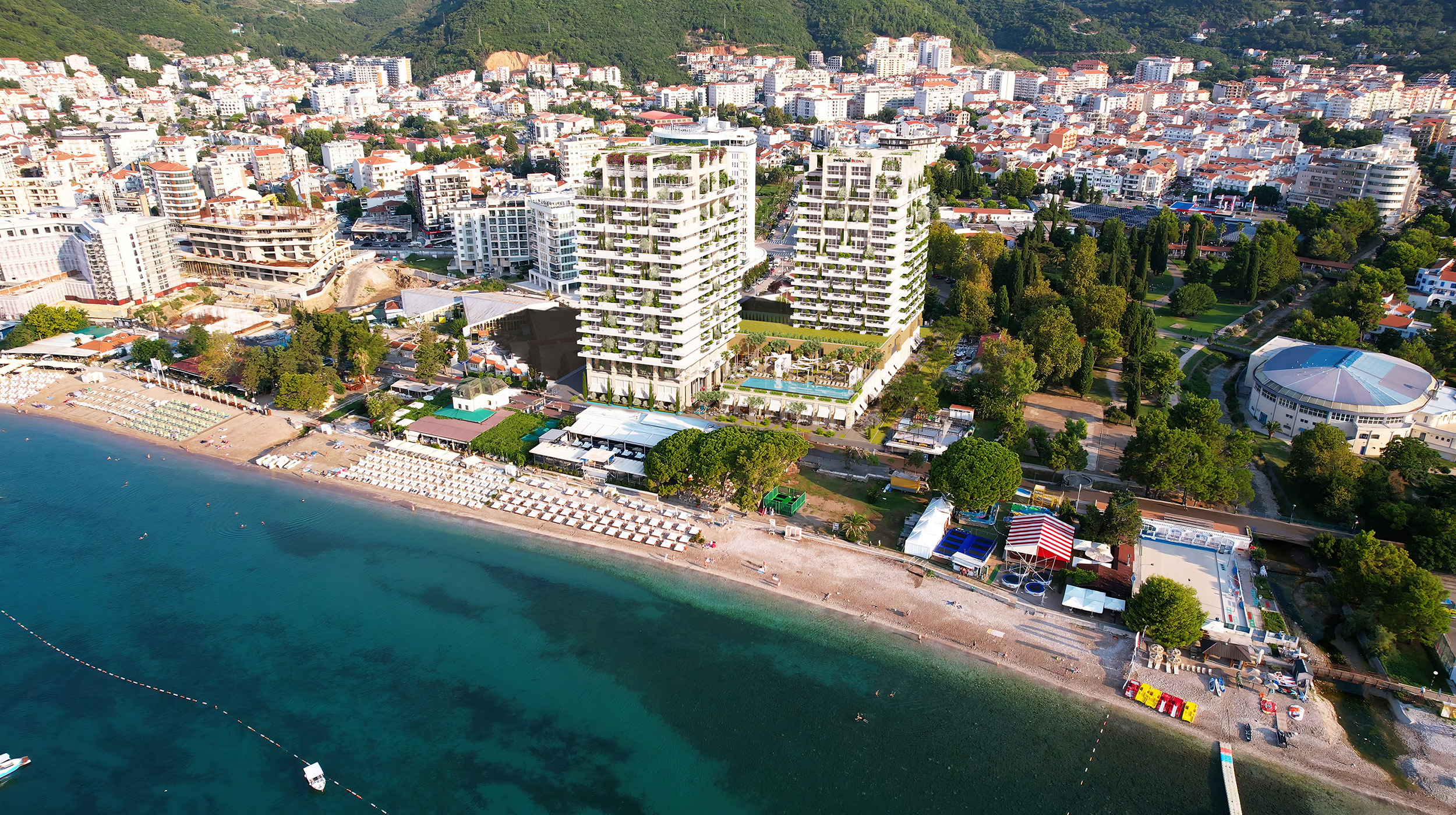
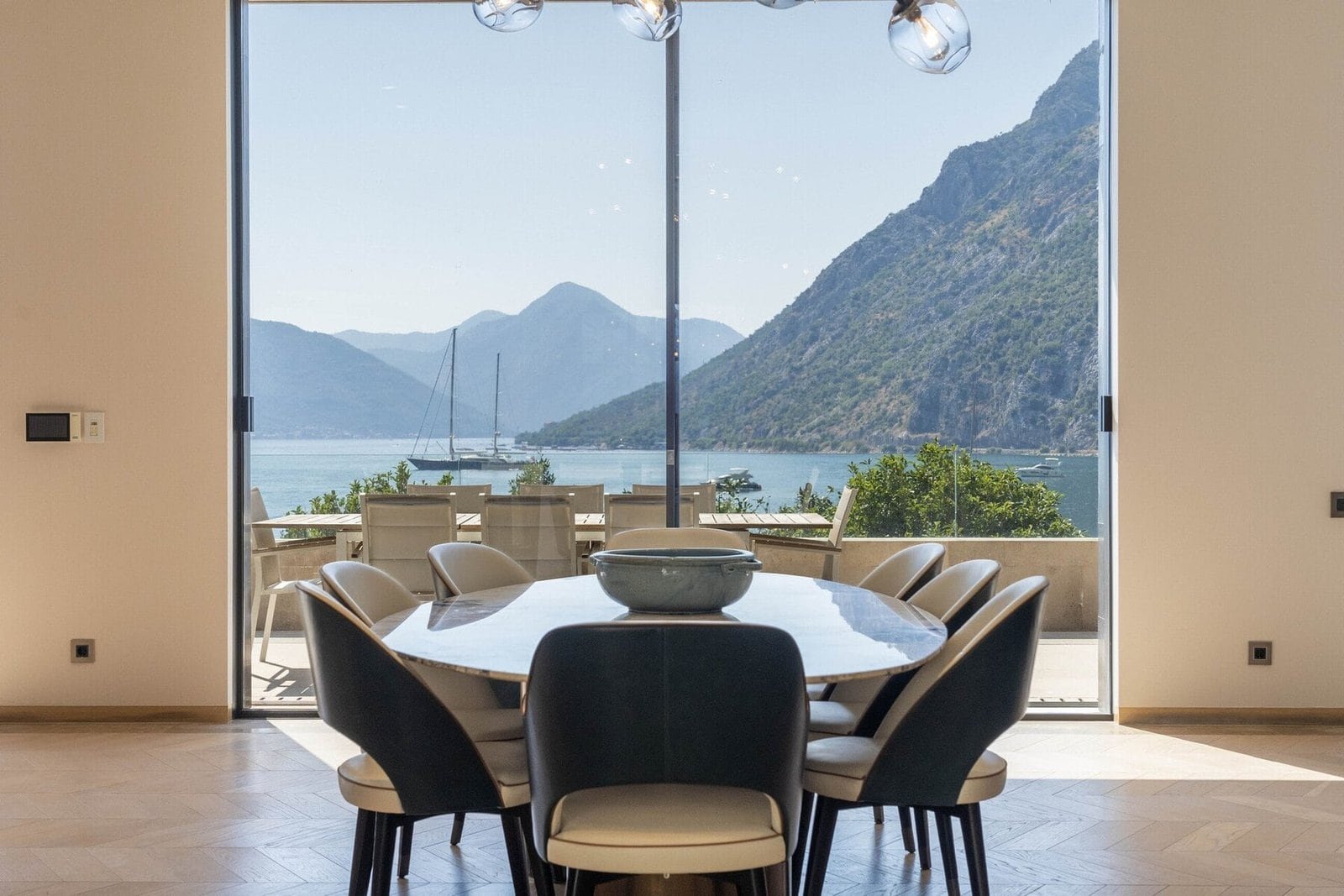
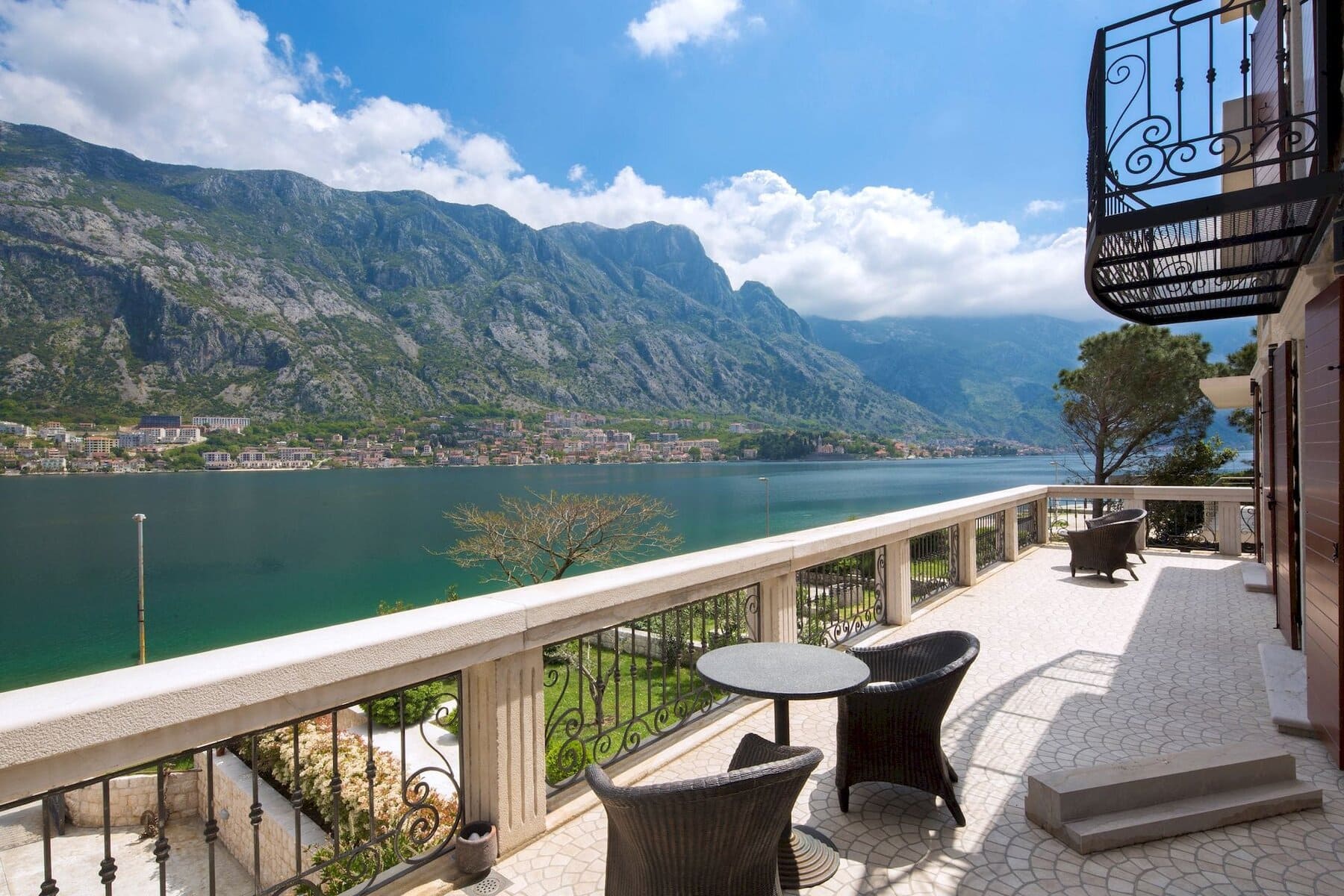
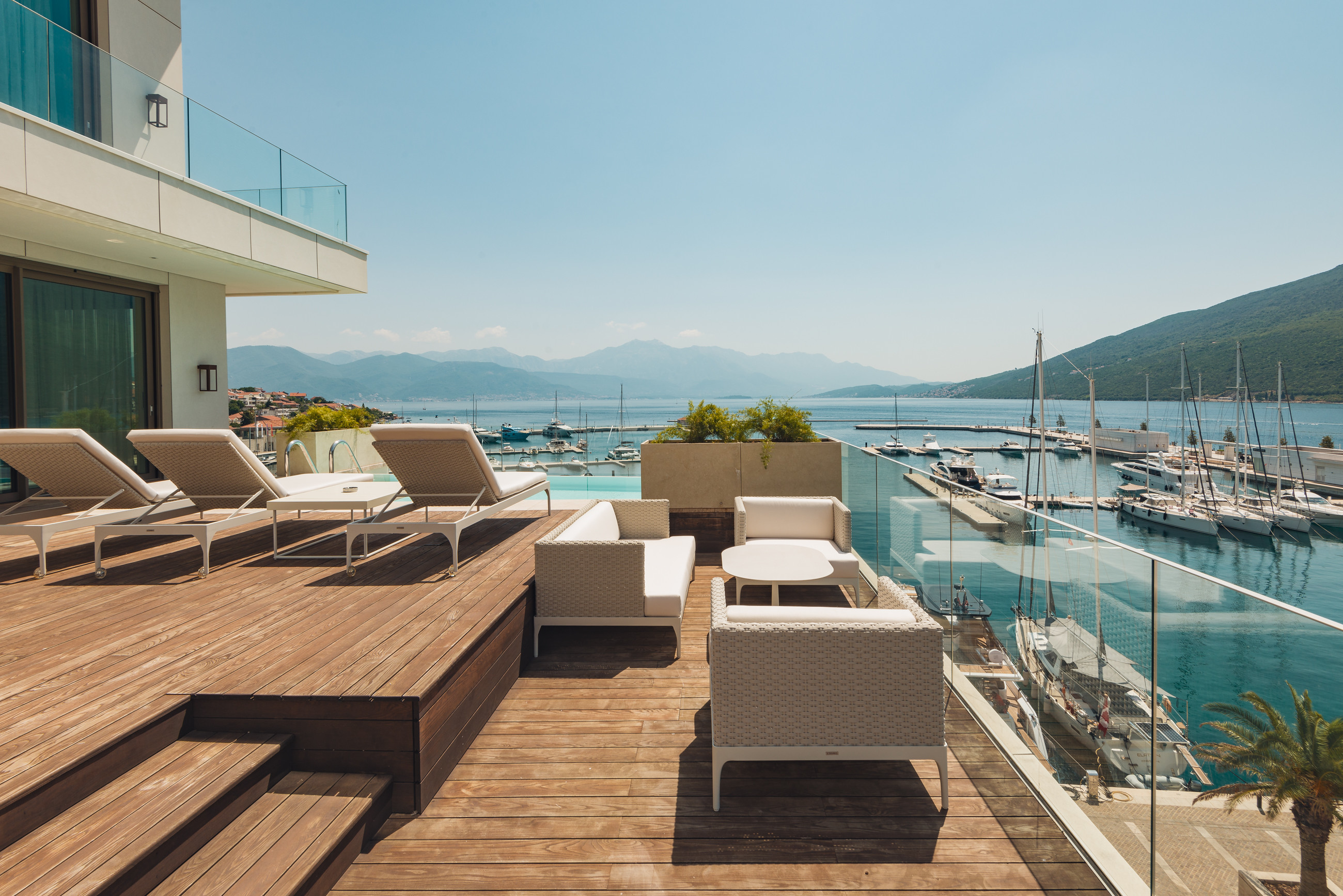
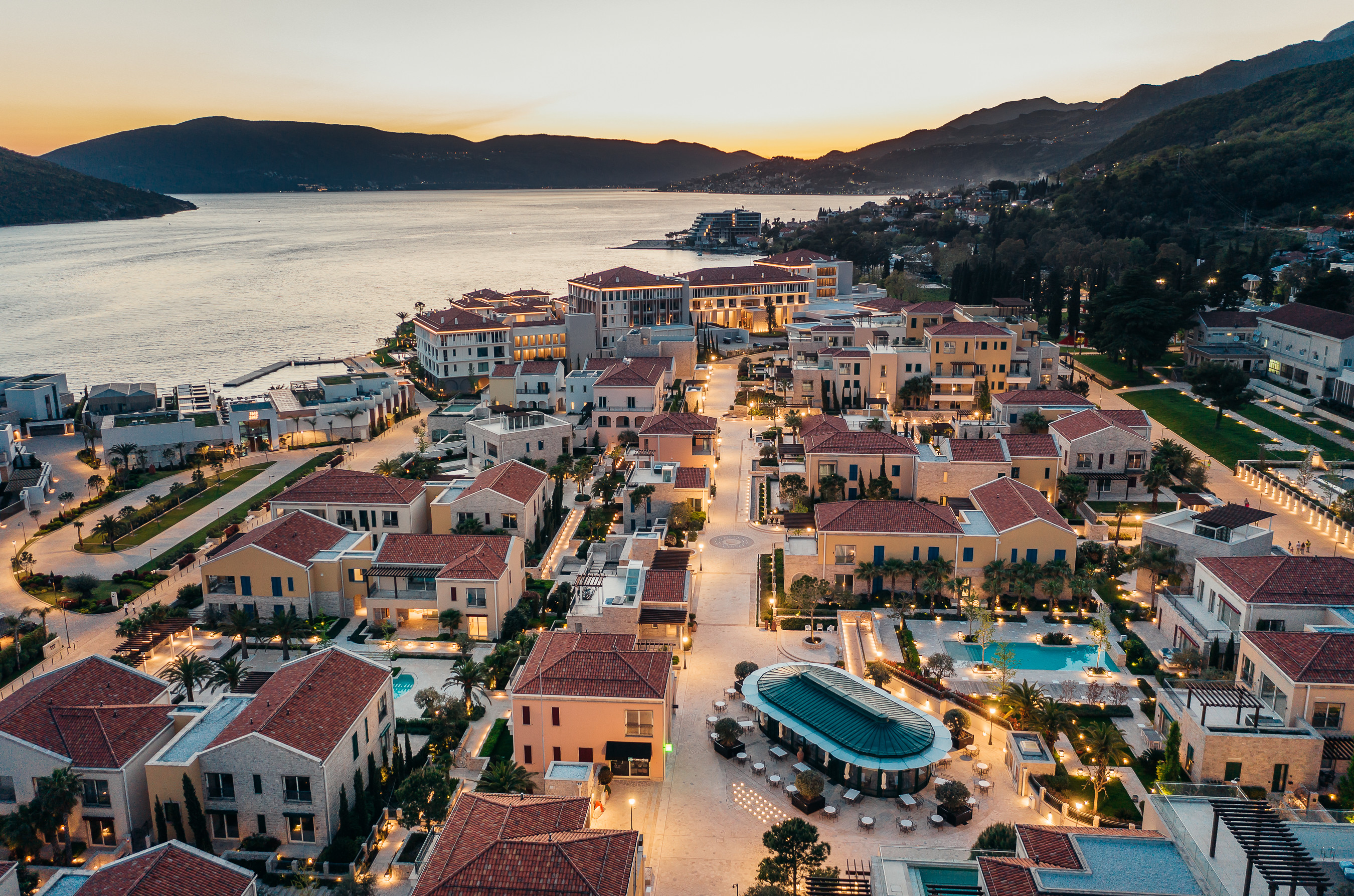
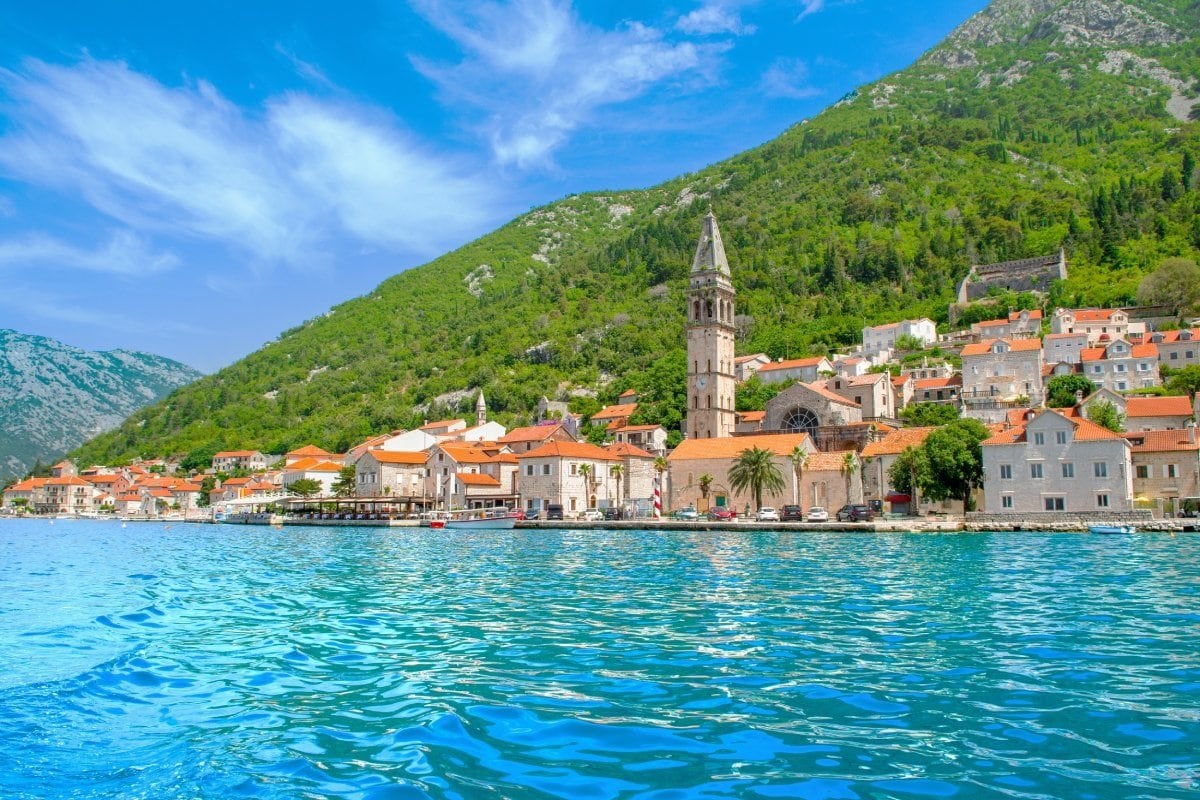
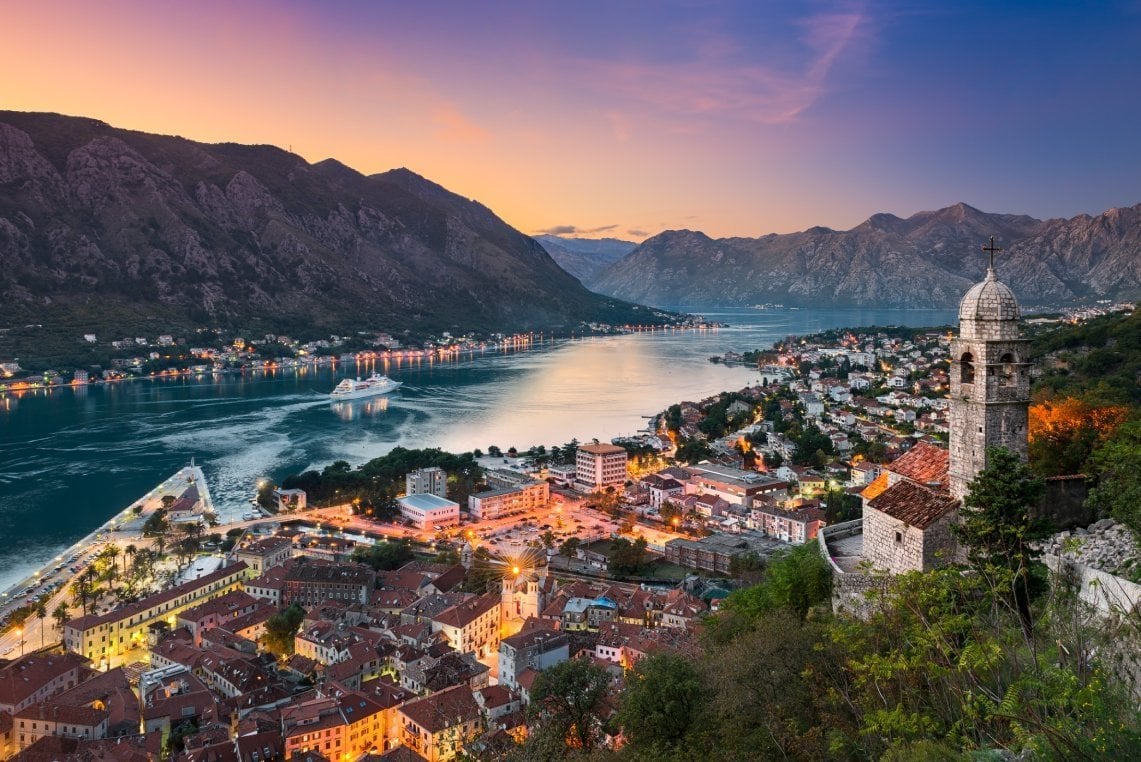
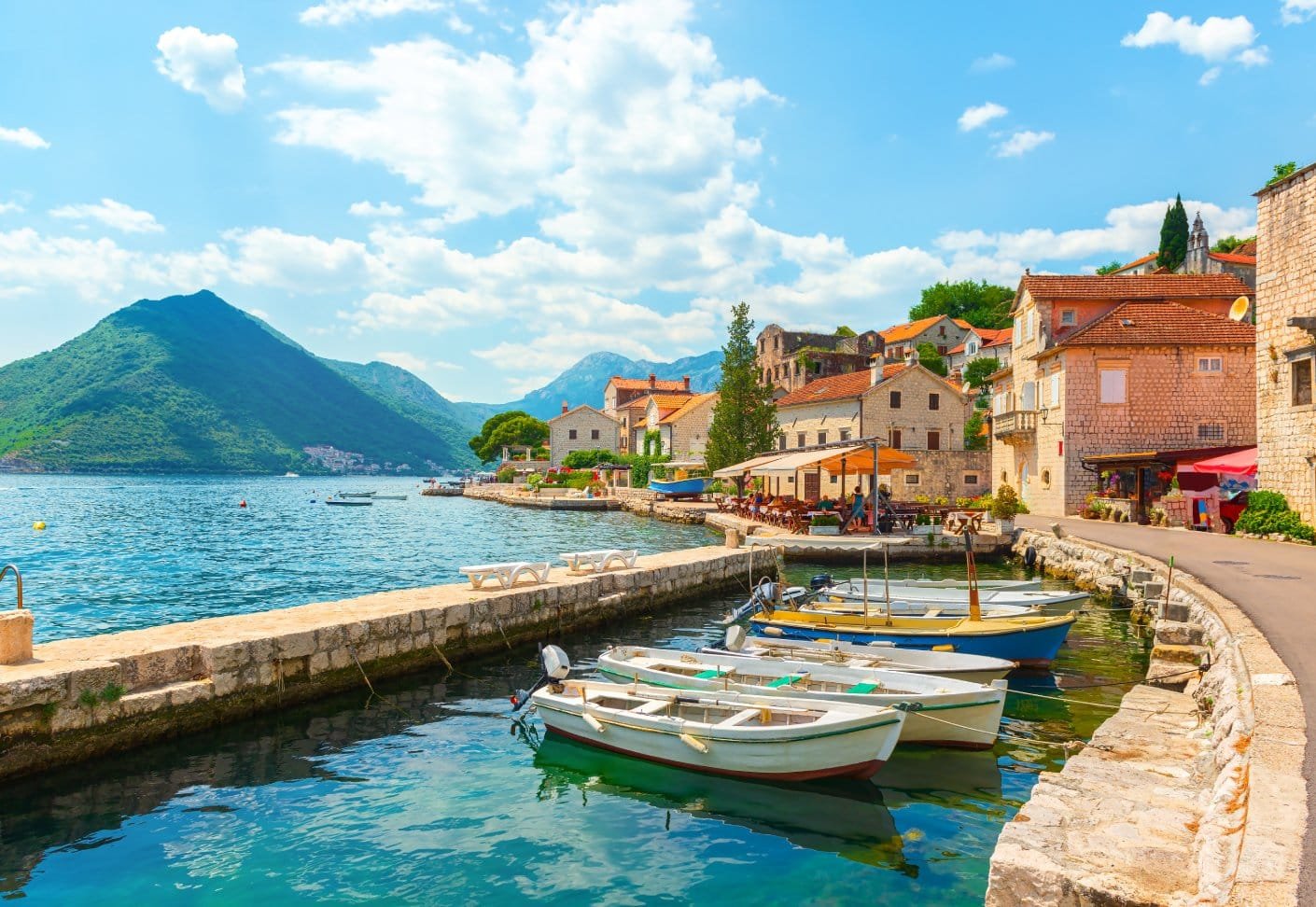
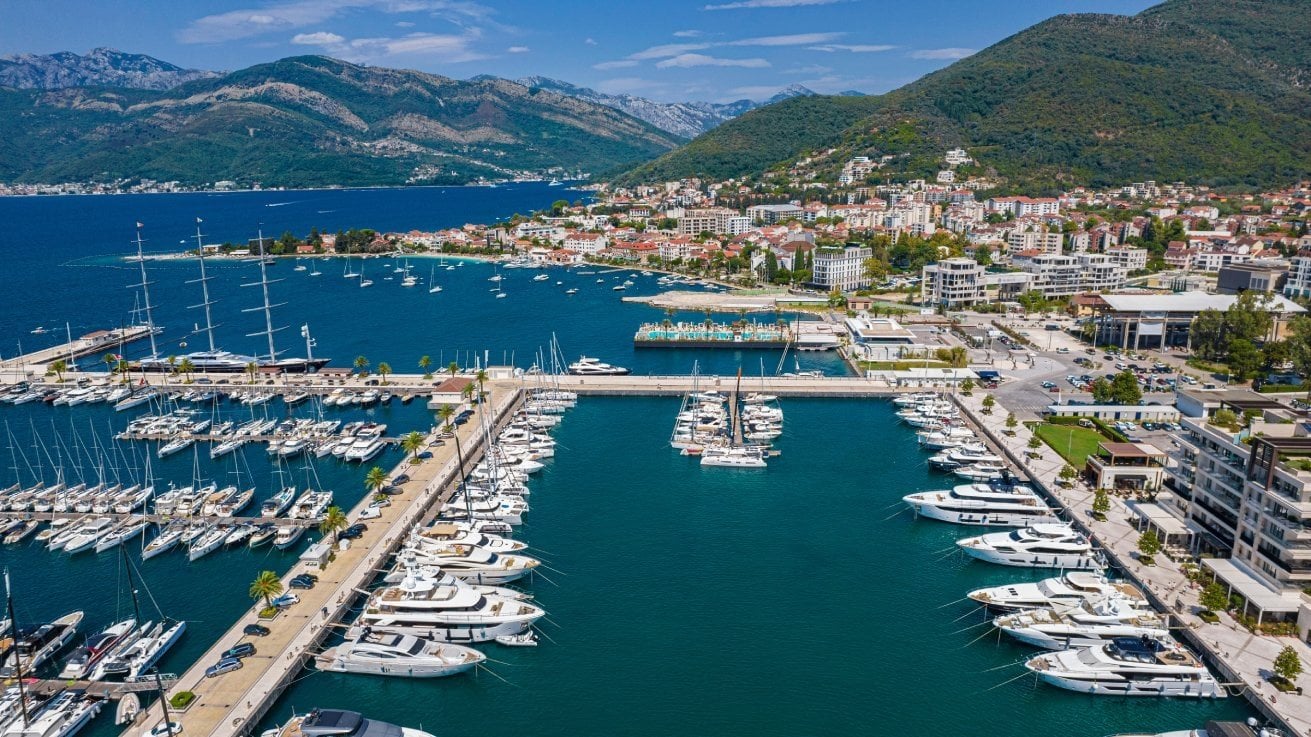
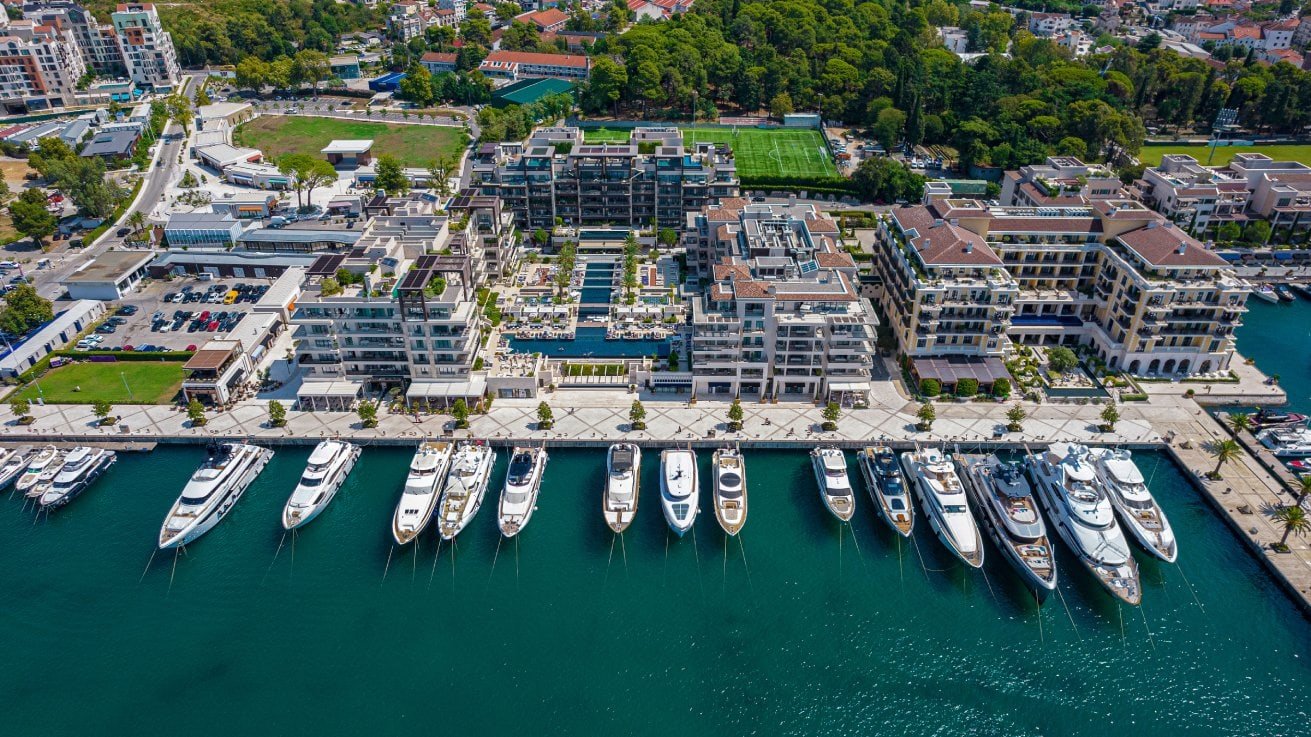
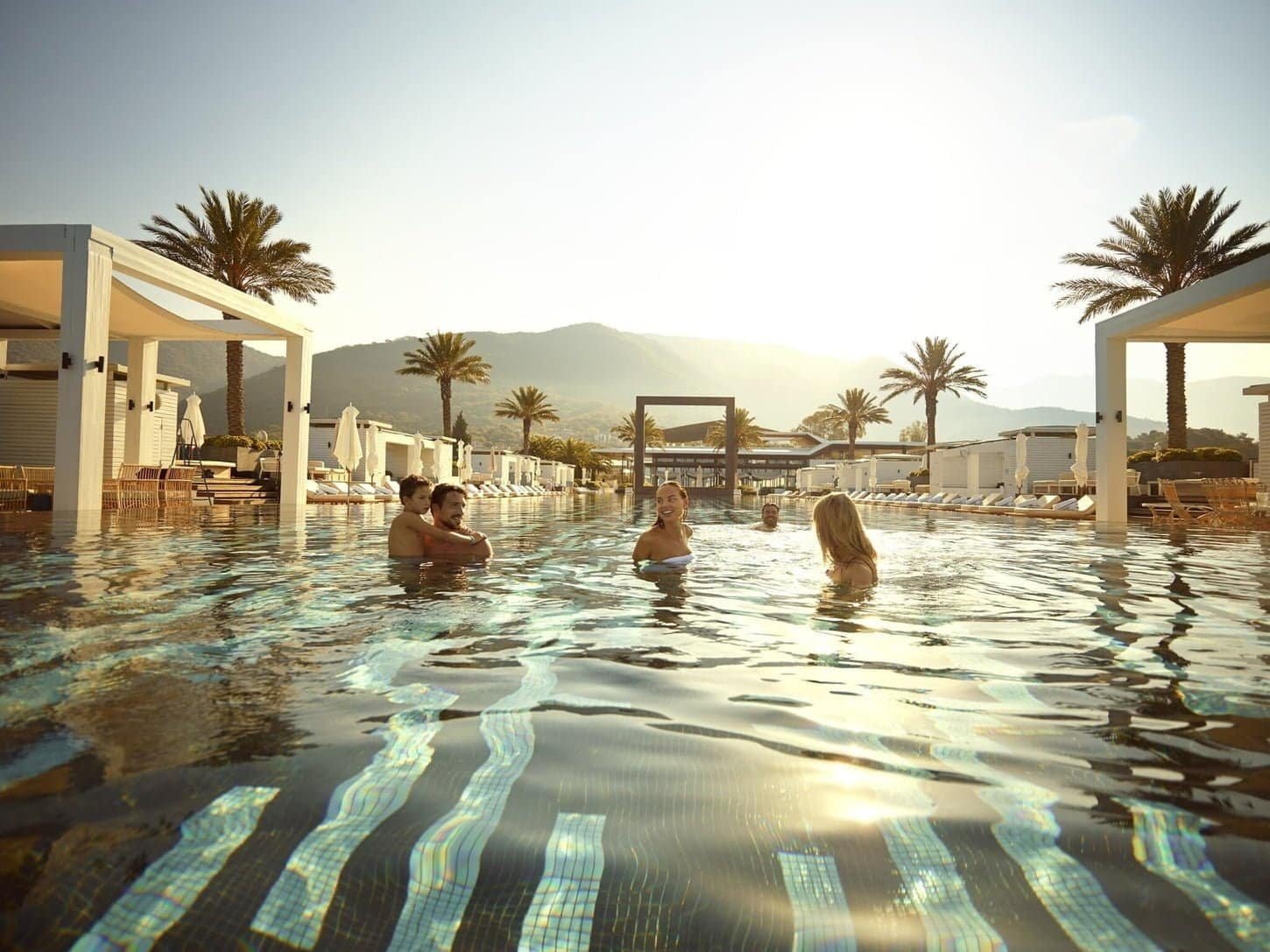
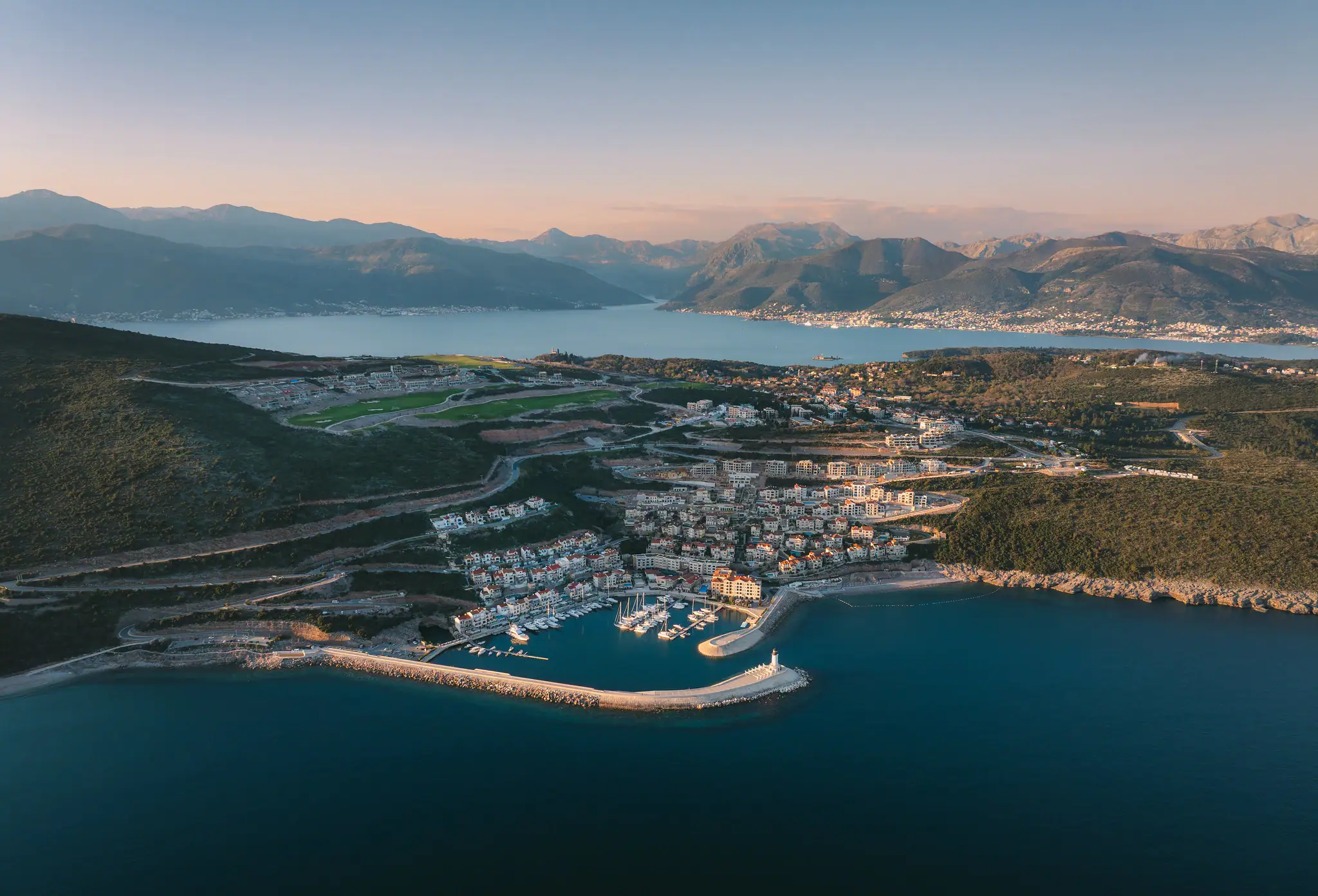
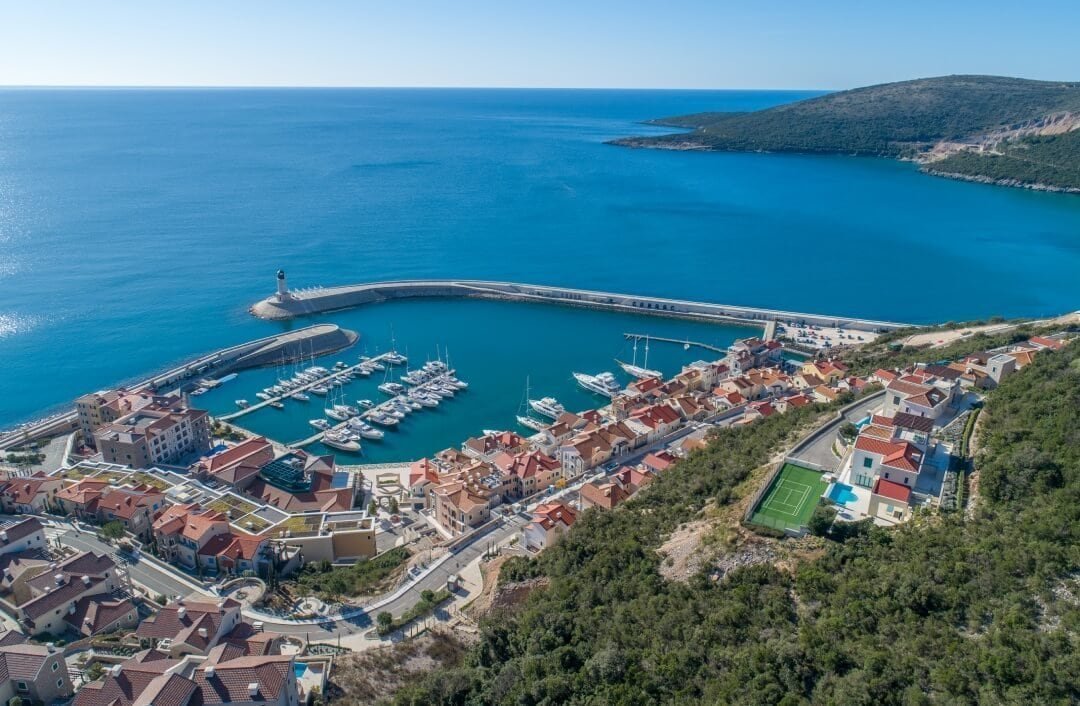
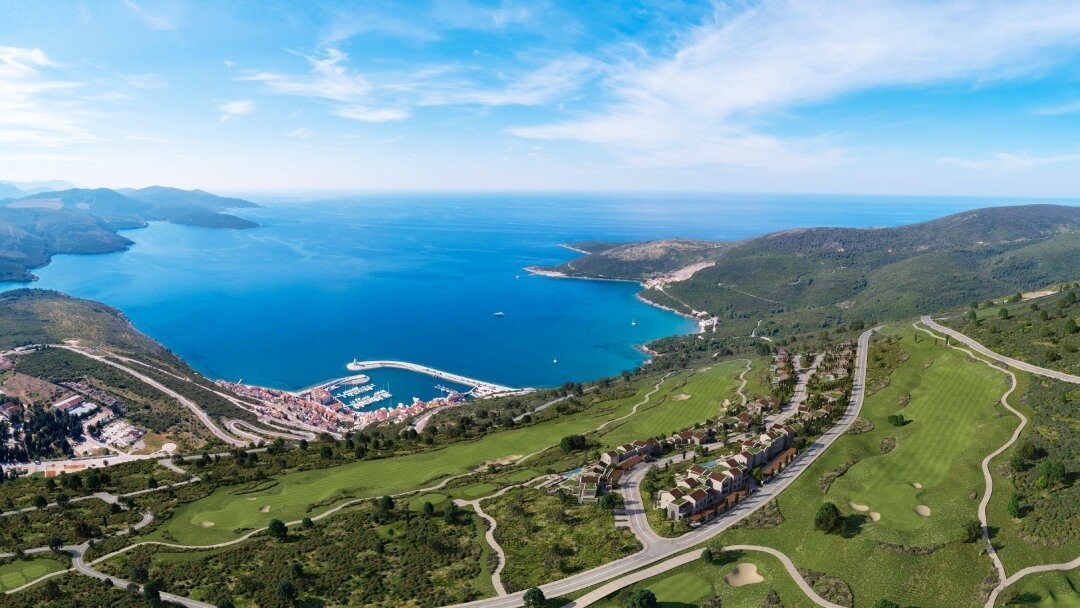
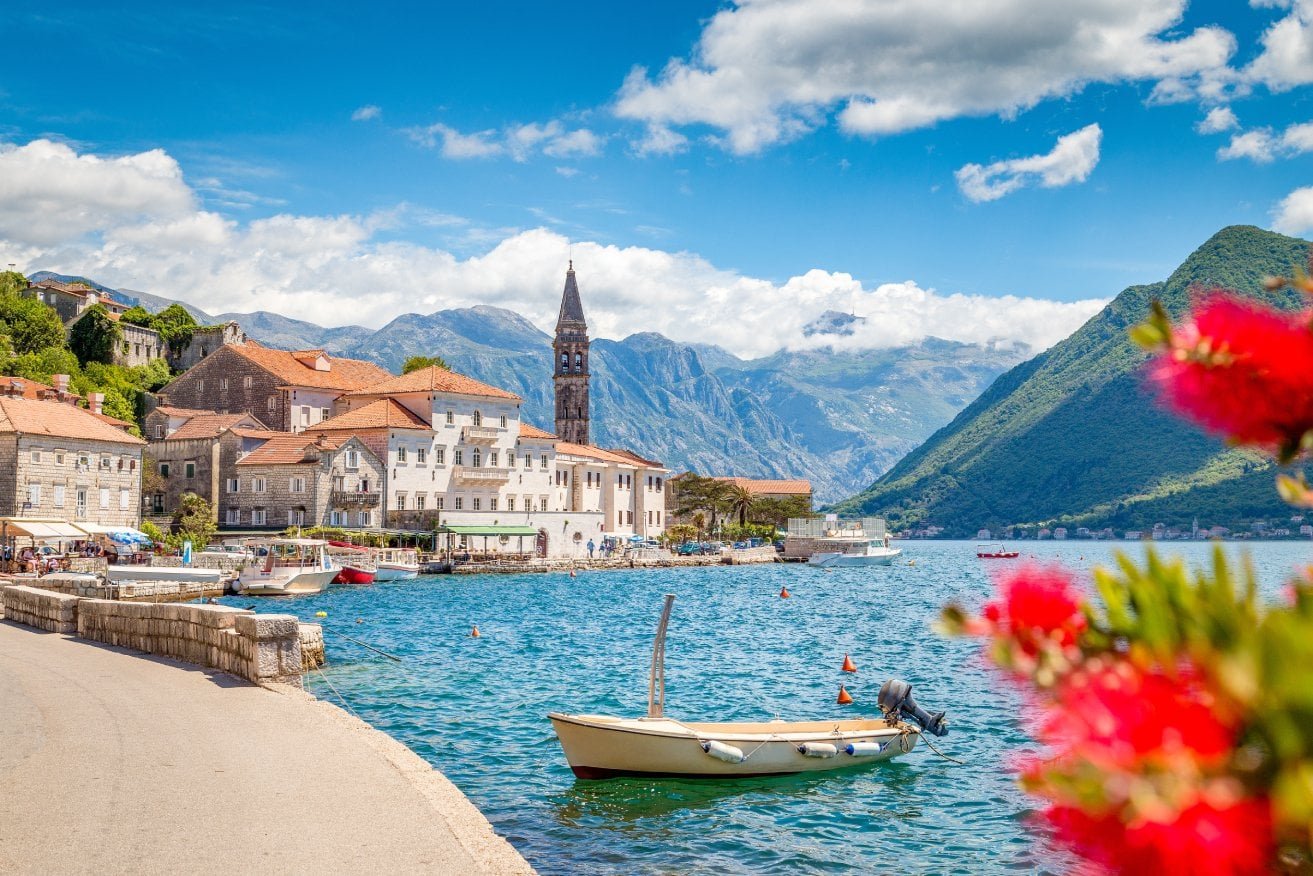
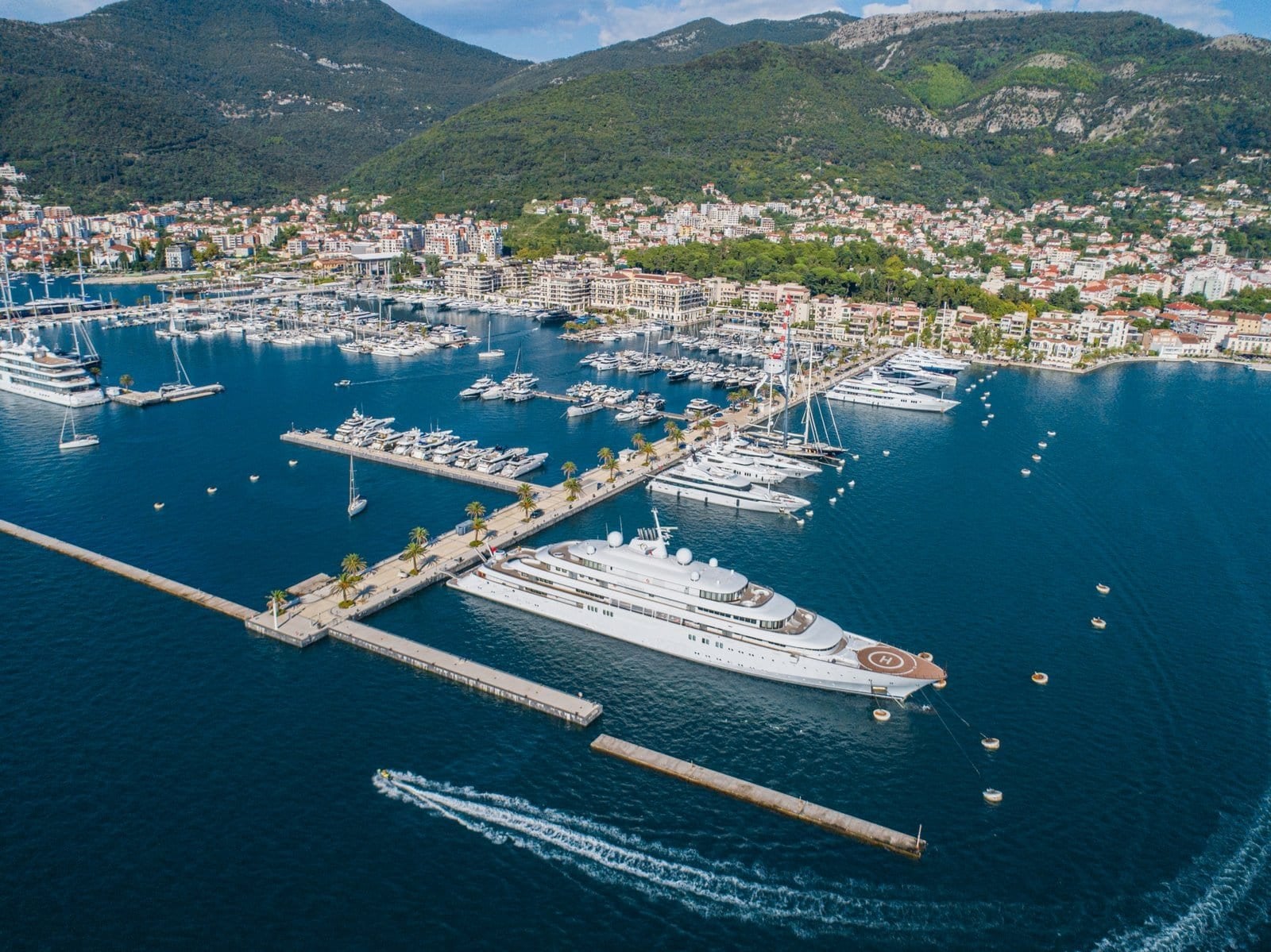
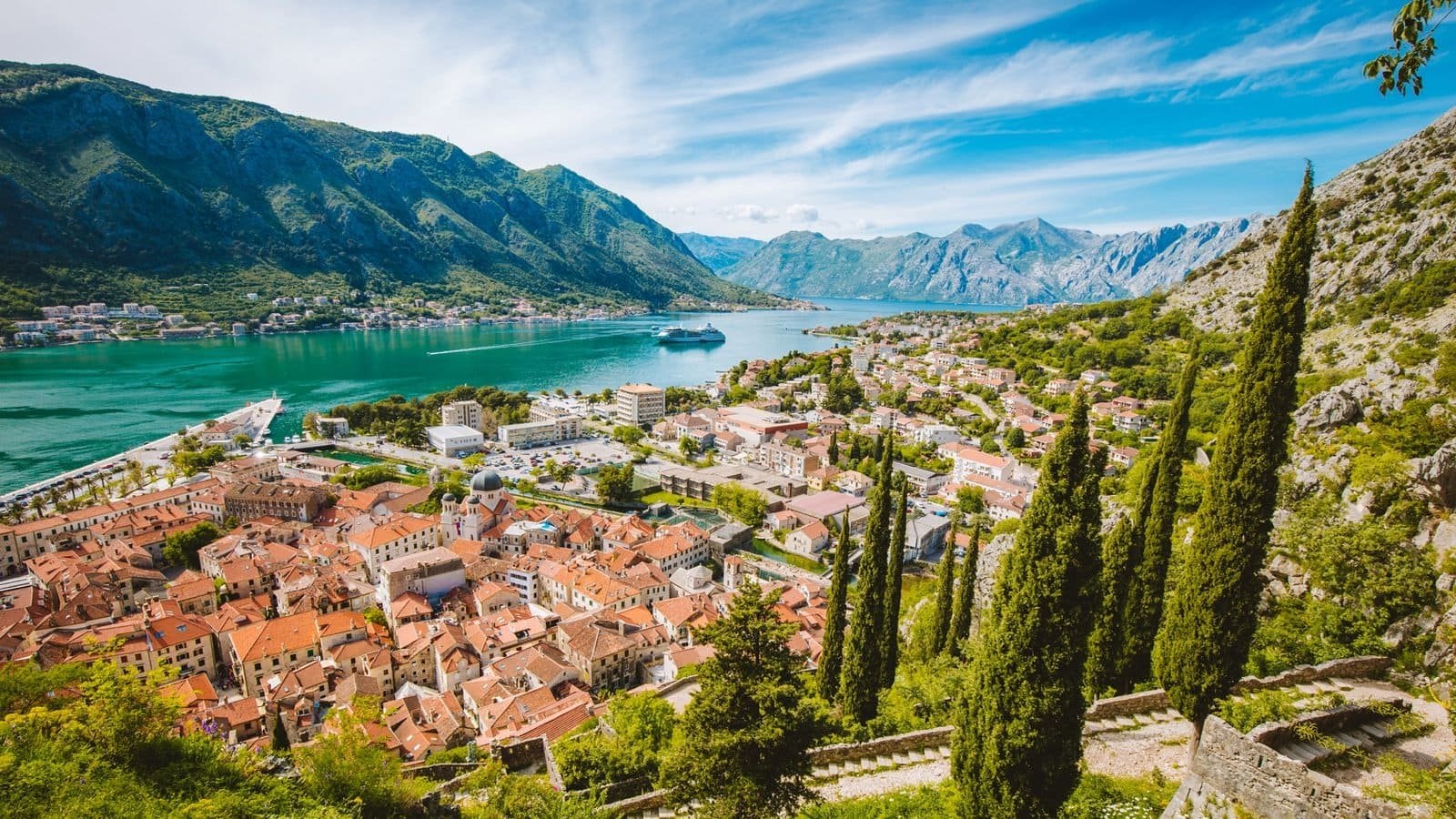
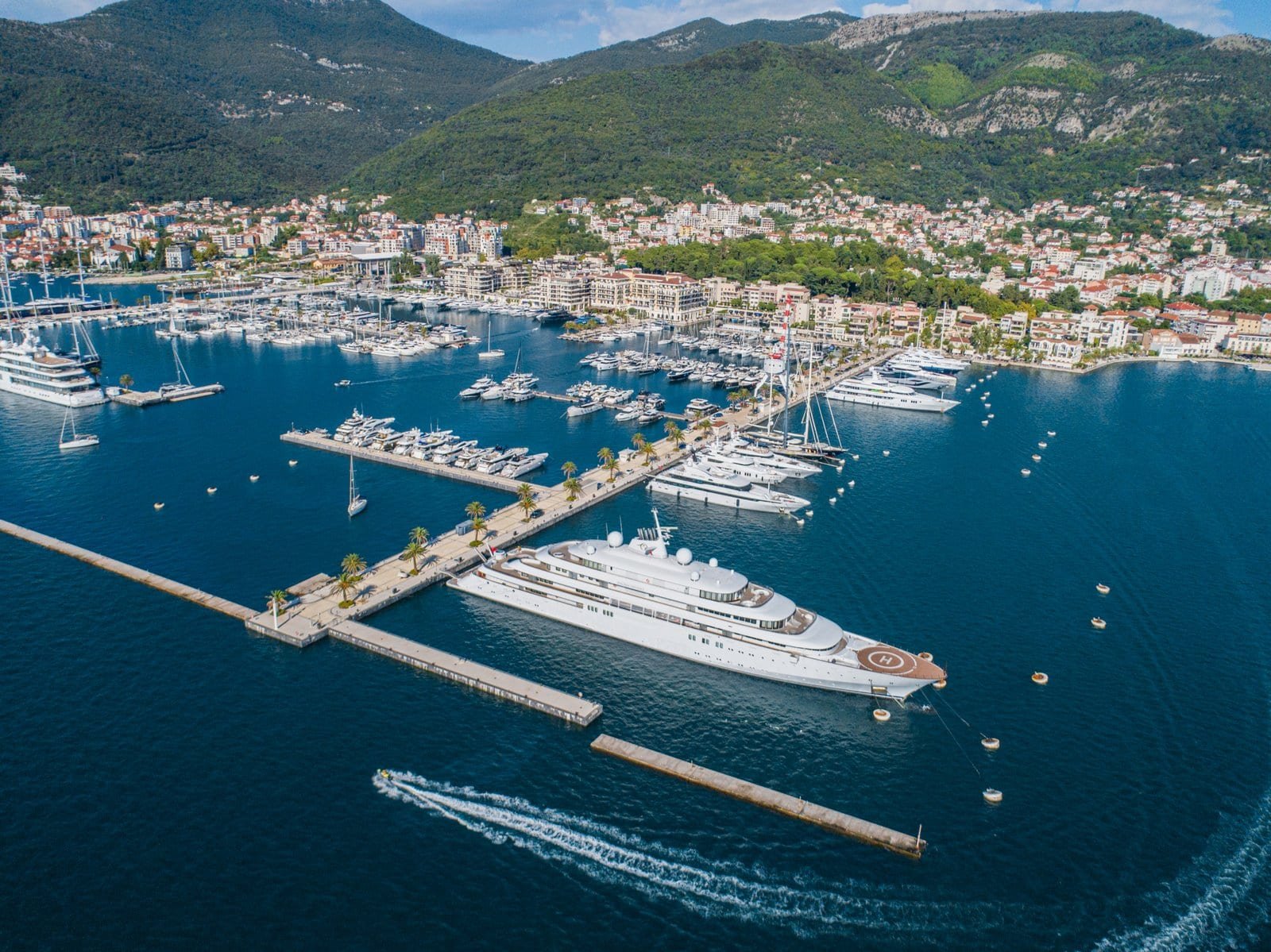
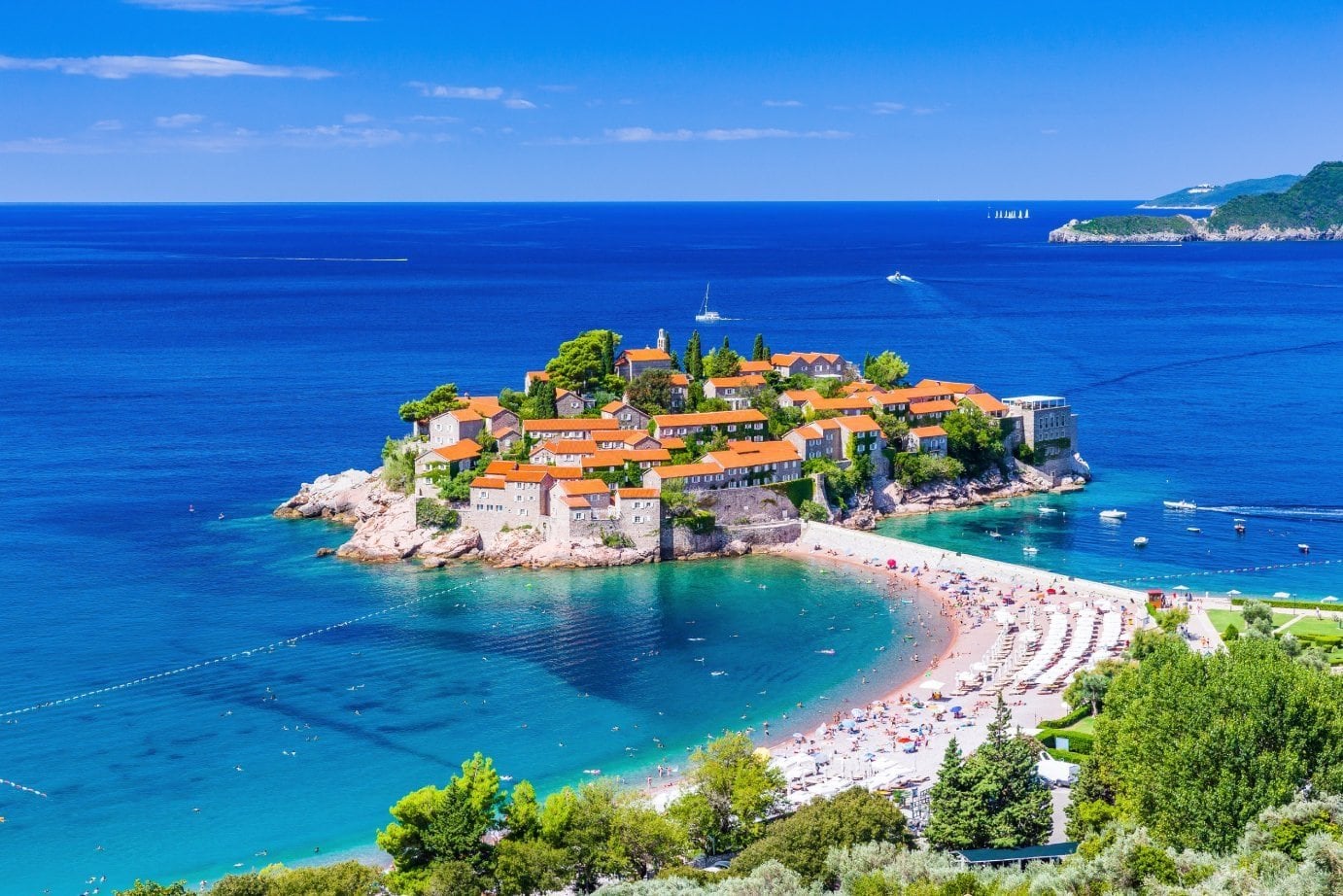
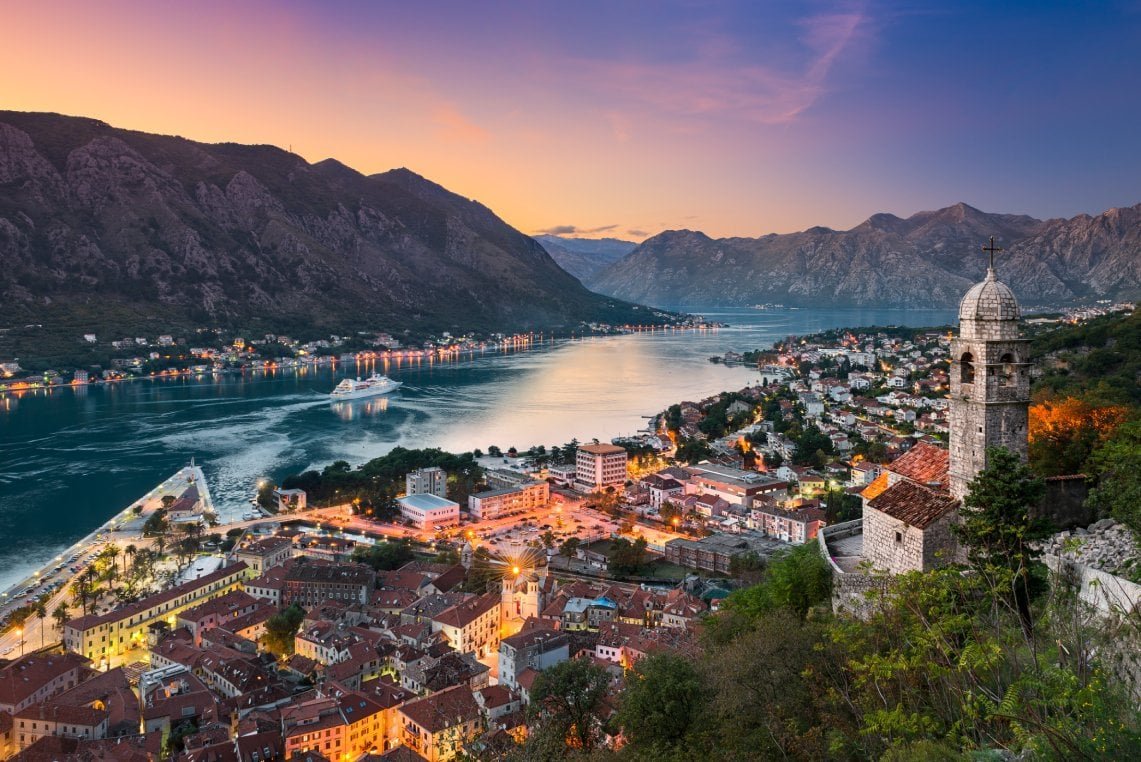
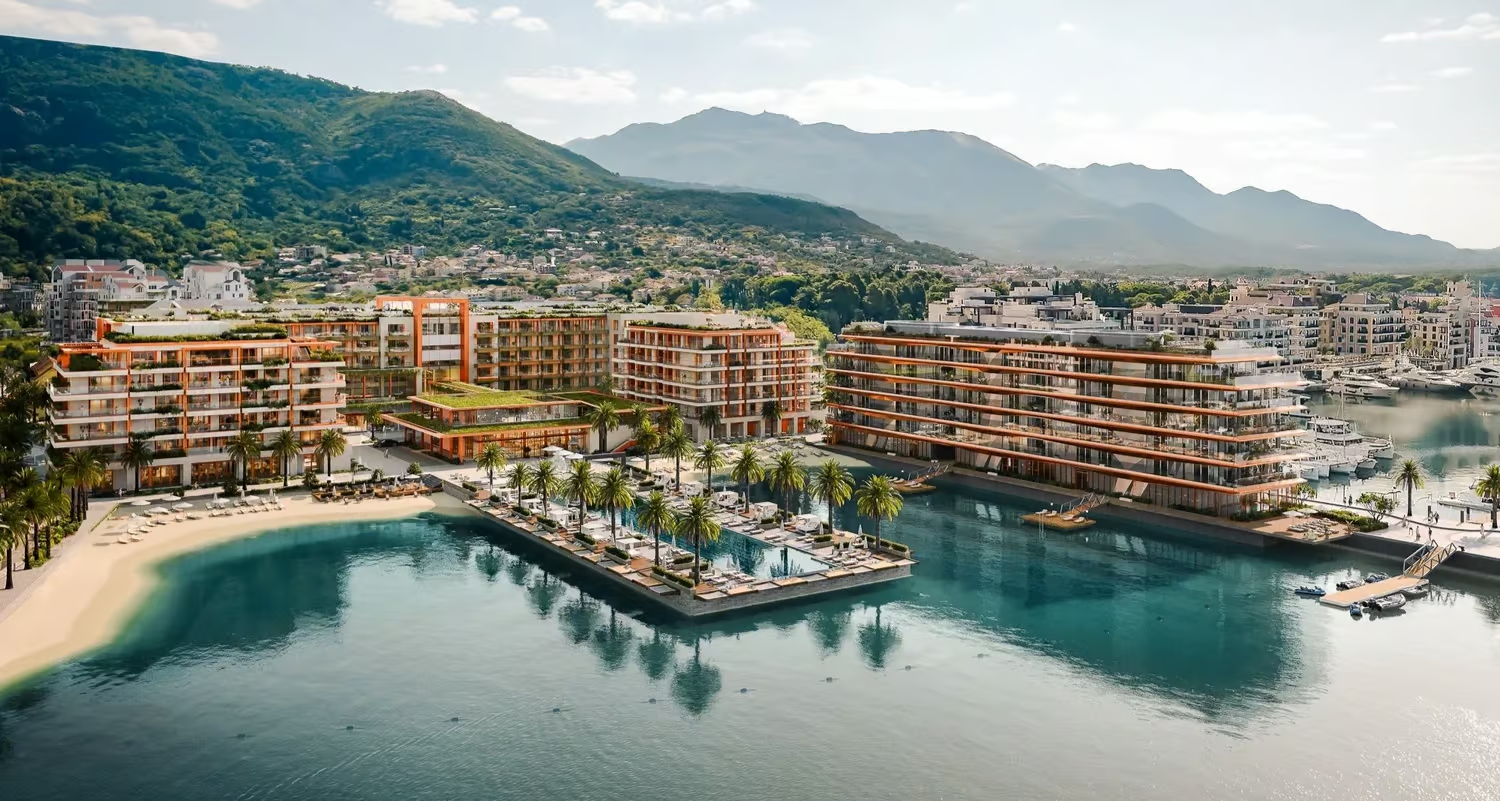
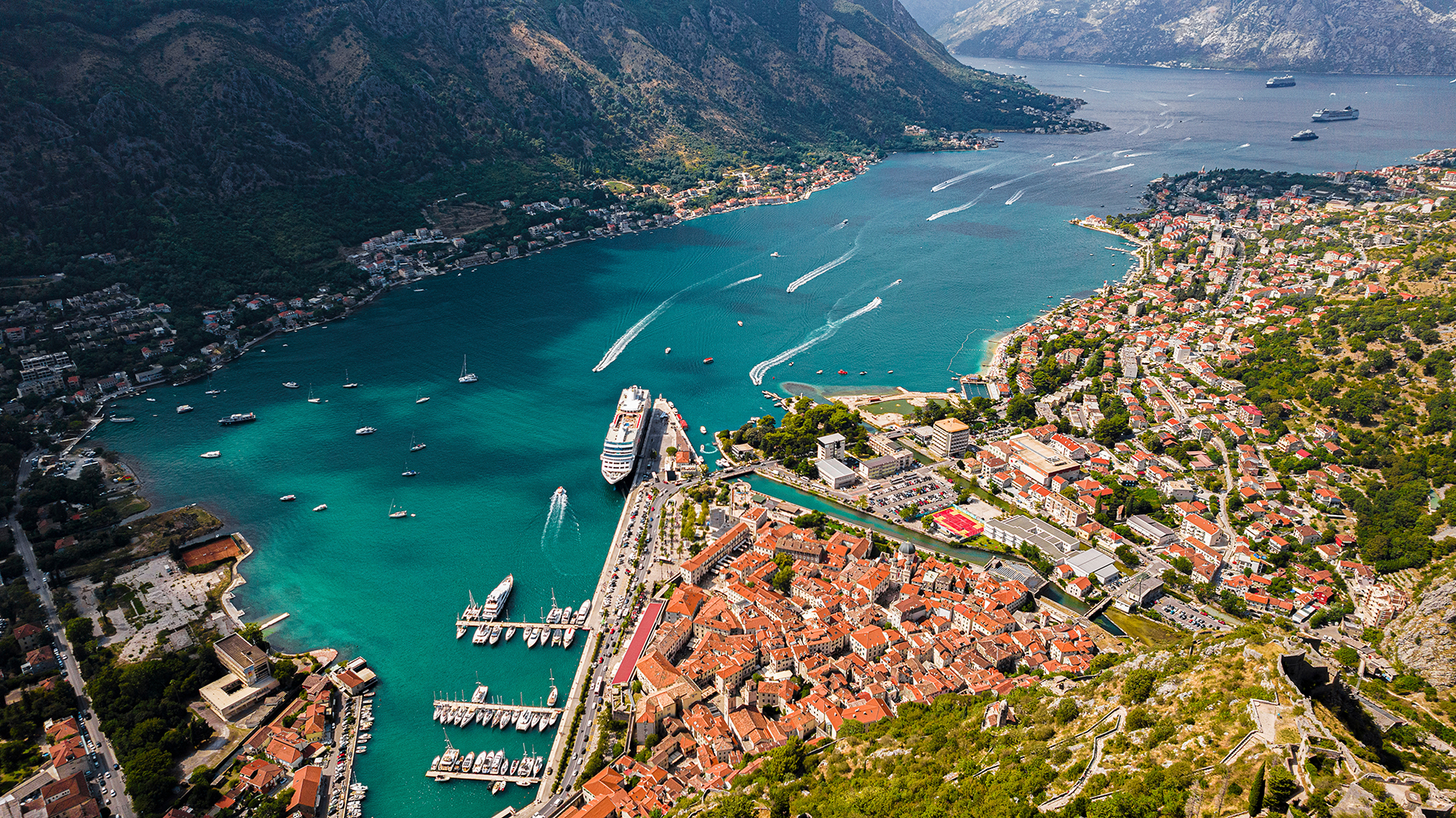
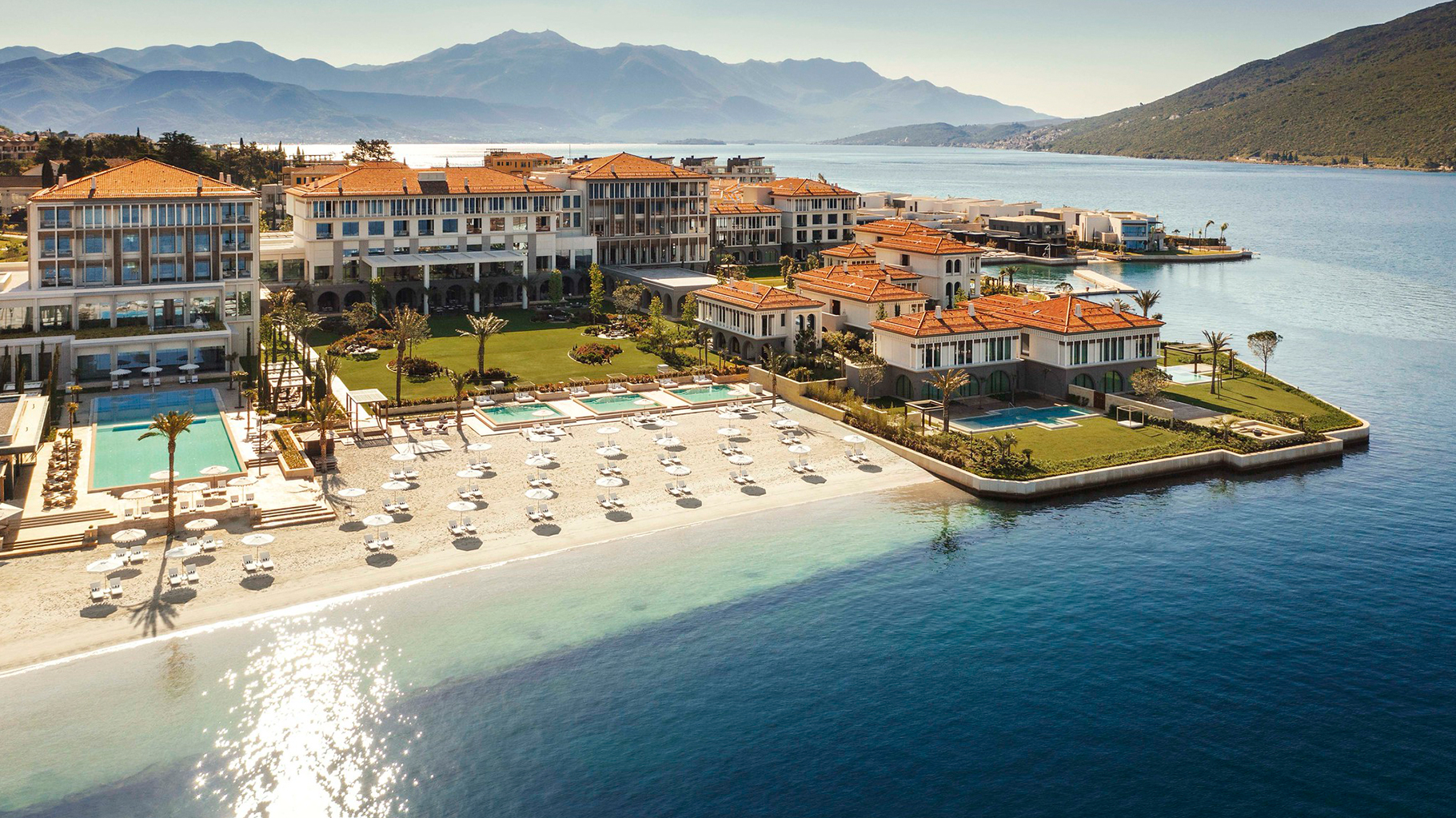
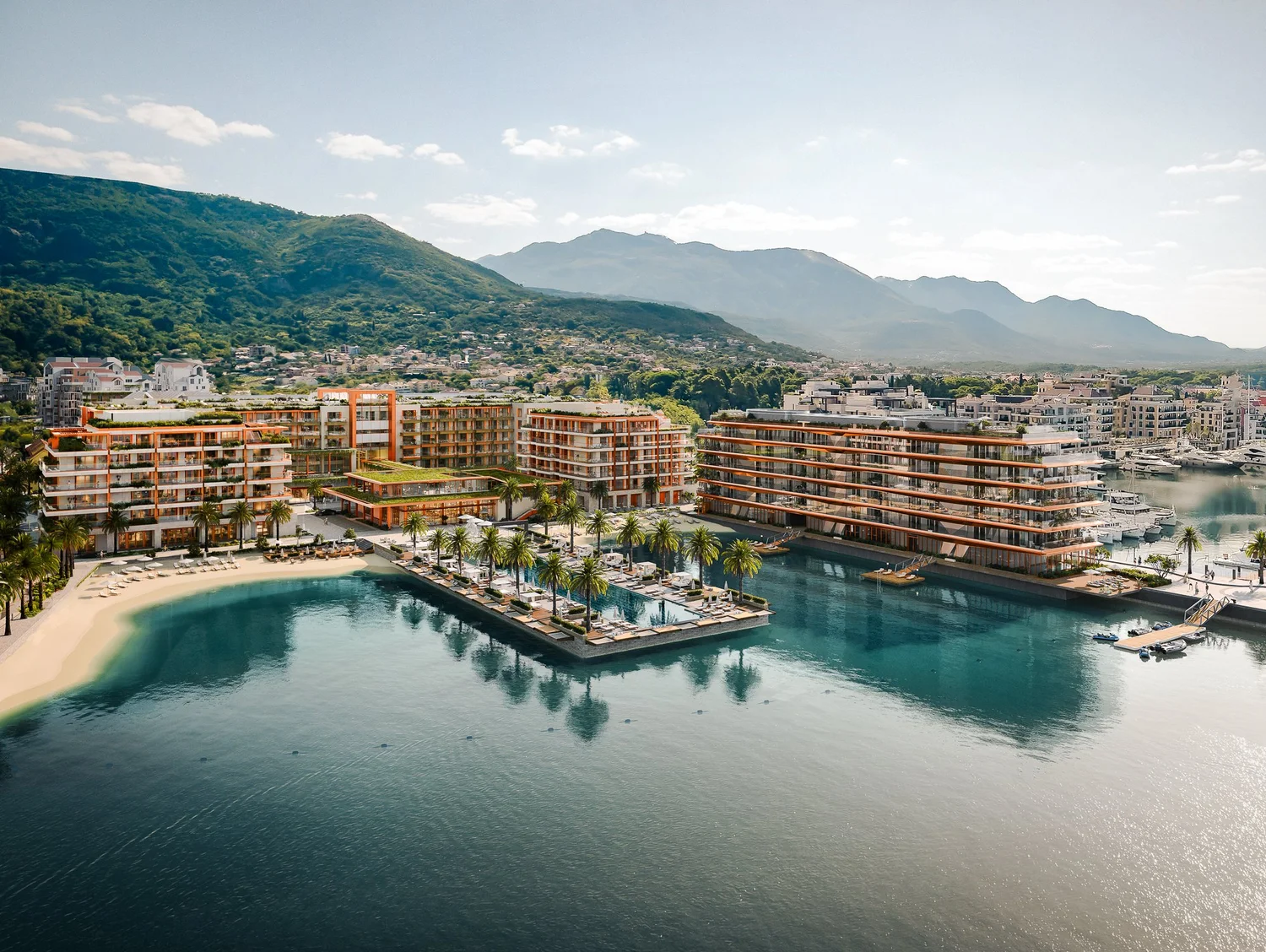
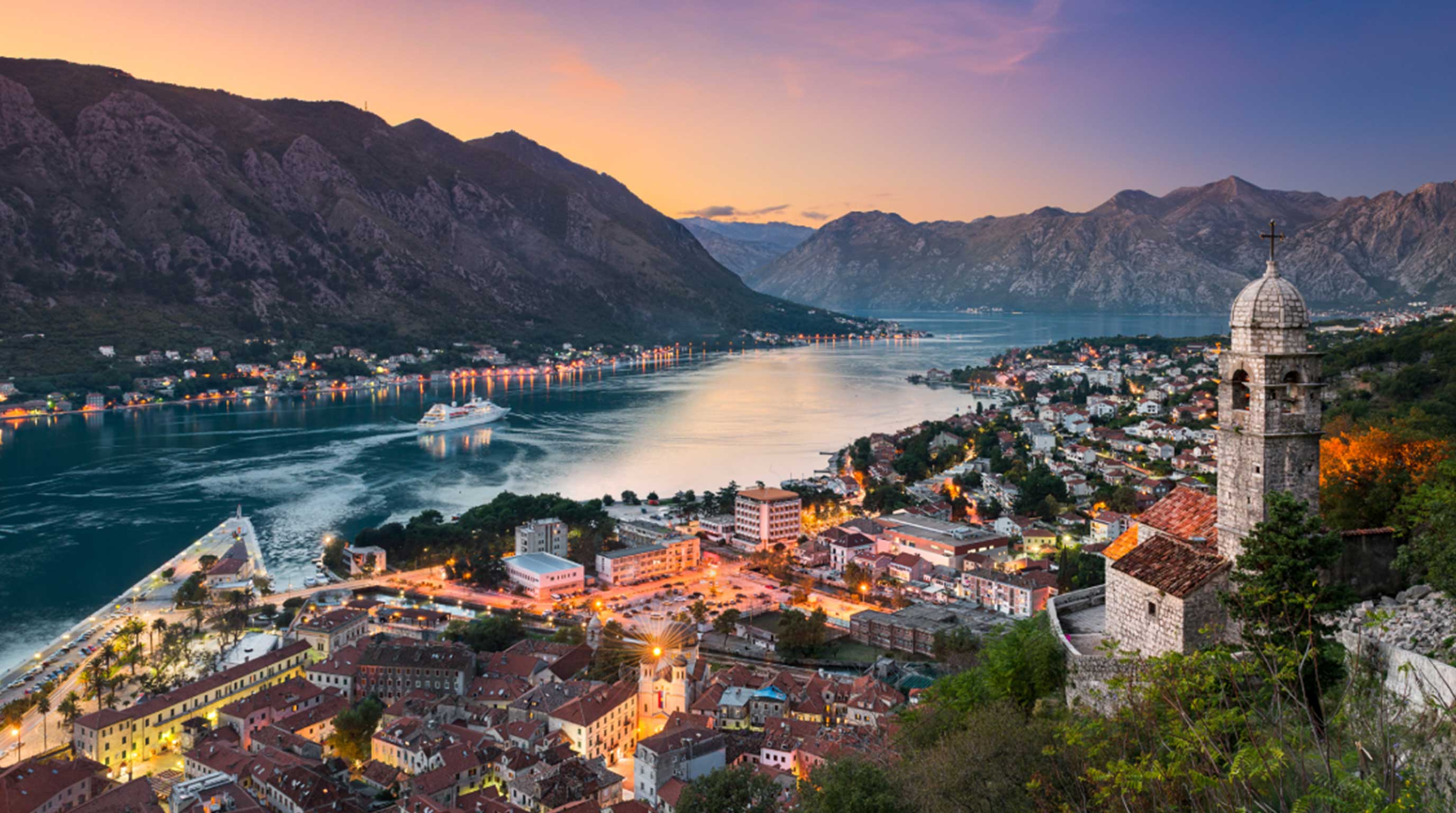
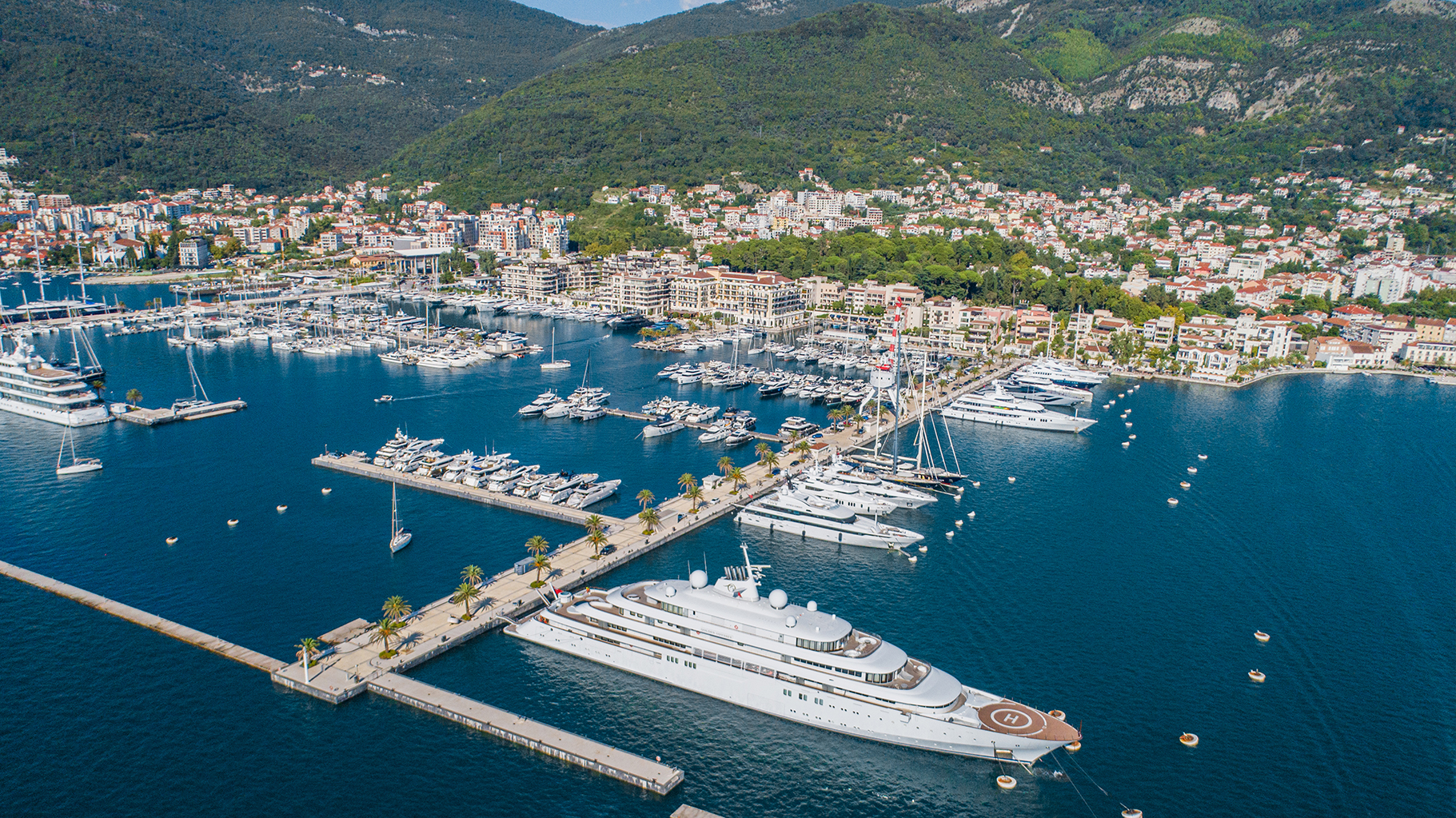
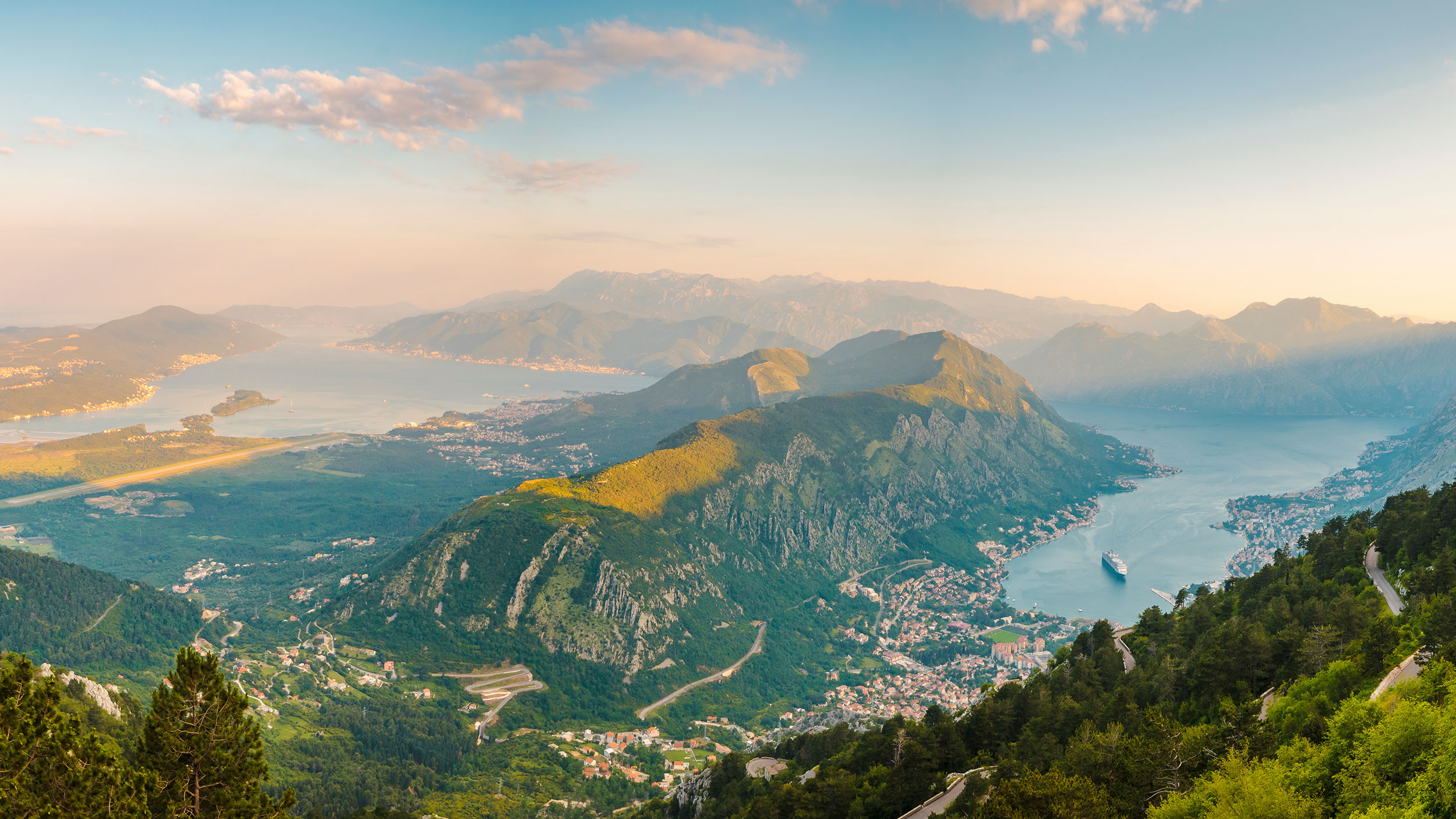
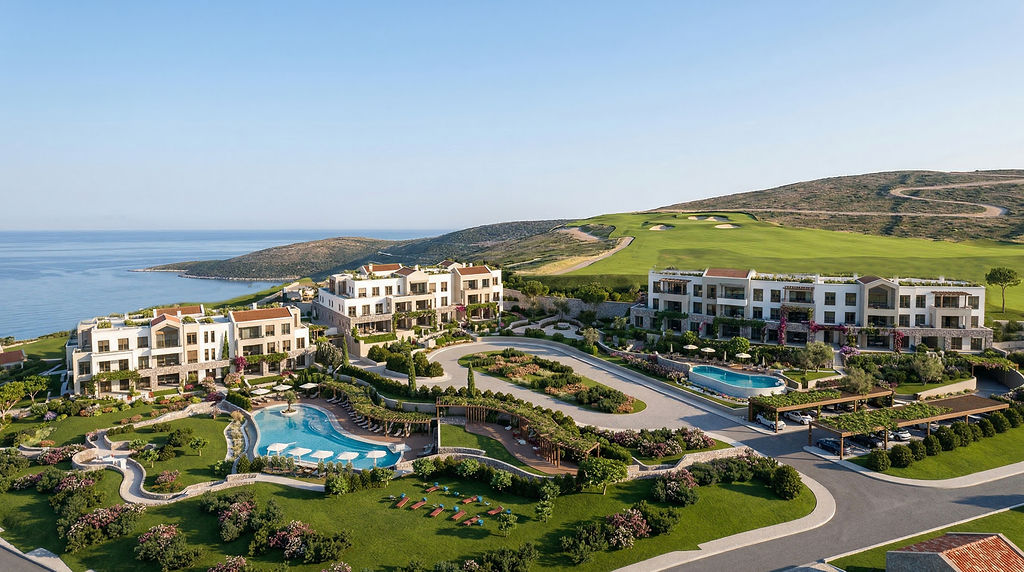
Porto Montenegro, Lustica Bay, and the wider Bay of Kotor corridor continue to attract considered acquisition interest. Prices in the premium coastal segment have moved upward at a measured pace since 2022, reflecting genuine underlying demand rather than speculation driven by passport-seeking capital. In that sense, the post-CBI market is arguably more structurally stable than what preceded it.
An overview of the Montenegro property market in 2026 provides current data on pricing trends, supply dynamics, and the areas attracting the most consistent international interest.
Montenegro Against Other Active Citizenship Programmes
Buyers specifically seeking an active citizenship by investment programme will need to look elsewhere. The Caribbean jurisdictions, including St Kitts and Nevis, Grenada, Dominica, and Antigua, continue to operate active CBI programmes with investment thresholds generally lower than Montenegro’s scheme required. These programmes serve a different strategic purpose and a different buyer profile.
Within Europe, the Malta Exceptional Investor Naturalisation scheme remains the only active EU citizenship programme, with a notably higher threshold and a minimum residency period before naturalisation. It is a structured multi-year process, not a transactional acquisition. Turkey offers citizenship through property investment at a $400,000 threshold, primarily serving buyers who value Turkish passport access to specific markets.
Montenegro, without an active CBI, no longer competes in this category. What it offers instead is a medium-term positioning opportunity: a property market priced well below comparable Mediterranean and Adriatic destinations, in a country whose EU trajectory is among the most advanced in the region. The European Commission’s Montenegro accession progress reports provide the most authoritative benchmark for assessing that trajectory.
Where Strategic Acquisition Still Makes Sense
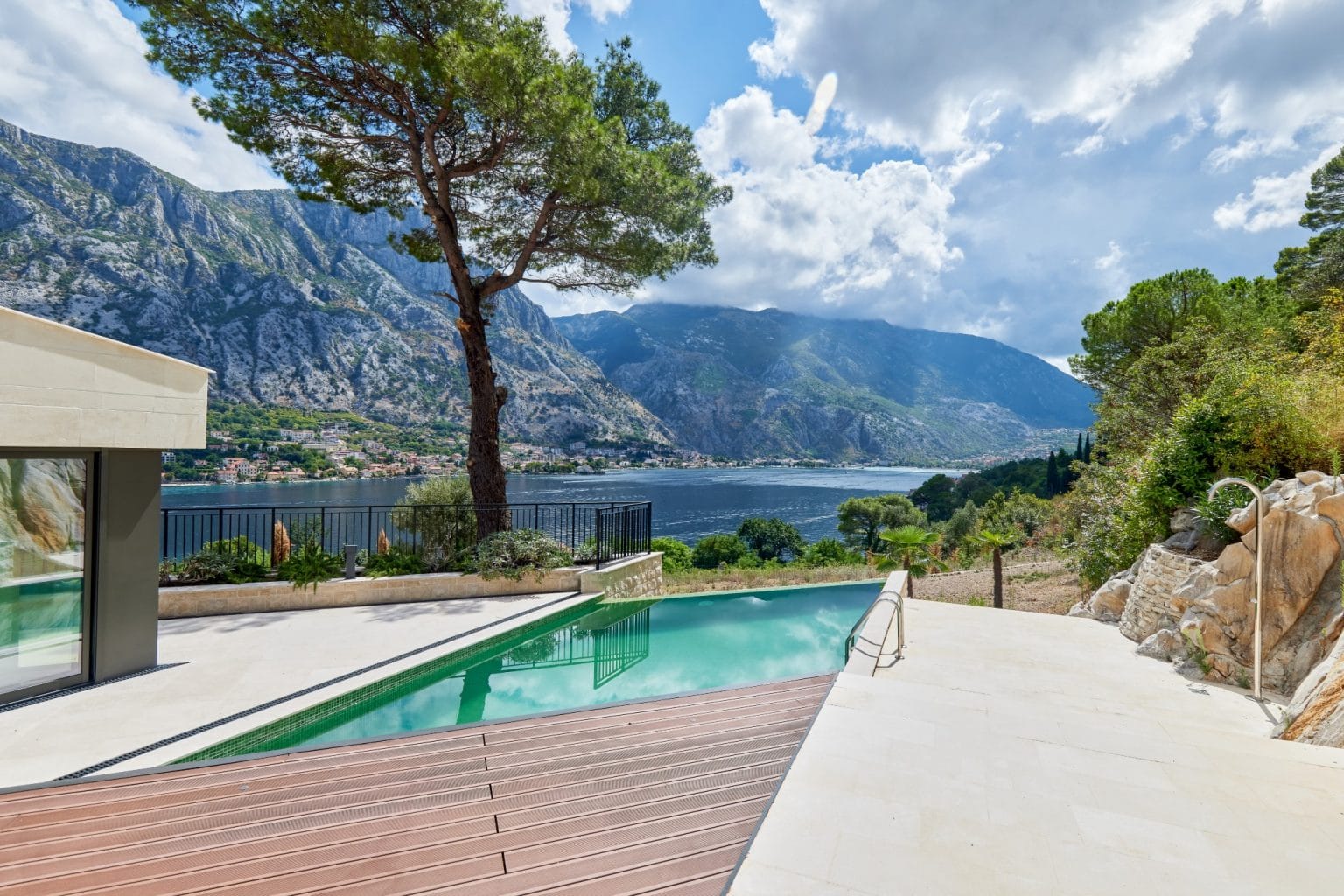
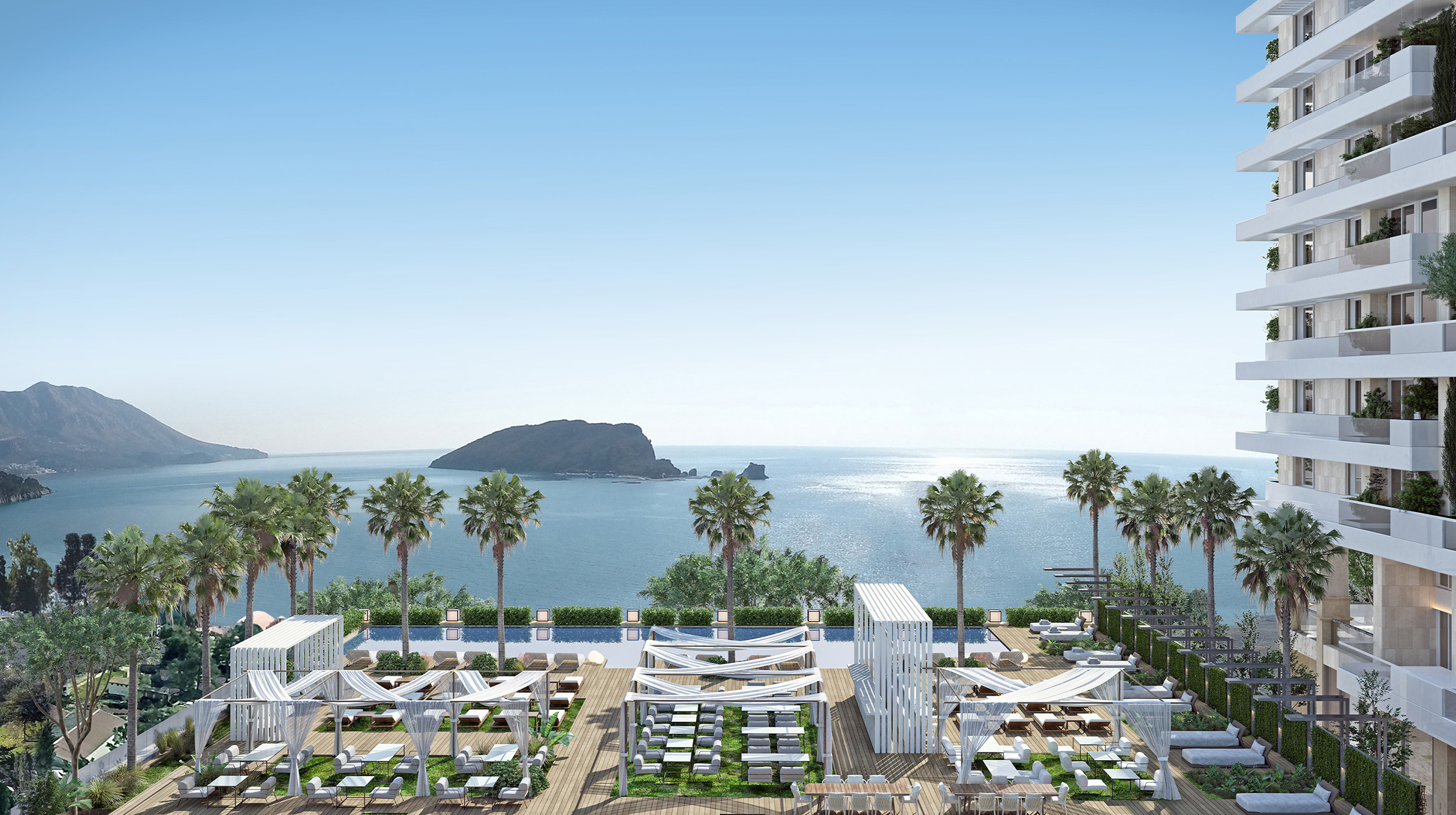
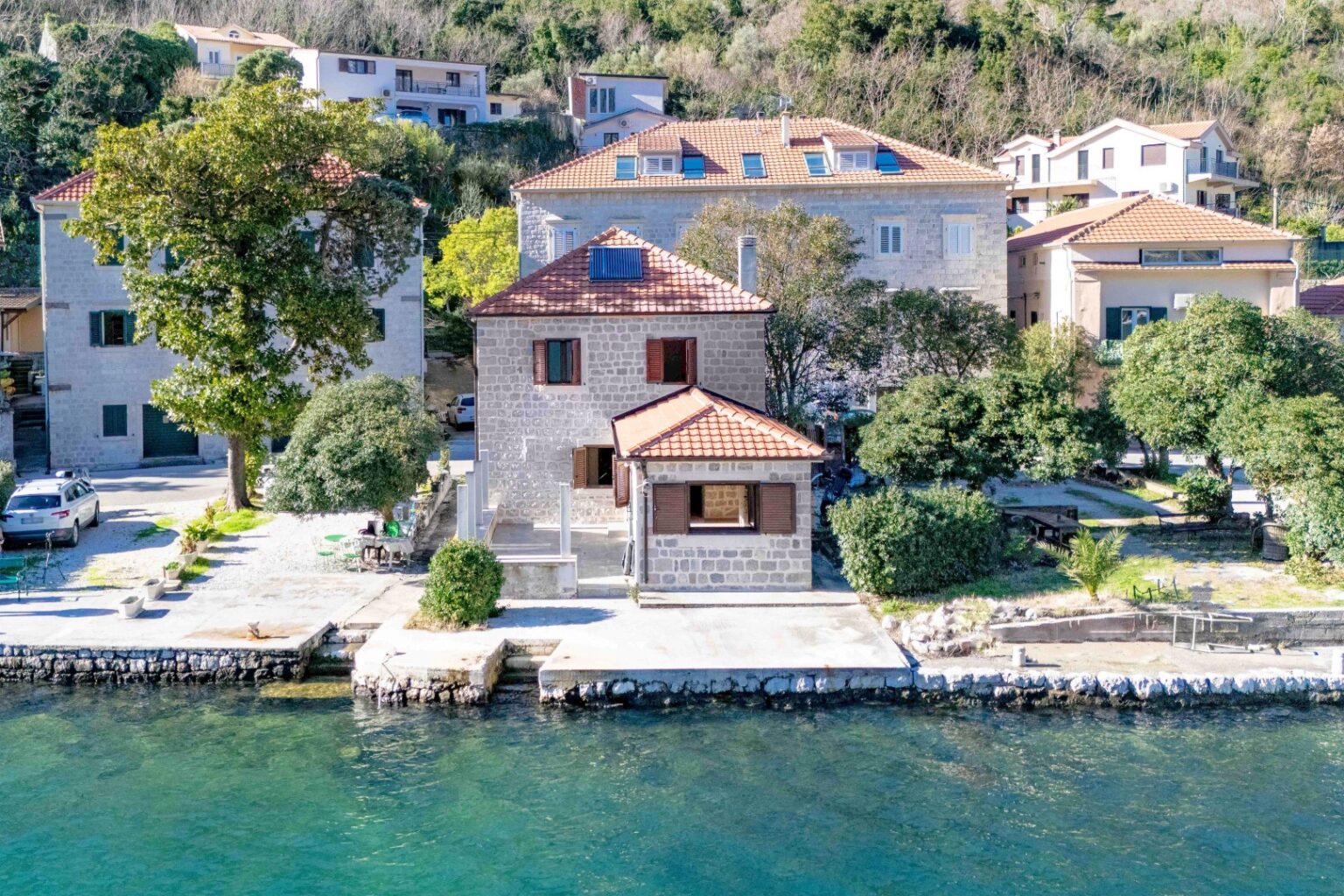
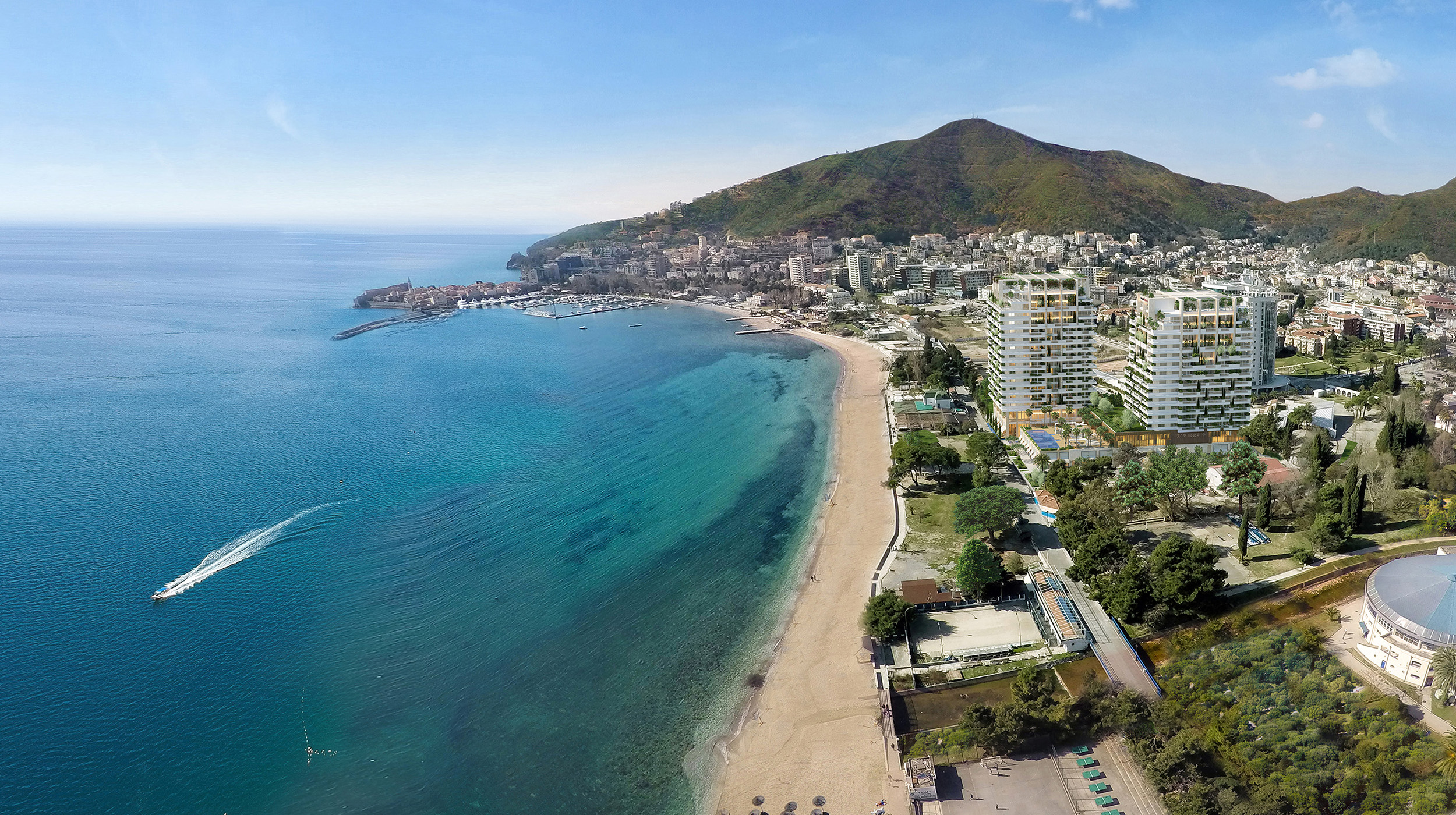
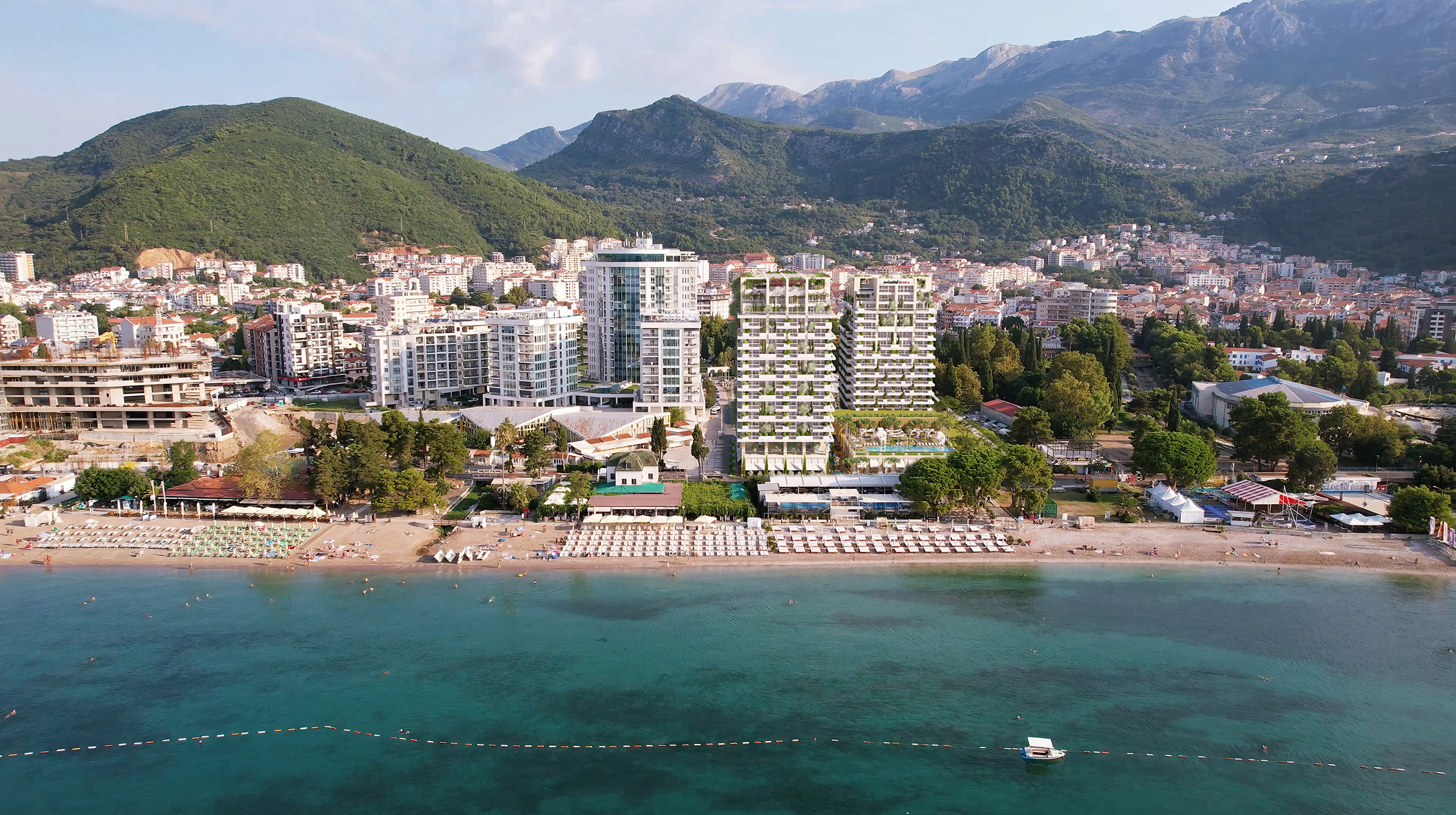
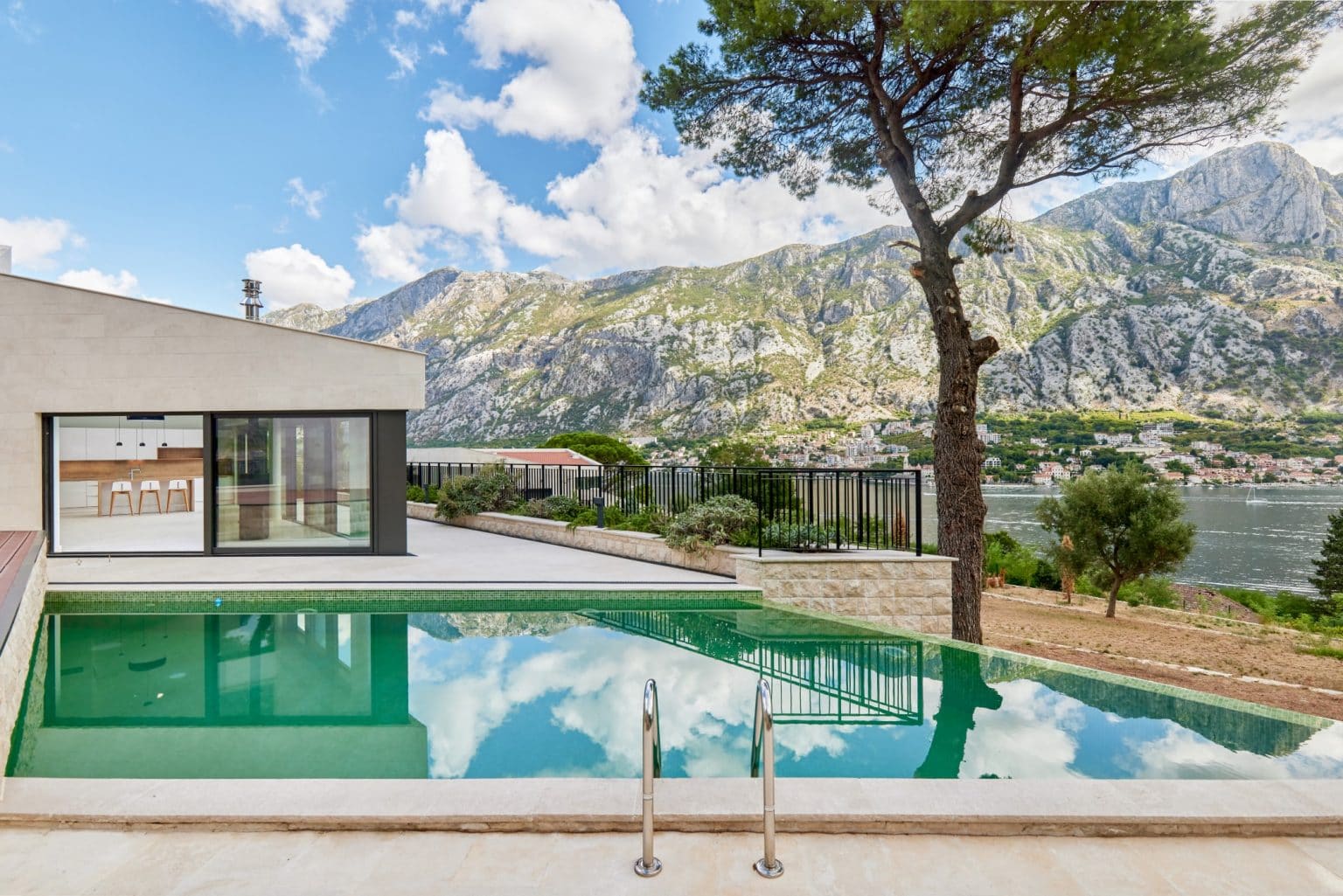
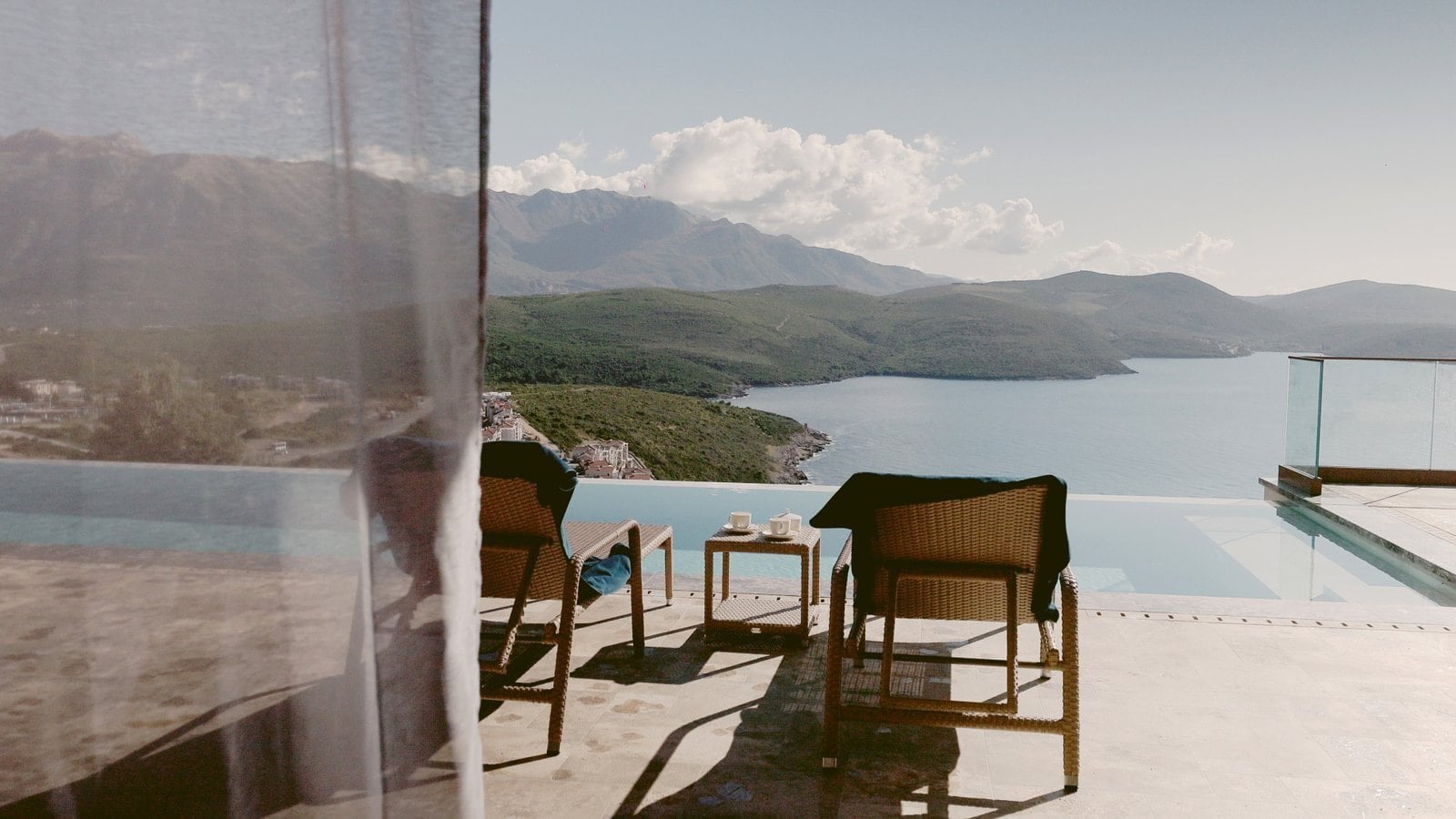
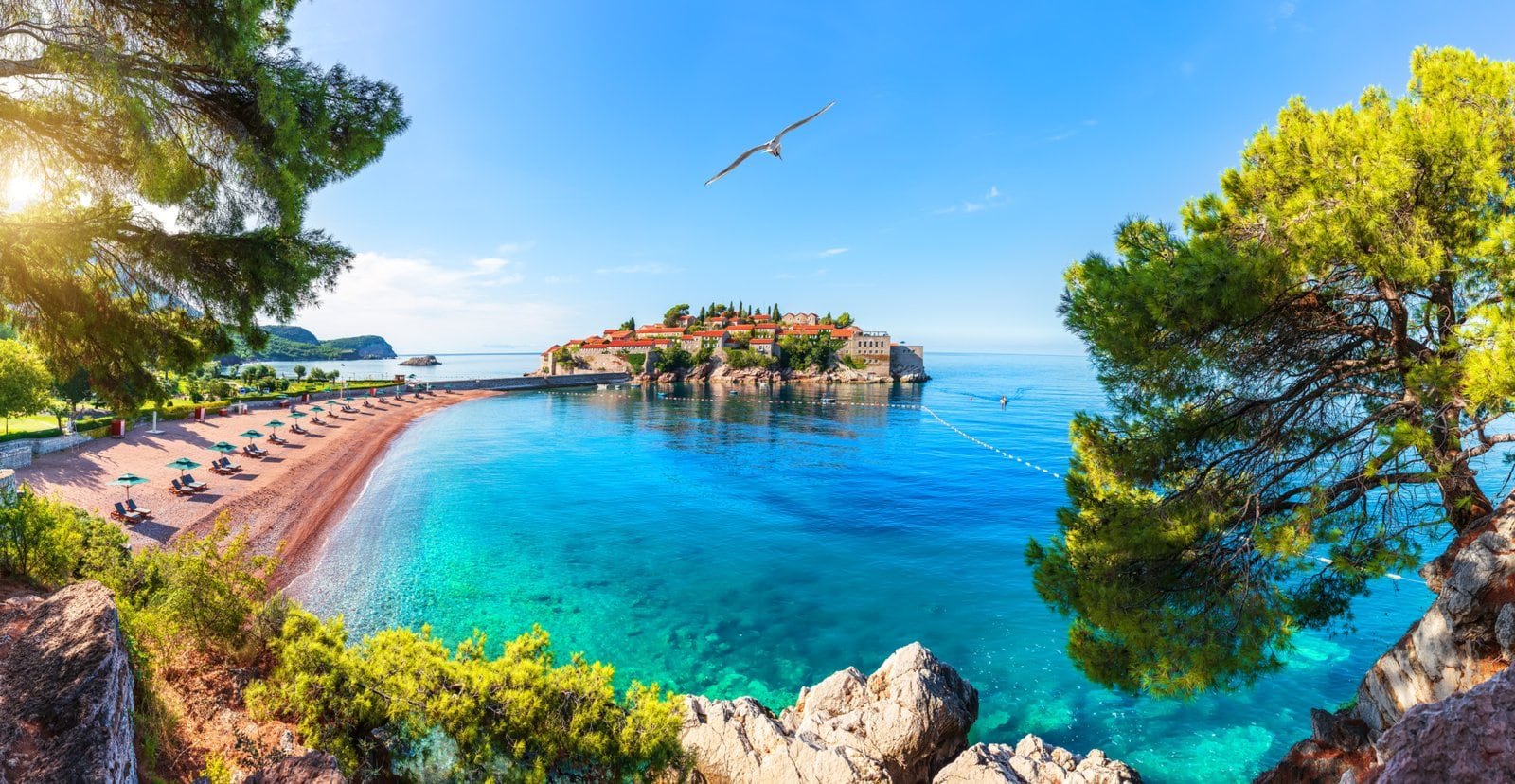
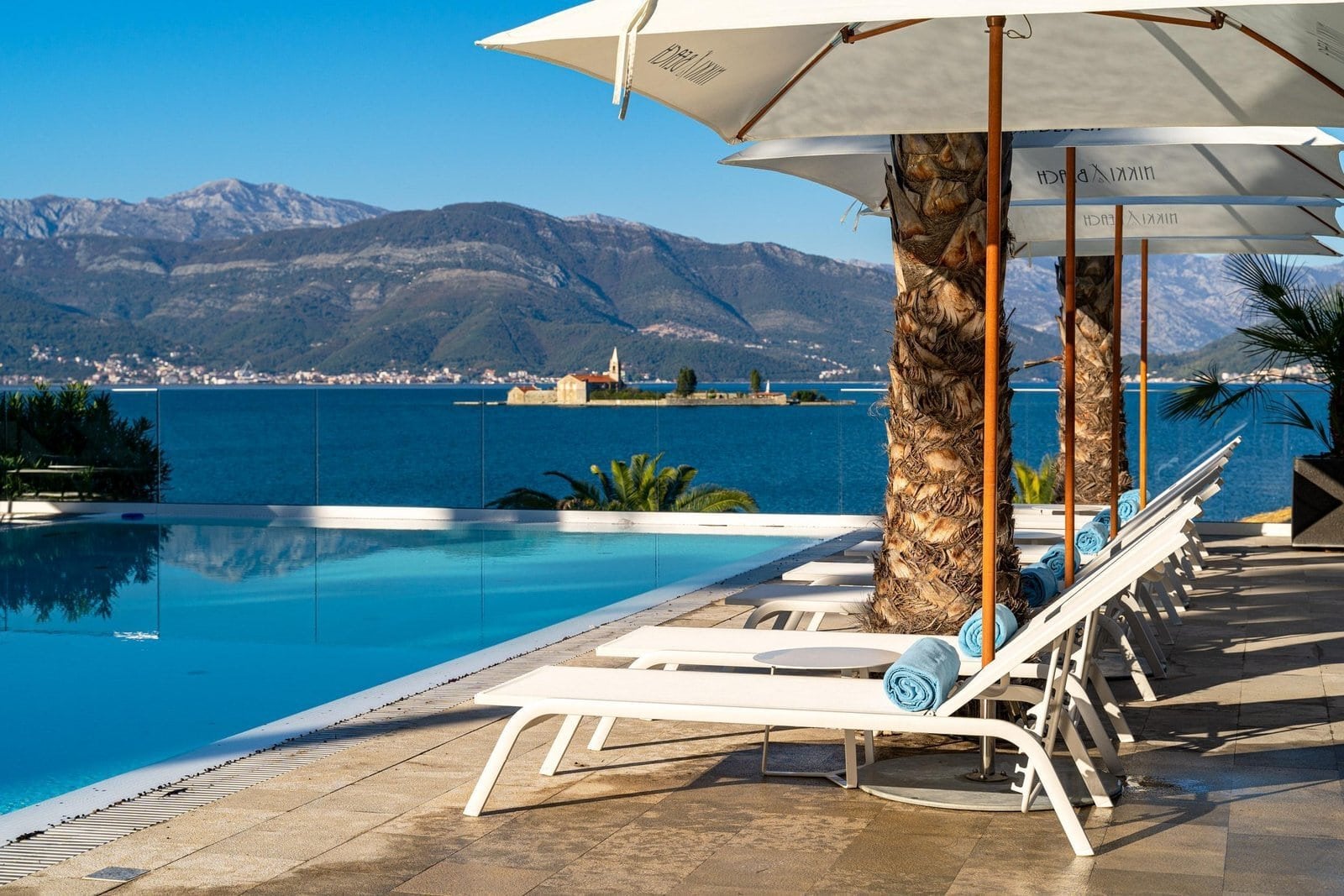
The most compelling positions in Montenegro remain in the Bay of Kotor corridor and the premium coastal segment around Tivat and Budva. These locations combine genuine lifestyle quality with asset characteristics that stand independently of any citizenship consideration.
Buyers entering Montenegro now do so with a clear-eyed understanding: this is a property market with a credible long-term appreciation case, anchored by EU accession progress and Adriatic demand. It is not a citizenship arbitrage play. For buyers who understand that distinction, the opportunity is real.
Capital Positioning in Montenegro: The UHNW Perspective
For high-net-worth buyers actively diversifying across European markets, Montenegro sits within a portfolio context rather than as a standalone citizenship bet. Its combination of entry pricing well below its Adriatic neighbours, favourable tax treatment, and EU candidate status makes it a considered allocation within a broader international real estate strategy.
Our analysis of how UHNW buyers are approaching Montenegro real estate in 2026 covers the portfolio logic, the preferred entry points, and the holding strategies that advisors are recommending in the current environment.
Advisory from Barok Estates International
Barok Estates International has advised across Montenegro’s coastal corridor through multiple market cycles. The closure of the CBI programme did not change our view of the underlying property market: the fundamentals for informed acquisition remain intact, and the buyer profile has, if anything, become more considered in the years since the passport programme ended.
For buyers seeking to position capital in Montenegro, we provide advisory from initial jurisdiction analysis through to transaction completion, covering residency planning, property identification across the Bay of Kotor corridor, and cross-border transaction management.
Explore our Montenegro property portfolio or reach out for a confidential advisory consultation.





.jpg)