The structural case for Montenegro is strengthening, not weakening Over the past 24 months, Montenegro has appeared on the shortlists of buyers who previously confined their search to Monaco, the Côte d'Azur, Sardinia, and the Algarve. The reasons they are looking here are structural, not sentimental. A combination of macro repositioning, tax efficiency, meaningful price arbitrage relative to tier-above...
Most international buyers do not use Montenegrin bank mortgages, and for good reason The majority of international property purchases in Montenegro are completed without local financing. This is not a constraint of the market: it reflects the structure of buyer demand, where off-plan payment plans and home-country financing routes provide more practical, more efficient, and often more cost-effective routes...
One of Europe's most competitive tax frameworks for property investors Montenegro's tax framework for property investors is one of the most straightforward and competitive in Europe. Transfer tax is low, annual holding costs are minimal, capital gains tax disappears after two years of ownership, and rental income taxation is structured to reward transparency. Understanding the framework before purchasing...
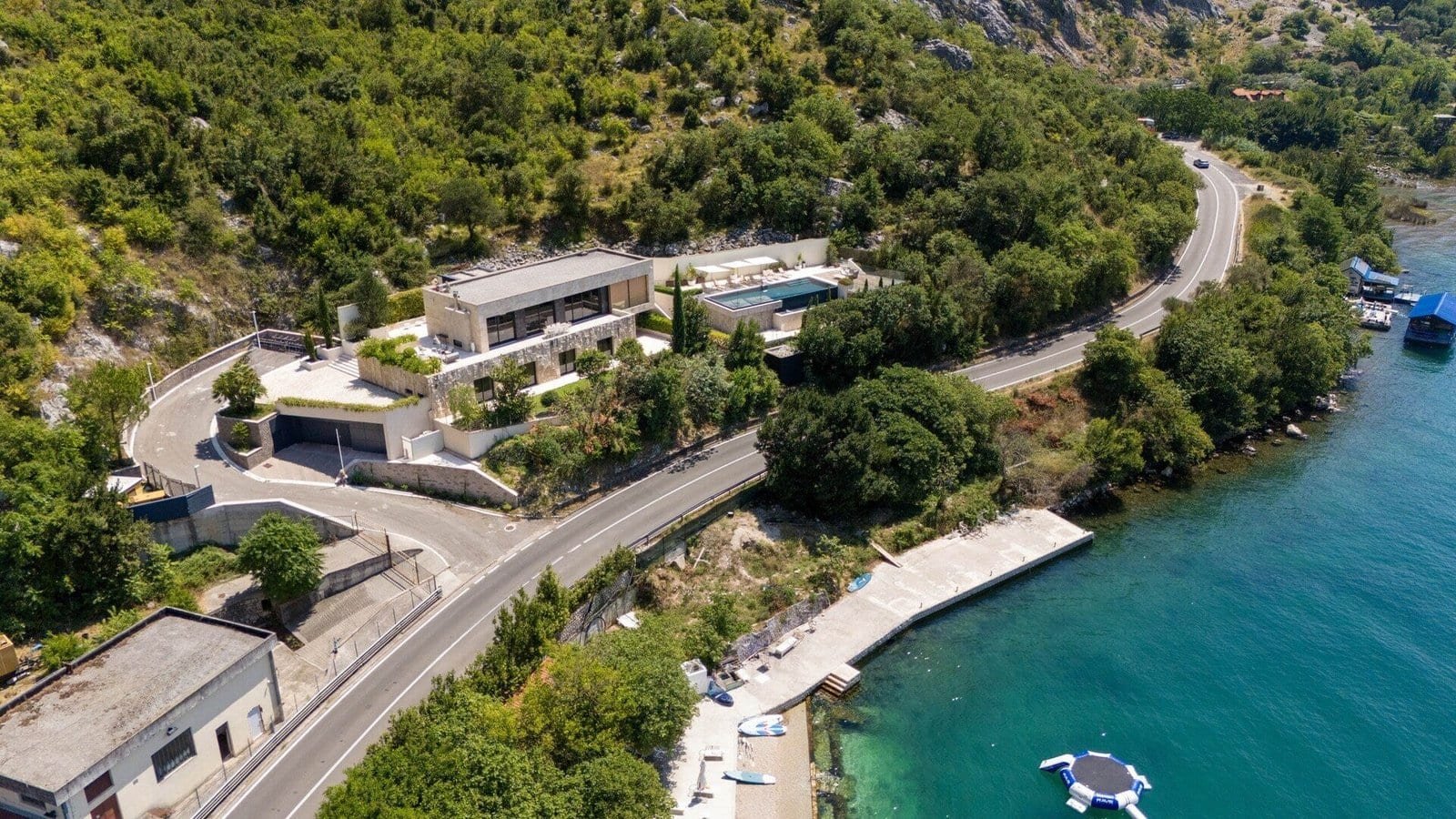
A daily life that consistently exceeds expectations The Bay of Kotor is one of the few places in Europe where the quality of daily life consistently exceeds expectations set by photographs and brochures. The bay is deeper, quieter, and more complex than it appears from the air: a system of interconnected inlets and sub-bays enclosed by limestone mountains, with medieval architecture at its edges and some...
2026 opens with the market in a structurally different position Montenegro's coastal property market entered 2026 with strong momentum from two consecutive years of above-trend price growth. Average coastal prices rose 15 to 20 percent through 2024 and 2025, with prime waterfront units outperforming that average substantially. What is new in 2026 is the breadth of buyer interest: demand is no longer...
The accession timeline is not speculation, it is policy Montenegro became a formal EU candidate in 2010. It has since opened 33 of 35 negotiating chapters and provisionally closed 3. No other Western Balkans country is further along the process. The European Commission's latest Progress Report affirms the trajectory, with a realistic accession window of 2028 to 2030 contingent on continued progress in rule...
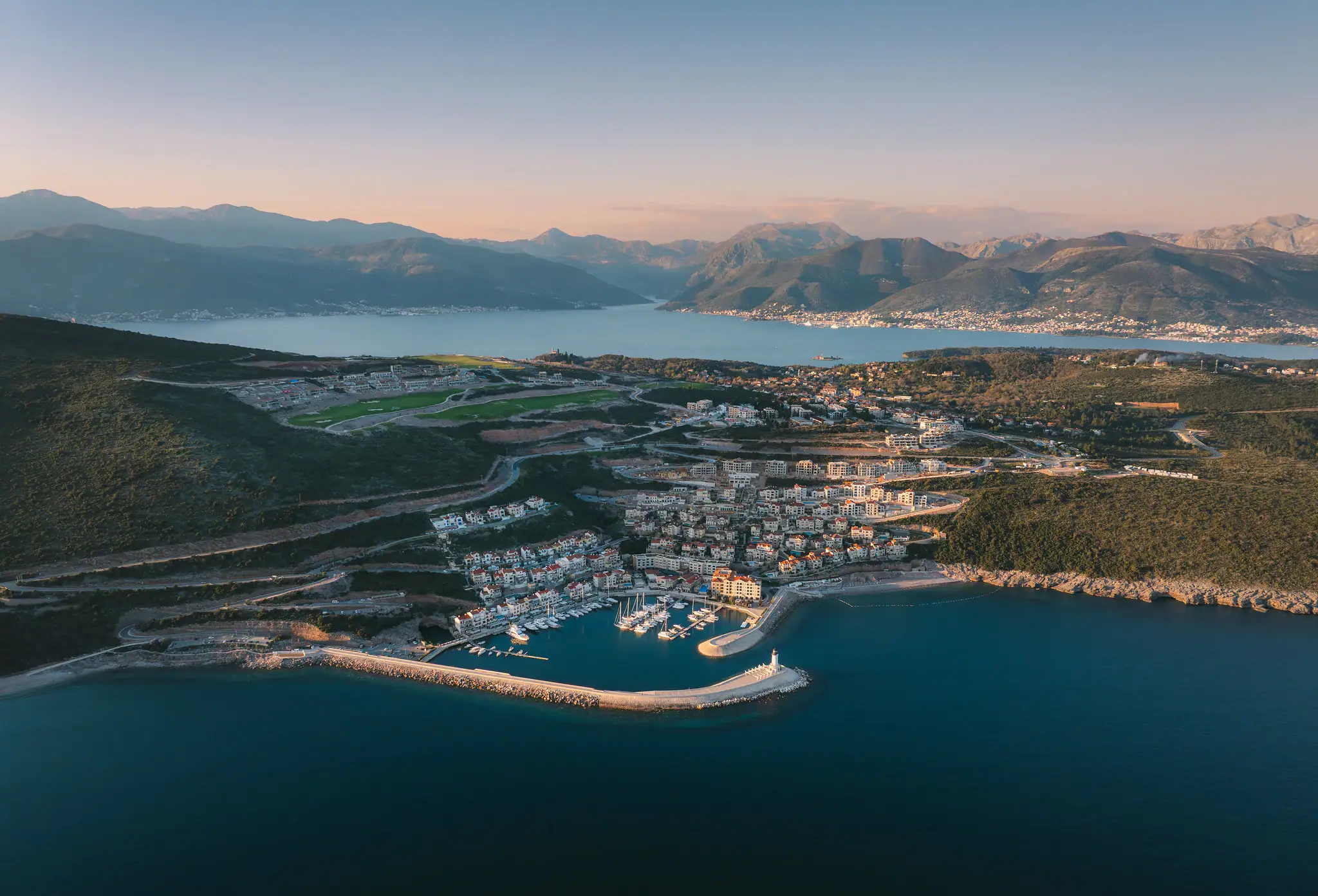
Three markets. Three buyer profiles. One decision. Montenegro's coastline stretches 293 kilometres along the Adriatic, but the property market is not uniform. Tivat, Lustica Bay and Budva represent three structurally different propositions: one is defined by marina infrastructure and international connectivity, one by an integrated resort vision with long-term capital behind it, and one by volume, yield...
Tivat sits at the centre of Montenegro's property market, and not by accident. The town's transformation over the past fifteen years from a modest naval base to the Adriatic's most distinguished marina address has been deliberate and capital-intensive. The infrastructure is in place. The international buyer profile is established. What remains is a market that, relative to comparable European marina...
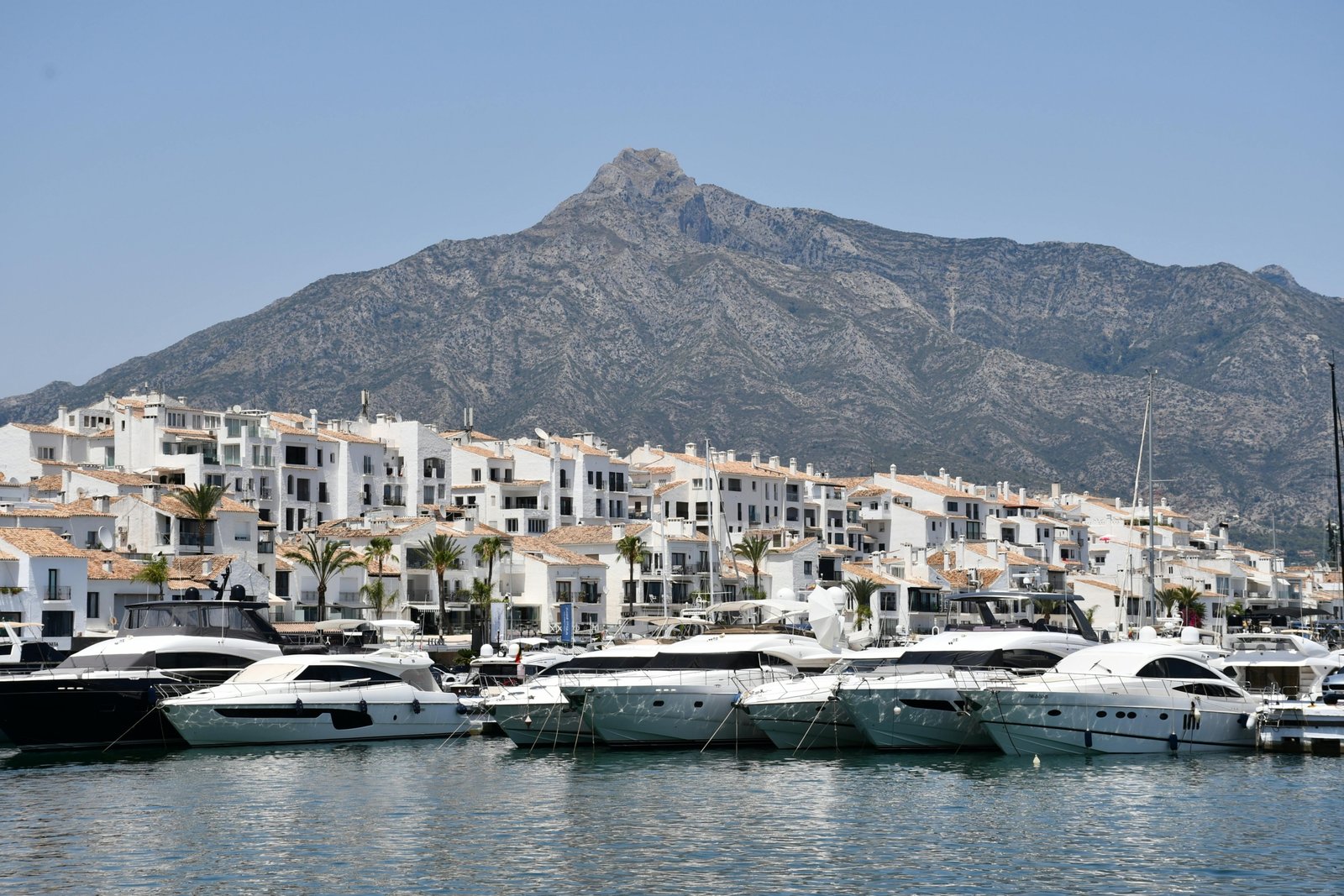
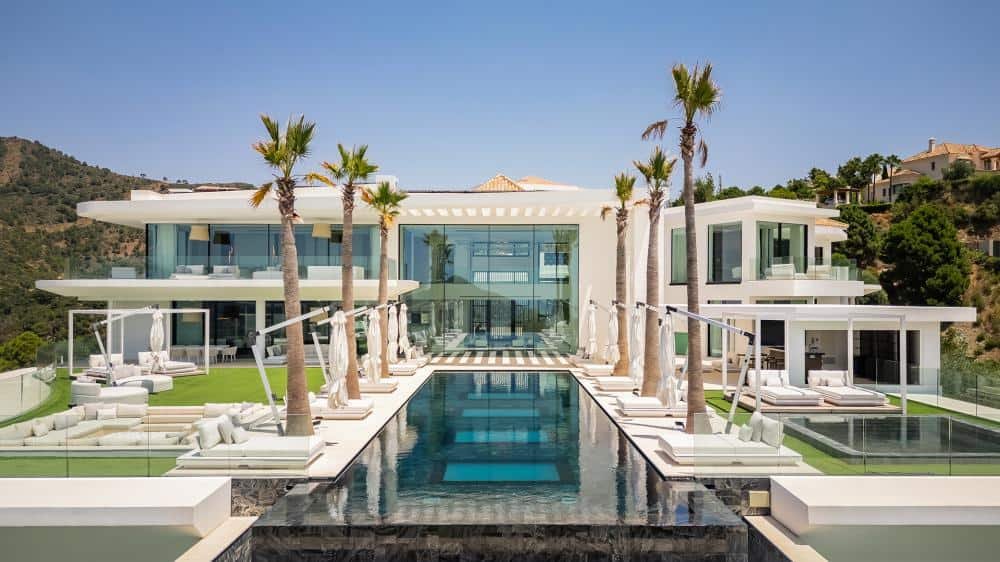
When the conversation turns to absolute residential exclusivity in Europe, La Zagaleta emerges as a reference point that requires no further qualification. Located in the municipality of Benahavís, a short drive inland from Marbella, this private estate spans over 900 hectares of protected Andalusian landscape and houses fewer than 250 residences across its entire extent. For those considering la...
London remains one of the few cities where capital, rule of law, and long-term liquidity genuinely intersect. That combination is rare in practice. It is frequently claimed elsewhere. However, London has sustained this position through successive economic cycles, geopolitical disruptions, and market corrections. For capital seeking structural safety without sacrificing access or quality, London holds a...