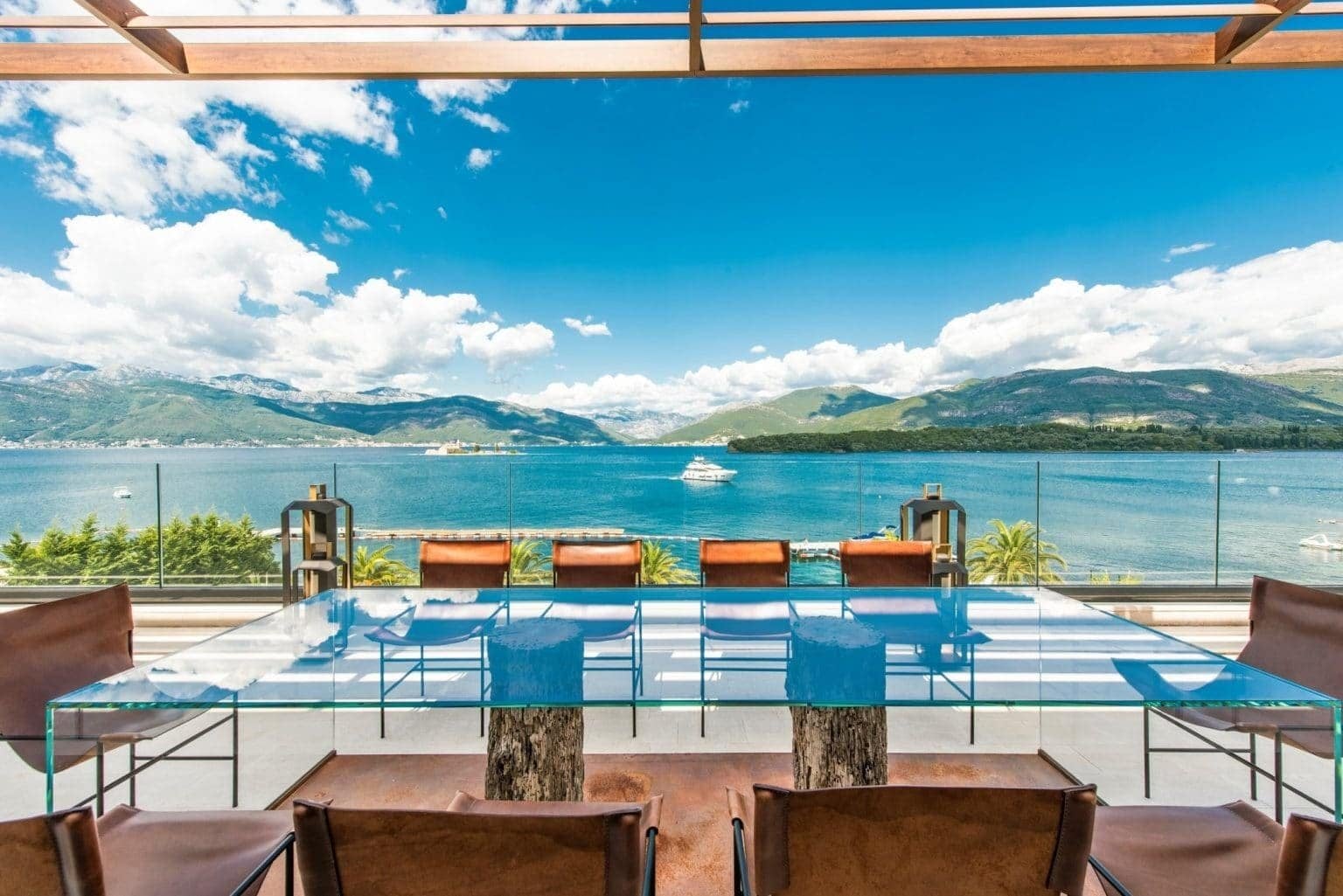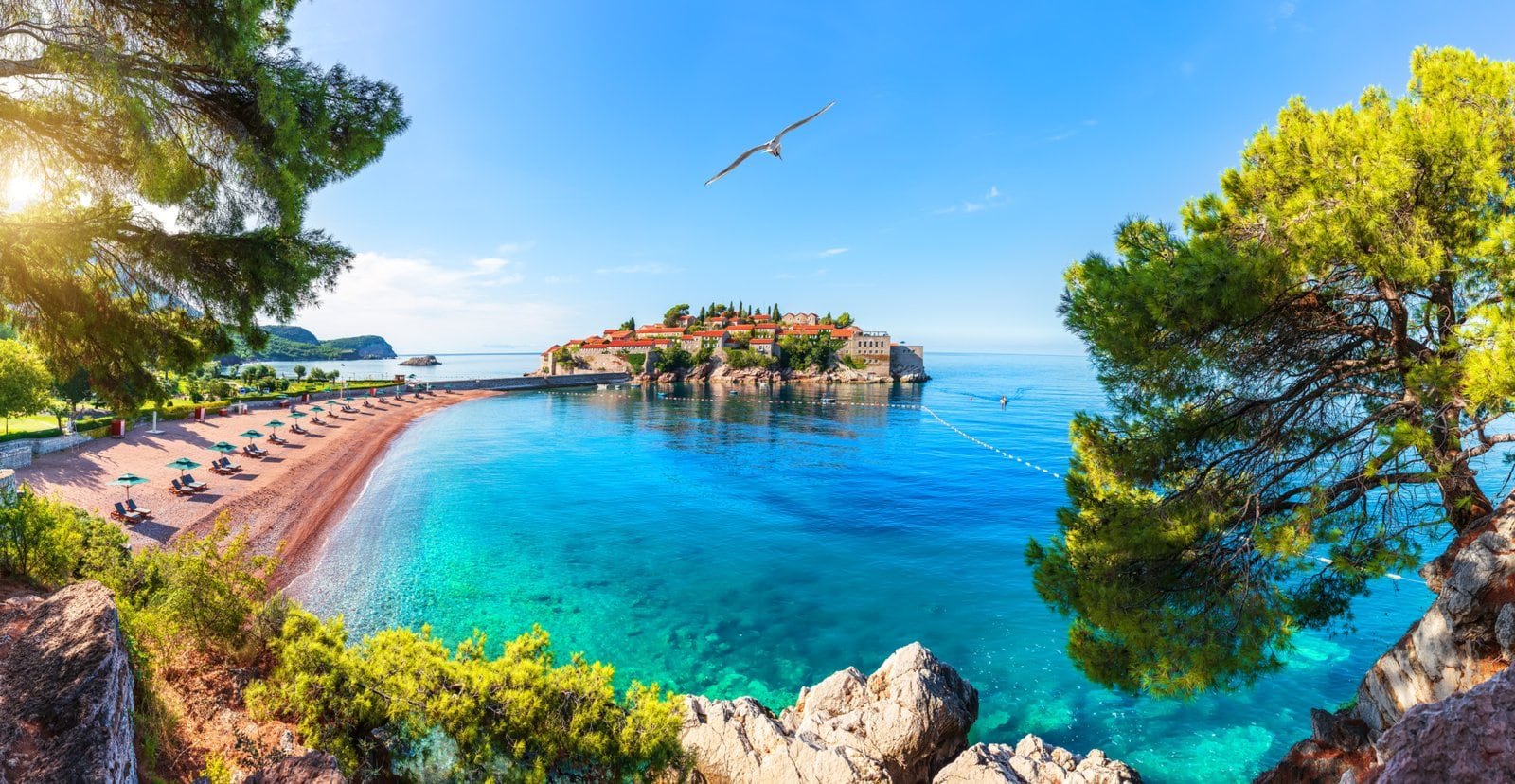
Bay of Kotor real estate spans one of Europe’s most consistently sought-after coastal markets, where UNESCO heritage protections, structurally limited buildable land, and rising international capital interest have converged to create a supply-constrained environment that serious buyers should understand before engaging.
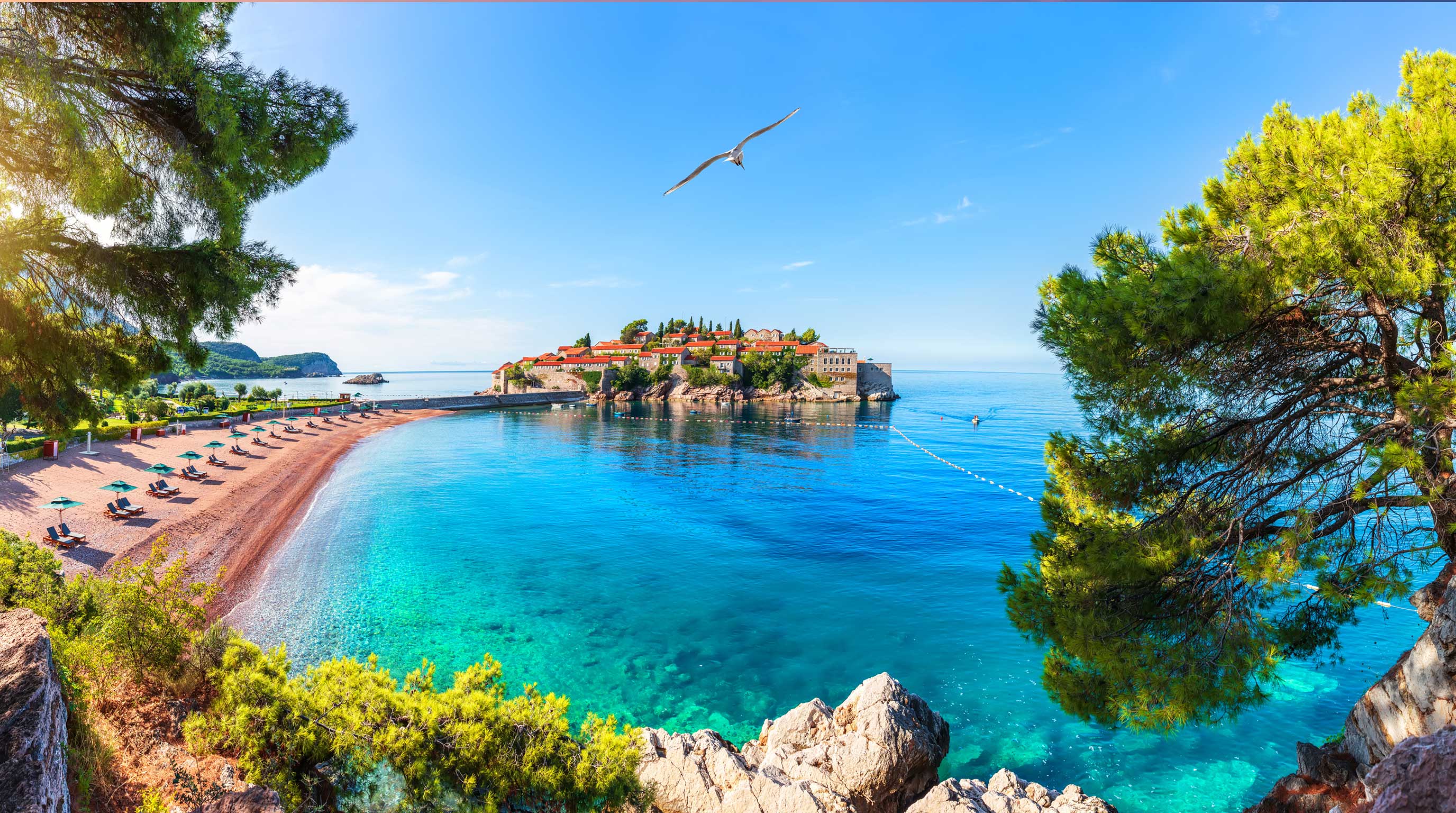
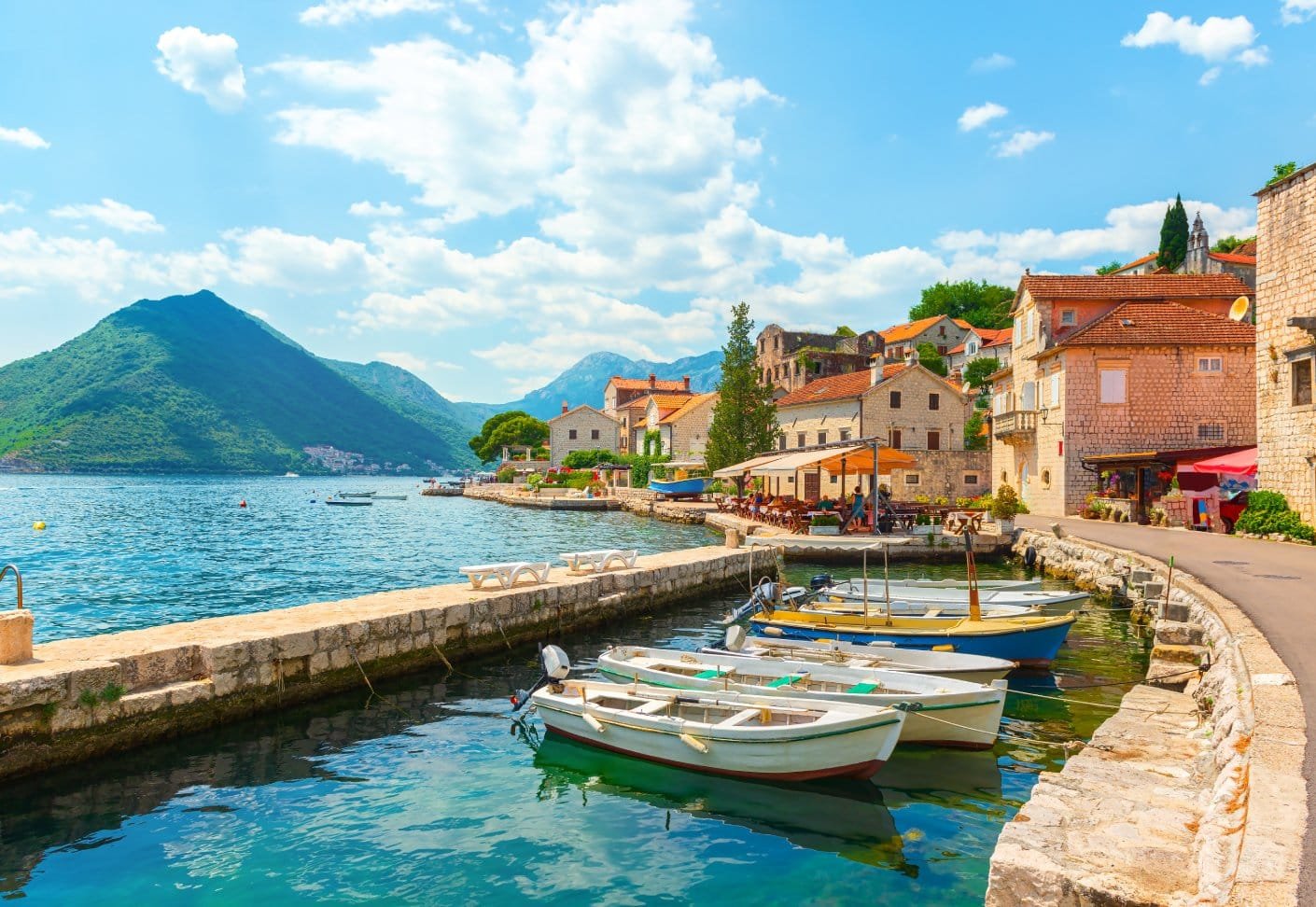
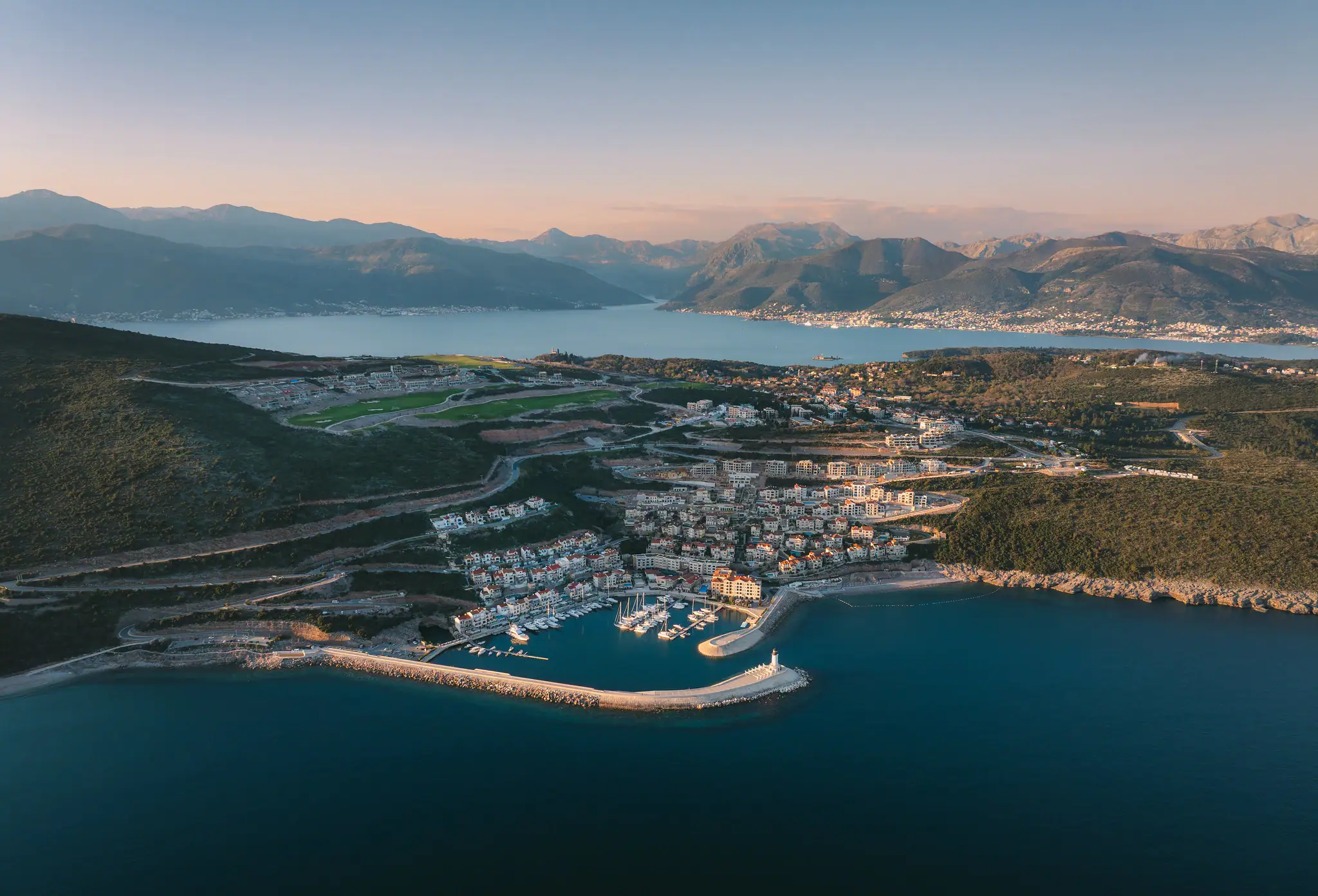
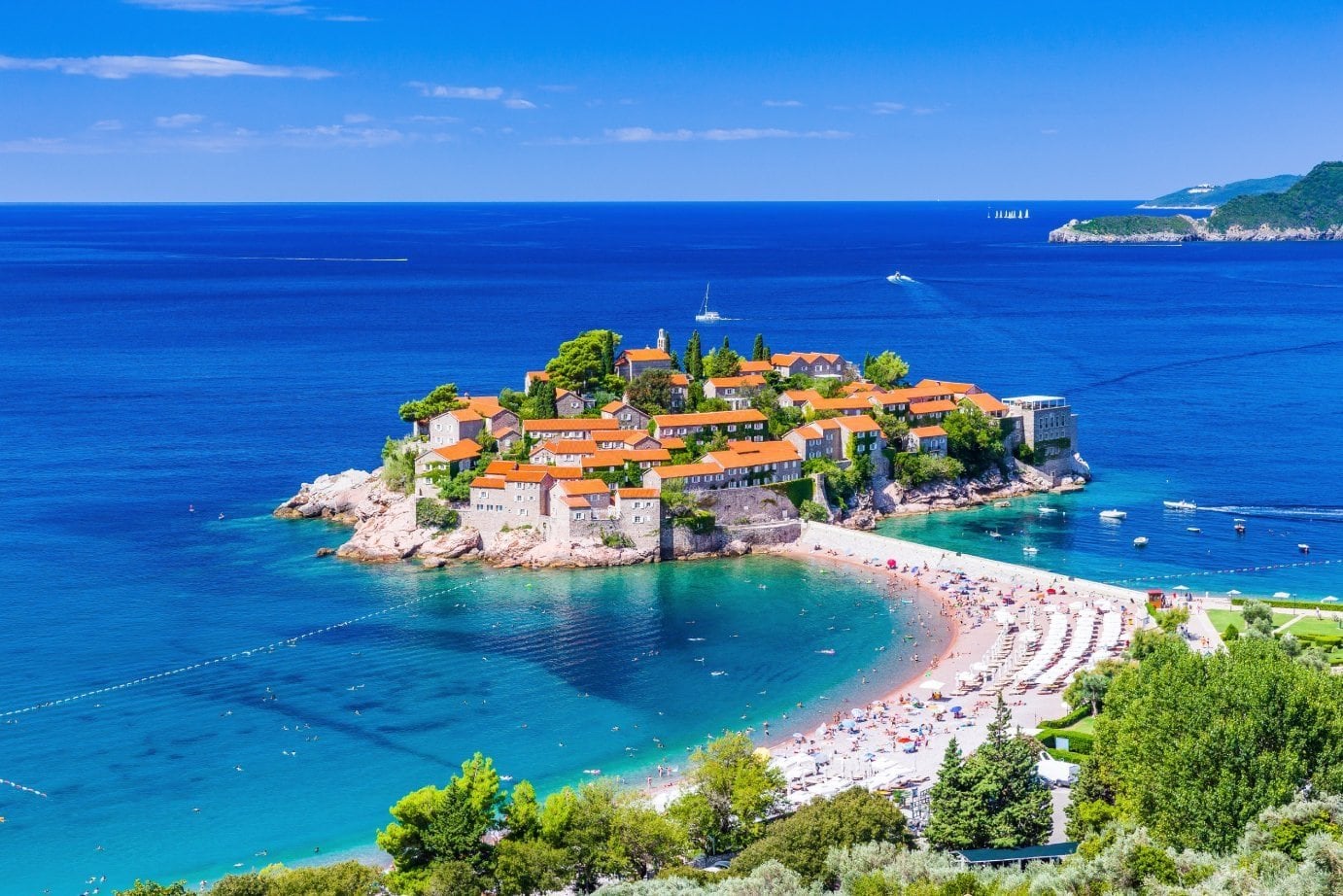
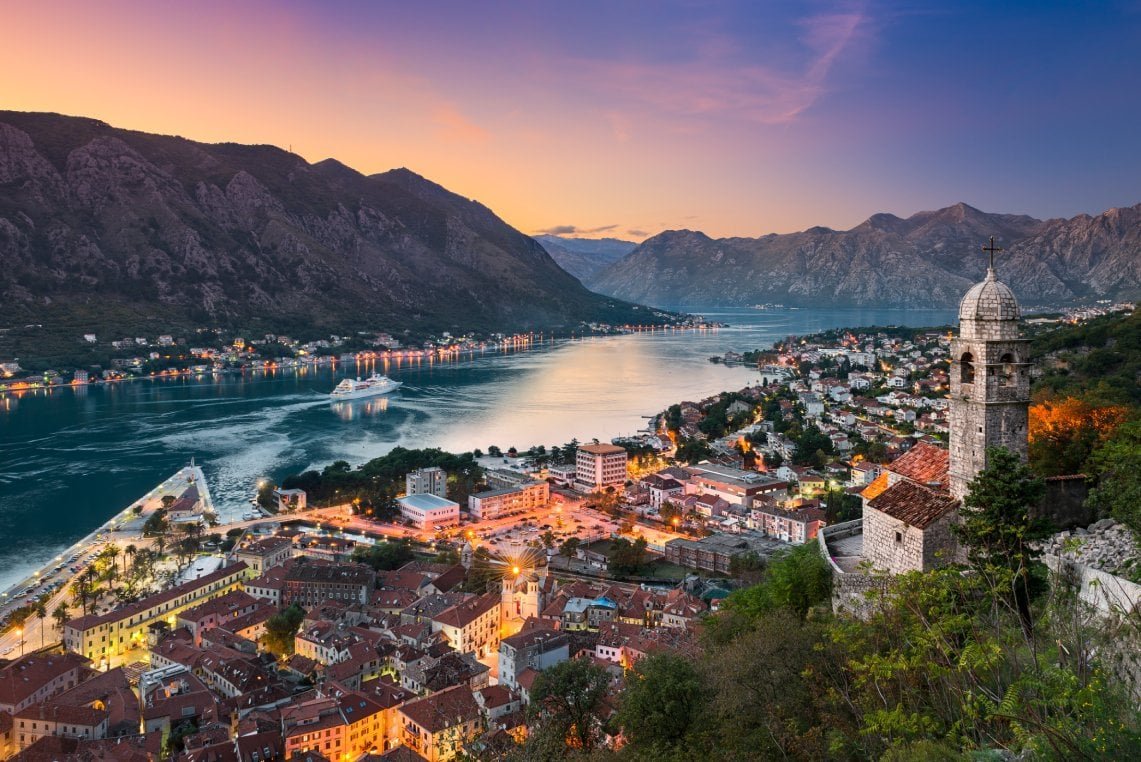
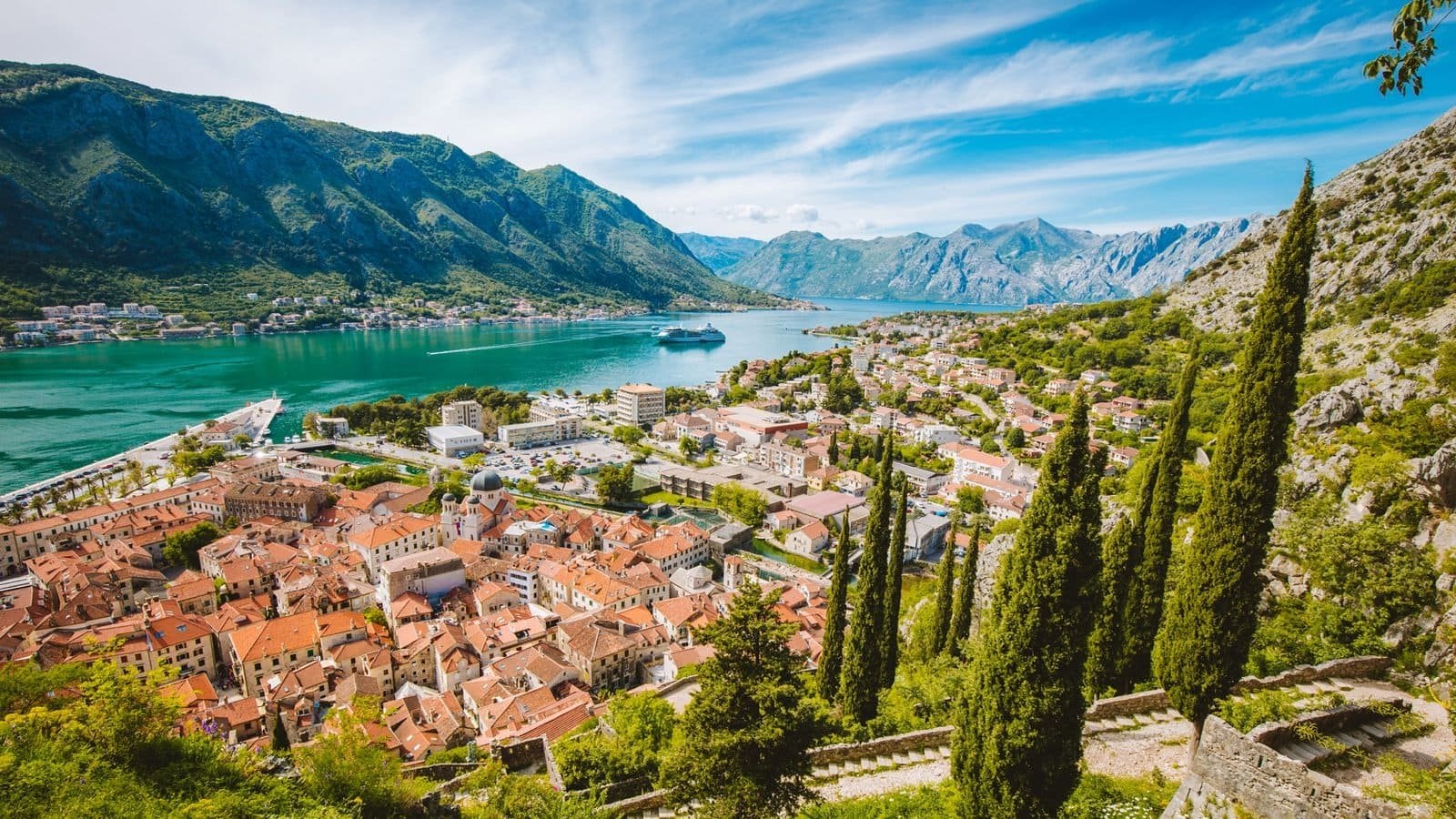
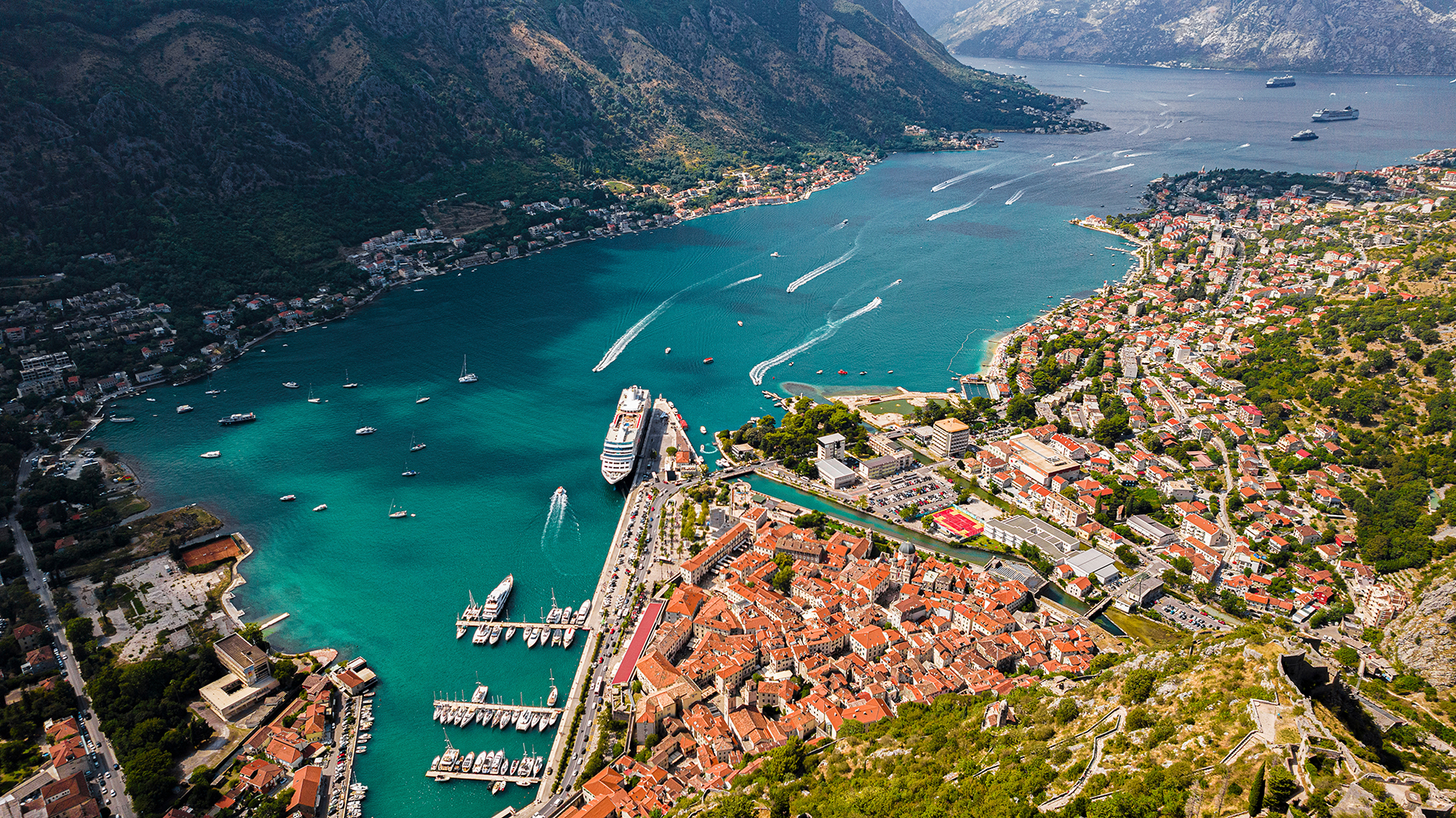
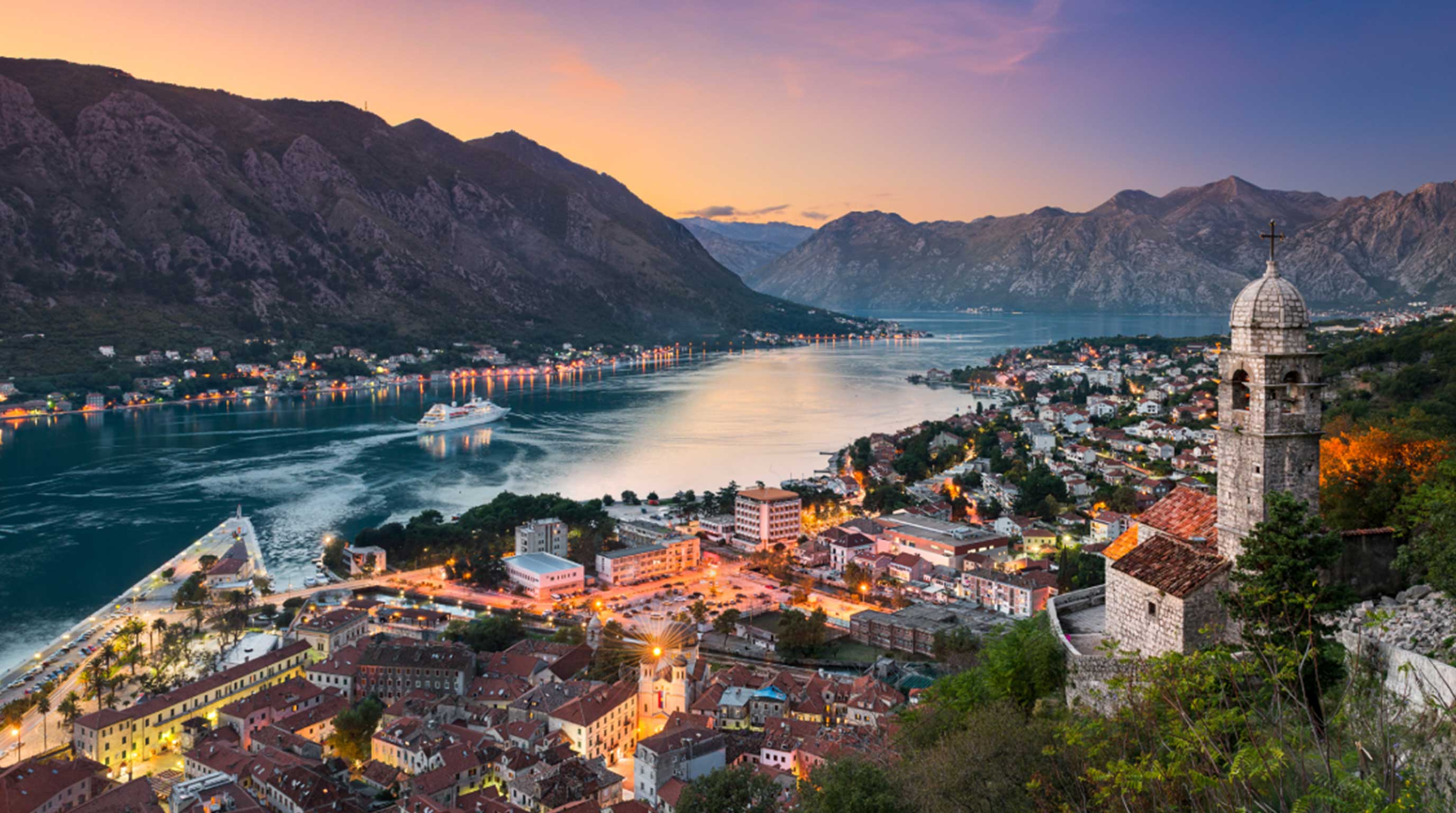
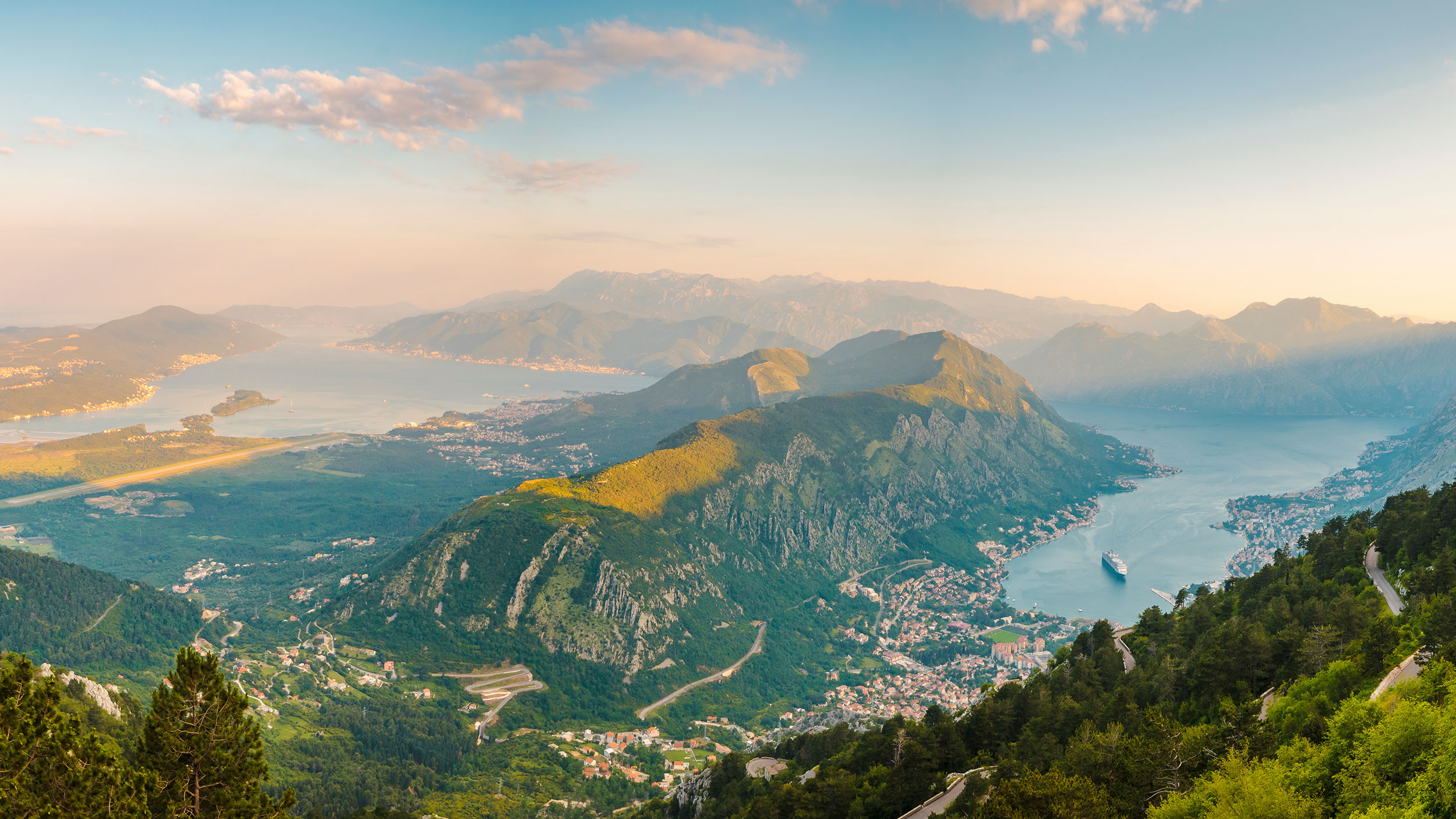
The bay itself is a drowned river canyon stretching roughly 28 kilometres inland from the Adriatic. Four interconnected inlets form the full basin, each with its own micro-market character. Kotor and Perast anchor the innermost reaches. Tivat and its Porto Montenegro marina define the upper bay. Herceg Novi and the outer bay sit closest to open water. Collectively, these towns represent a coherent investment geography rather than a collection of isolated markets, and understanding how capital flows between them is central to any well-informed acquisition decision.
International buyers have been drawn to Bay of Kotor real estate for well over a decade, yet meaningful supply has not expanded commensurately. Building restrictions tied to heritage designation, combined with steep terrain, constrain new development across much of the basin. The result is a market where premium waterfront stock is genuinely rare, and where well-positioned assets hold value through tourism cycles in ways that less restricted coastal markets cannot always replicate.
The Towns and Where Capital Is Concentrating
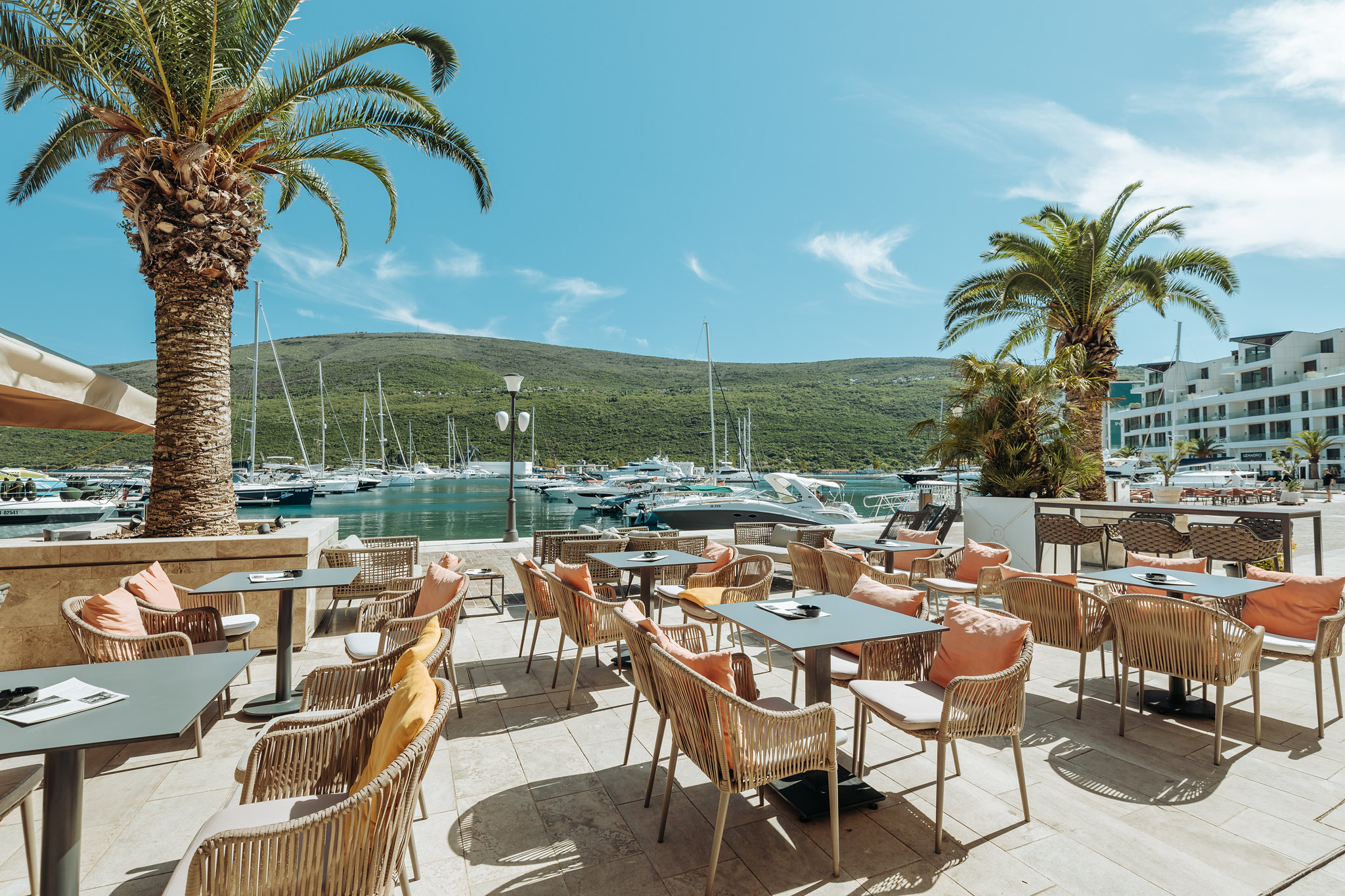
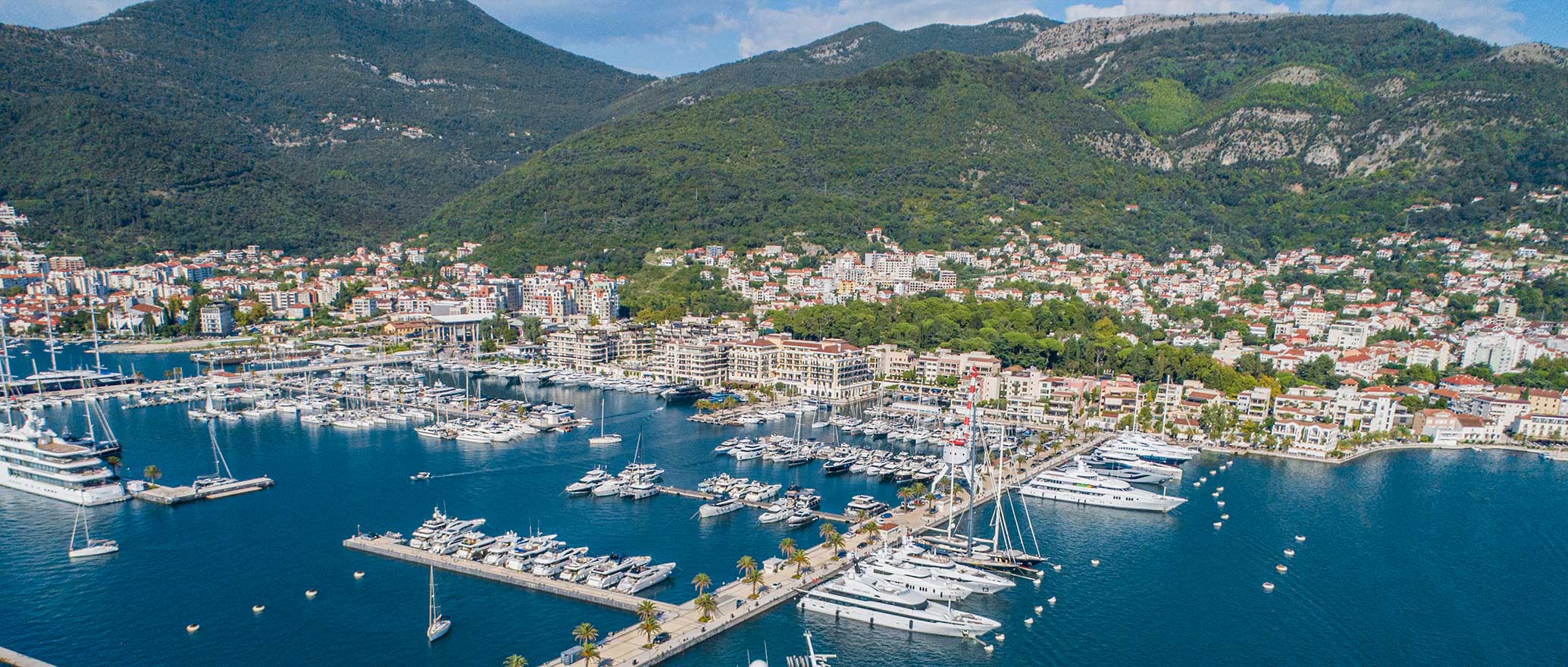
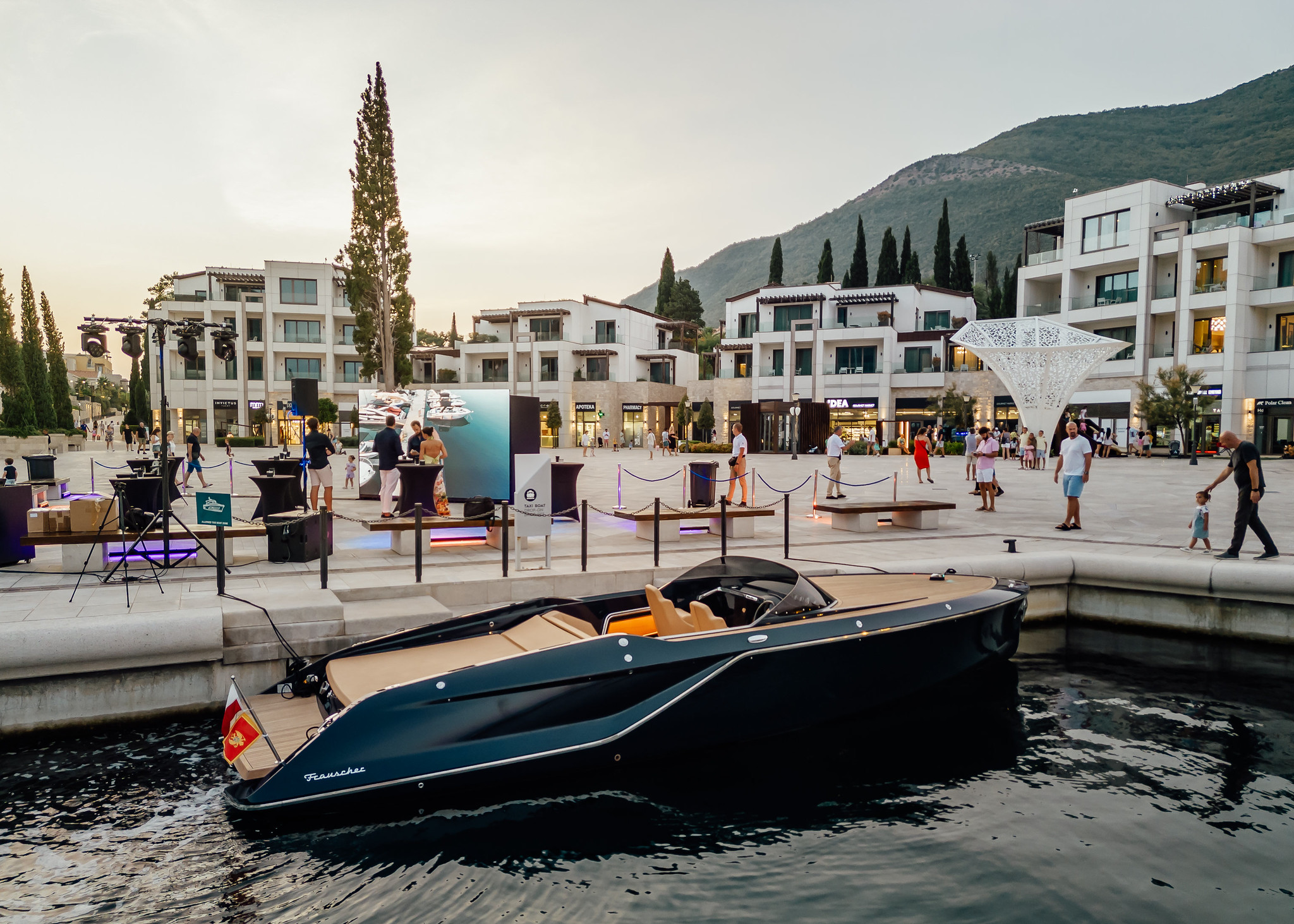
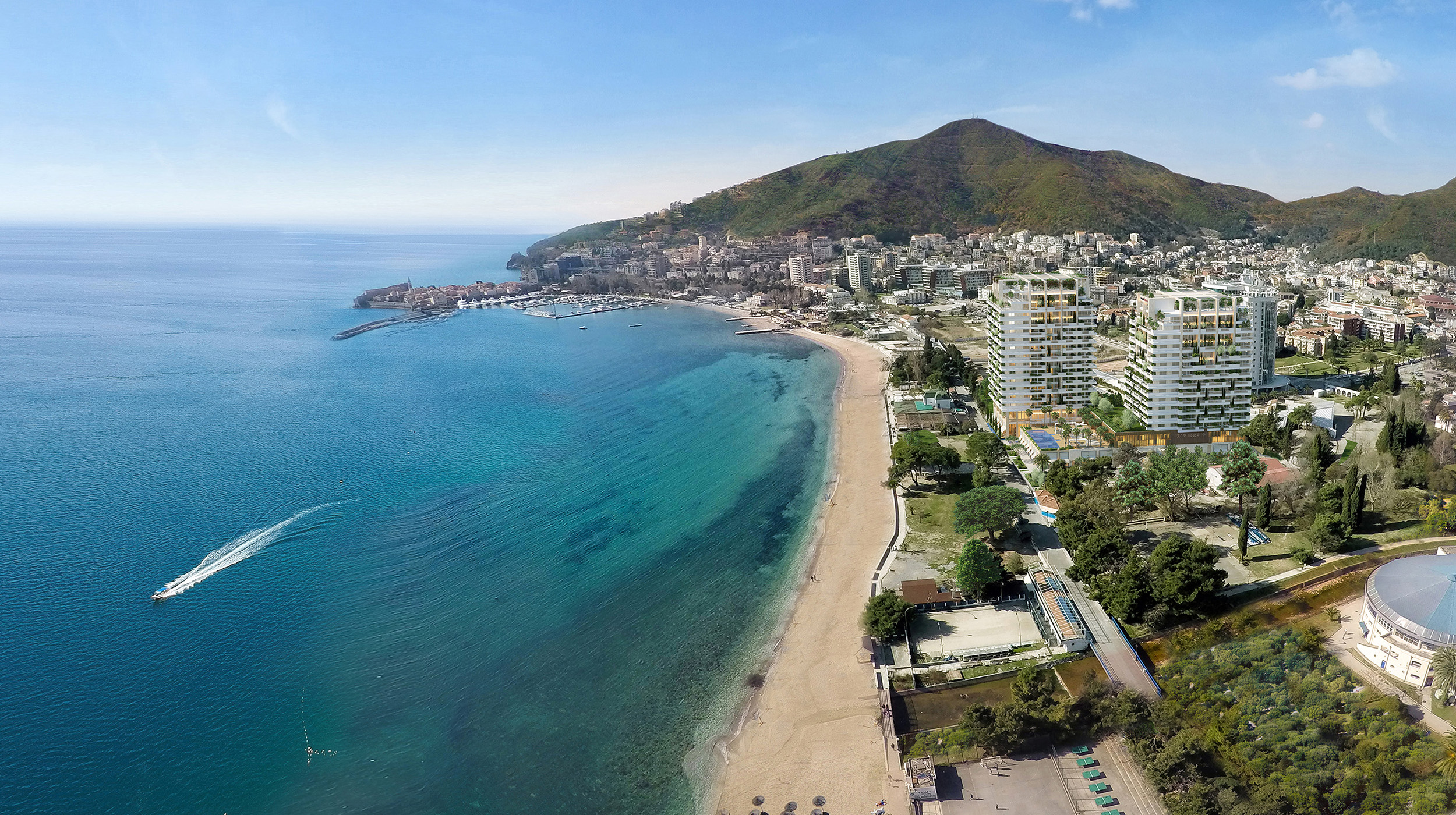
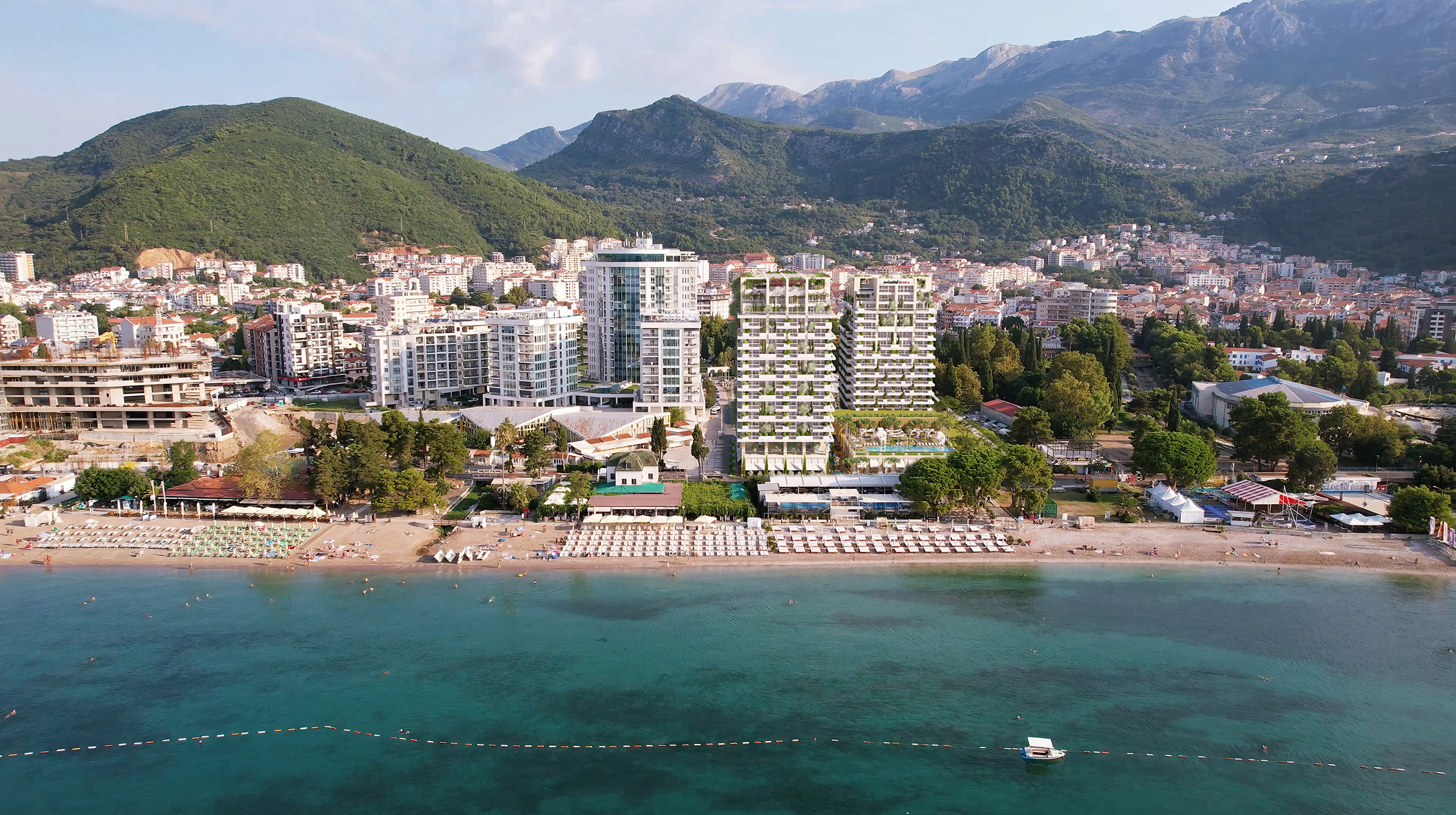
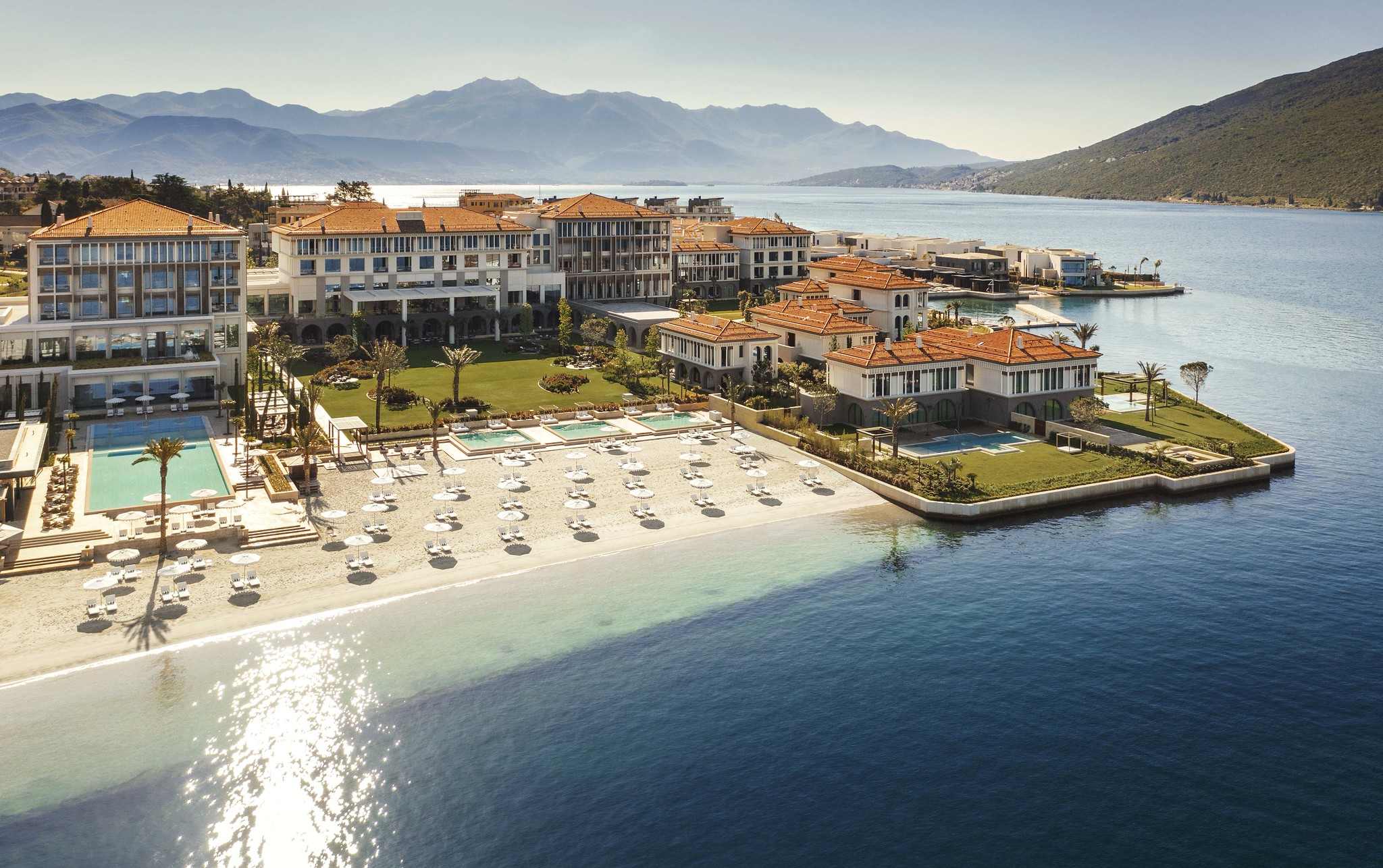
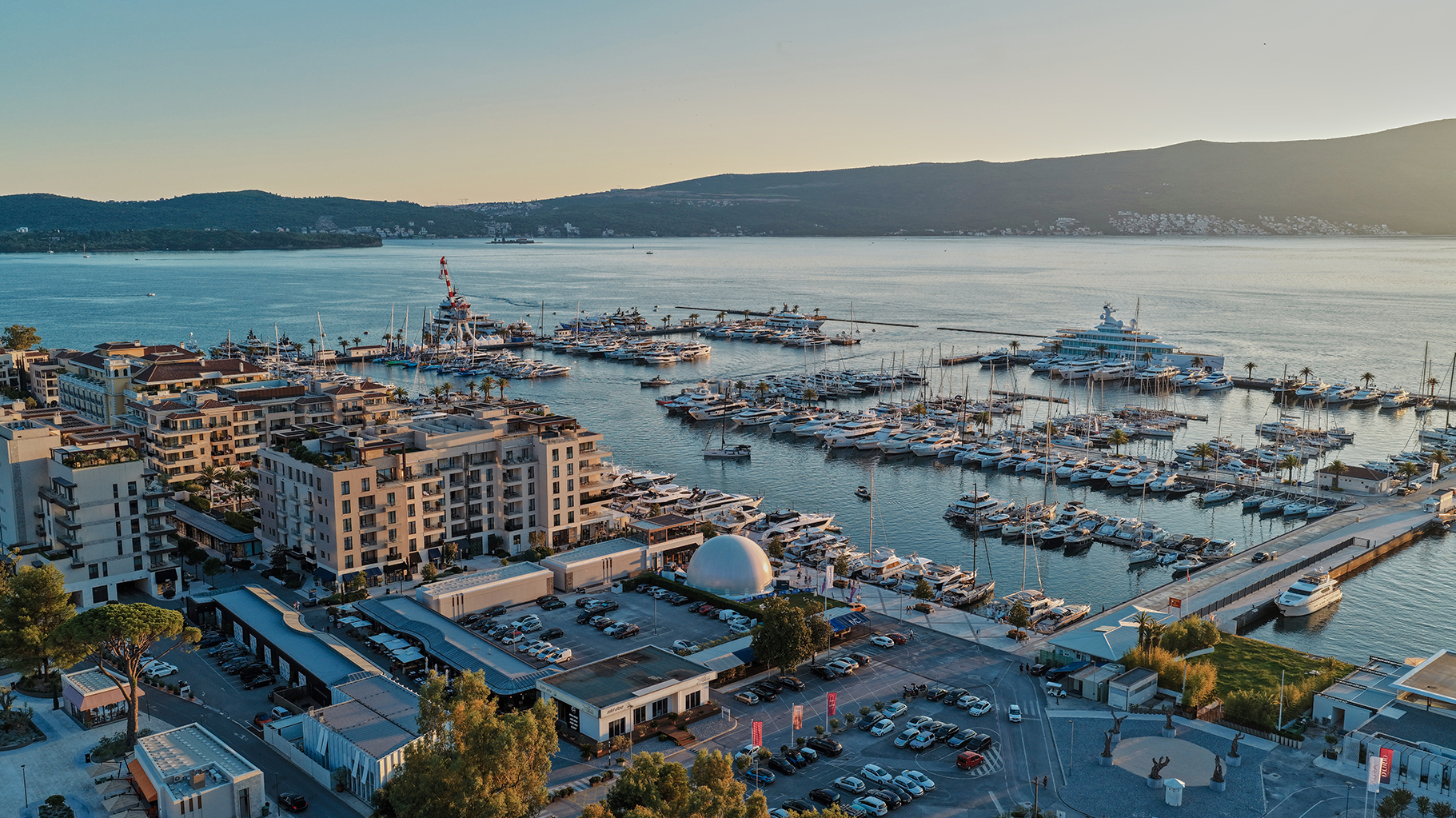
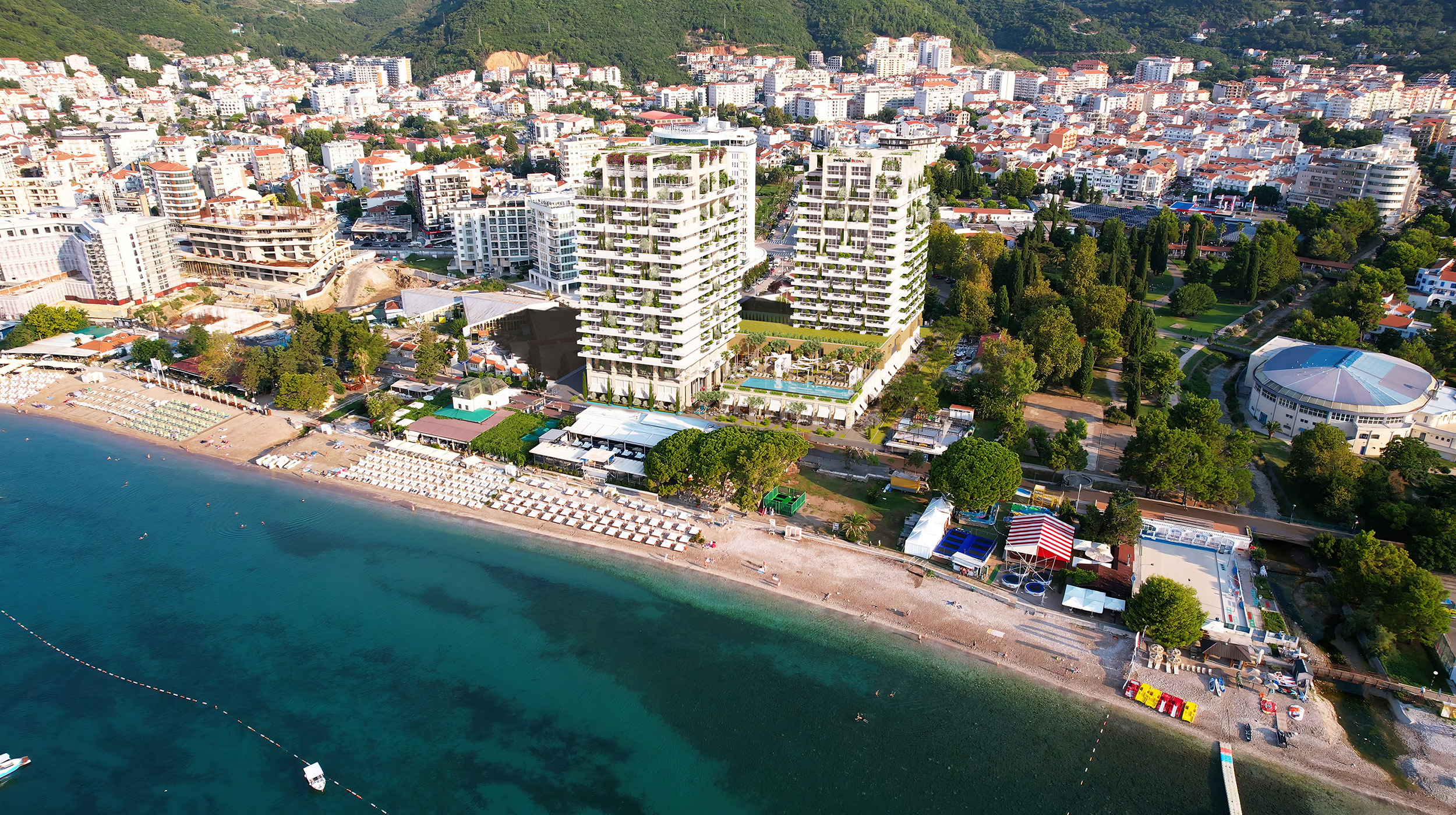
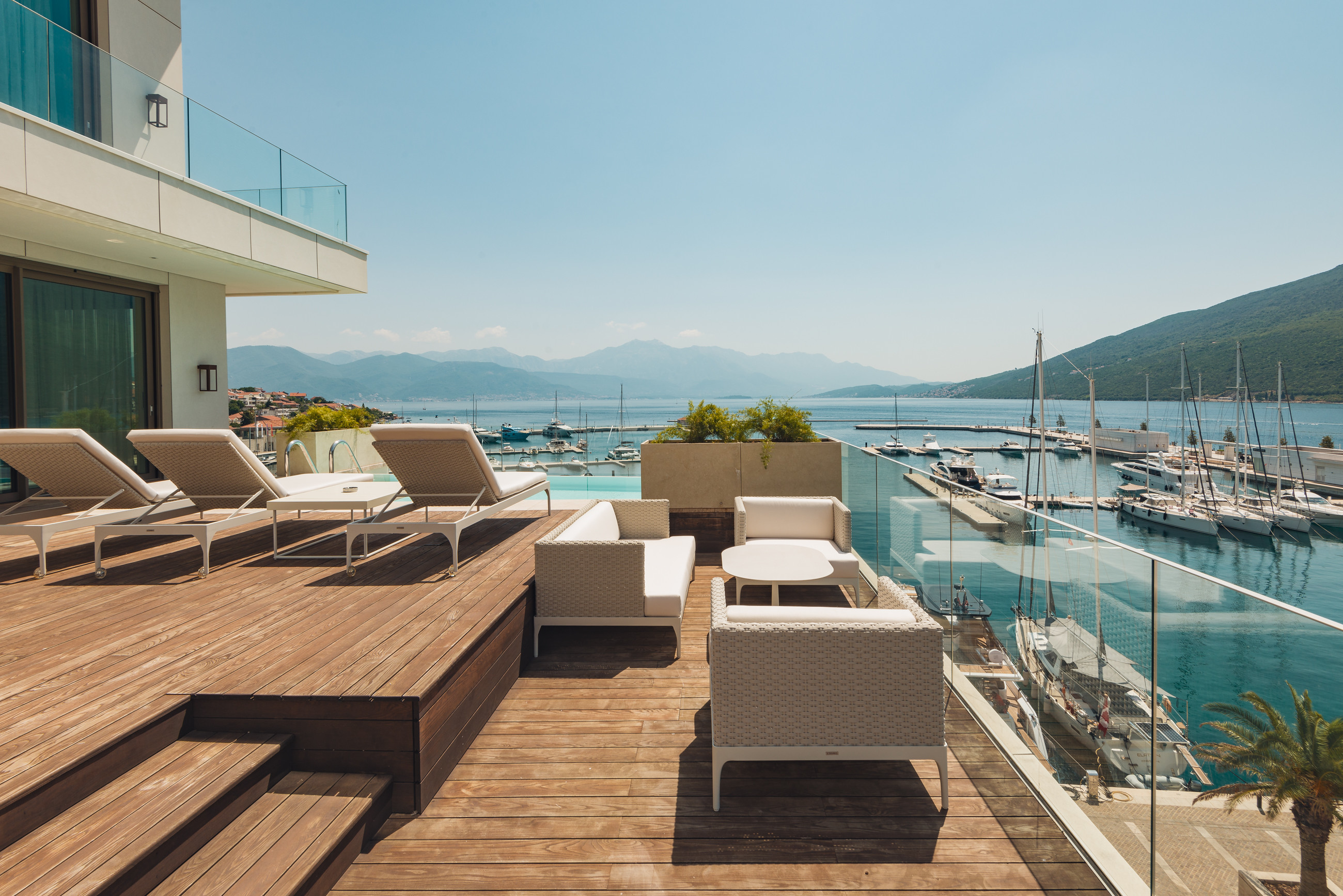
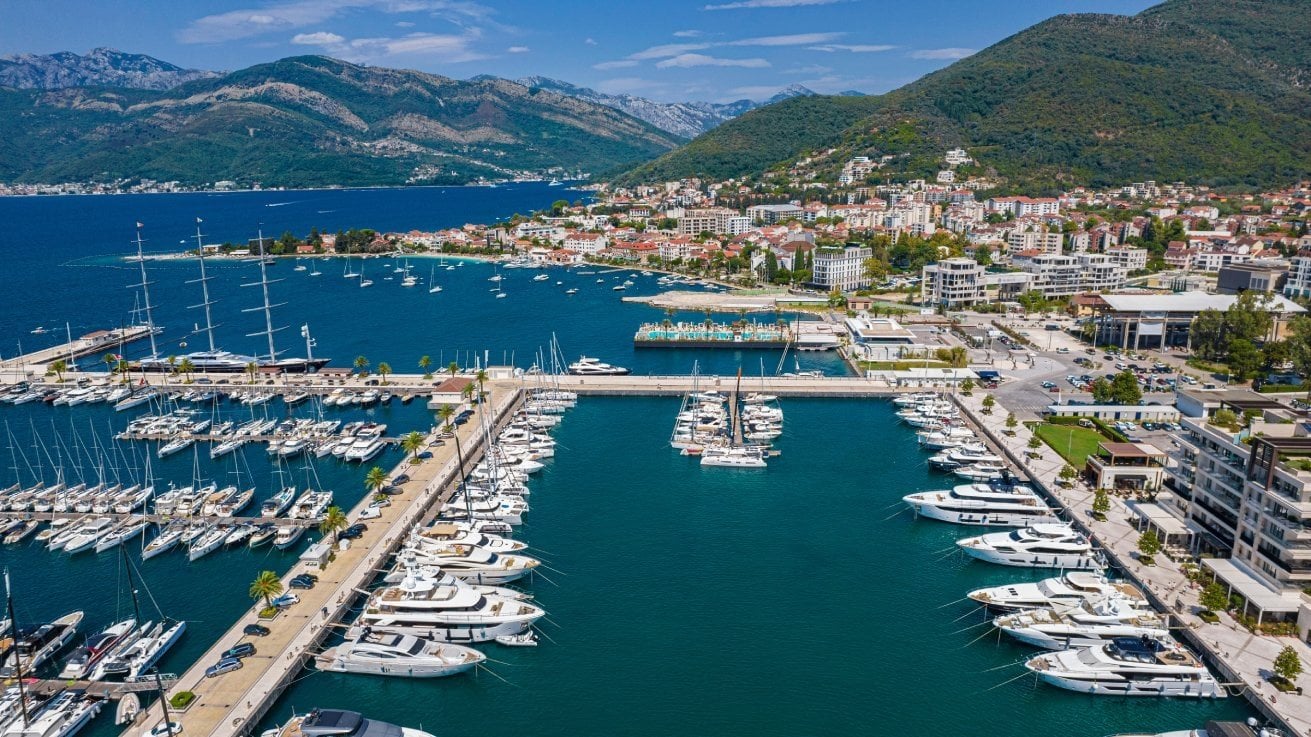
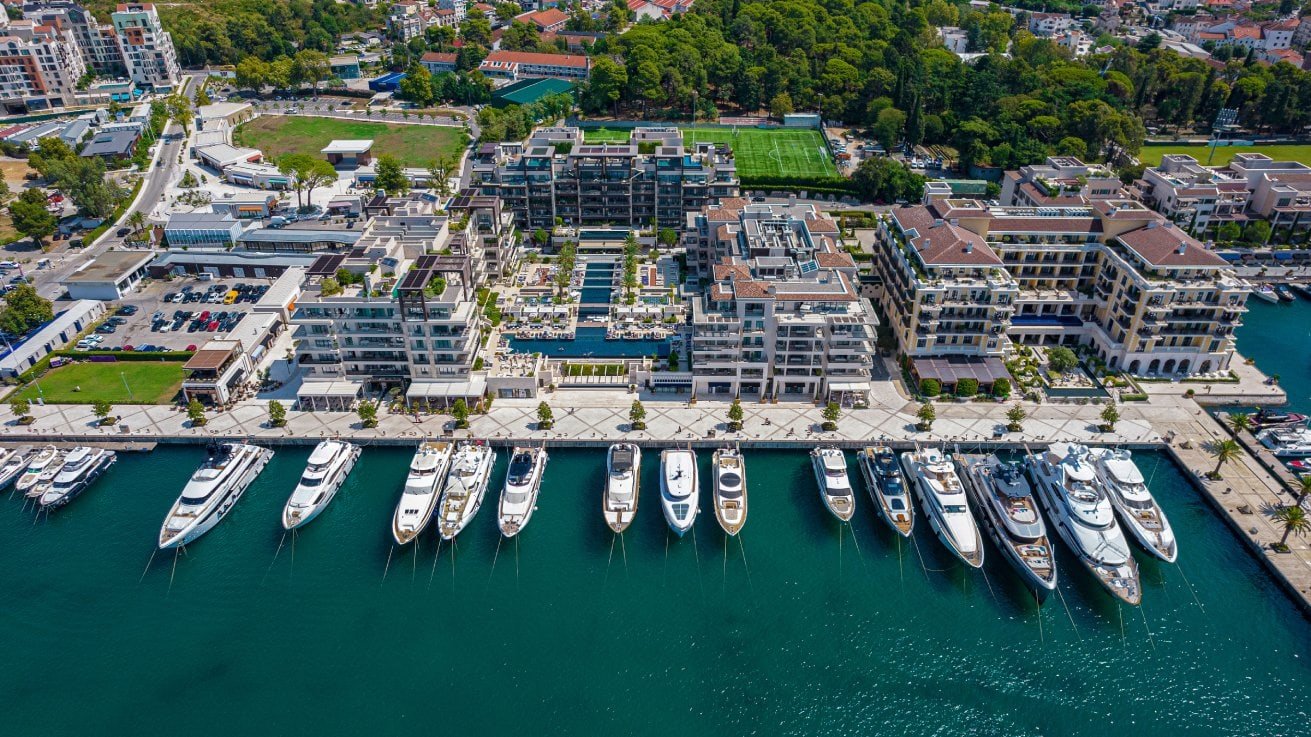
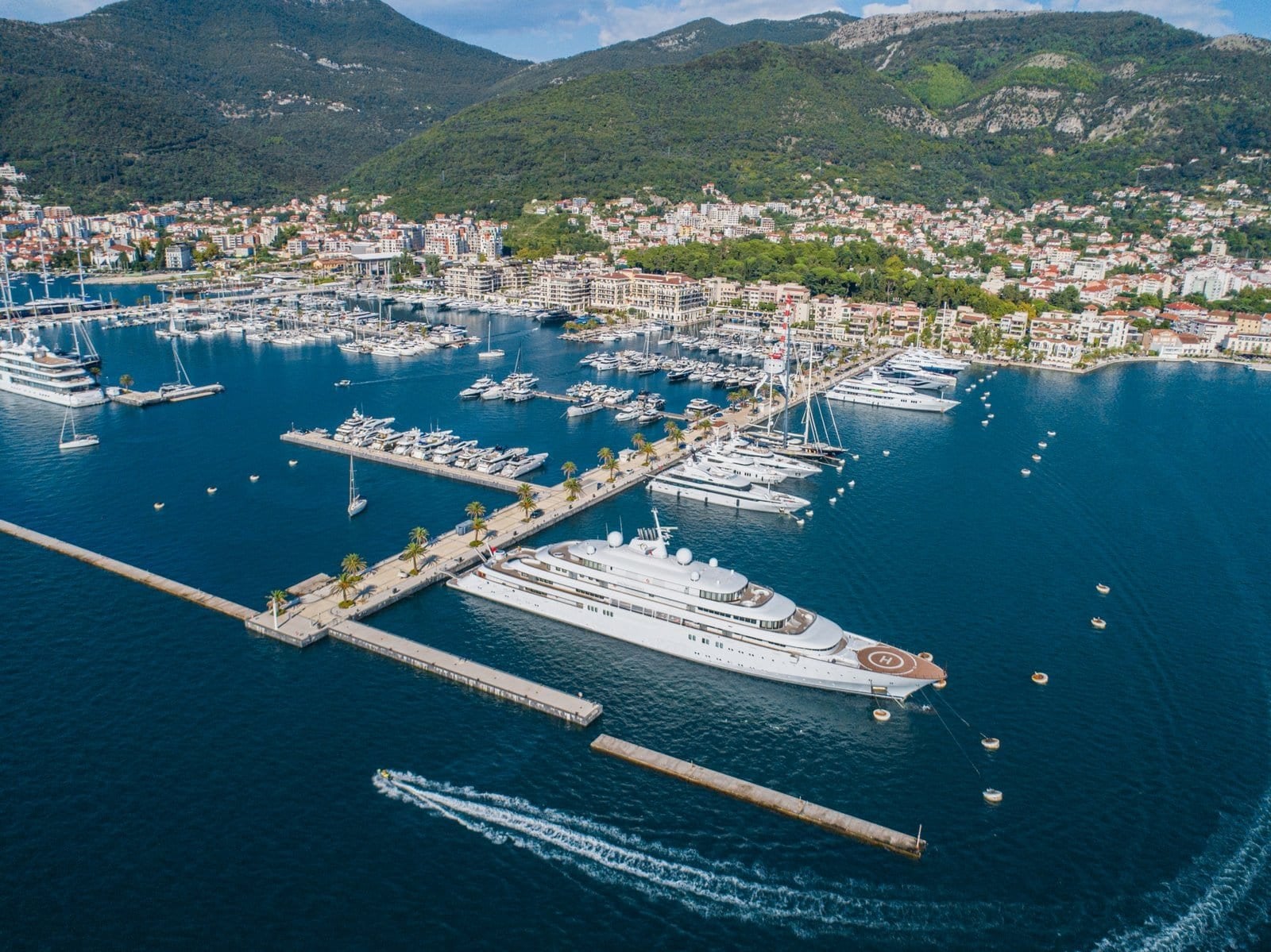
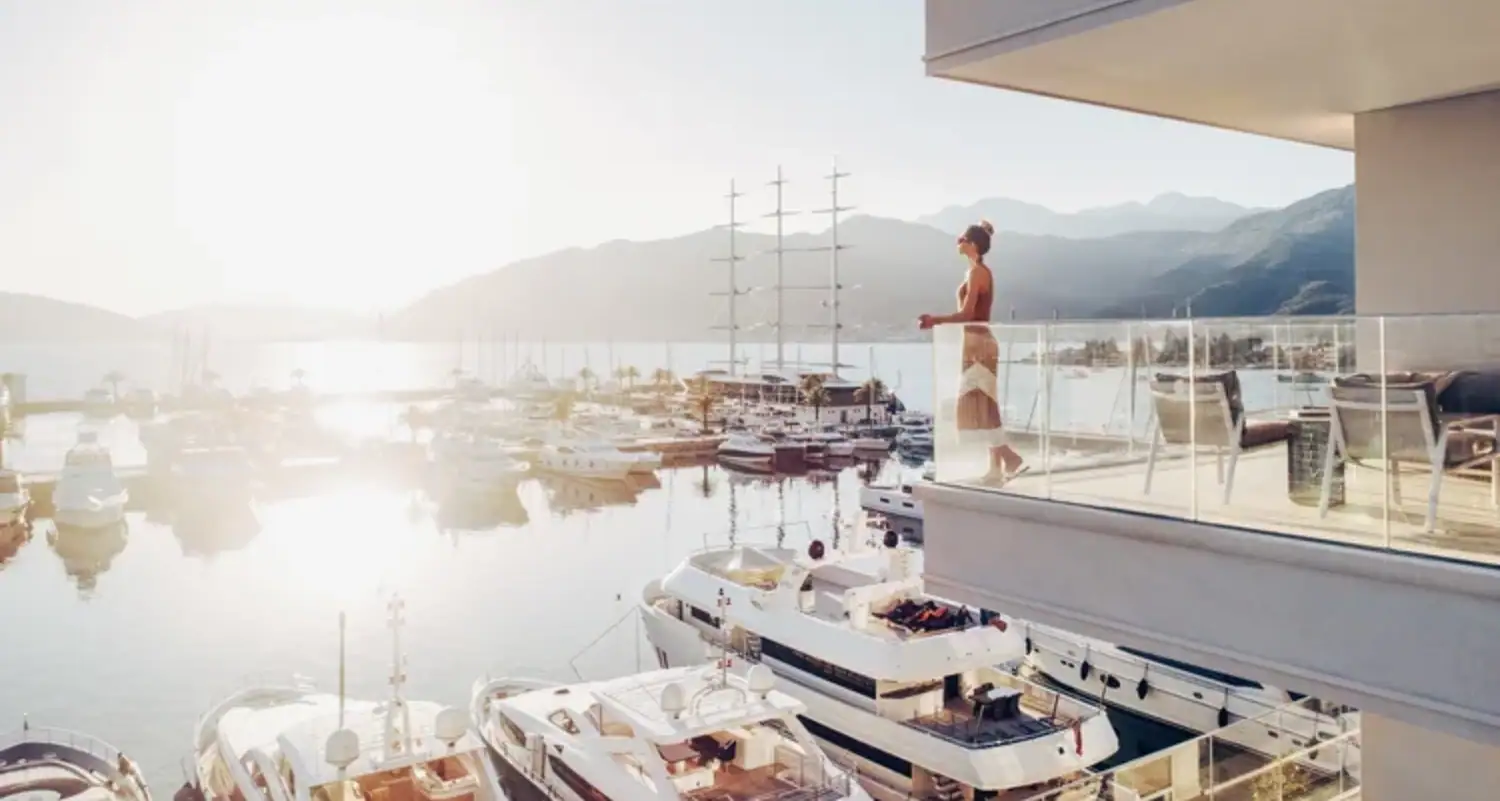
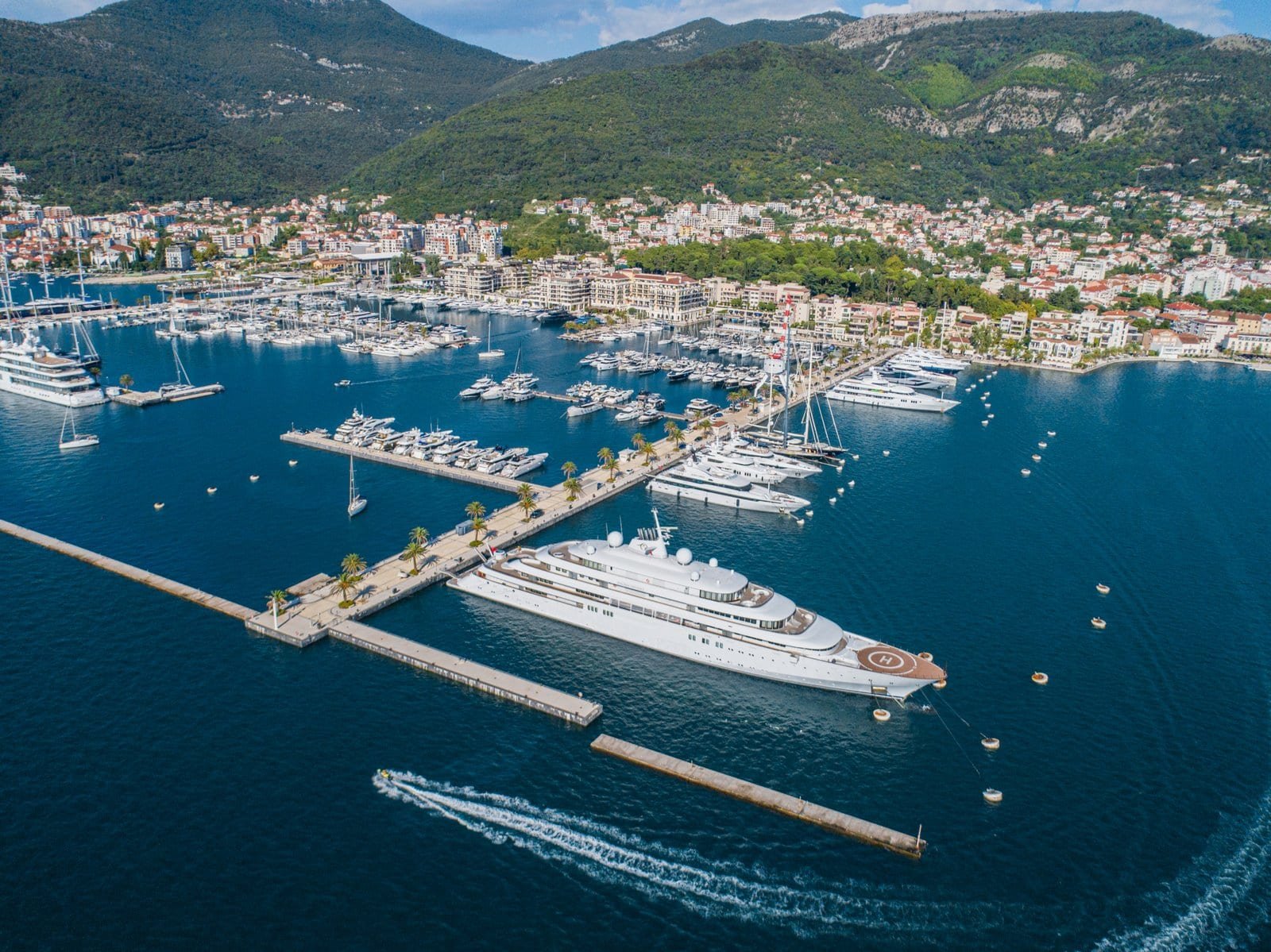
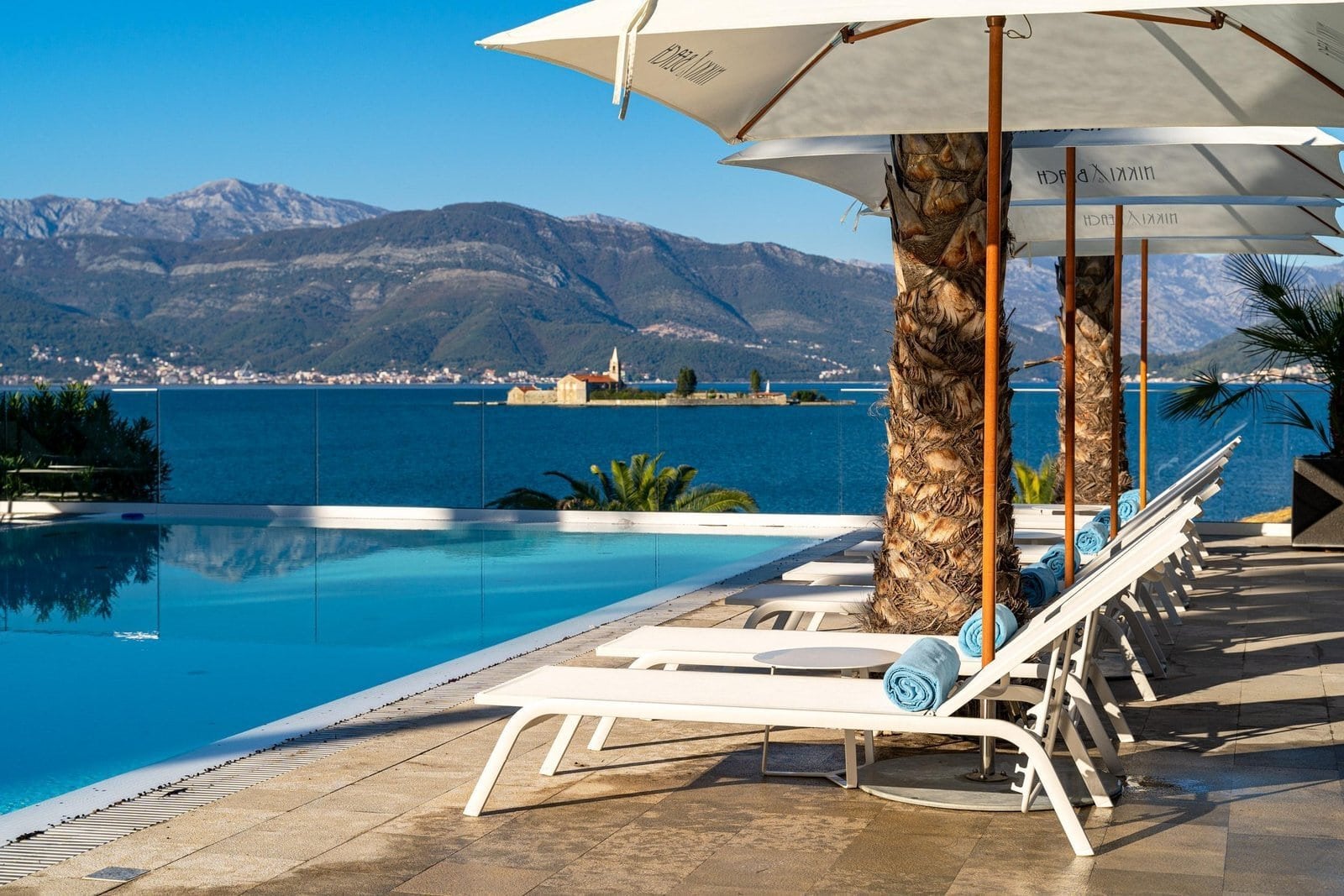
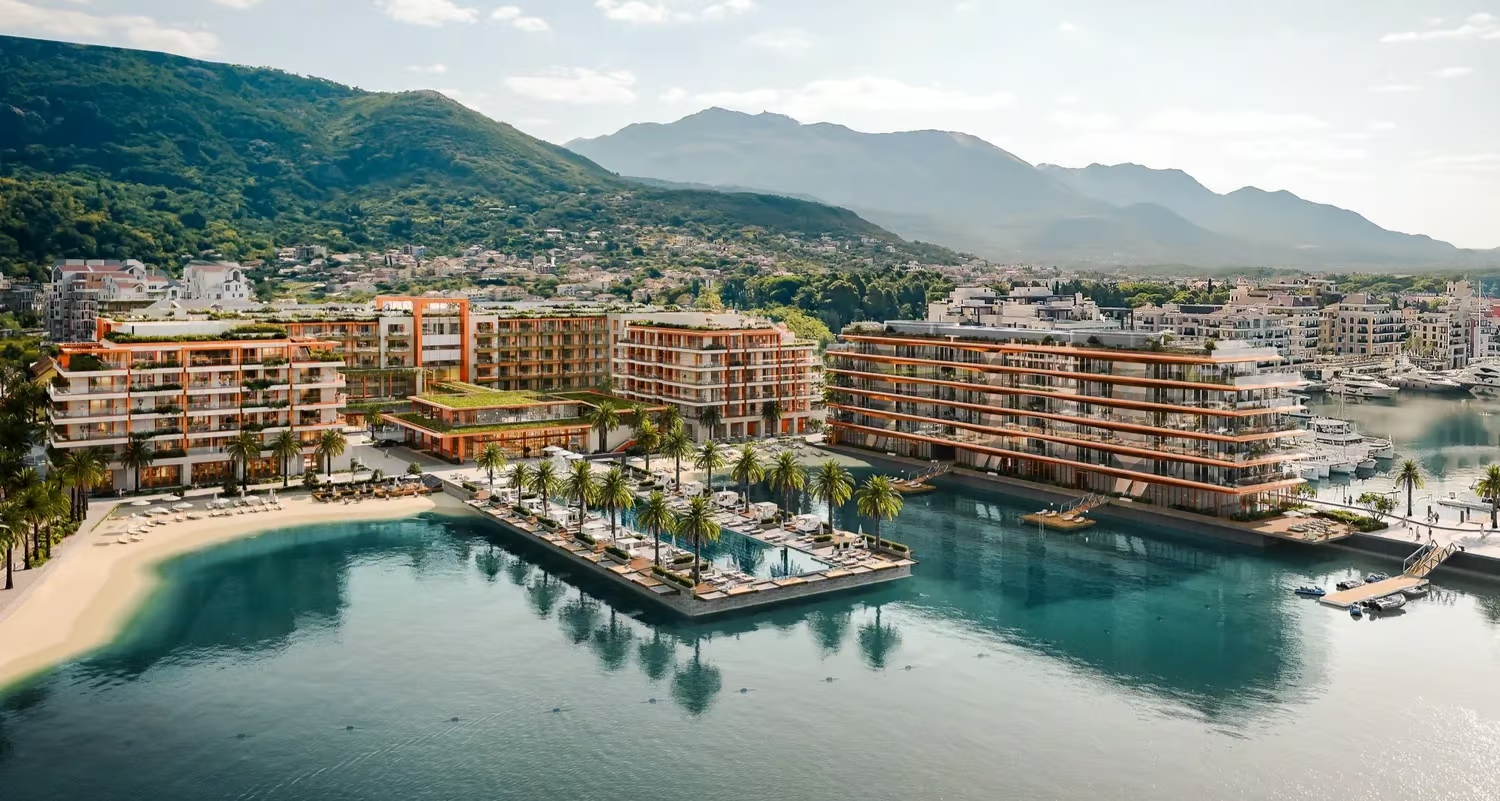
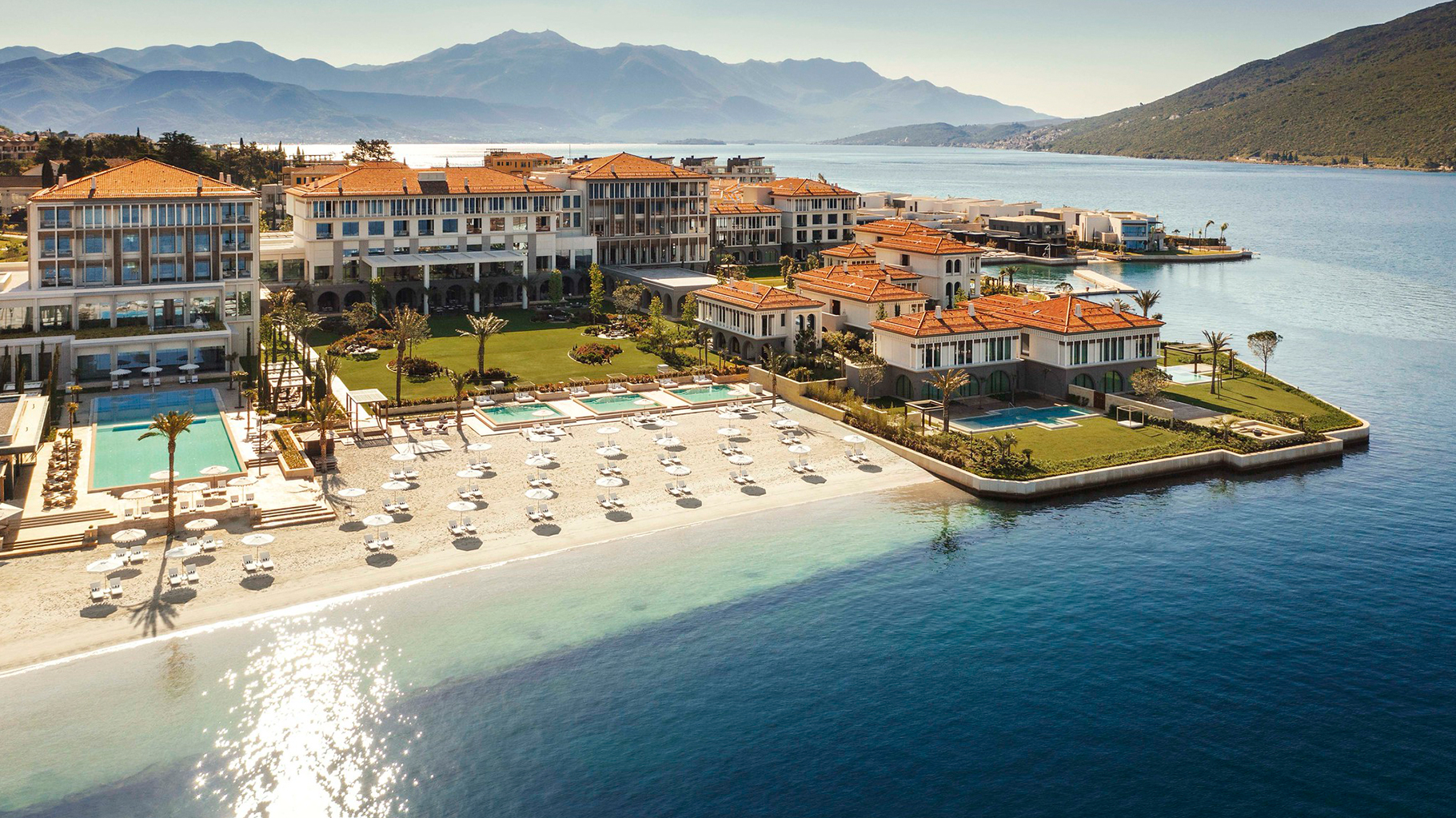
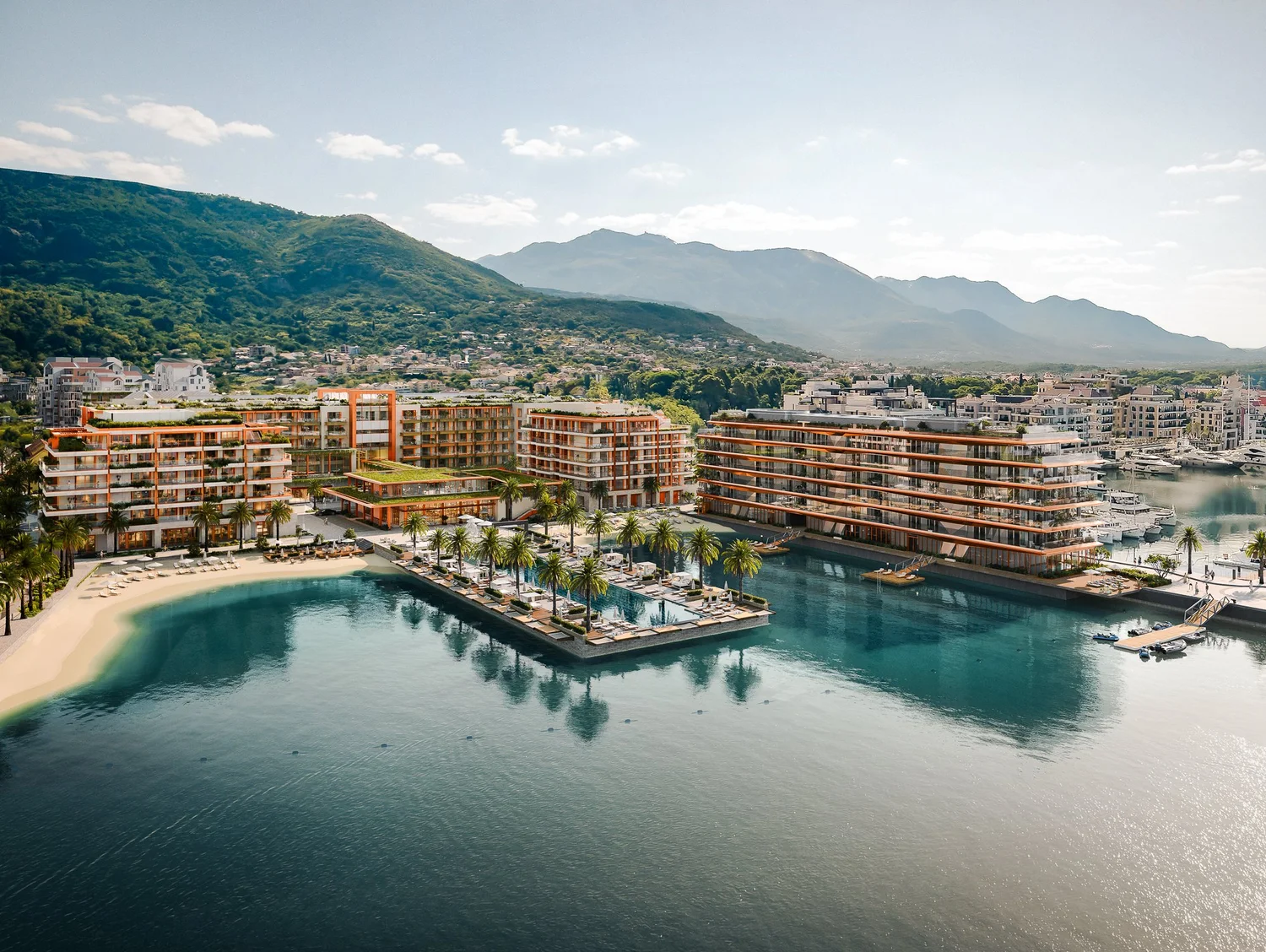
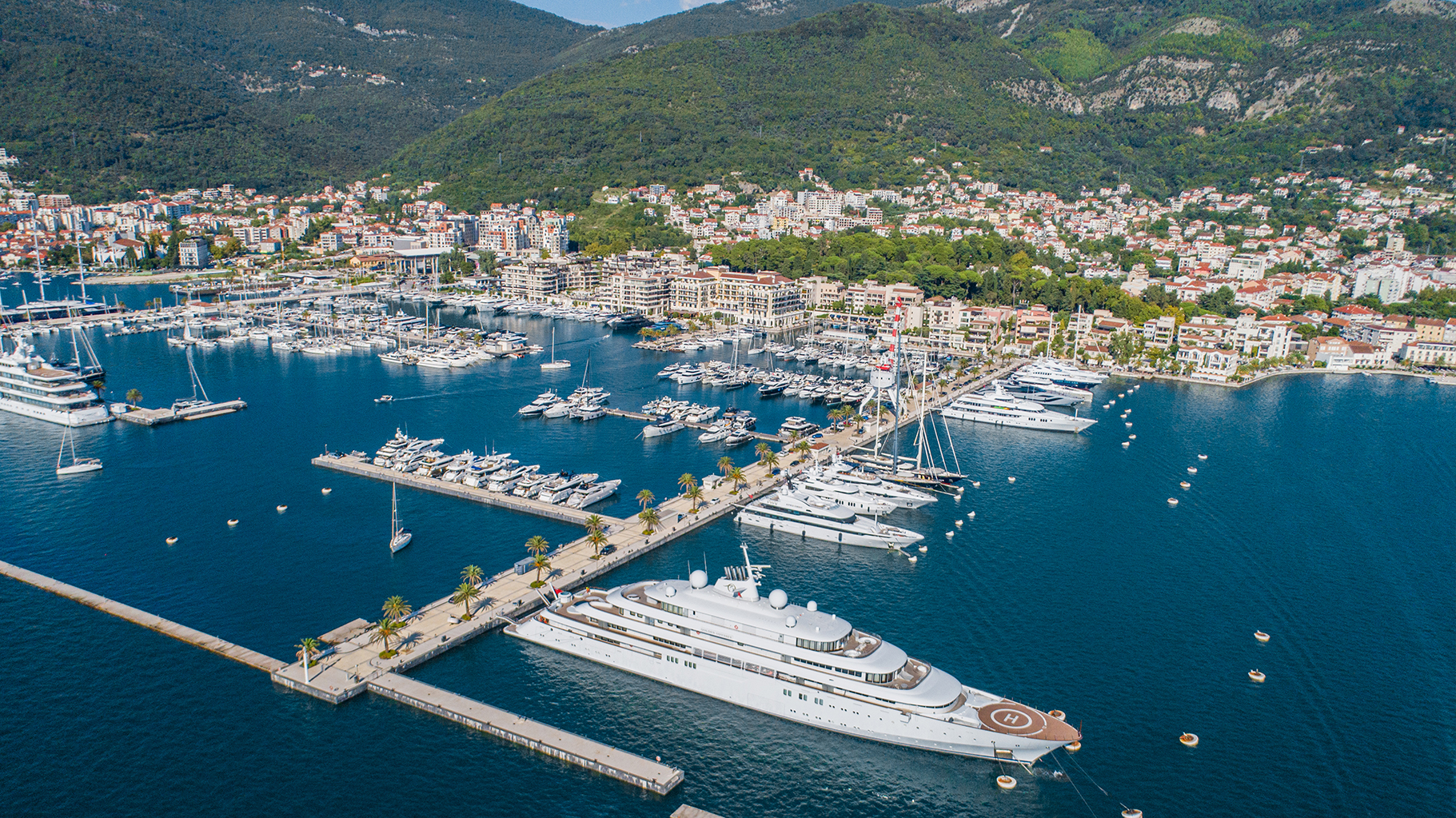
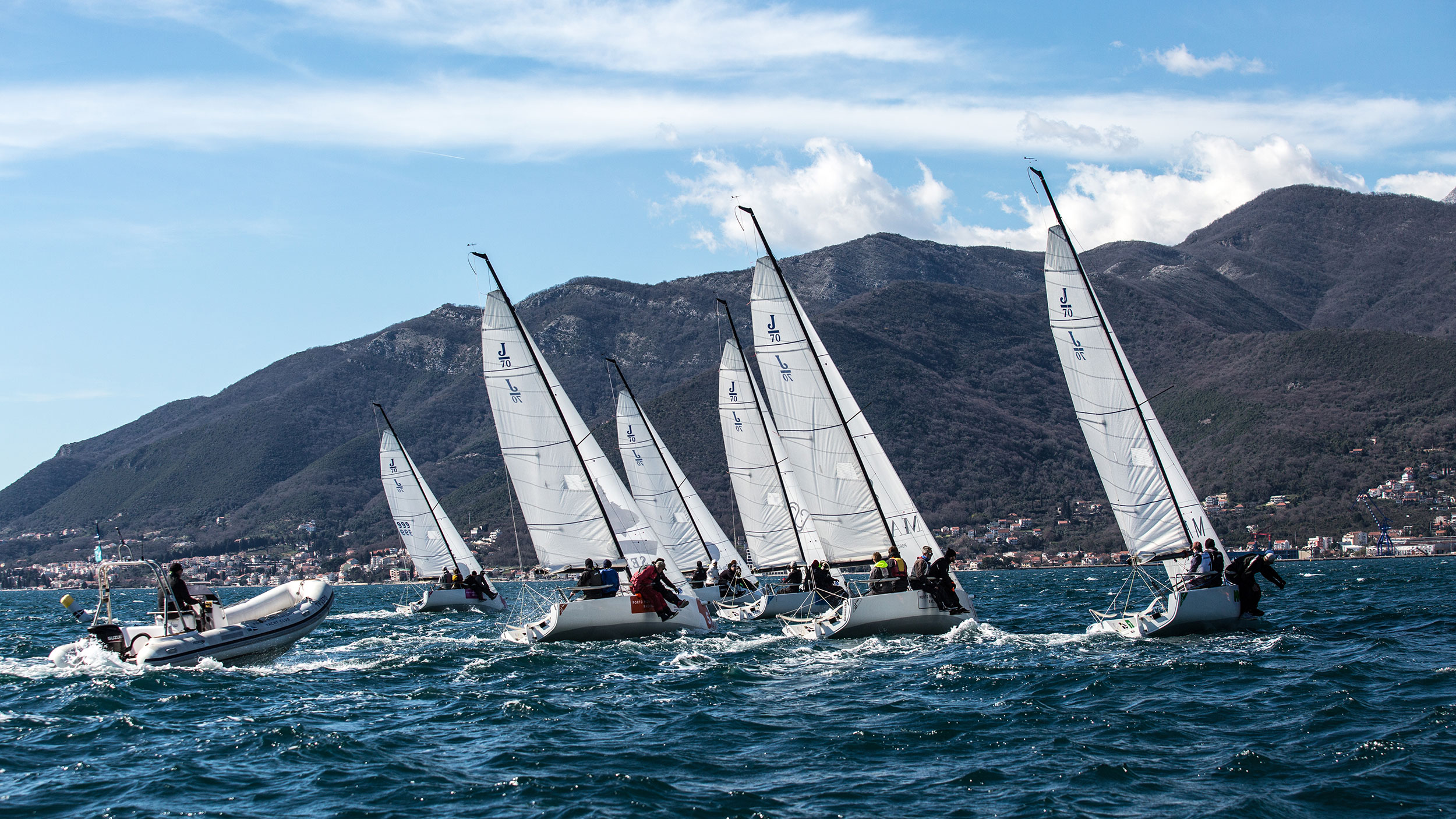
Tivat and Porto Montenegro represent the highest price point in the bay. The marina development has attracted a genuinely international resident base, and branded residences there regularly transact at €6,000 to €15,000 per square metre for the most sought-after positions. Tivat real estate beyond the marina offers considerably better value, with town-side apartments typically in the €2,500 to €4,000 range, making it one of the more accessible entry points into the bay’s premium tier.
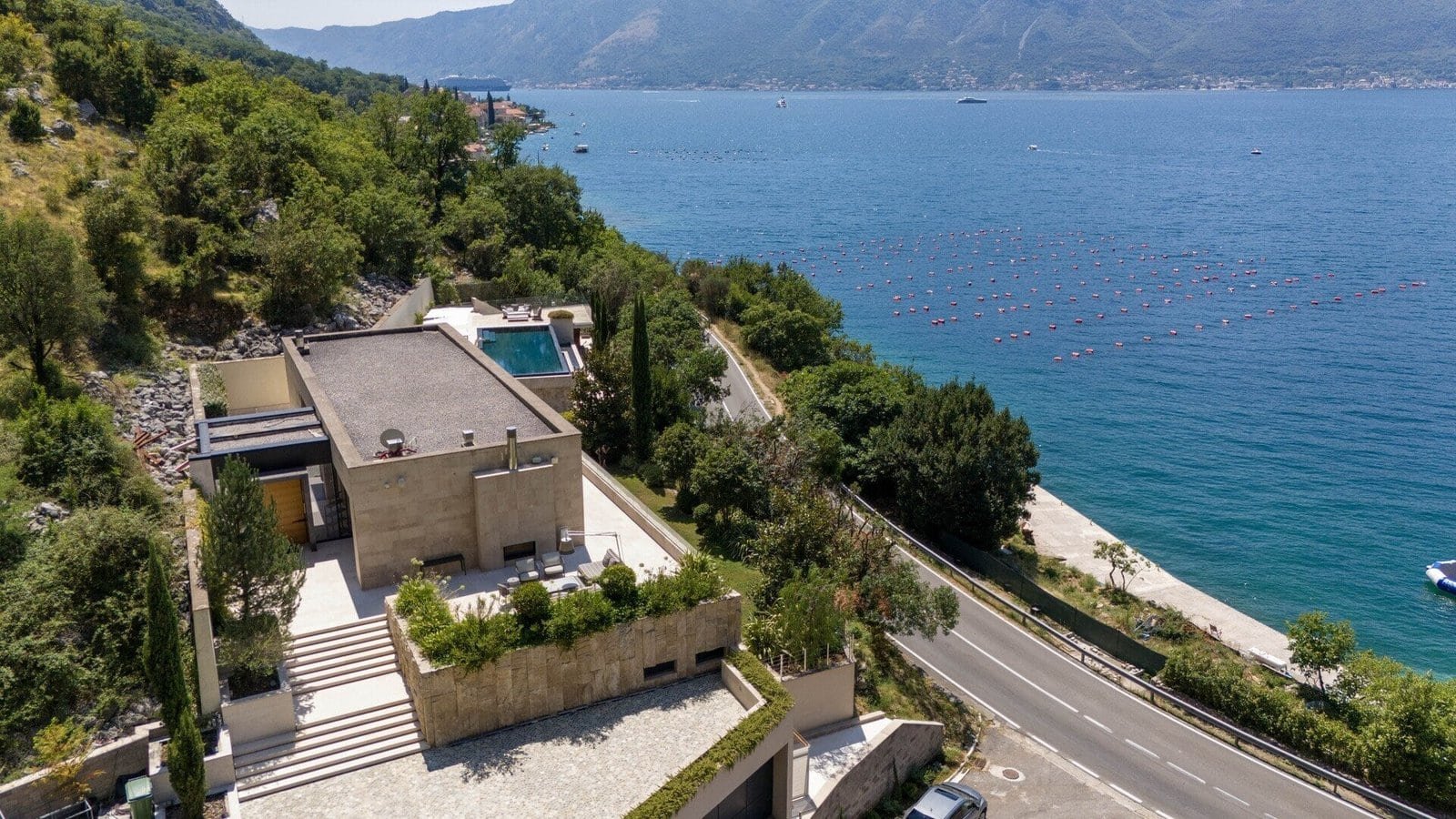
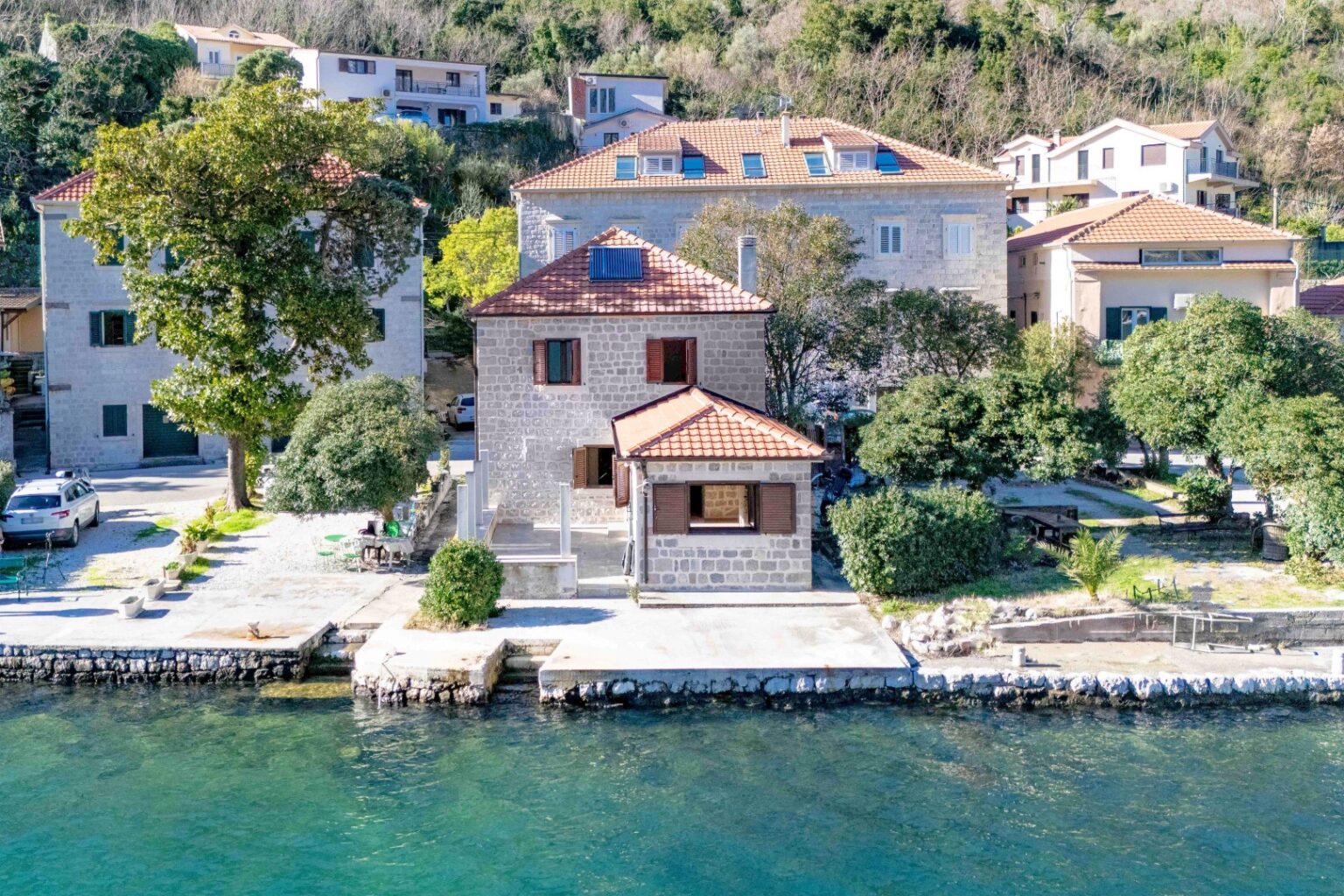
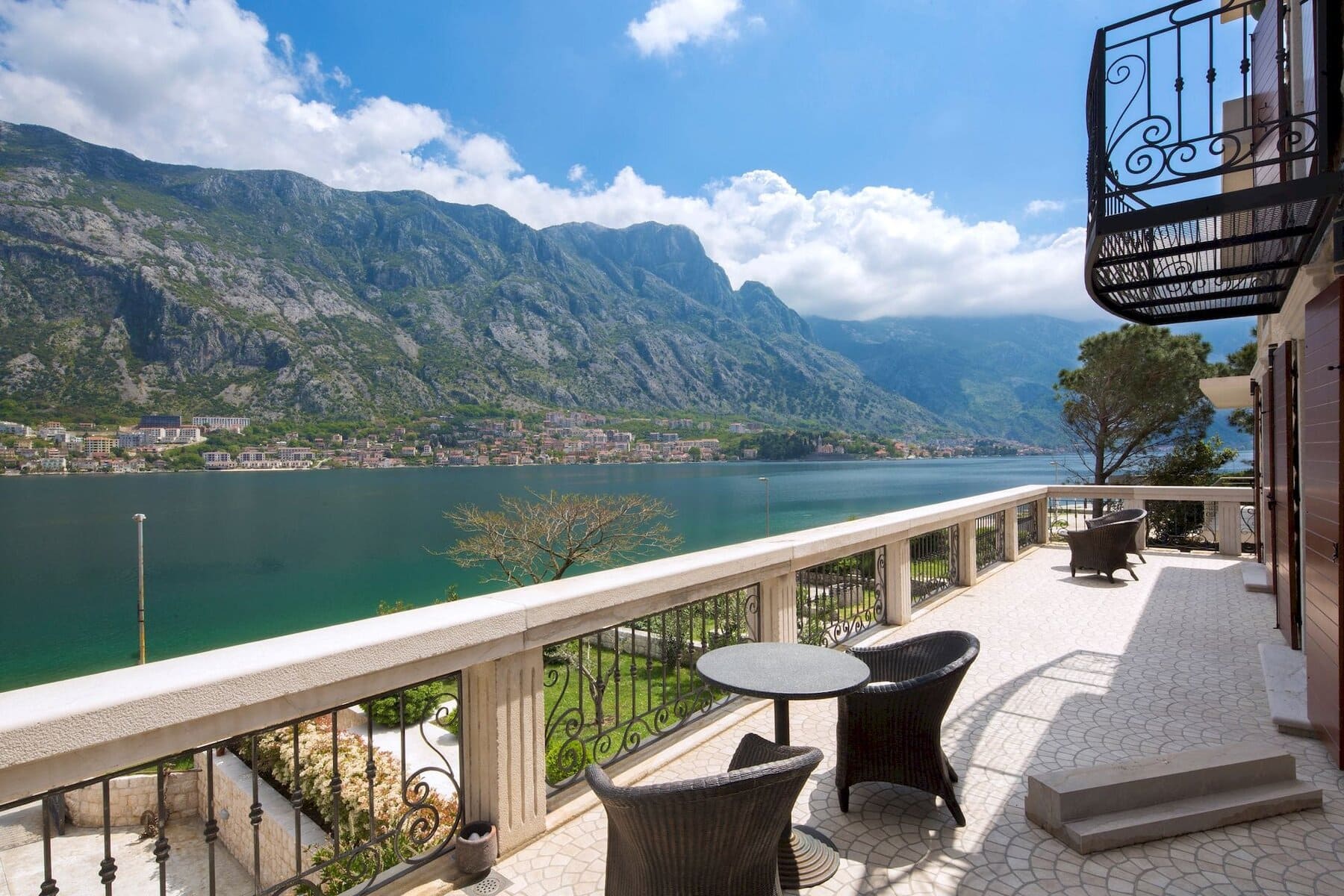
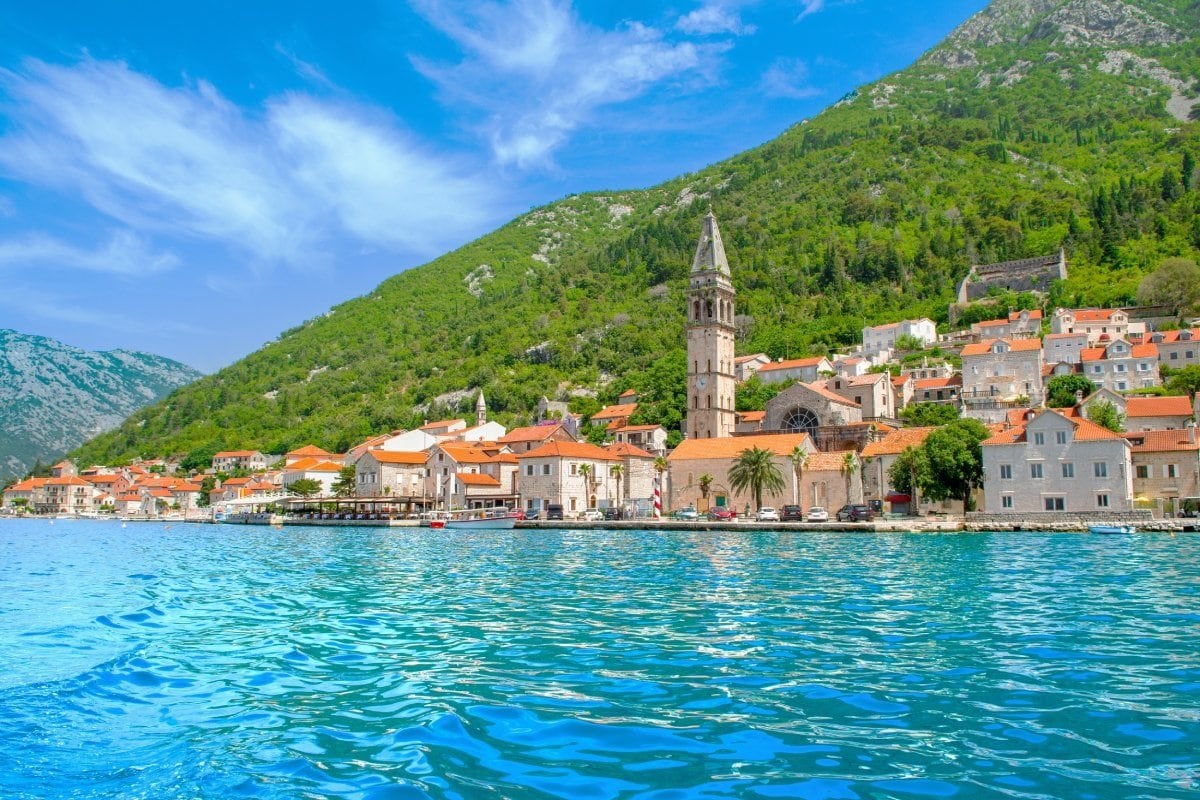
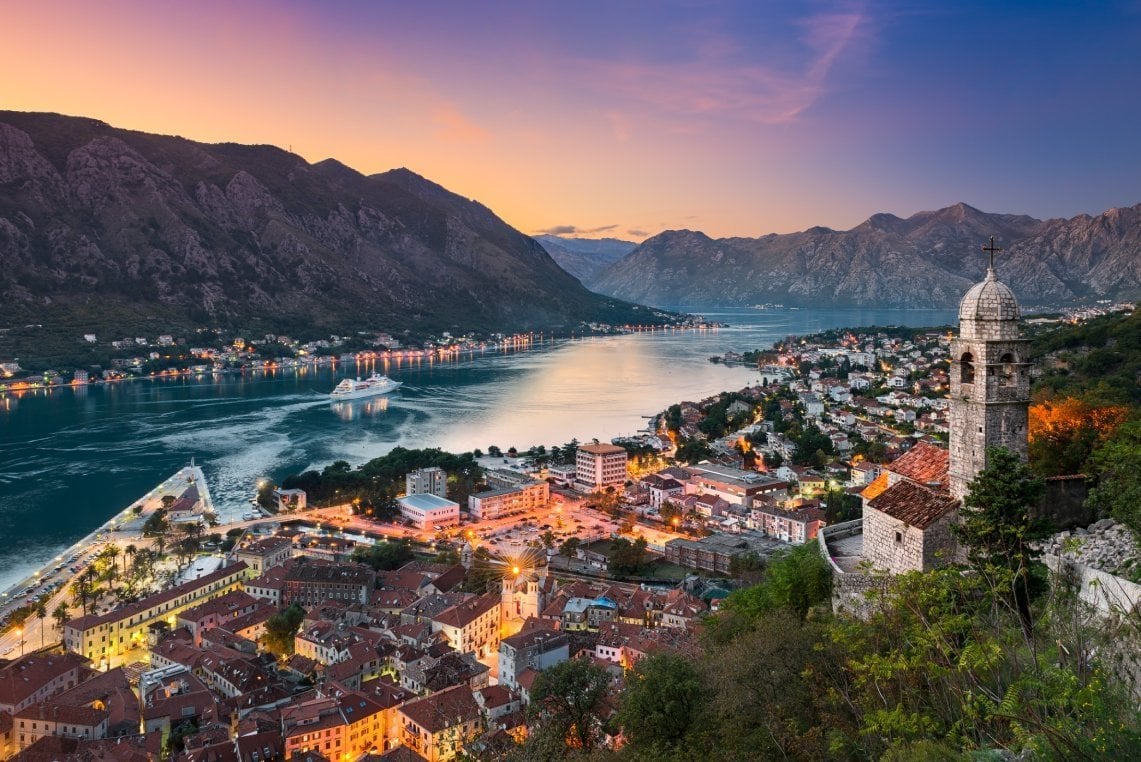
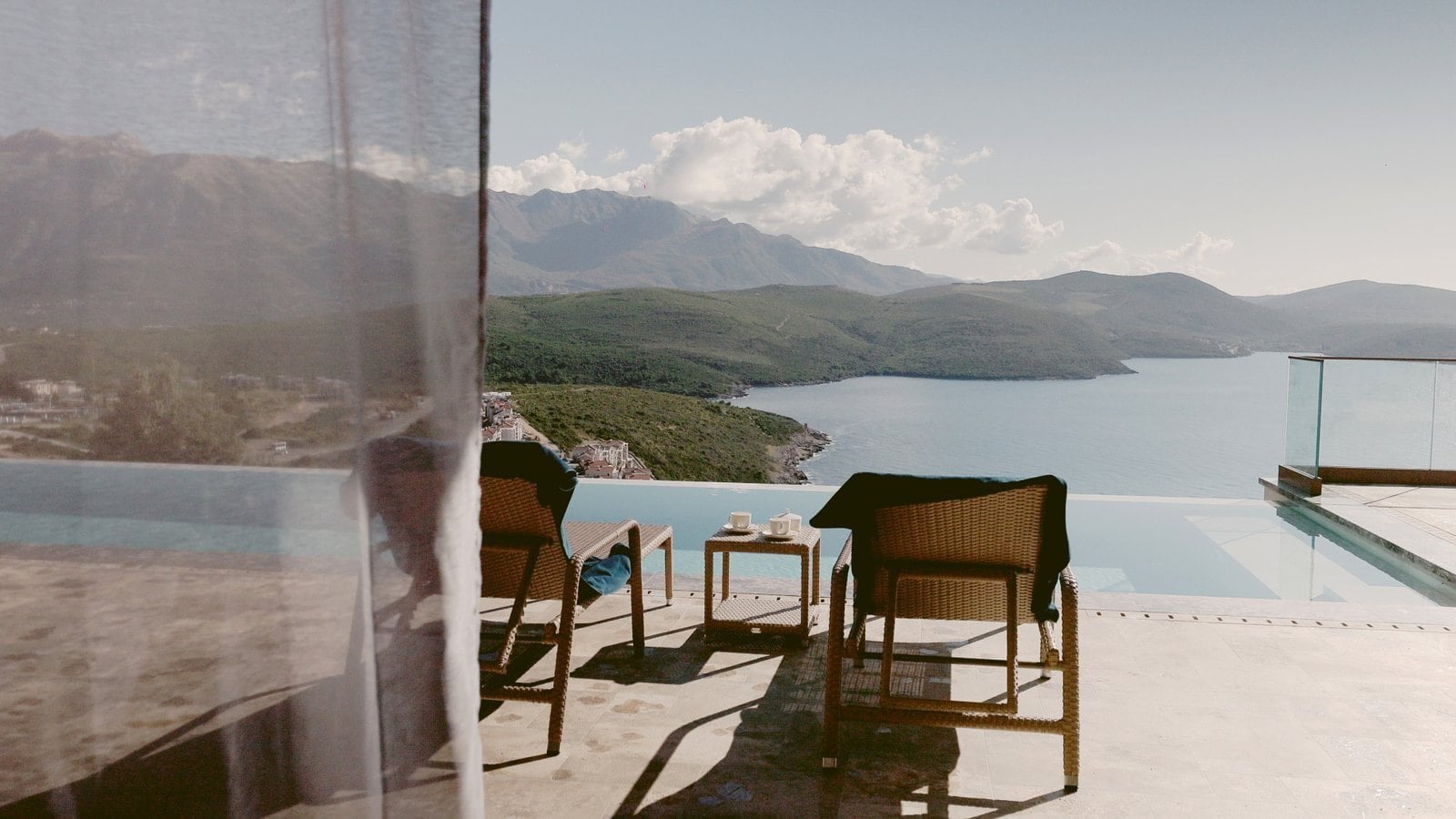
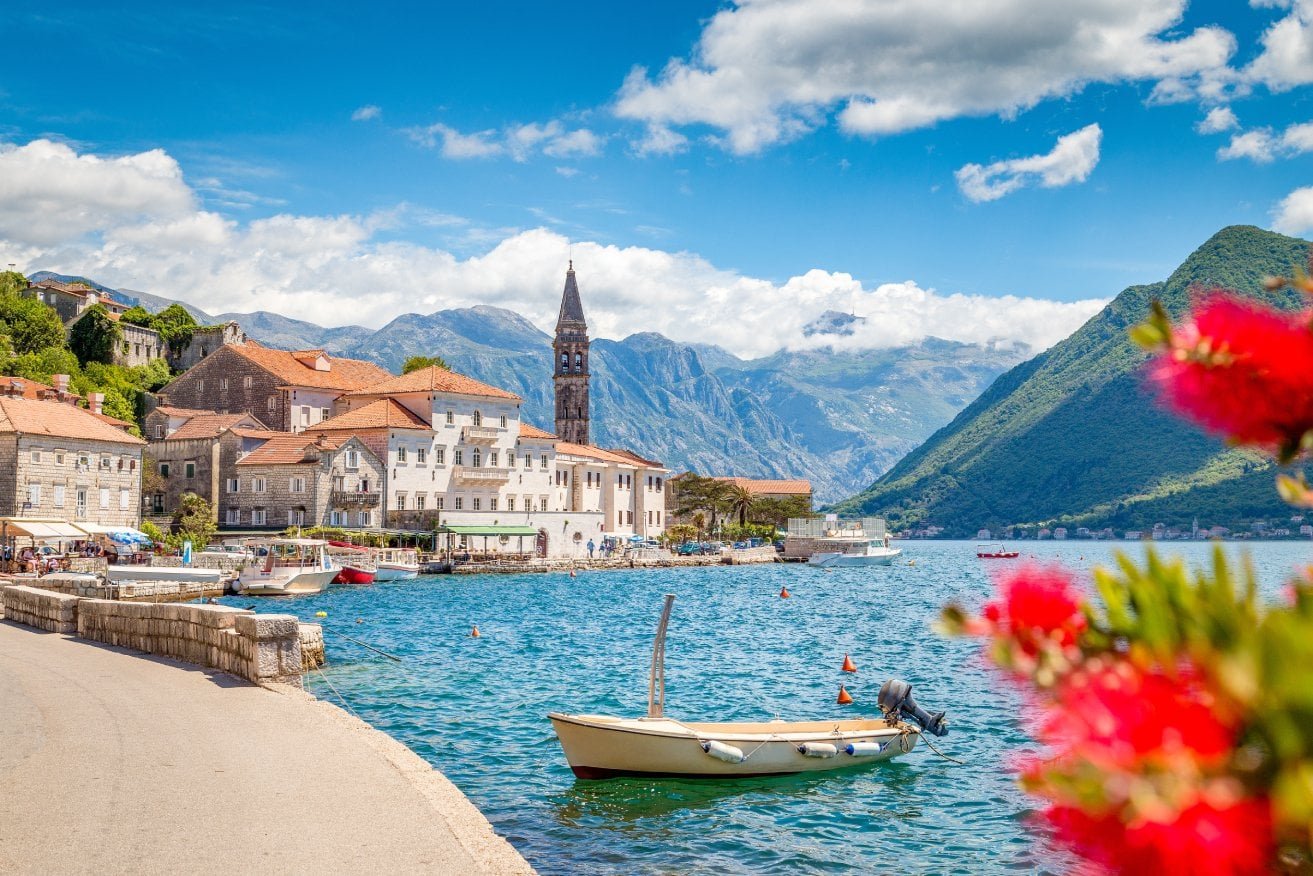
Kotor itself commands a distinct premium for its historic centre. Kotor real estate within the medieval walls trades at €3,000 to €5,000 per square metre for restored stone properties, with a very limited number of transactions per year. Outside the walls, in areas such as Dobrota and Prčanj, prices ease to €2,500 to €3,500 per square metre, and waterfront villas in these villages represent some of the more compelling long-term holds in the broader bay market.
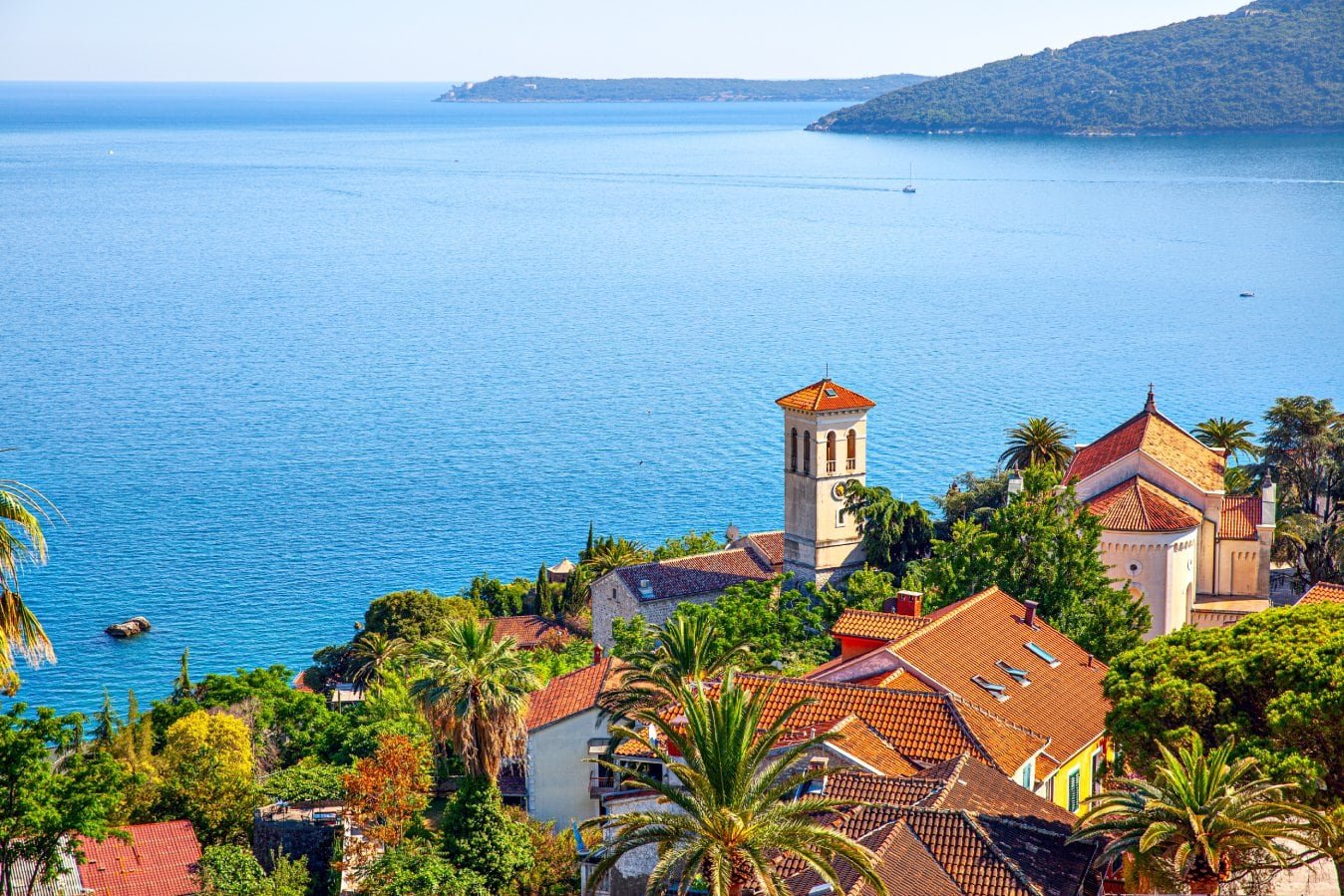
Herceg Novi anchors the outer bay and offers the most accessible price points of any prime location within the basin. Herceg Novi property typically transacts at €2,000 to €4,000 per square metre, with sea-view positions at the upper end and town-side residential stock considerably below. For buyers who want Kotor Bay exposure without committing to Porto Montenegro pricing, Herceg Novi remains a considered market that is increasingly well understood by European buyers.
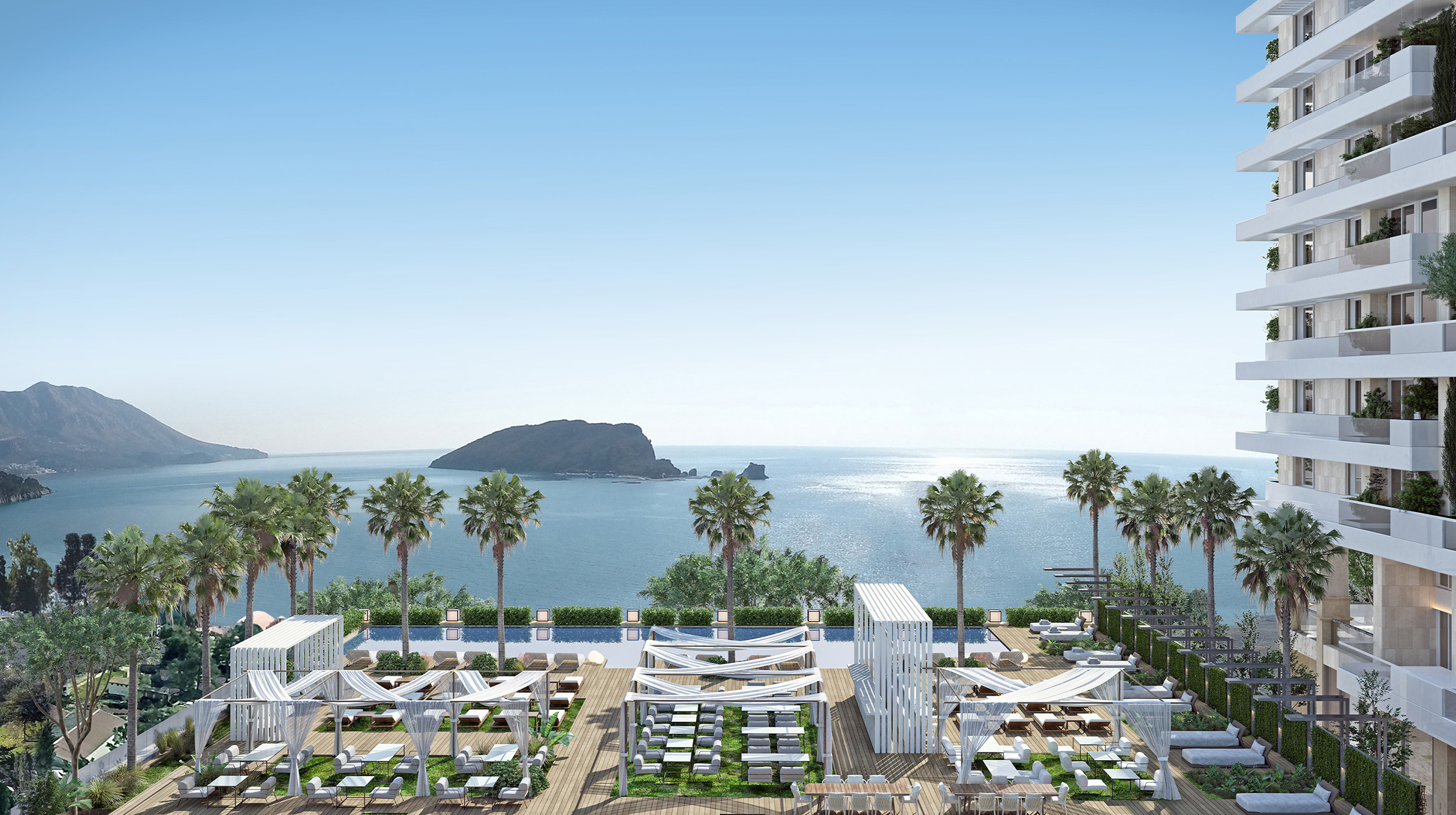
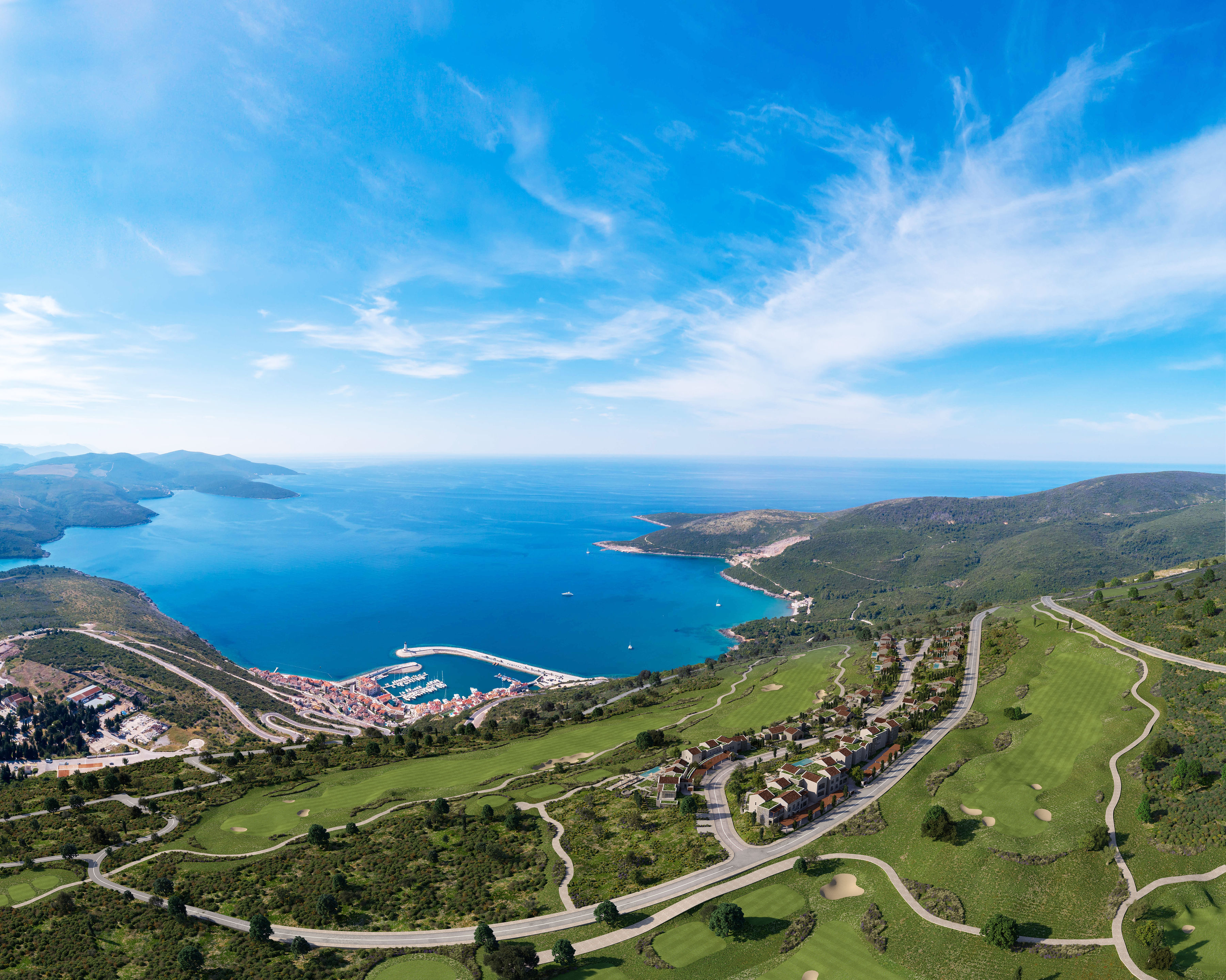
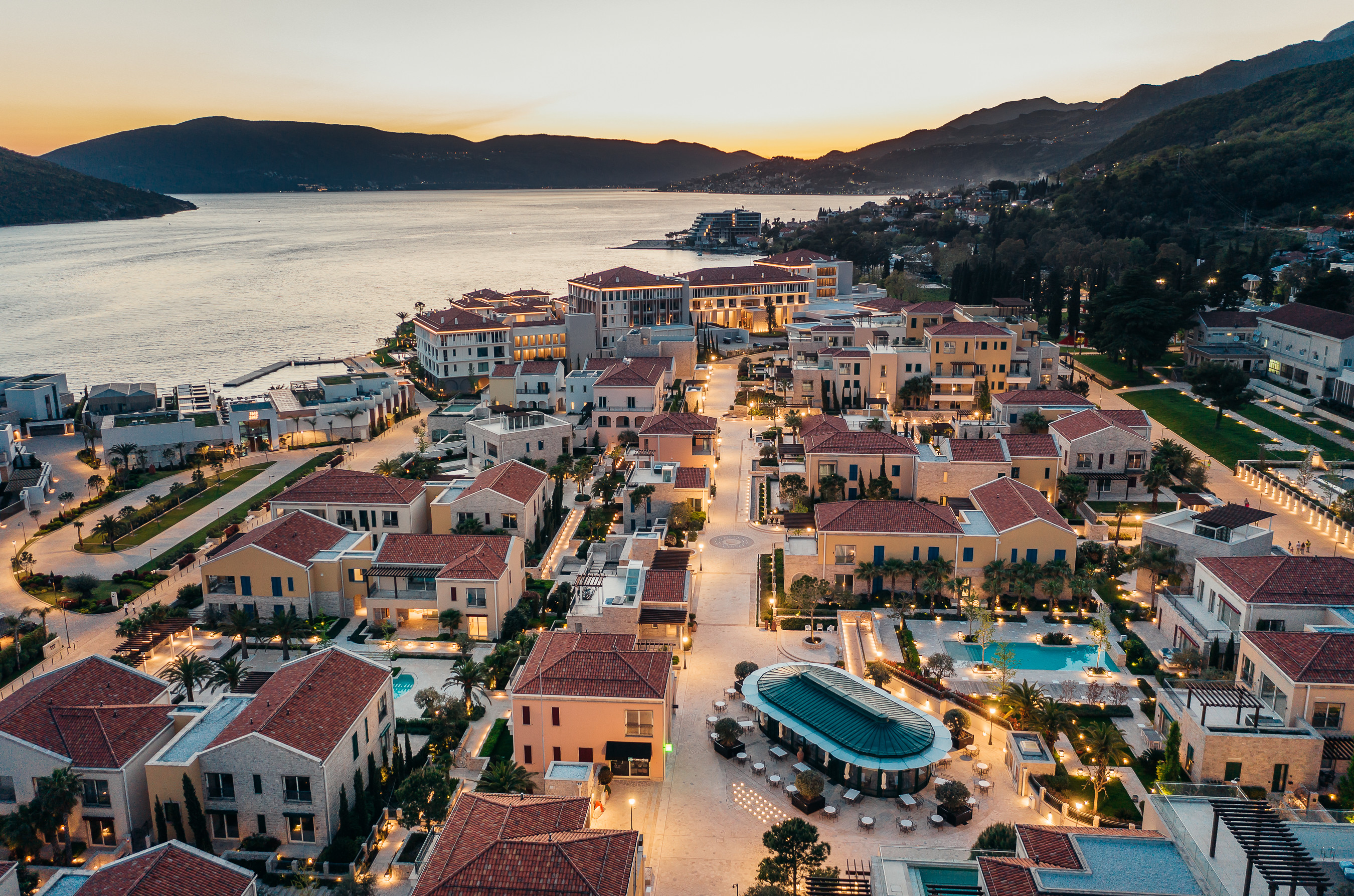
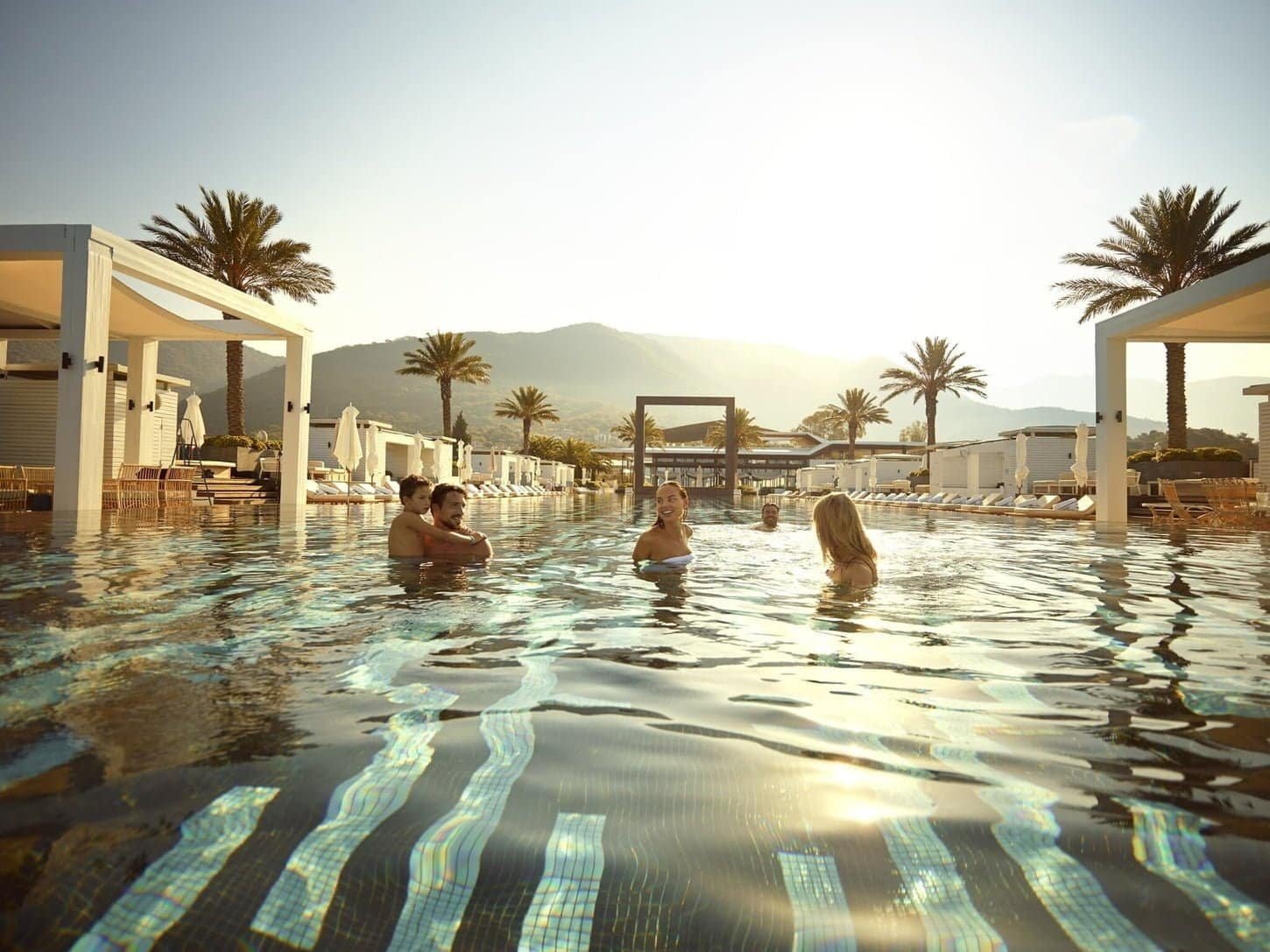
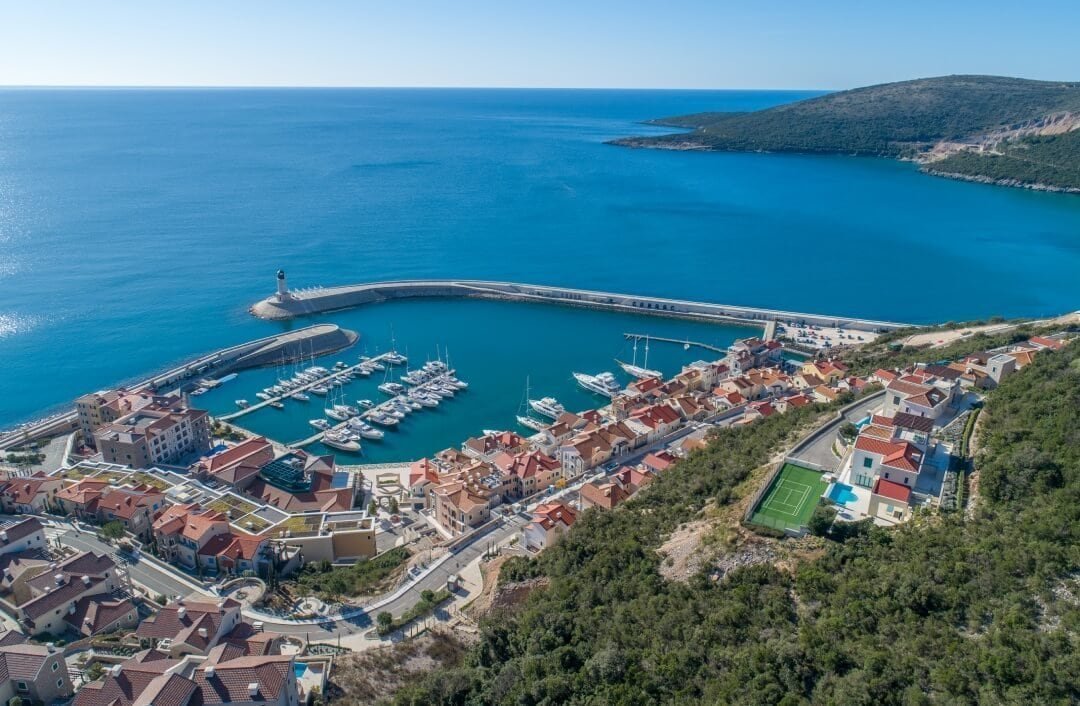
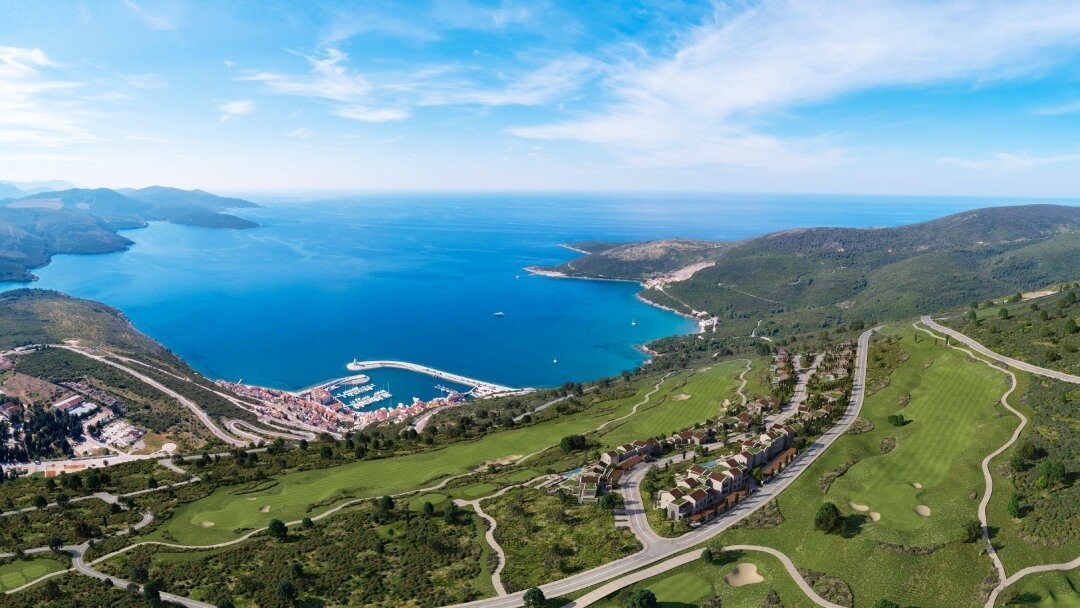
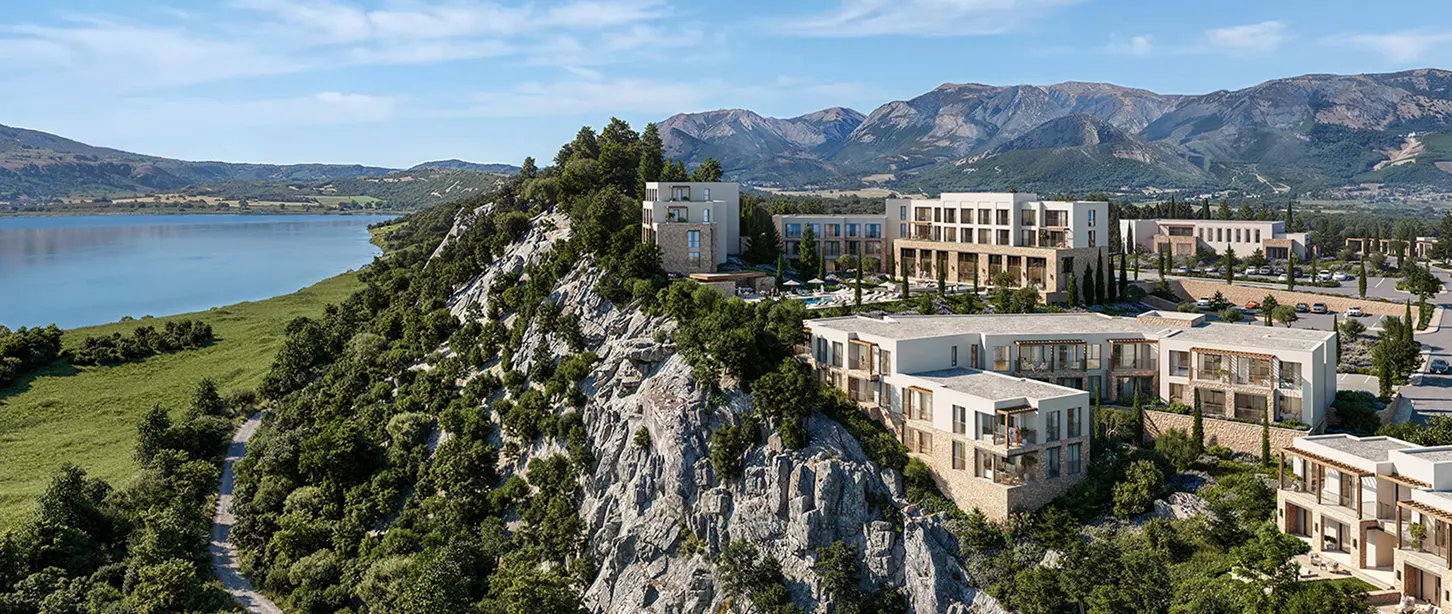
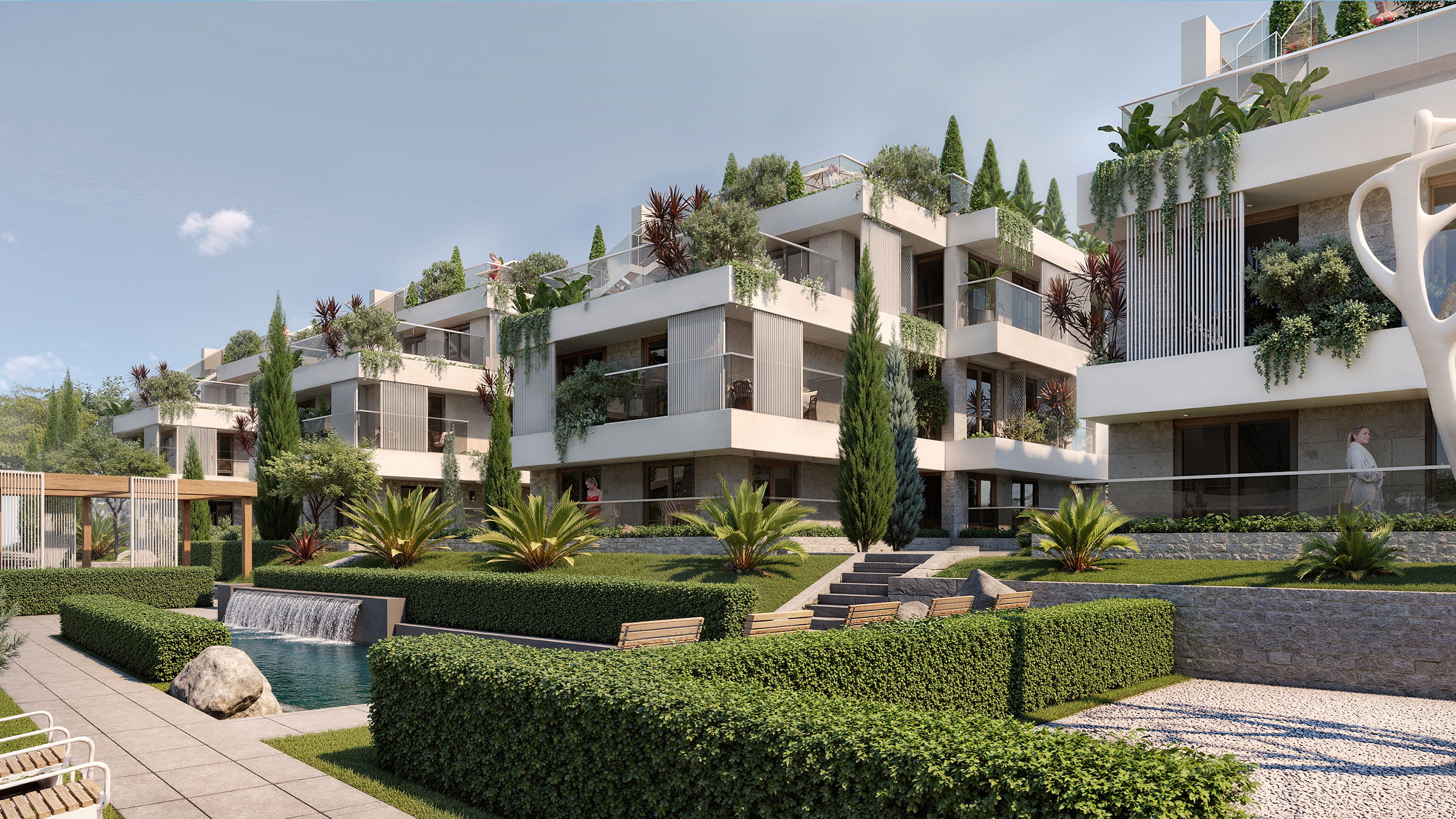
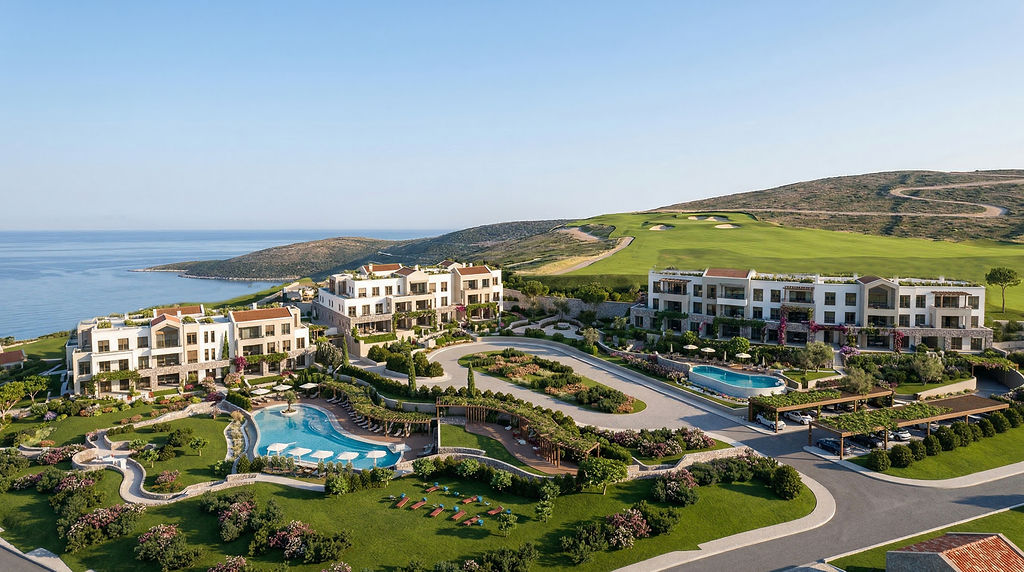
Lustica Peninsula deserves separate mention. Lustica Bay is a master-planned resort development on the southern shore of the outer bay, offering new-build stock in a managed resort environment. Pricing sits in the €3,500 to €6,000 range for branded residences, and the development’s amenities and rental management infrastructure make it one of the more straightforward entry points for buyers who want turnkey exposure to the bay’s growth.
Price Architecture and What It Tells You
Across the bay, the spread between inner and outer markets is meaningful. Porto Montenegro waterfront sits at the apex. Kotor historic centre follows closely, though with a fraction of the liquidity. Dobrota and Prčanj villas represent the best balance of price, scarcity, and long-term hold value for buyers working in the €500,000 to €2,000,000 range. Herceg Novi offers the lowest barrier to entry in the premium tier. Waterfront property in Montenegro more broadly sits at a persistent premium over inland stock, and the bay concentrates much of the country’s most desirable frontline inventory.
Notably, rental yields on Montenegro’s coastal properties have been well documented, with figures of 4.5 to 7.1 percent reported for well-positioned stock. The bay towns perform at the lower end of this range for residential holdings, and closer to the upper end for short-term rental operations in tourist-season markets such as Herceg Novi and the Porto Montenegro area.
Investment Perspective
The structural case for Bay of Kotor real estate rests on supply constraint more than demand growth alone. UNESCO listing across much of the basin limits new construction in meaningful ways, and the mountain terrain that creates the bay’s visual drama also makes development expensive and often impossible outside existing settlement zones. Supply, in other words, is not a variable that will expand materially even as demand from UK, Scandinavian, German, and Middle Eastern buyers continues to develop.
Montenegro’s tax framework for foreign buyers is generally favourable. Purchase costs include a progressive property transfer tax on resale properties: 3 percent on the value up to €150,000, then a further 5 percent on the portion between €150,000 and €500,000, and 6 percent on any amount above €500,000. New-build purchases are typically subject to VAT rather than transfer tax. A full breakdown of Montenegro property taxes and purchase costs is essential reading before committing to a budget.
Foreign buyers face no restriction on property ownership in Montenegro. The legal process involves a preliminary contract, notarisation, and registration with the Real Estate Cadastre. Legal fees, notary costs, and agency commissions typically add 2 to 4 percent to the headline price depending on the complexity of the transaction. For a comprehensive overview of the broader Montenegro market and what drives values across the country, the Montenegro real estate investment guide for 2026 provides additional context.
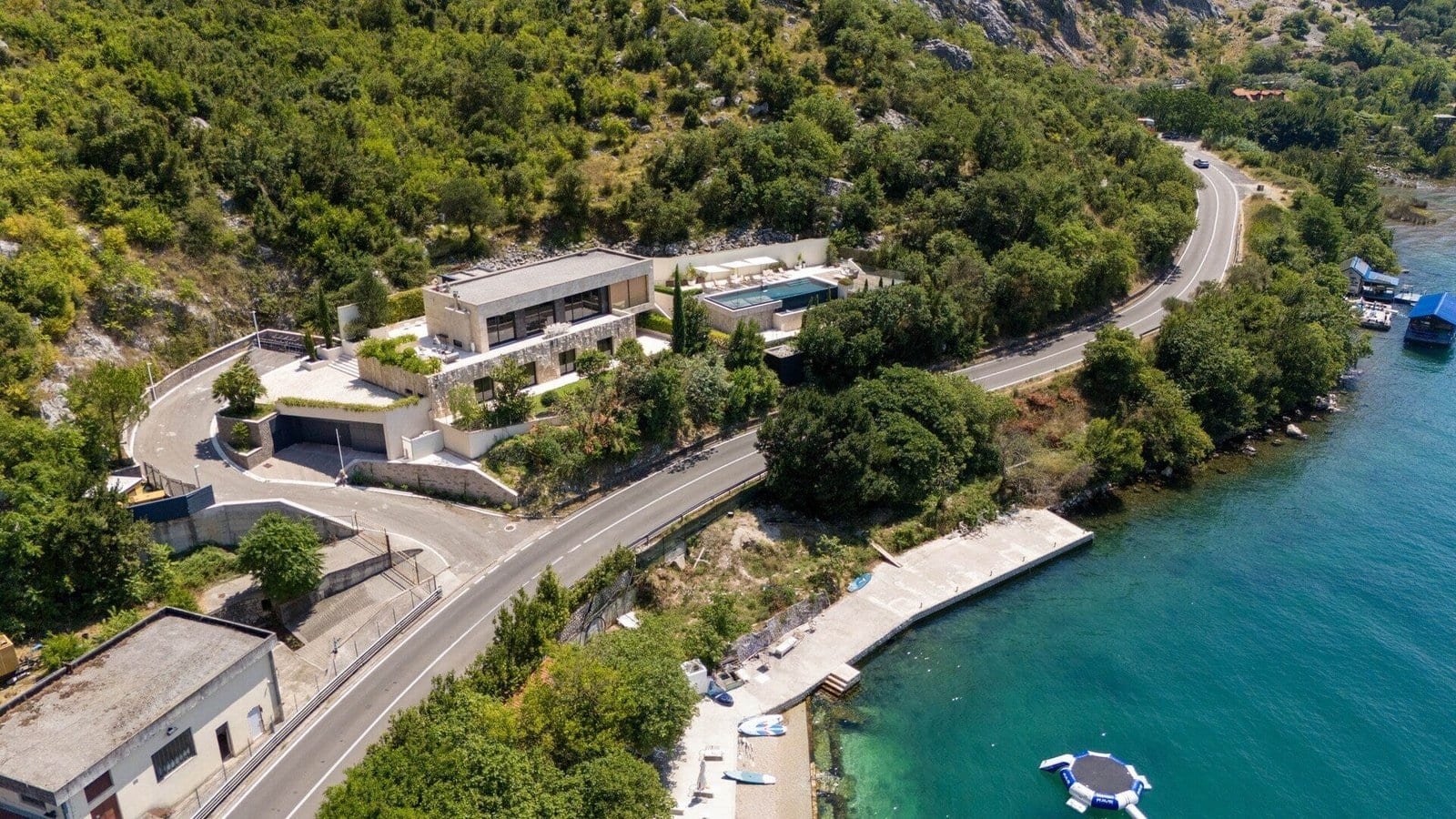
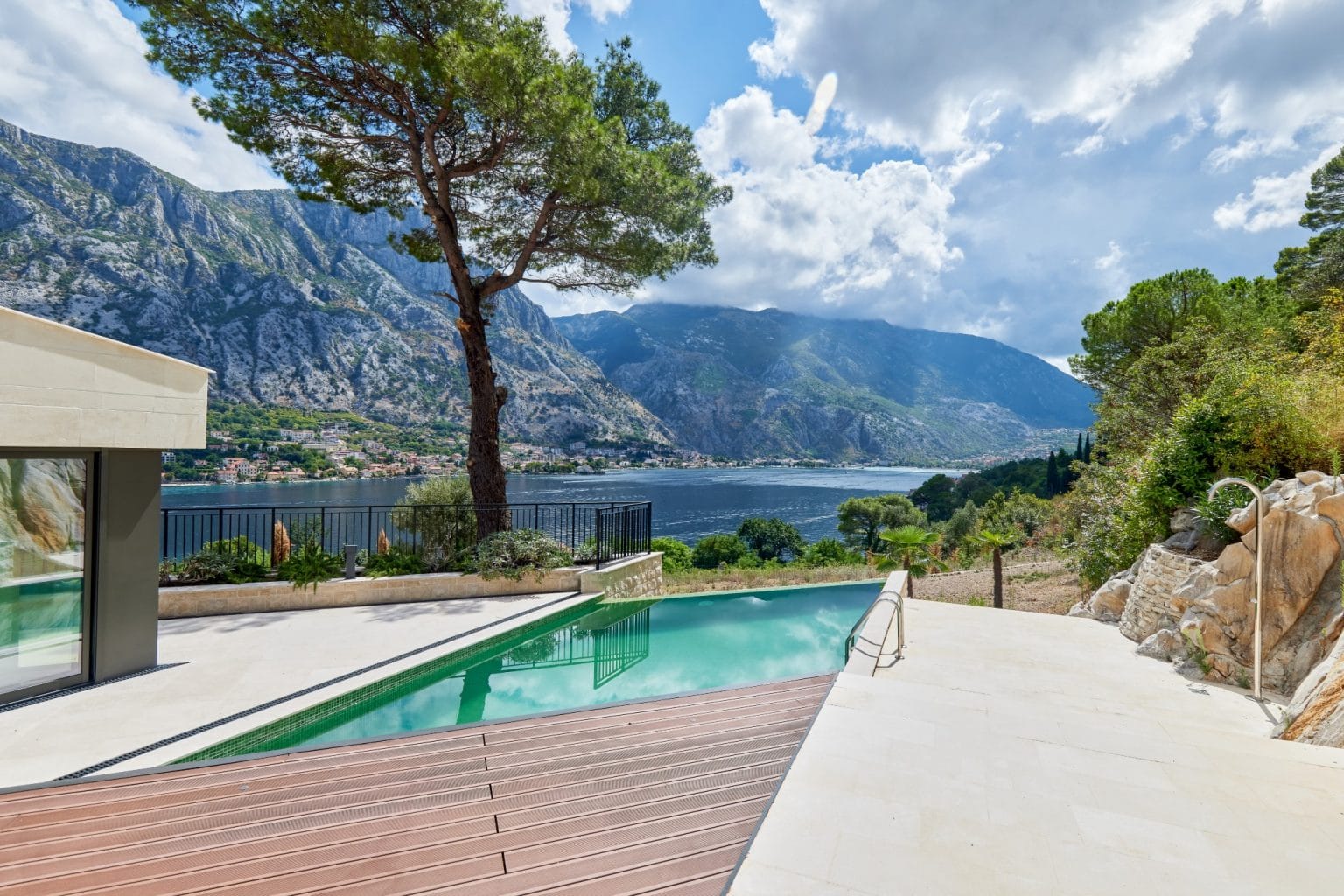
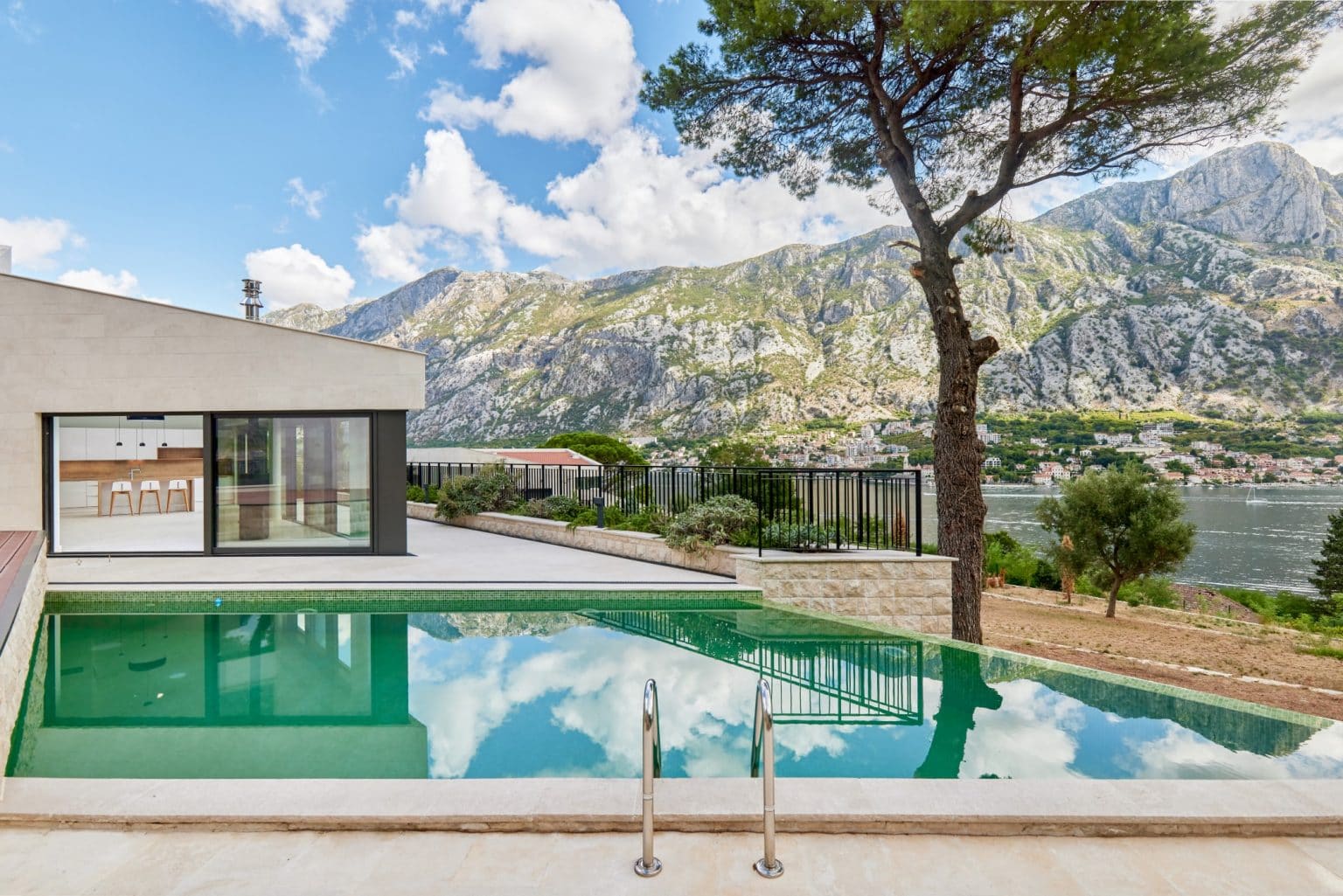
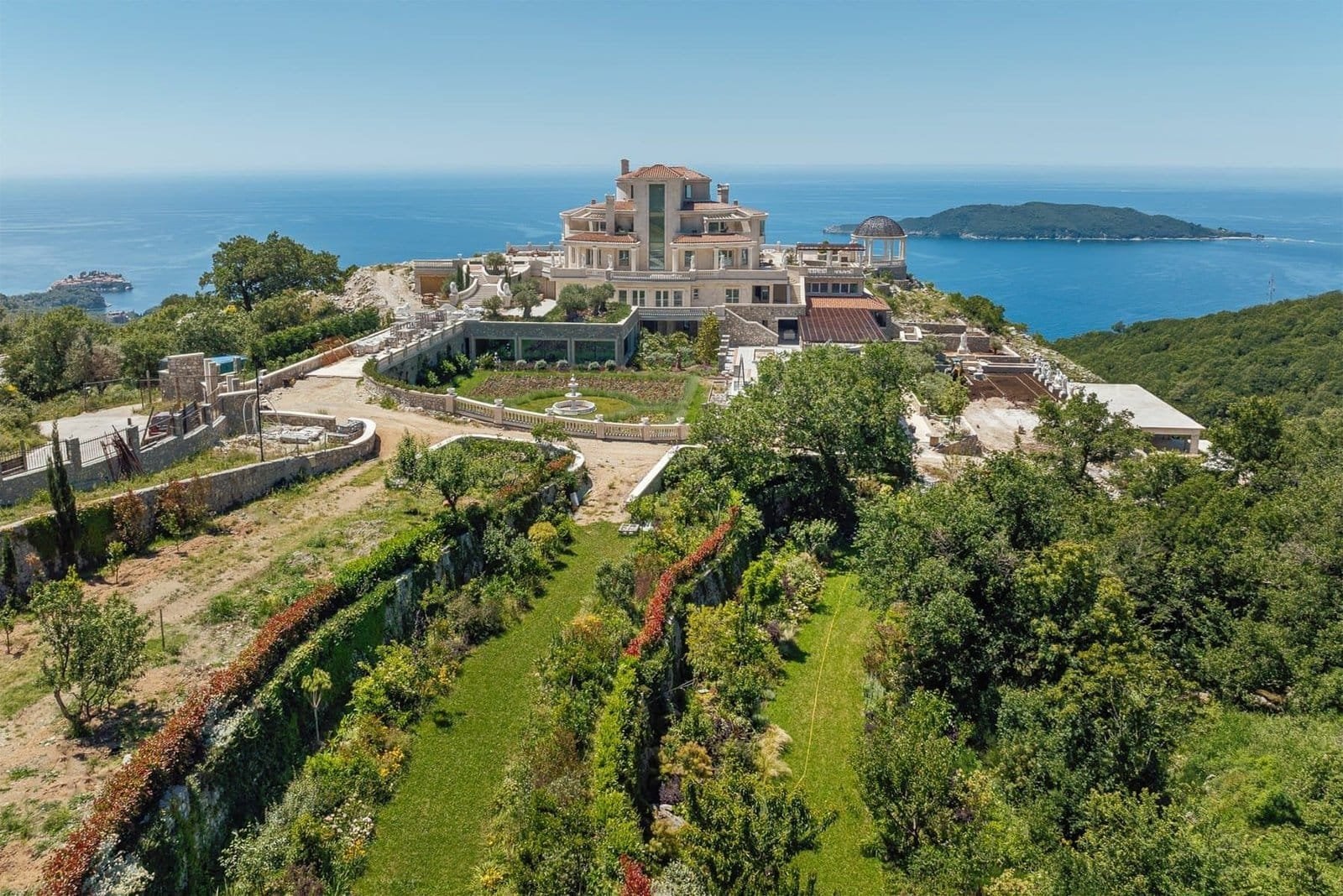
For buyers considering villas for sale in Montenegro, the bay markets offer the widest range of architecturally significant stock, from restored stone farmhouses in the inner bay villages to contemporary waterfront builds in the Tivat corridor. Each town has its own planning culture and resale dynamics, and it is worth treating them as distinct acquisition contexts rather than interchangeable locations within a single market.
How Barok Estates International Advises on Bay of Kotor Acquisitions
Barok Estates International works across the Bay of Kotor as a whole, with advisory exposure to all four of the basin’s major markets. The approach is not to present listings but to help buyers understand which micro-market best matches their objectives, whether capital preservation, rental income, personal use, or strategic positioning ahead of Montenegro’s EU accession trajectory. Acquisitions in this market benefit from a clear brief at the outset, patience in sourcing, and legal due diligence that goes beyond the standard cadastral check.
For confidential advisory consultation, contact us at barokestates.com/contact. Further detail on the broader Adriatic investment case is available at barokestates.com/listings.
Outbound reference: Montenegro’s Real Estate Cadastre (Uprava za nekretnine) maintains the official land registry. Buyers should instruct their legal adviser to obtain a fresh extract directly from the official source: gov.me.







.jpg)