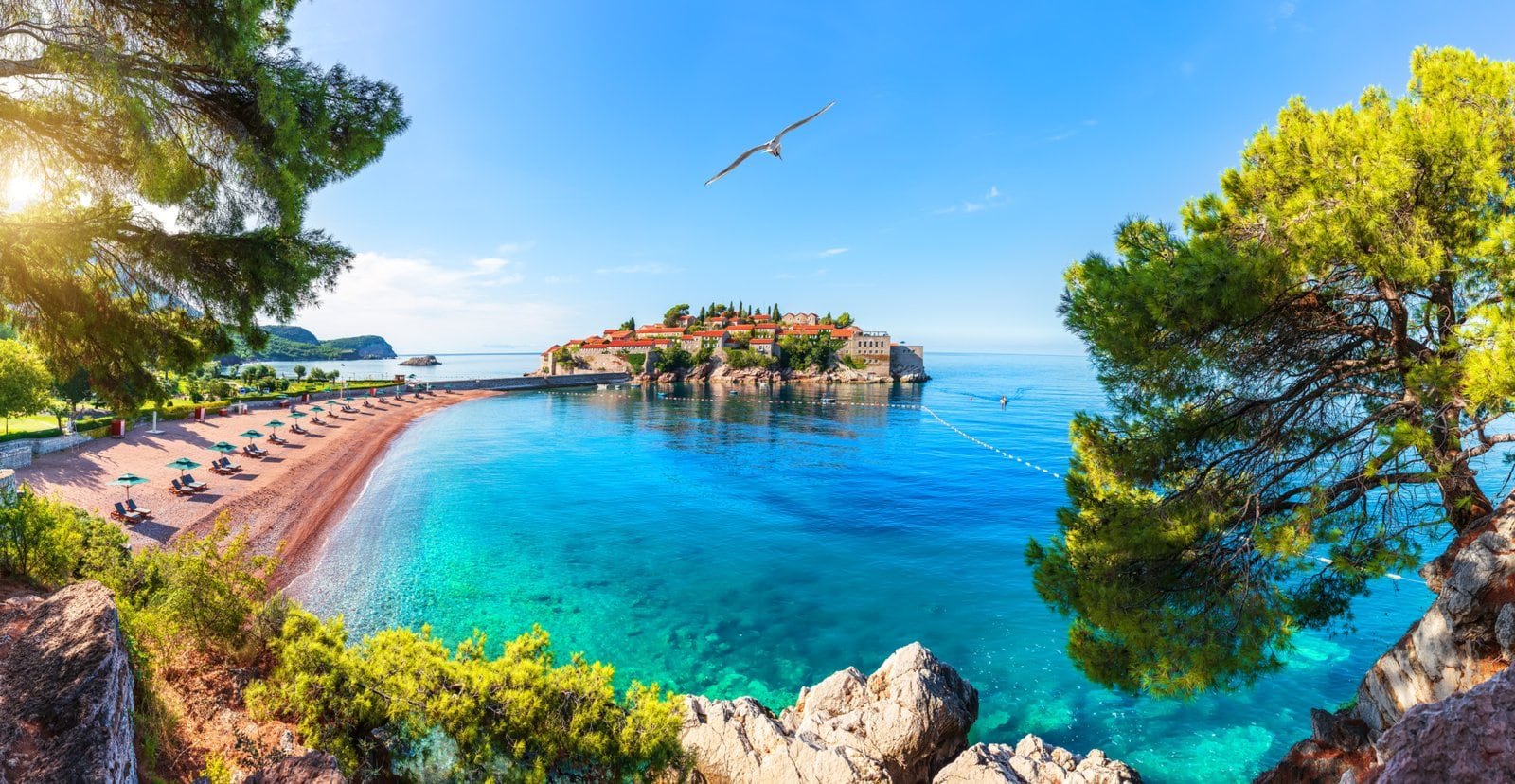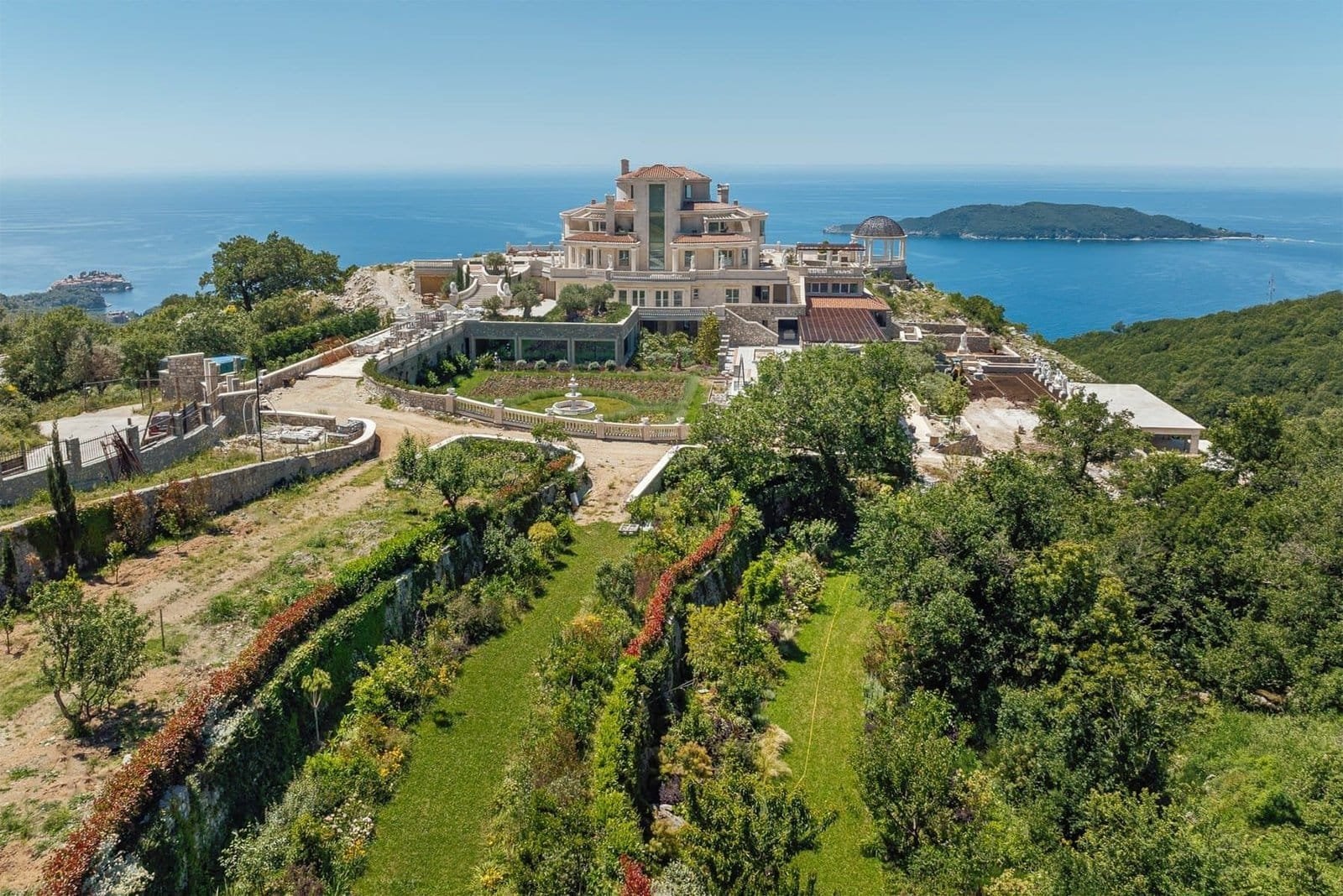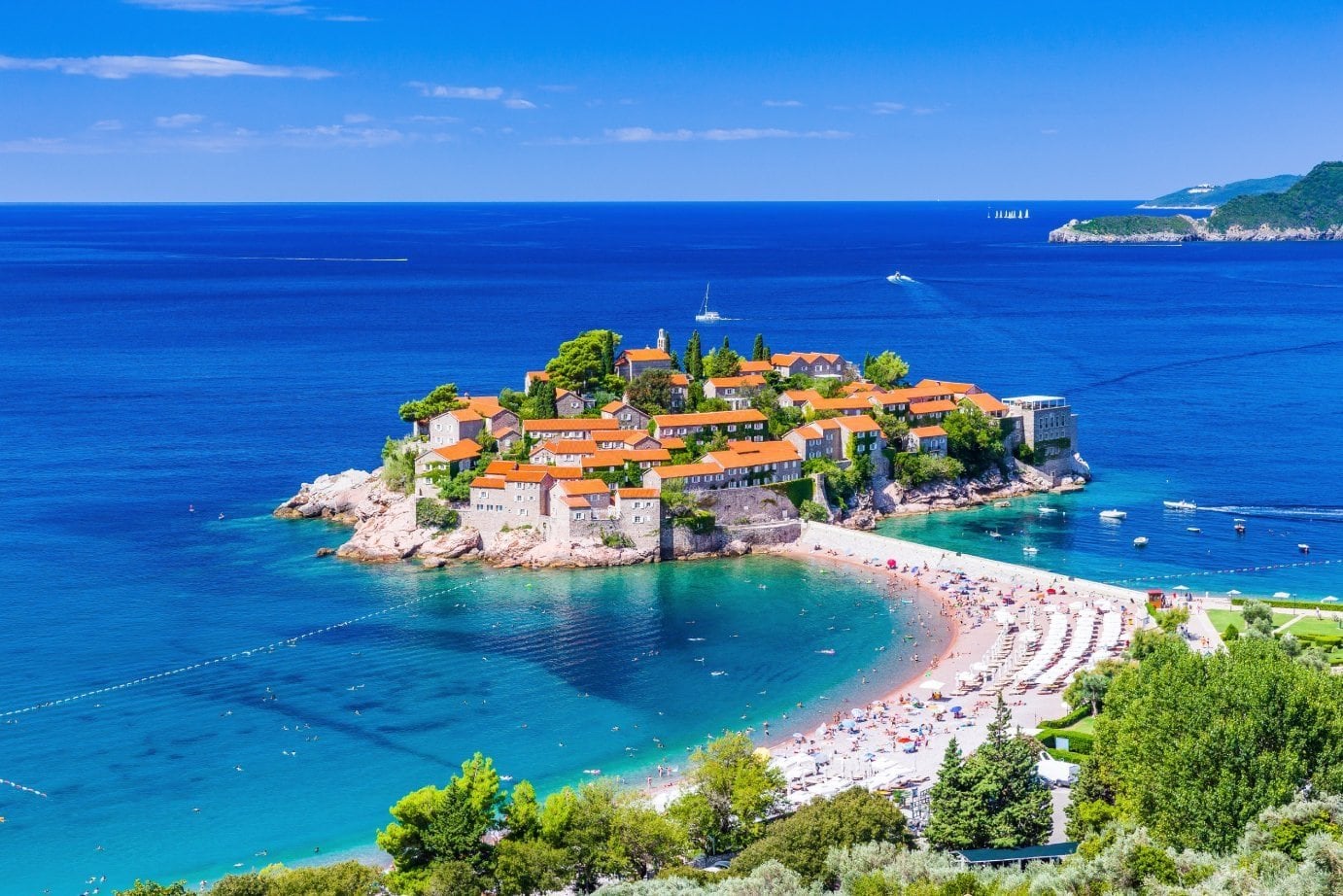
For buyers with Adriatic ambitions in 2026, Montenegro currently offers the stronger investment case on yield and capital appreciation potential, while Croatia provides greater legal familiarity for EU citizens and an established market with deeper liquidity. Which is right depends on what the capital is intended to achieve.
Both countries occupy the same geographic corridor and compete for a similar buyer profile: European and international capital seeking coastal lifestyle assets with genuine rental potential. Their divergence lies in market maturity, pricing, and the implications of Croatia’s EU membership versus Montenegro’s candidacy status. Croatia joined the EU in 2013 and adopted the euro in 2023, bringing it into full alignment with Western European legal and regulatory norms. Montenegro is on a defined EU accession path, with membership anticipated as early as 2028. That single distinction drives most of the pricing differential between the two markets and the underlying thesis for early positioning in Montenegro. Our Montenegro real estate investment guide examines the accession-driven case in full.
Price and Entry Cost
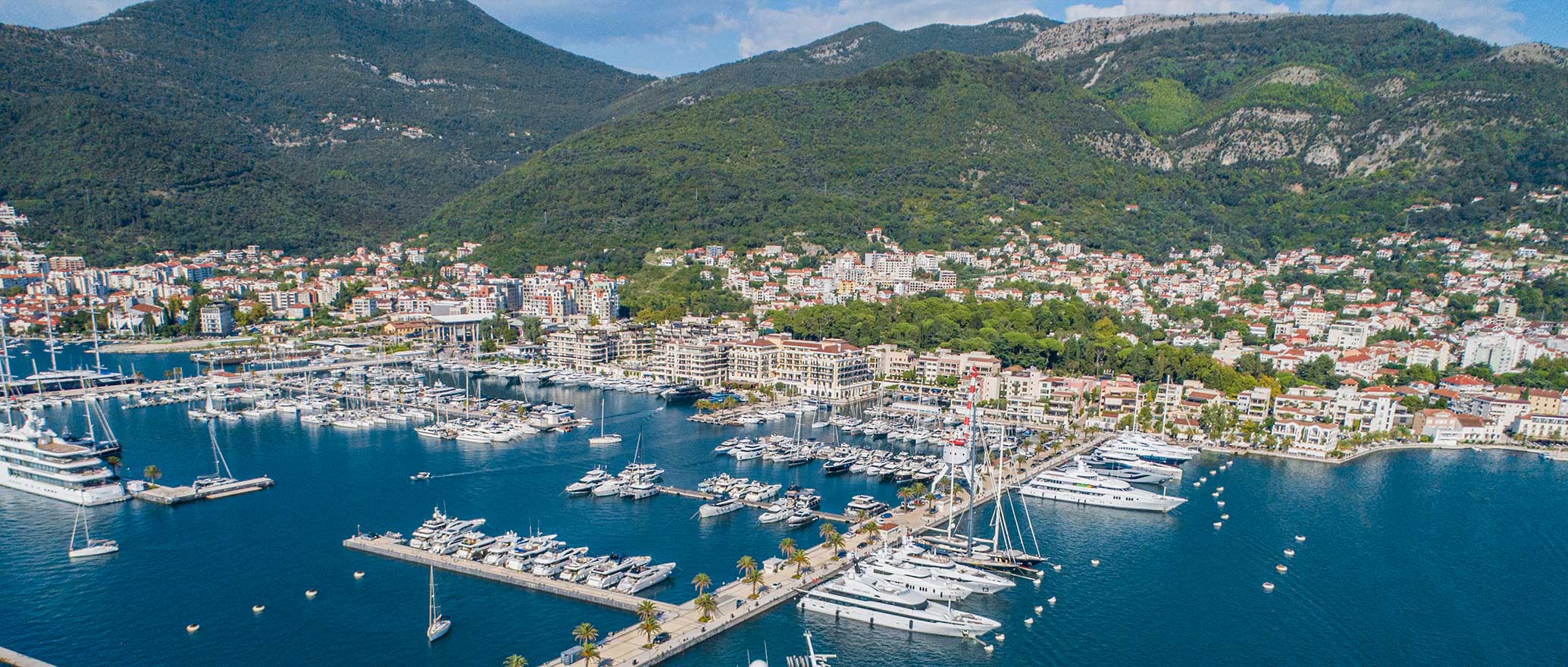
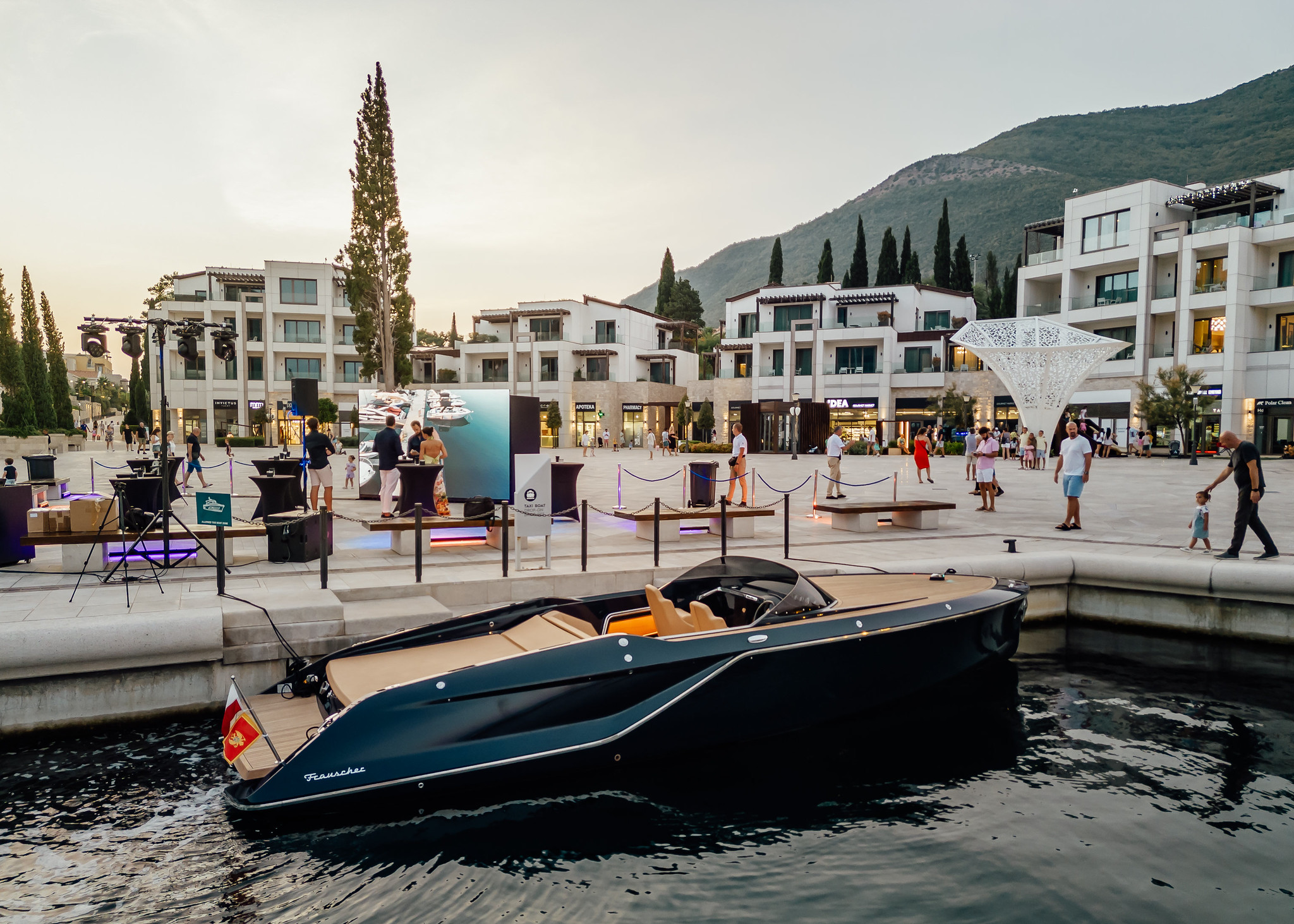
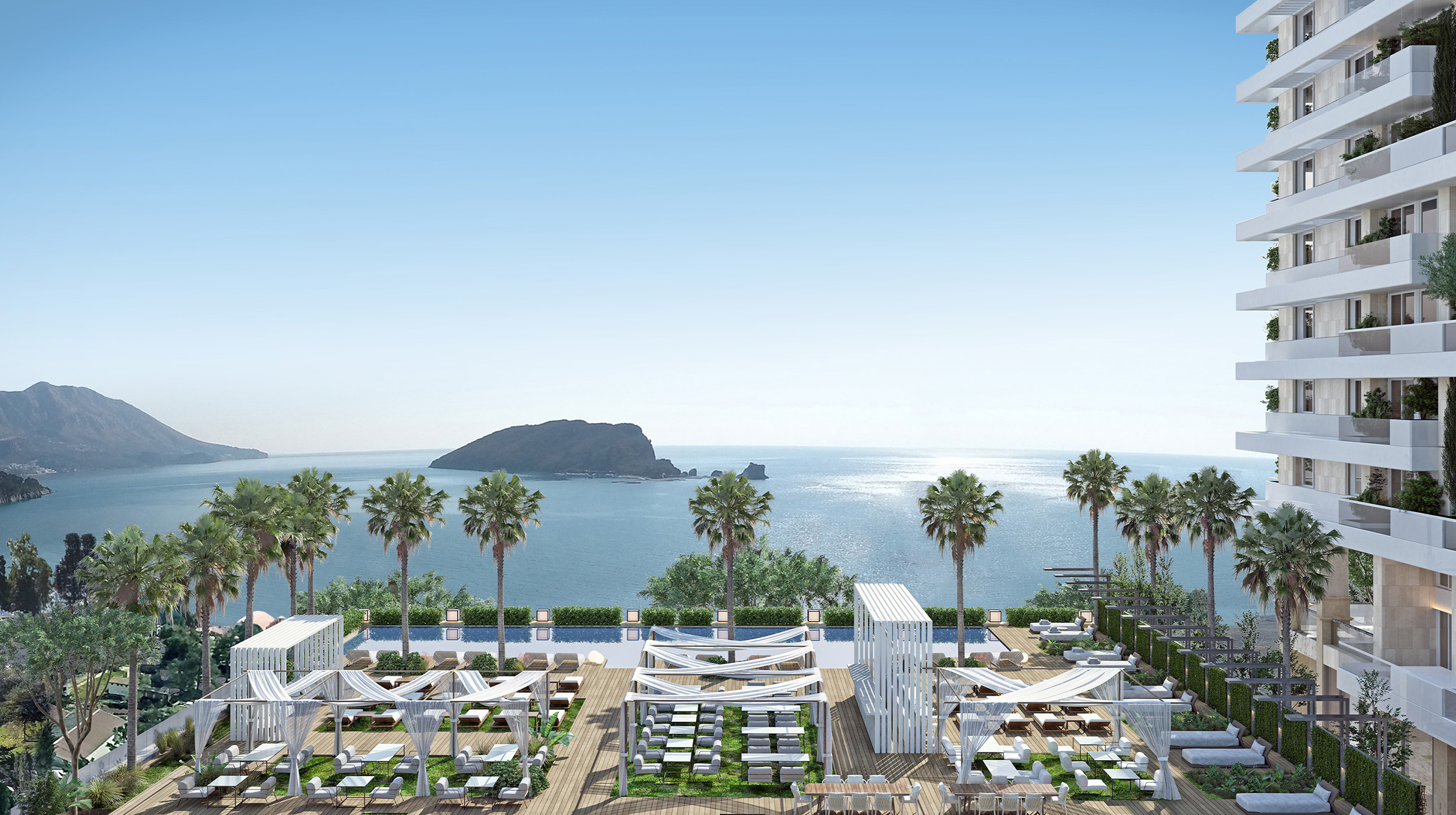
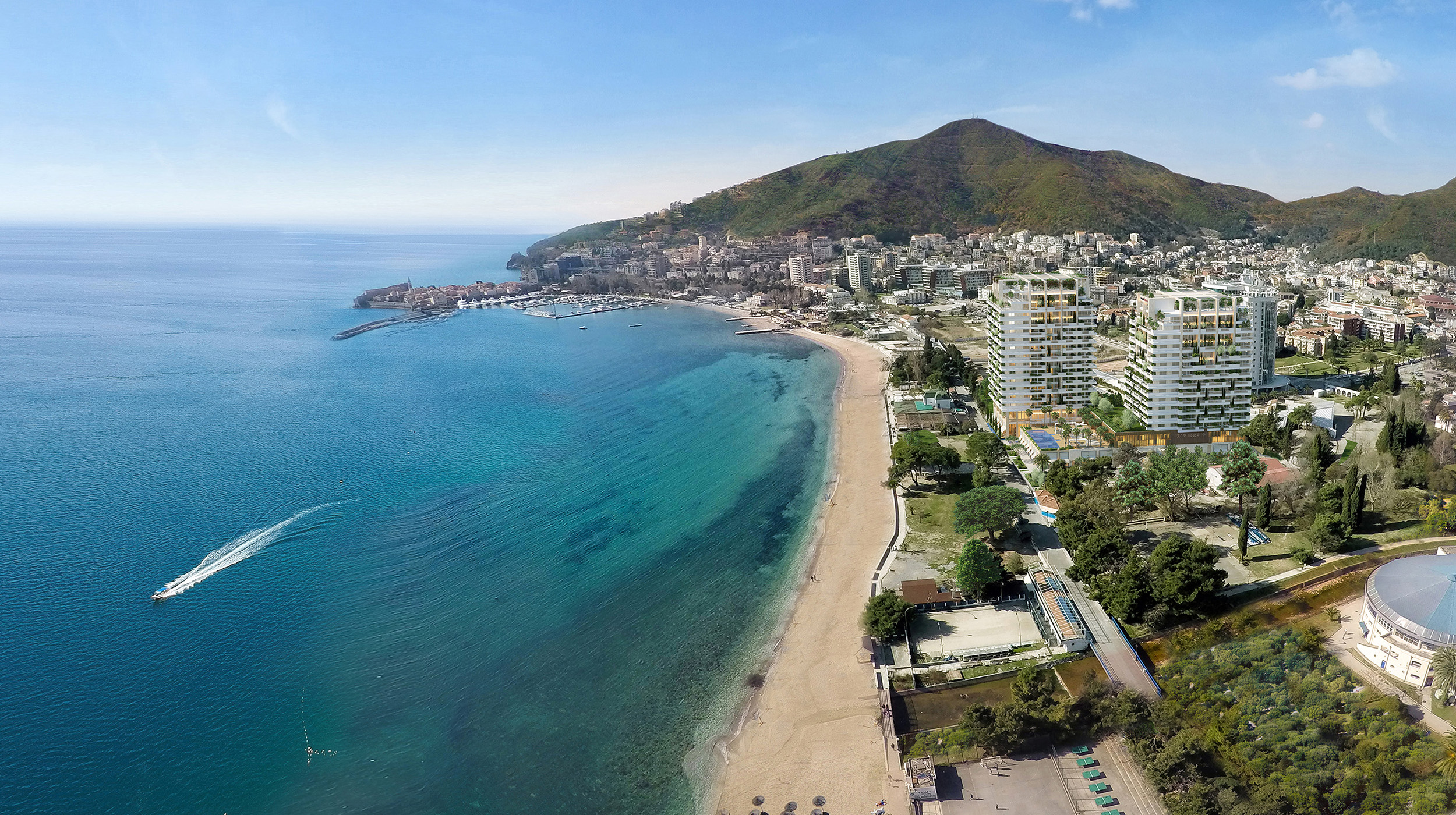
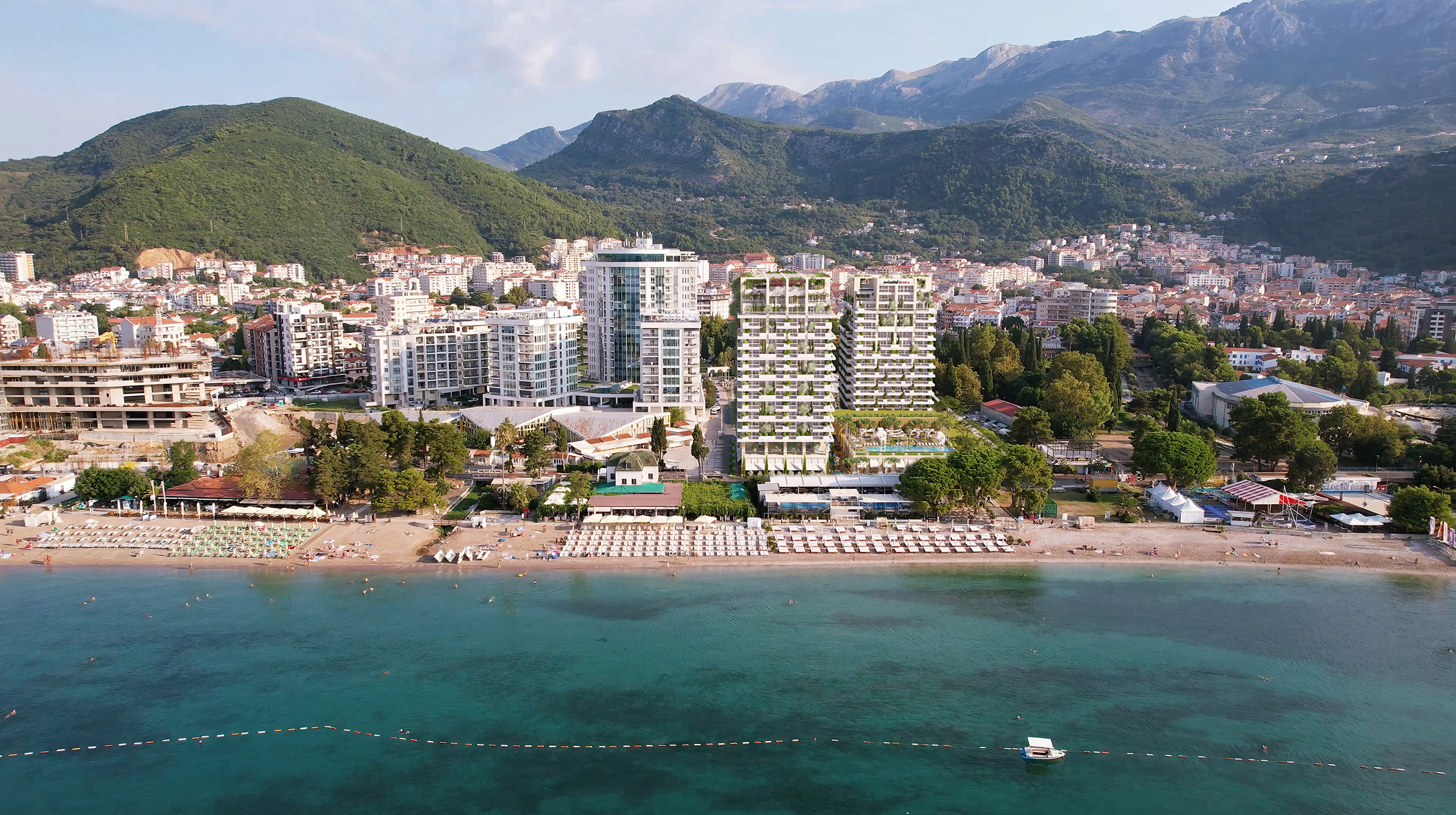
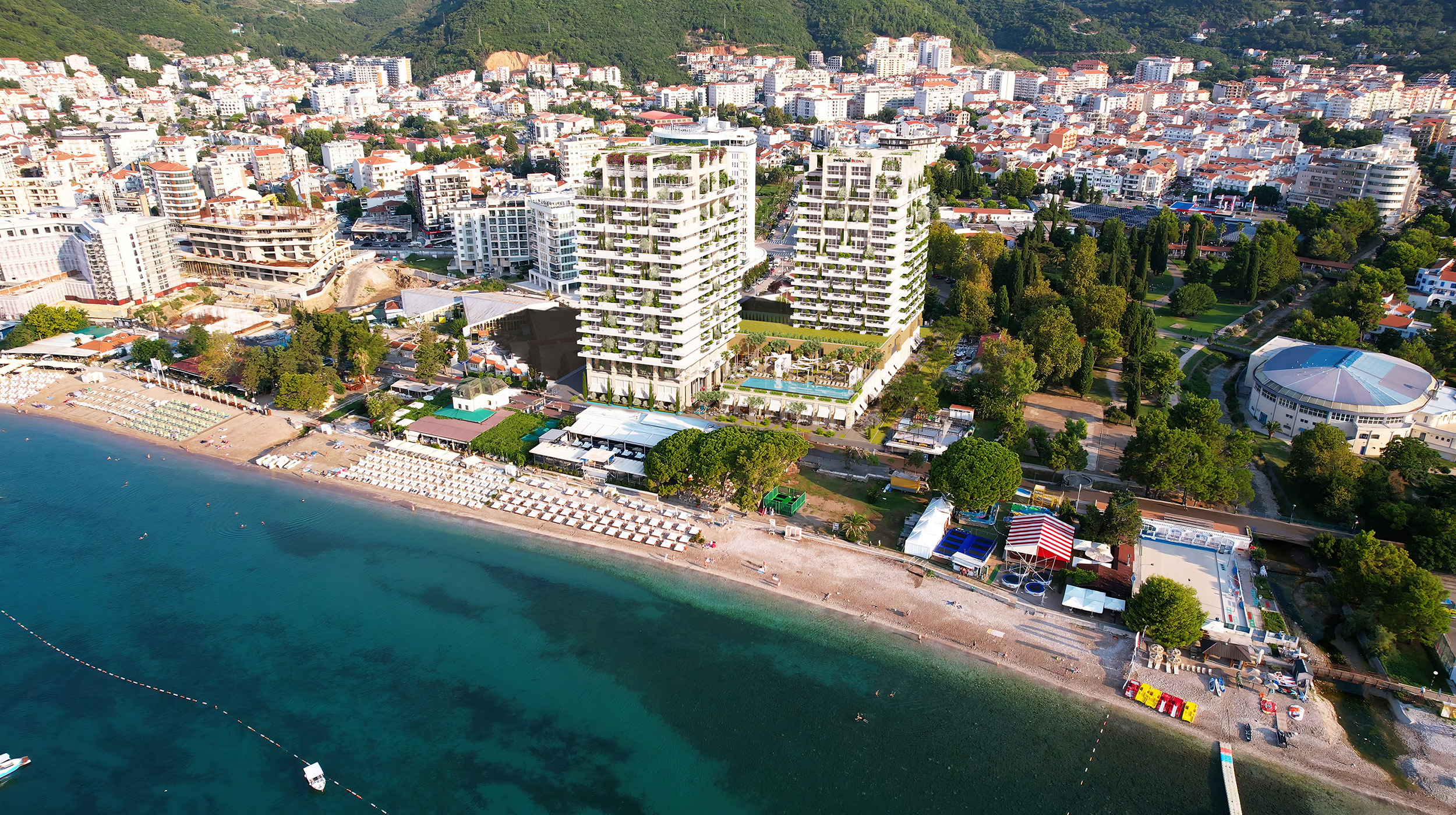
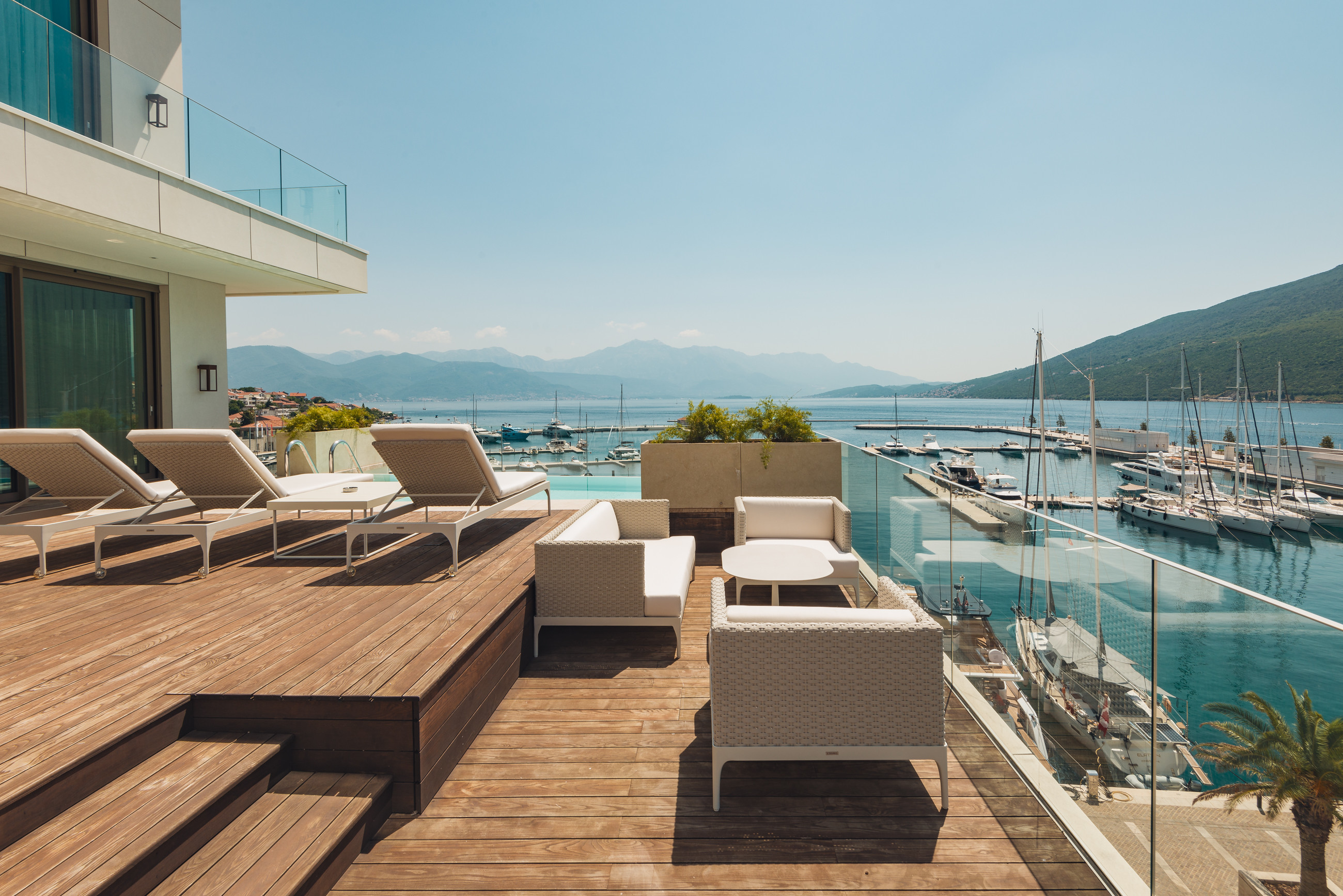
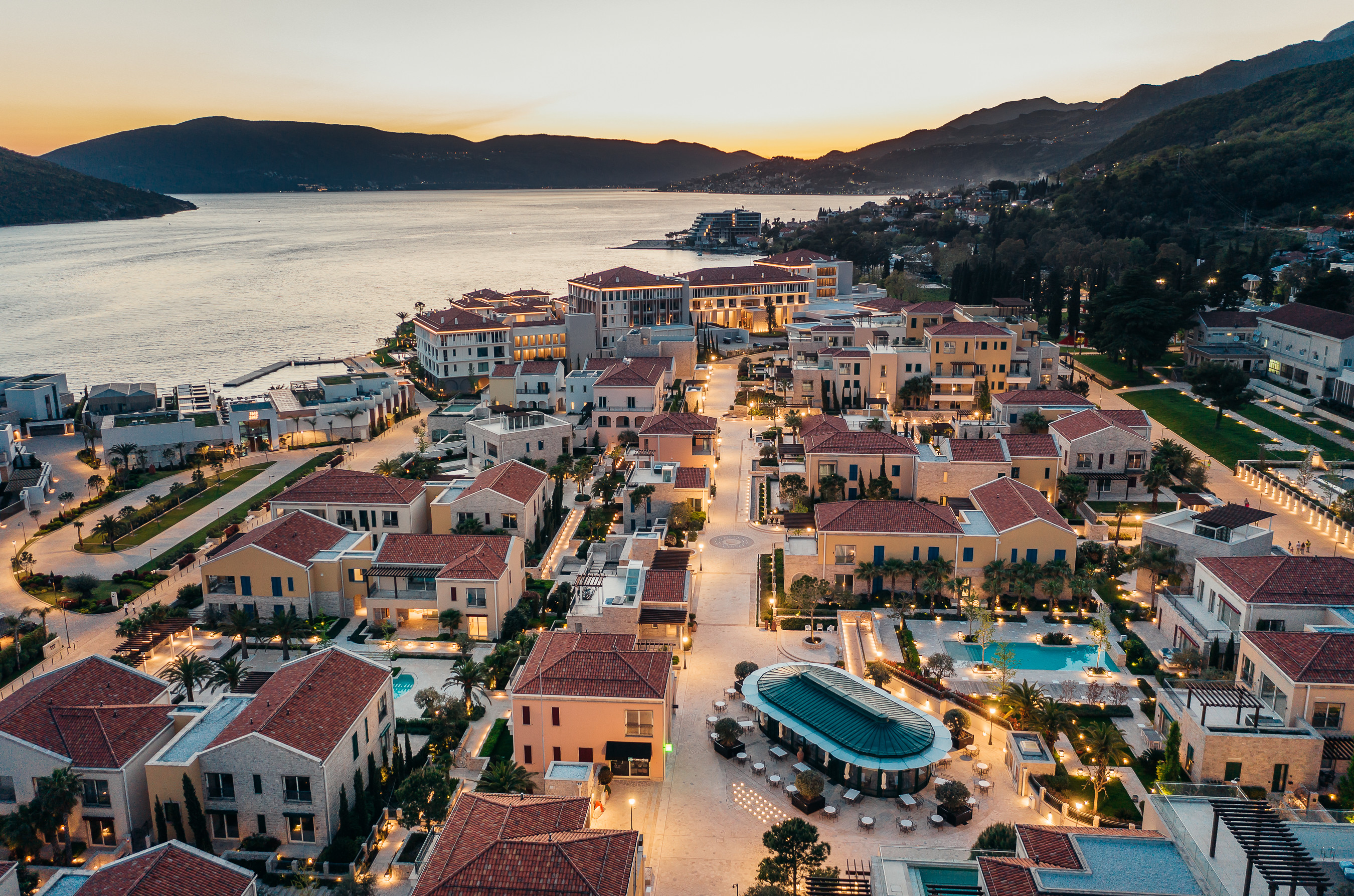
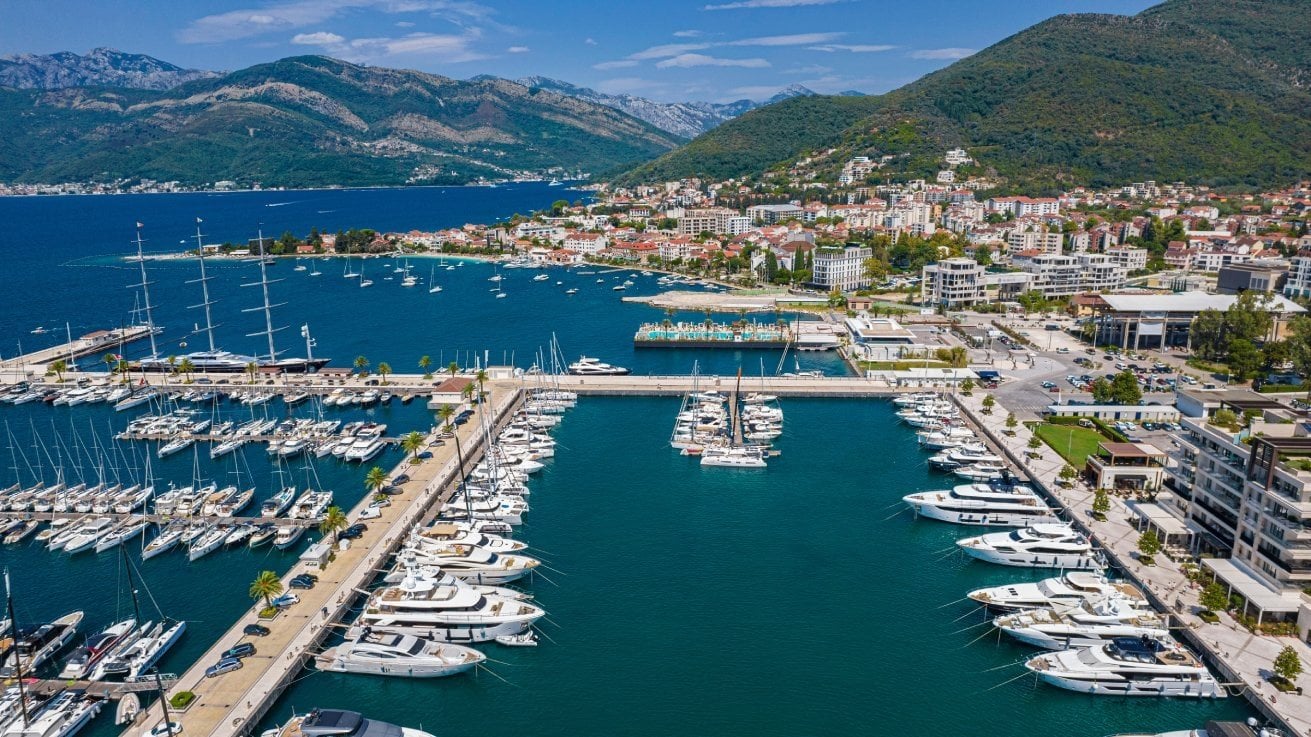
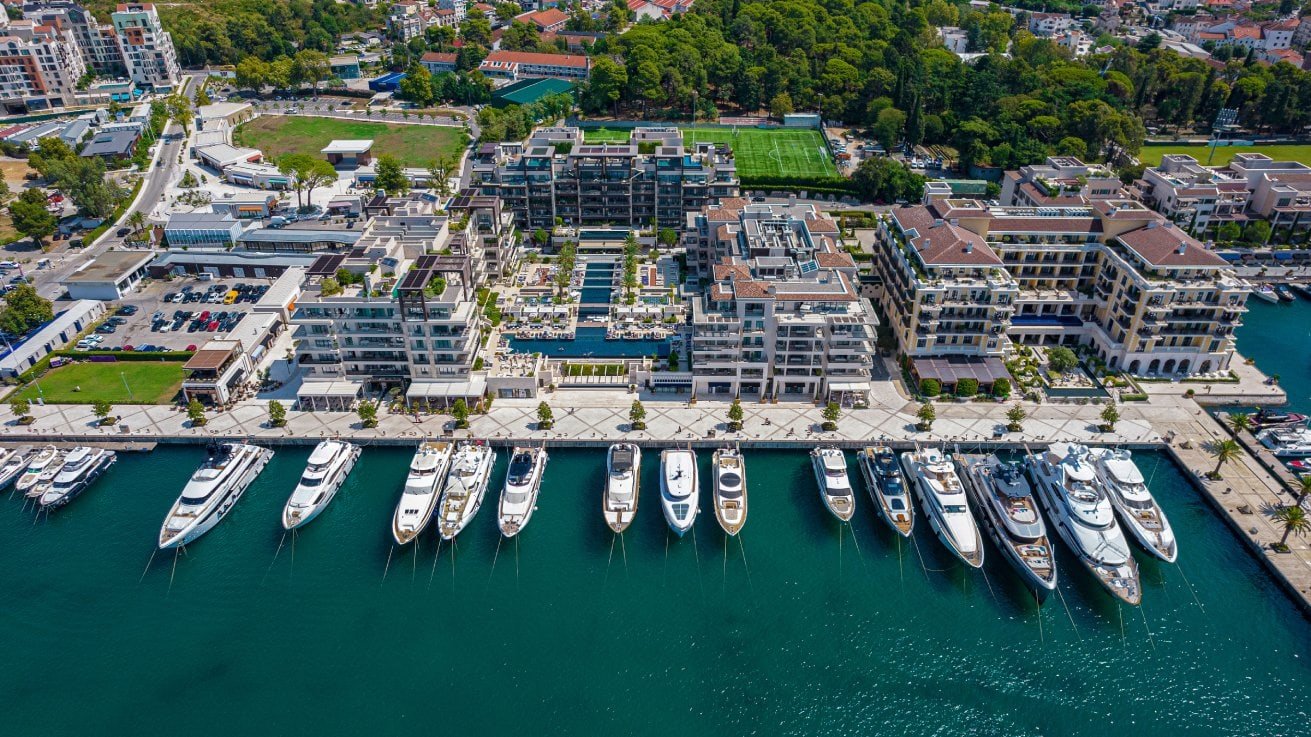
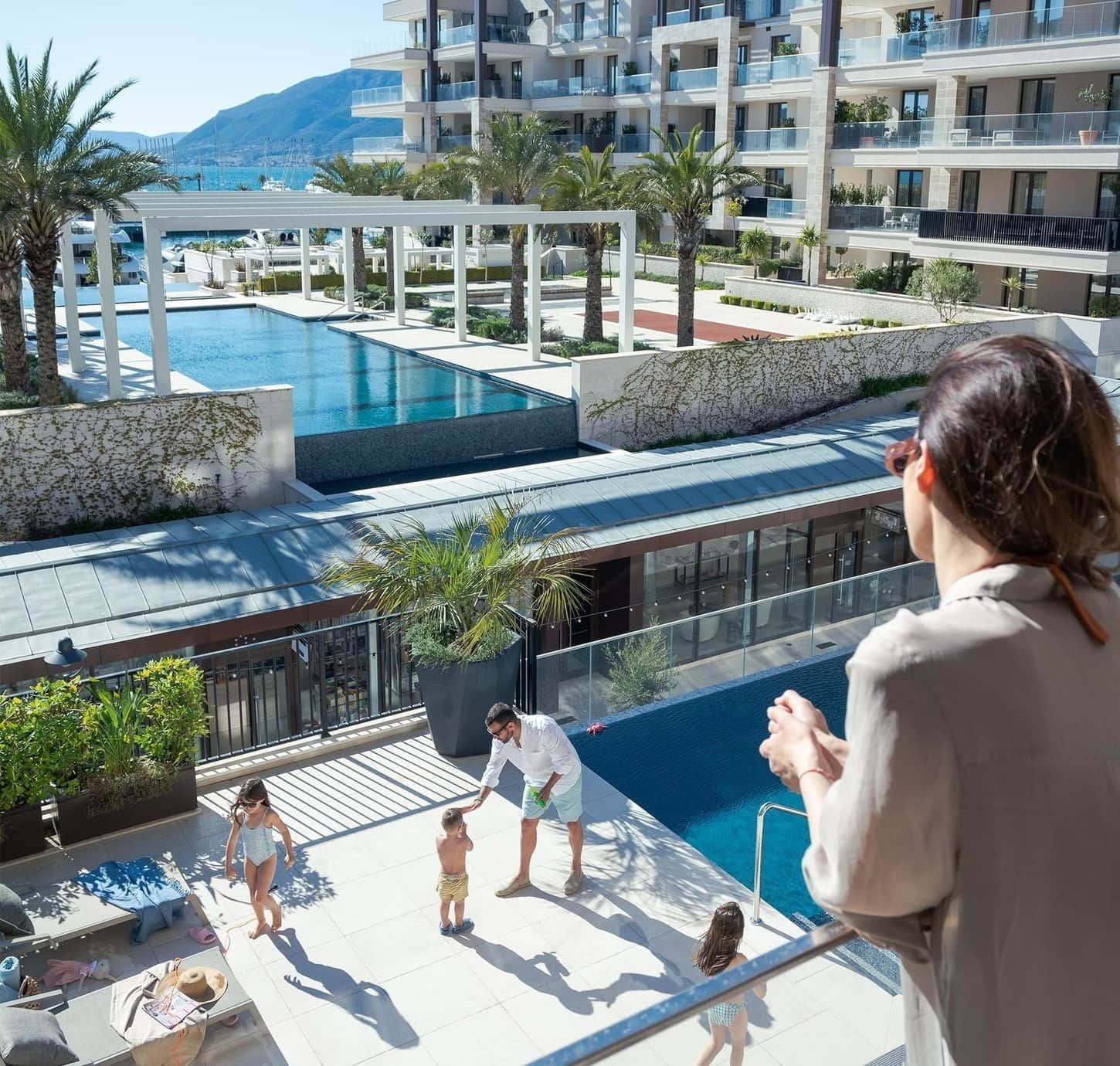
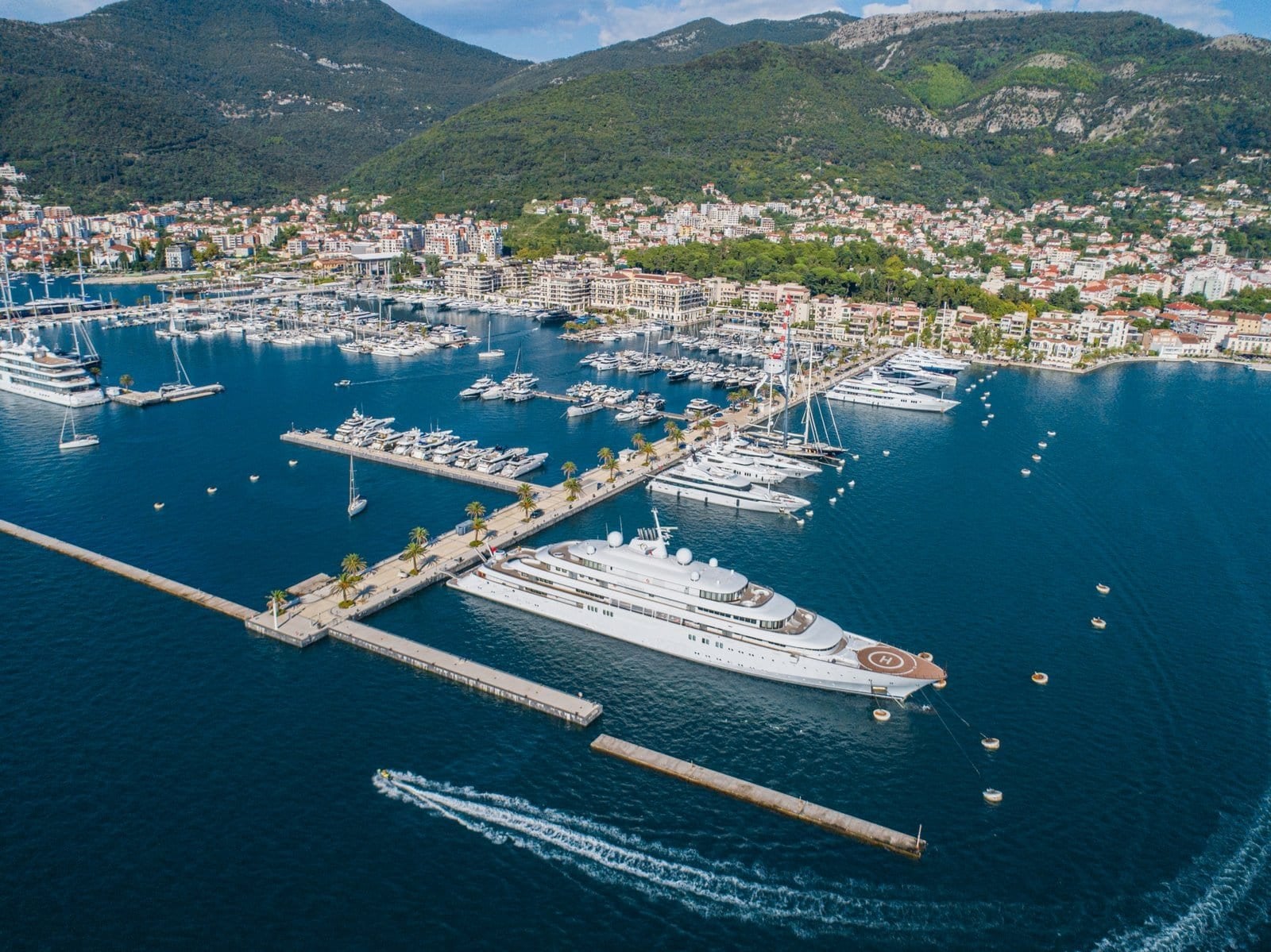
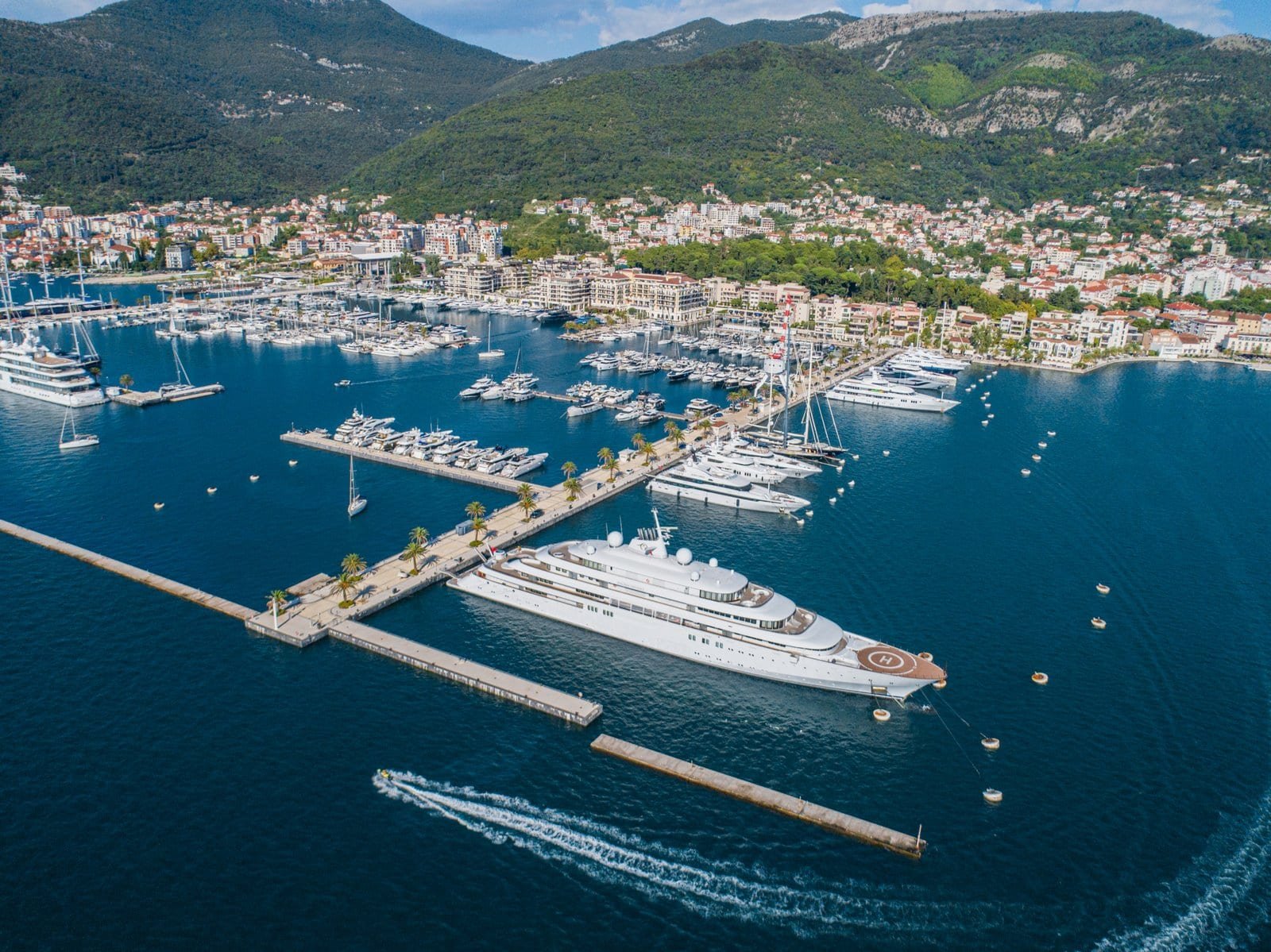
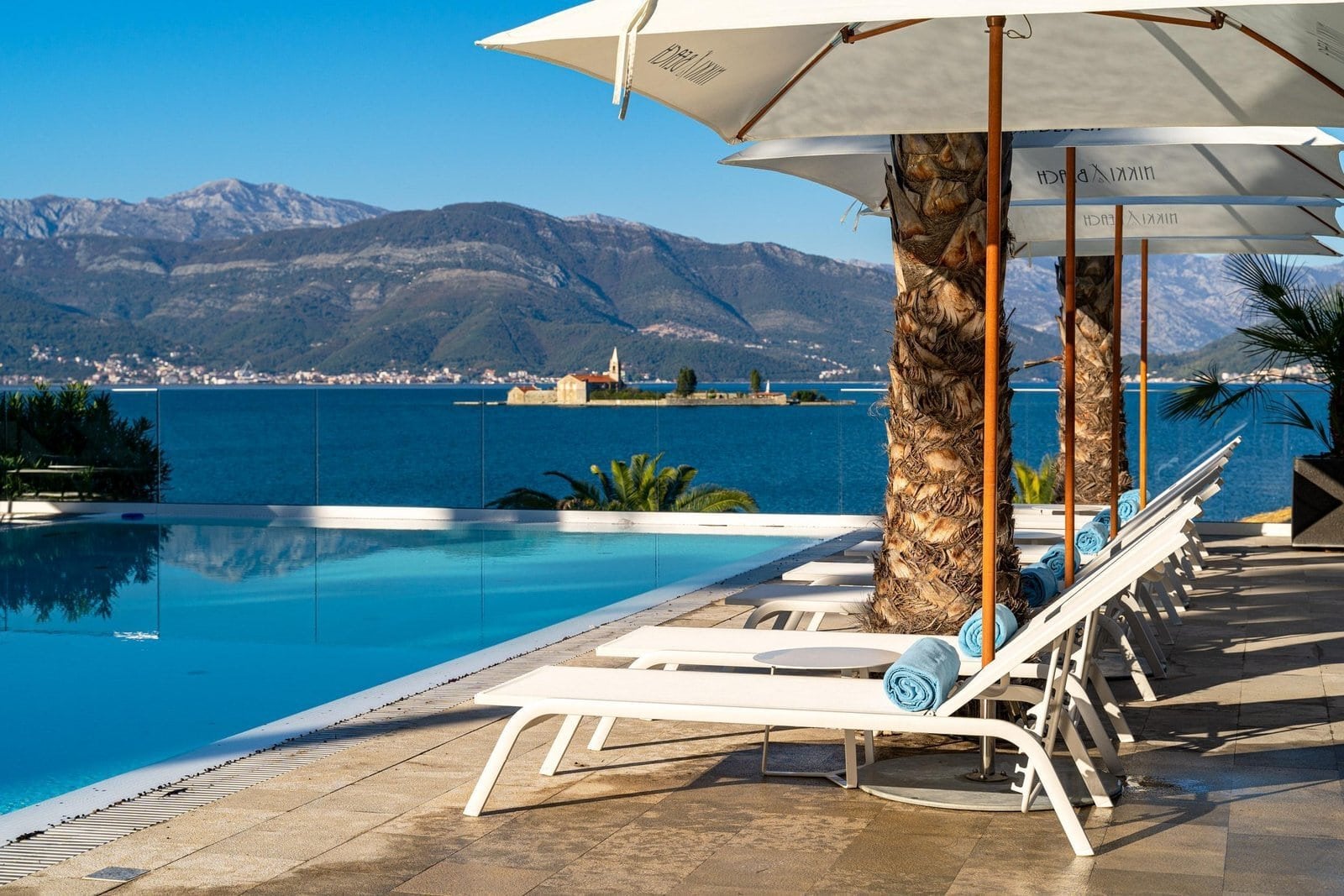
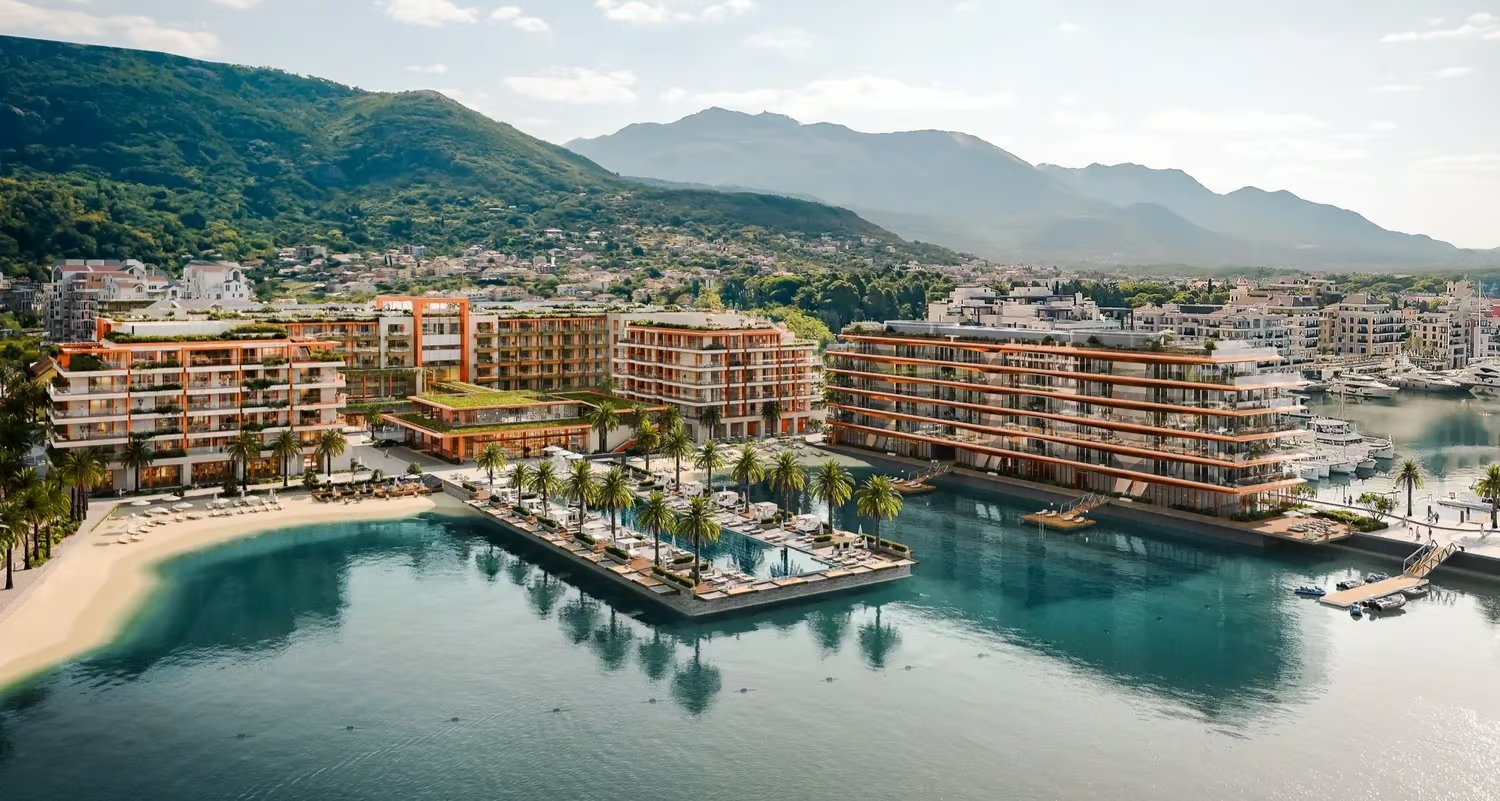
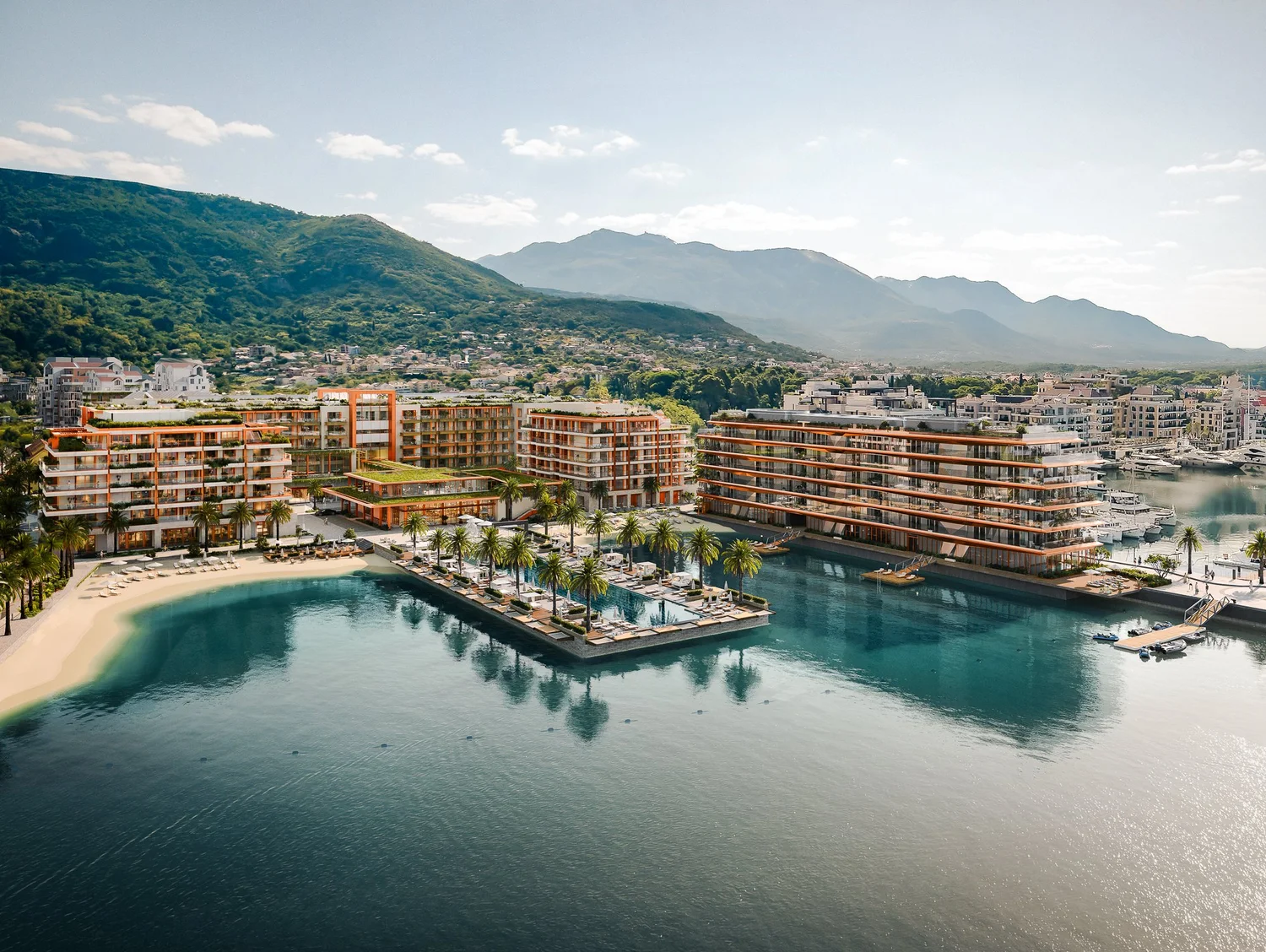
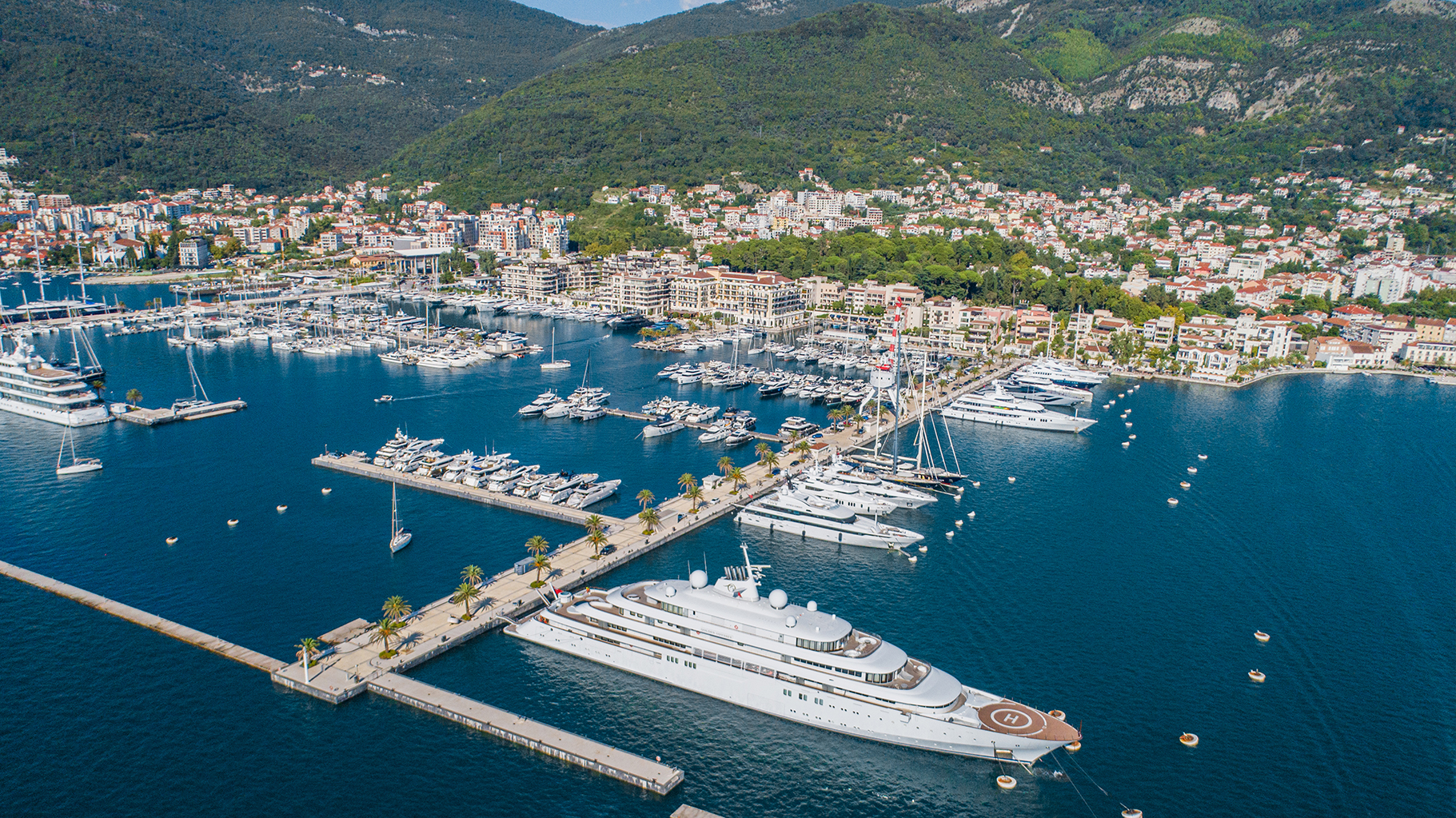
Comparable coastal property in Montenegro currently trades at approximately 40 to 60 per cent below equivalent Croatian pricing. In Budva, average new-build prices sat at approximately €3,299 per square metre in early 2026. In Tivat, standard new-build pricing ranged from €2,500 to €4,000 per square metre, with Porto Montenegro averaging approximately €7,513 per square metre at the premium end of the market. Our Budva real estate guide and Tivat market overview provide the location-level detail.
Croatia’s Dalmatian coast commands meaningfully higher prices. Quality stock in Split, Hvar, and Dubrovnik consistently exceeds €4,000 to €6,000 per square metre, with prime waterfront in Dubrovnik reaching considerably higher. Those prices reflect an already-absorbed accession premium and a more mature market cycle.
Transfer tax treatment differs between the two countries. In Montenegro, resale property transactions attract a progressive transfer tax: 3 per cent on the first €150,000 of value, 5 per cent on the portion between €150,000 and €500,000, and 6 per cent on any amount above €500,000. New-build purchases from developers are subject to 21 per cent VAT in place of transfer tax. In Croatia, resale transactions attract a flat 3 per cent transfer tax, while new builds are subject to 25 per cent VAT. Montenegro’s progressive structure results in a higher effective rate on higher-value secondary market transactions than Croatia’s flat charge. A full breakdown of Montenegro’s purchase costs is available in our Montenegro property taxes and purchase costs guide.
Rental Yields and Tourism Demand
Montenegro’s gross rental yields on coastal property are generally higher than comparable Croatian markets, reflecting the earlier stage of price appreciation relative to rental demand. Research documents yields across Montenegro’s coastal towns in the range of 4.5 to 7.1 per cent, with Budva sitting near the upper end of that range. Croatia’s mature coastal market typically delivers yields in the 3 to 5 per cent range for quality short-let stock in established destinations.
Both markets are heavily seasonal, with peak demand concentrated between June and September. Montenegro’s visitor base has broadened in recent years, extending beyond the traditional Russian and Serbian markets to include British, German, and Gulf travellers. That diversification of demand supports occupancy resilience. Croatia’s tourism base is larger in absolute volume but more concentrated among European short-break visitors, which creates different yield dynamics across the calendar year.
Legal Framework and Foreign Buyer Access
Croatia’s EU membership means that buying property there operates within a framework immediately familiar to most European buyers. Notarised contracts, land registry searches, and standard consumer protections apply as they would in any other EU member state. Non-EU nationals face some additional steps but the process is well-established.
Montenegro is equally open to foreign buyers for residential property. Foreign nationals can purchase without significant restriction, and ownership confers the right to apply for a temporary residence permit. The process requires a locally qualified lawyer and a public notary, but is straightforward for buyers with professional support. Our guide to buying property in Montenegro covers the process step by step. For buyers concerned about property rights security in a pre-EU market, our analysis of whether Montenegro is a safe market for foreign investment addresses the legal and regulatory risk profile directly.
The EU Accession Variable
Croatia’s EU membership is already reflected in its pricing. The accession premium was absorbed during the 2013 to 2023 period. Montenegro’s equivalent premium has not yet been priced in. For buyers willing to hold over a three-to-five year horizon, the convergence thesis, the prospect that Montenegrin coastal prices close part of the gap with Croatian equivalents once EU membership is confirmed, represents a structurally distinct return driver that Croatian assets cannot replicate.
This is why capital has been entering Montenegro’s coastal markets ahead of the accession timeline rather than waiting for confirmation. The risk is political: accession timelines can and do extend. The potential reward is significant price appreciation compressed into a shorter holding period than standard market cycles would produce. Our overview of how Montenegro’s EU accession will affect property values provides the structural analysis in full.
Which Market Suits Which Buyer
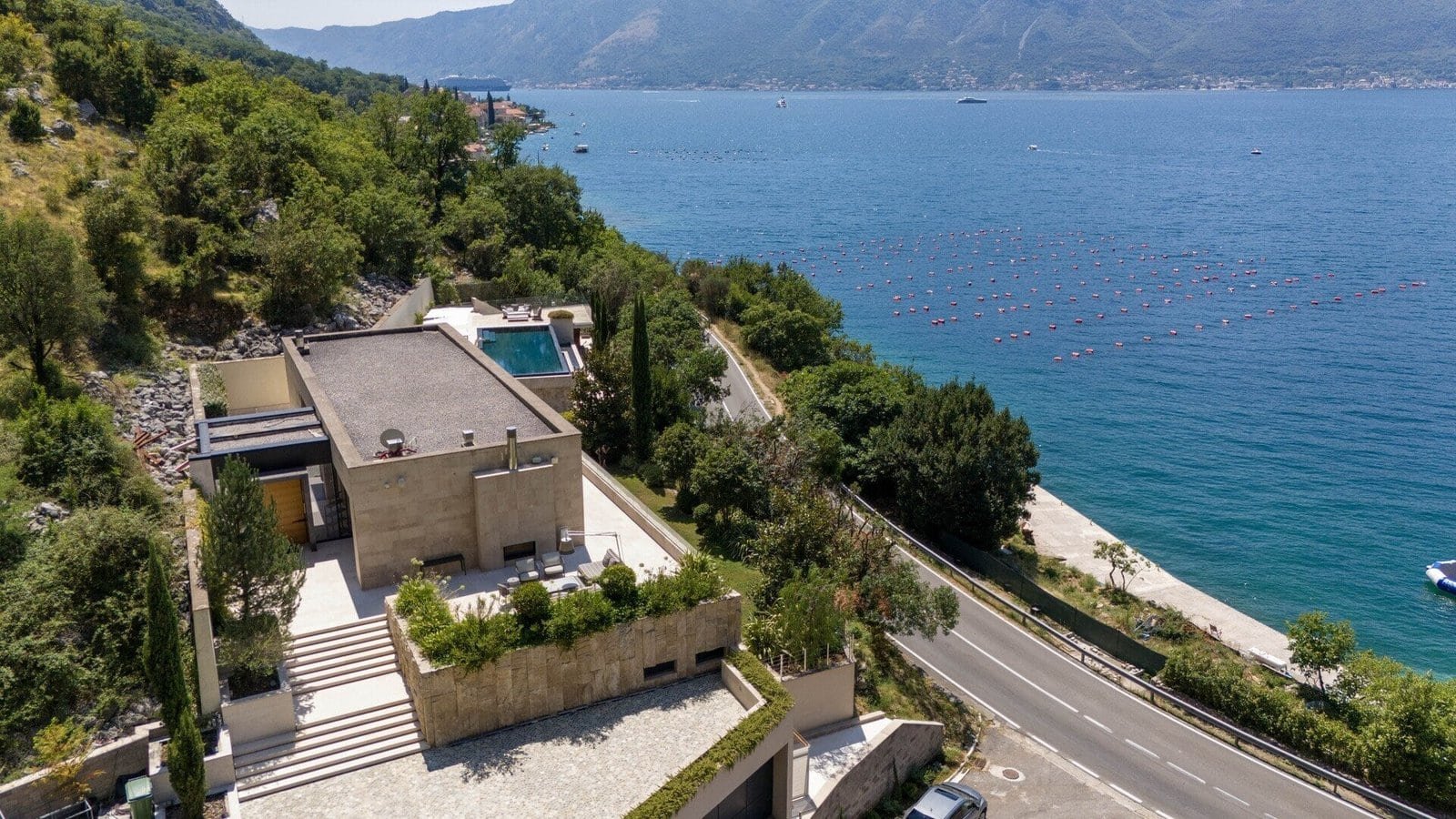
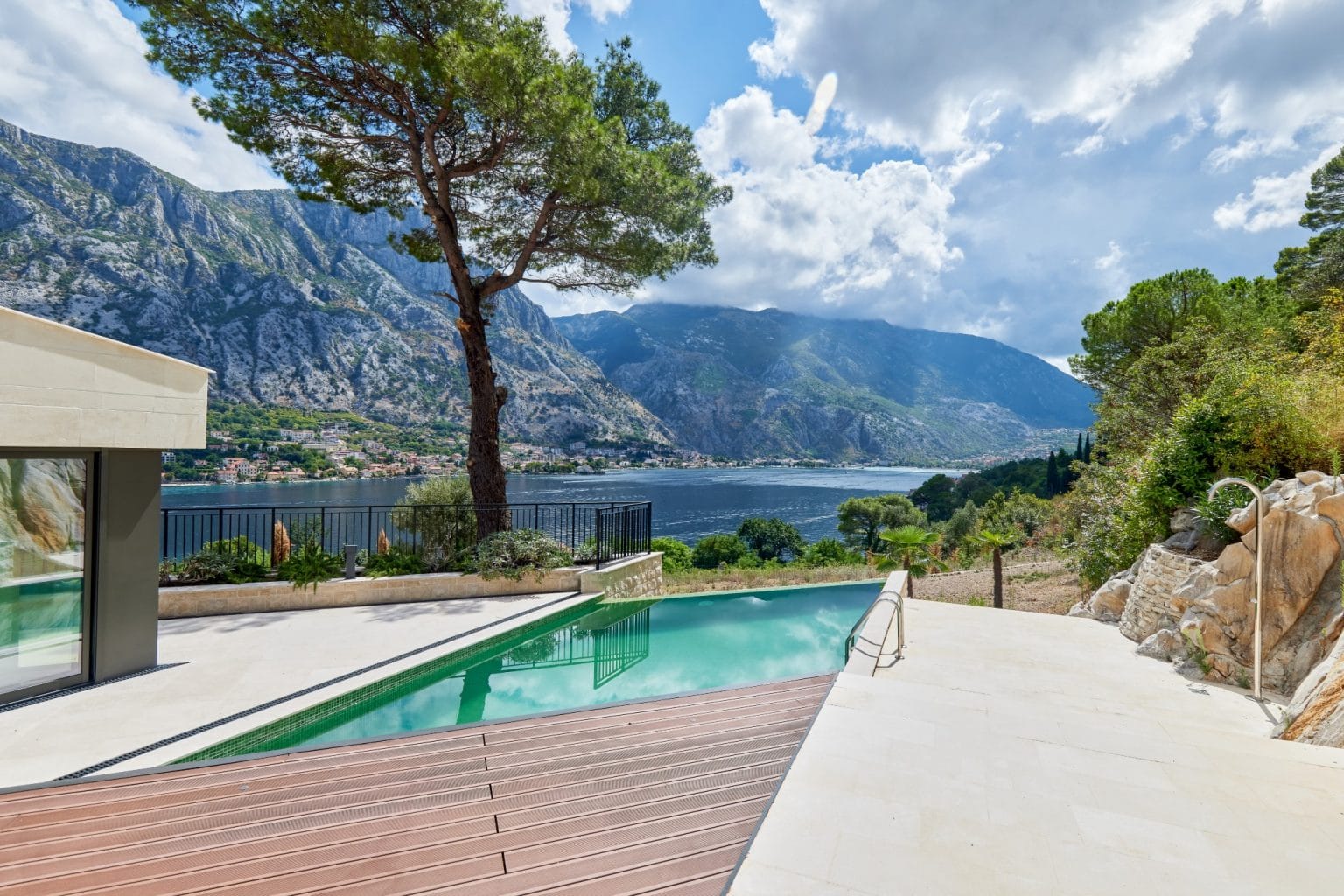
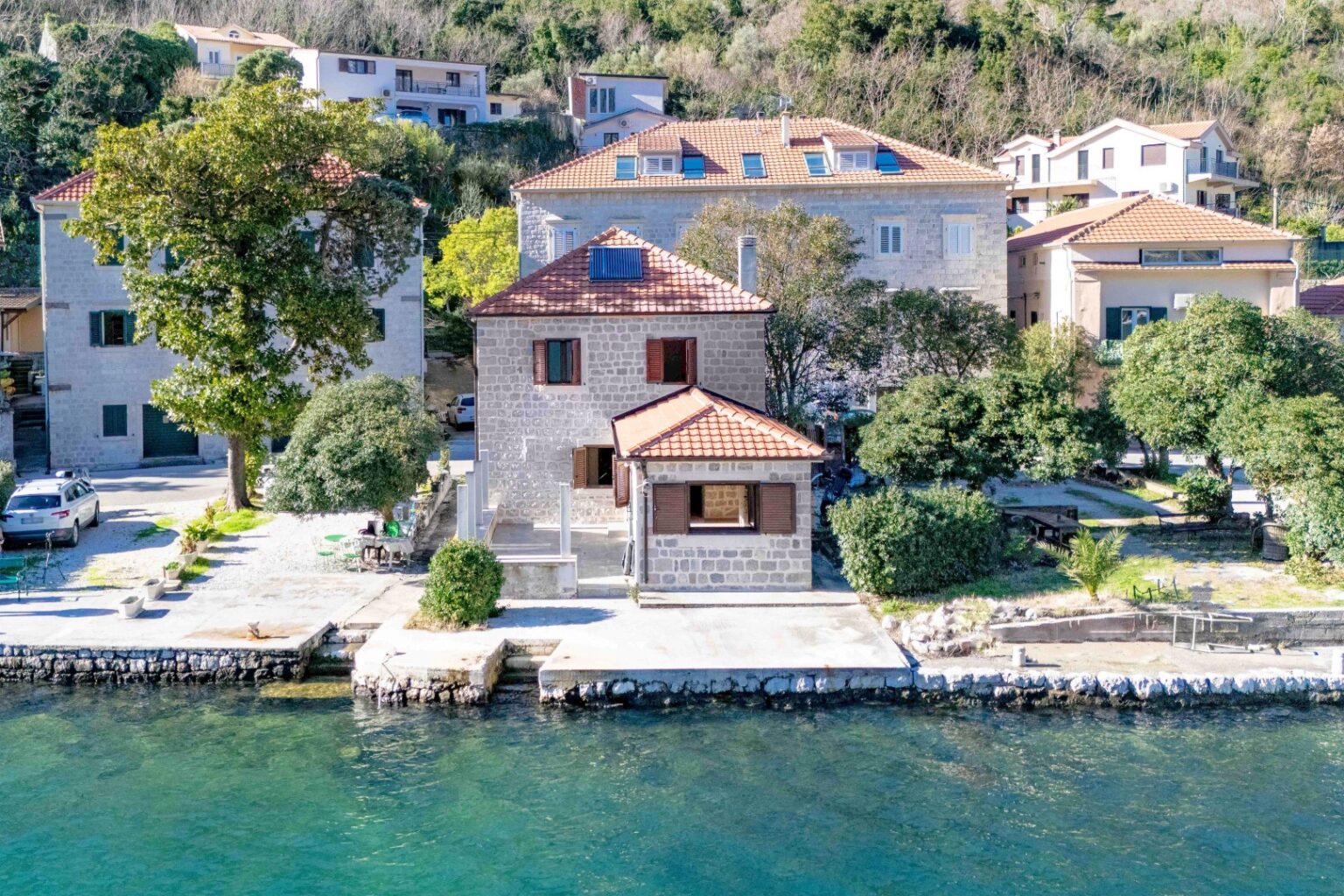
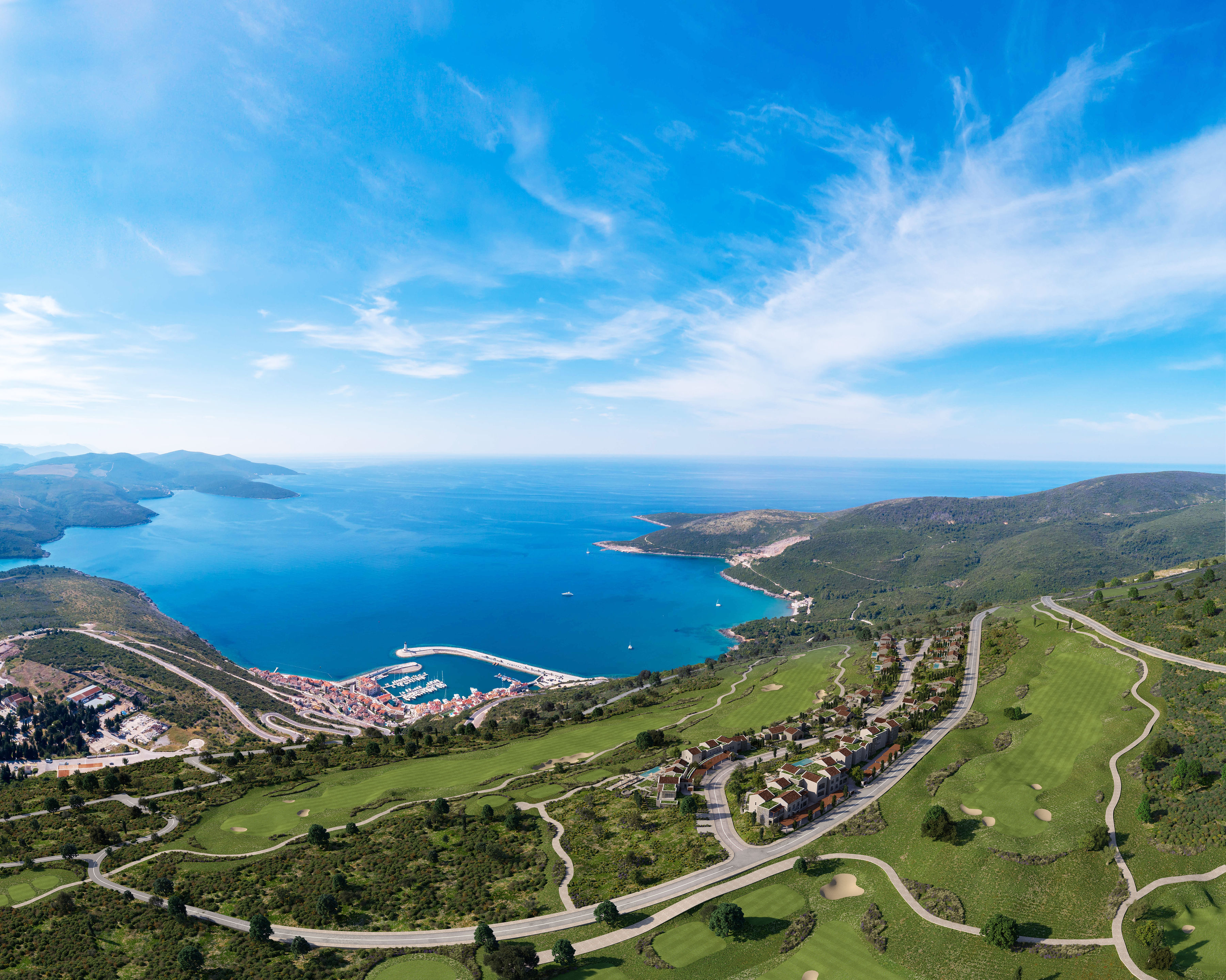
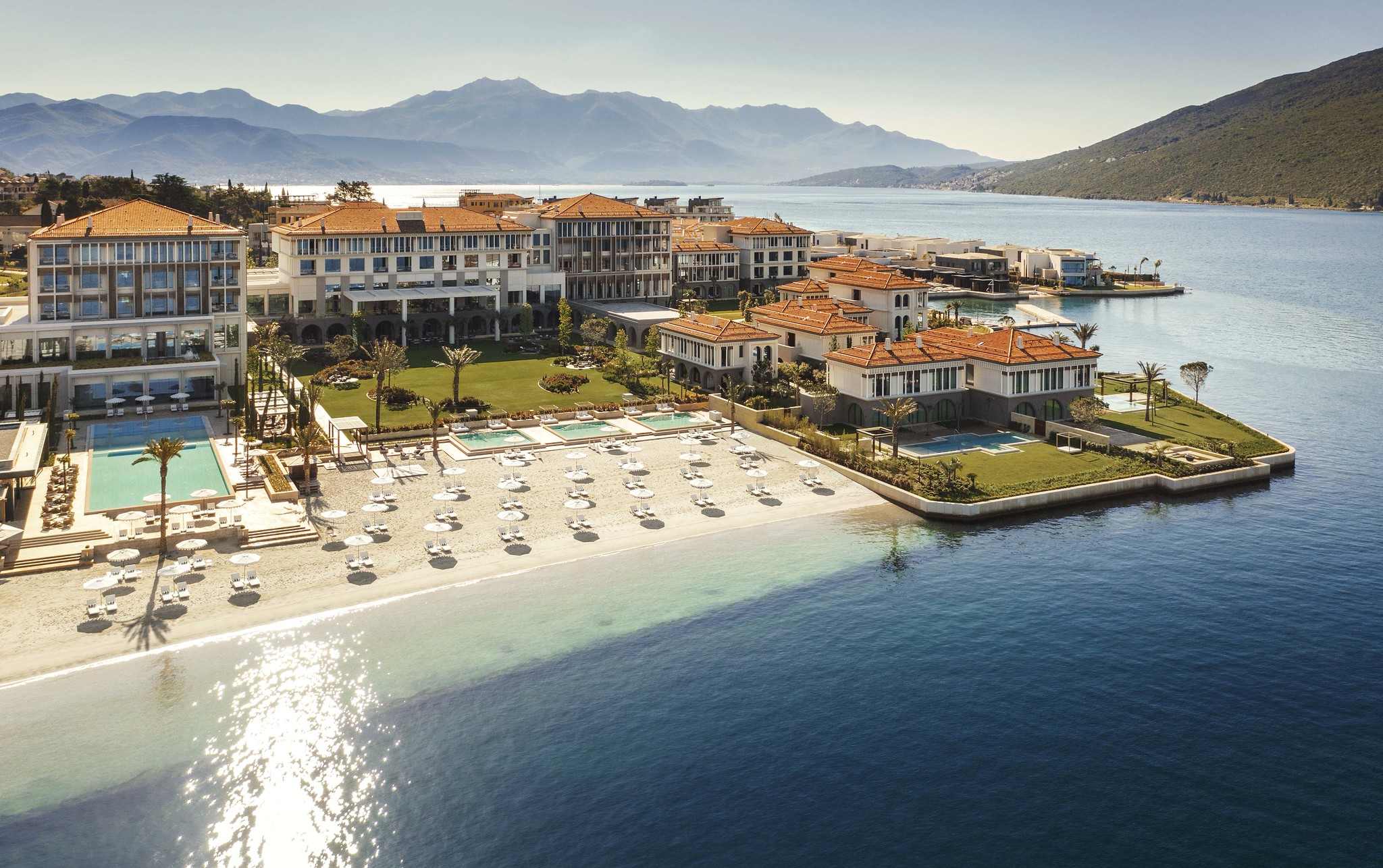
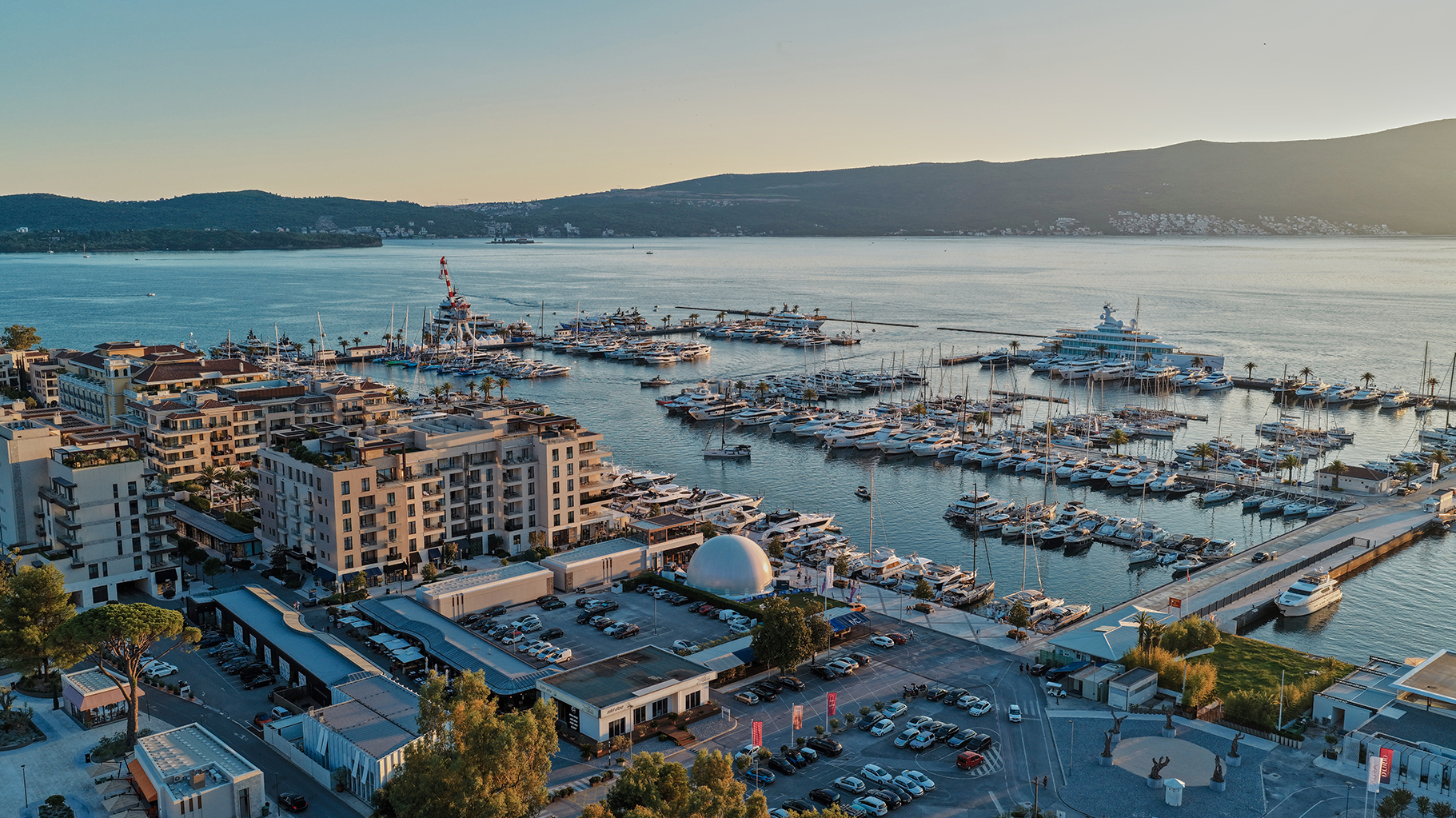
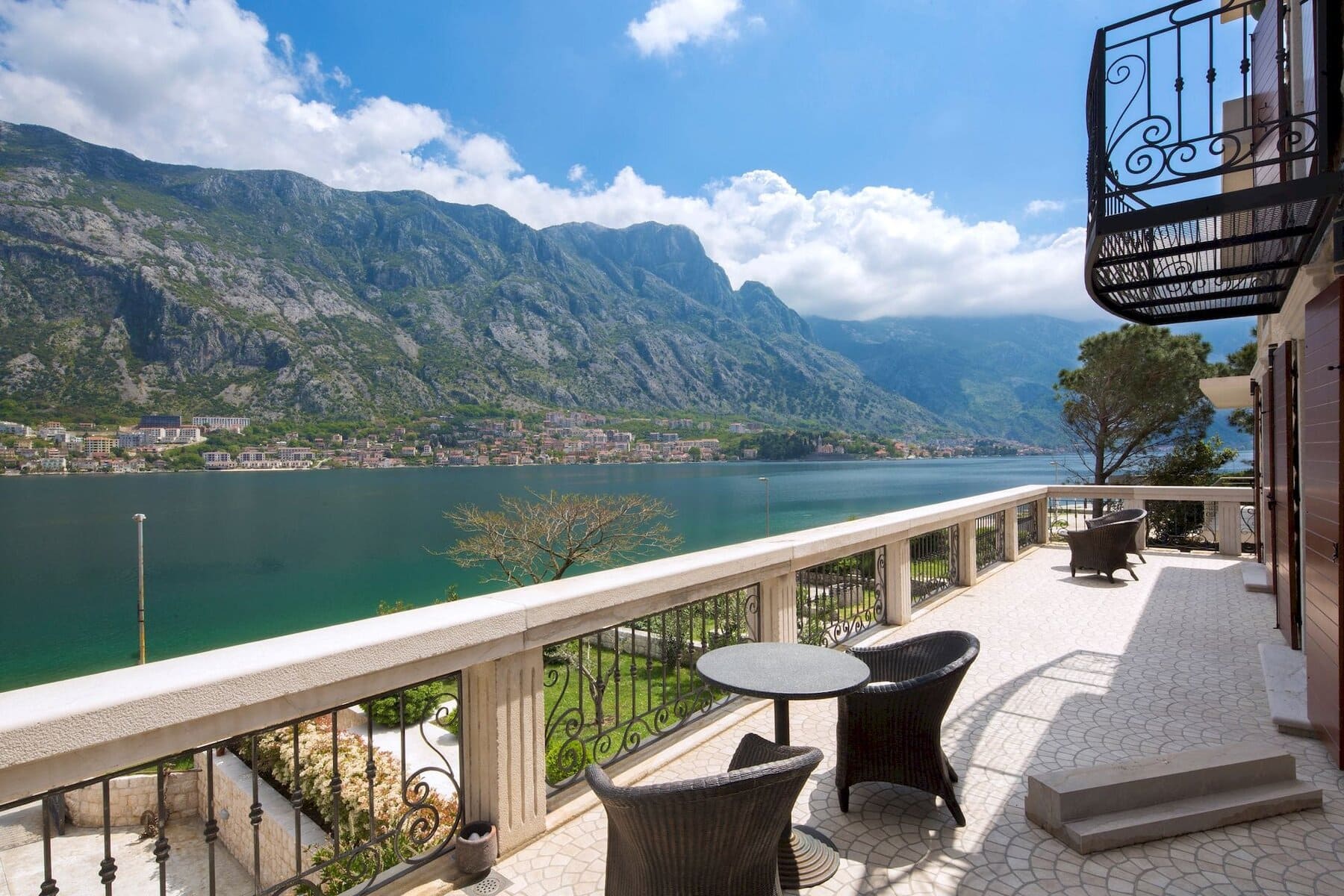
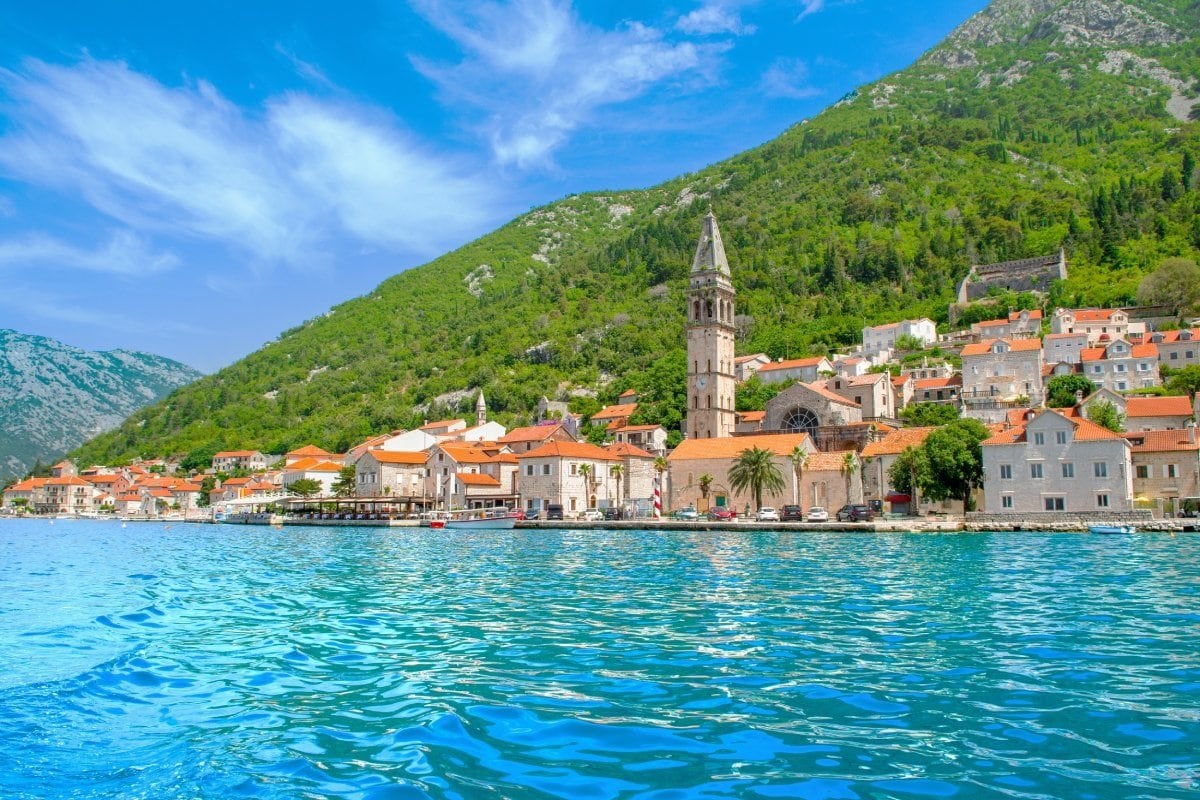
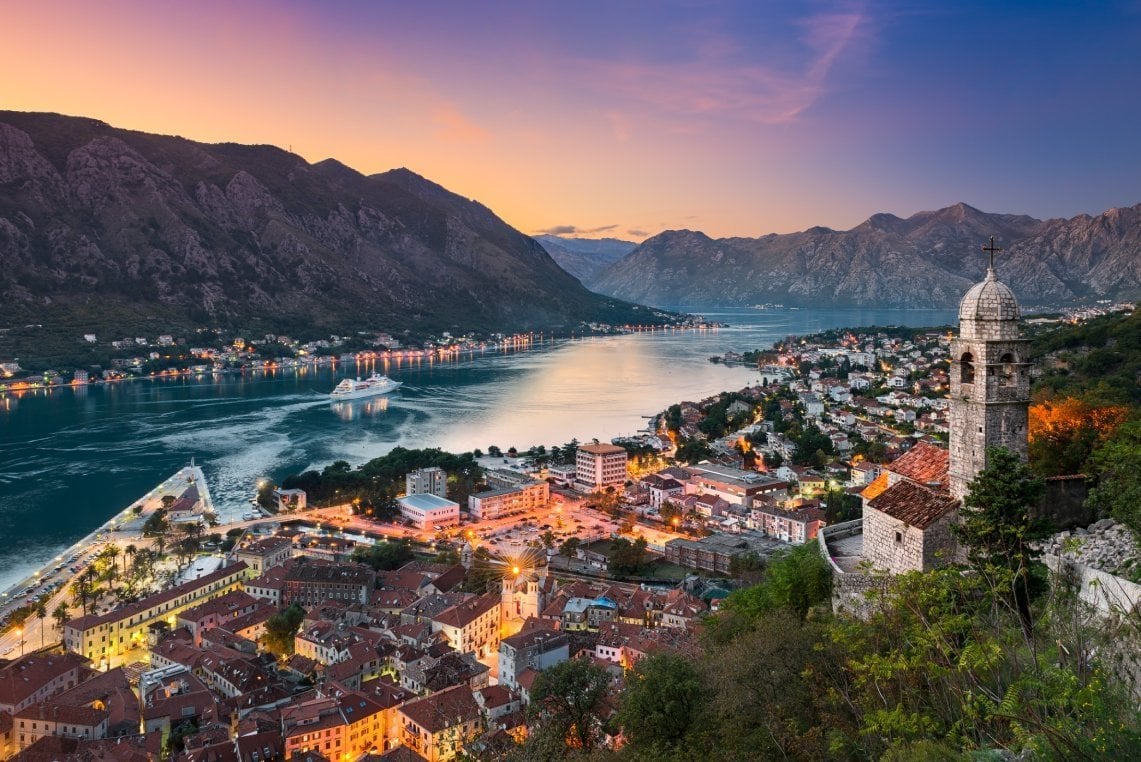
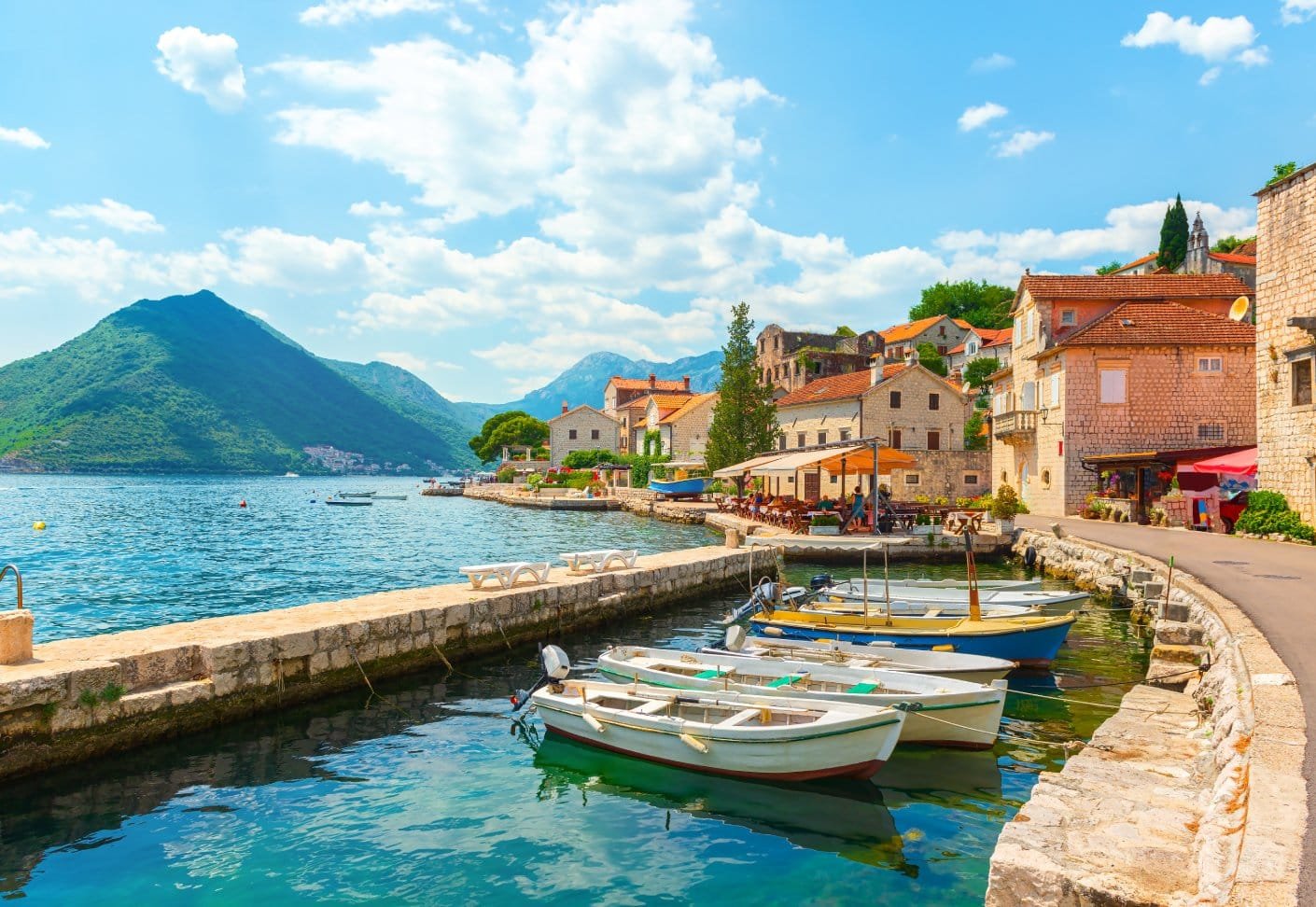
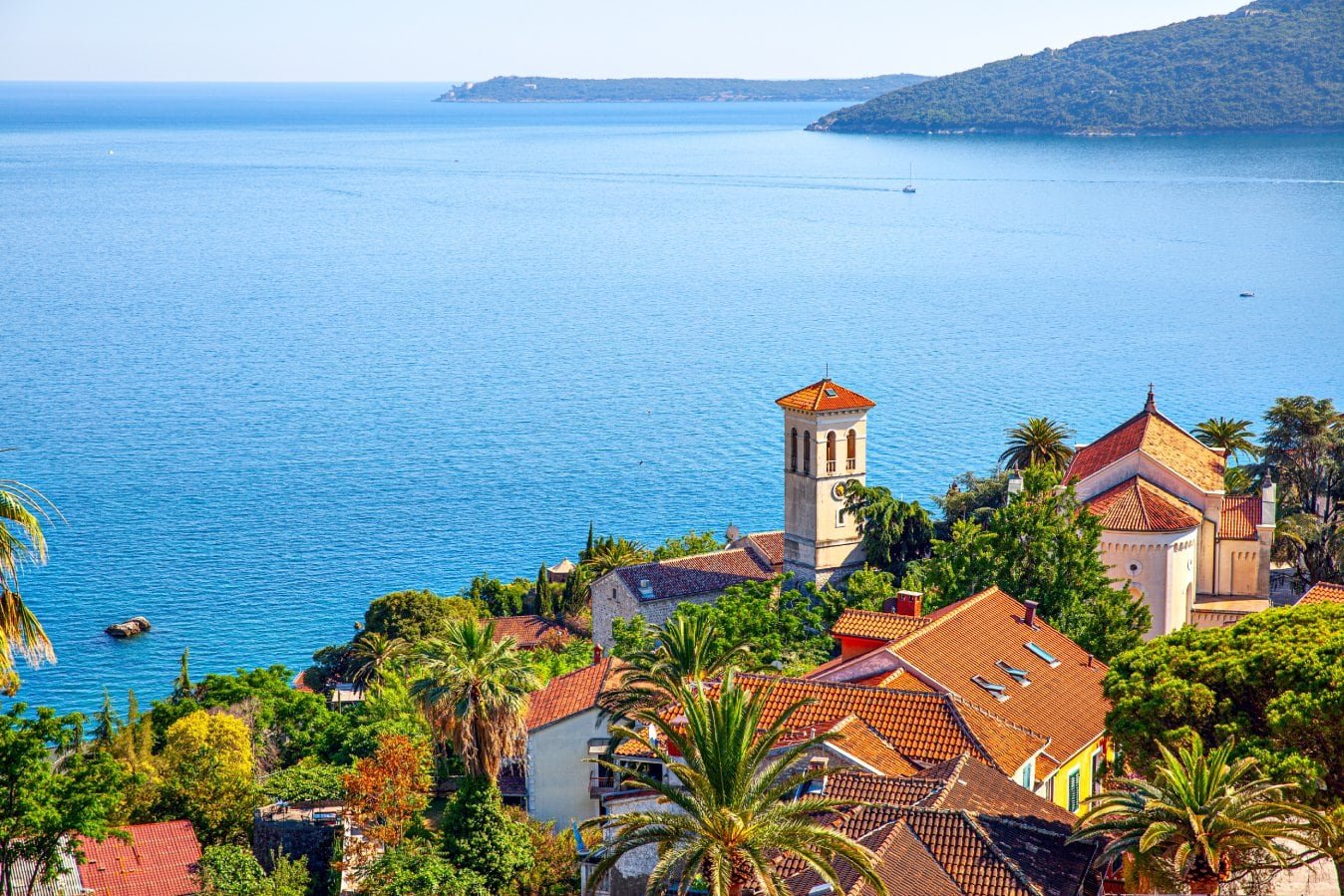
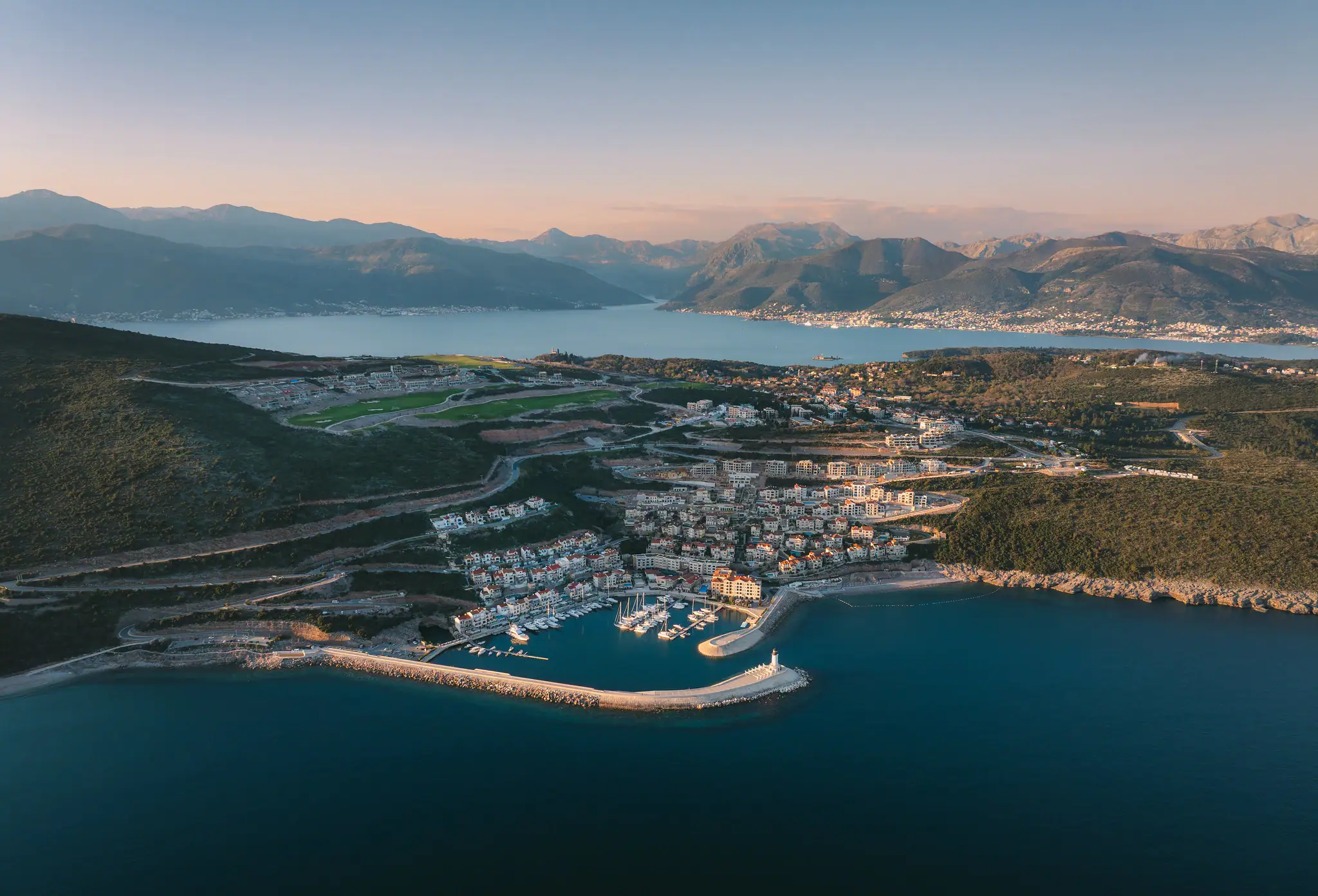
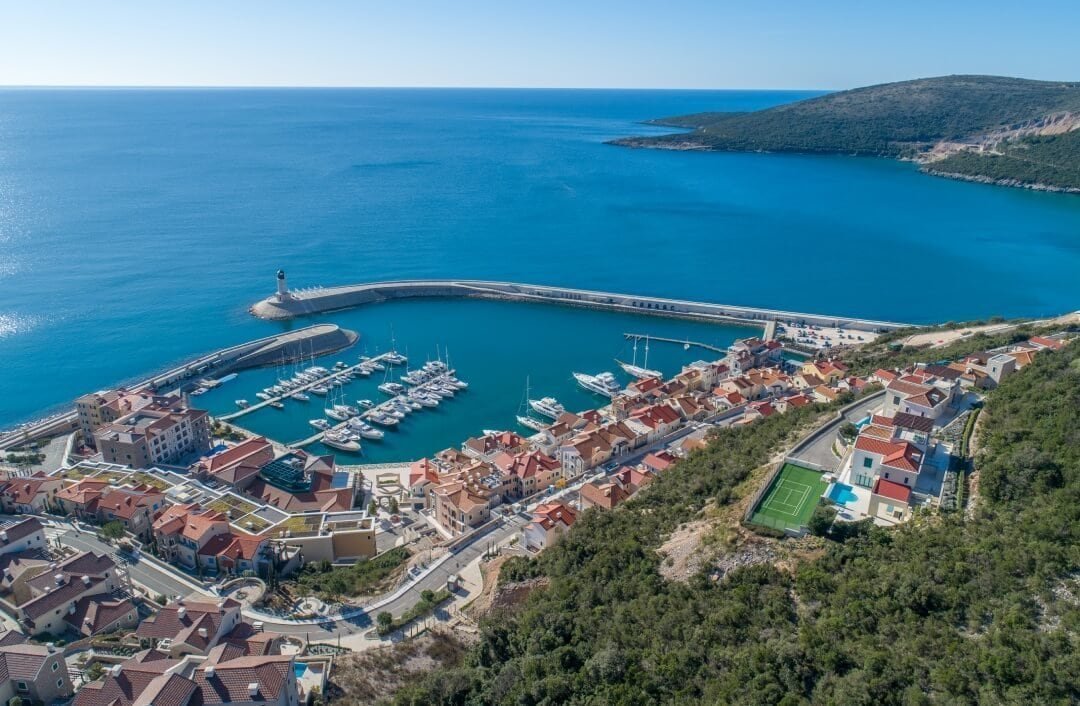
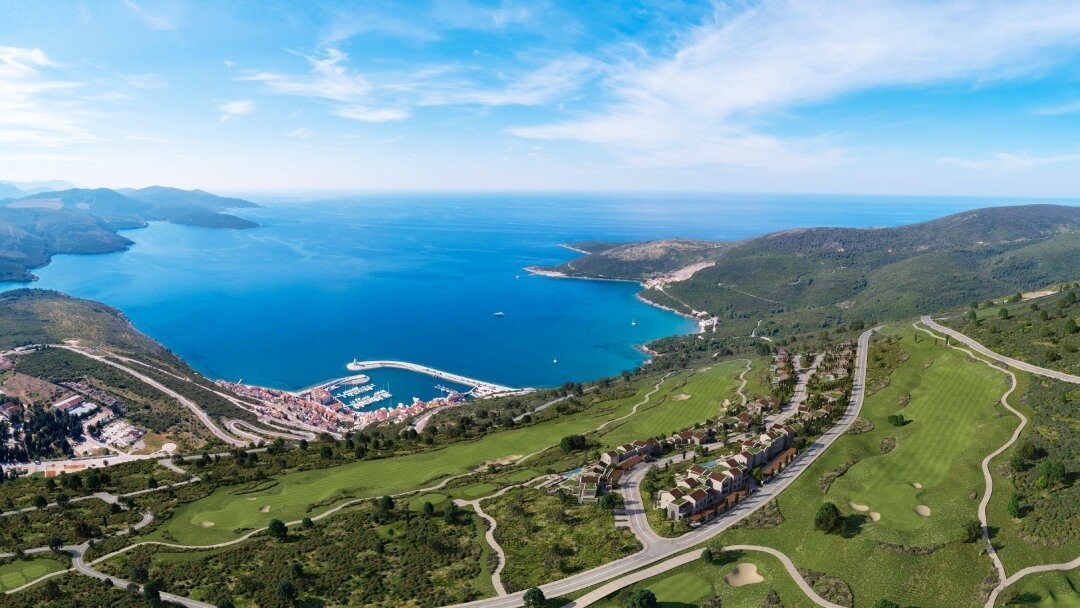
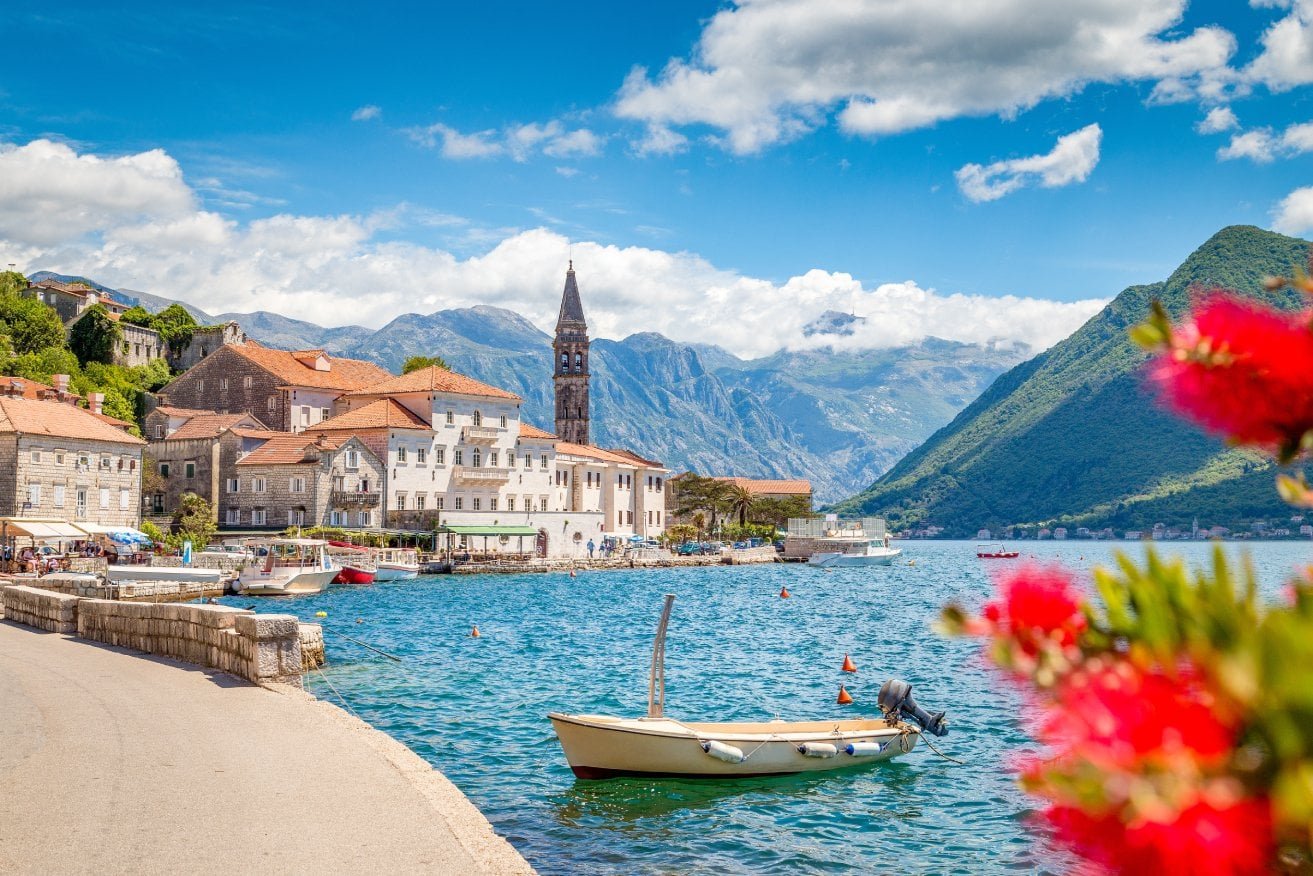
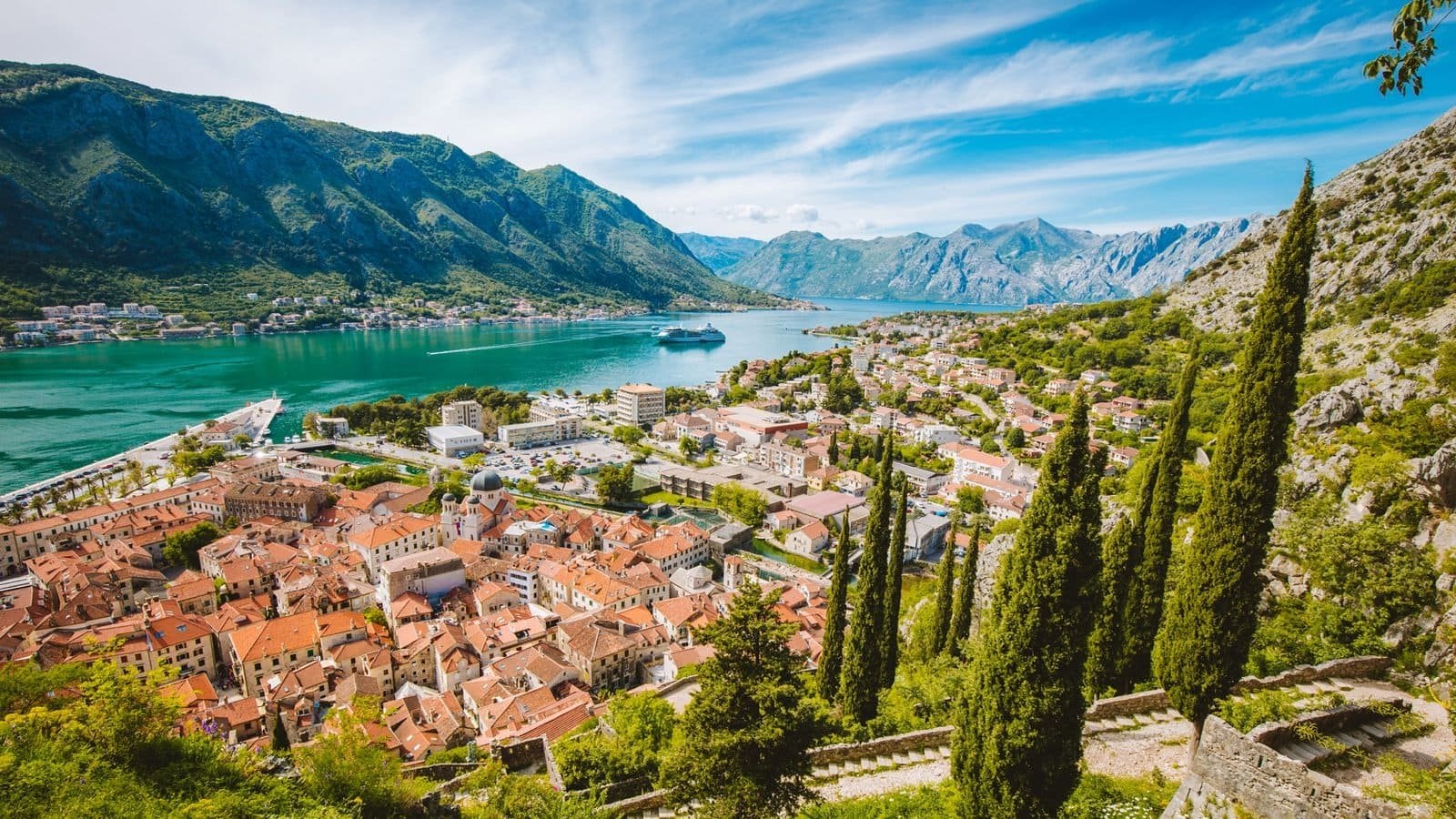
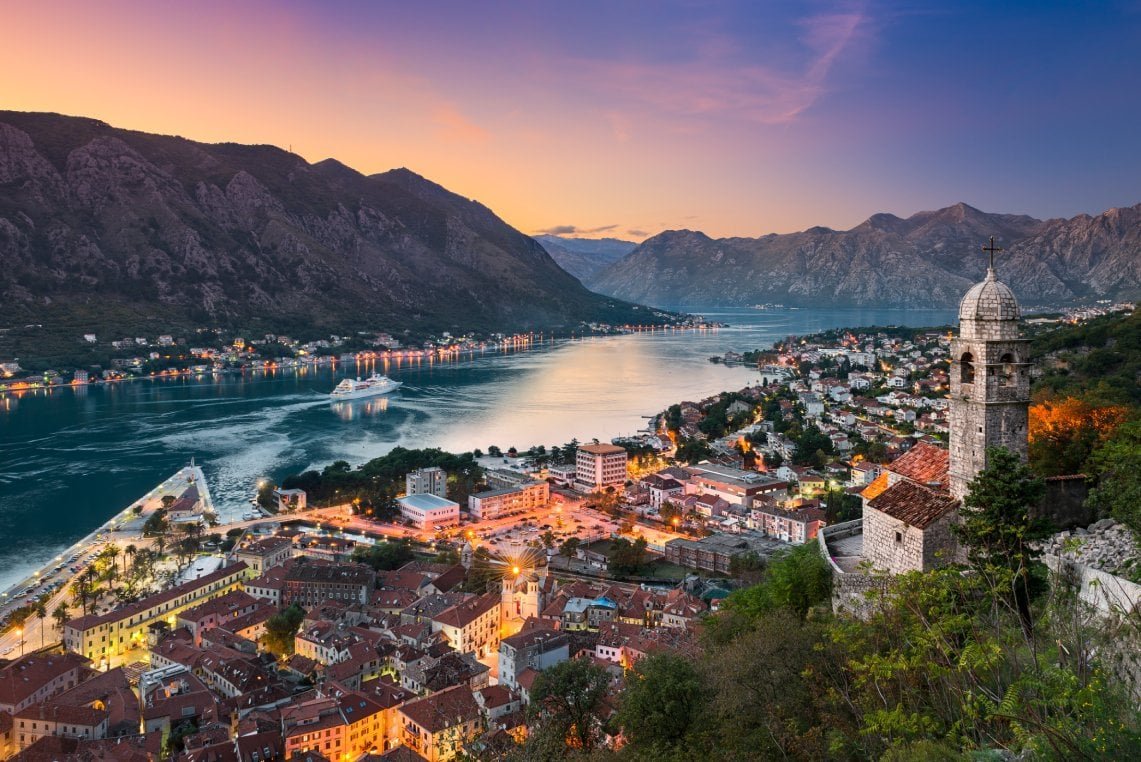
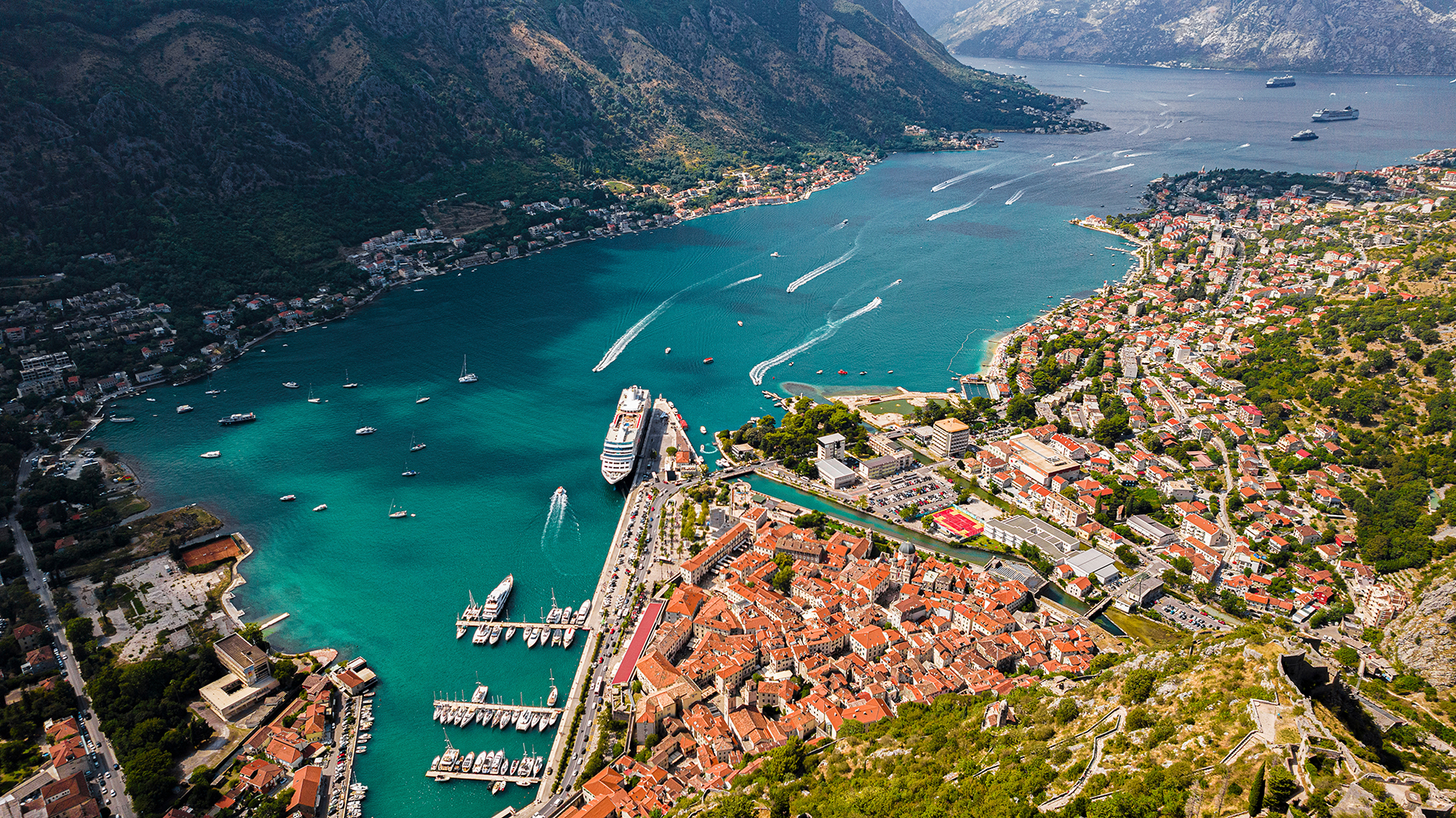
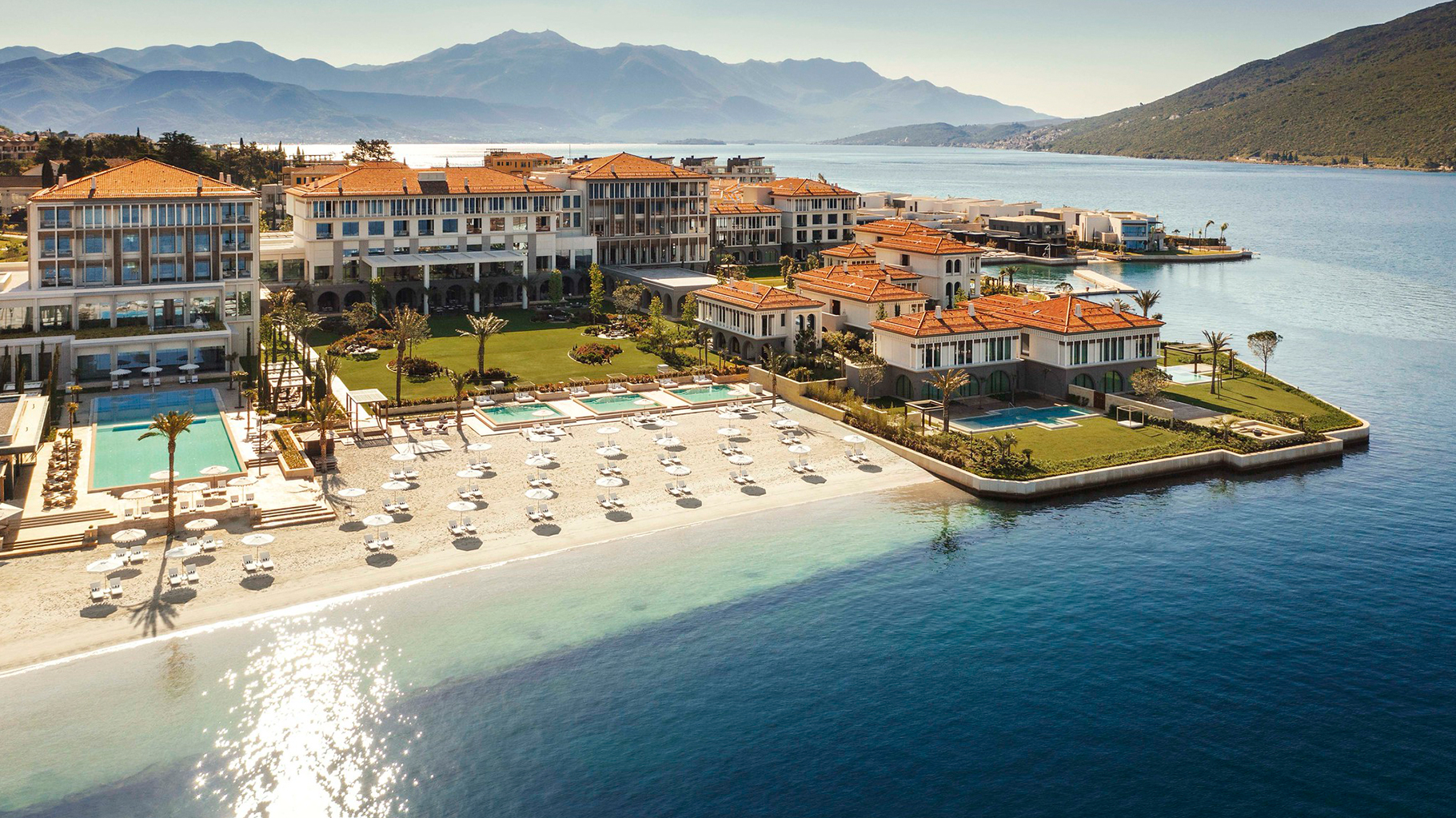
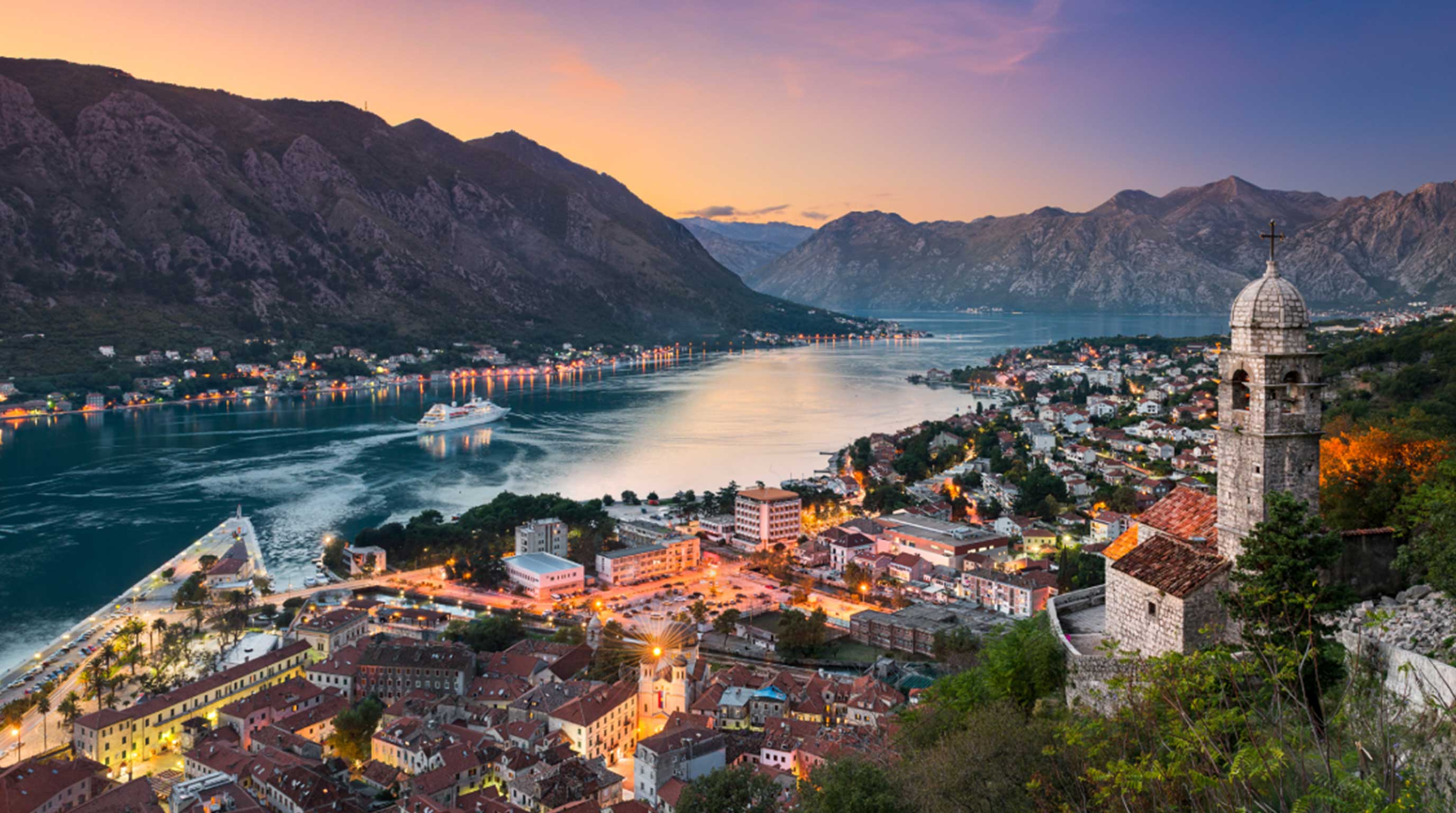
Montenegro suits investors prioritising yield and early-stage capital appreciation, with comfort operating in a pre-EU framework and a three-to-seven year horizon. Within Montenegro, Budva is the primary market for income-led buyers. Tivat and Porto Montenegro attract lifestyle buyers with higher capital allocations and longer holds. Herceg Novi and the wider Bay of Kotor appeal to buyers seeking distinctive heritage settings with lower entry costs relative to Tivat.
Croatia suits buyers prioritising legal certainty, familiar EU-standard transaction processes, and stable long-term holds in an established market. It is the right choice for capital preservation in a known framework rather than capital growth from accession-driven re-rating.
The question is not which market is objectively superior. It is which aligns with the buyer’s risk tolerance, time horizon, and primary objective. A buyer seeking 6 per cent gross yield from a Budva apartment has a fundamentally different thesis to one seeking a stable long-term Dubrovnik asset. Both are coherent strategies. They are not the same strategy.
For comparative analysis of Montenegro’s own micro-markets, our overview of Bay of Kotor versus Budva addresses the internal positioning question for buyers already committed to Montenegro. To explore waterfront and coastal properties available in Montenegro, our portfolio provides a curated starting point. For further independent market context on the Montenegro versus Croatia investment comparison, Investropa’s comparative analysis provides a useful second opinion.
Barok Estates International advises internationally mobile buyers across Montenegro, Spain, and select European markets. For buyers weighing both Adriatic options and seeking structured acquisition advice, contact our team for a confidential conversation.








.jpg)