British nationals retiring to Montenegro in 2026 can receive their UK State Pension, draw on an active double taxation agreement, and secure long-term residency through a property purchase. Montenegro sits outside the EU and Schengen, but for UK nationals who now hold third-country status across Europe since Brexit, this distinction matters less than it once did.
Montenegro has drawn a quiet but growing stream of international retirees over the past decade. The combination of low income tax, an Adriatic setting, and a cost of living considerably below Western Europe has made it a credible alternative to the more established southern European retirement corridors. For UK buyers specifically, the existing bilateral tax framework removes much of the uncertainty that complicates relocation to countries without a treaty in place.
The UK-Montenegro Tax Treaty
The UK and Montenegro have a double taxation agreement, which means pension income is not taxed twice. This is meaningfully different from the position facing American retirees, who currently retire to Montenegro without a DTA and must manage the resulting exposure themselves. The UK government’s guidance on living in Montenegro confirms the treaty is in force and recommends professional advice on its application to your specific income structure.
Montenegro’s personal income tax operates on a progressive scale between 9% and 15%. Specialist sources consistently note that pension income may attract a 0% rate under Montenegrin domestic law. However, the precise treatment of UK State and private pensions depends on how the DTA allocates taxing rights in each case, and this requires advice from both a UK expat tax adviser and a Montenegrin tax practitioner before you finalise your structure. You become a Montenegrin tax resident after spending more than 183 days per year in the country. Below that threshold, you remain a non-resident for Montenegrin purposes and are generally taxable there only on Montenegrin-source income.
Residency Through Property
Montenegro has no dedicated retirement visa. Property ownership provides the most widely used route to temporary residence for non-EU retirees. Once you have purchased a property and registered it, you can apply for a temporary residence permit, typically granted for one year at a time and renewable. After five years of continuous legal residence, permanent residency becomes available subject to the rules in force at that point.
Property purchase in Montenegro involves a progressive transfer tax structure: 3% on the first band of assessed value, 5% on the middle band, and 6% on the highest. New-build purchases from a developer often involve no transfer tax, as VAT is typically embedded in the developer’s pricing. Our Montenegro property taxes guide sets out the current rates and what buyers should budget for beyond the headline purchase price.
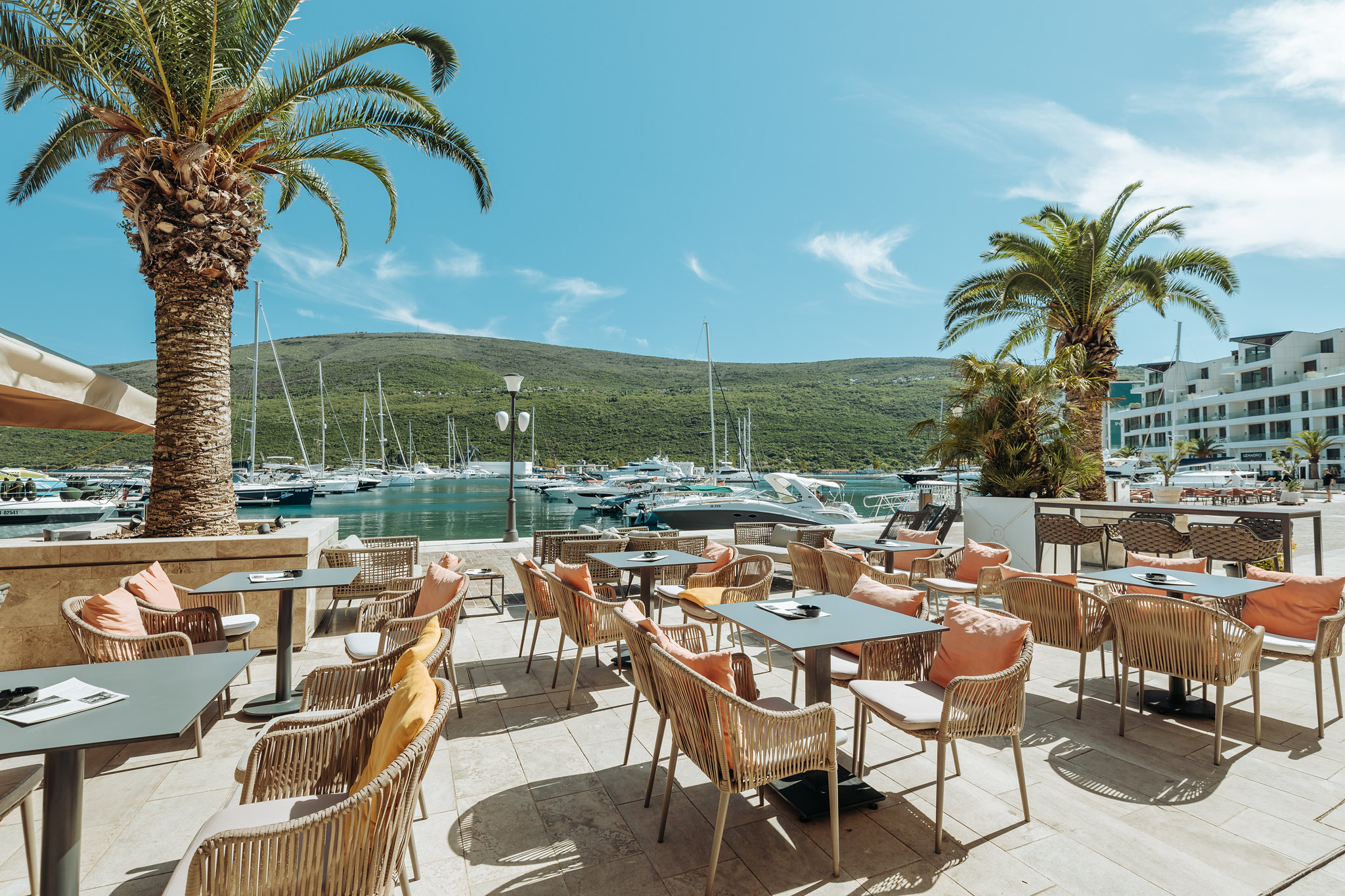
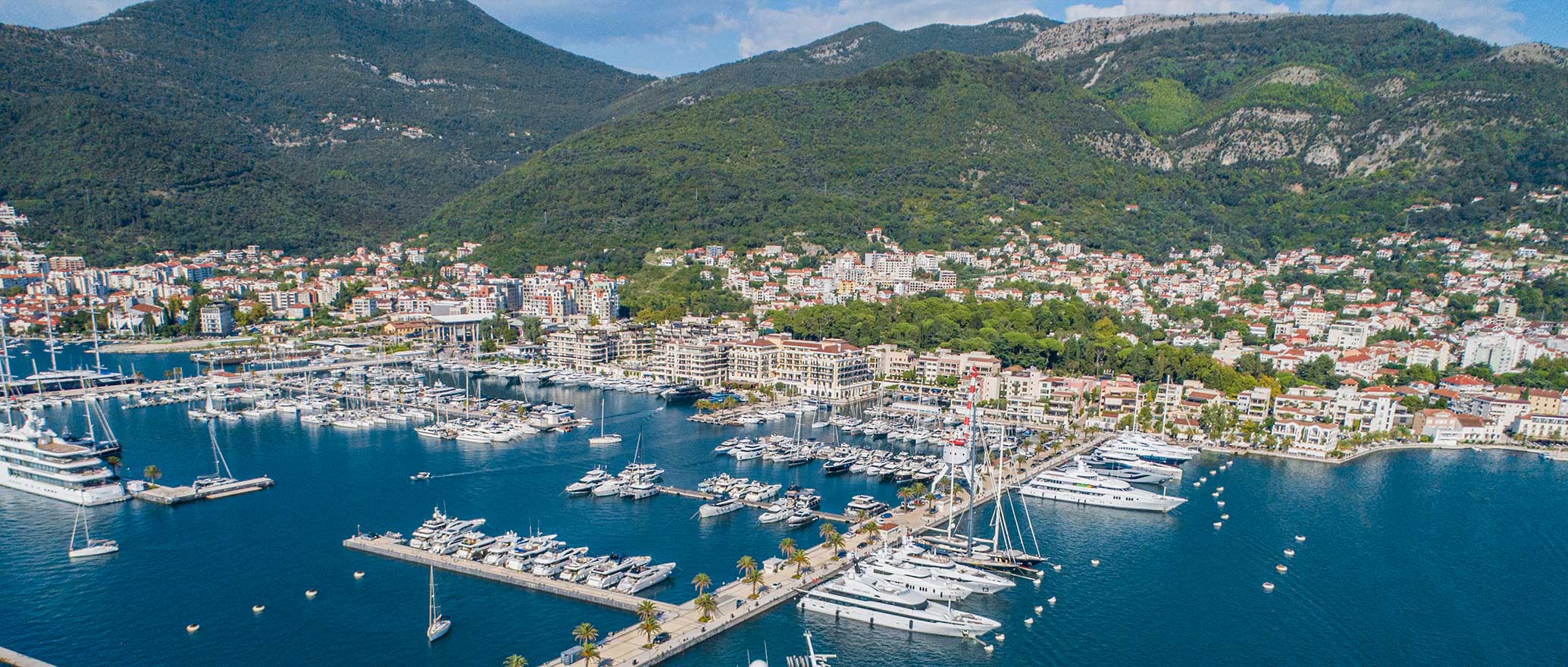
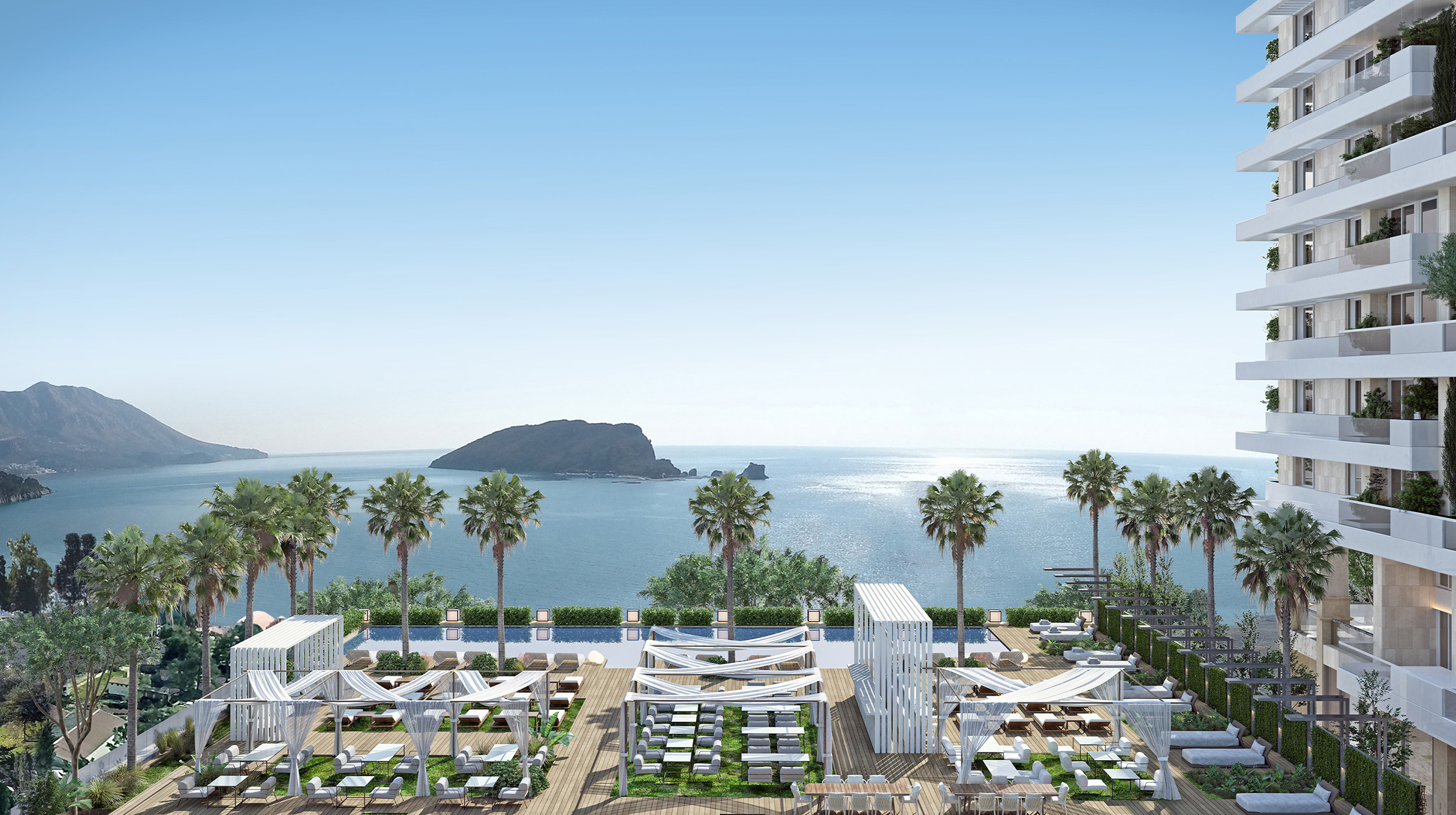
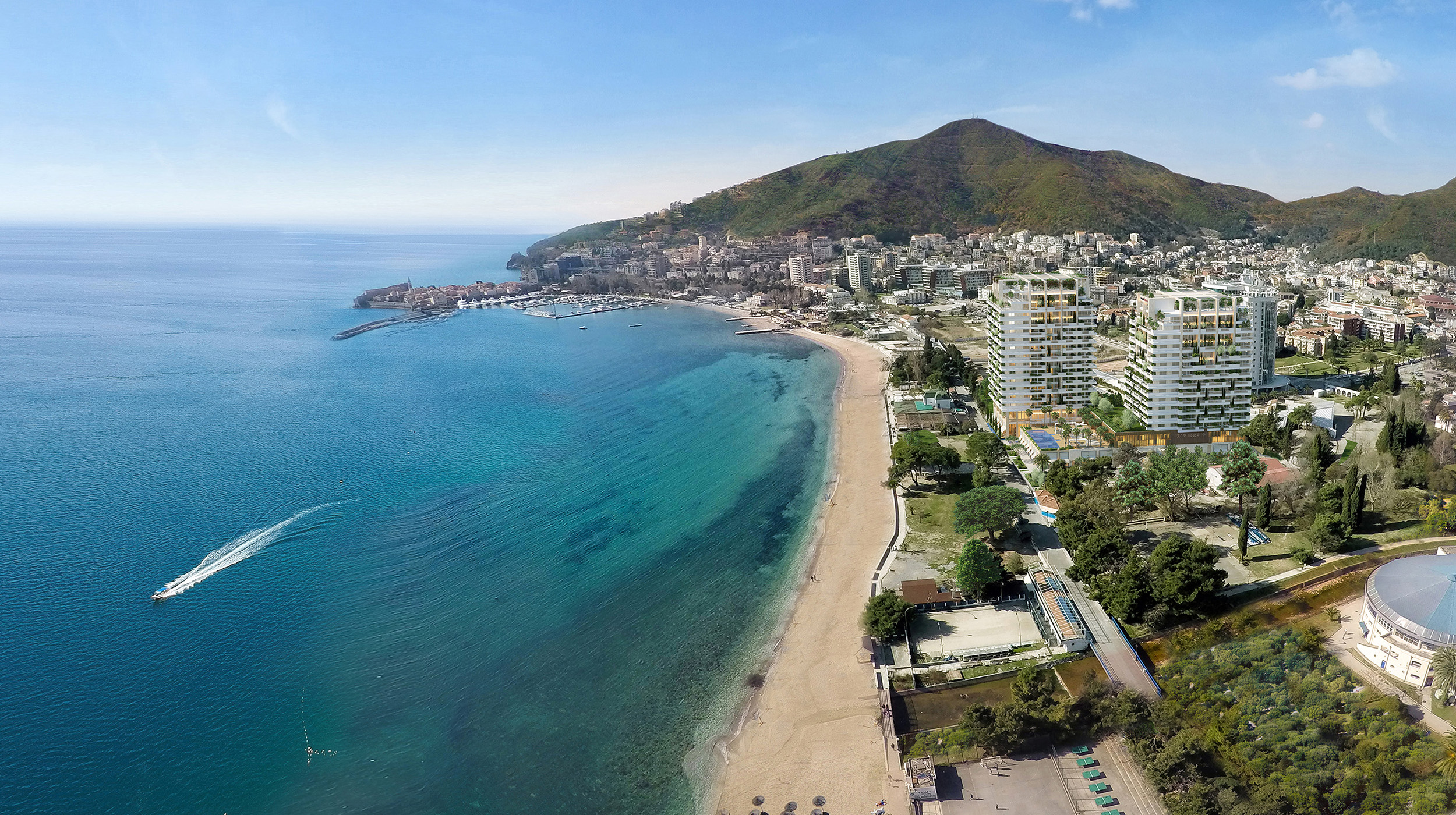
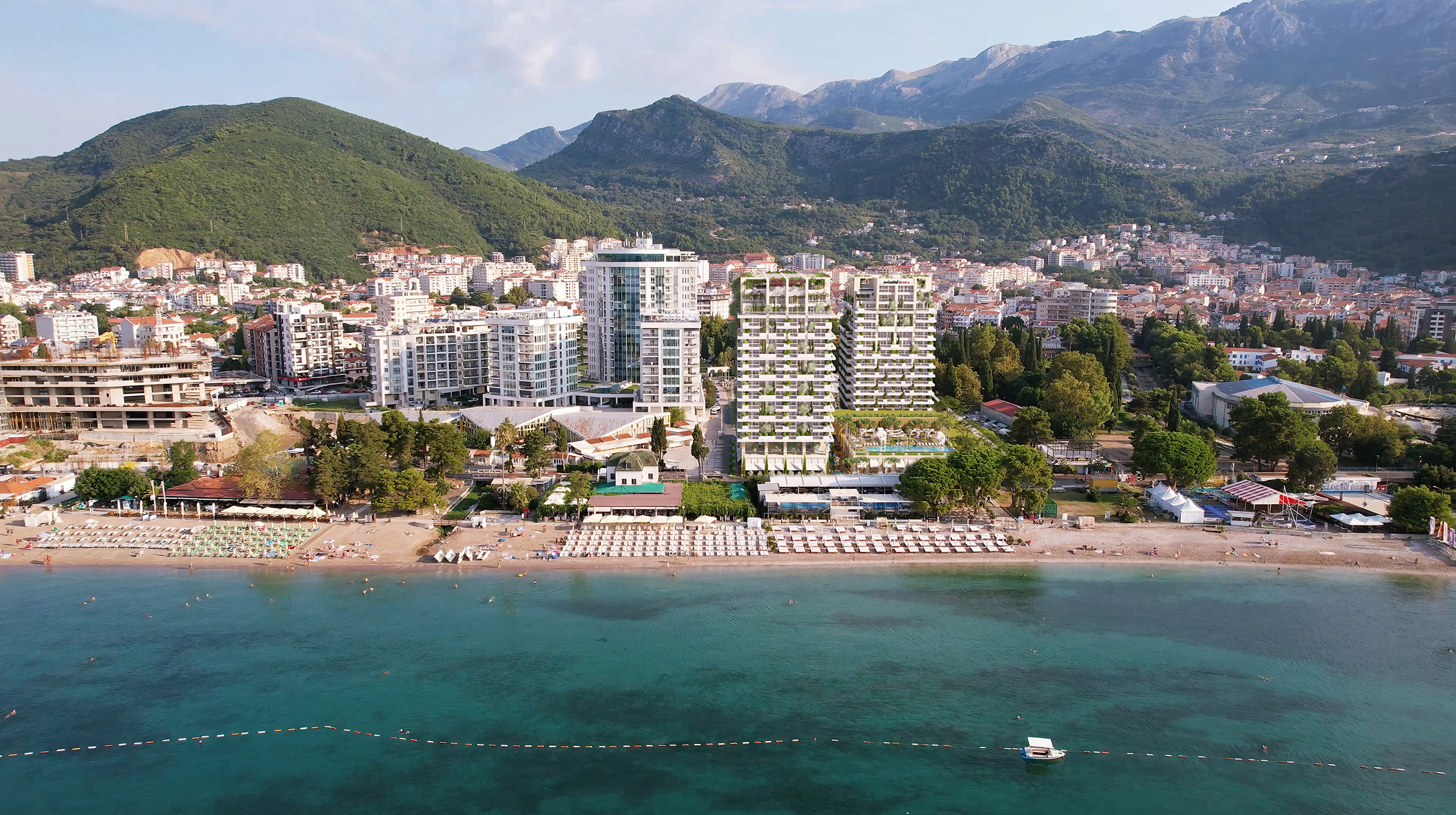
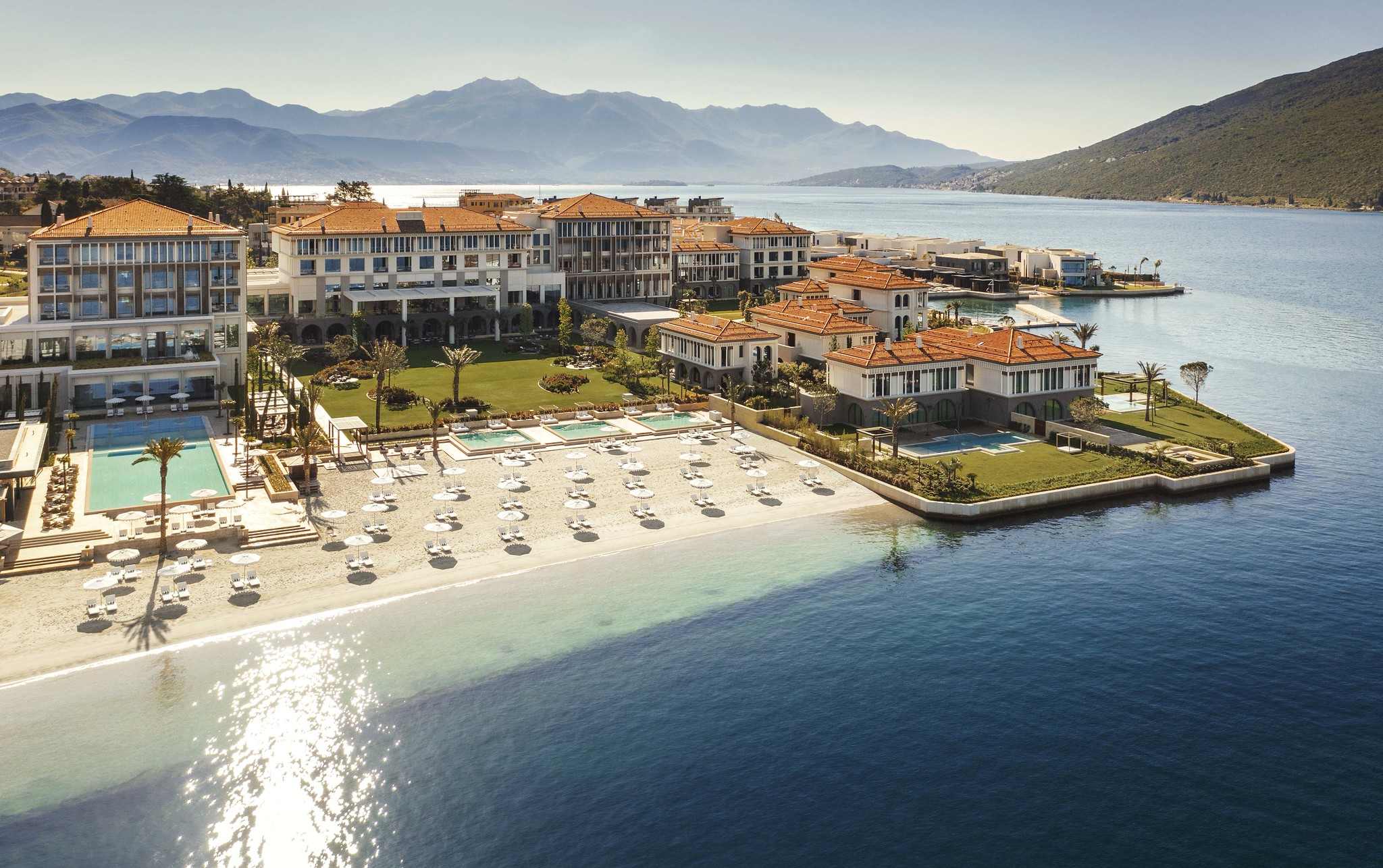
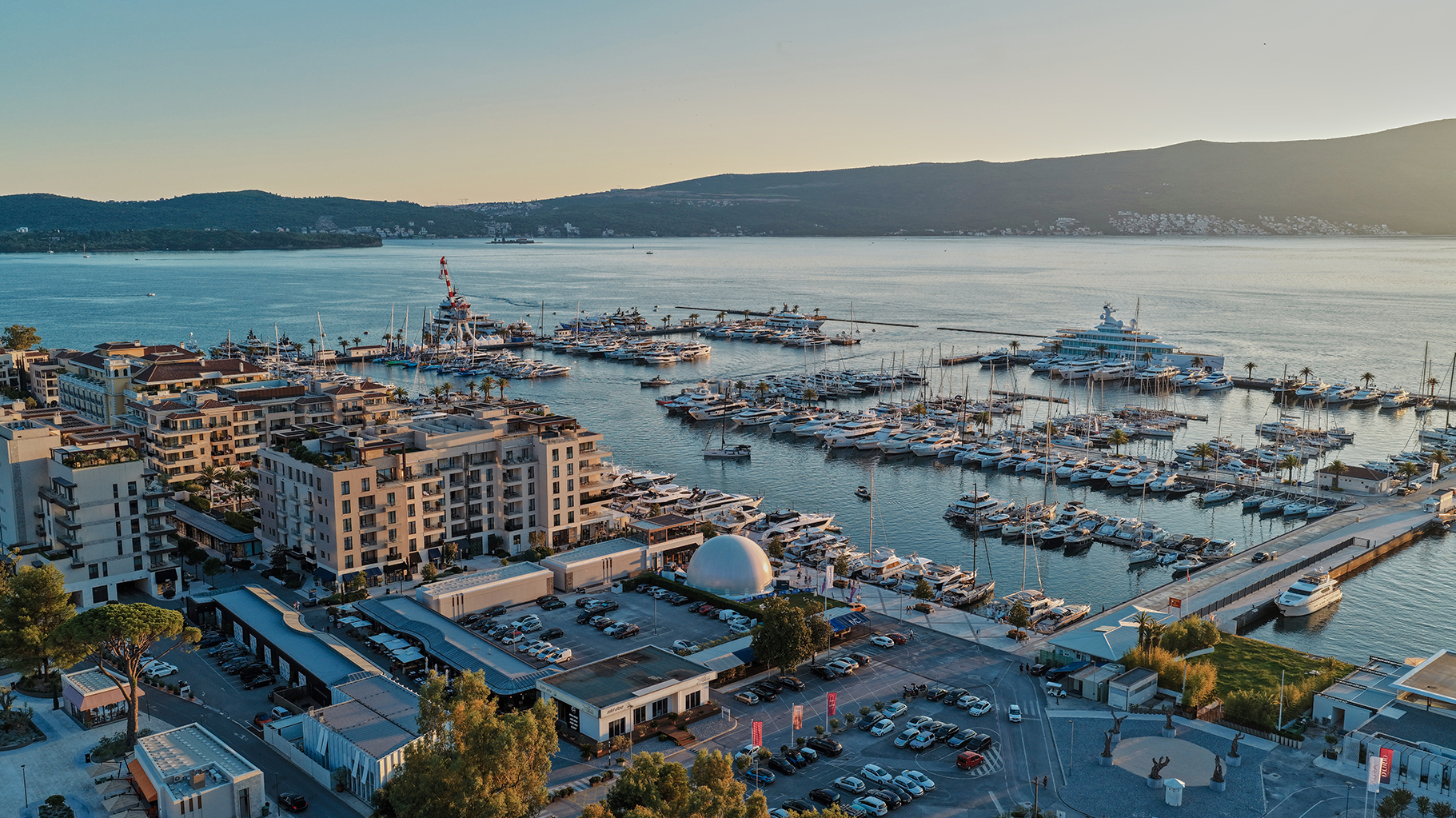
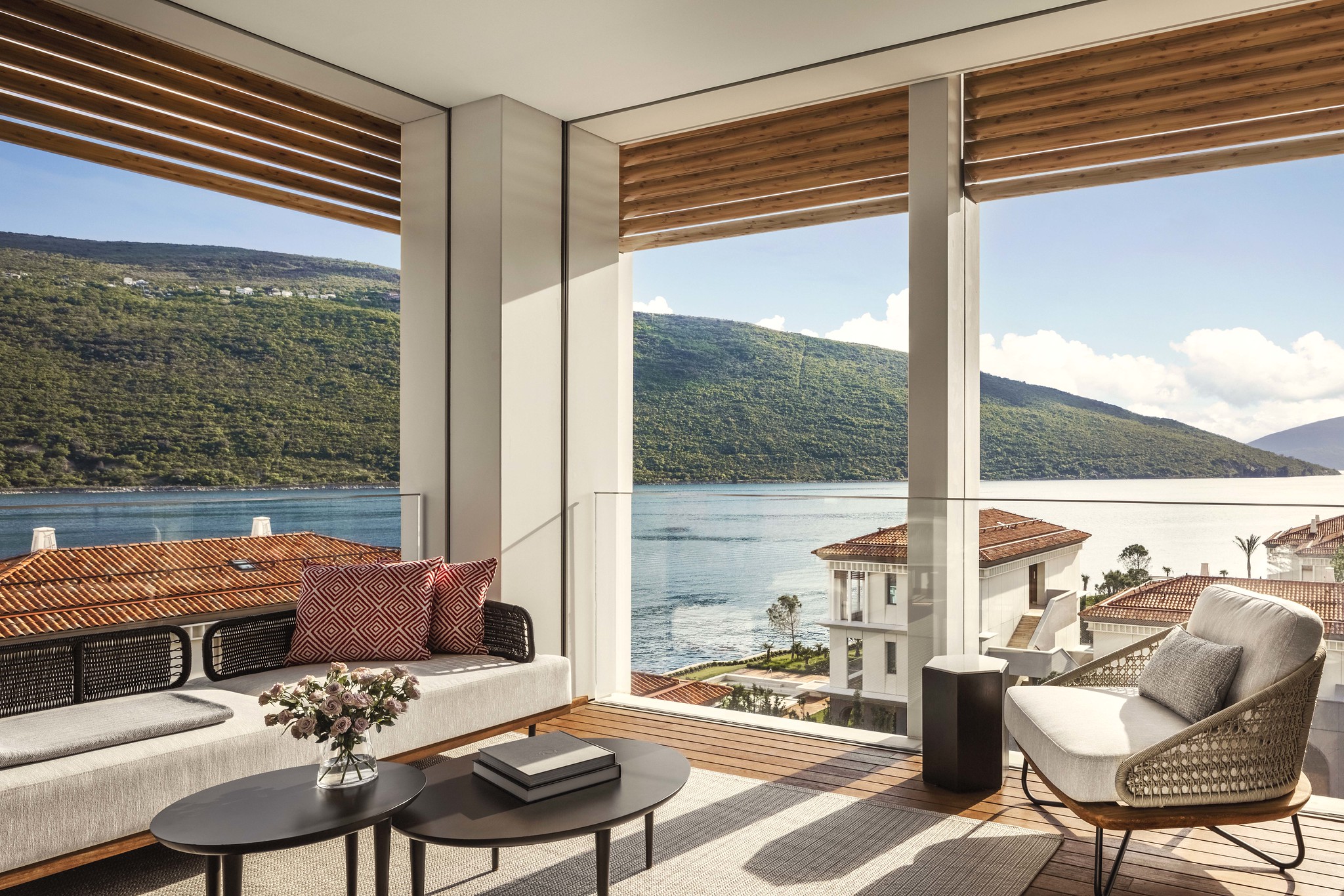
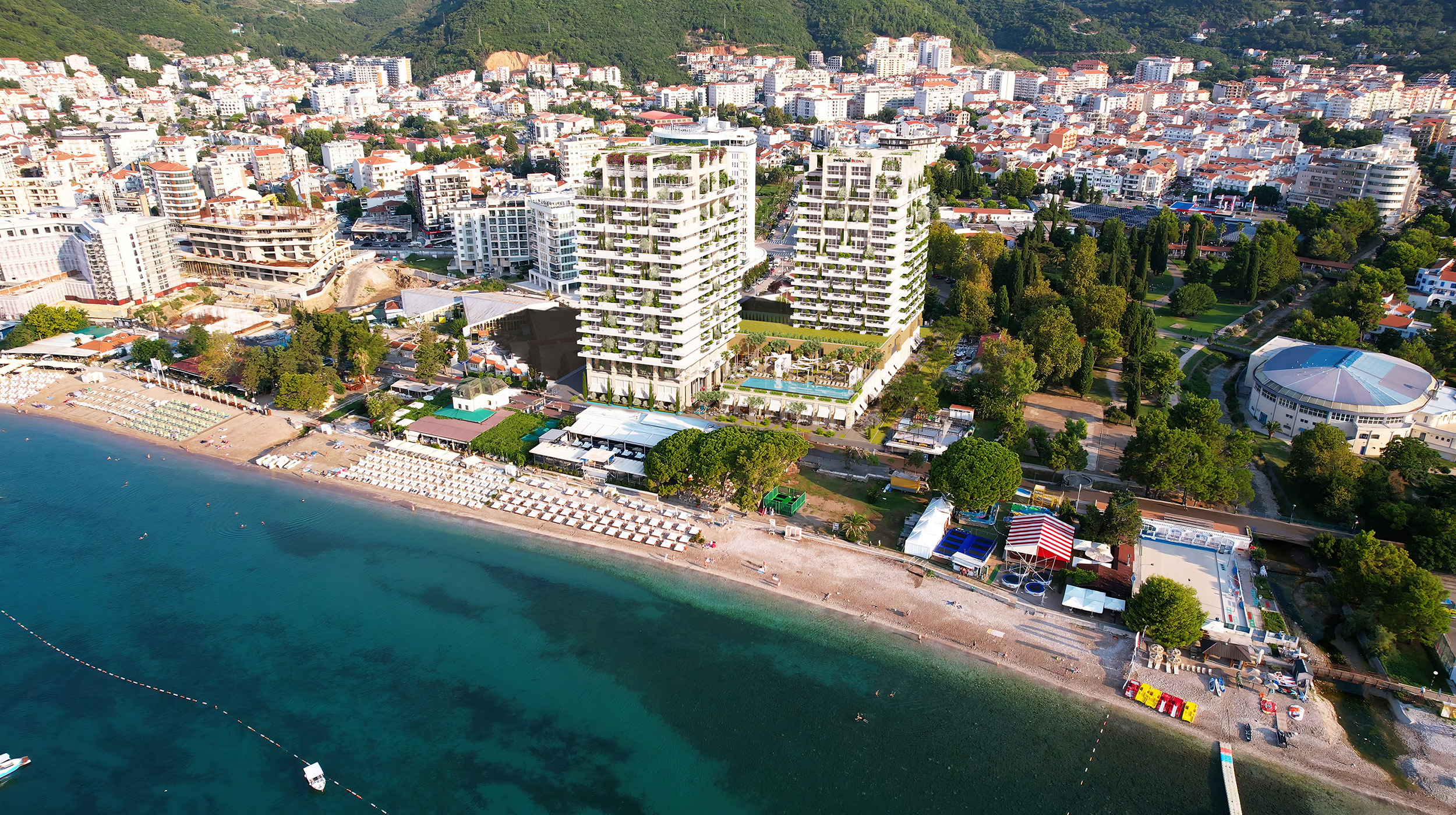
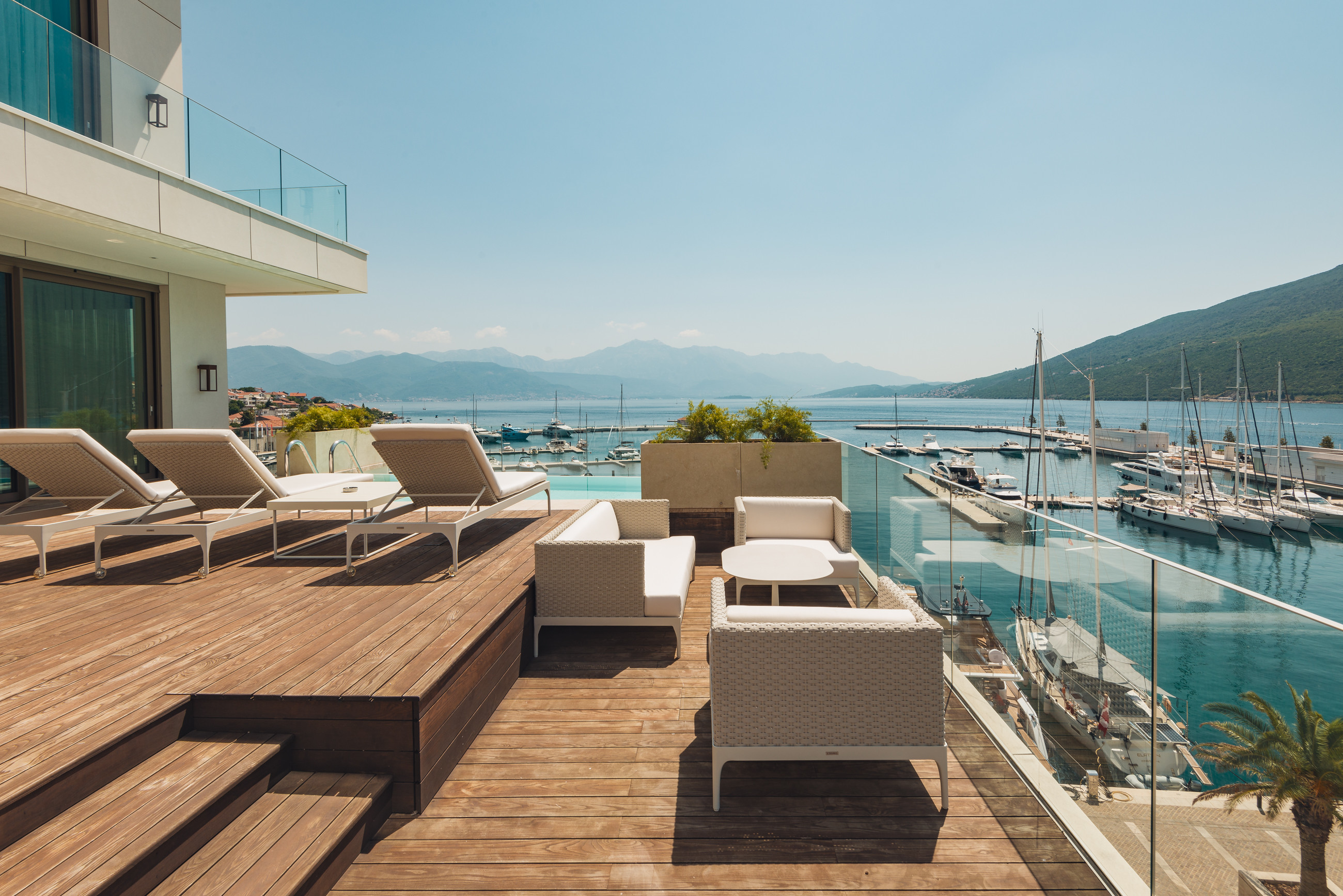
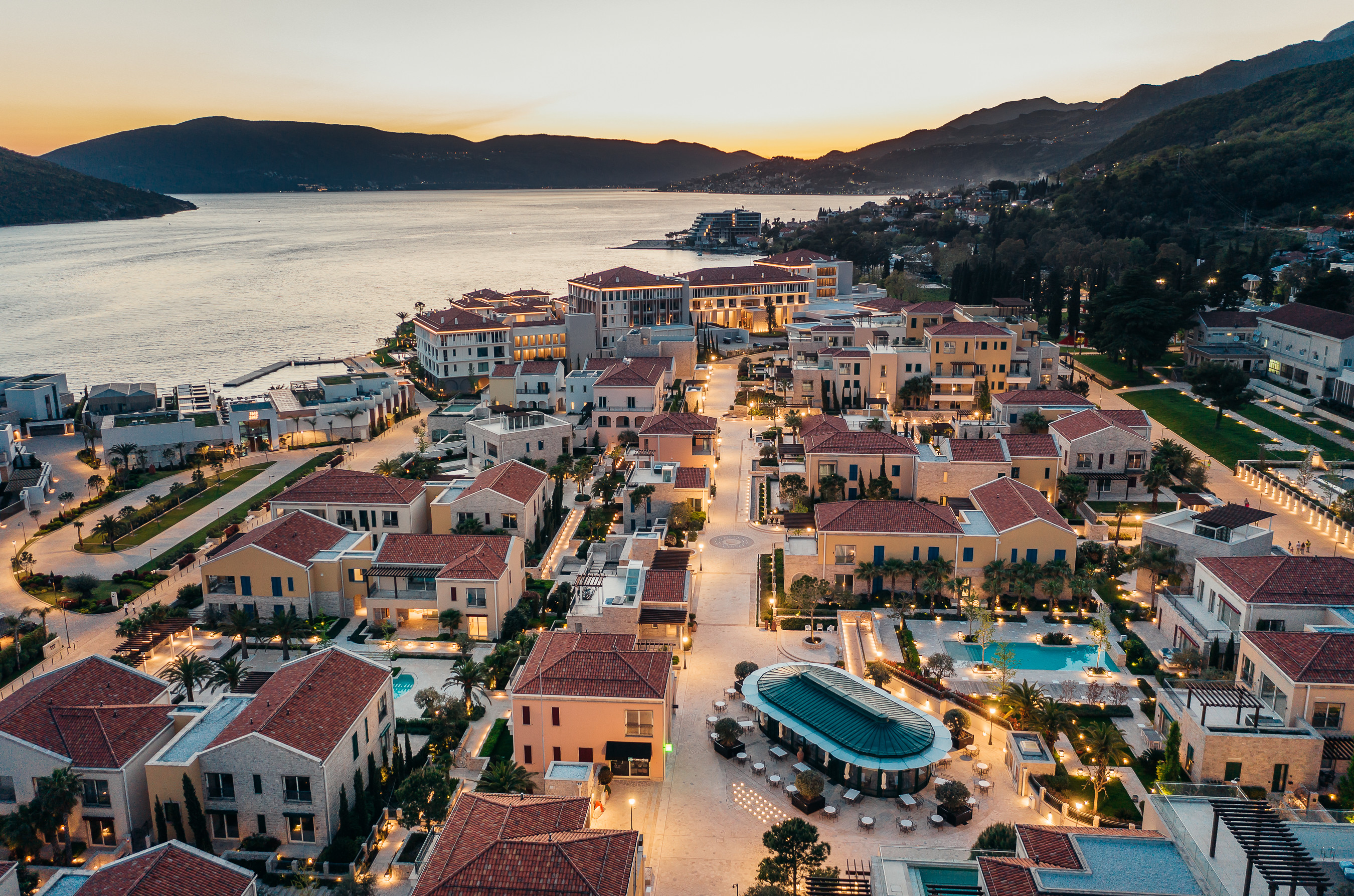
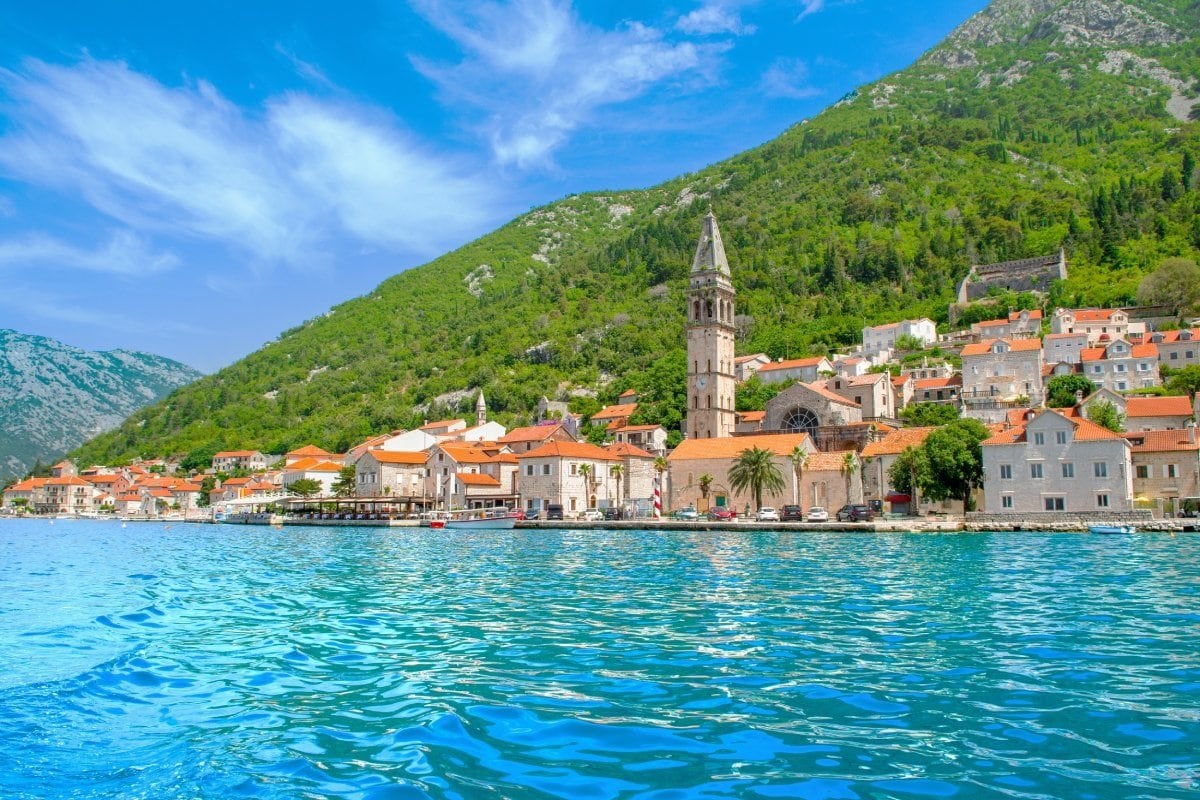
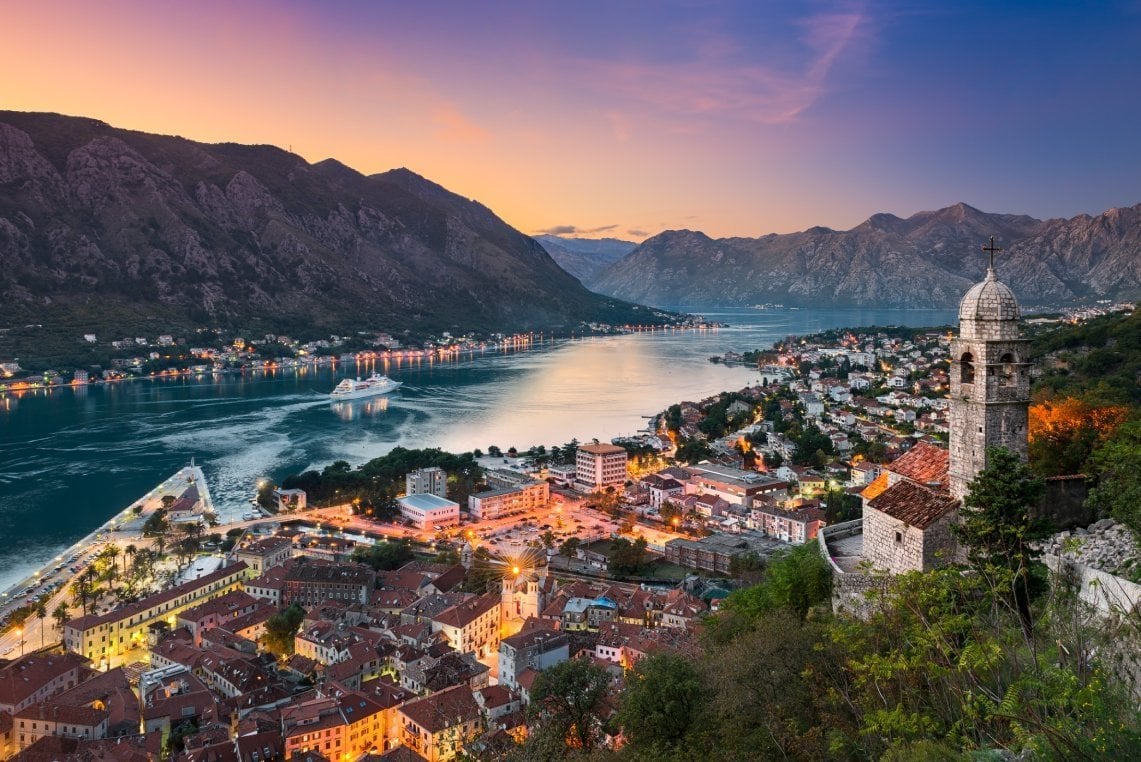
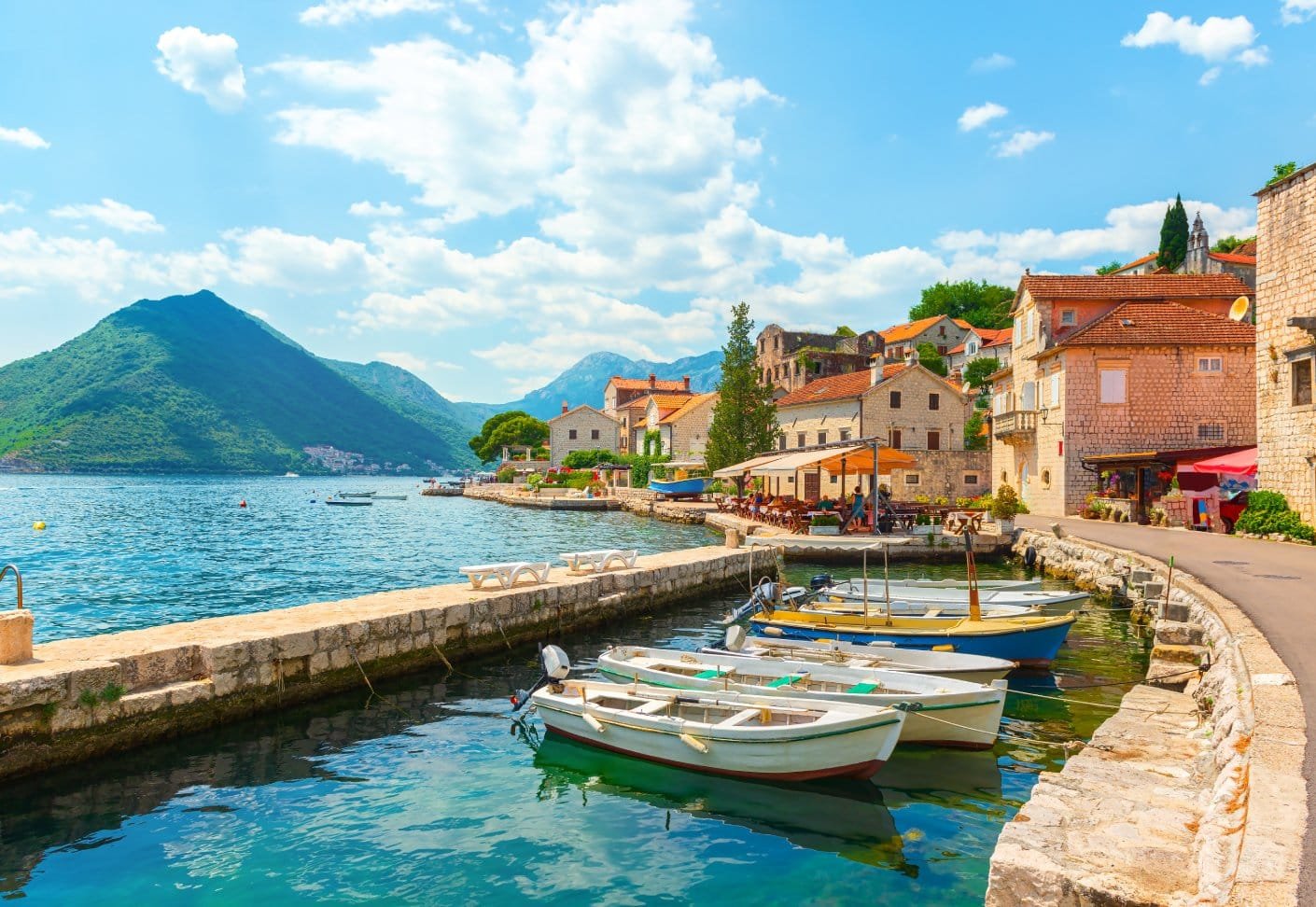
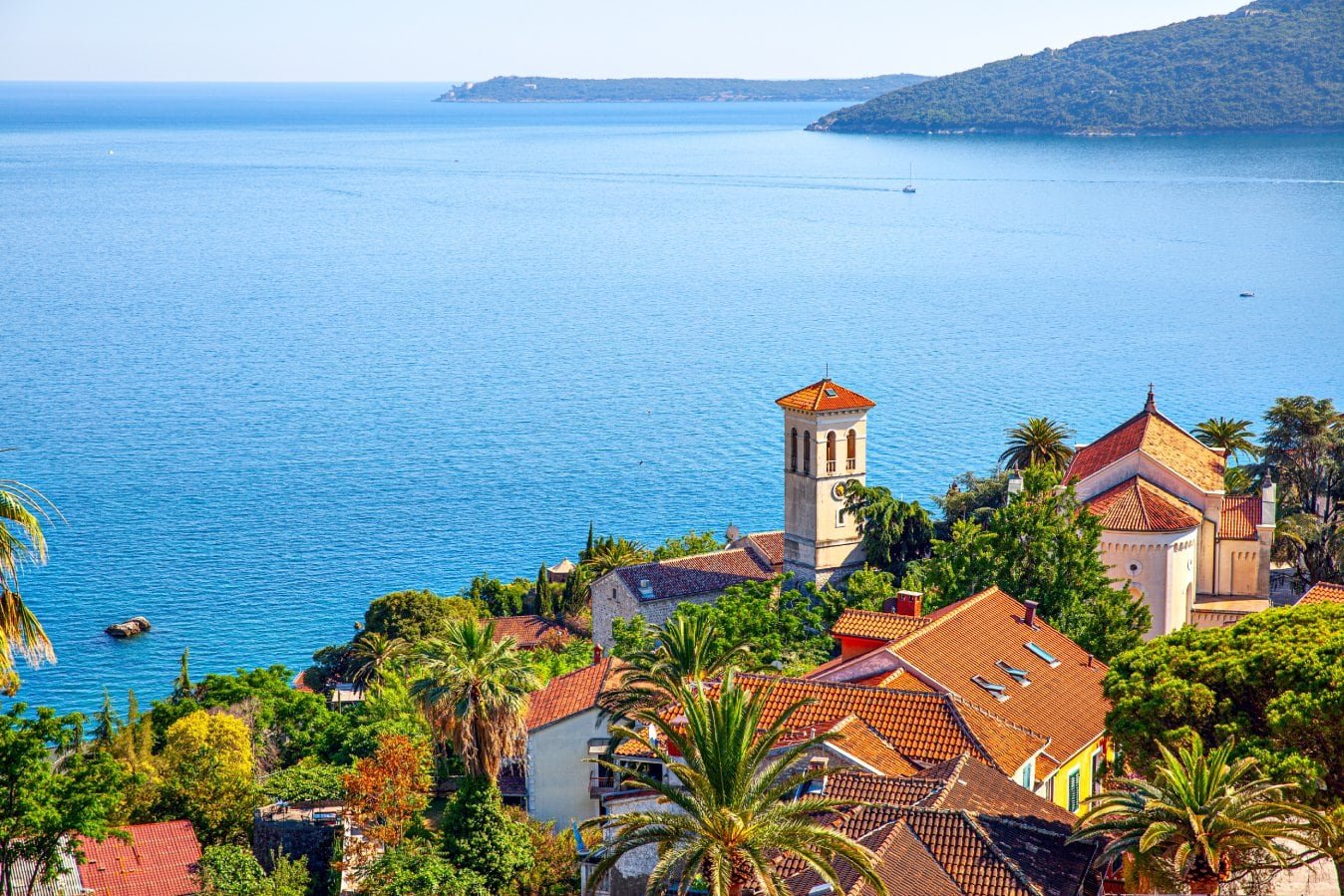
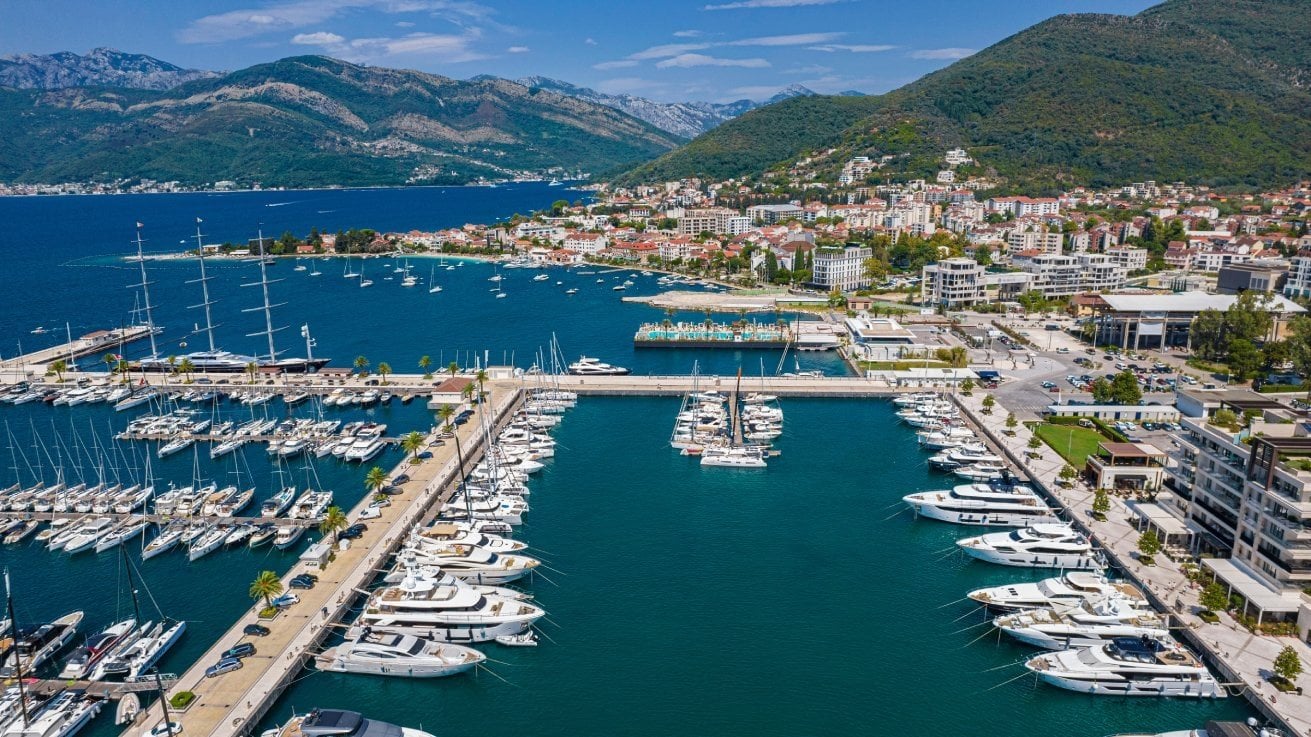
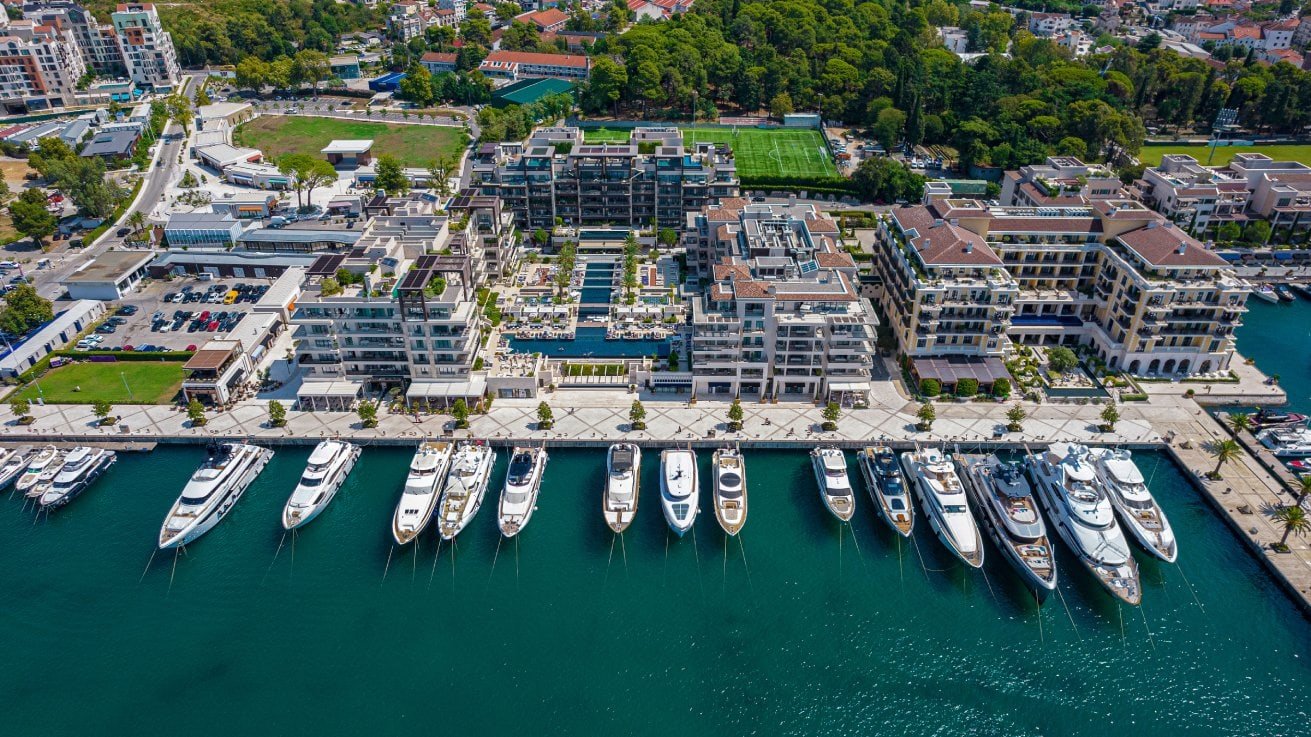
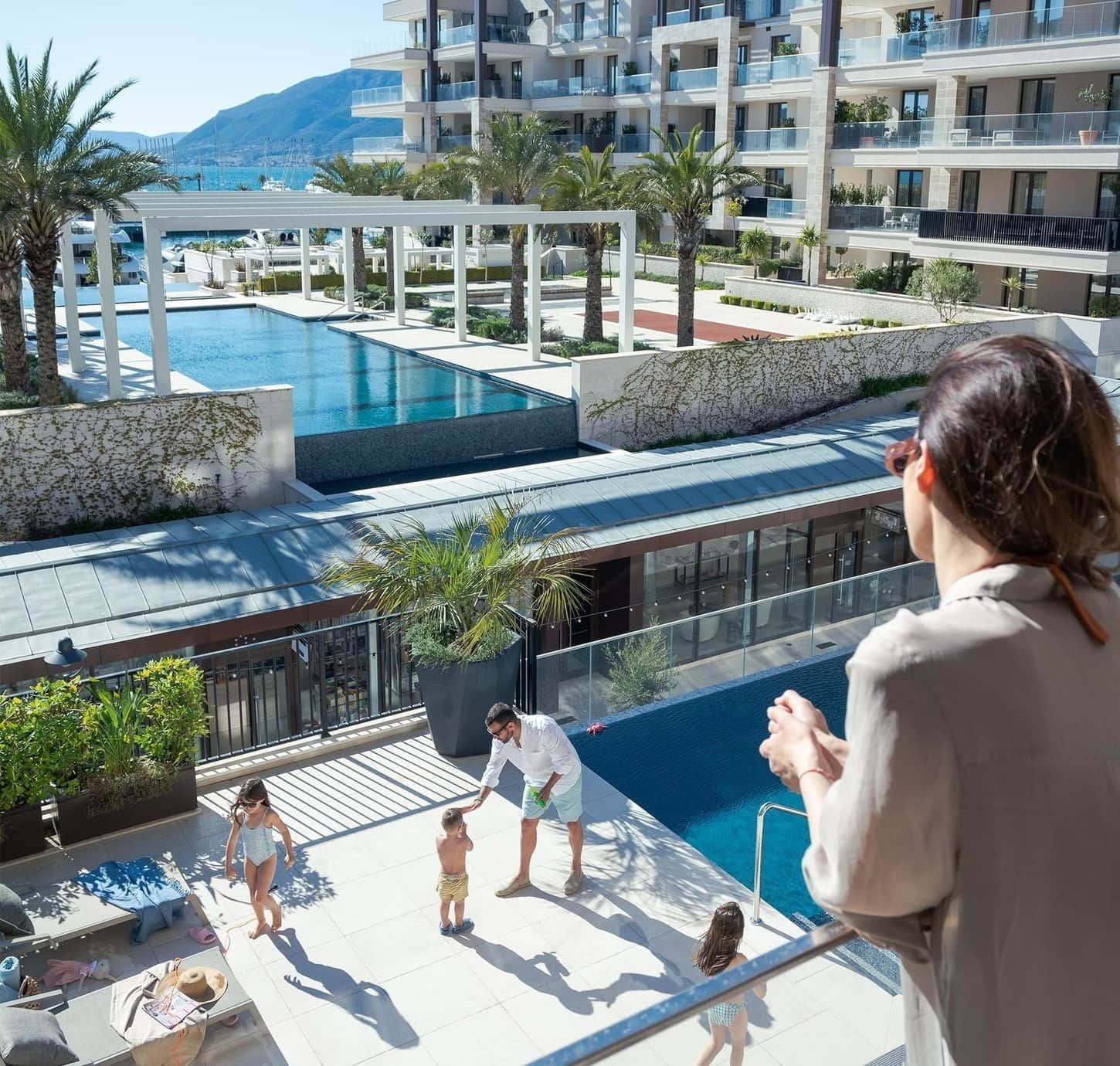
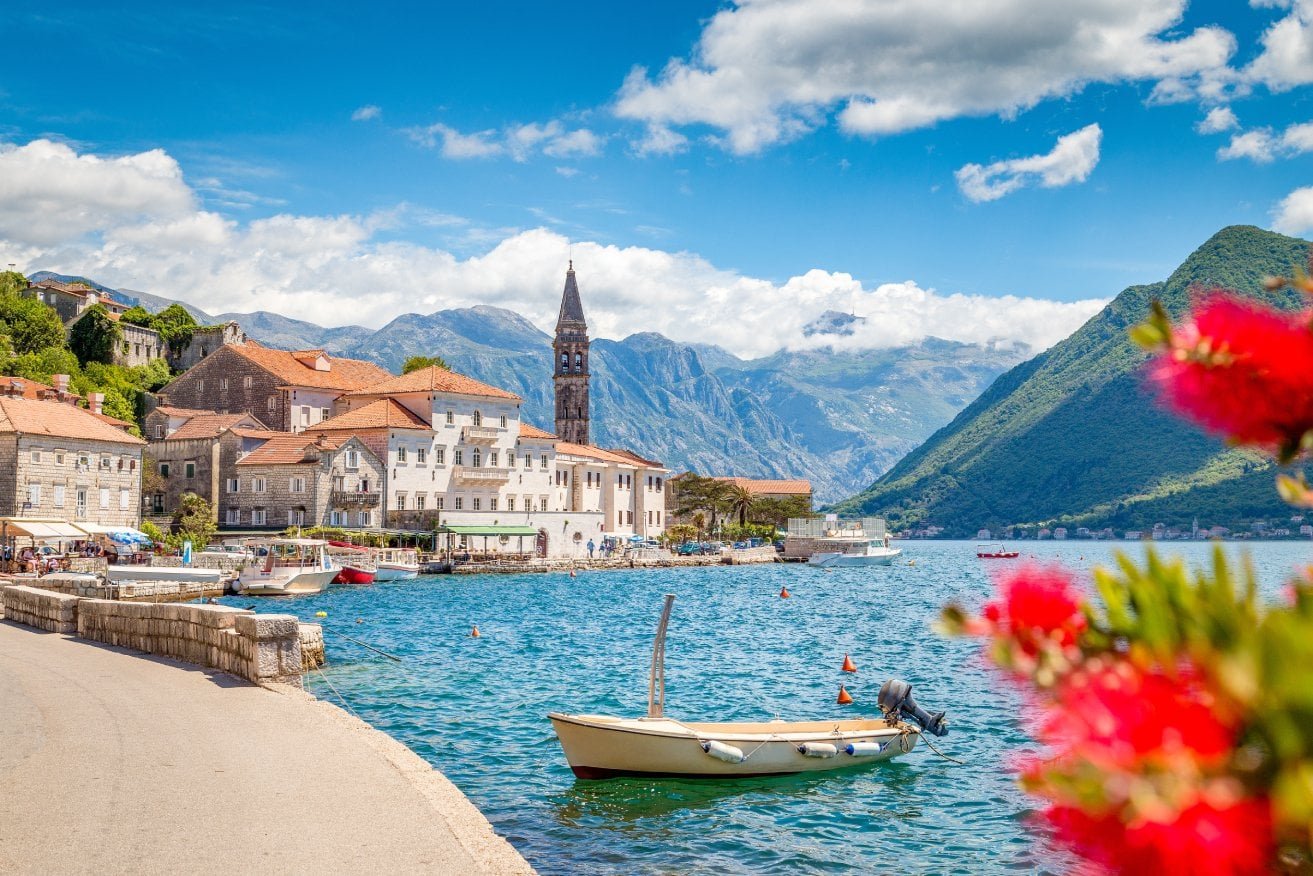
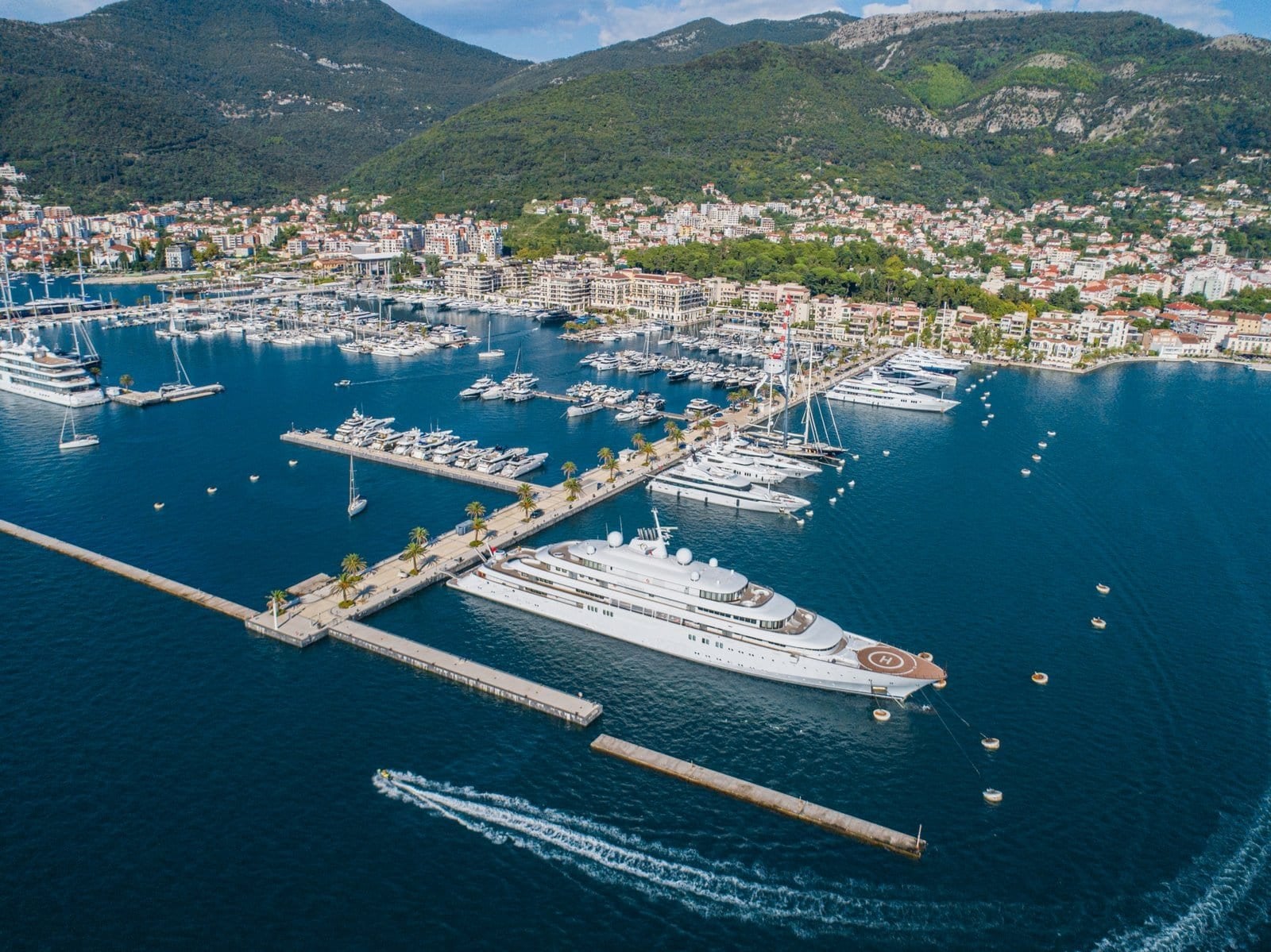
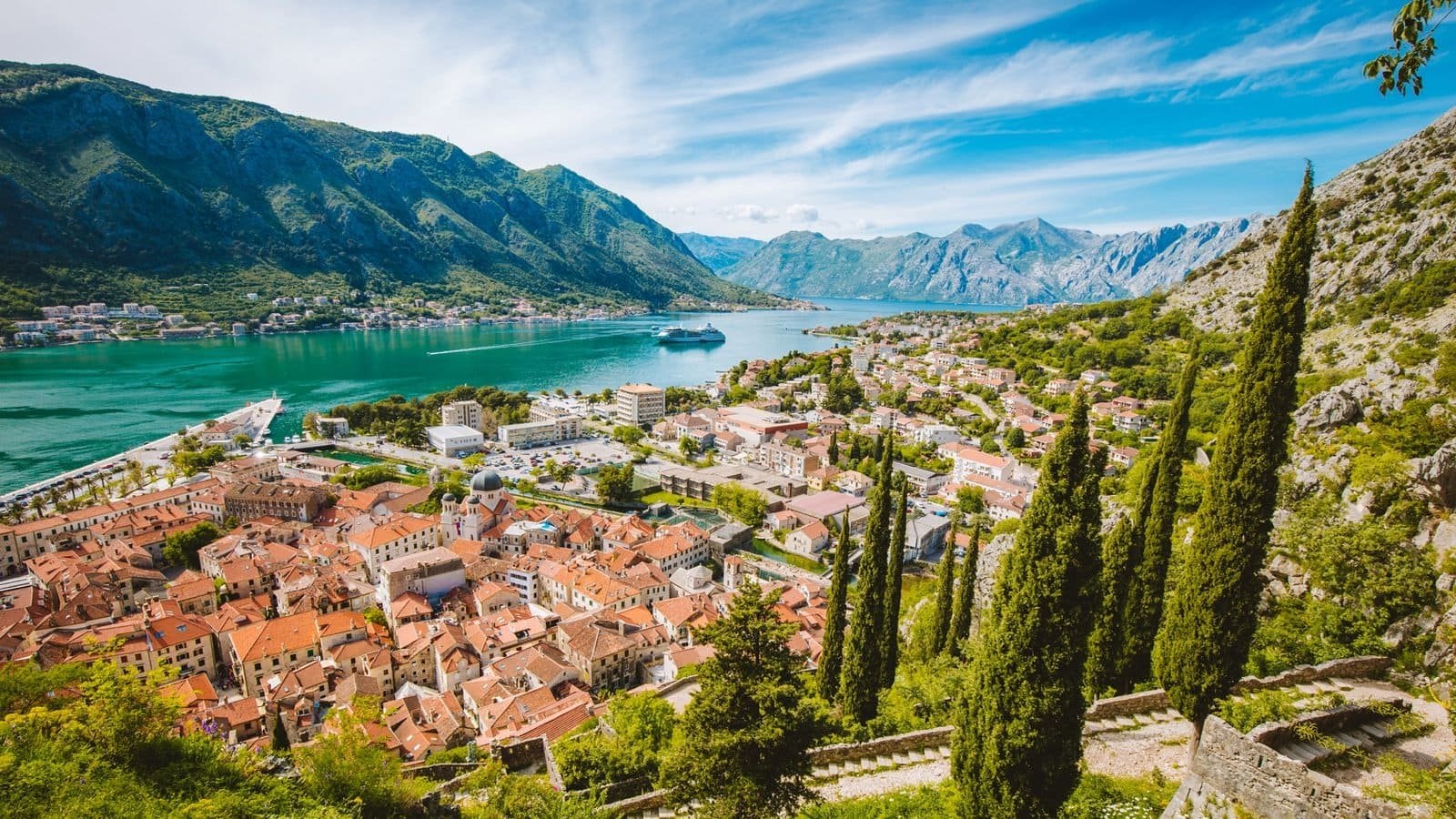
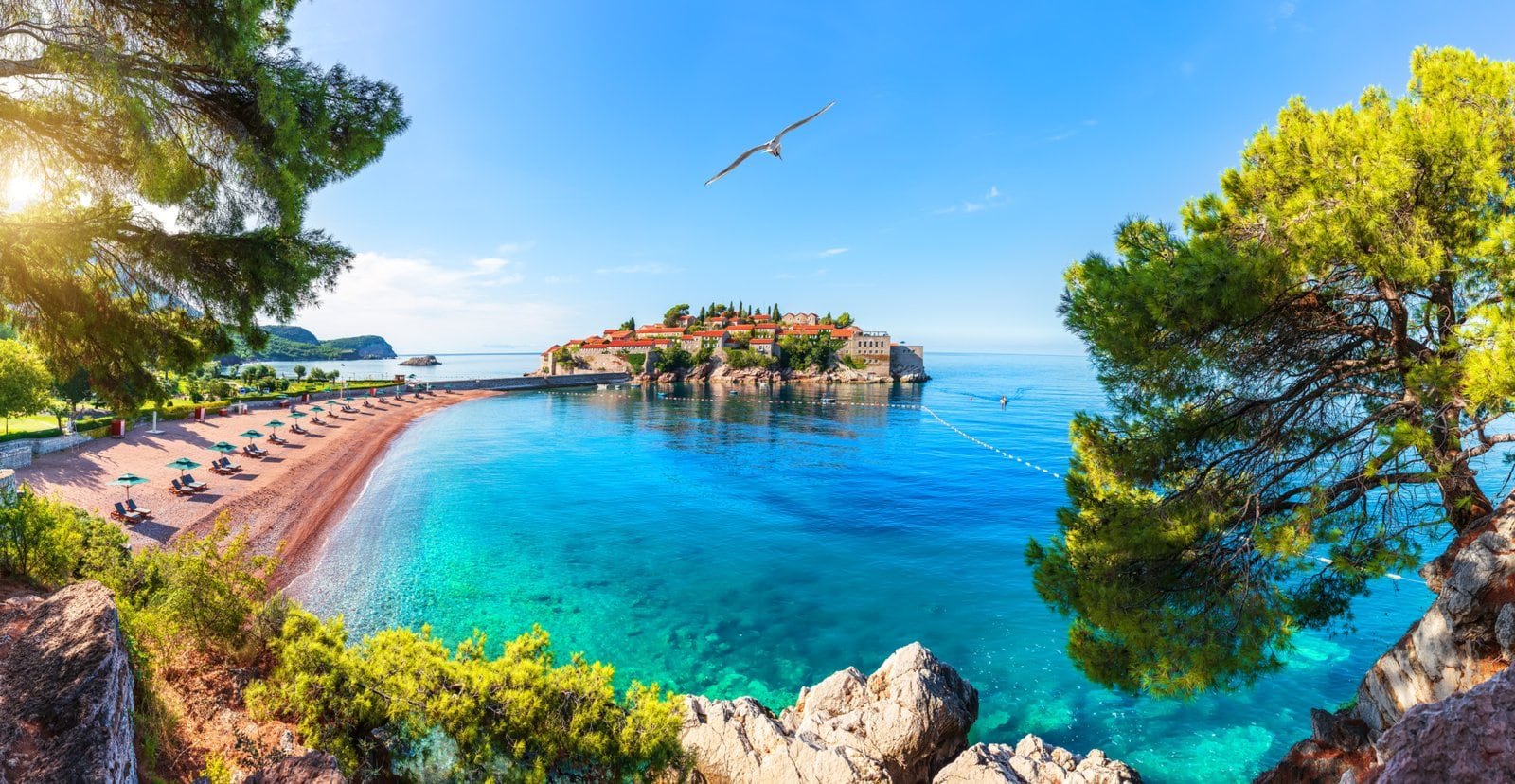
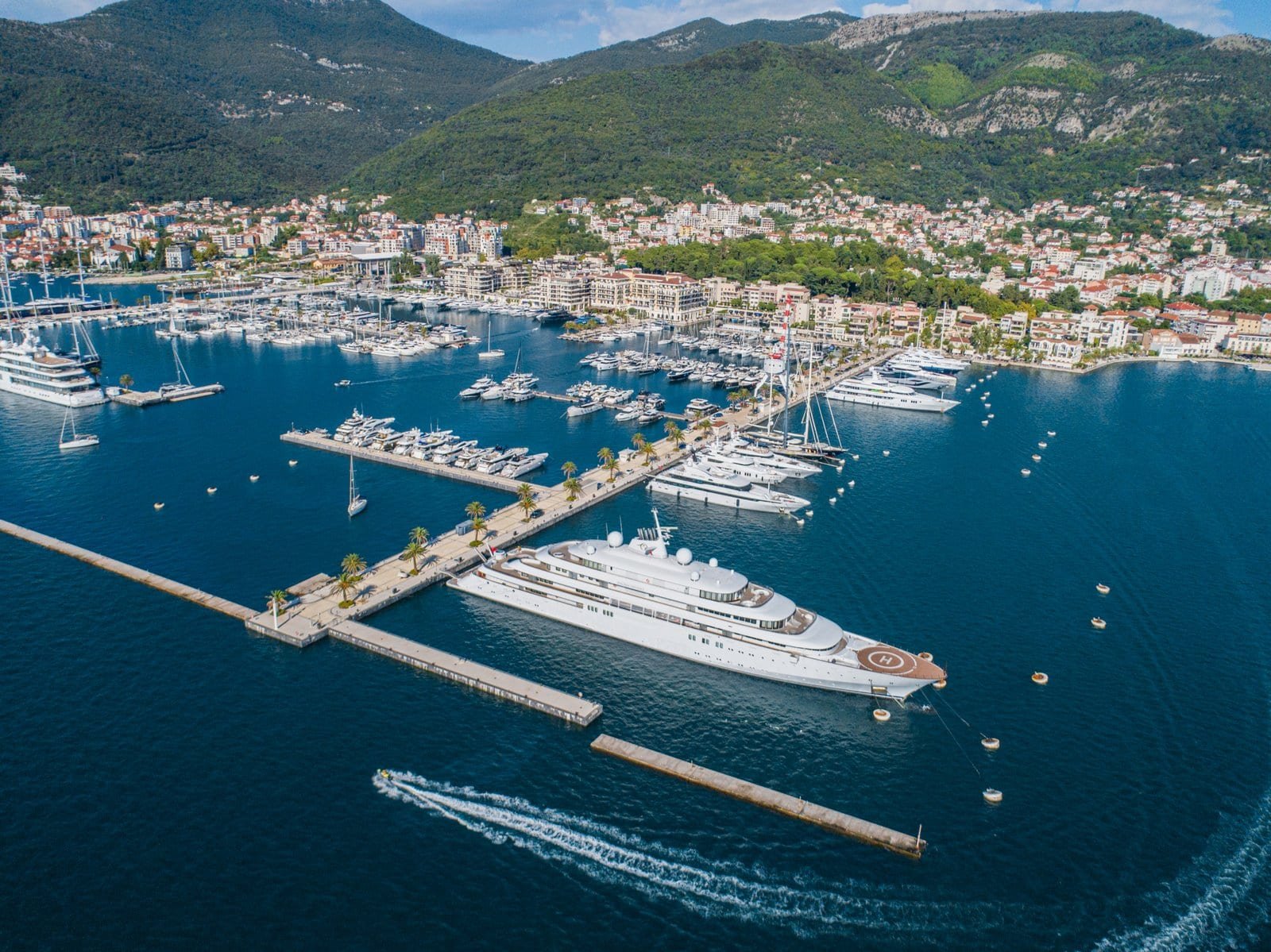
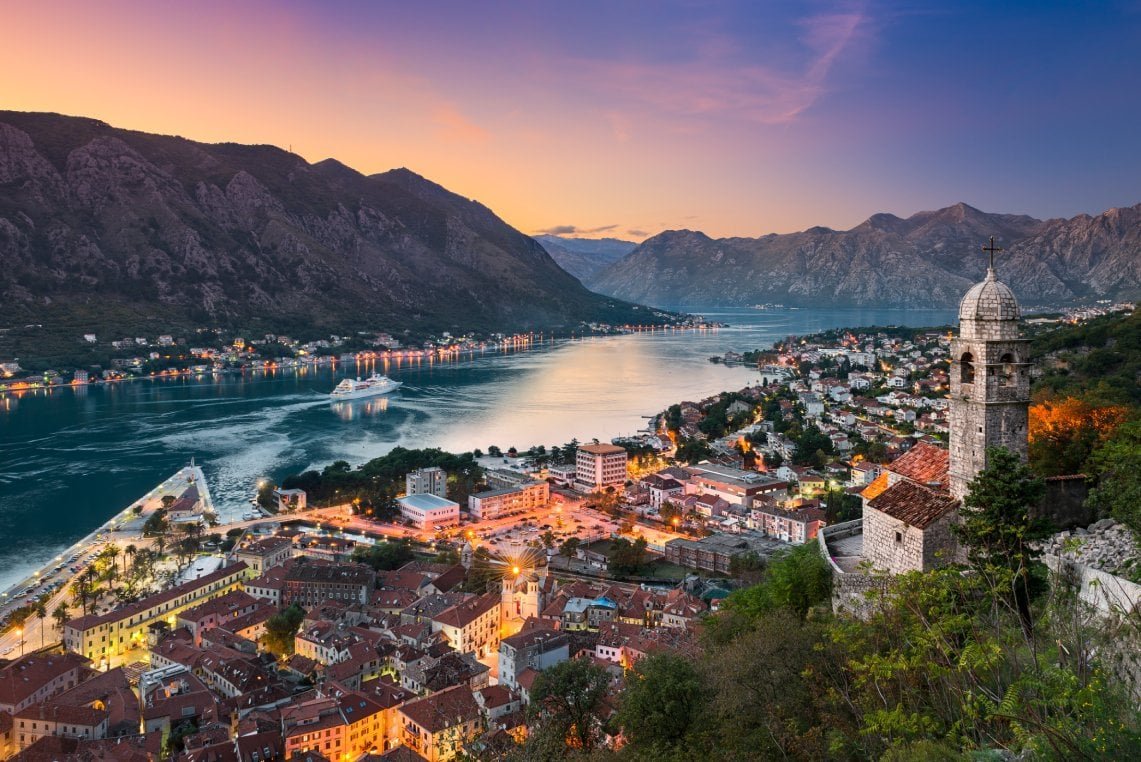
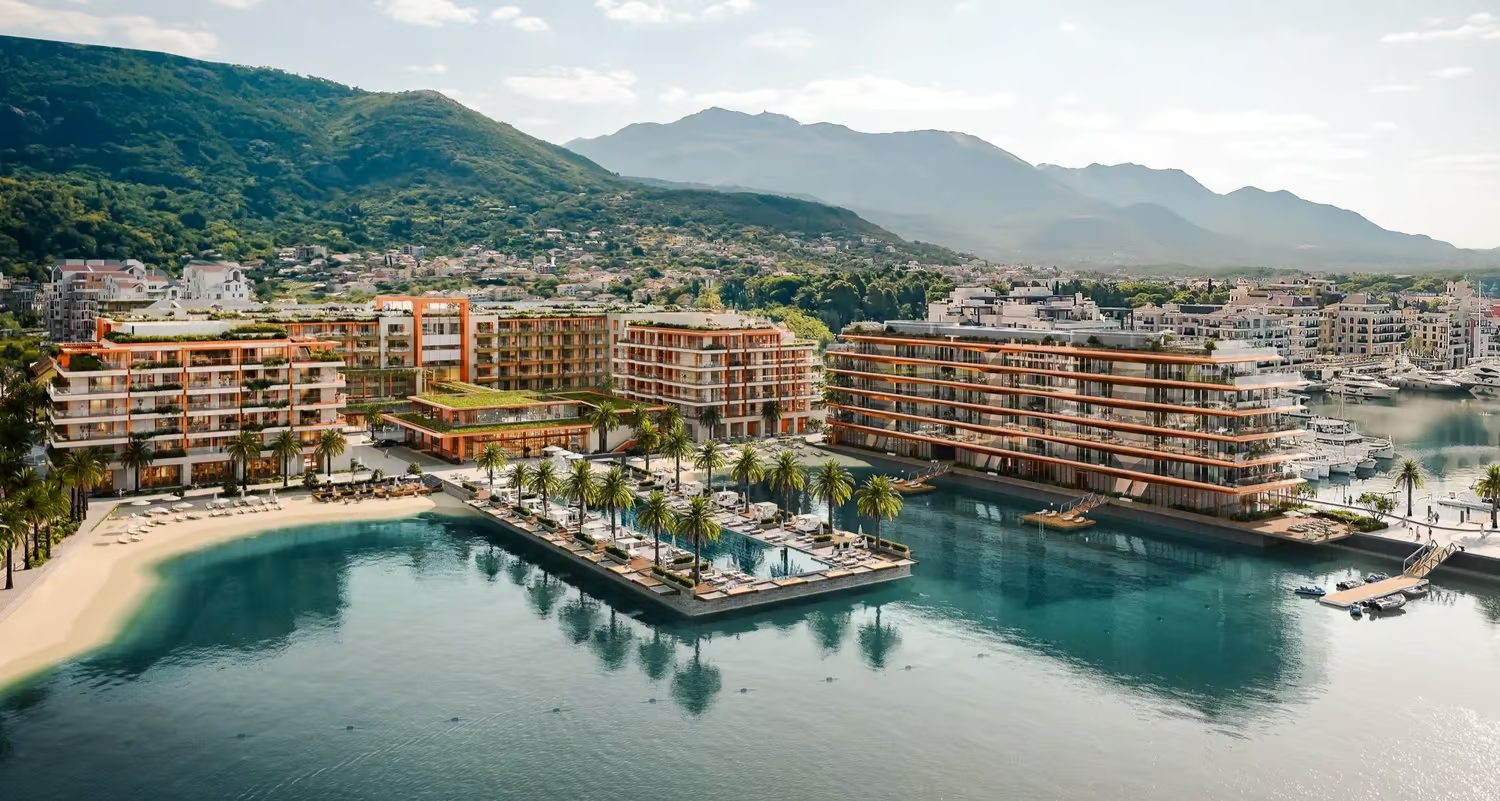
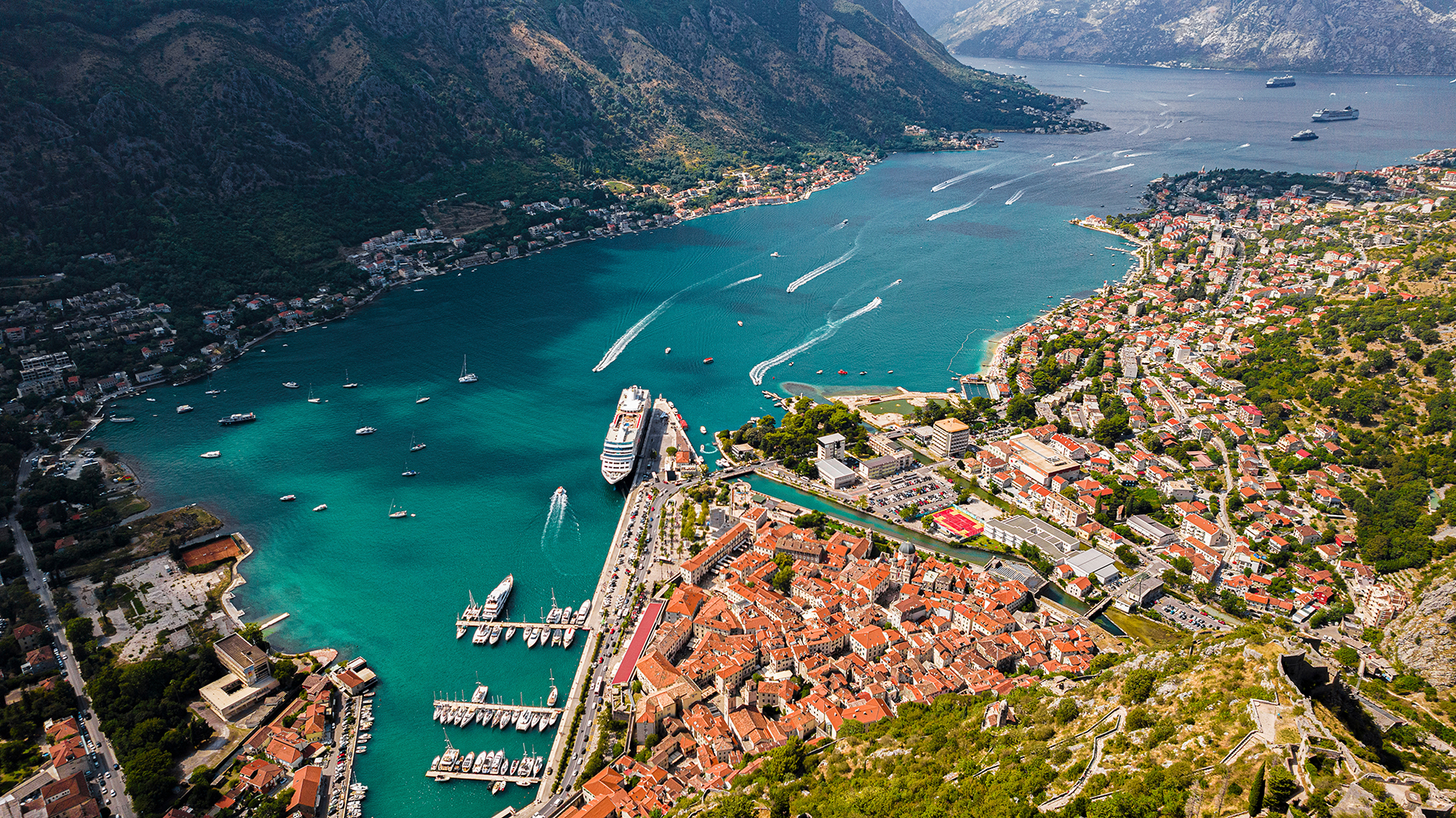
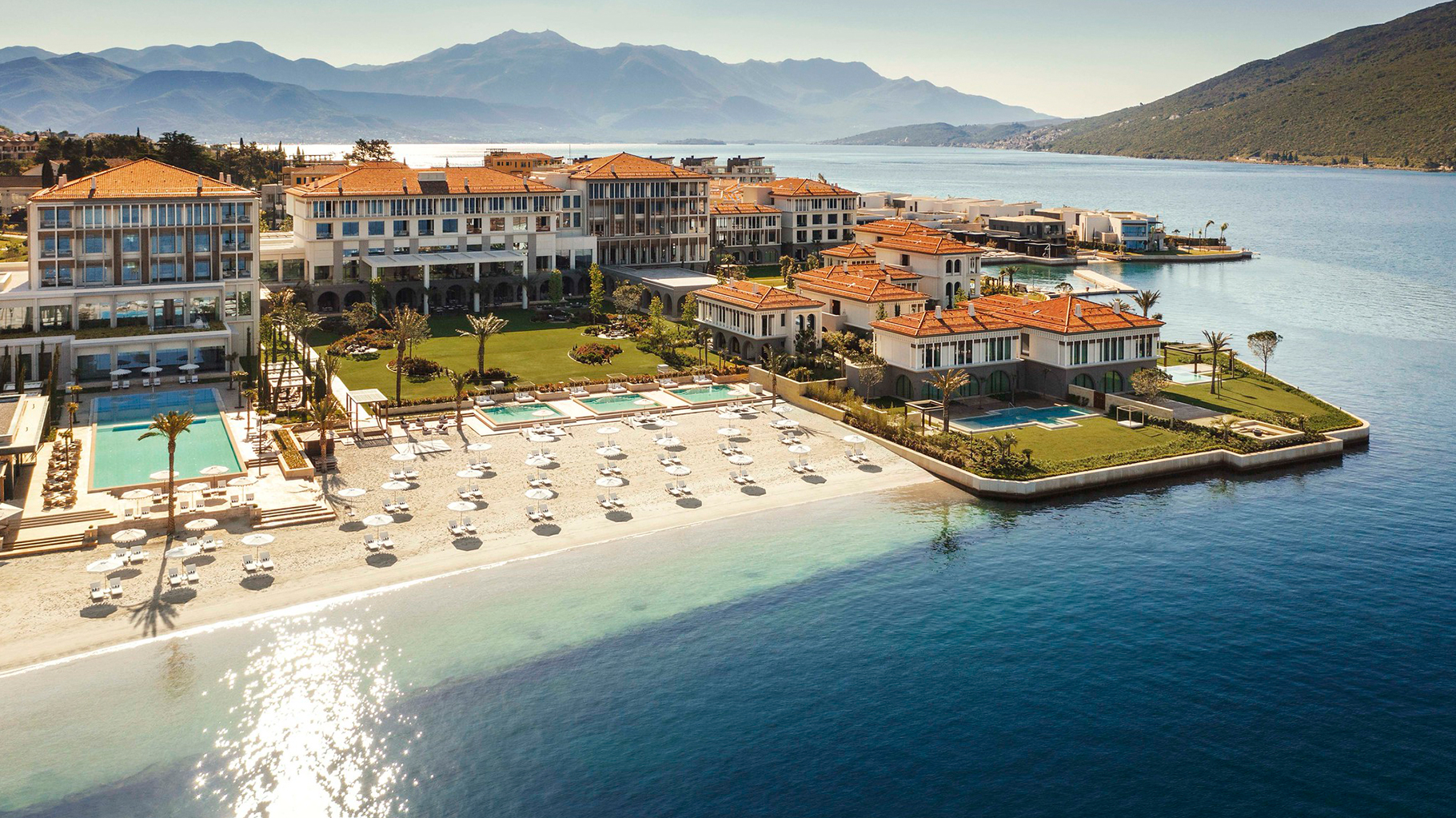
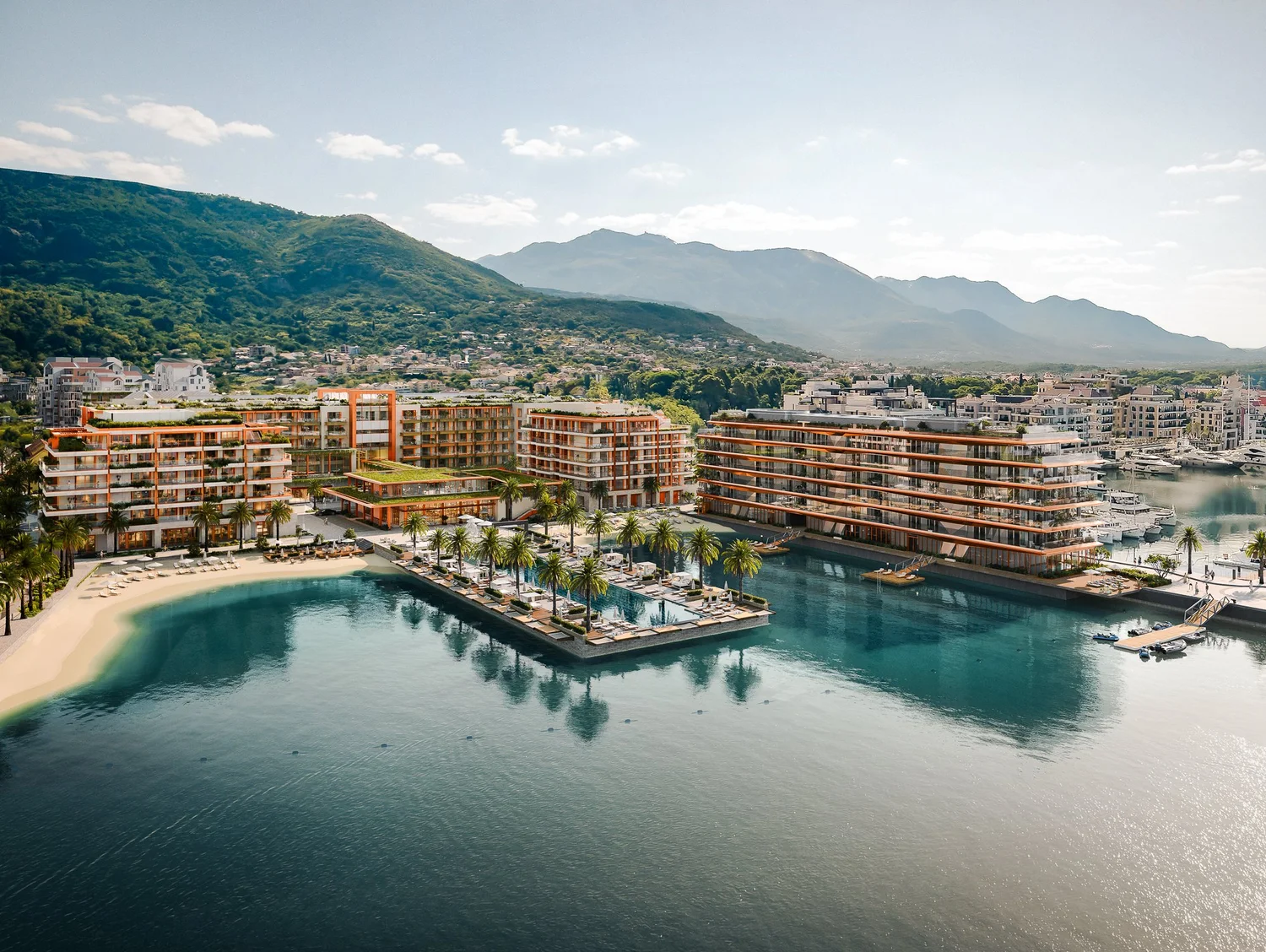
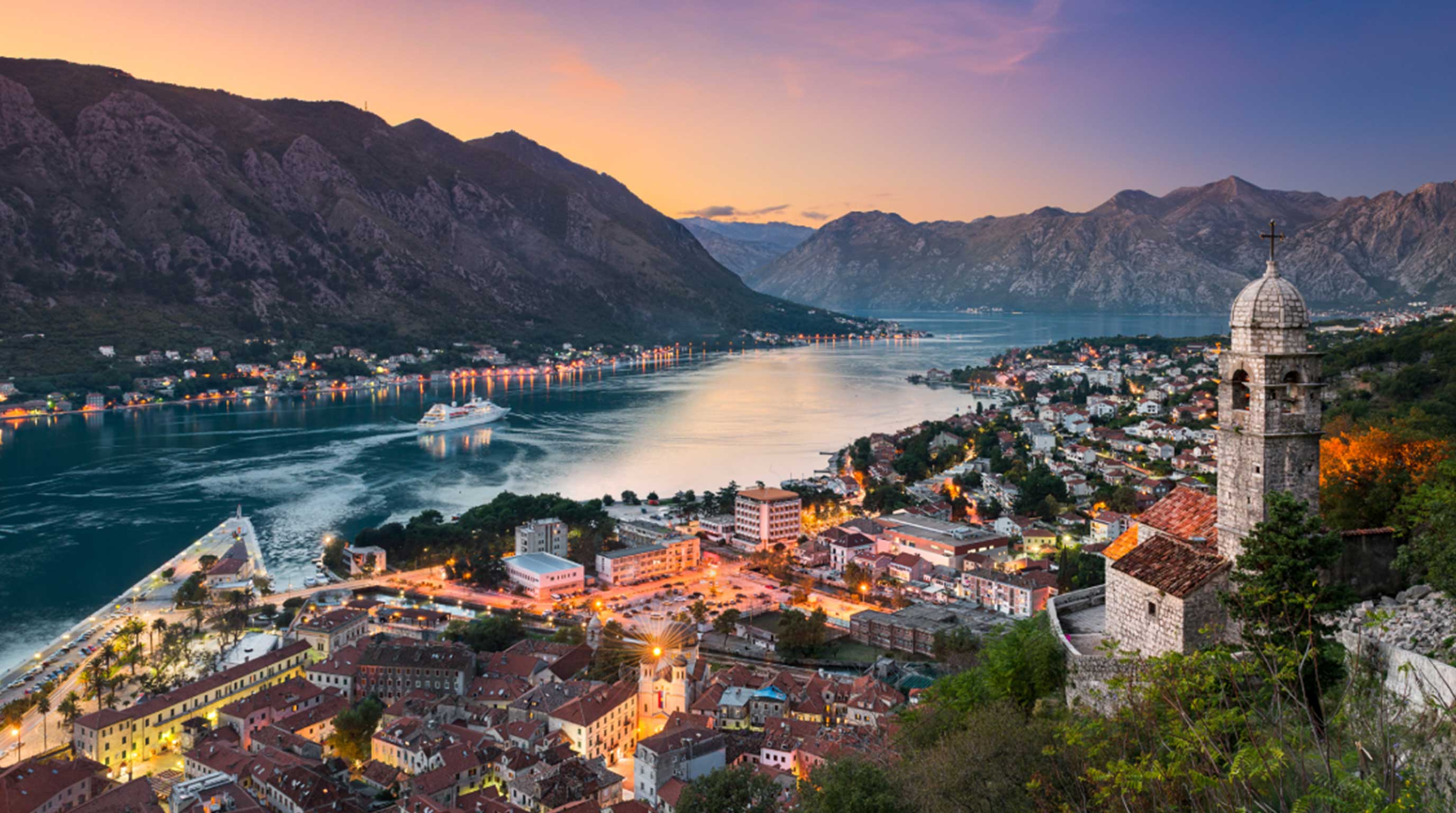
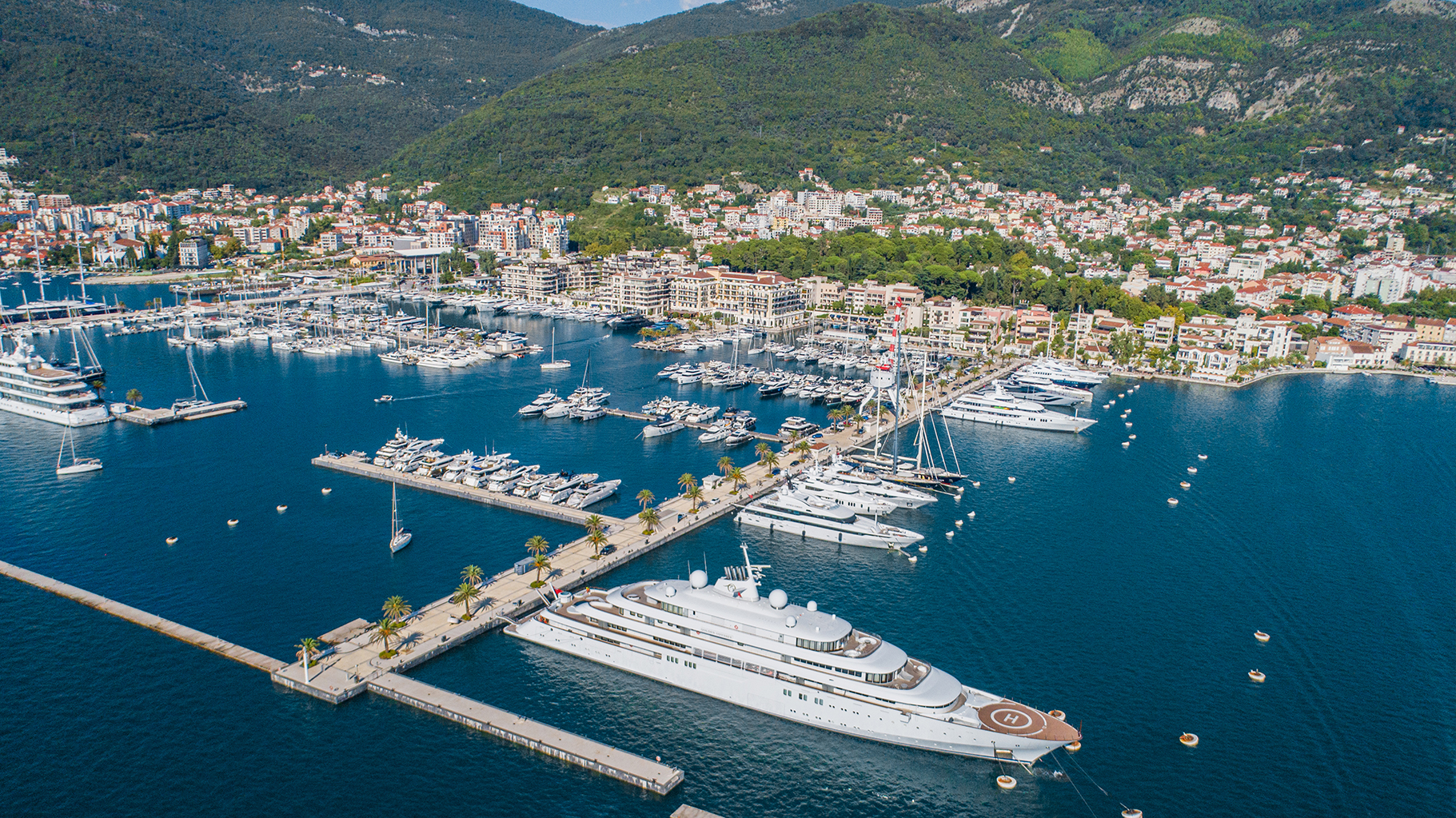
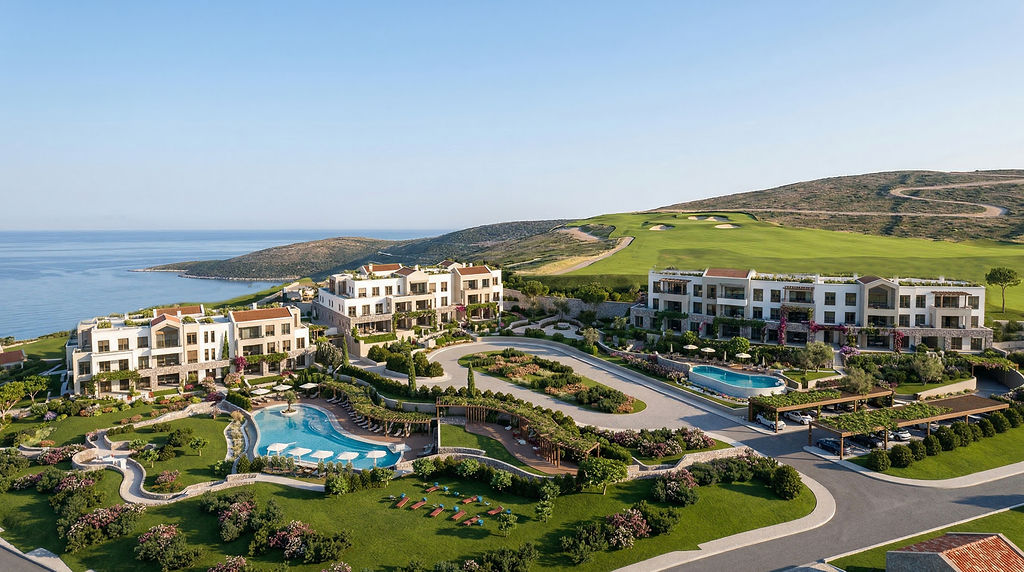
Choosing the right area significantly affects both the quality of daily life and the long-term strength of the asset. Tivat and the Porto Montenegro marina community offer a more international, amenity-rich base, with year-round residents and a functioning expat infrastructure already in place. Kotor Bay draws those who prefer a historic, quieter setting within reach of cultural life. The Budva Riviera, explored in our Budva real estate guide, is livelier and more varied in character, particularly suited to buyers who want proximity to commercial services and a broader social scene.
For a direct comparison between the bay’s two dominant residential locations, Bay of Kotor vs Budva covers the key differences in lifestyle, pricing and long-term capital positioning. The broader question of how Montenegro’s ongoing EU accession process is likely to affect property values over the medium term is addressed in our analysis of Montenegro’s EU accession trajectory.
Healthcare as a Resident
The UK has a reciprocal healthcare agreement with Montenegro, which provides some access to public healthcare for British visitors. As a resident rather than a visitor, however, this agreement does not substitute for local health cover. Most expat retirees arrange private health insurance, with local policies typically ranging from €50 to €100 per month depending on age and the scope of coverage chosen. Public healthcare is accessible and affordable by Western European standards. Many residents supplement it with private clinic access, particularly for specialist consultations where English-language service is more reliably available.
UK Pension Income in Montenegro
You can claim and receive your UK State Pension while resident in Montenegro. The practical process involves notifying the UK Pension Service of your overseas address, selecting a foreign bank account for payment, and confirming whether your pension will receive annual increases abroad. Pension uprating for overseas residents depends on UK government policy at the time of retirement and is worth confirming directly with HMRC before you leave.
Workplace and personal pensions can also be drawn while abroad. The structuring question, specifically whether to crystallise a pension before or after establishing Montenegrin tax residency, is precisely where professional advice adds measurable value. The interaction of UK pension rules with Montenegro’s DTA is not complex in principle, but it requires precise execution to achieve the intended tax outcome.
Where to Buy
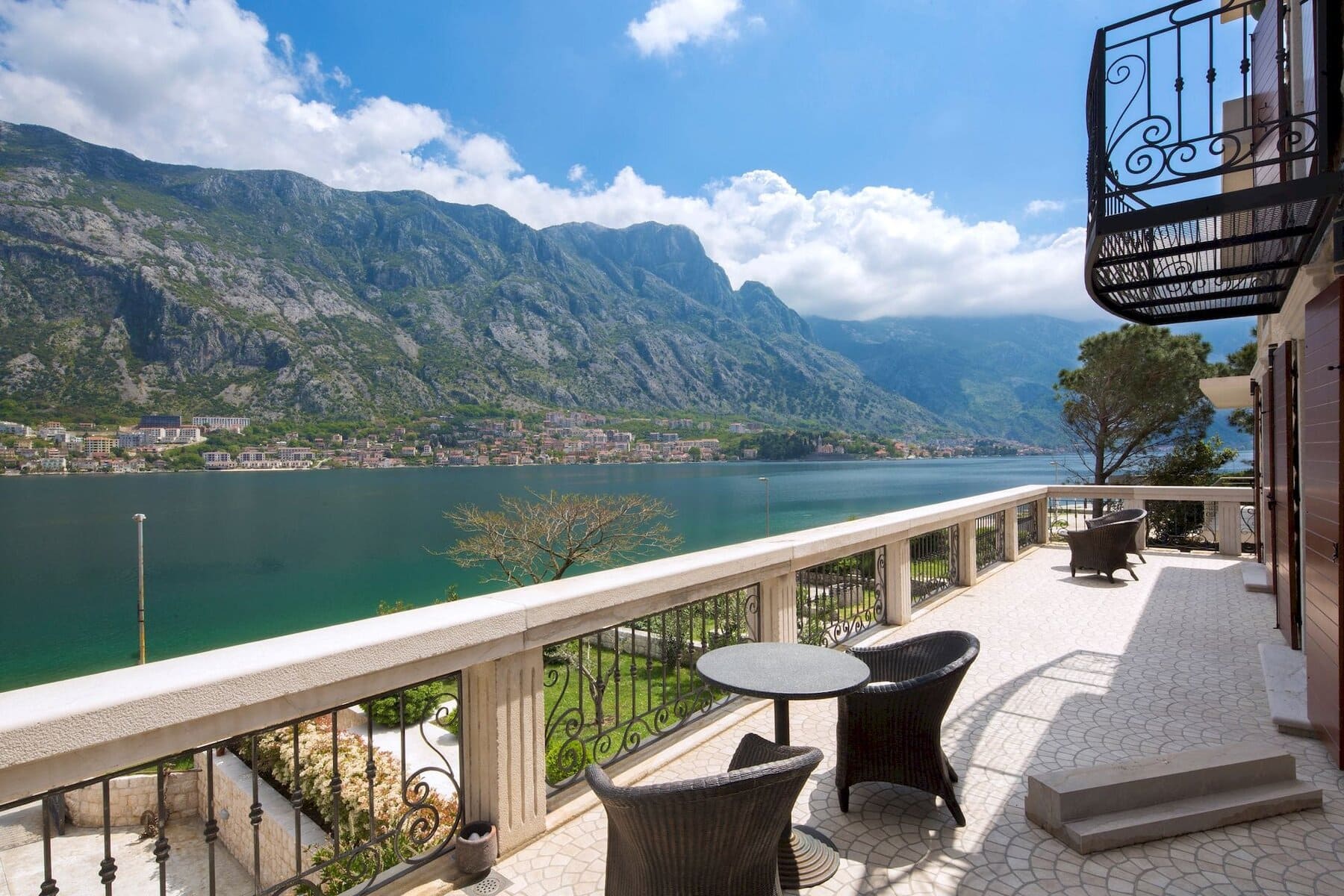
For retirees seeking waterfront living in a small, walkable setting with strong architectural character, Kotor Bay continues to attract buyers who value natural scale and historical depth. Our Kotor real estate guide covers the bay’s distinct sub-areas and what buyers at different price points should expect from the current market.
Tivat and the Porto Montenegro development offer a more contemporary option, with the marina as a social and commercial anchor. Buying property in Tivat sets out the micro-areas within the town and what the market currently looks like for buyers at various entry points.
For those considering how to finance rather than buying outright, financing property in Montenegro for foreign buyers outlines the available structures, including the limited local mortgage market and the alternatives most international buyers rely on in practice.
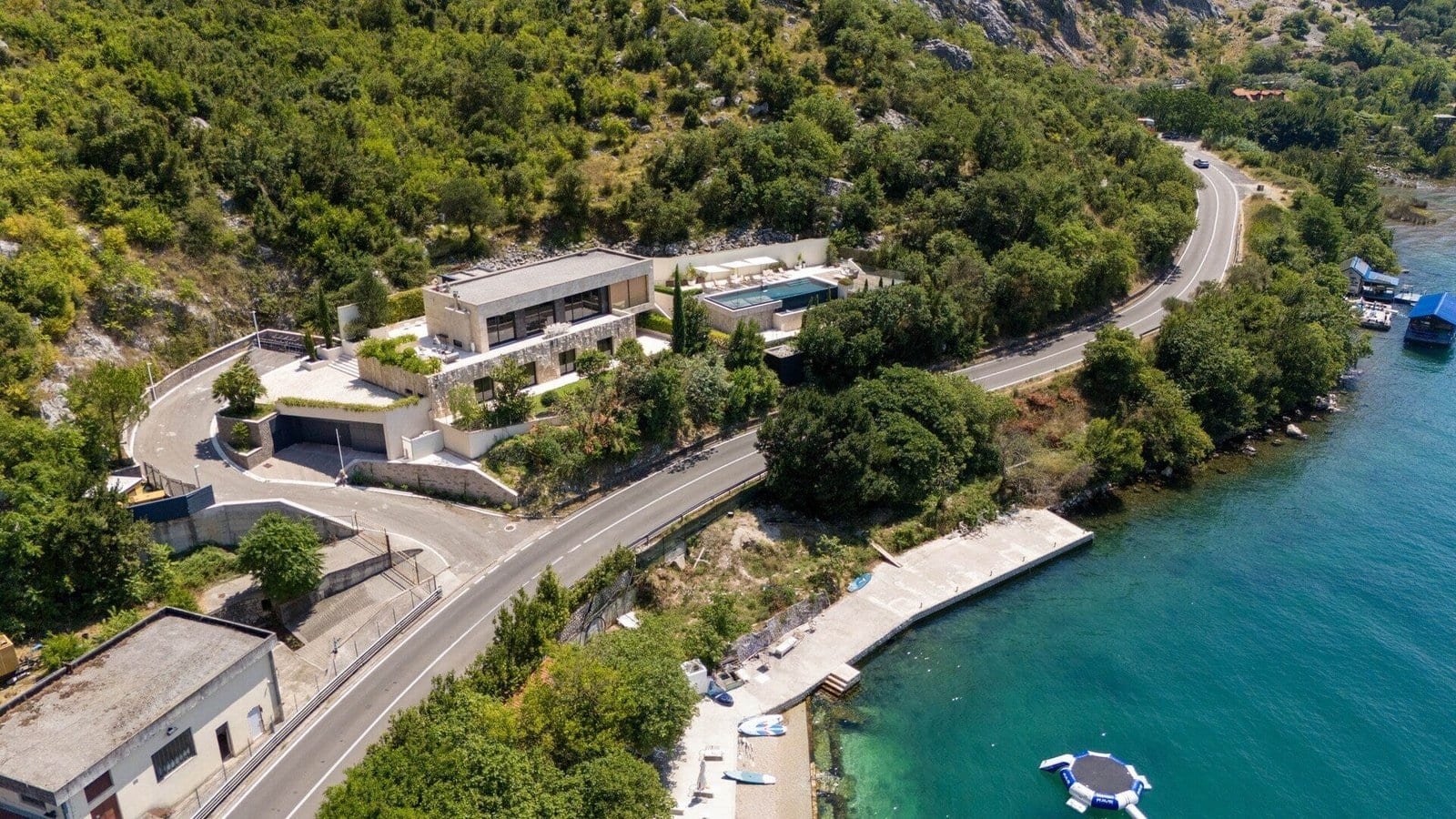
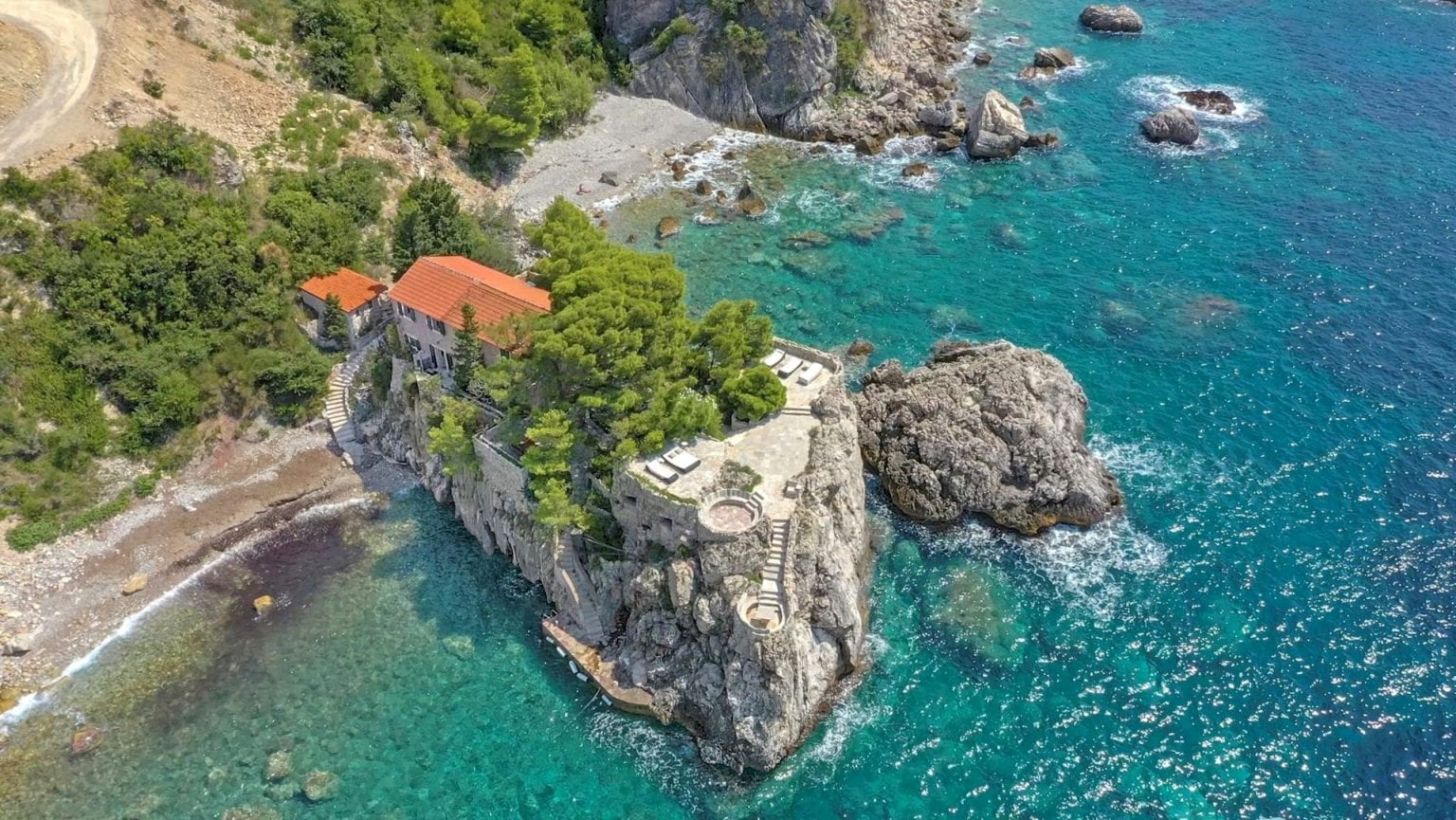
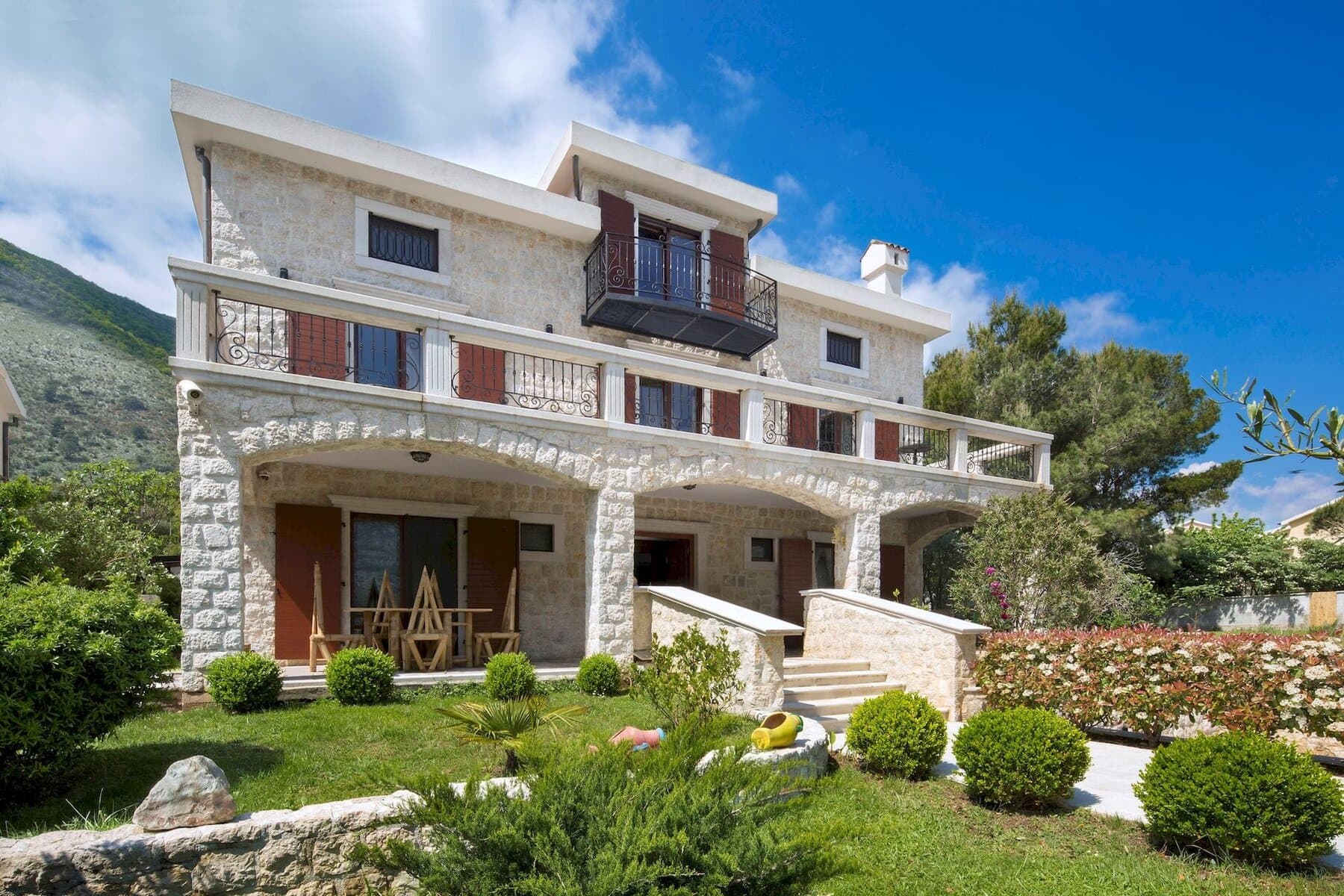
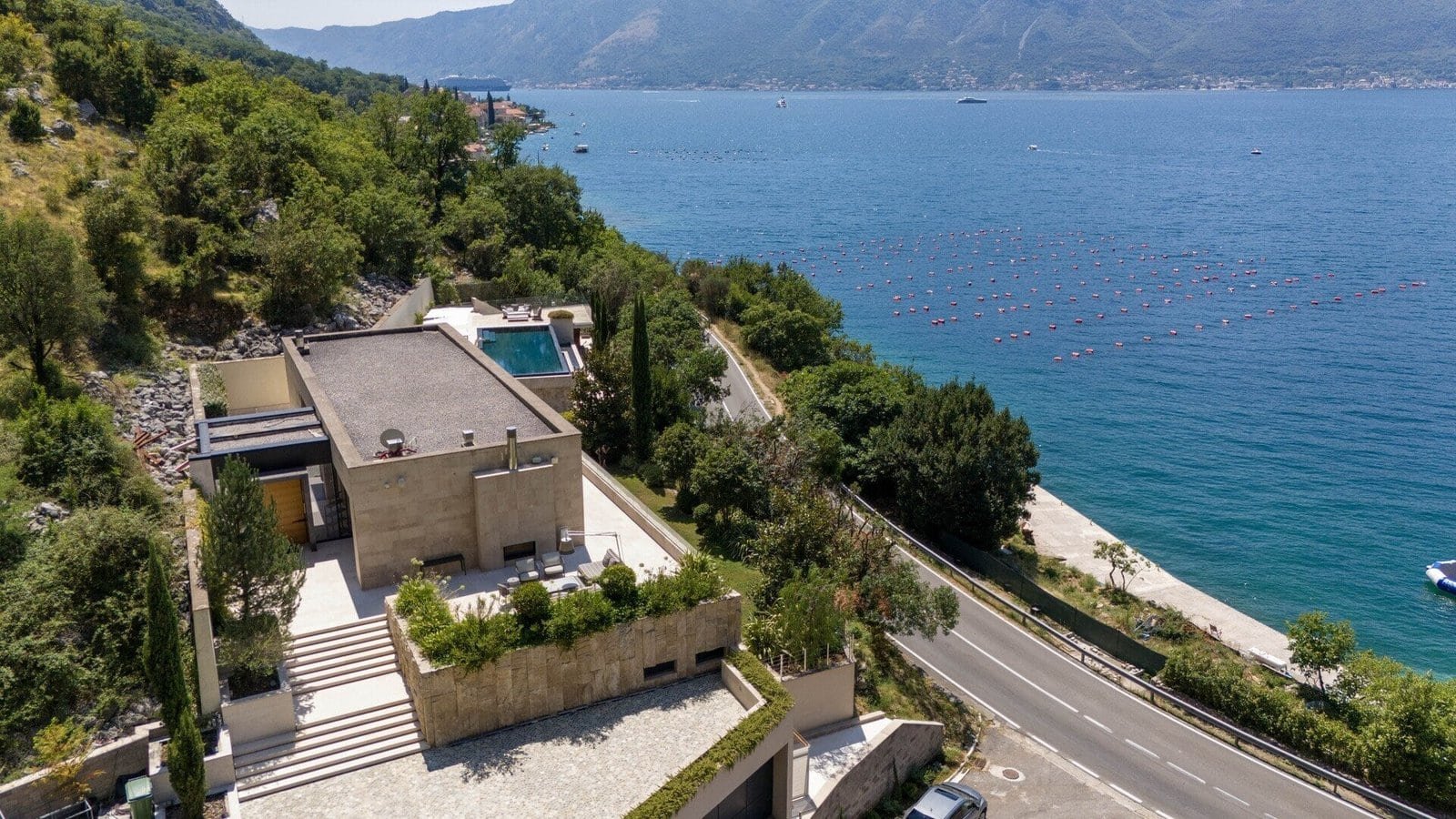
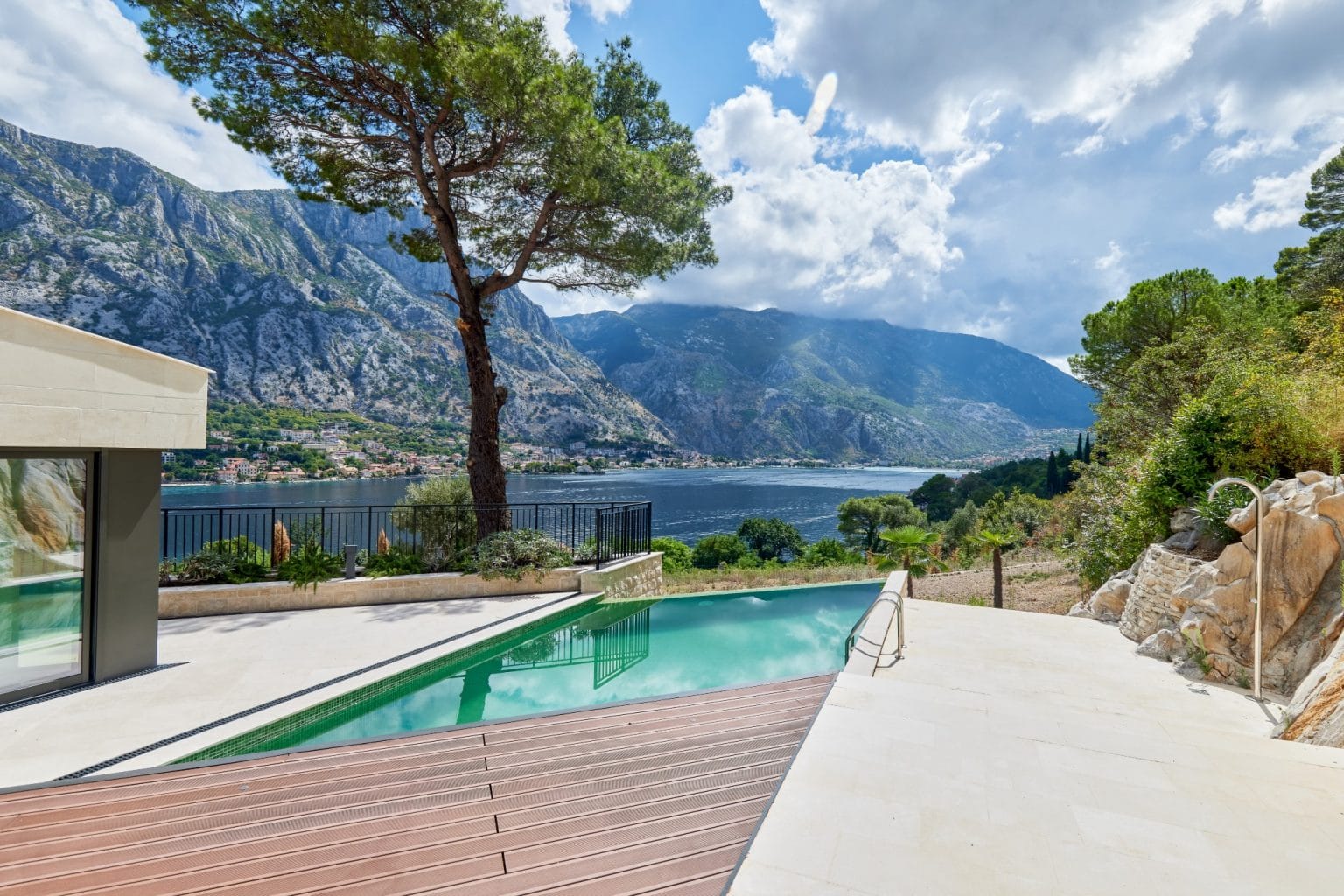
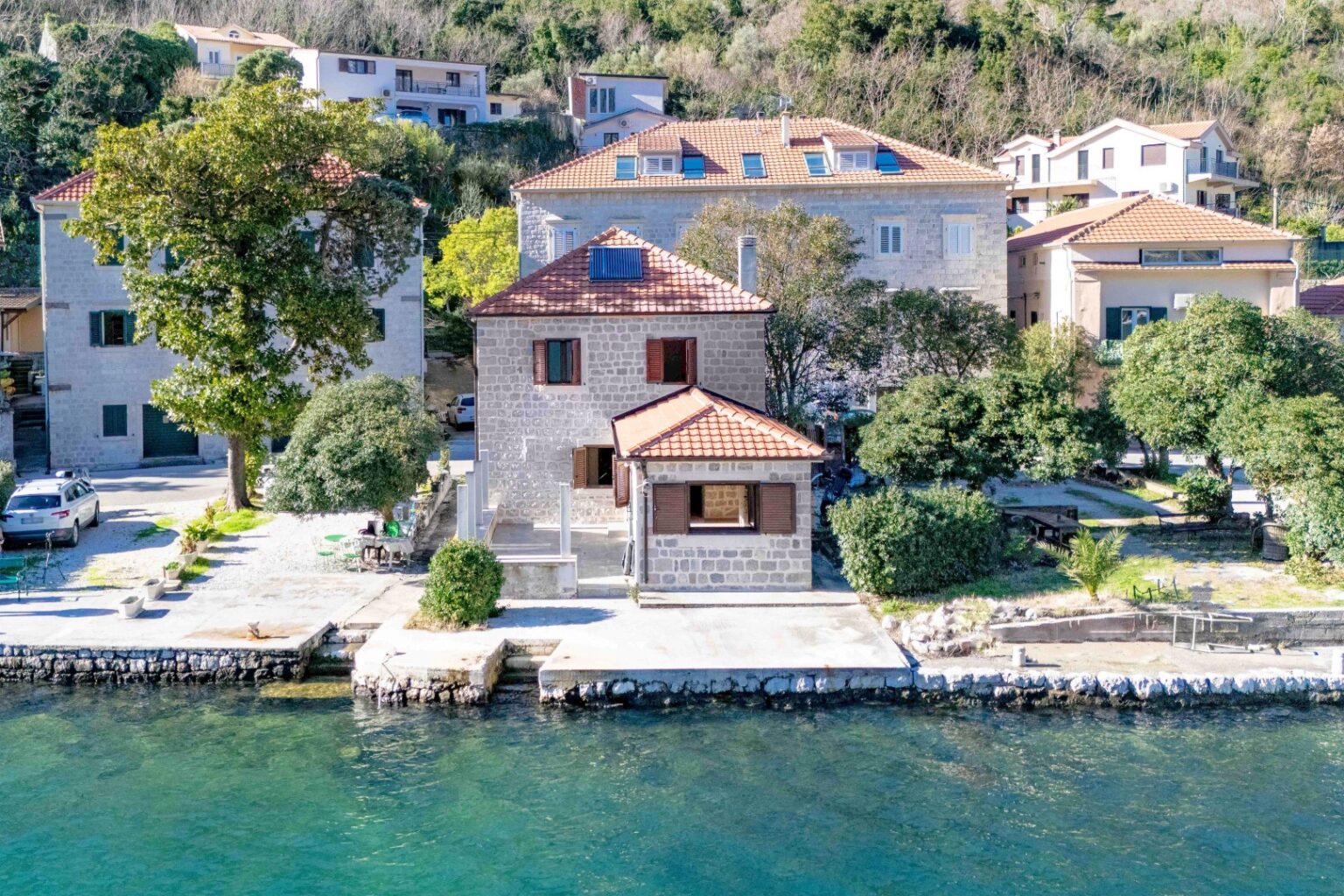
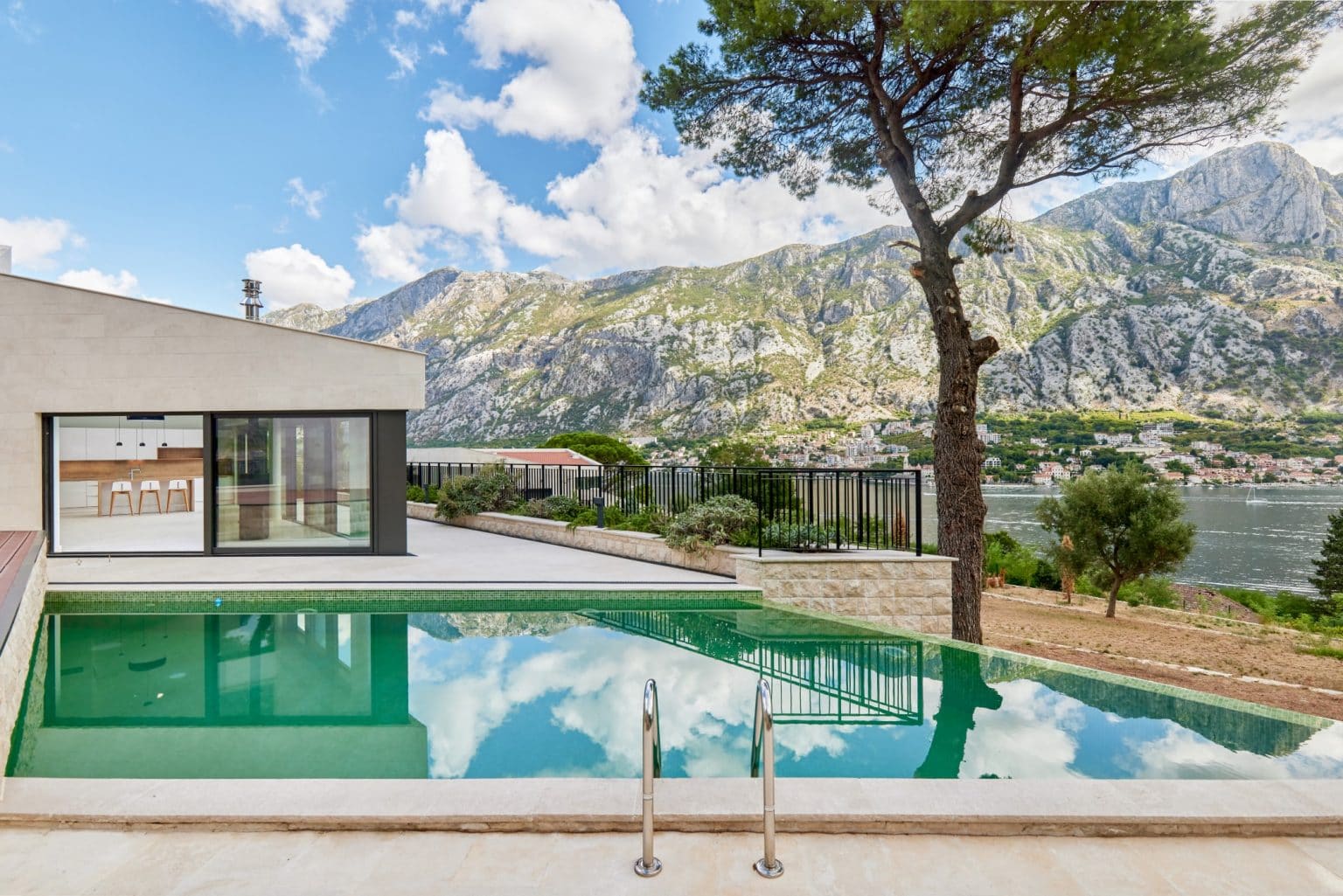
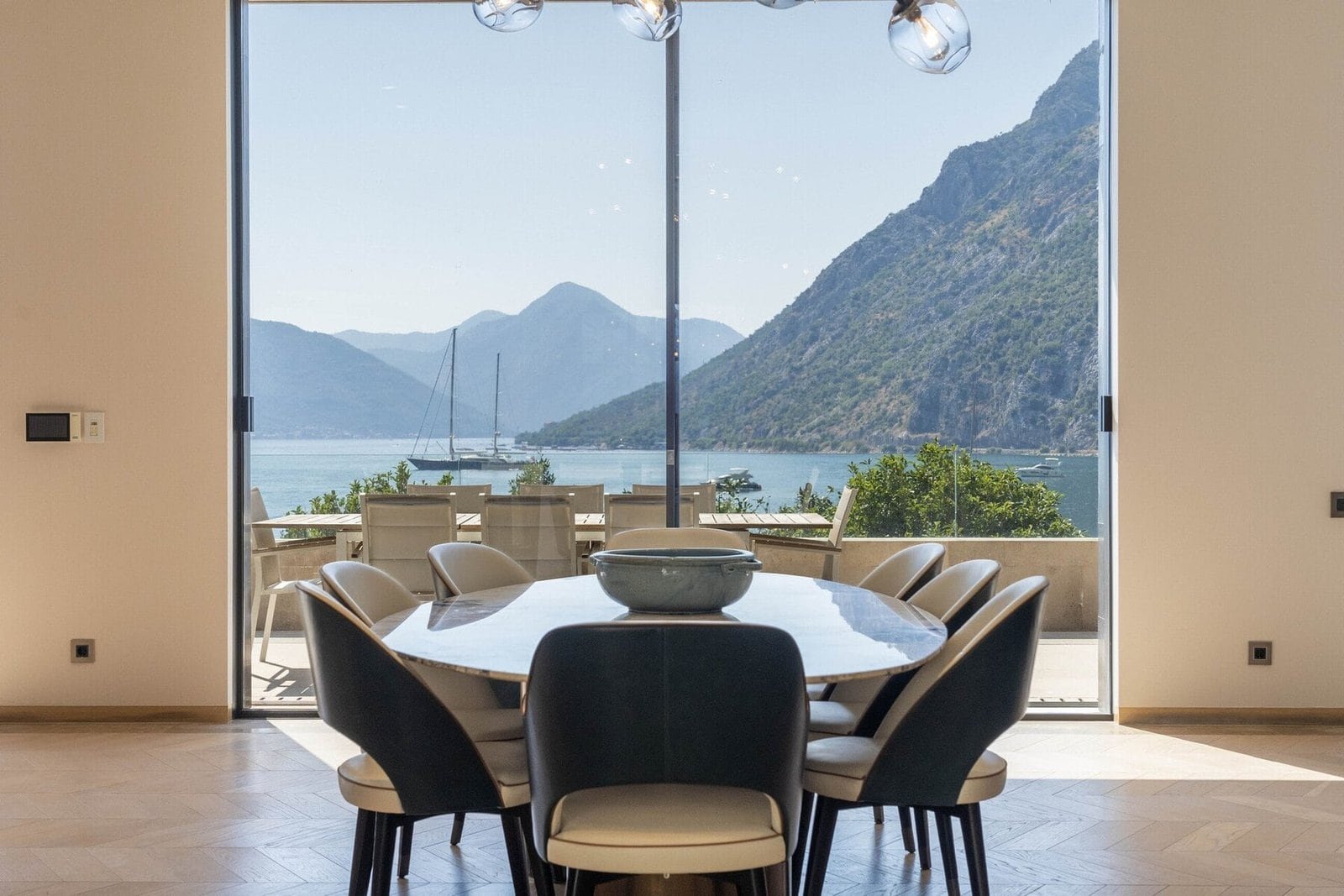
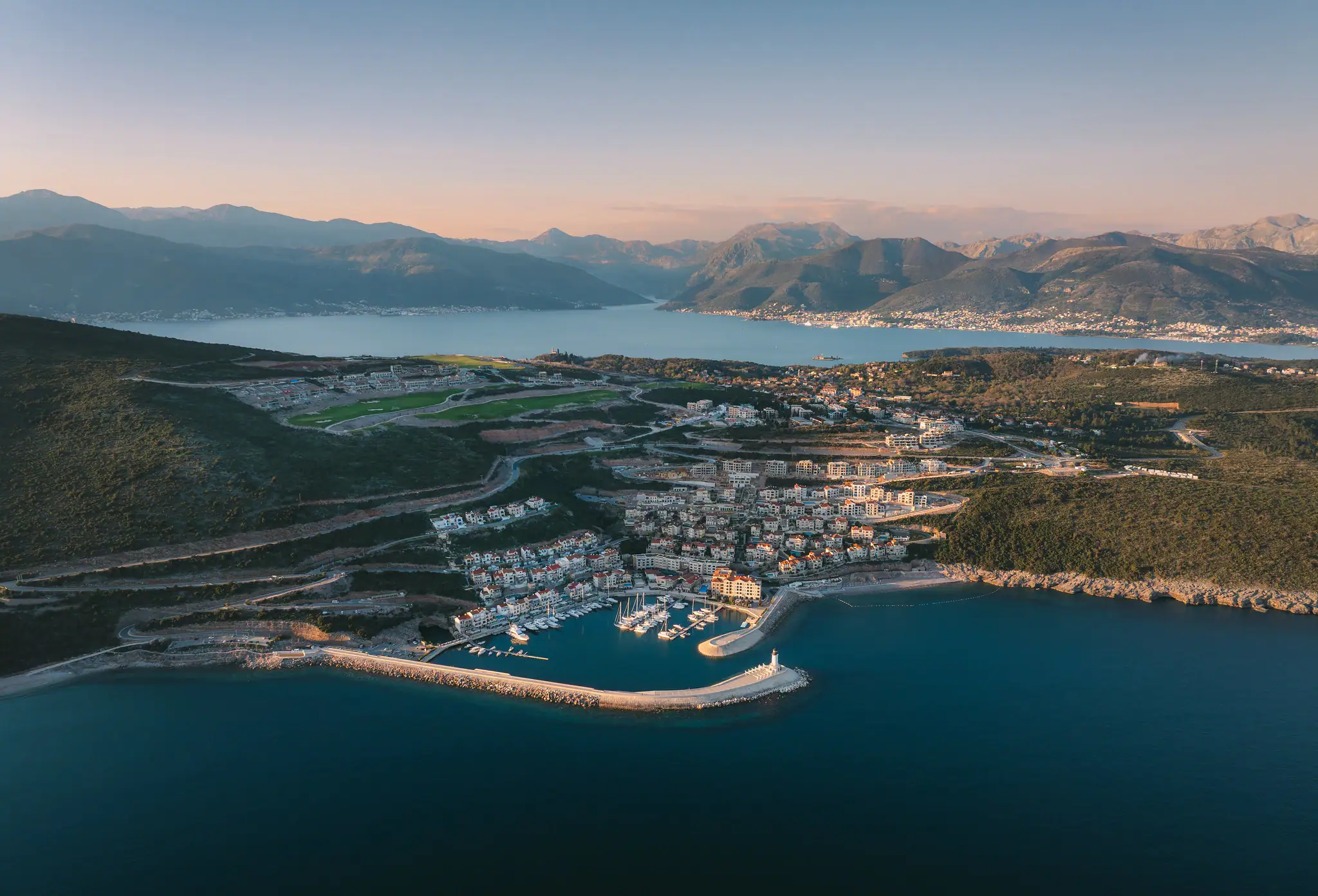
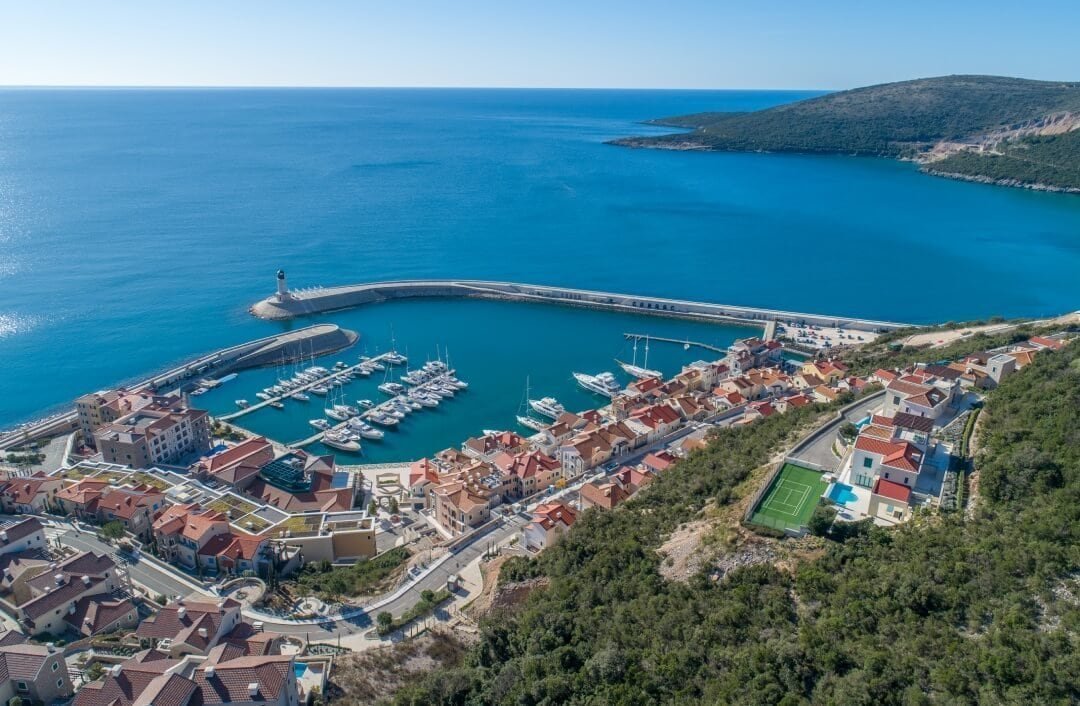
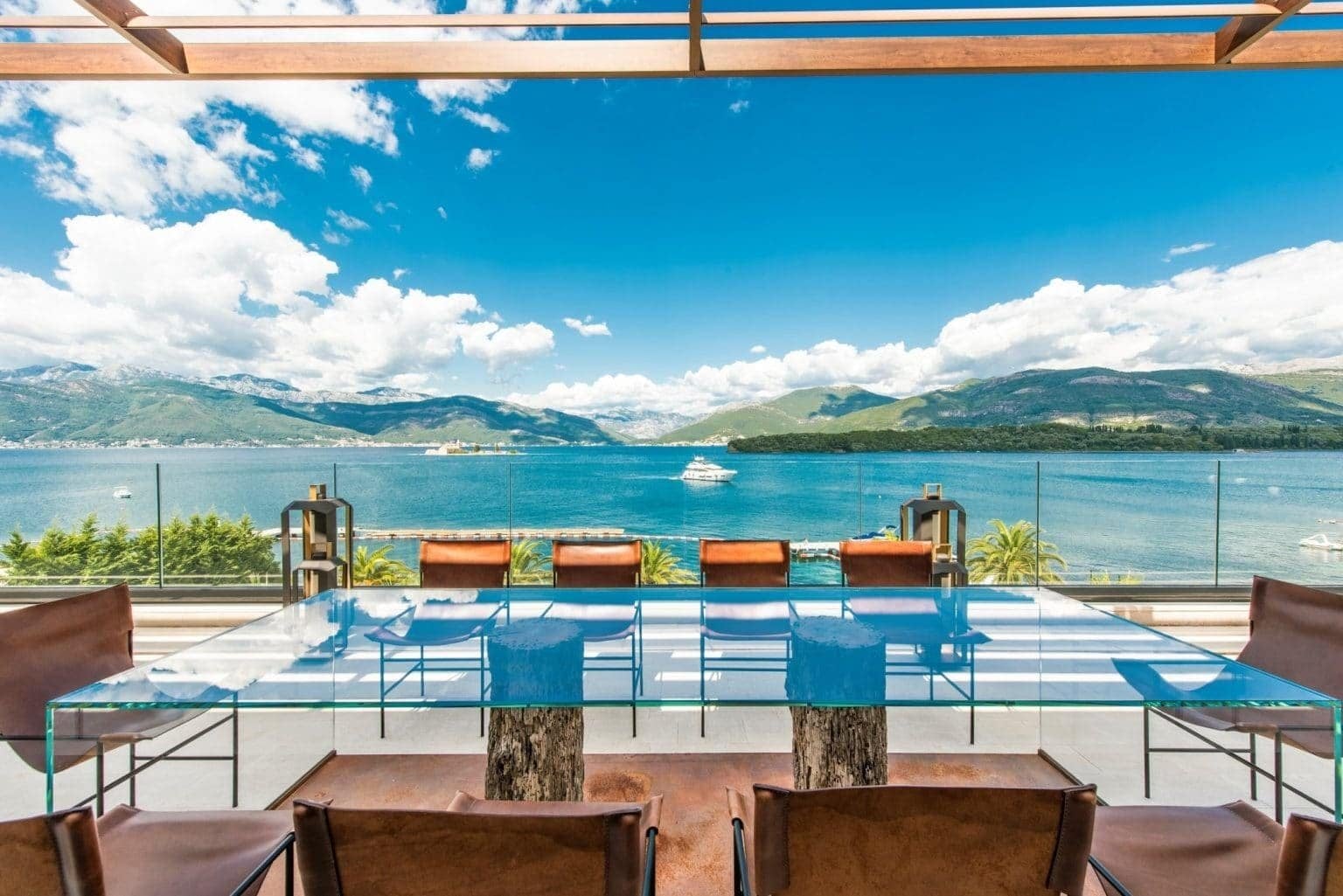
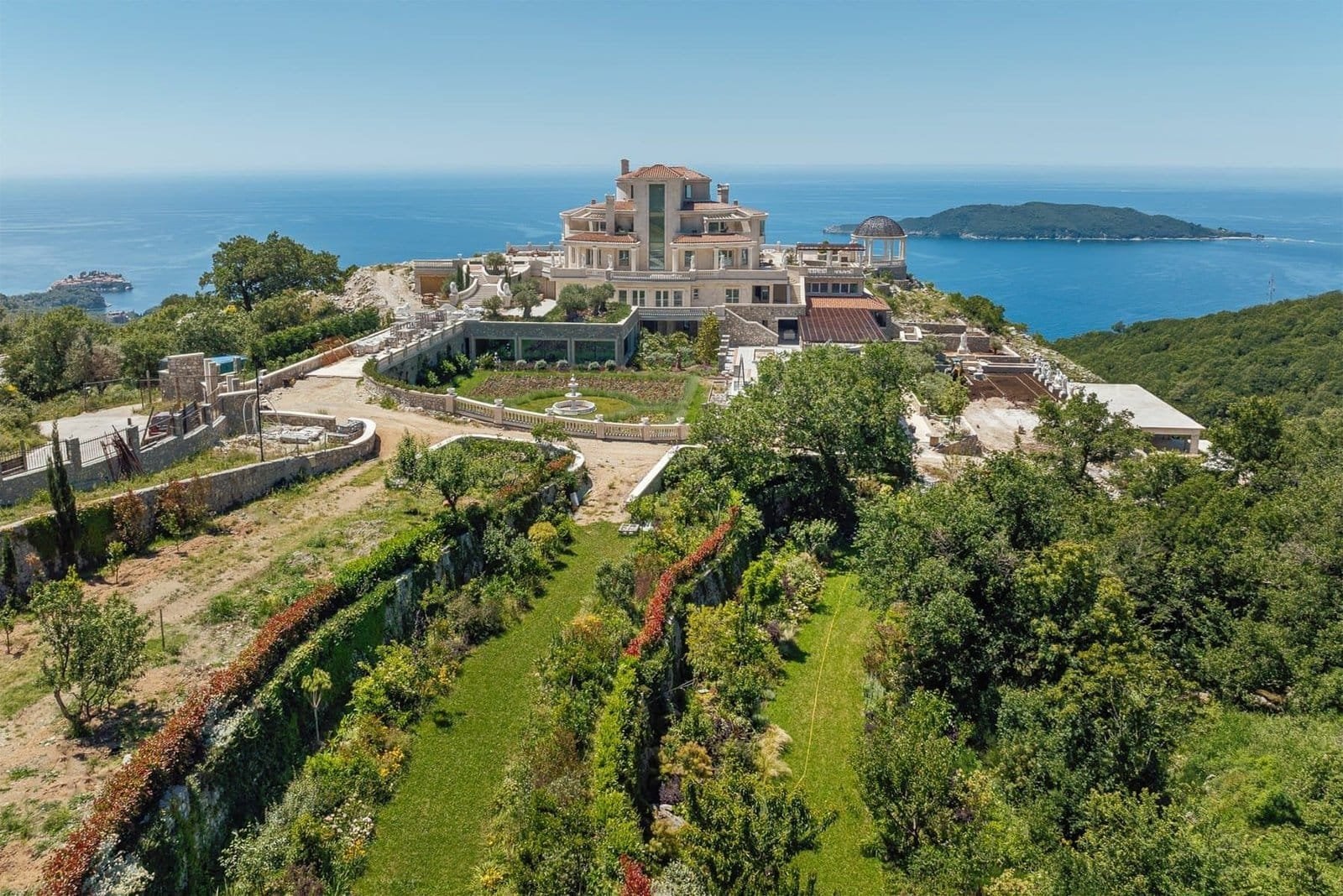
Properties currently available across the bay include a first-line waterfront villa in Orahovac, Kotor Bay, and a contemporary designer villa with panoramic sea views above Tivat, both of which reflect the range of what is genuinely available to buyers positioning in this market now.
Retiring to Montenegro from the UK is not a compromise. For the right buyer, it represents a structurally sound decision: a lower cost base, reduced tax exposure, a significantly better climate, and a property asset positioned for medium-term appreciation as the country advances through its EU accession process. The administrative complexity is manageable with the right advisers in place from the outset.
Barok Estates International works with British buyers at every stage of the process, from initial market positioning through to residency planning and property completion. Contact us at barokestates.com/contact for a confidential initial conversation.










.jpg)