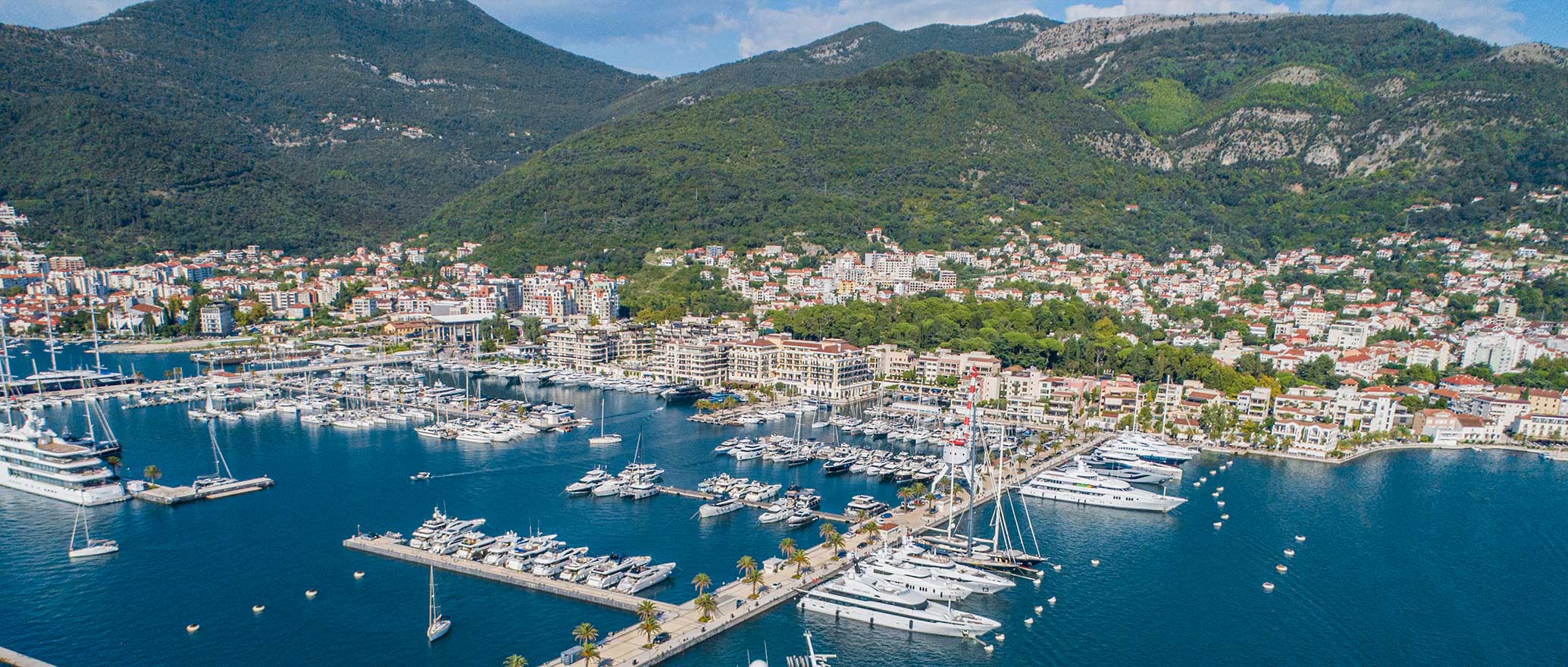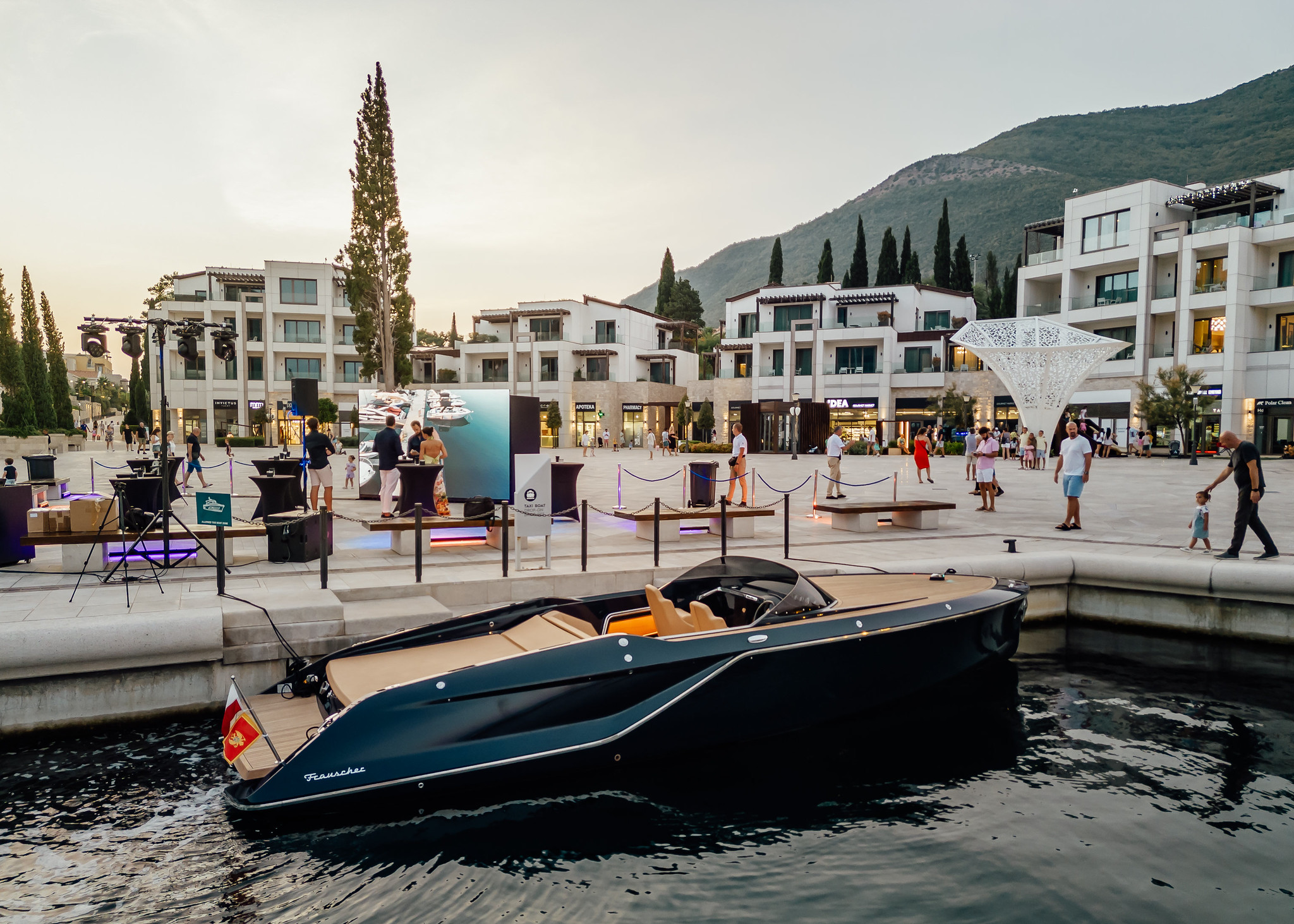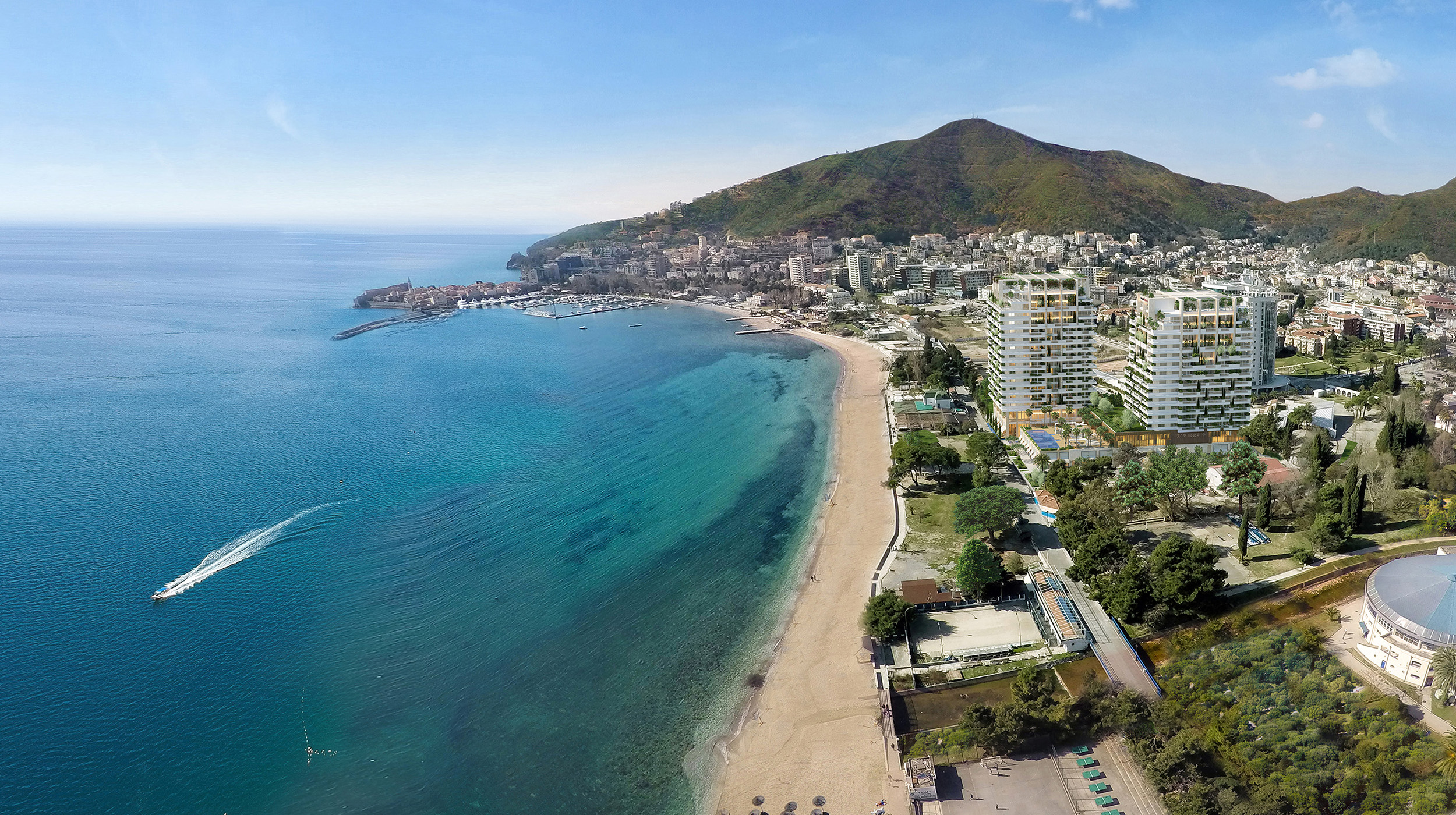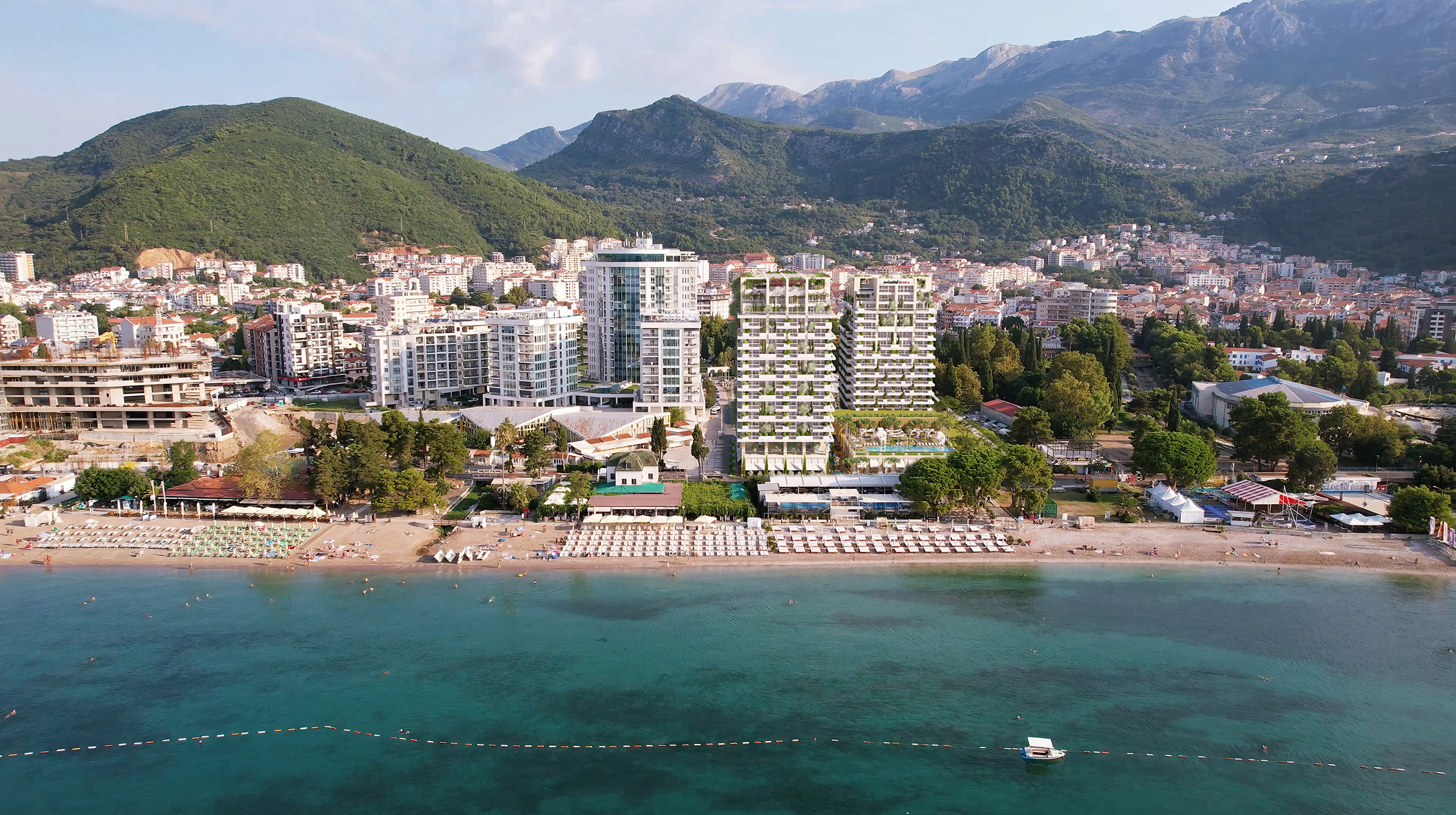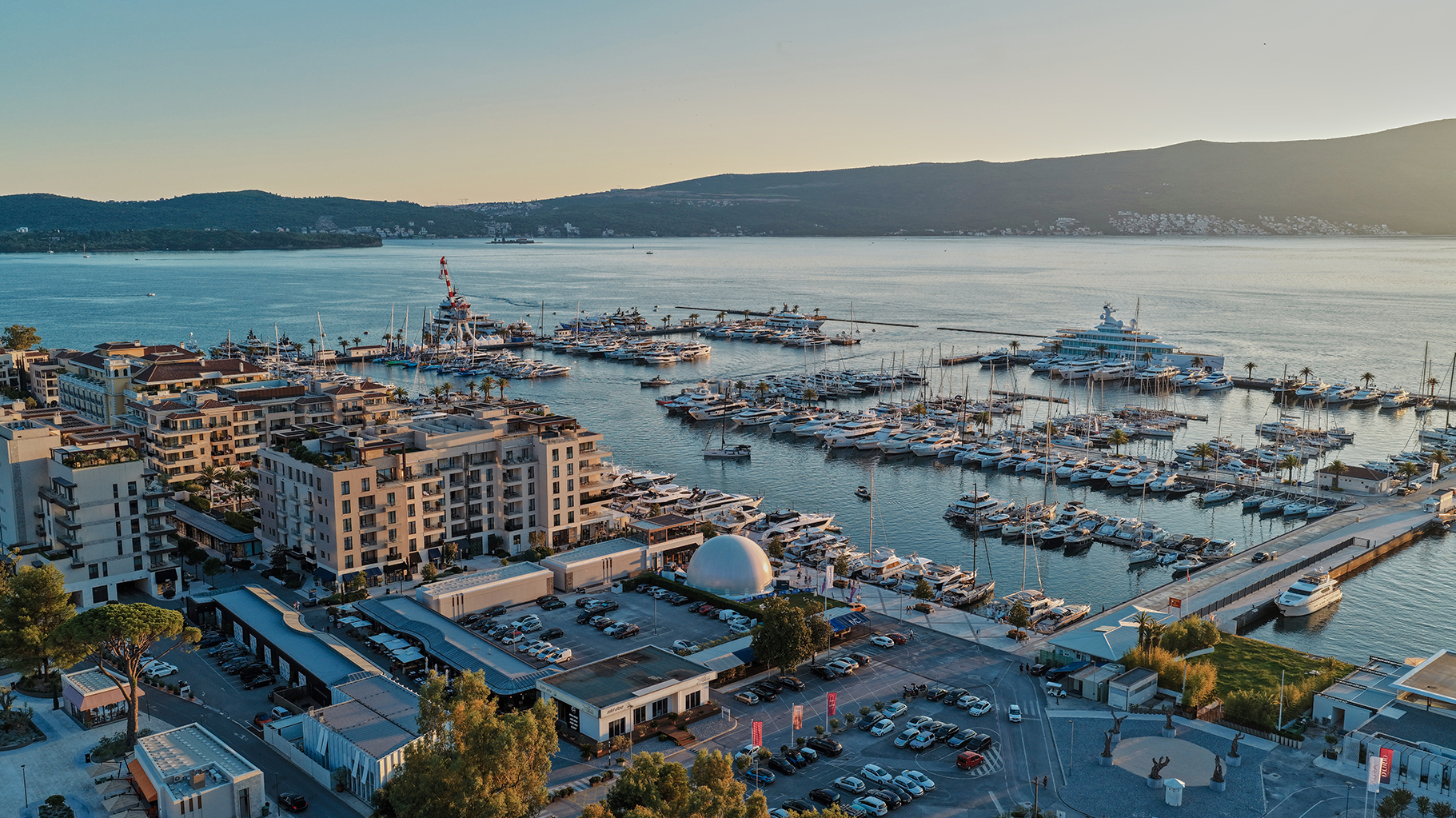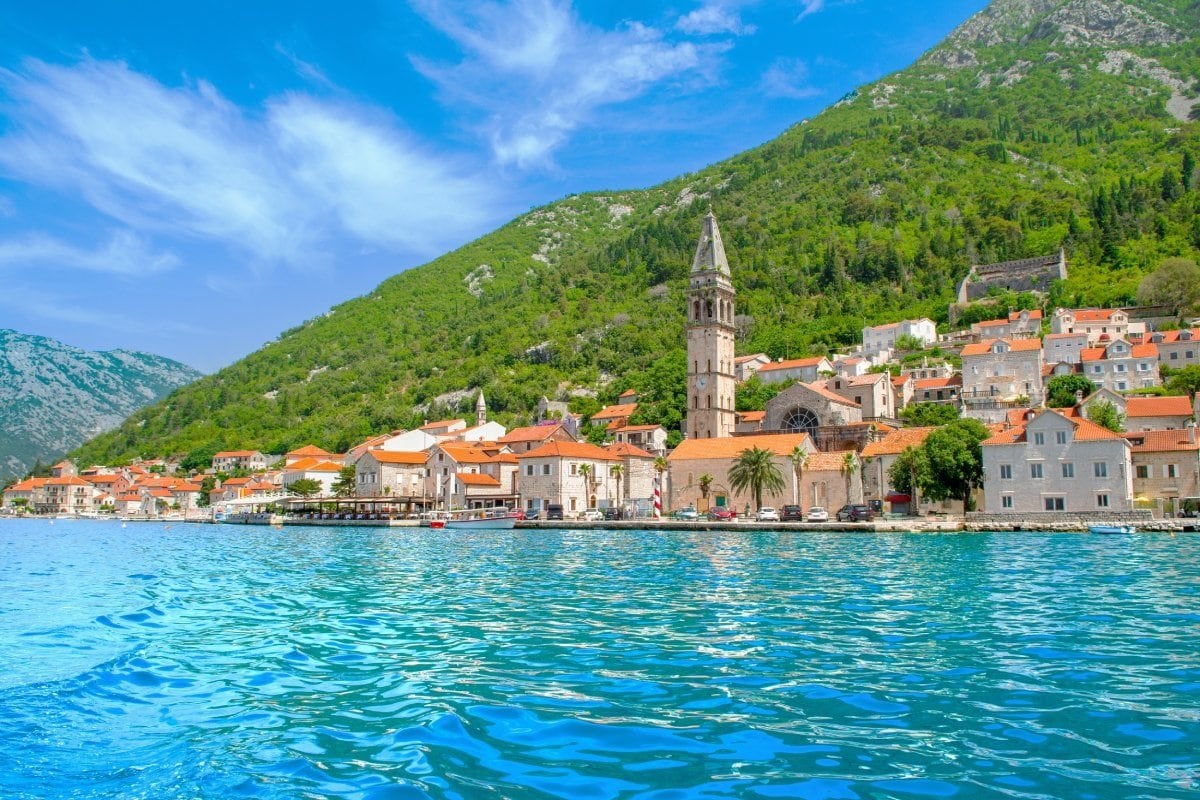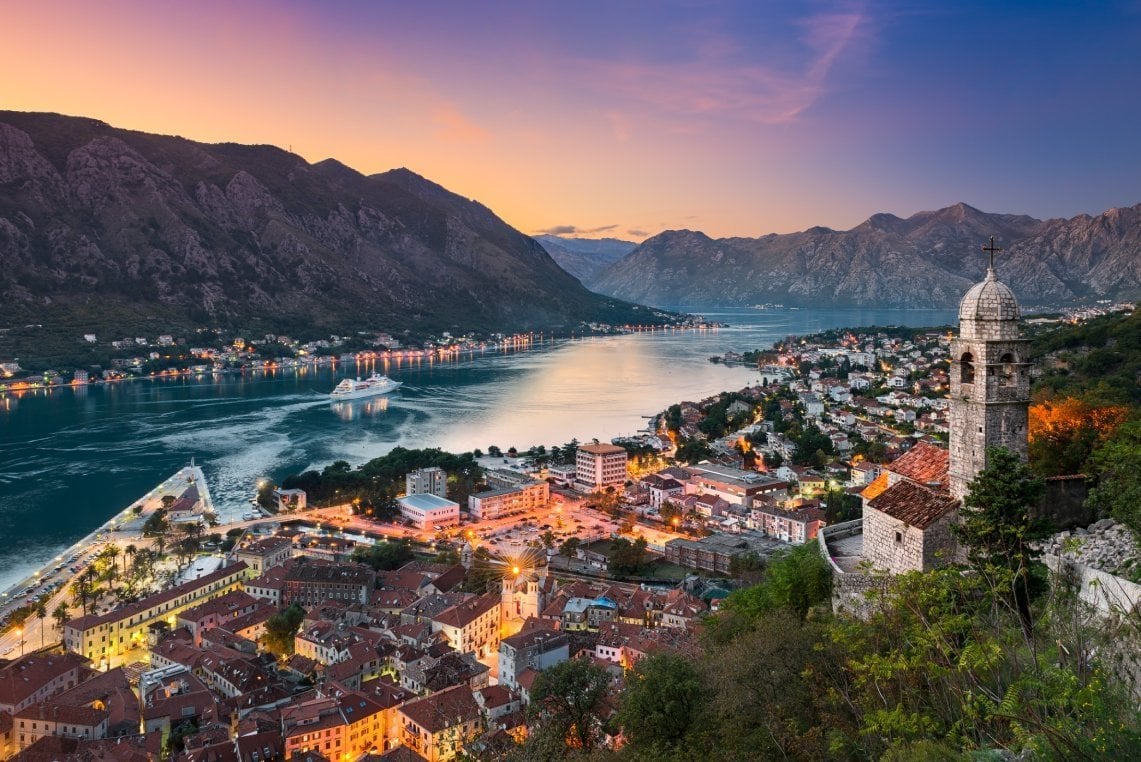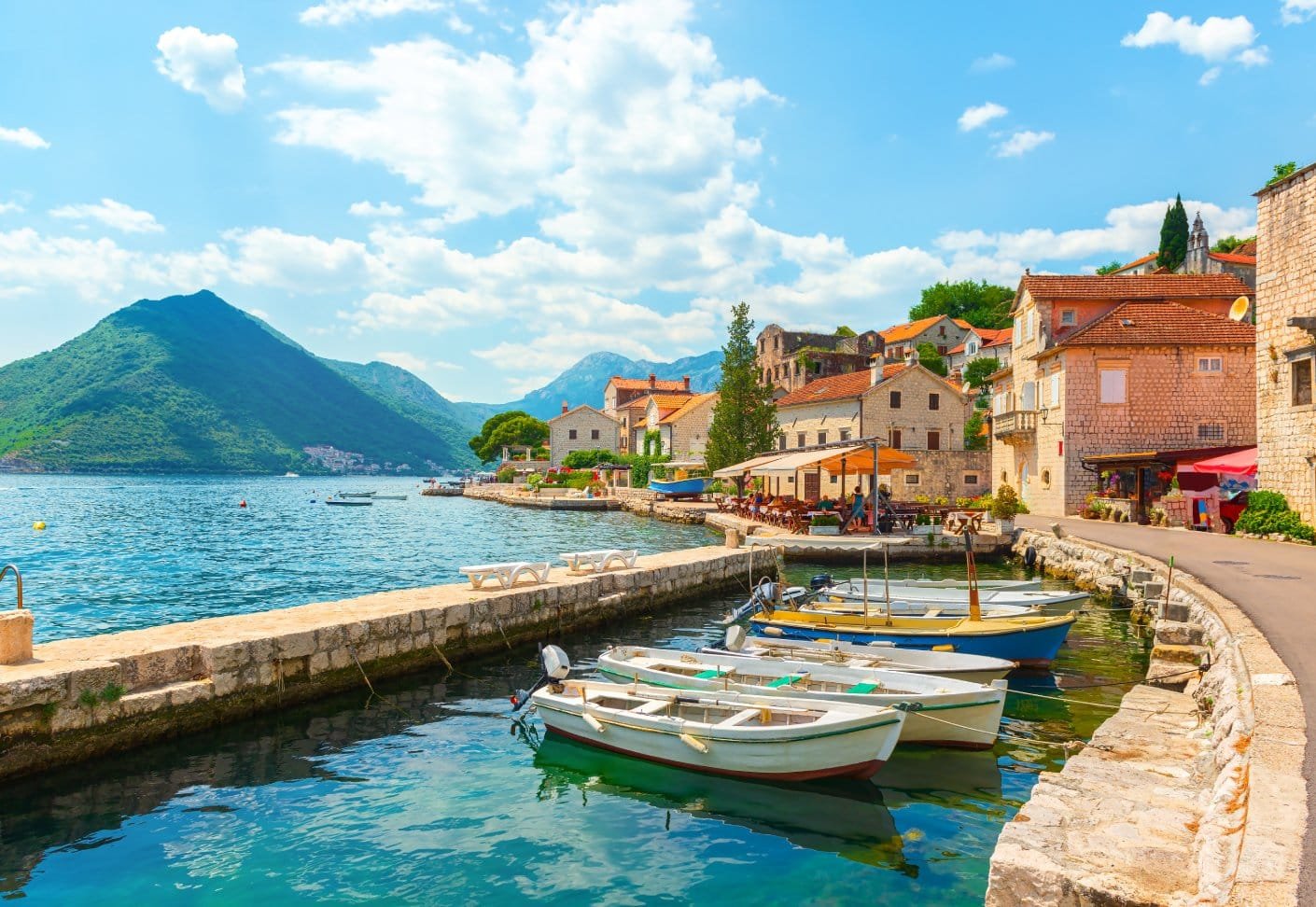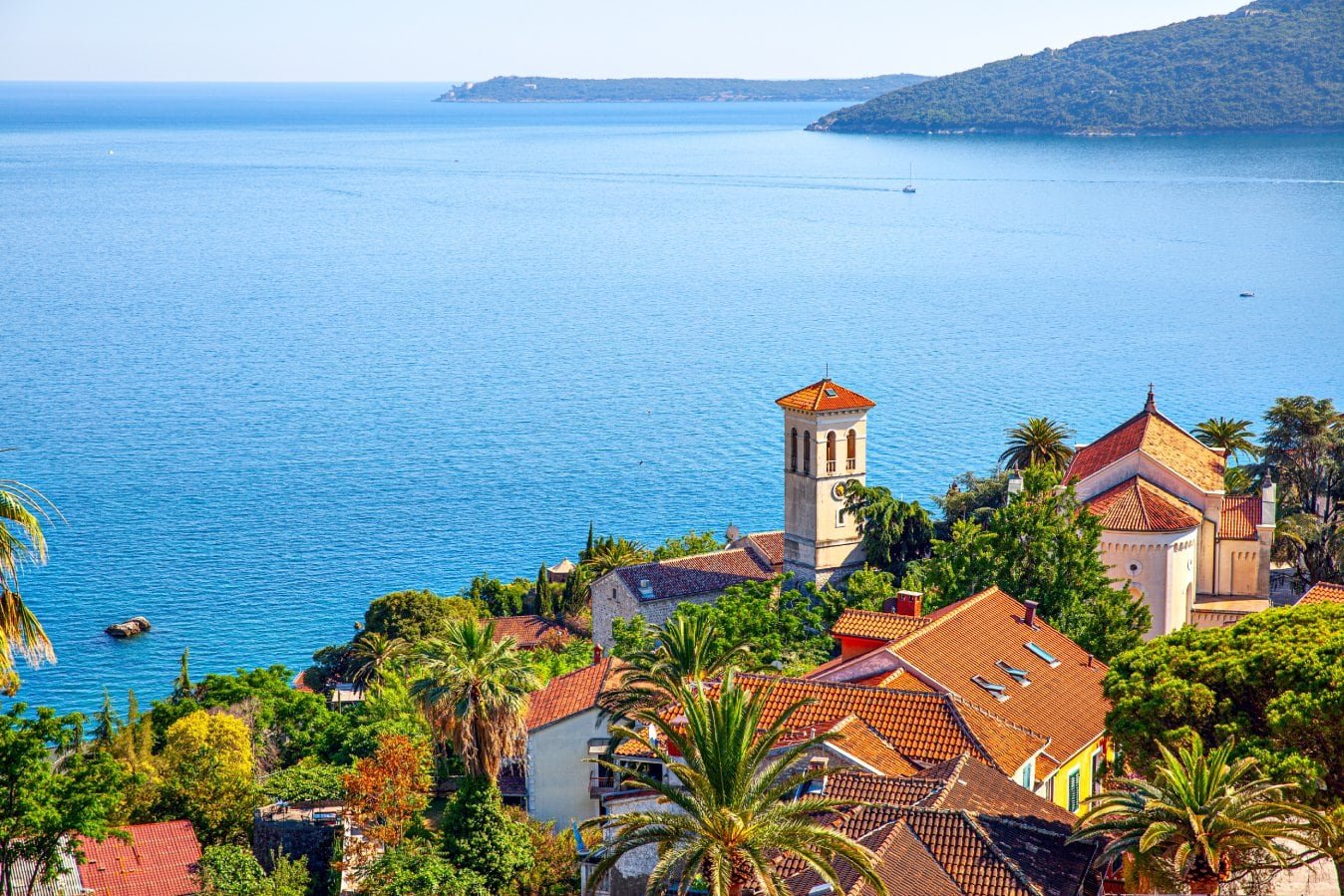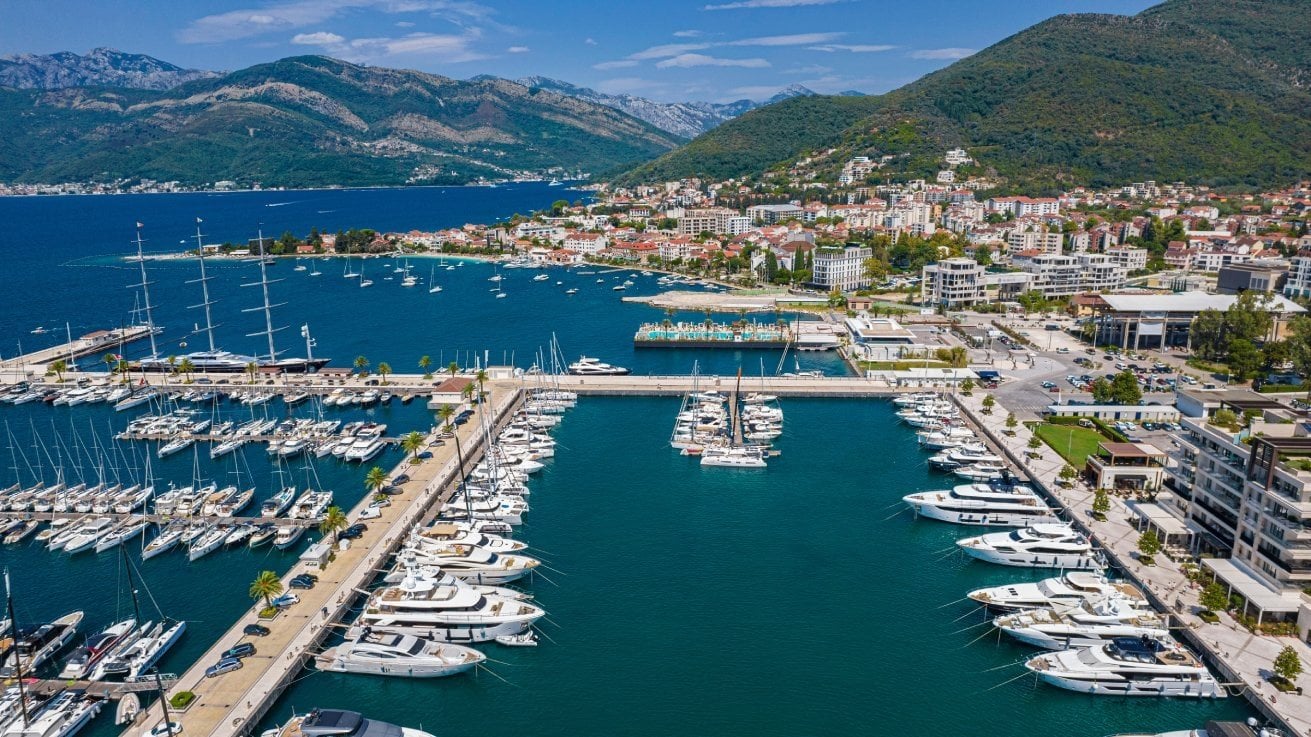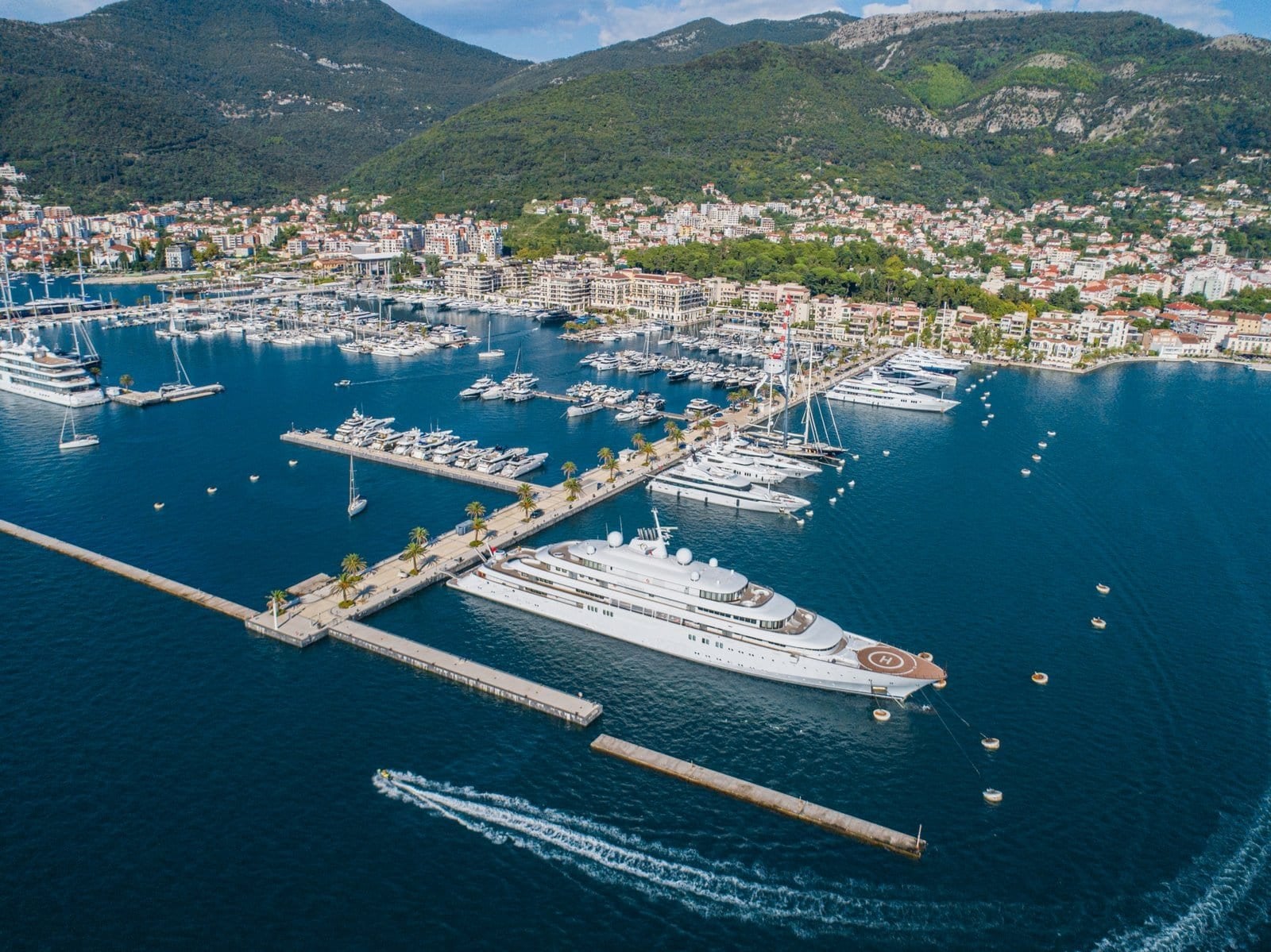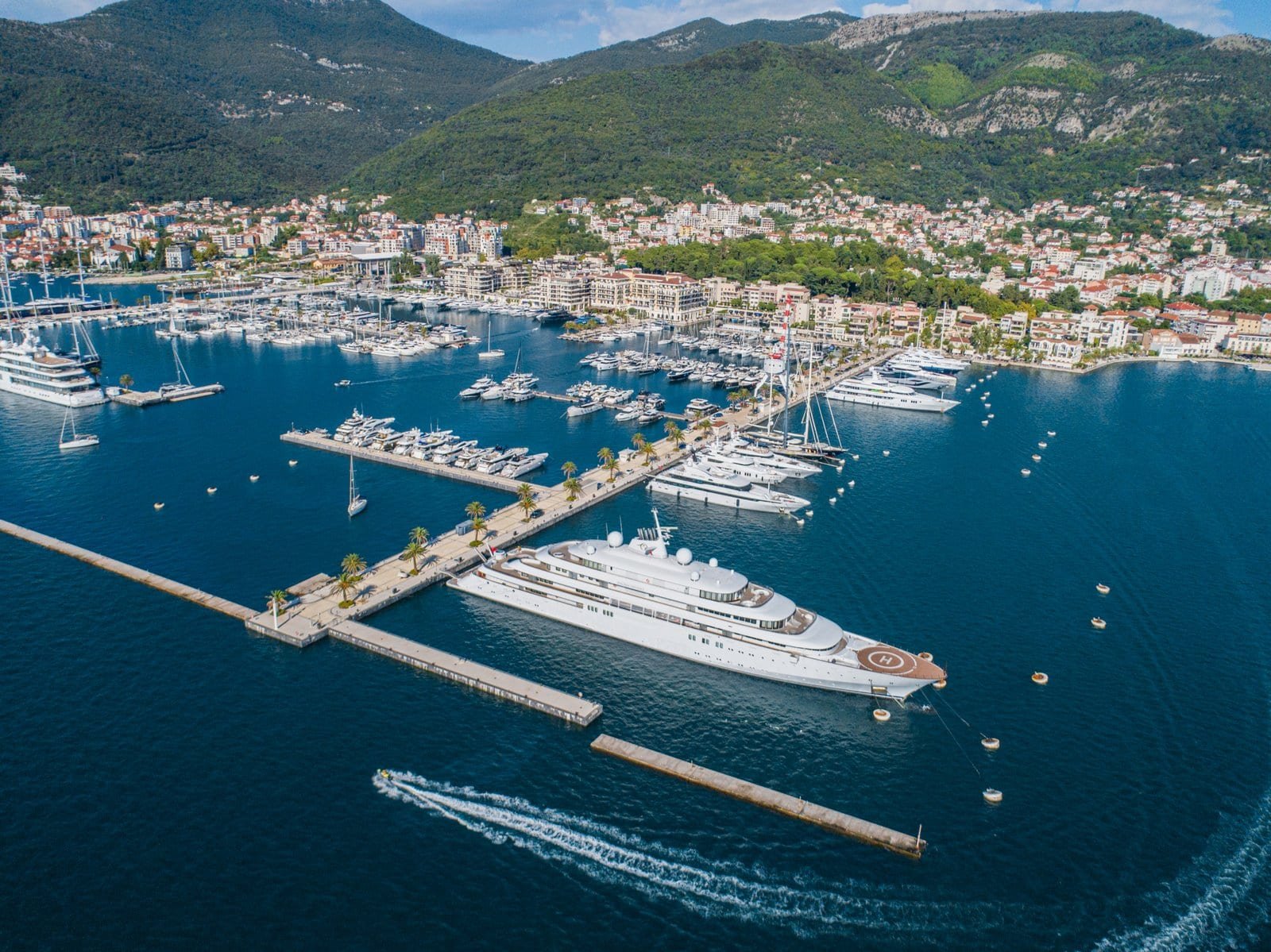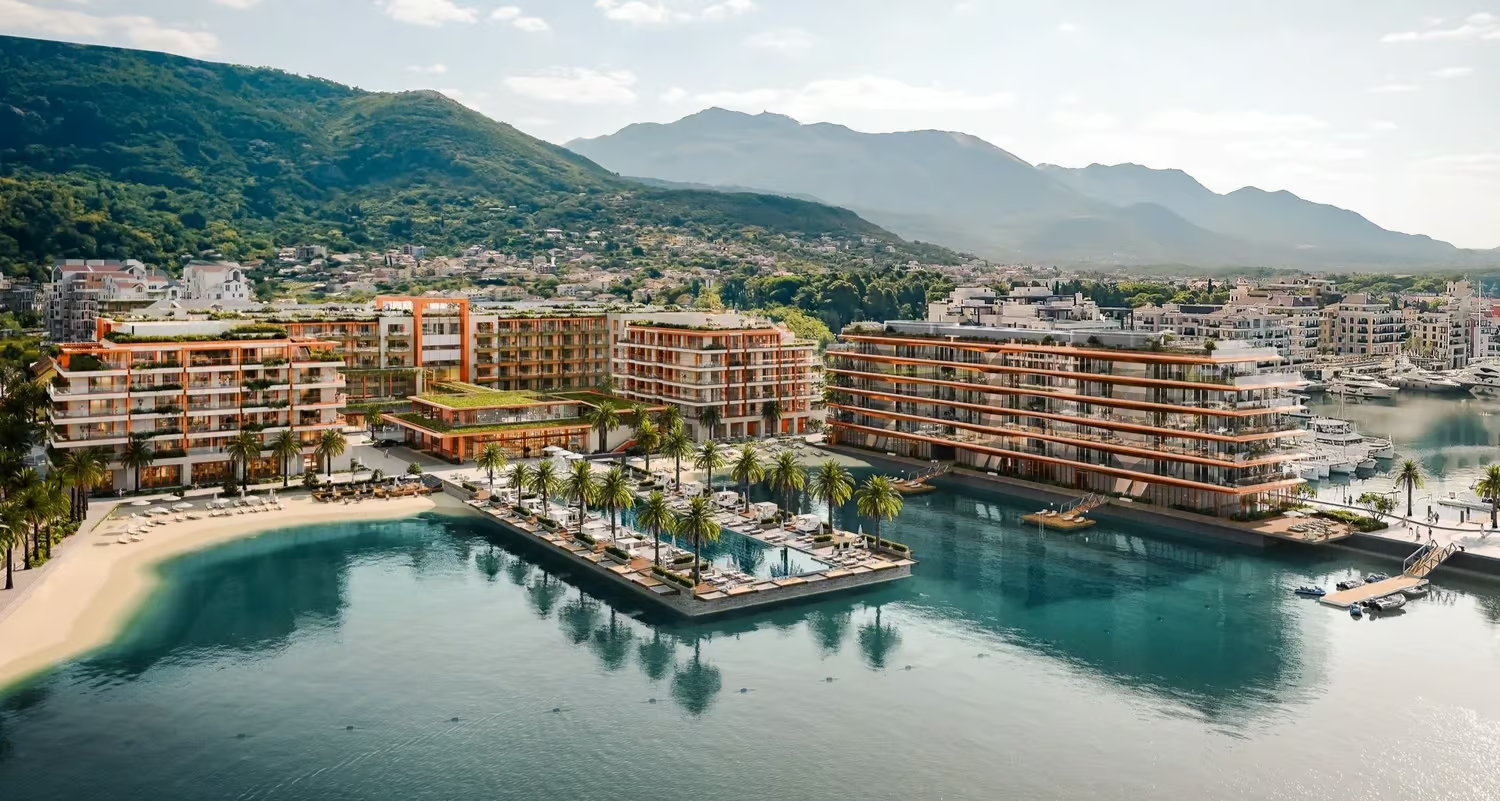
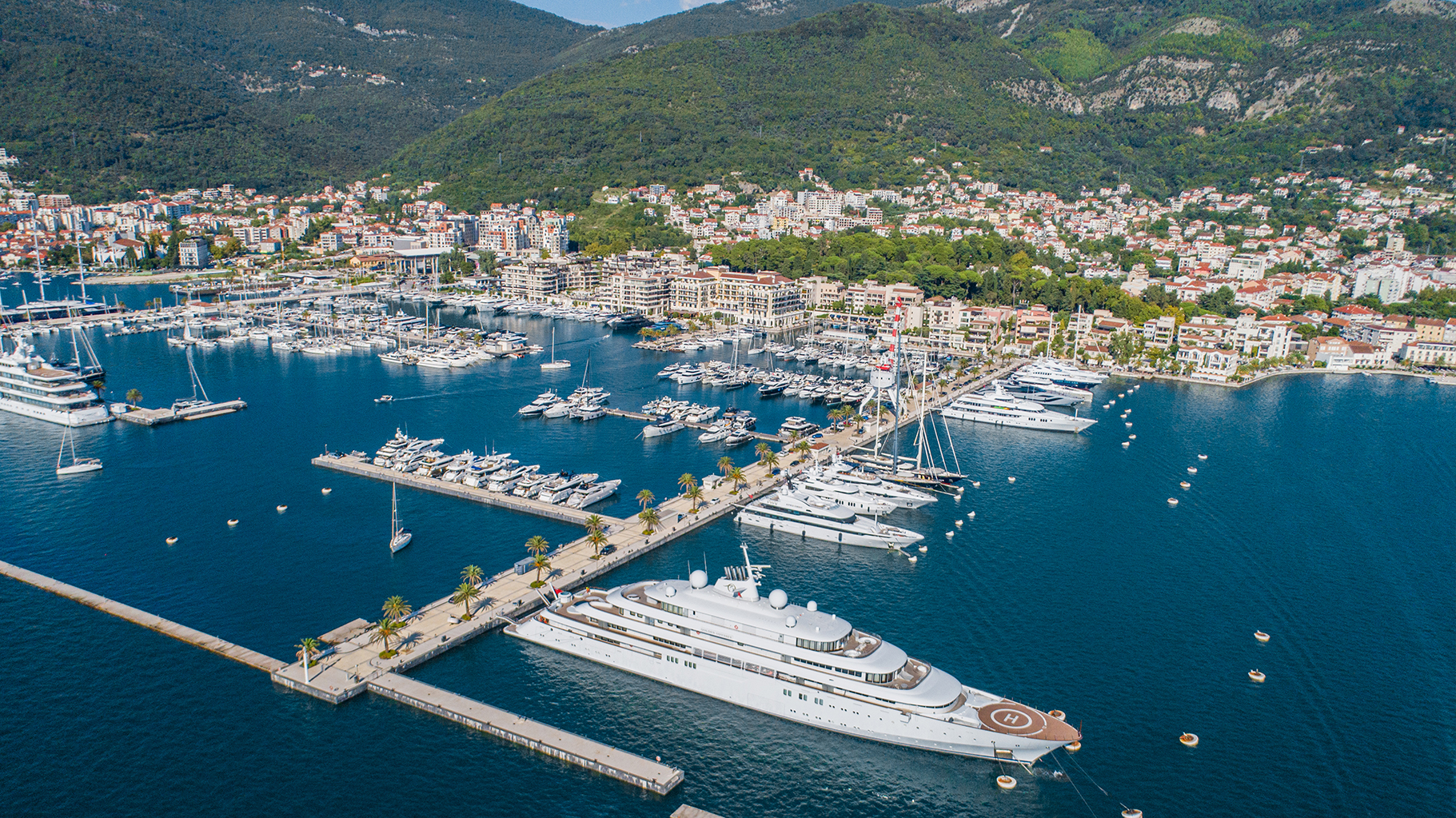
Tivat is Montenegro’s most consequential coastal property market. Positioned at the mouth of the Bay of Kotor and home to one of the Adriatic’s premier superyacht marinas, it commands the highest prime values on the Montenegrin coast, draws consistent demand from international buyers, and benefits from year-round infrastructure that most seasonal Mediterranean markets cannot match. For buyers considering the Adriatic as a strategic allocation, Tivat property warrants careful study before committing to any other coastal location in the country.
What distinguishes Tivat from other Montenegrin towns is the depth of its resident base. Unlike Budva, which performs strongly during tourist season but softens markedly in winter, Tivat benefits from an international school, a functioning marina workforce, a growing cohort of year-round property owners, and an airport serving direct routes to major European cities. Consequently, it attracts a buyer profile oriented toward capital preservation and lifestyle quality, rather than short-term yield maximisation.
This guide covers the current price structure, the key micro-locations, what waterfront classifications actually mean, and the tax and legal considerations that govern acquisitions in 2026. All market data reflects conditions as of mid-2026.
What International Buyers Are Paying in Tivat
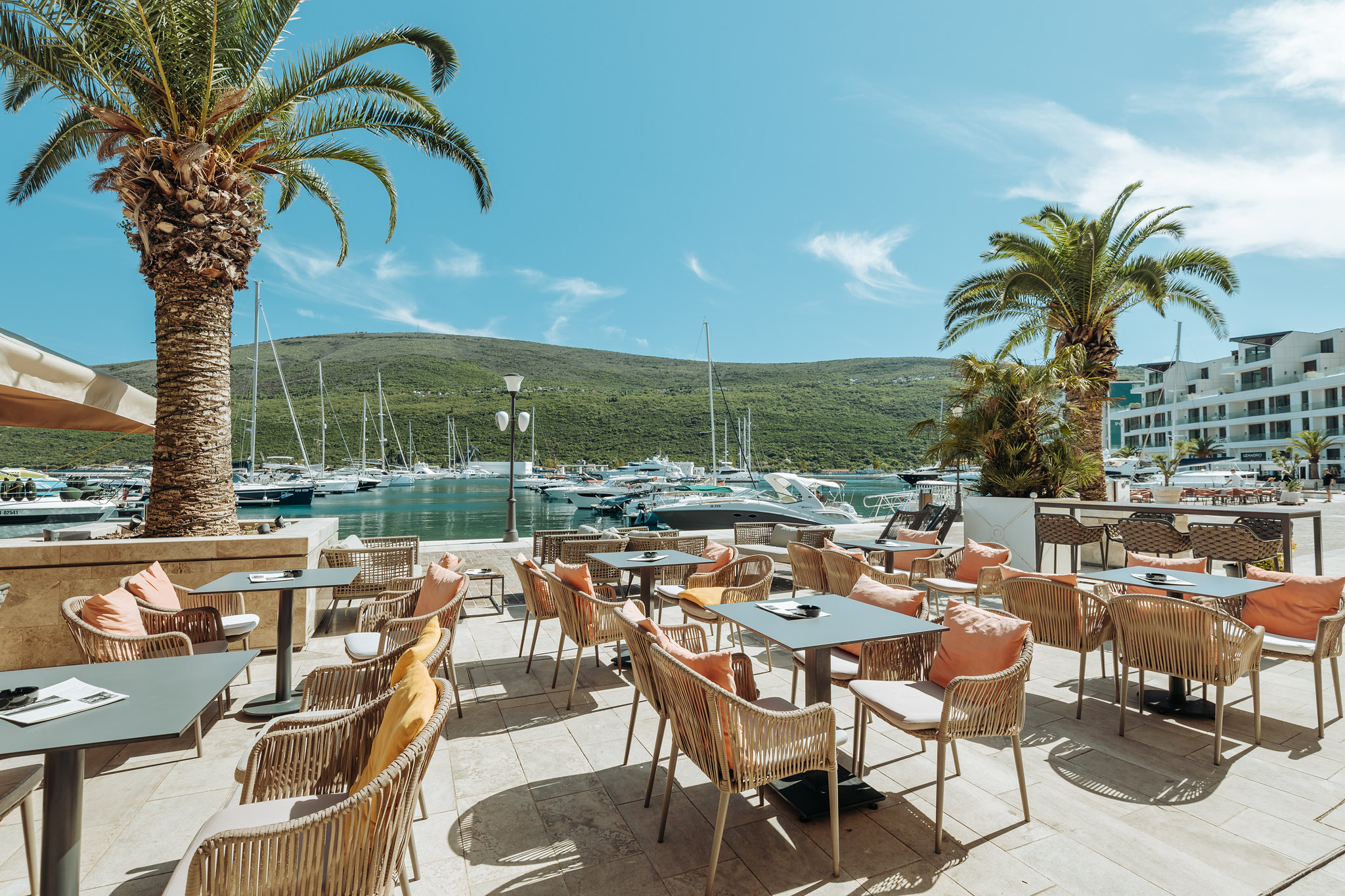
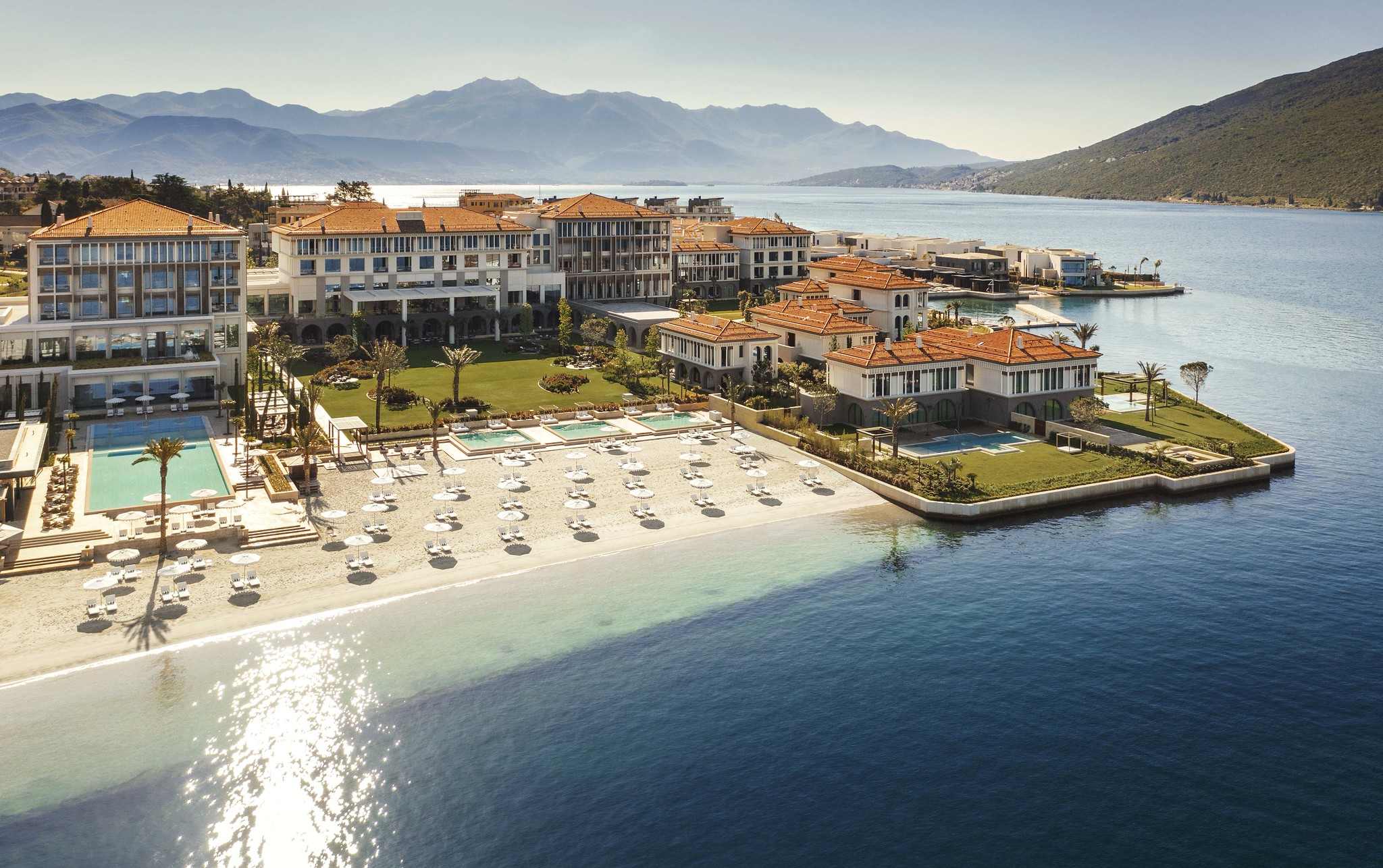
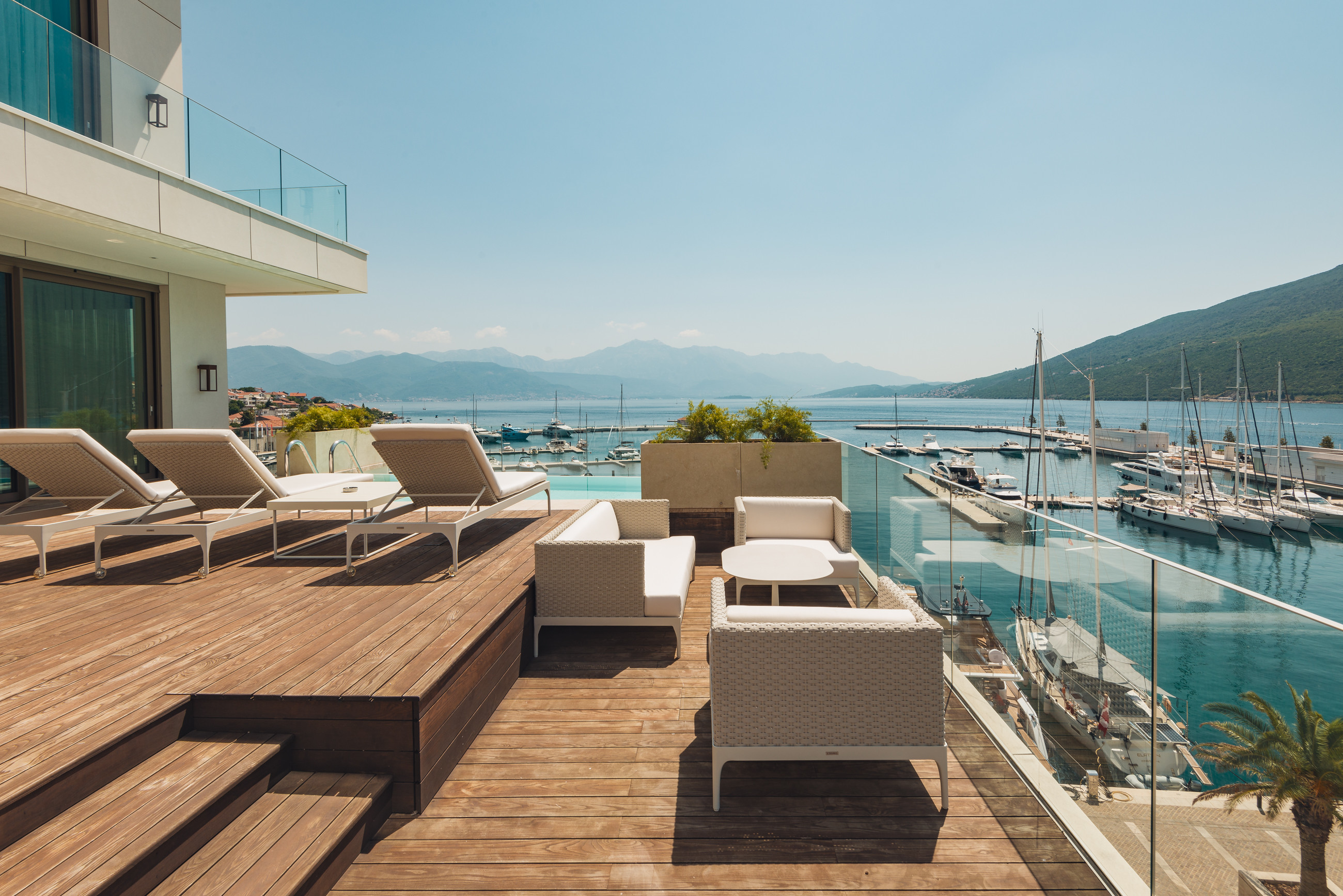
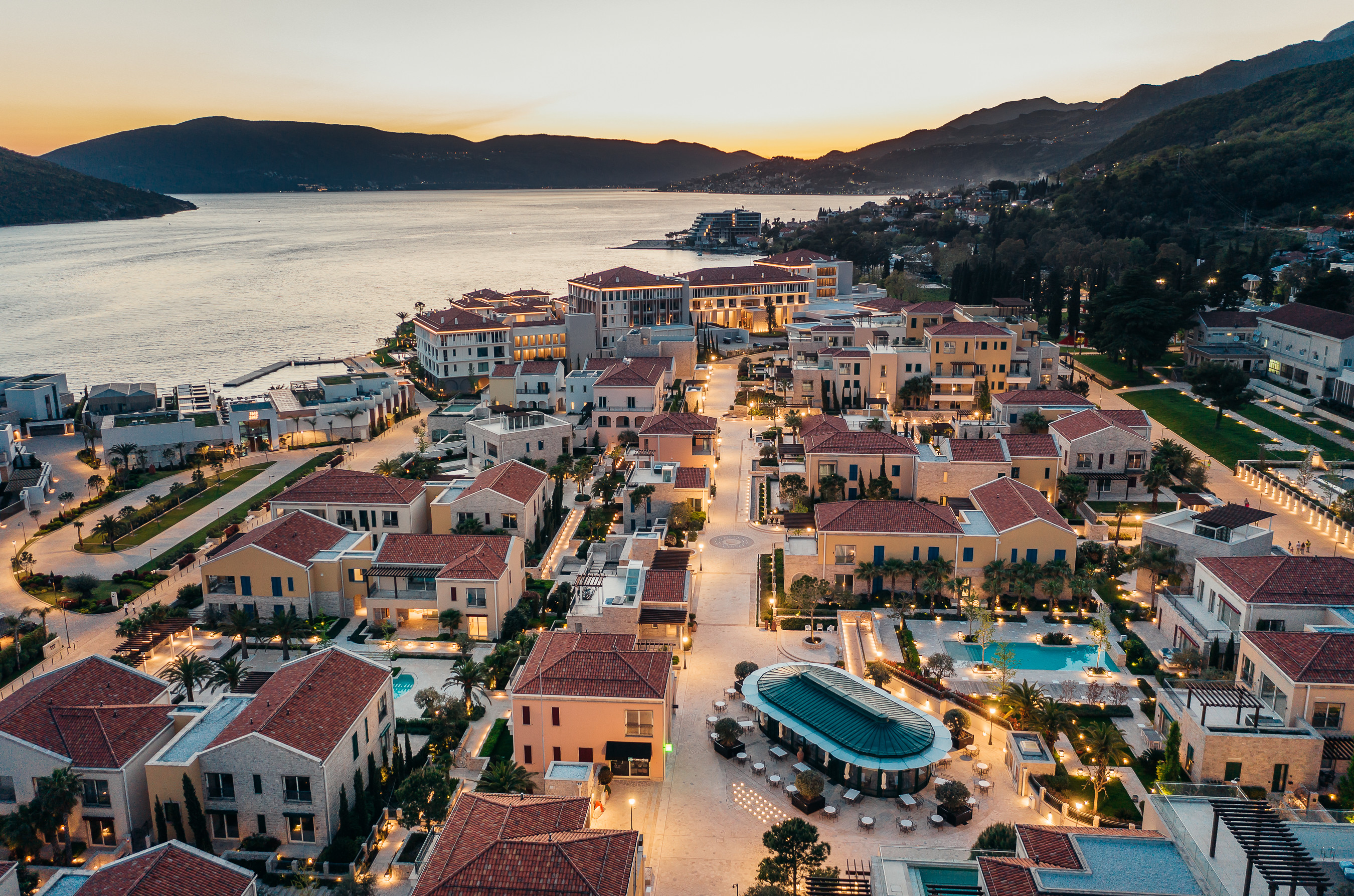
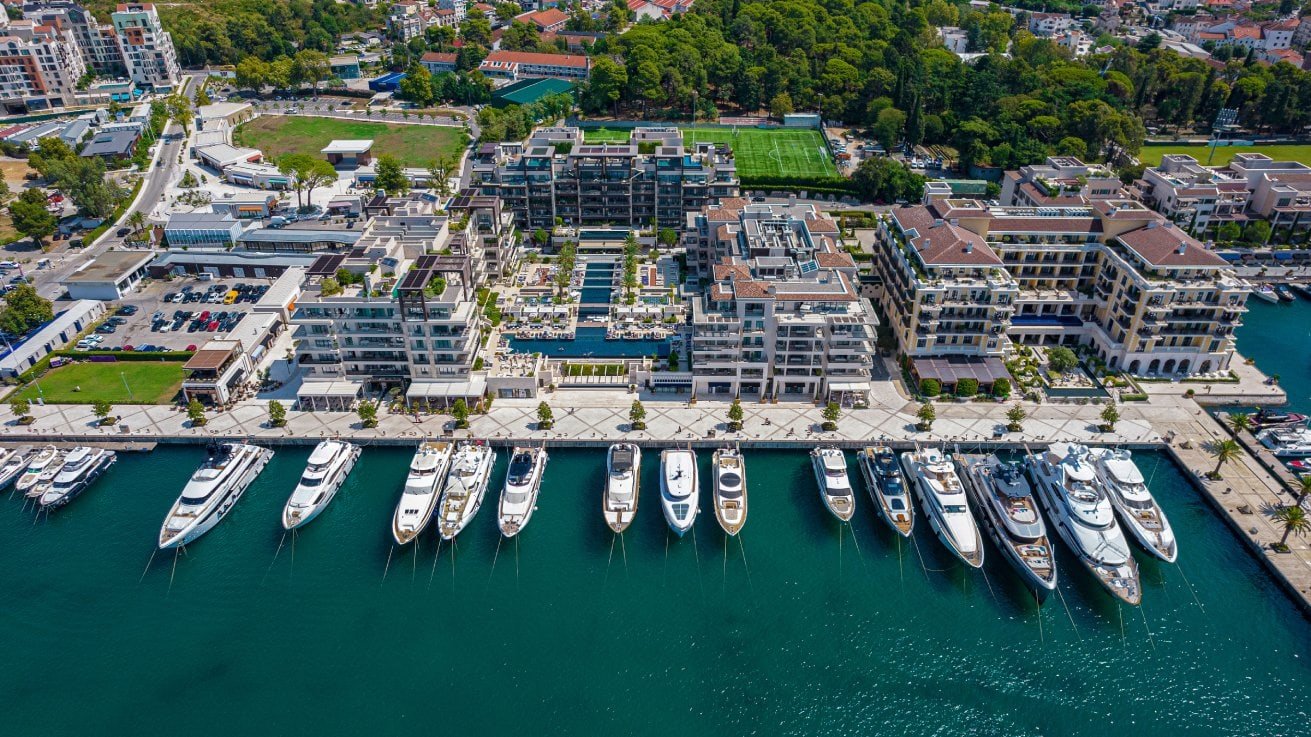
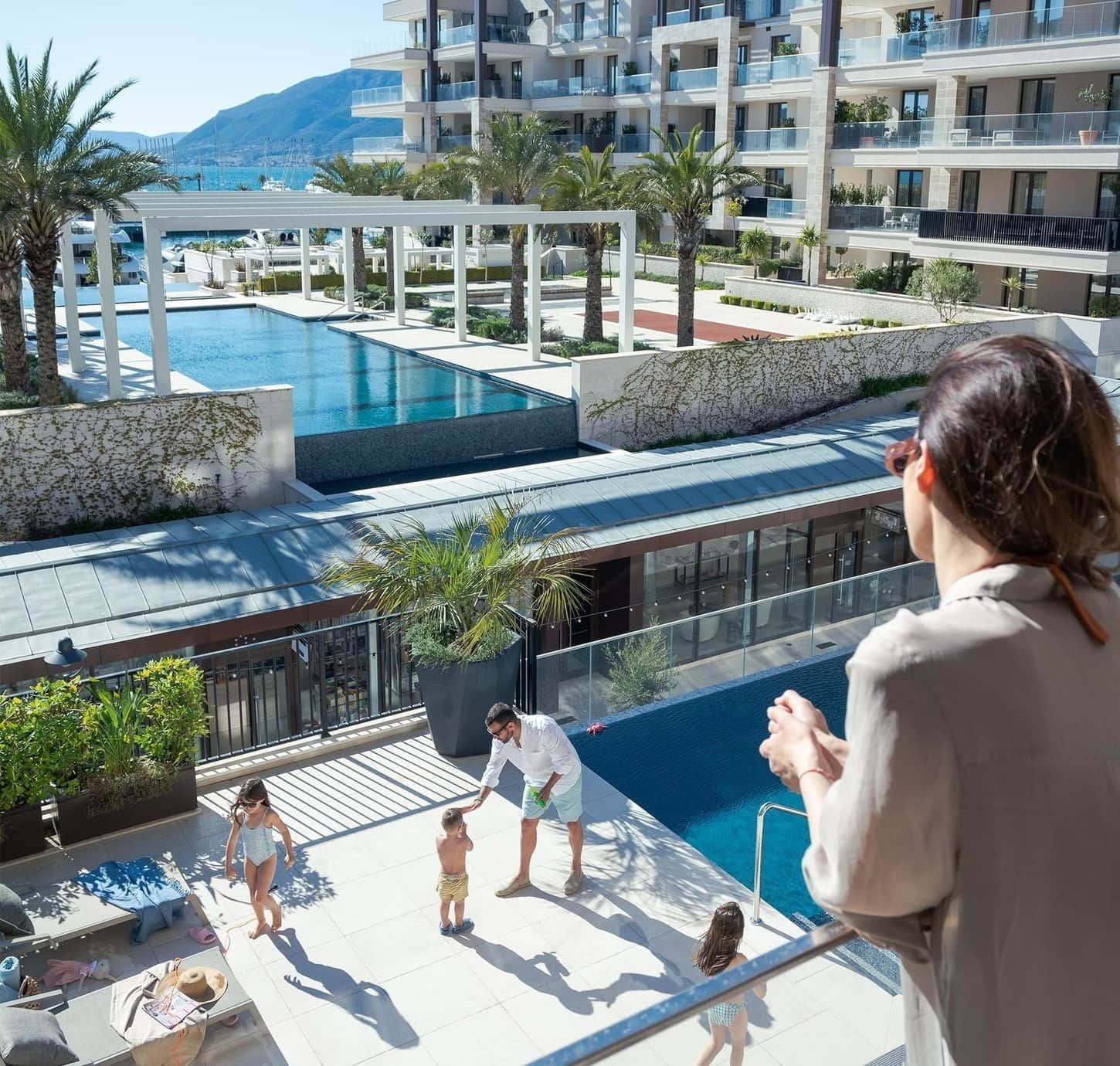
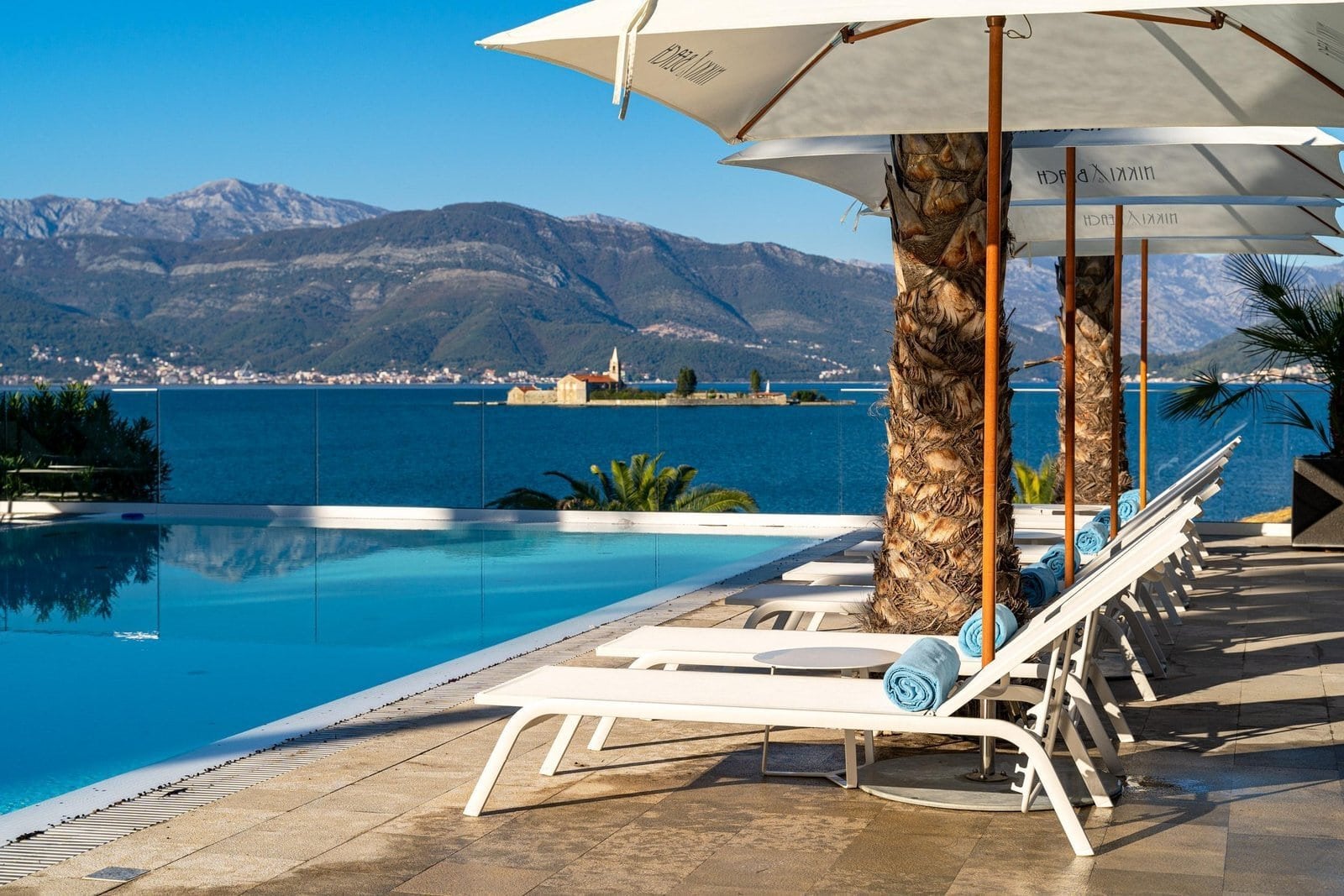
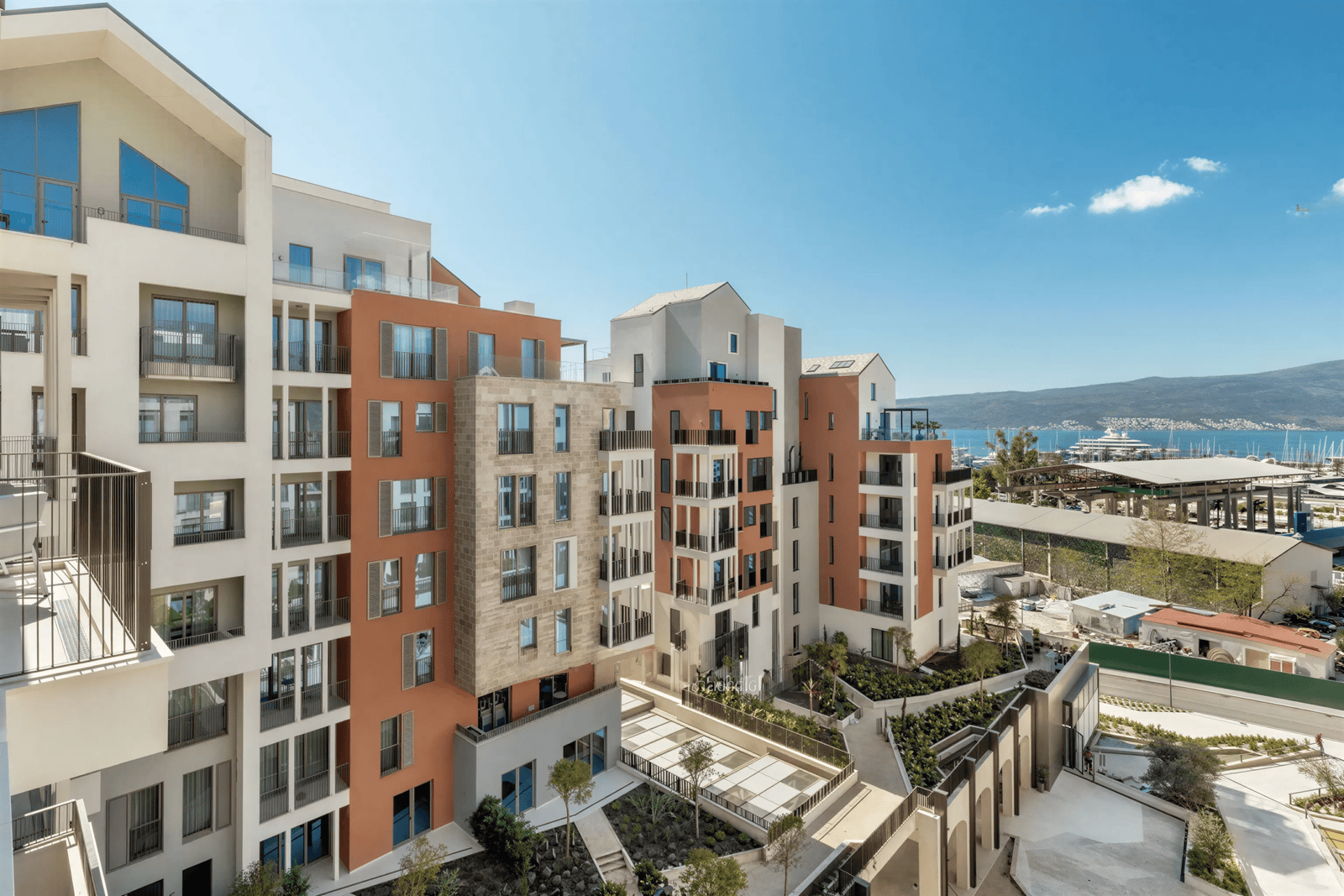
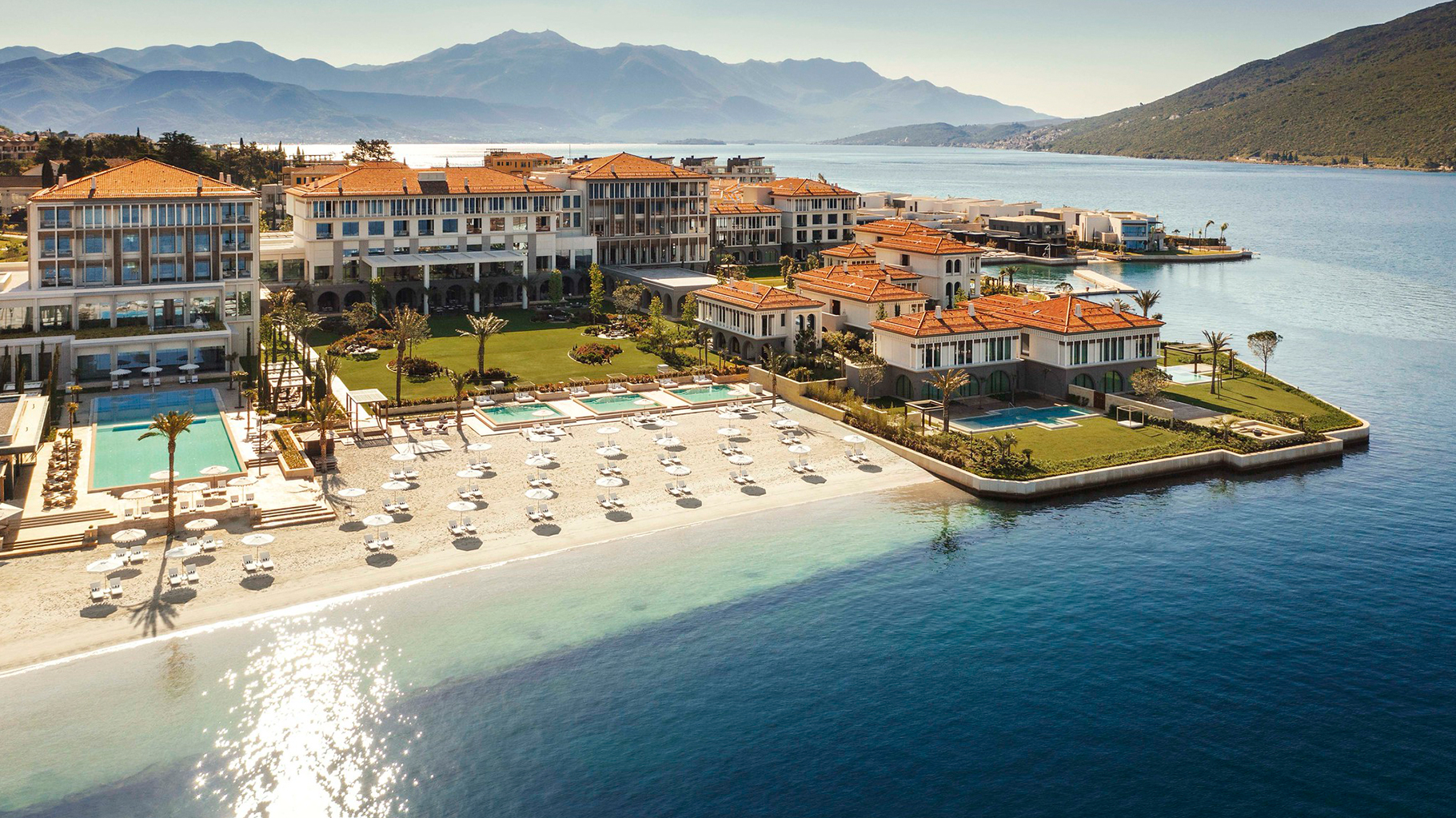
Prime values in Tivat span a wide range depending on proximity to the marina and direct sea access. At the apex of the market, residences within the marina’s branded residential portfolio sit broadly between €8,000 and €15,000 per square metre, with the most recent phases extending above that level in certain configurations. These figures reflect the premium attached to five-star hospitality services, a tightly managed common ownership structure, and a supply that is constrained by design. Porto Montenegro residences represent the benchmark for prime Tivat, and pricing here does not move in step with the broader market.
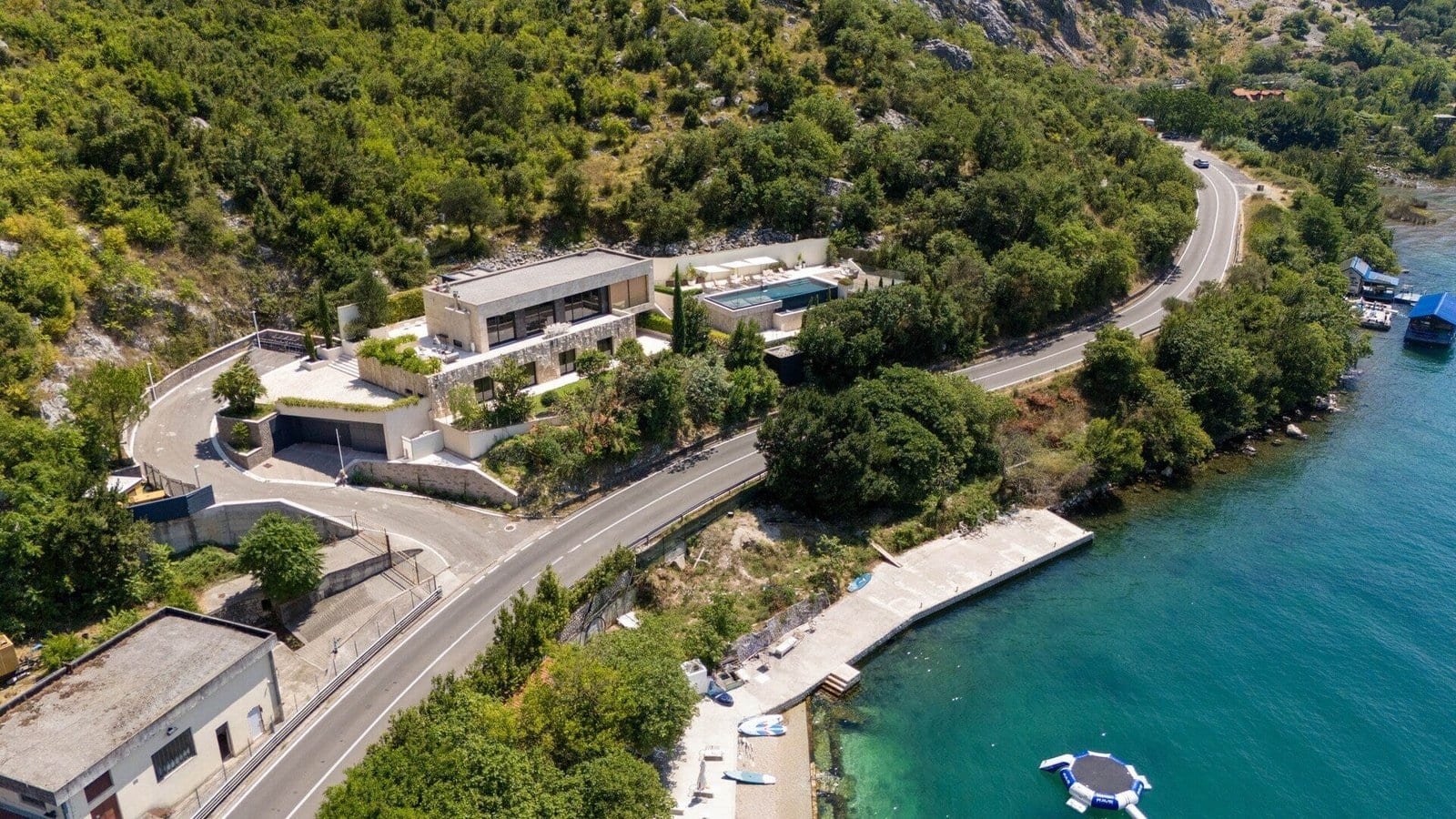
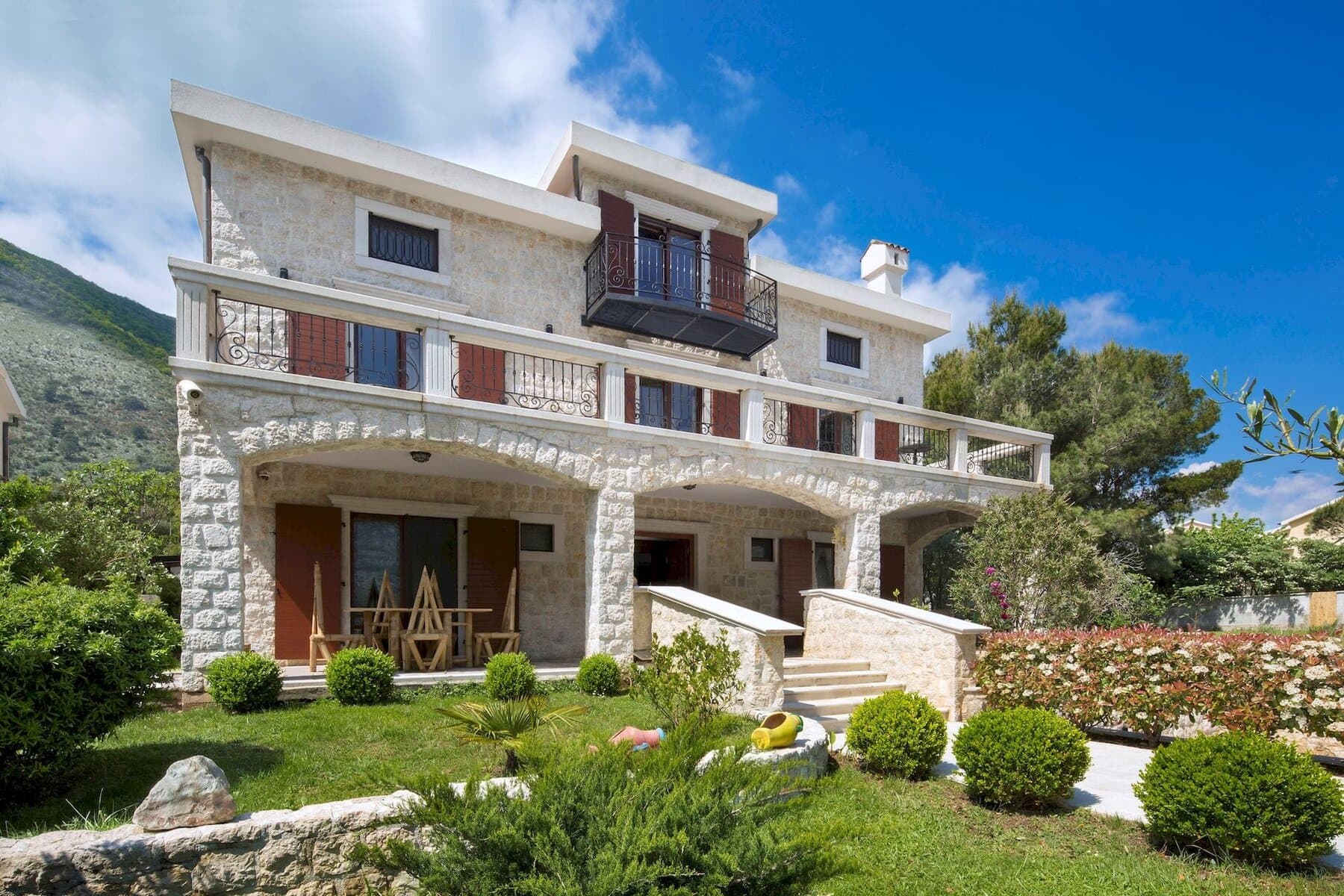
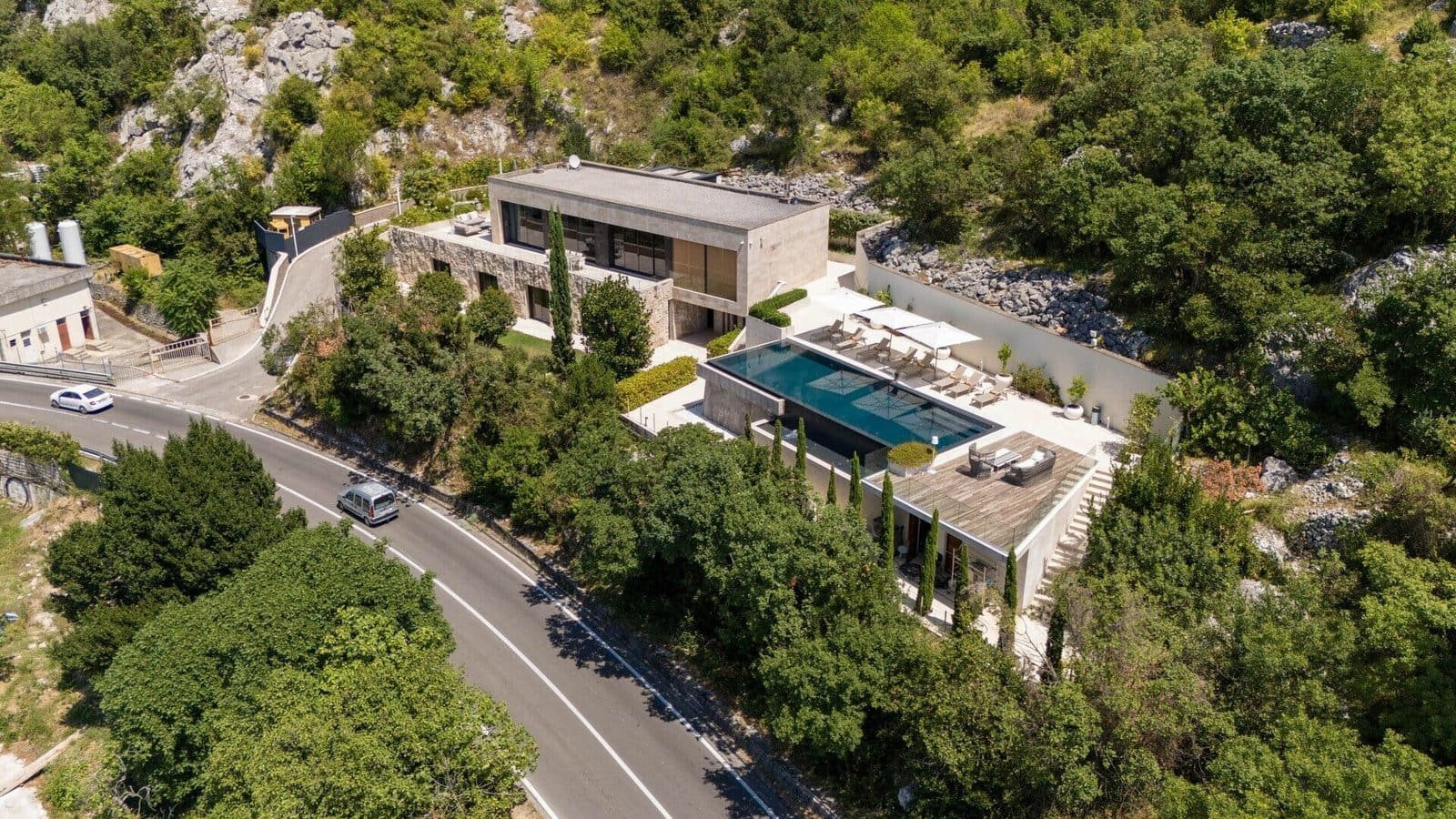
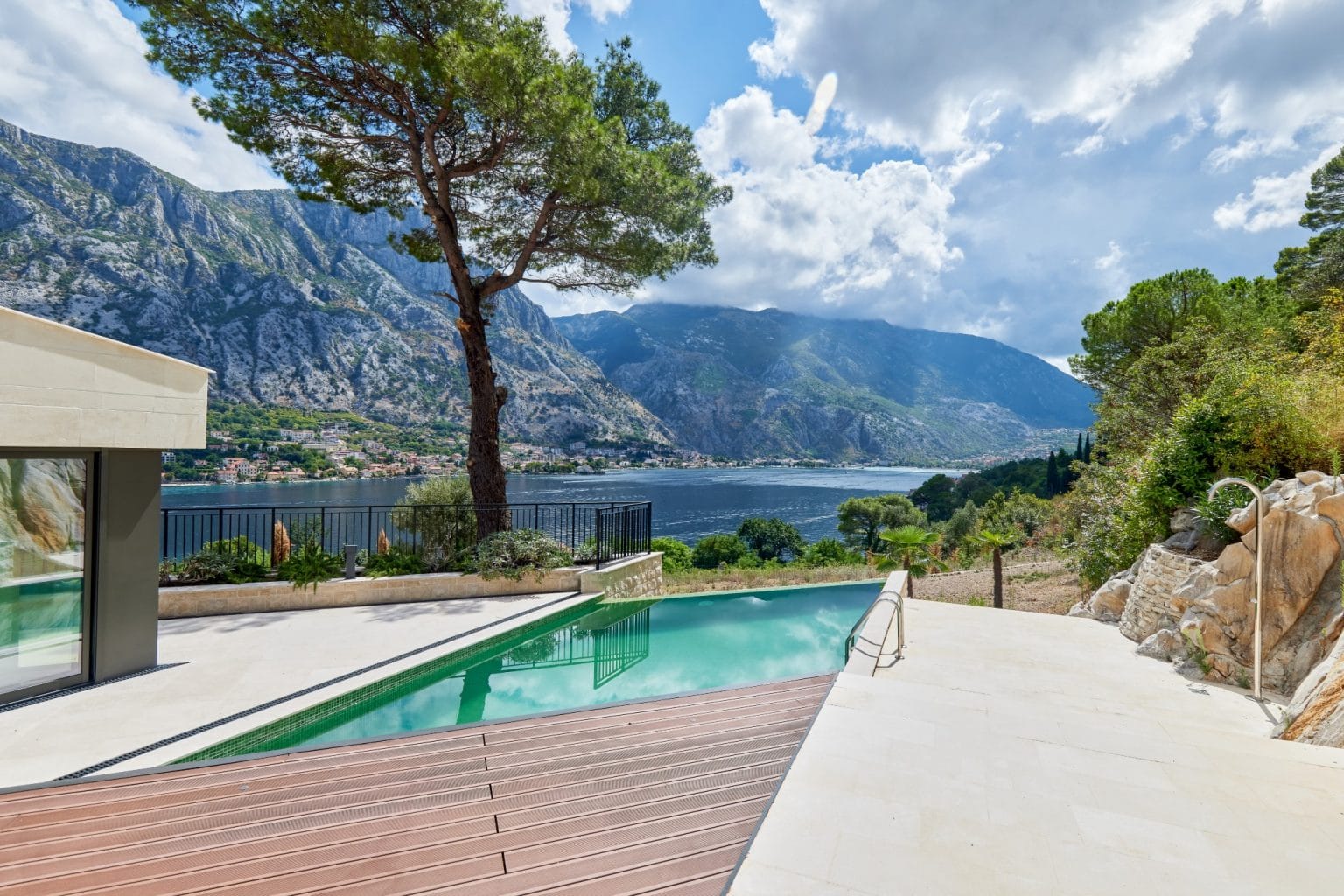
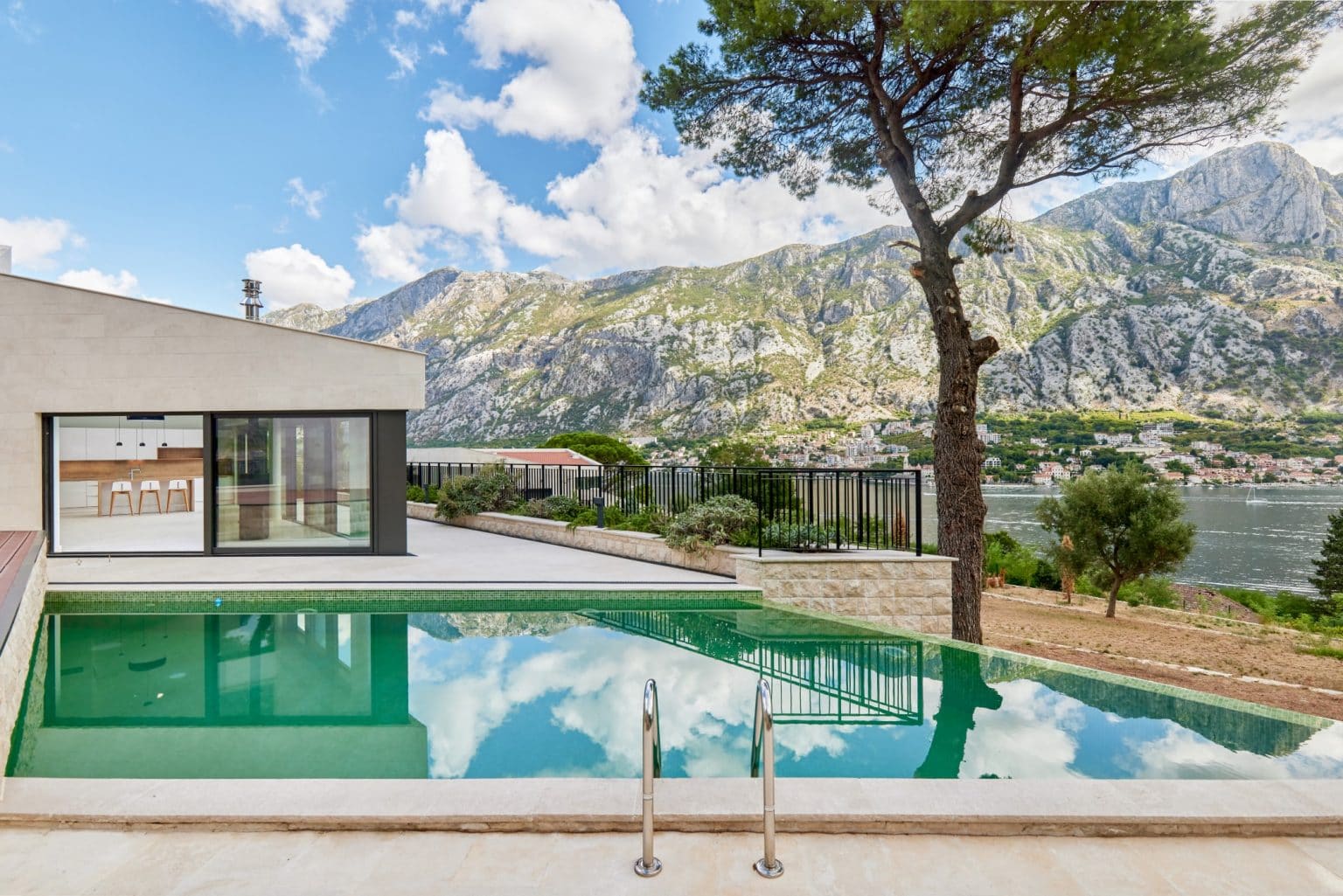
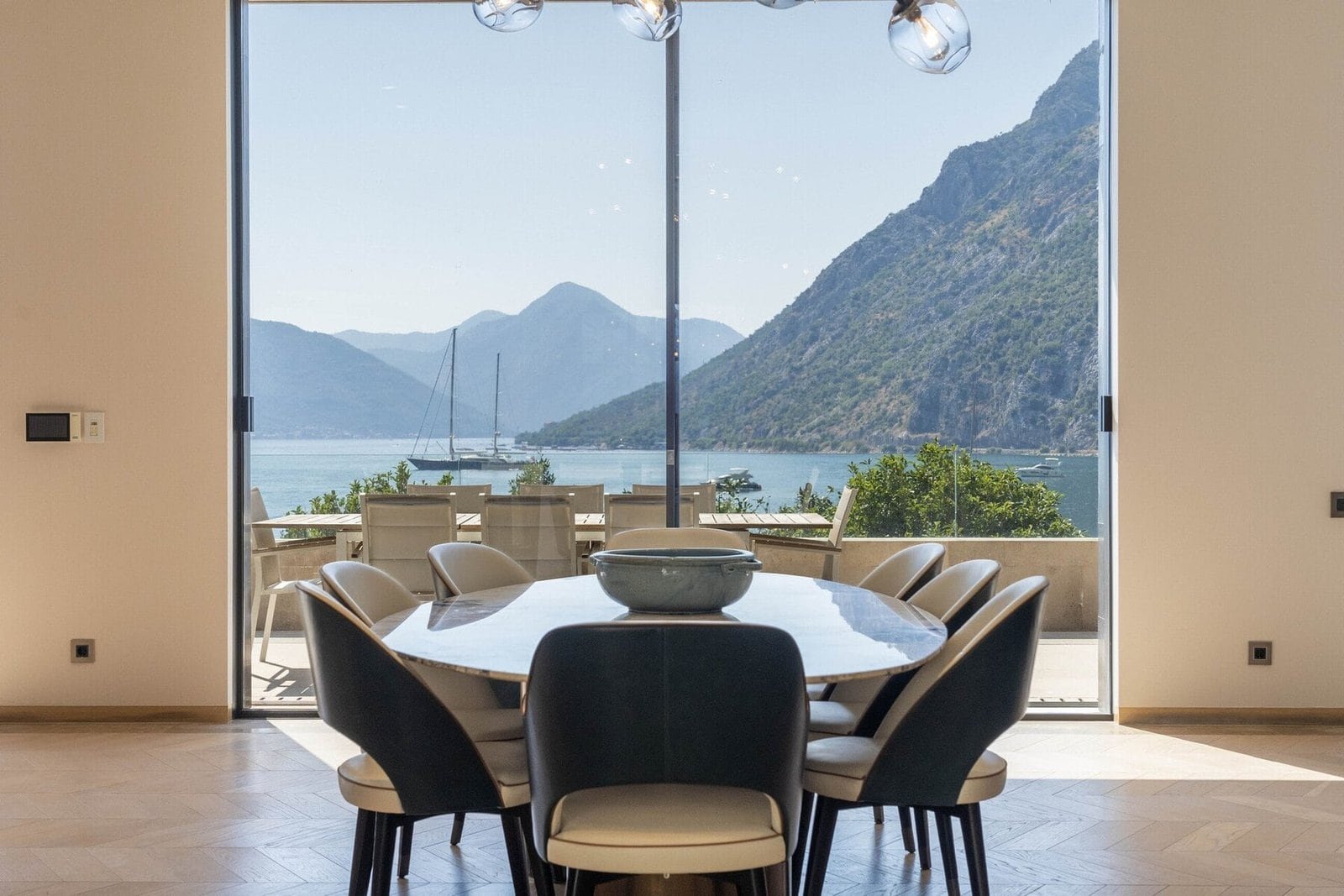
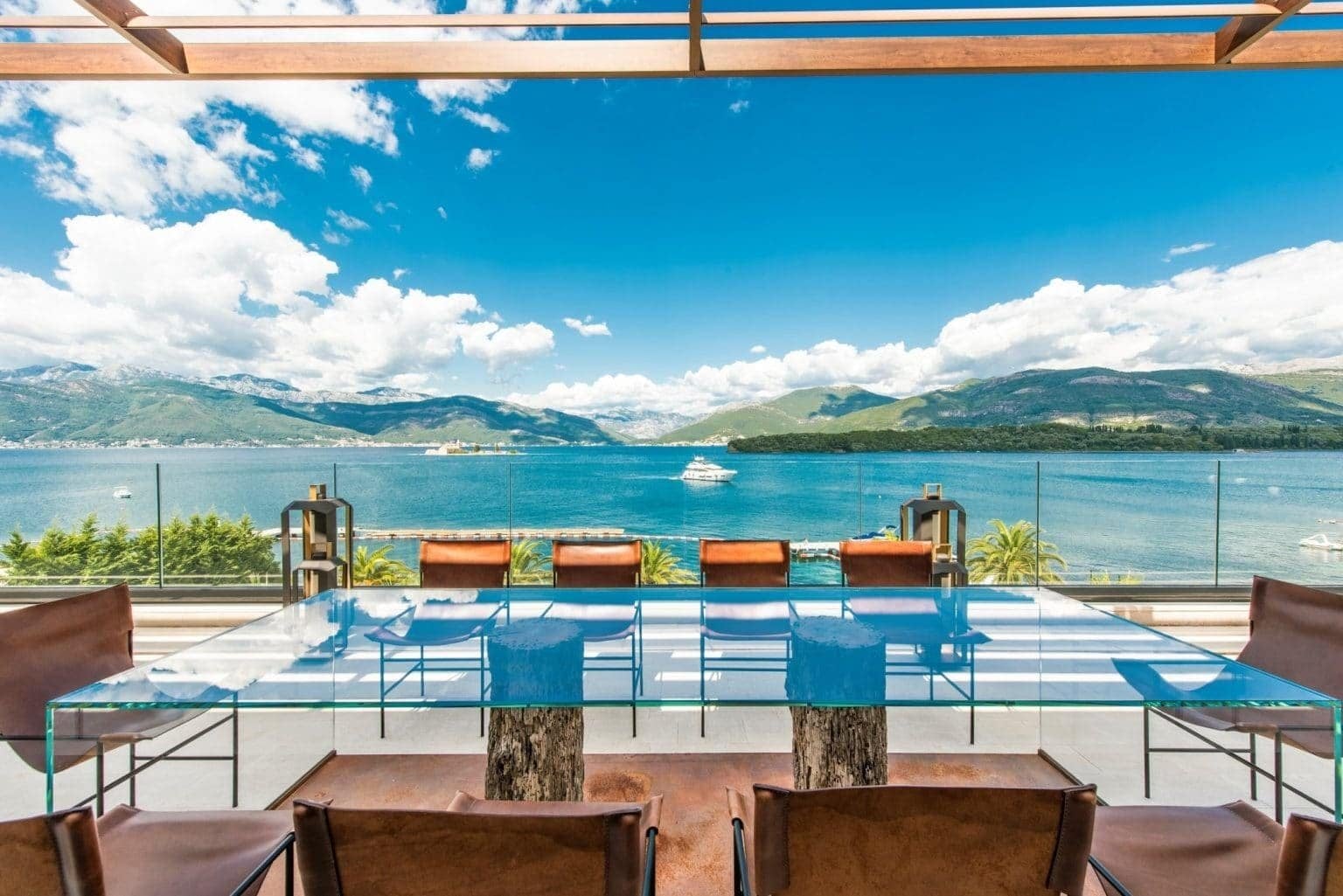
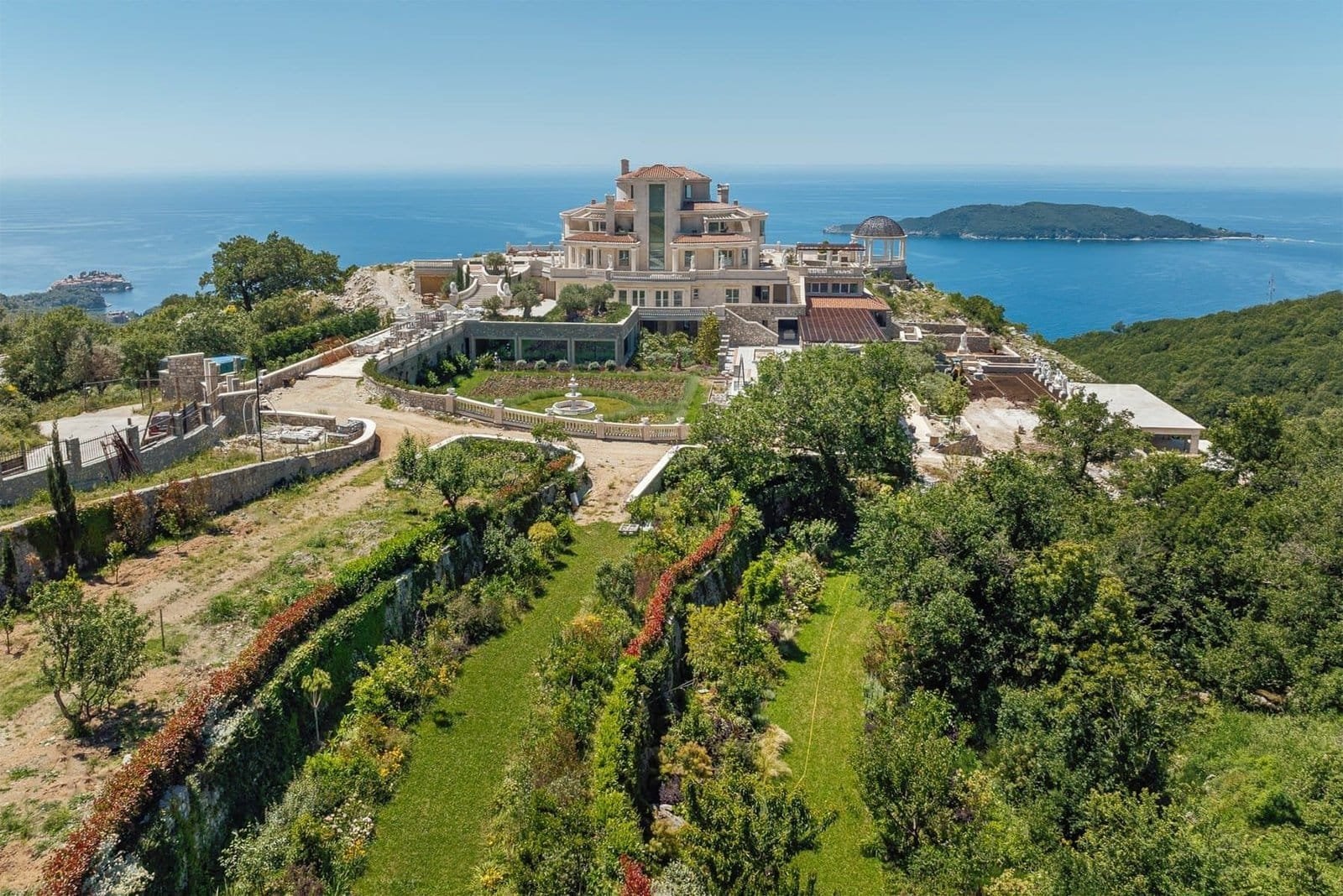
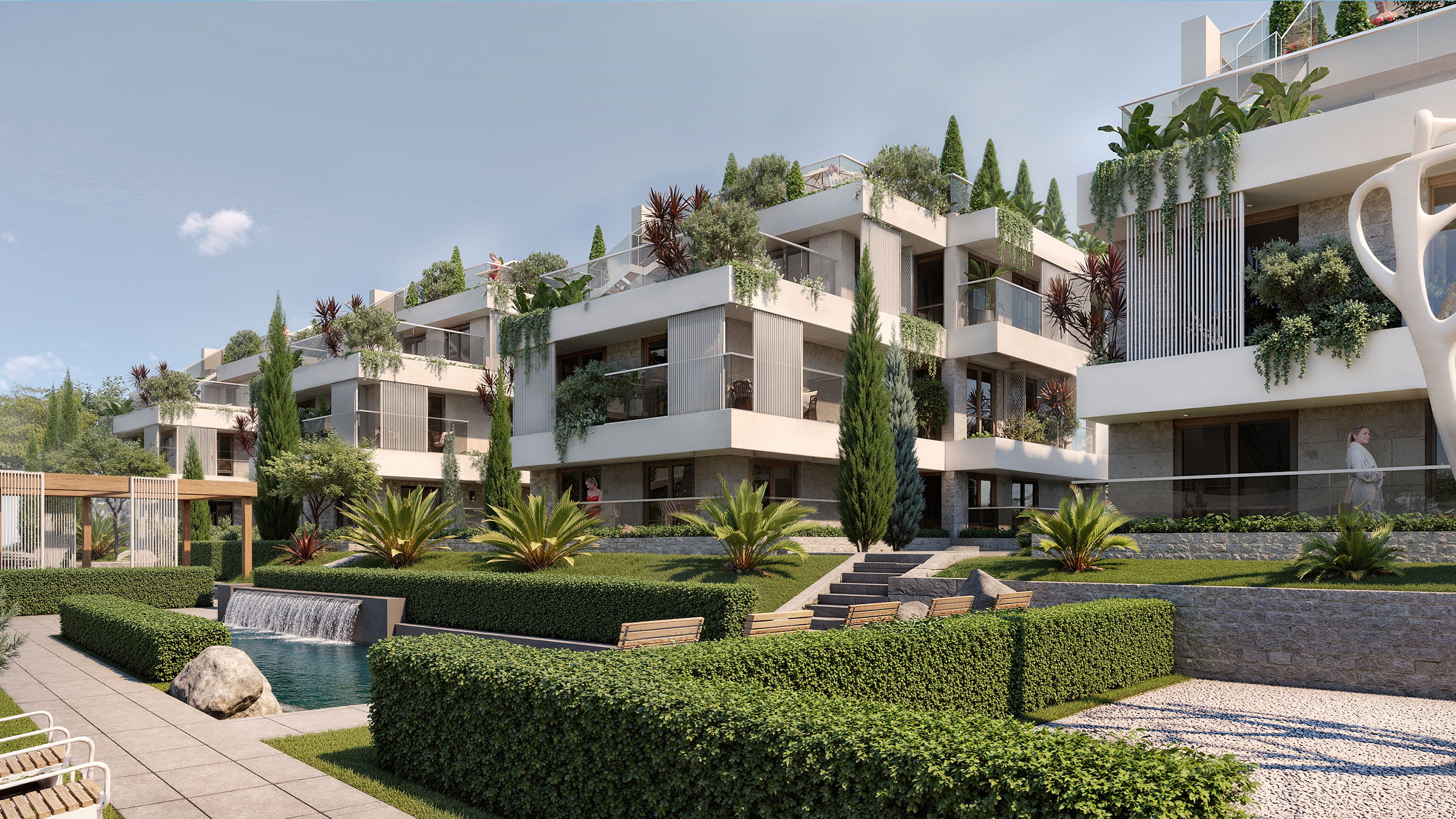
Step outside the marina perimeter and the picture shifts materially. Quality new-build apartments within fifteen minutes’ walk of the waterfront, in Seljanovo and across central Tivat, trade at approximately €3,500 to €6,000 per square metre depending on specification, floor position, and sea visibility. At these levels the market remains accessible while retaining a credible lifestyle proposition. Boka Verde apartments in Tivat sit within this bracket and illustrate the quality possible at mid-market price points. For buyers seeking standalone residential character, the designer villa at Donja Lastva is representative of what the upper-residential tier outside the marina delivers in terms of space and privacy.
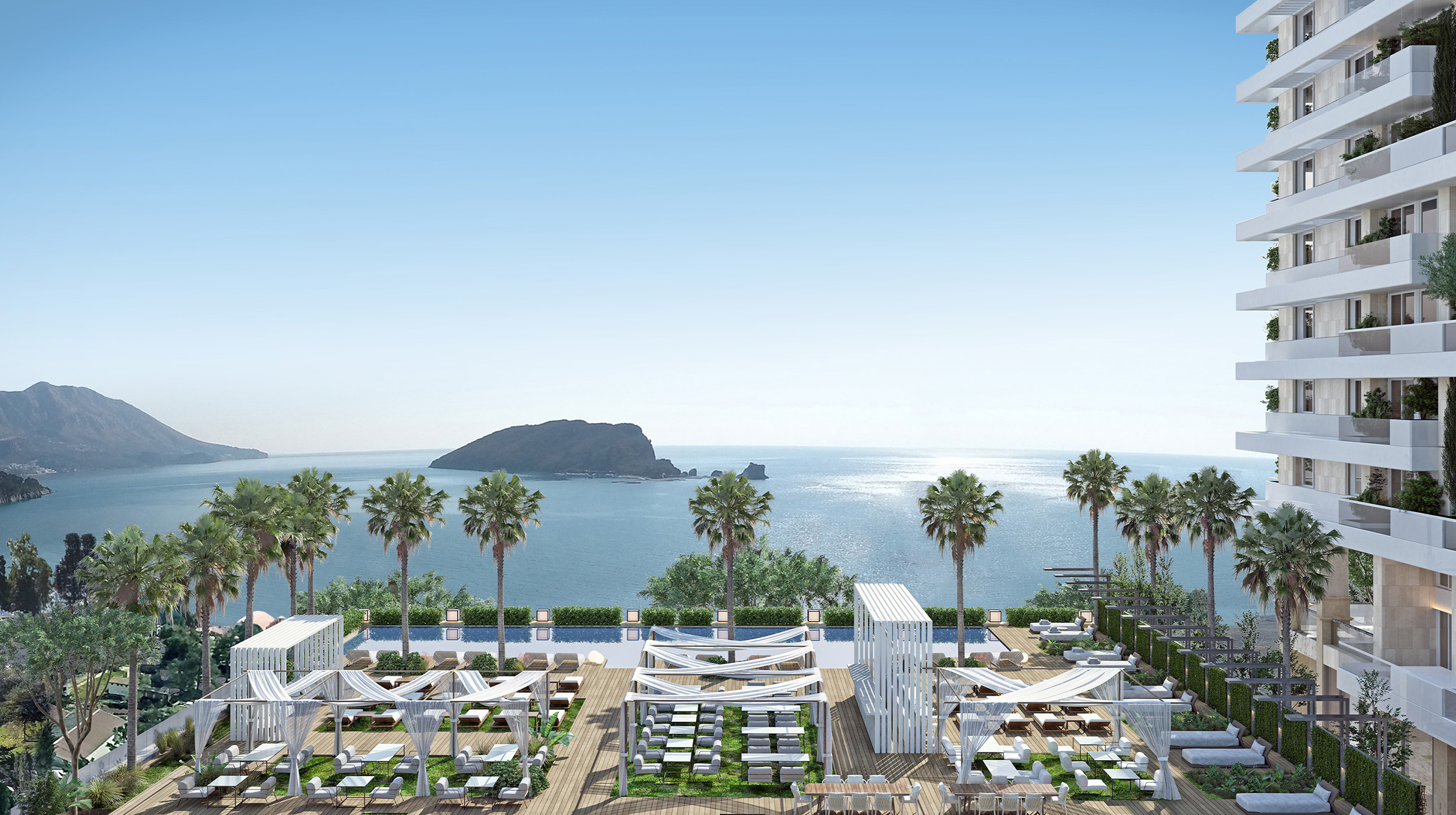
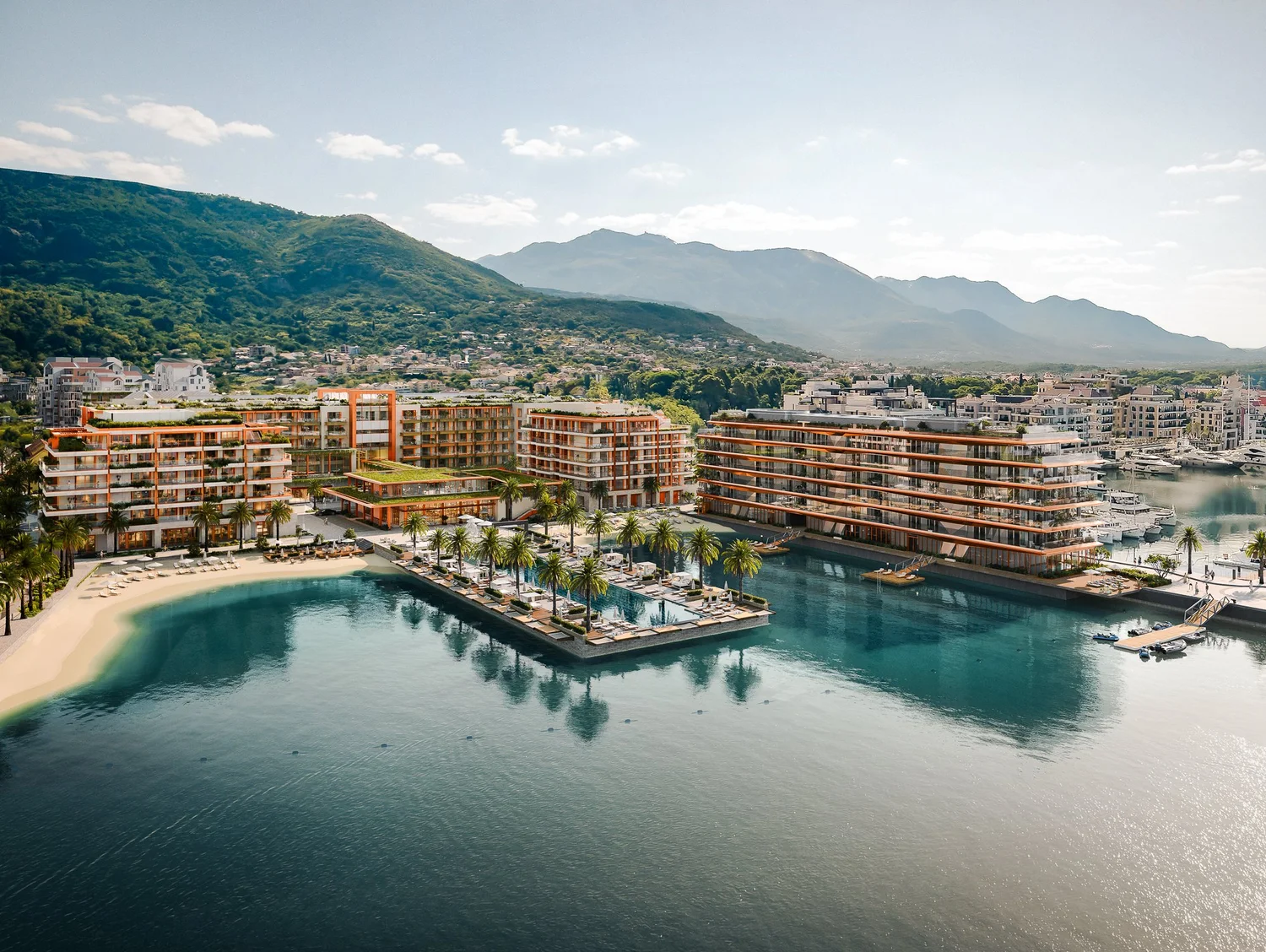
Recent phases of marina-adjacent development include Synchro Yards and Versa Residences, both of which reflect the direction of prime supply: architecturally considered, service-led, and designed for buyers who prioritise execution quality over raw square footage. Entry into these phases is limited and typically managed through a reservation process rather than open listing.
Key Micro-Locations: Where to Focus Your Search
Tivat is not a homogeneous market. The town’s geography divides into several distinct zones, each with a different risk and return profile, and buyers who approach it as a single market tend to make poor allocation decisions.
The marina core commands the highest values and the most liquid buyer pool. Inventory here is restricted, supply additions are tightly controlled, and resale demand from an internationally mobile buyer base provides structural price support. This is the most defensive position for capital preservation, though it comes with meaningful entry costs and ongoing service charge commitments that buyers should model carefully.
Donja Lastva and Seljanovo, immediately south of the marina, offer waterfront and near-waterfront positions at lower entry points, often with more generous footprints and a quieter residential character. These villages sit within ten minutes of the marina by car and combine the advantages of Tivat’s infrastructure with a degree of privacy the marina core cannot provide. For buyers seeking a genuine house with a sea-facing terrace rather than a managed residence, this stretch delivers the stronger value proposition.
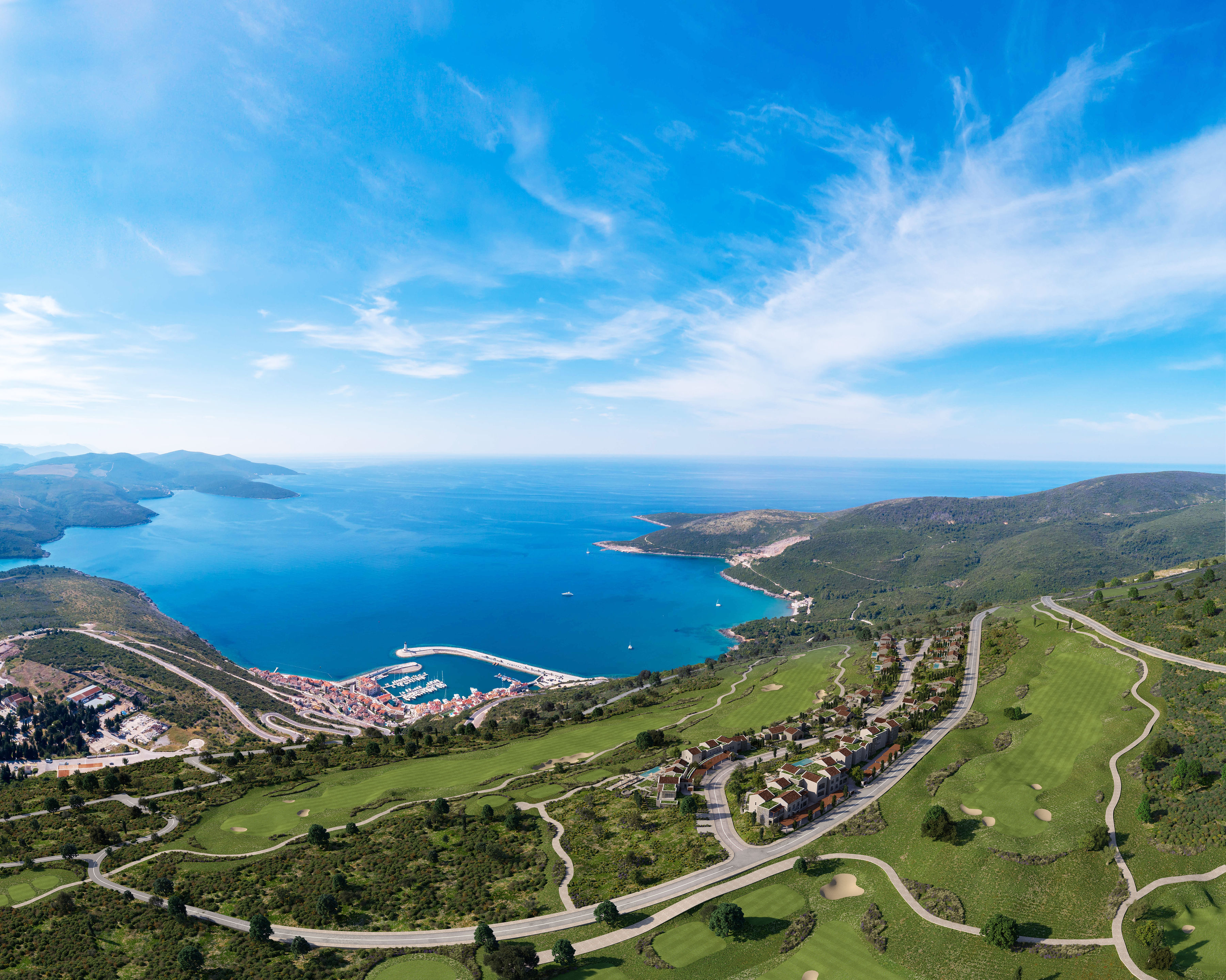
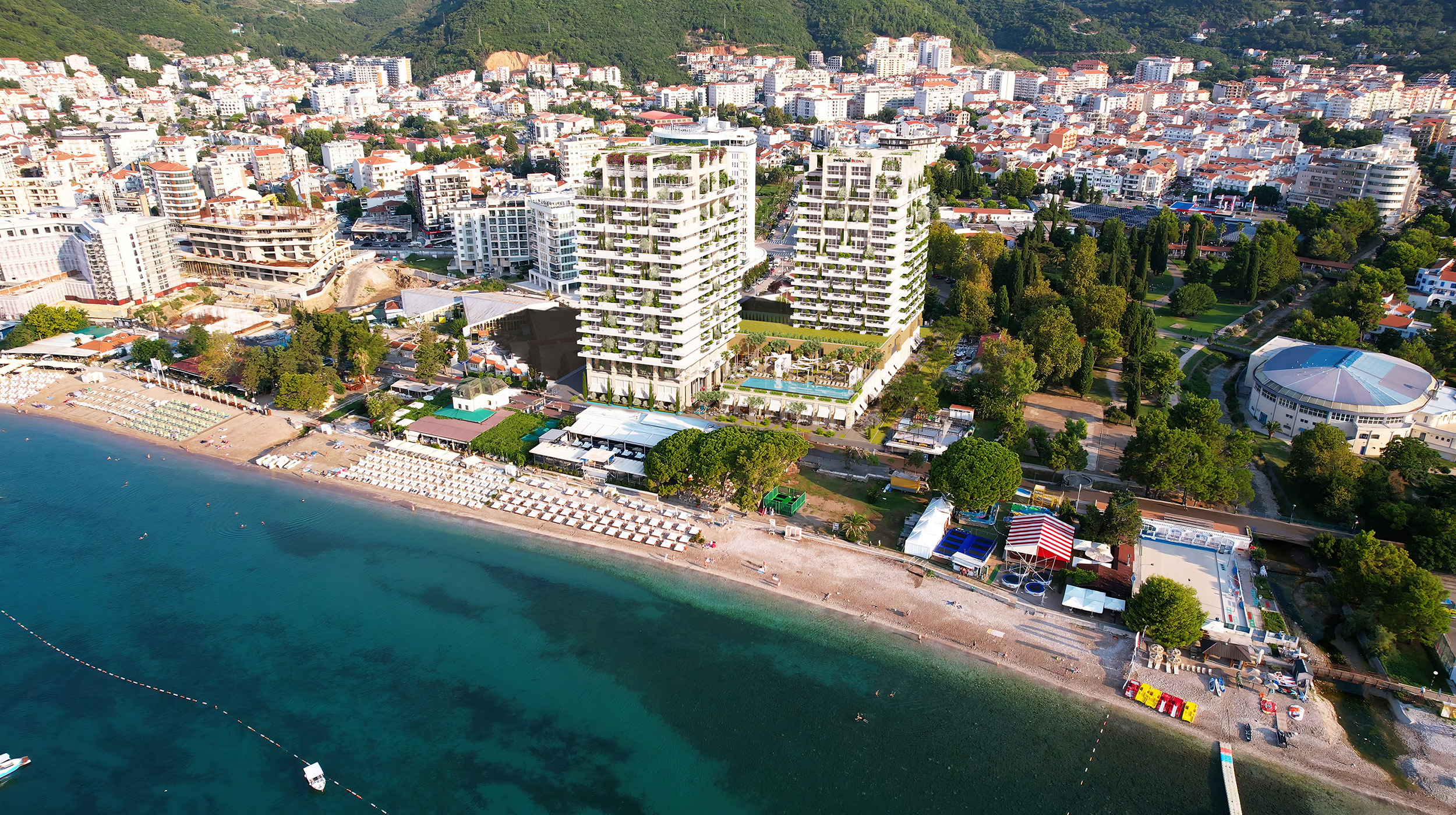
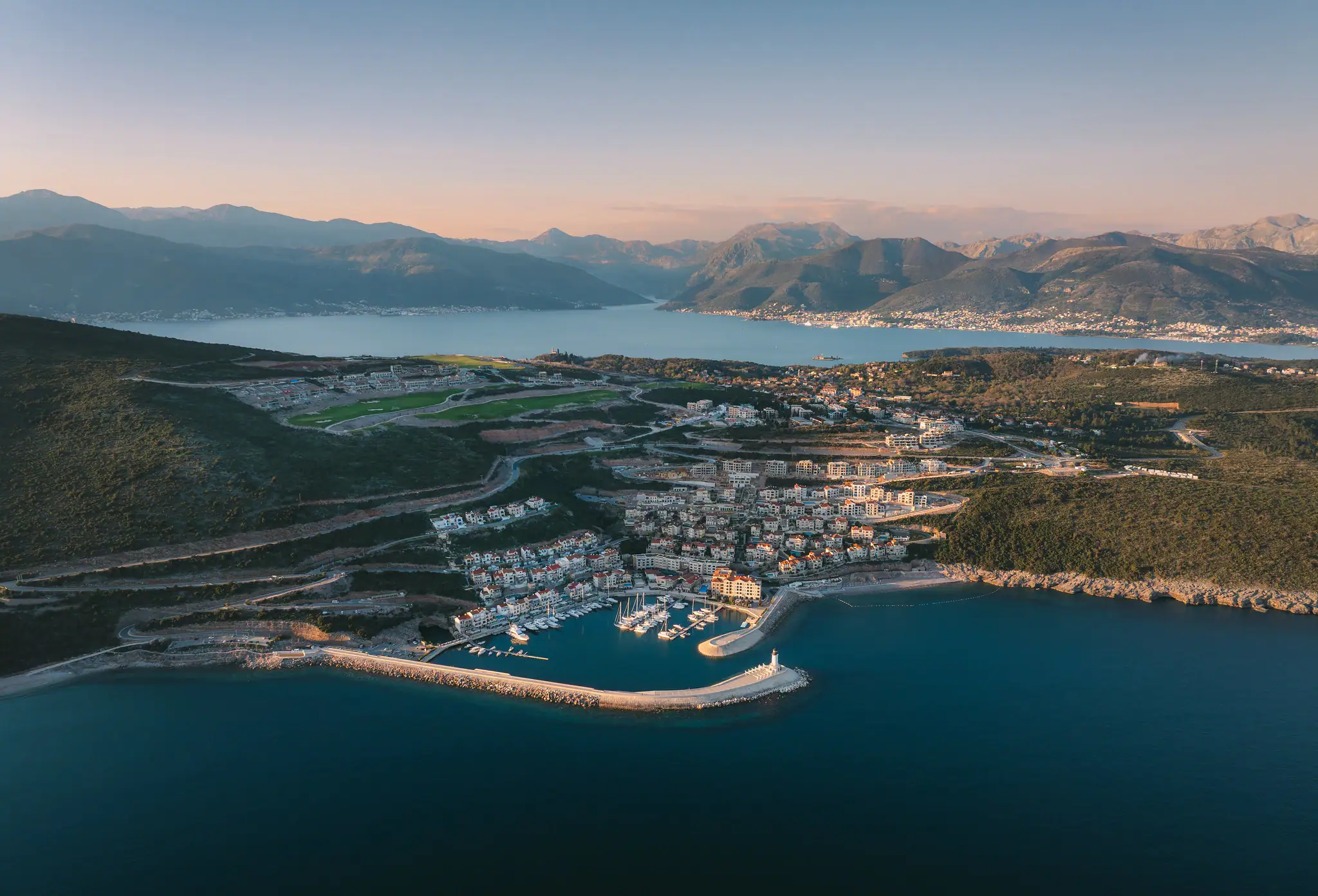
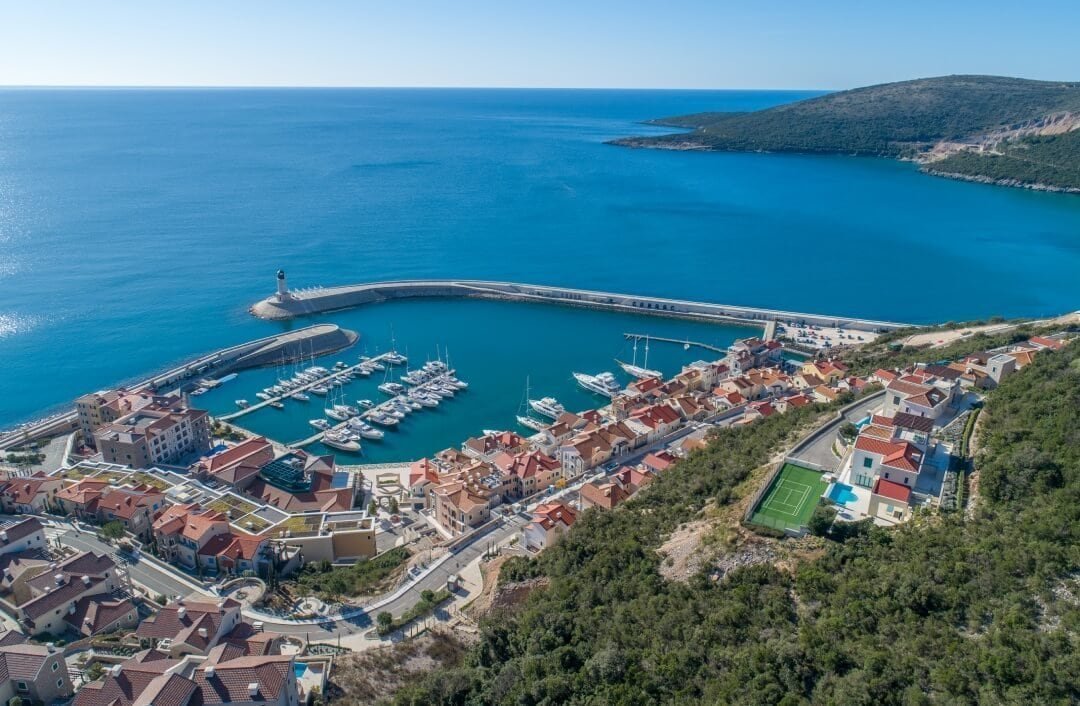
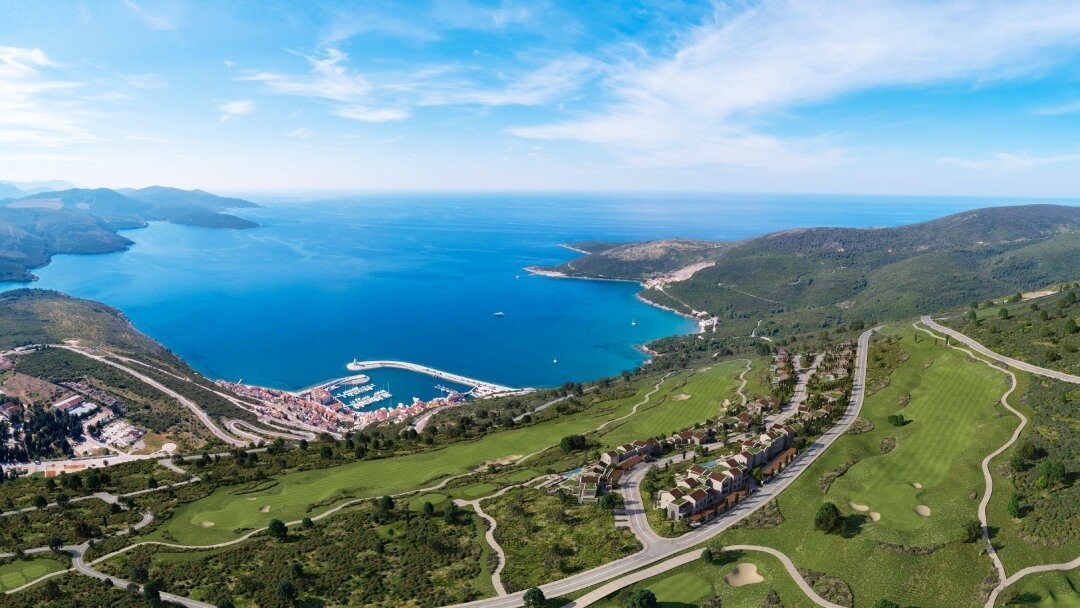
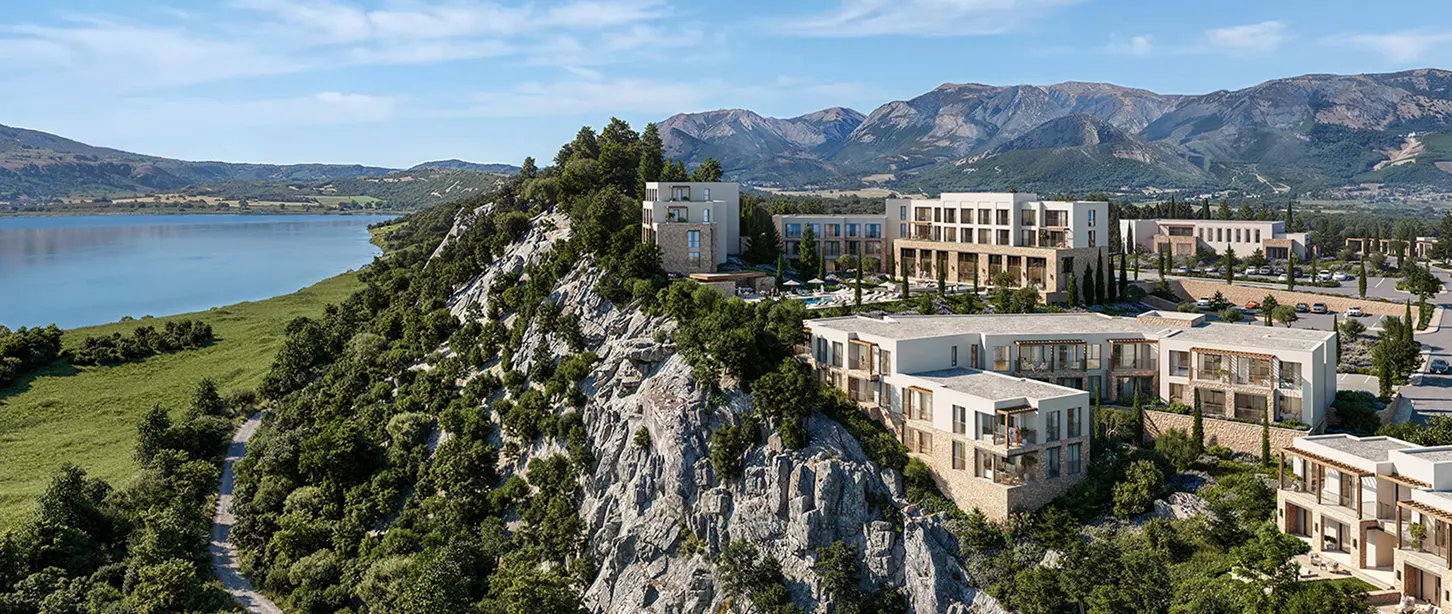
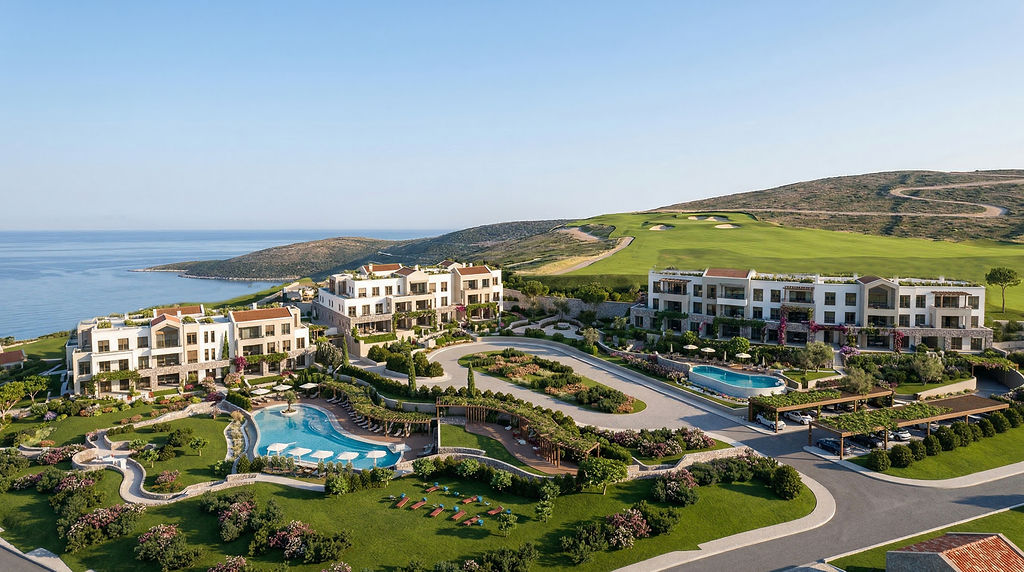
Central Tivat and the Pine promenade cater to a different buyer: one prioritising walkability, restaurants, and year-round town life. The stock here is a mix of older apartments and newer mid-market buildings. Gross yields in this zone tend to outperform the premium marina tier in percentage terms, though the capital appreciation trajectory is more subdued. For buyers whose primary goal is rental income during holding periods, central Tivat merits consideration alongside the Lustica Bay market, which offers a different lifestyle proposition at comparable price points on the opposite shore.
Understanding Waterfront Classifications in Montenegro
The word “waterfront” is frequently misused in Montenegrin listings, and buyers who do not verify the physical position before committing risk paying a significant premium for something that is not what the brochure implies. The market operates on three broadly understood classifications.
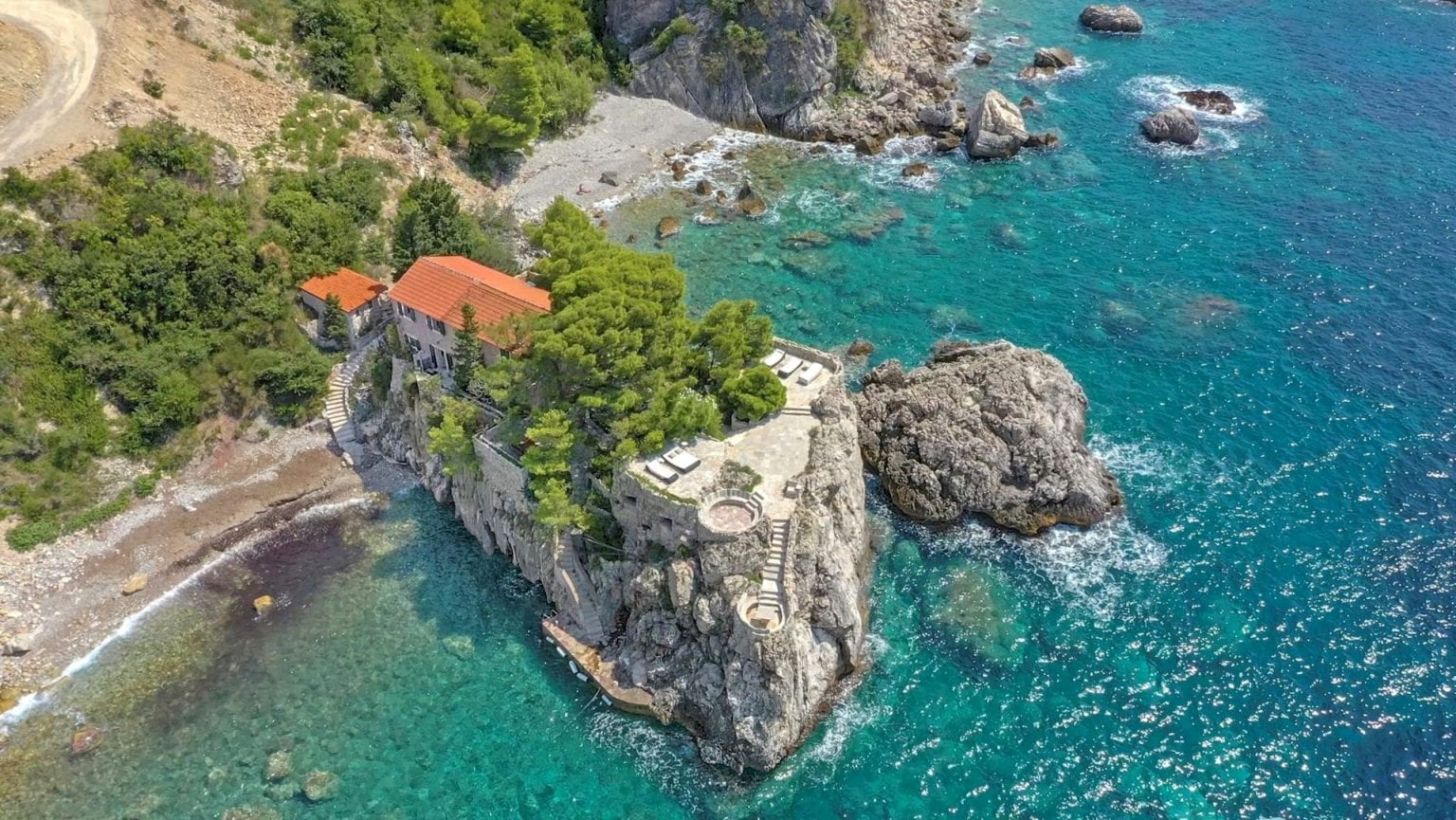
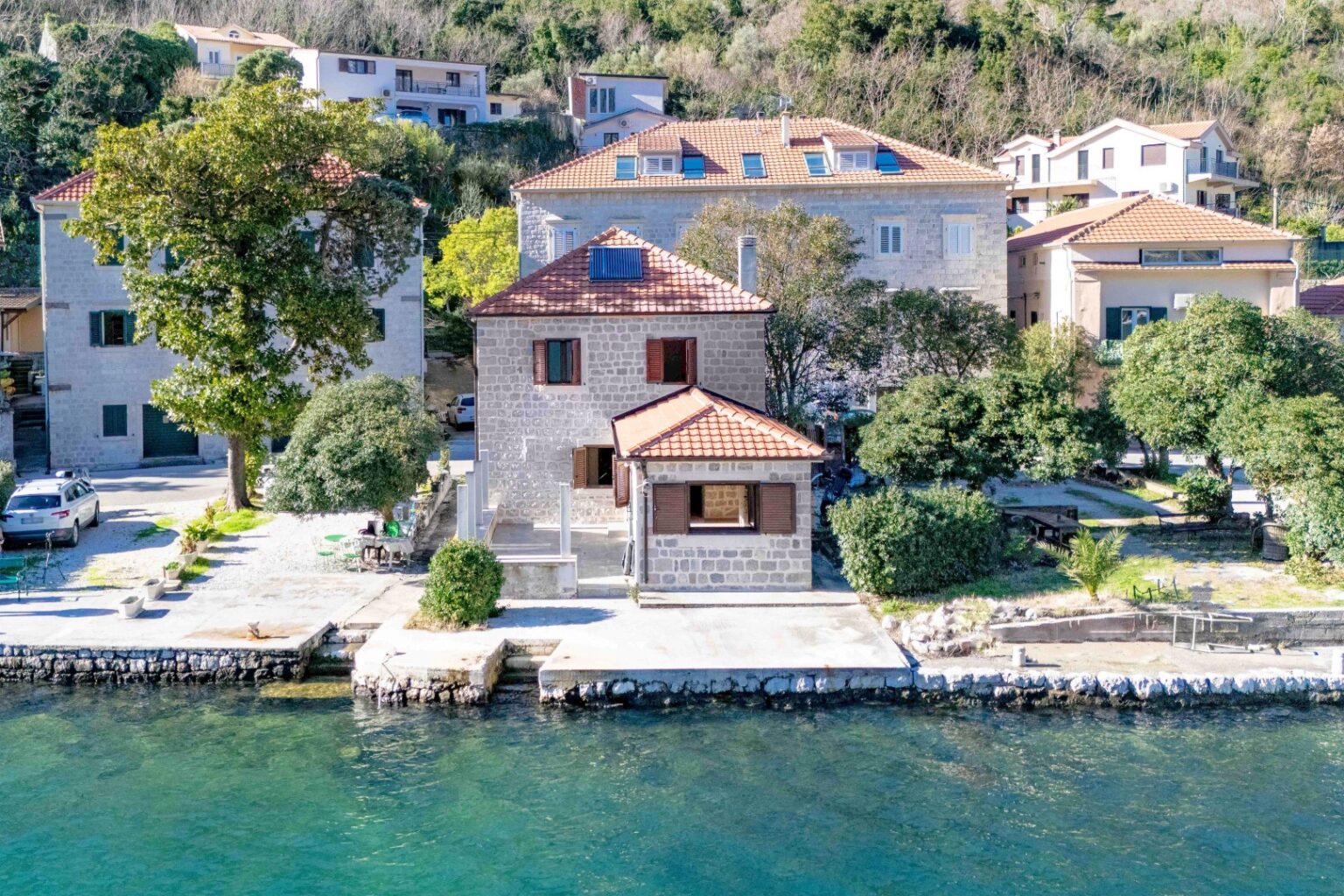
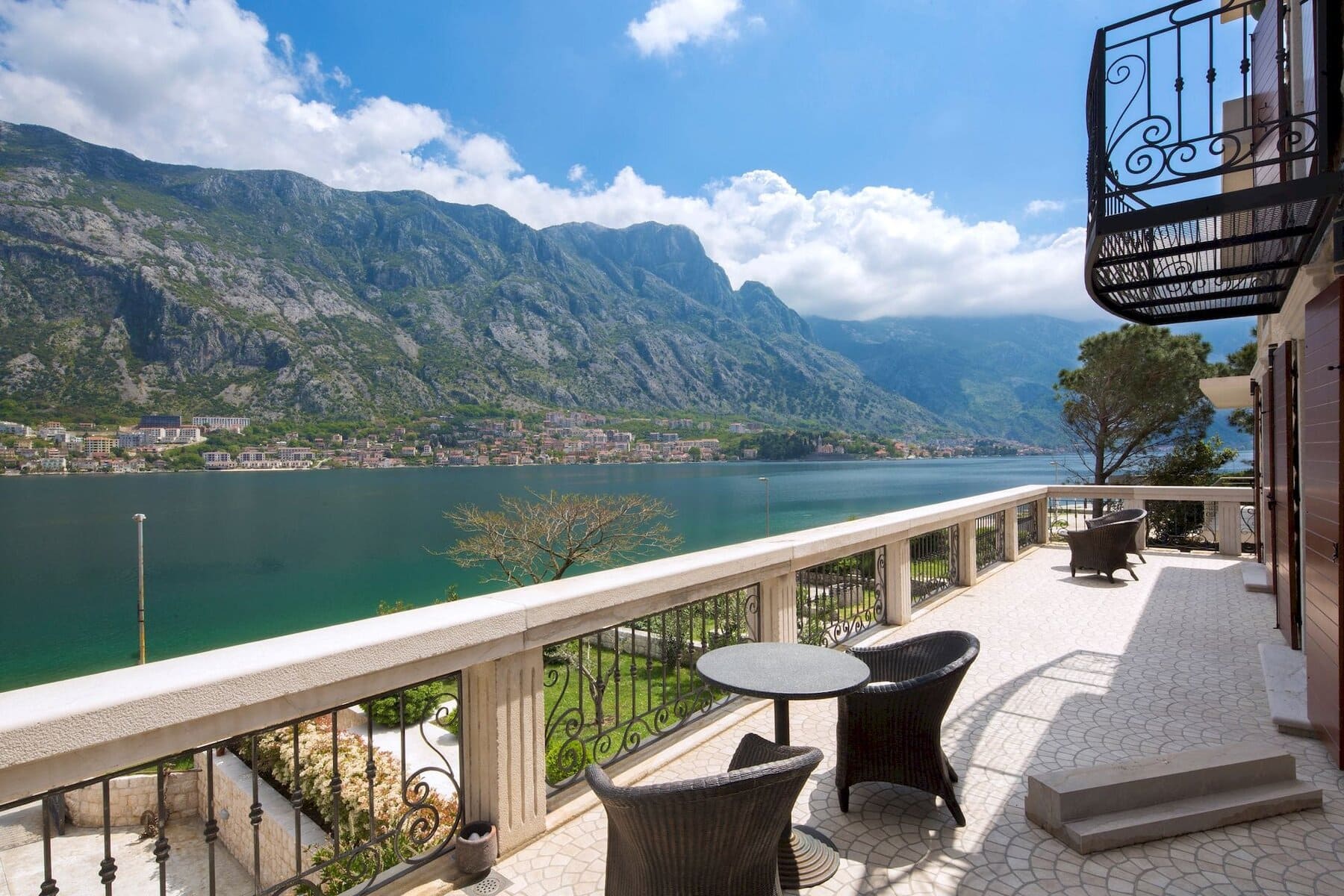
First-line properties have no road, promenade, or other structure between the residence and the water. They typically include private sea access or a mooring possibility. The price premium over equivalent second-line stock runs to forty or fifty per cent in most cases, and true first-line inventory in Tivat is genuinely scarce. For buyers drawn to this position, verify the cadastral boundary rather than relying on agent descriptions or photographs.
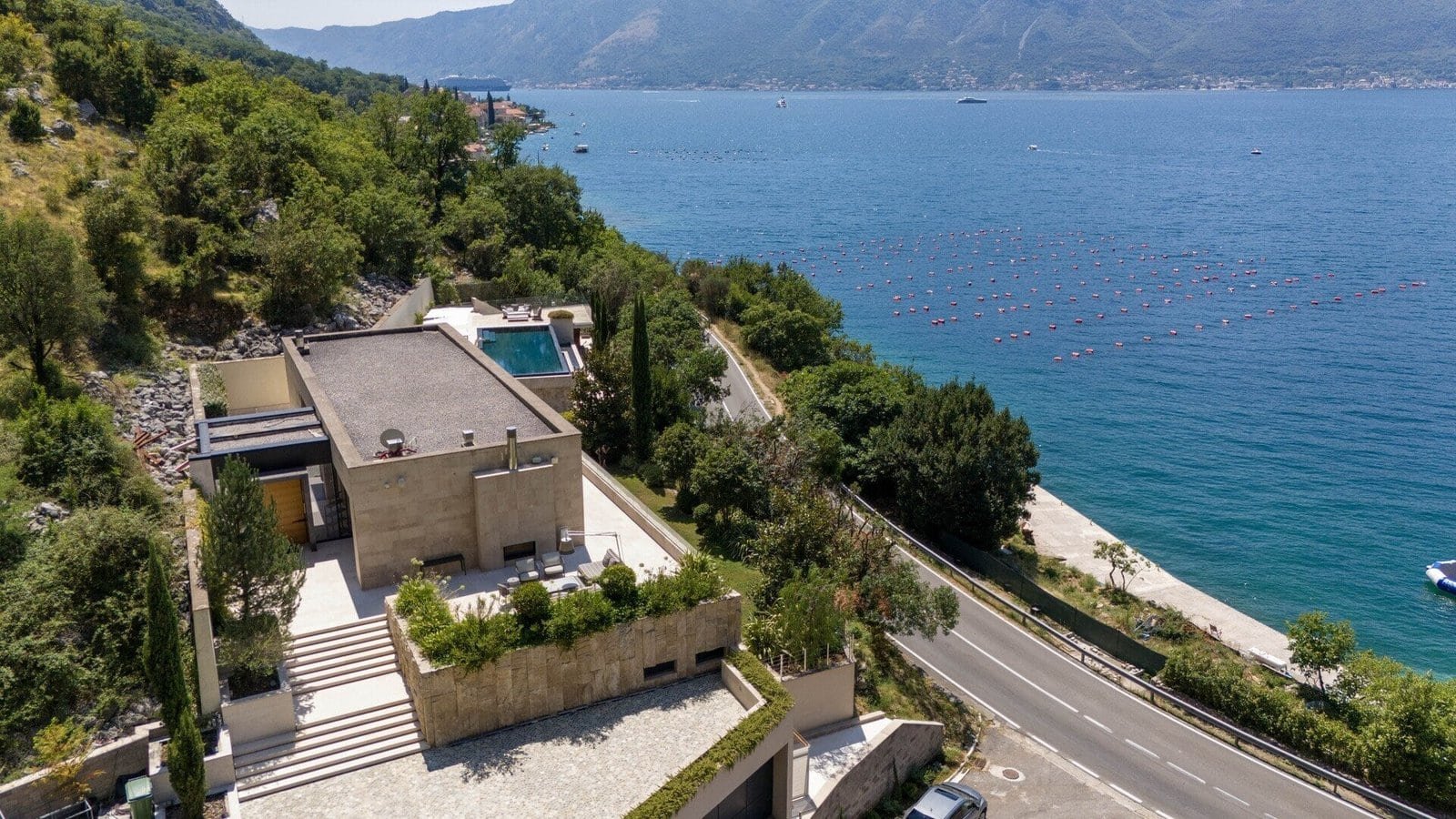
Second-line properties are separated from the sea by a single element, most commonly a coastal path or a narrow road. Views are unobstructed and sea access is seconds away, but the property does not sit in direct contact with the water. This is the most commercially active category because the lifestyle benefit approaches first-line quality, while the acquisition cost is considerably lower.
Third-line and beyond means at least one building or a main road lies between the property and the coast. Views may still exist from elevated positions, but the waterfront premium is not warranted and buyers should negotiate accordingly. Always visit at different times of day and during high season when promenade and road activity is at its peak.
Acquisition Costs and Tax Structure
Property transfer tax on resale properties in Montenegro follows a progressive schedule introduced in January 2024 and remaining current into 2026. The rate is 3% on the first €150,000 of assessed value, rising to 5% on the portion between €150,000 and €500,000, and 6% on any value above €500,000. For new-build first sales purchased directly from a developer, the transfer tax does not apply; 21% VAT is instead included in the purchase price.
Beyond transfer tax, buyers should budget for notary and land registry fees, legal due diligence at approximately 1% of the purchase price, and any currency conversion costs if acquiring in sterling or another non-euro currency. Annual property tax on ownership sits between 0.25% and 1% of assessed value, calculated by the local authority.
Title verification is the critical first step before any commitment. Montenegro’s land registry is improving, but legacy issues around undivided co-ownership, unregistered liens, and structures built without valid permits remain present in the resale market. An independent Montenegrin property lawyer, engaged by the buyer rather than recommended by the selling agent, should verify the full title chain, confirm the building permit, and review the urban plan for any approved neighbouring developments that could affect views or access. For a detailed walkthrough of the purchase procedure, the guide to buying property in Montenegro covers each stage from reservation through registration.
The Strategic Case for Tivat in 2026
Tivat’s long-term investment argument rests on structural constraints rather than cyclical momentum. The supply of developable first and second-line coastal land is finite and tightly regulated. Demand is broadening: a market that was historically served primarily by Western European lifestyle buyers has expanded to include capital from the Gulf, North America, and high-net-worth buyers seeking stable Adriatic exposure as a portfolio diversifier. Furthermore, Montenegro’s EU accession process continues to advance, and formal membership, should it materialise within the medium term, would materially alter the country’s institutional profile and is likely to act as a positive structural catalyst for prime coastal values.
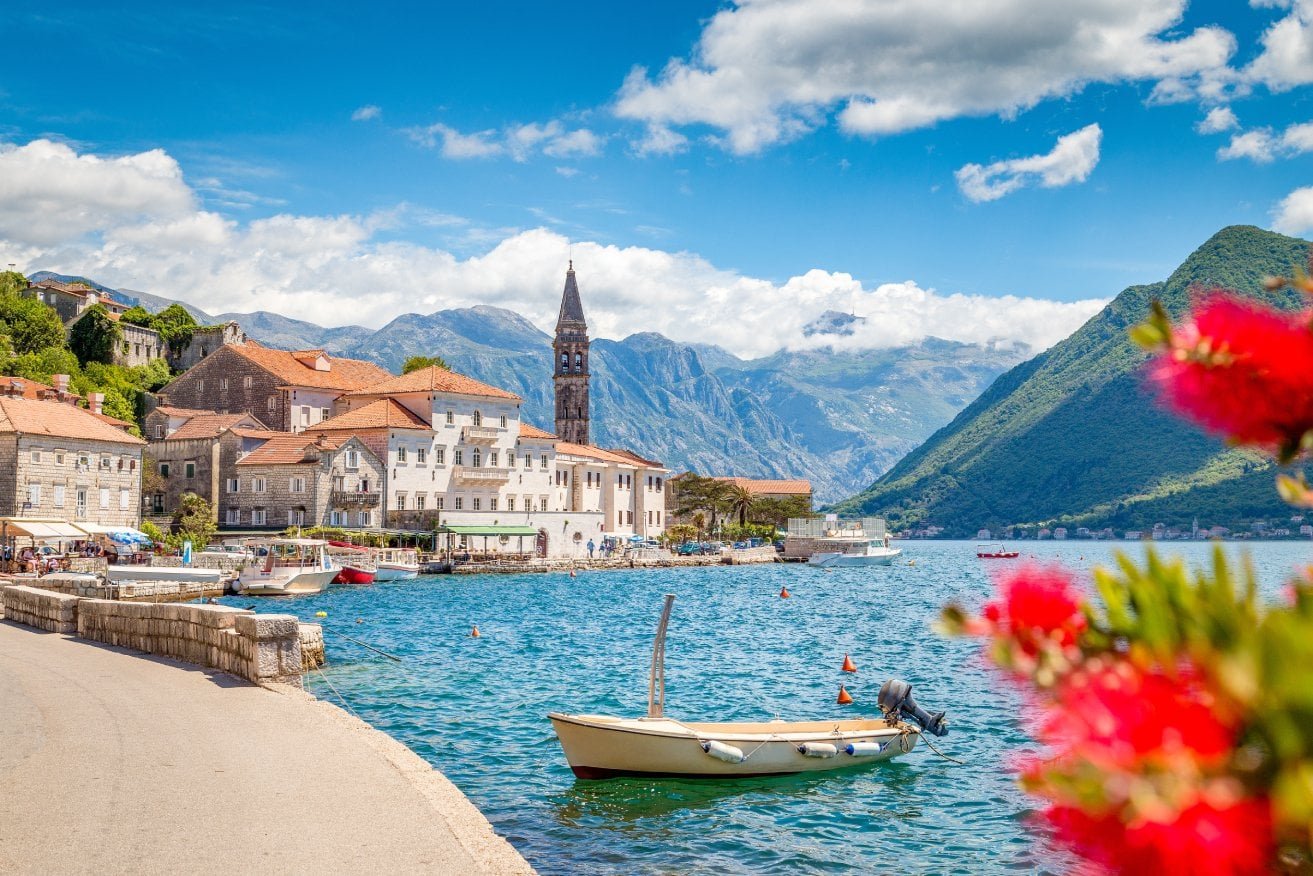
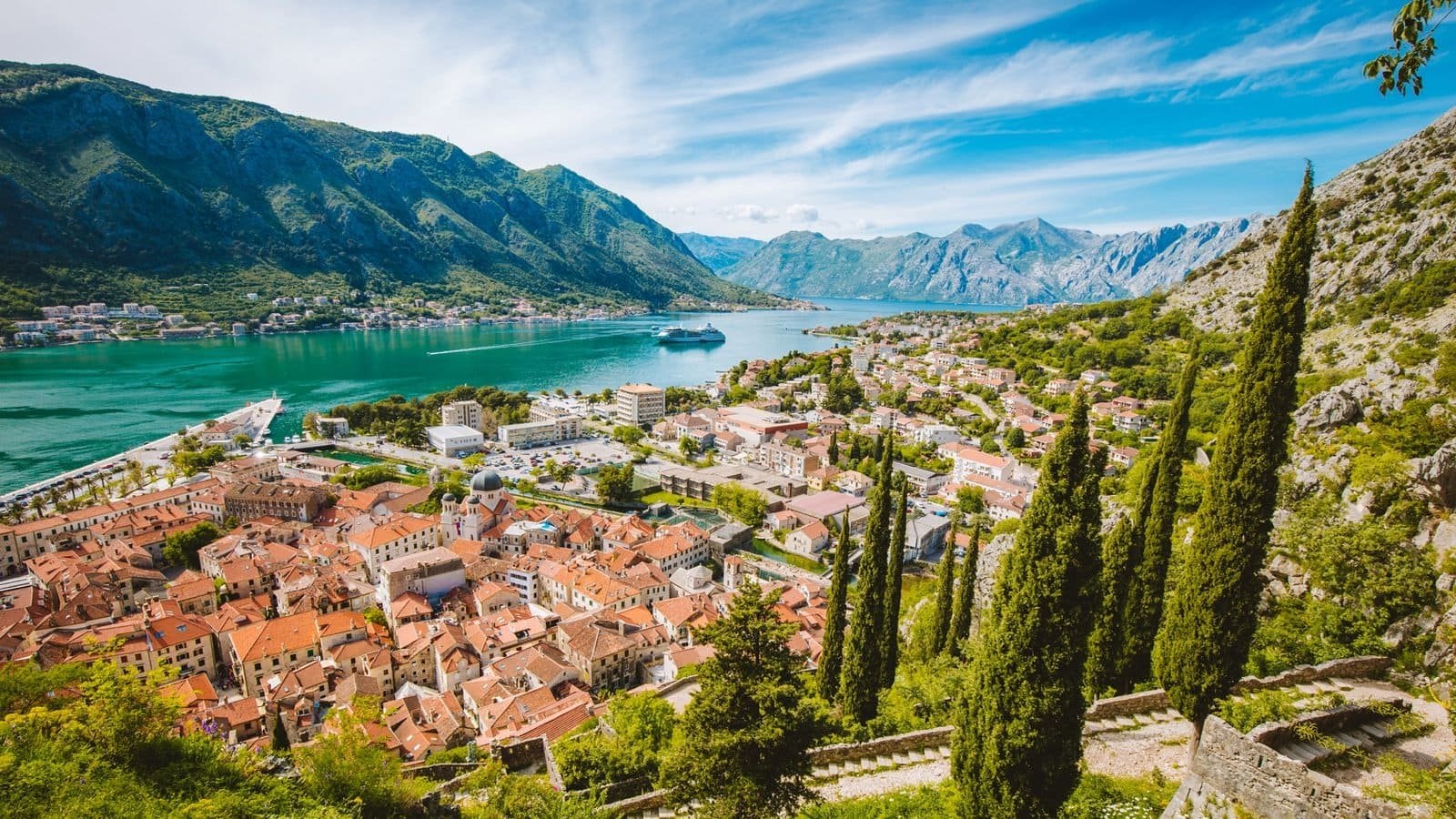
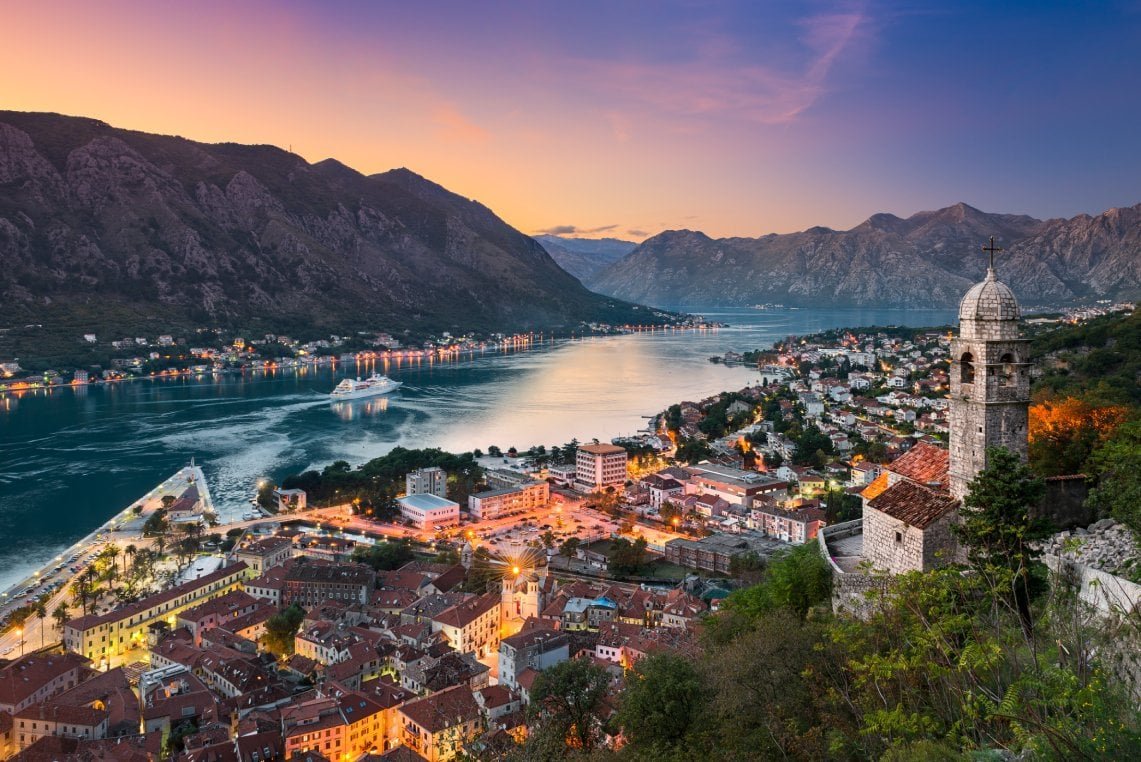
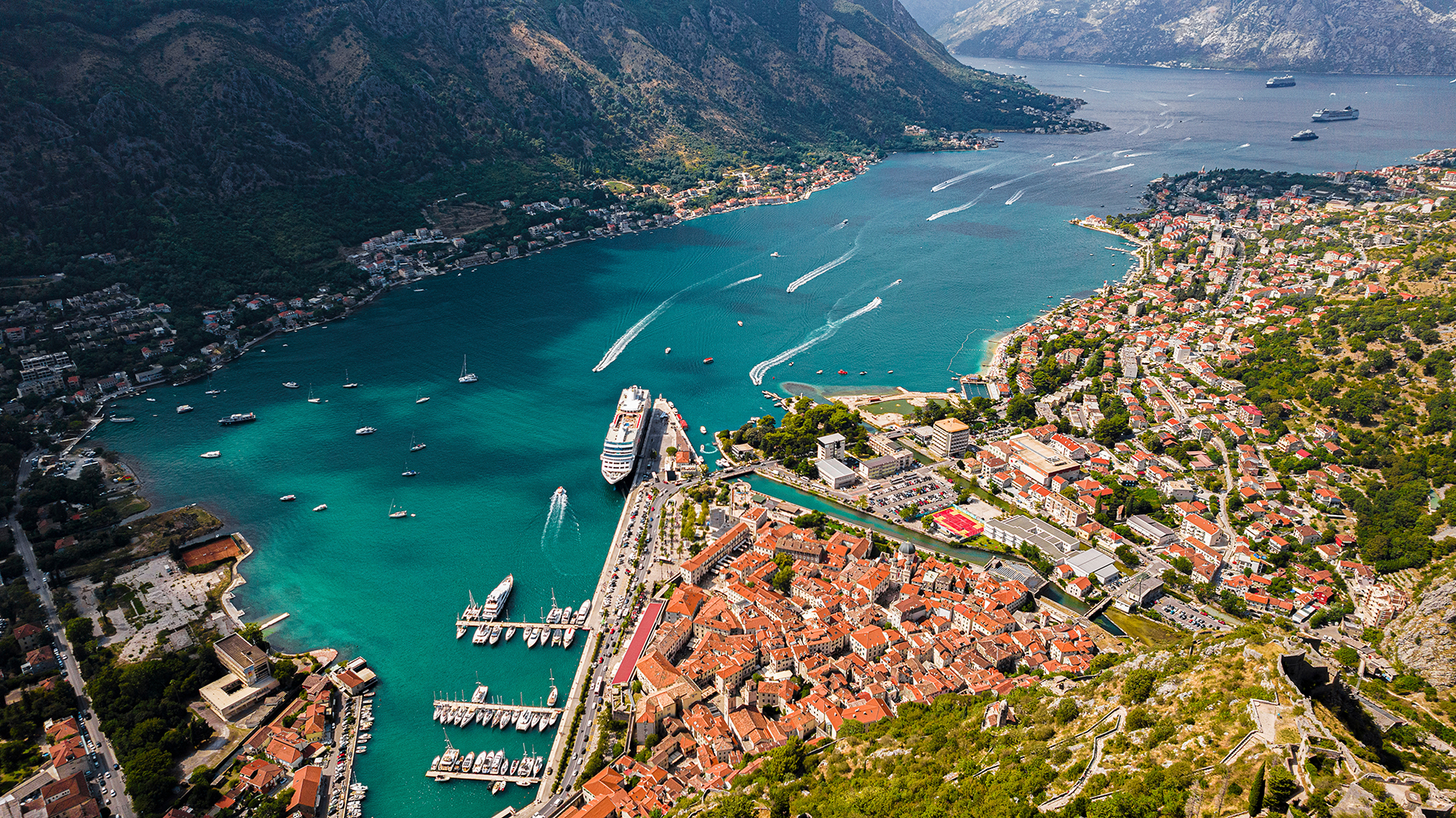
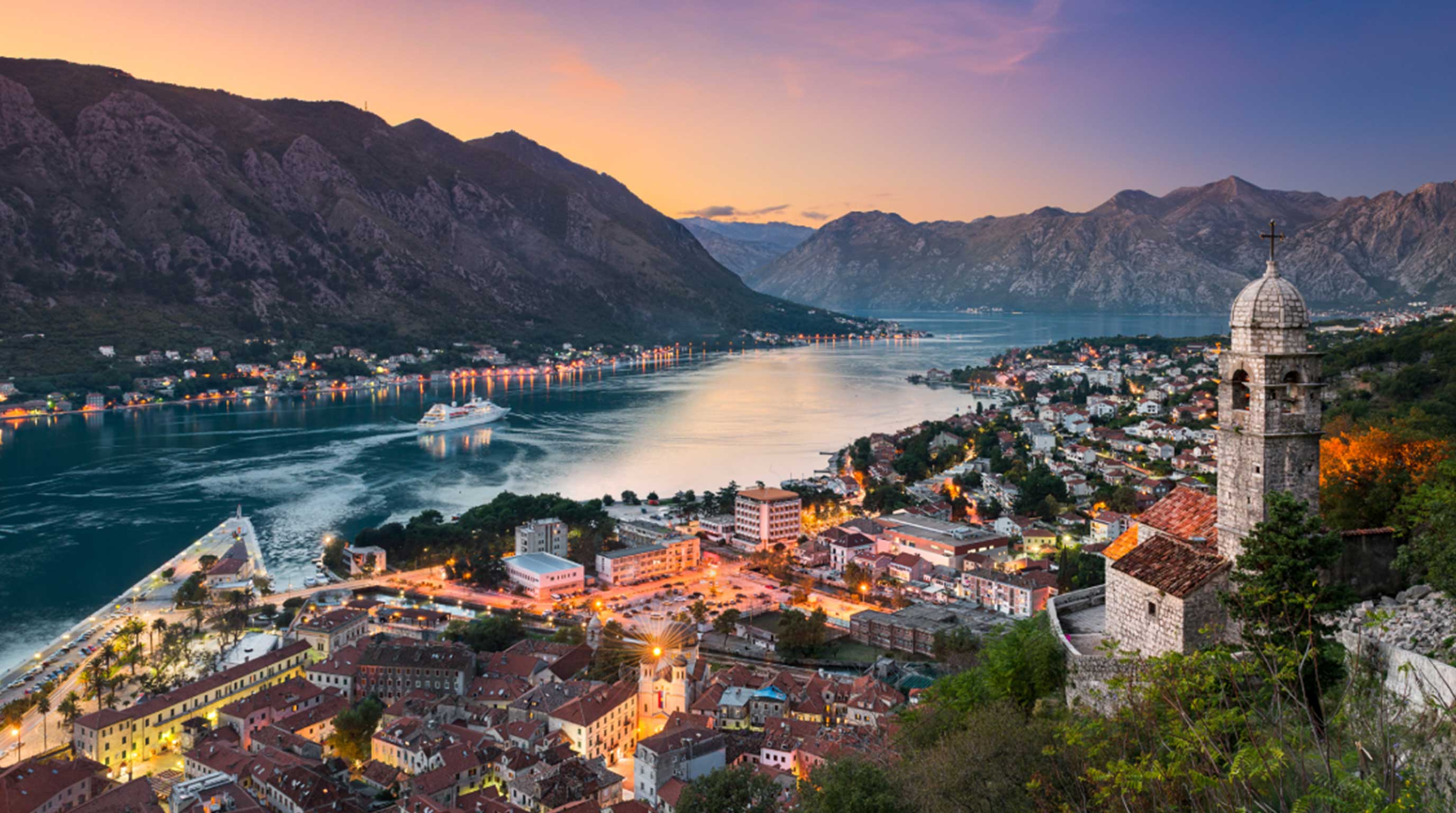
These factors do not eliminate risk. Seasonal liquidity outside the prime marina segment remains limited, and older residential stock away from the main demand nodes is unlikely to benefit from these tailwinds. Selective positioning in newer, well-located inventory remains the most defensible approach. The Montenegro real estate market analysis for 2026 provides the national-level context against which Tivat’s specific dynamics should be read. Buyers comparing coastal options should also review the Bay of Kotor area guide, which places Tivat within the wider geographical and cultural context of this protected stretch of coastline.
Barok Estates International advises international buyers across the full Tivat and Adriatic coast market, from private availability checks through to structured acquisition support. For a current picture of inventory and private consultation, visit our Montenegro real estate advisory or contact us directly. For independent guidance on living arrangements and visa matters, the UK Government’s guidance on living in Montenegro is a useful reference for British and international buyers planning extended stays.










.jpg)