
Montenegro's
Finest
Properties
Five-Star Seafront Residences on the Budva Riviera
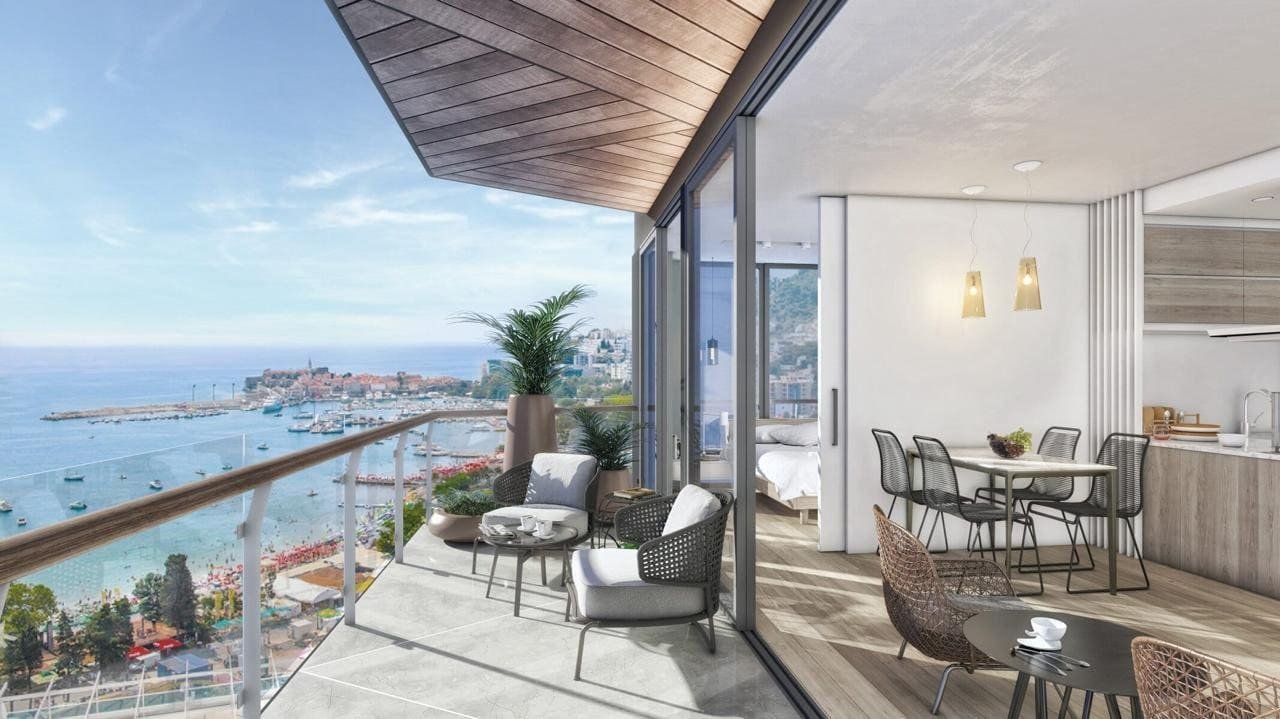
CITY:
Budva
Type:
Apartment
Price:
Price on Request
Status:
For Sale
Bedrooms:
1 - 2 - 3 - 4
Bathrooms:
1 - 5
Square Footage:
64 - 311 m²
Built:
2027

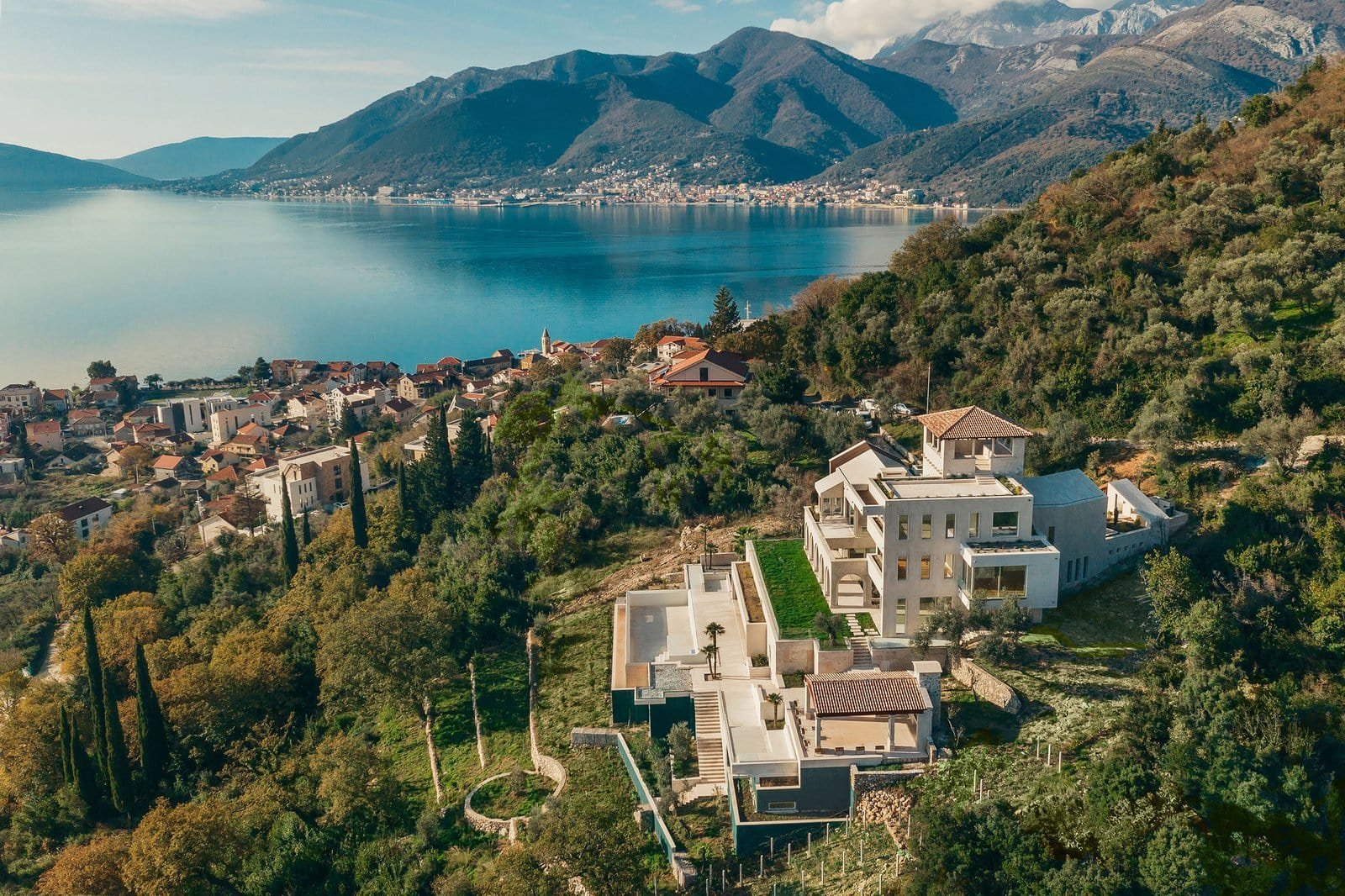
Designer Villa with Panoramic Bay Views in Donja Lastva, Tivat
CITY:
Tivat
Type:
Villa
Price:
Price on request.
Status:
For Sale
Bedrooms:
5+2
Bathrooms:
7
Square Footage:
1400 m²
Built:
Villa Mandragora Waterfront Estate in Orahovac, Kotor Bay
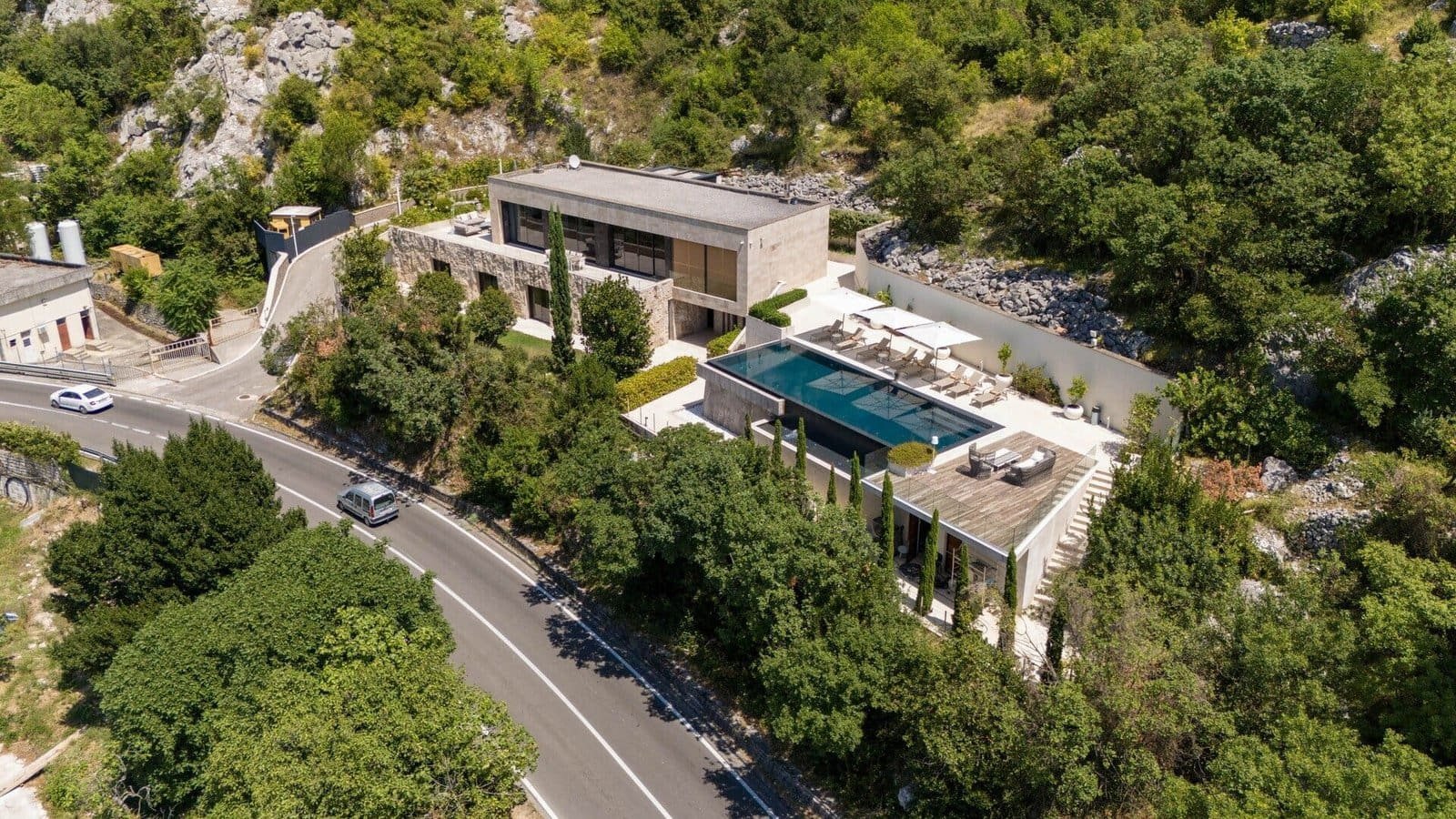
CITY:
Kotor
Type:
Villa
Price:
Price upon request
Status:
For Sale
Bedrooms:
4
Bathrooms:
5
Square Footage:
526 m²
Built:
Eleven-Bedroom Private Estate in Kuljače, Budva Riviera
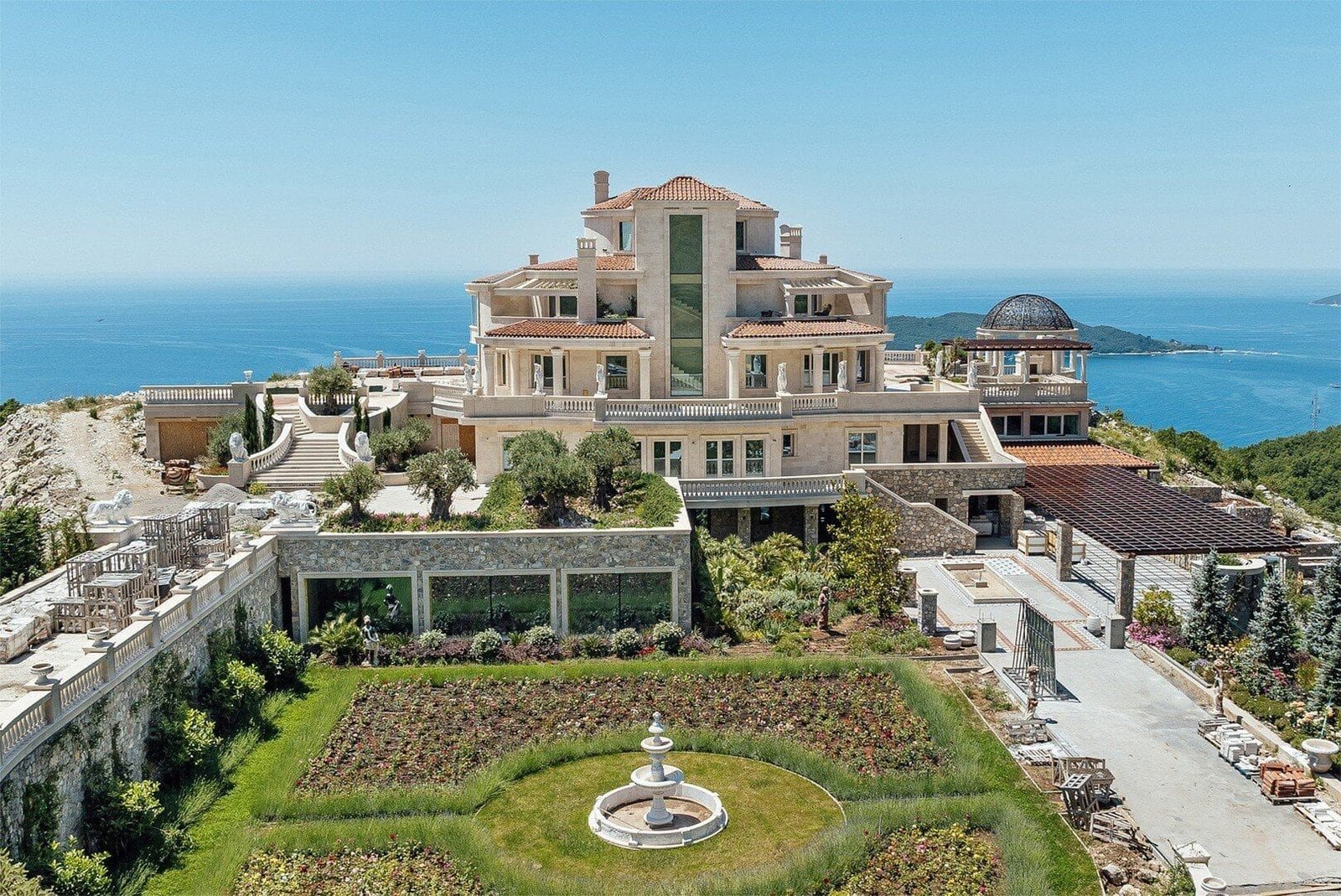
CITY:
Budva
Type:
Mansion
Price:
Price on request
Status:
For Sale
Bedrooms:
11
Bathrooms:
16
Square Footage:
1777 m²
Built:
Peninsula Villa in Reževići, Budva Riviera
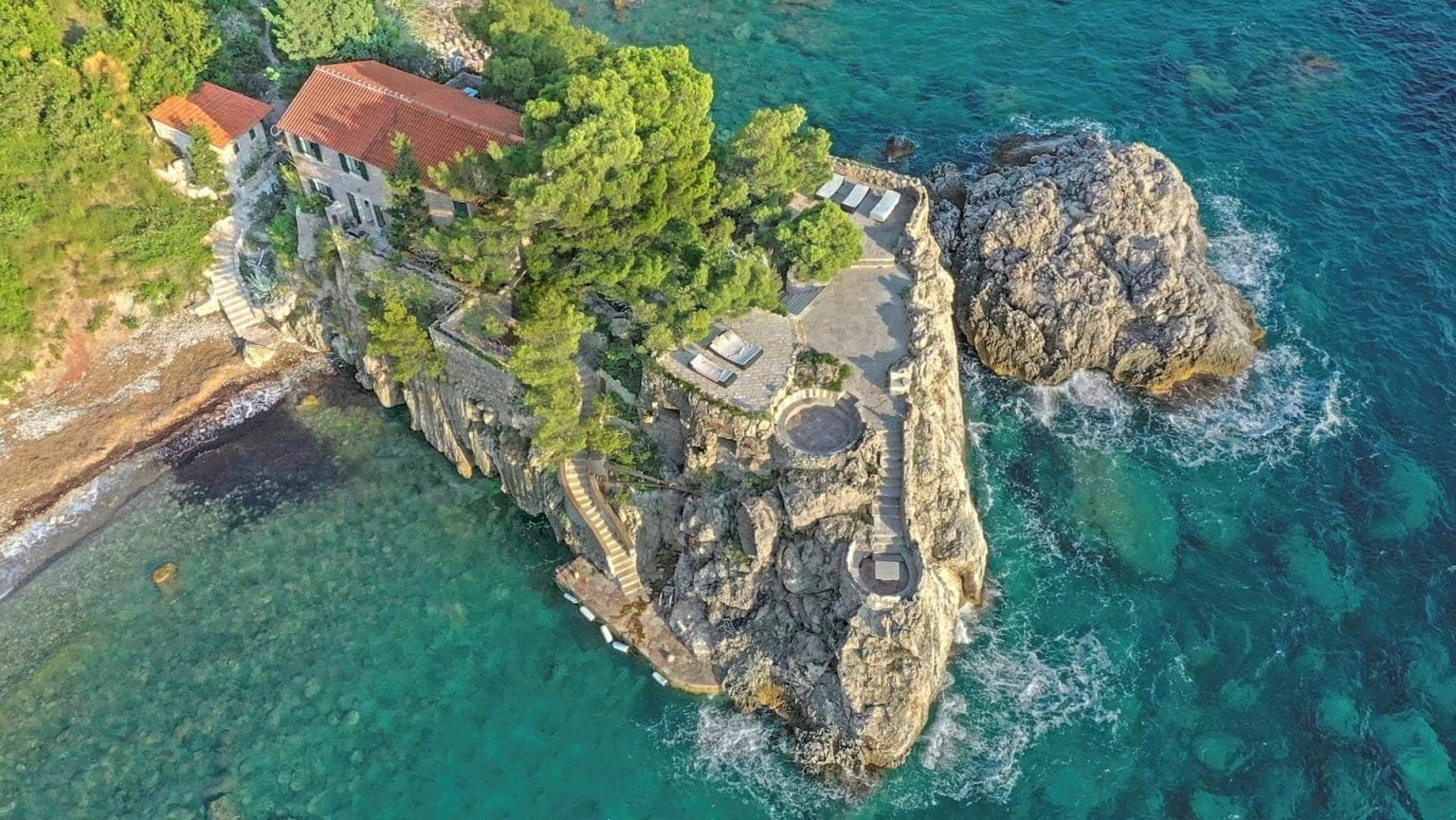
CITY:
Budva
Type:
Villa
Price:
€8,900,000
Status:
For Sale
Bedrooms:
4
Bathrooms:
5
Square Footage:
200 m²
Built:
Villa Palazzo Boka in Prčanj, Kotor Bay
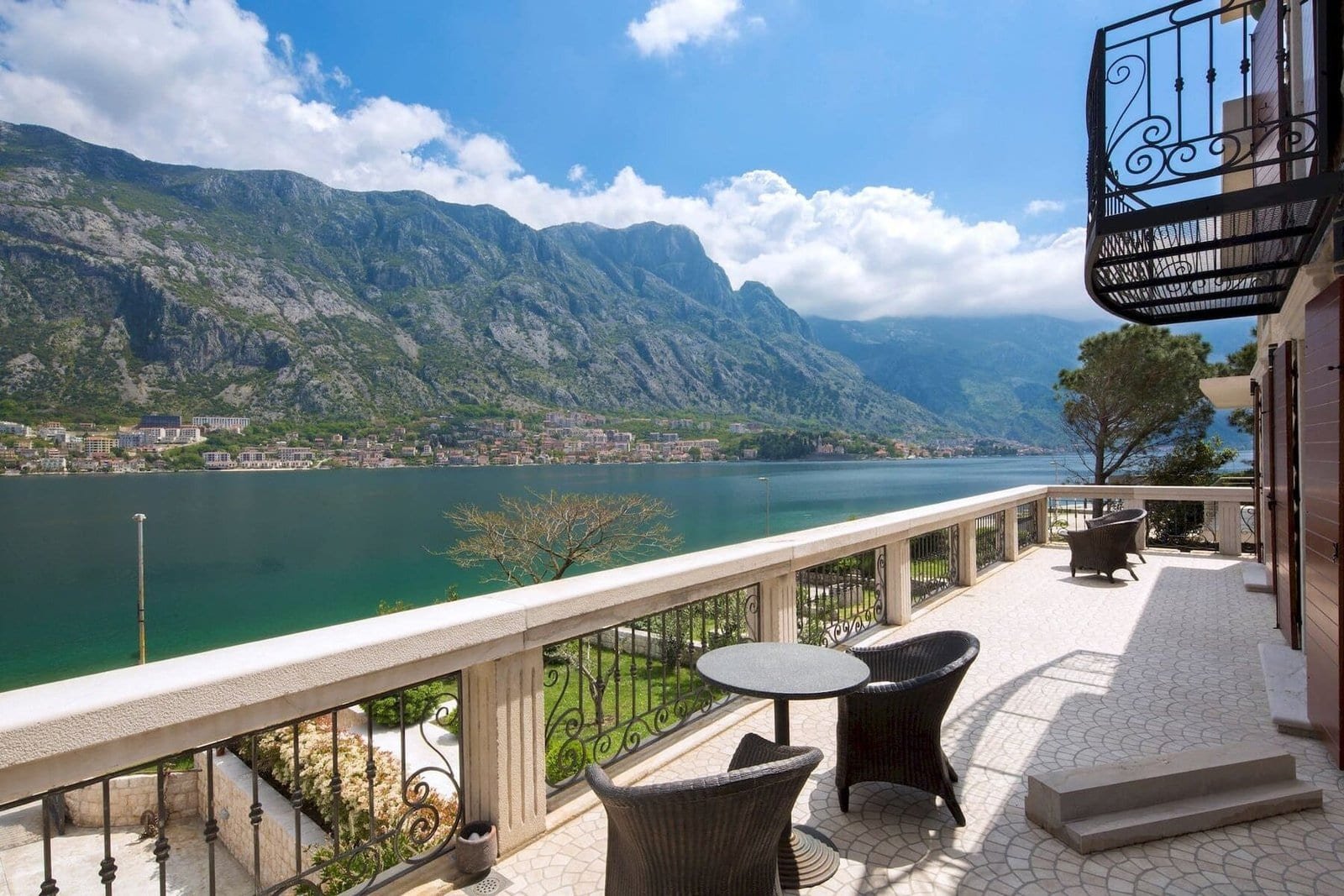
CITY:
Kotor
Type:
Villa
Price:
€4,200,000
Status:
For Sale
Bedrooms:
4
Bathrooms:
6
Square Footage:
497 m²
Built:
Five-Bedroom Villa Panorama in Reževići, Budva Riviera
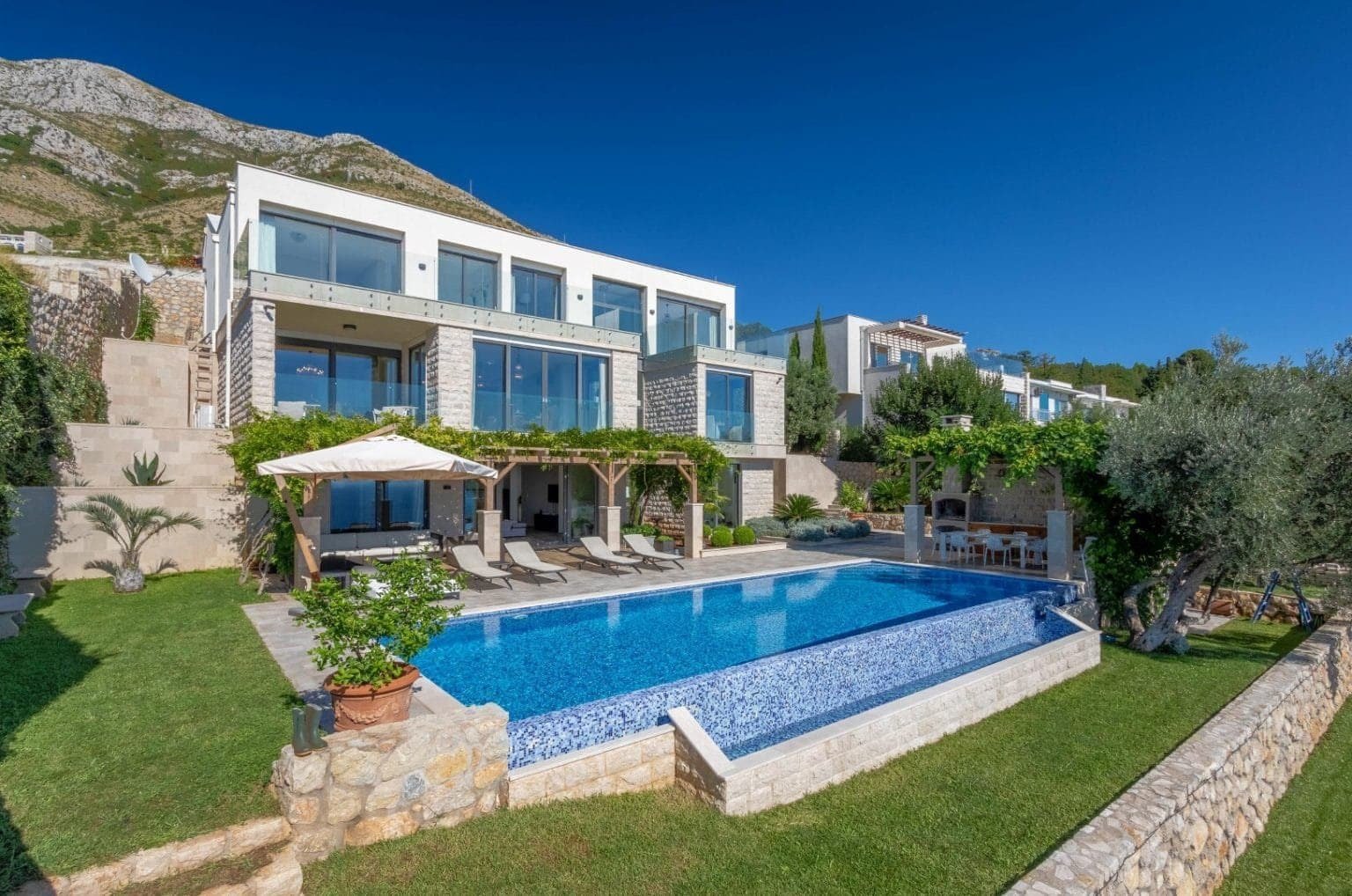
CITY:
Budva
Type:
Villa
Price:
Price on Request
Status:
For Sale
Bedrooms:
5
Bathrooms:
5
Square Footage:
550 m²
Built:
Villa Casa Mare e Monti in Blizikuće, Budva Riviera
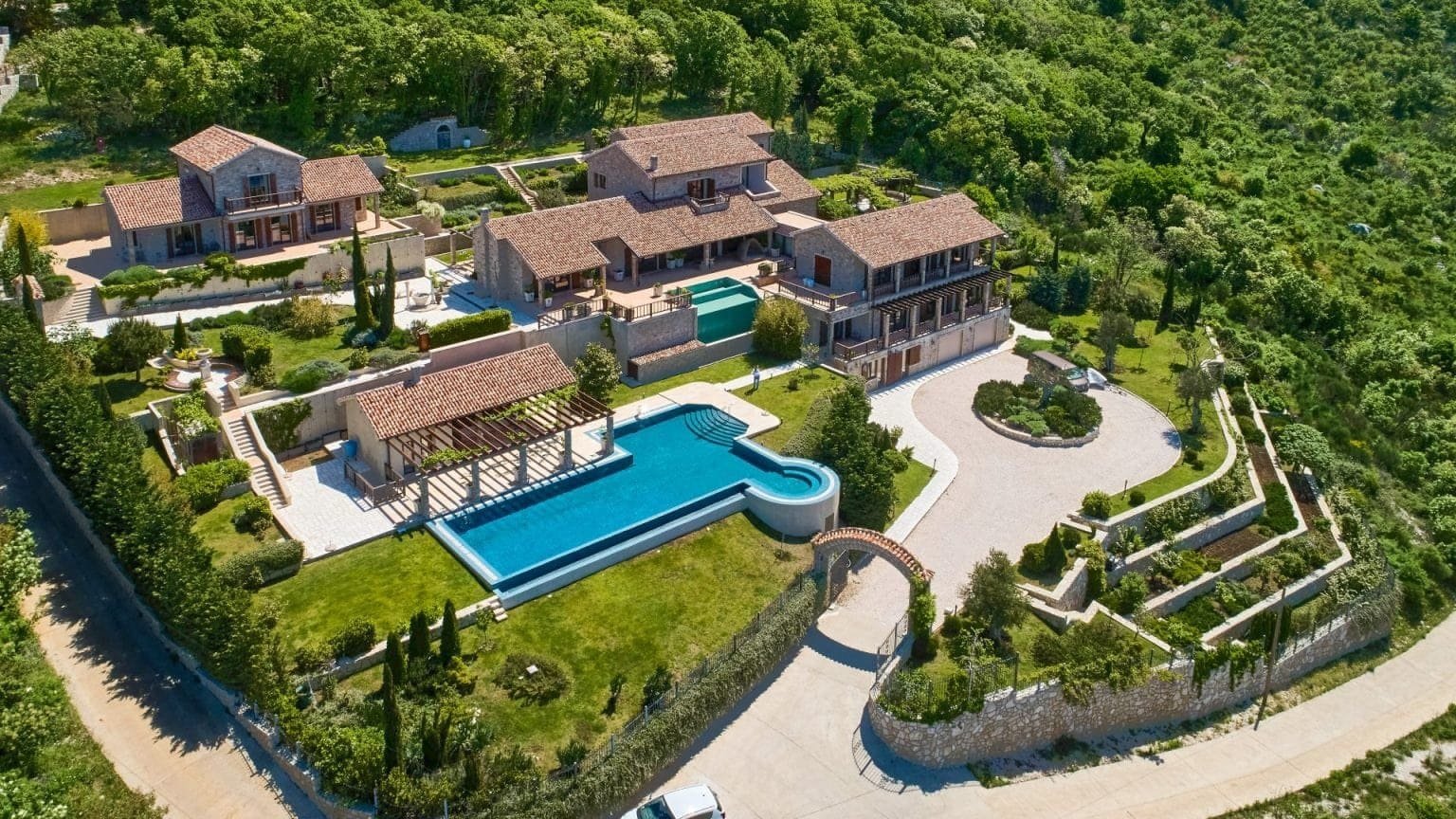
CITY:
Budva
Type:
Villa
Price:
Price on Request
Status:
For Sale
Bedrooms:
12
Bathrooms:
11
Square Footage:
2191 m²
Built:
Villa Sunnyside in Prčanj, Kotor Bay
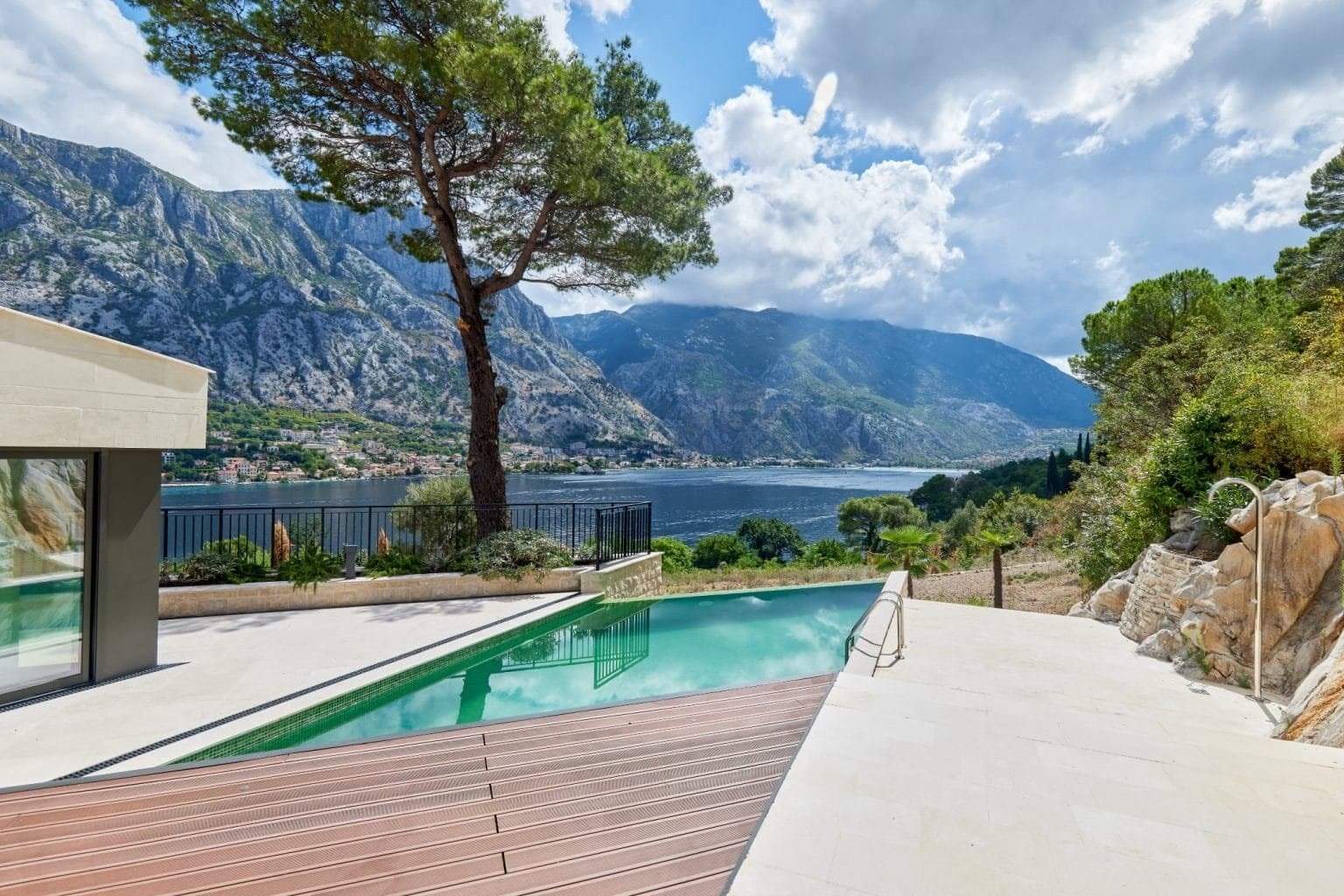
CITY:
Kotor
Type:
Villa
Price:
€2,200,000
Status:
For Sale
Bedrooms:
5
Bathrooms:
5
Square Footage:
479 m²
Built:
Four-Bedroom Penthouse at Nikki Beach Montenegro, Tivat
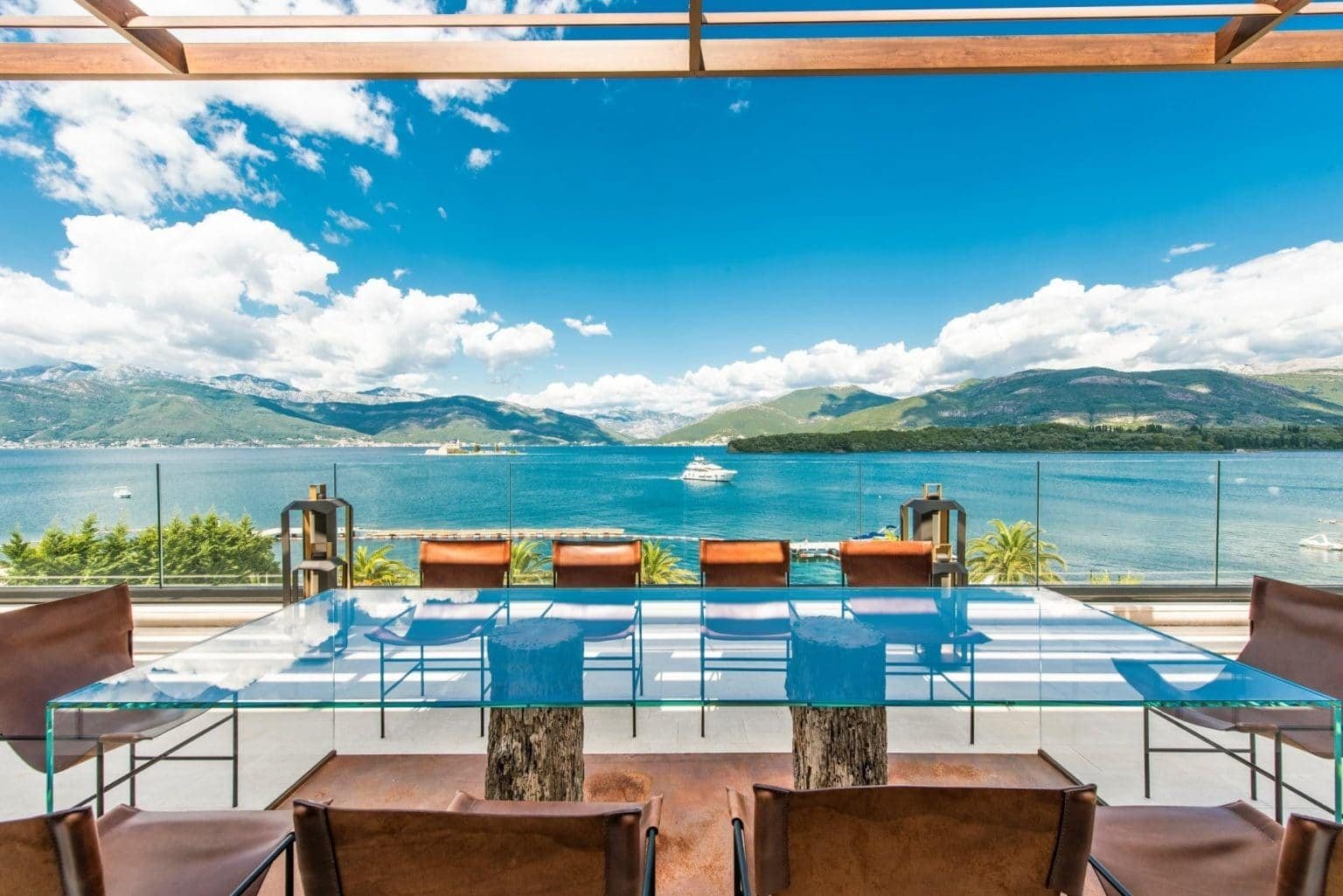
CITY:
Tivat
Type:
Penthouse
Price:
Price on Request
Status:
For Sale
Bedrooms:
4
Bathrooms:
4
Square Footage:
500 m²
Built:
Horizon Sea-View Penthouses at Luštica Bay
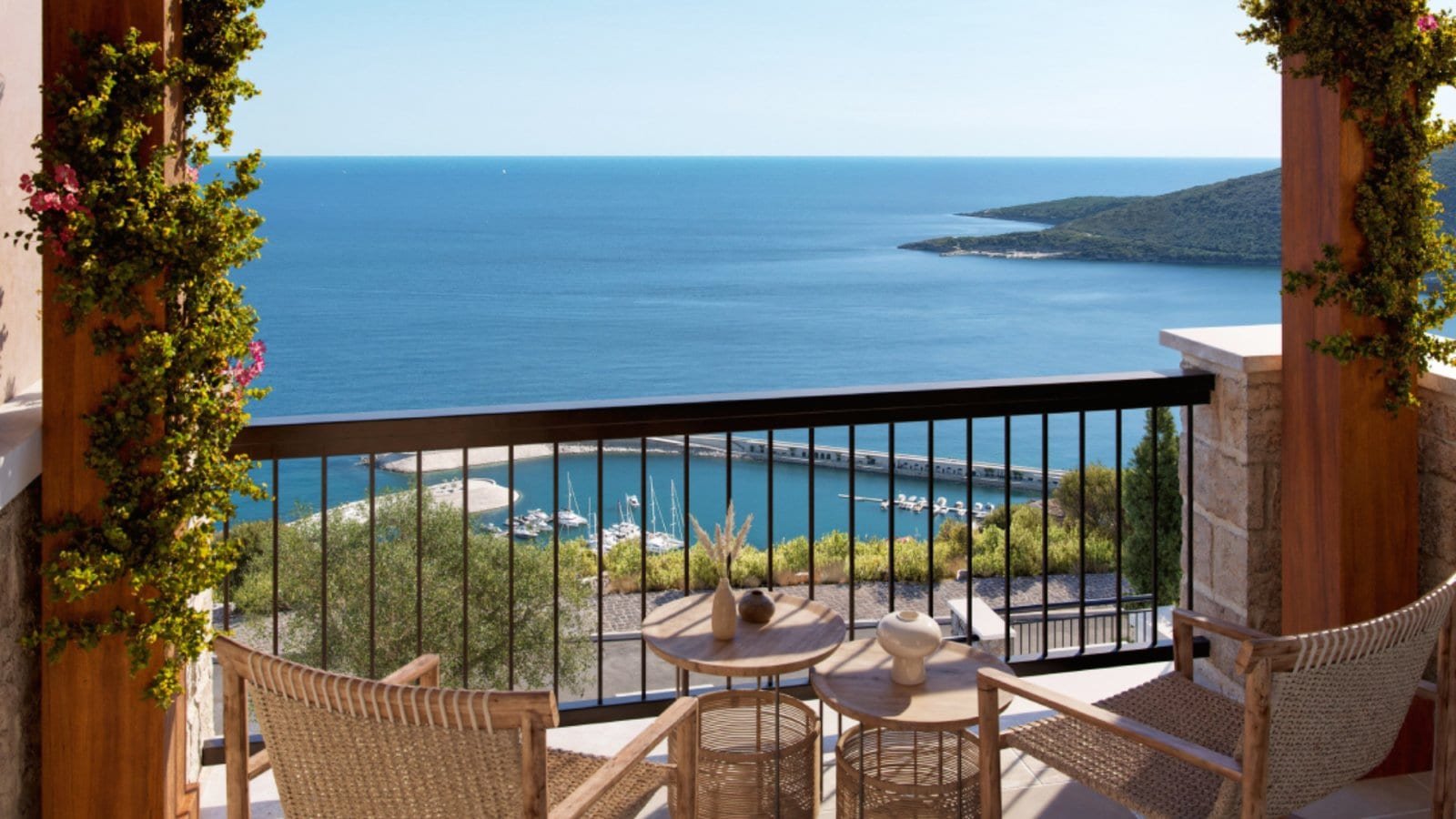
CITY:
Luštica Bay
Type:
Penthouse
Price:
Starting from €1,850,000
Status:
For Sale
Bedrooms:
3
Bathrooms:
3
Square Footage:
164 m²
Built:
2027
The Peaks Villas at Luštica Bay, Montenegro
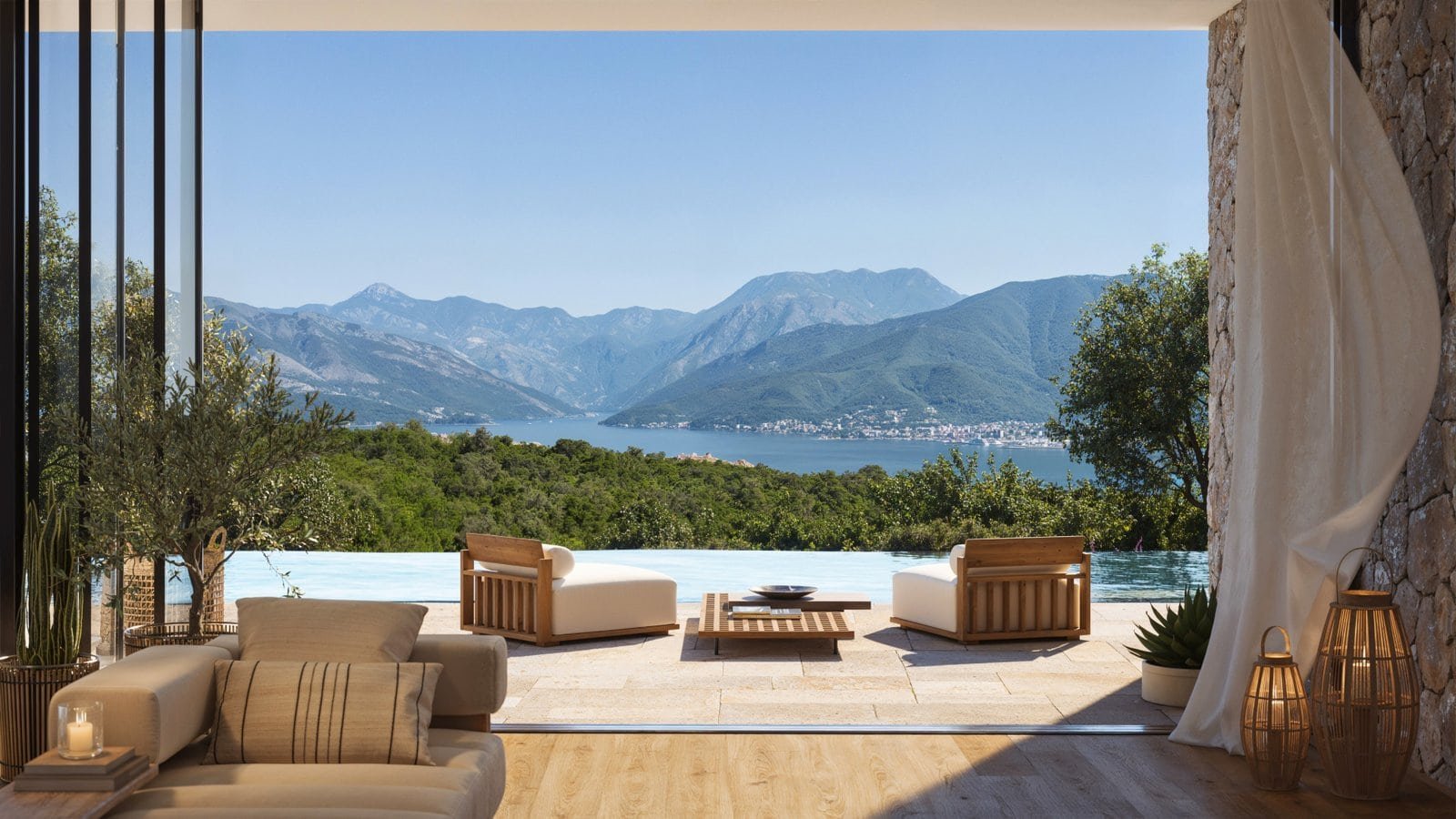
CITY:
Luštica Bay
Type:
Villa
Price:
Starting from €3,370,000
Status:
For Sale
Bedrooms:
2 - 3 - 4 - 5
Bathrooms:
2 - 3 - 4 - 5
Square Footage:
253 - 400 m²
Built:
2027
Aeris Residences at Synchro Yards, Porto Montenegro
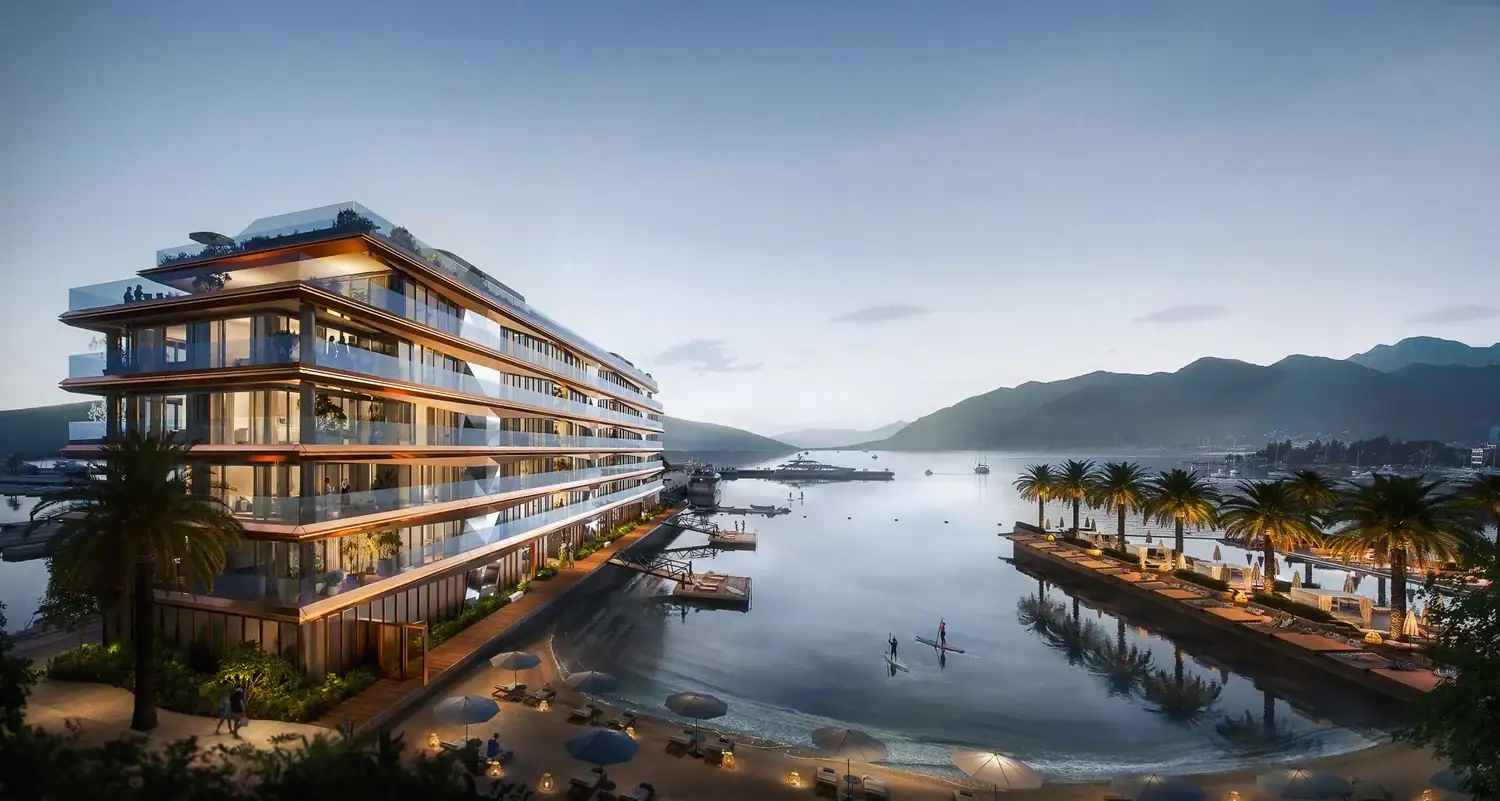
CITY:
Tivat
Type:
Apartment
Price:
Price on request
Status:
For Sale
Bedrooms:
1 - 4
Bathrooms:
Square Footage:
103 - 1049 m²
Built:
Versa Residences at Porto Montenegro, Tivat
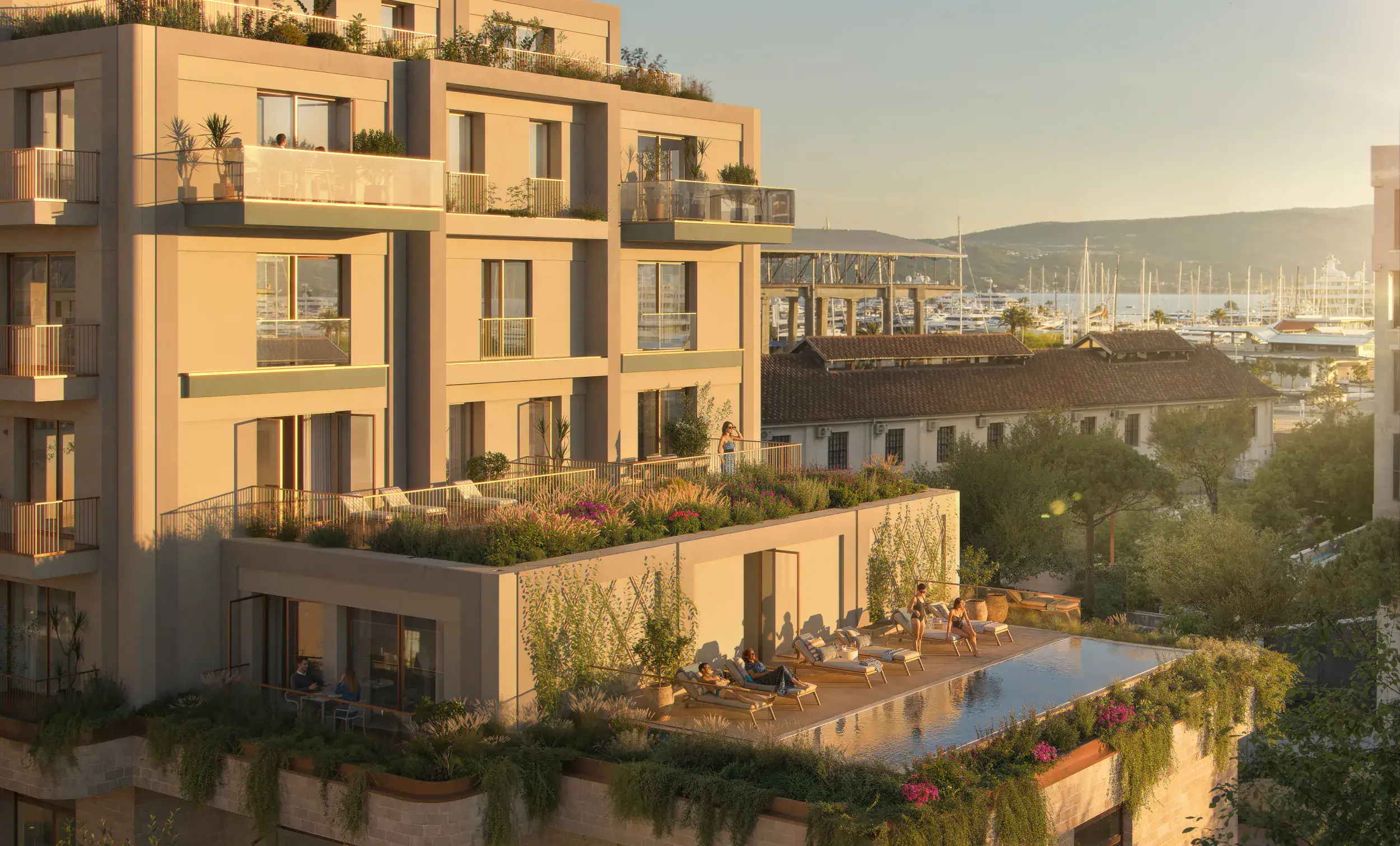
CITY:
Tivat
Type:
Apartment
Price:
Starting from €437,000
Status:
For Sale
Bedrooms:
St - 1 - 2
Bathrooms:
Square Footage:
45 - 172 m²
Built:
Vero Residences at Porto Montenegro, Tivat
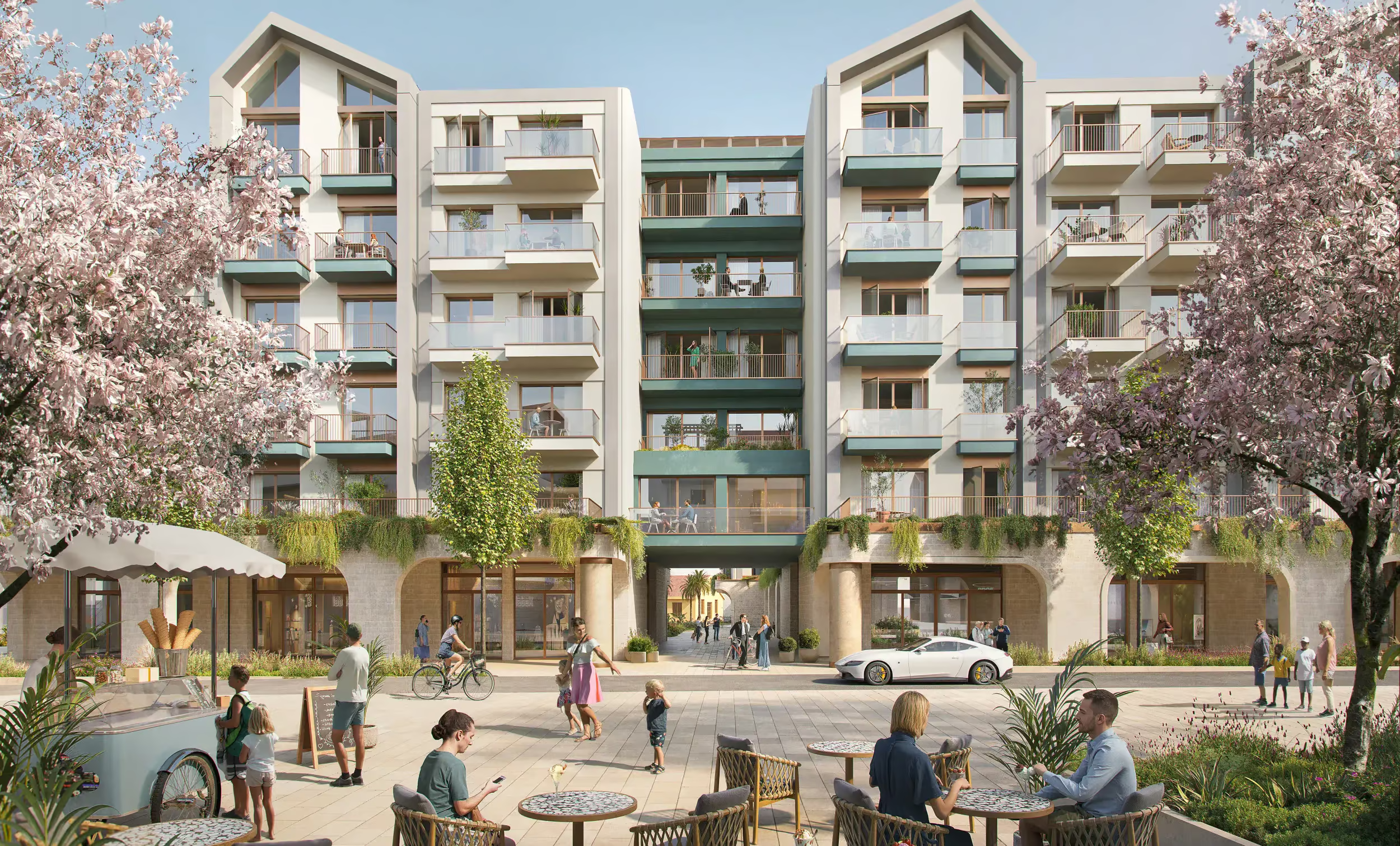
CITY:
Tivat
Type:
Apartment
Price:
Starting from €410,000
Status:
For Sale
Bedrooms:
St - 1 - 2 - 3
Bathrooms:
1 - 3
Square Footage:
45 - 419 m²
Built:
Porto Montenegro Vero and Versa Residences, Tivat
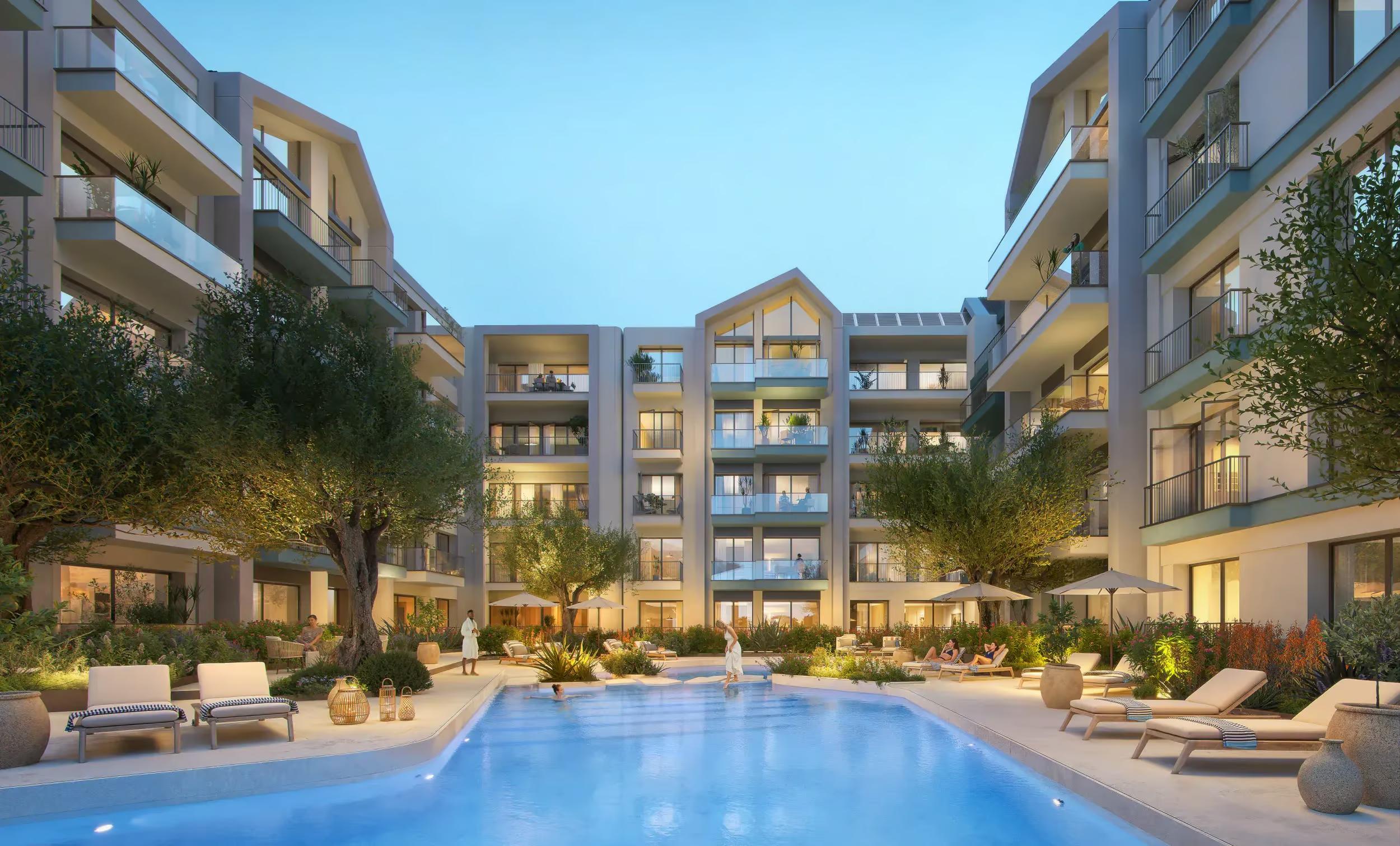
CITY:
Tivat
Type:
Apartment
Price:
Starting from €410,000
Status:
For Sale
Bedrooms:
St - 1 - 2 - 3
Bathrooms:
1 - 3
Square Footage:
45 - 419 m²
Built:
Five-Bedroom Stone Villa Estate in Ljuta, Kotor Bay
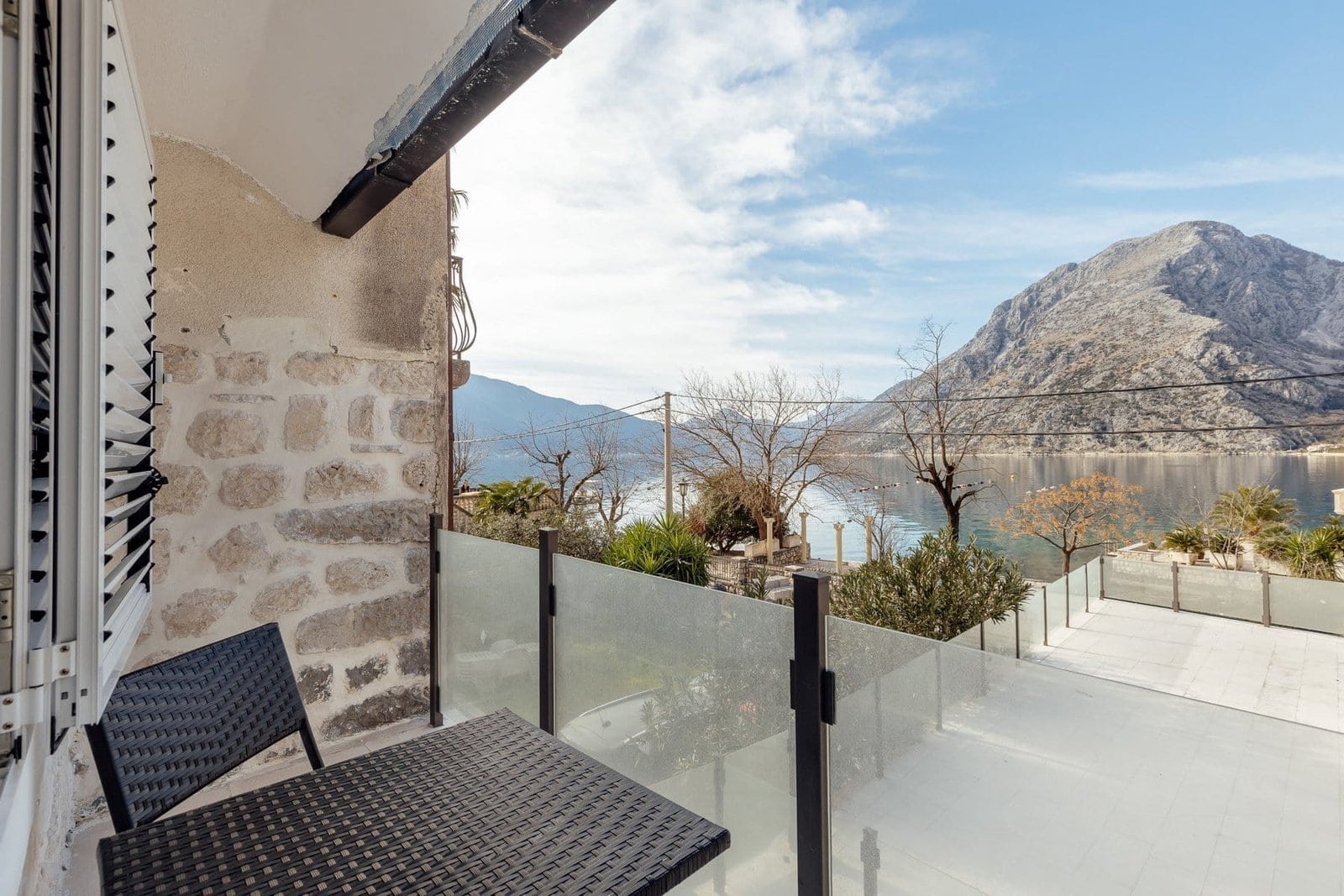
CITY:
Kotor
Type:
Villa
Price:
€1,990,000
Status:
For Sale
Bedrooms:
5
Bathrooms:
4
Square Footage:
380 m²
Built:
Provence-Style Four-Bedroom Villa in Baošići, Herceg Novi

CITY:
Herceg Novi
Type:
Villa
Price:
€1,550,000
Status:
For Sale
Bedrooms:
4
Bathrooms:
4
Square Footage:
198 m²
Built:
Two-Bedroom Residence in Alba, Boka Place, Porto Montenegro

CITY:
Tivat
Type:
Apartment
Price:
€650,000
Status:
For Sale
Bedrooms:
2
Bathrooms:
2
Square Footage:
89 m²
Built:
Two-Bedroom Penthouse in Alba, Boka Place, Porto Montenegro
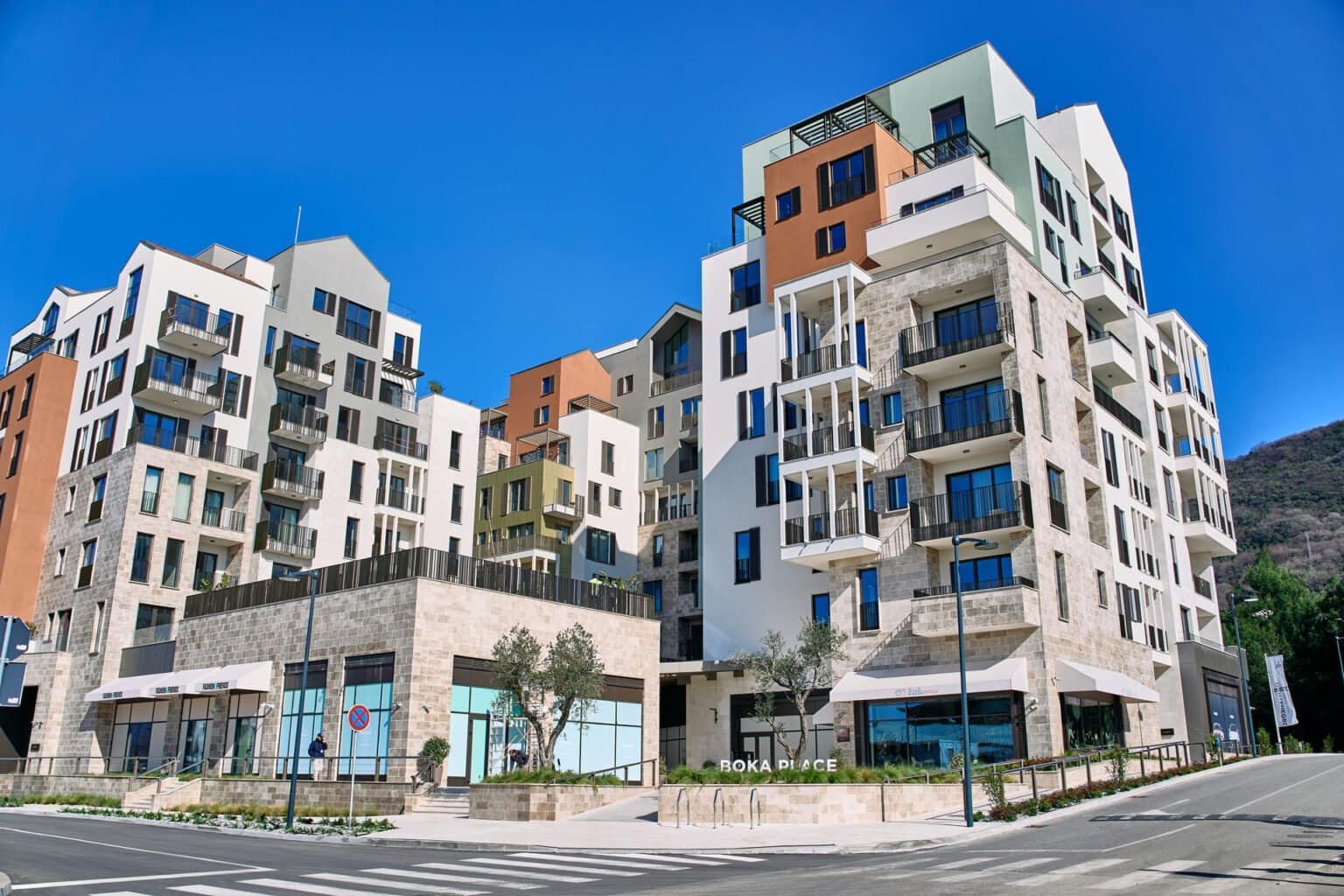
CITY:
Tivat
Type:
Penthouse
Price:
€680,000
Status:
For Sale
Bedrooms:
2
Bathrooms:
2
Square Footage:
102 m²
Built:
Boka Verde Residences in Tivat, Montenegro

CITY:
Tivat
Type:
Apartment
Price:
Starting from €275,000
Status:
For Sale
Bedrooms:
1 - 2 - 3
Bathrooms:
1 - 2 - 3
Square Footage:
53 - 222 m²
Built:
2027
Horizon Sea-View Apartments at Luštica Bay
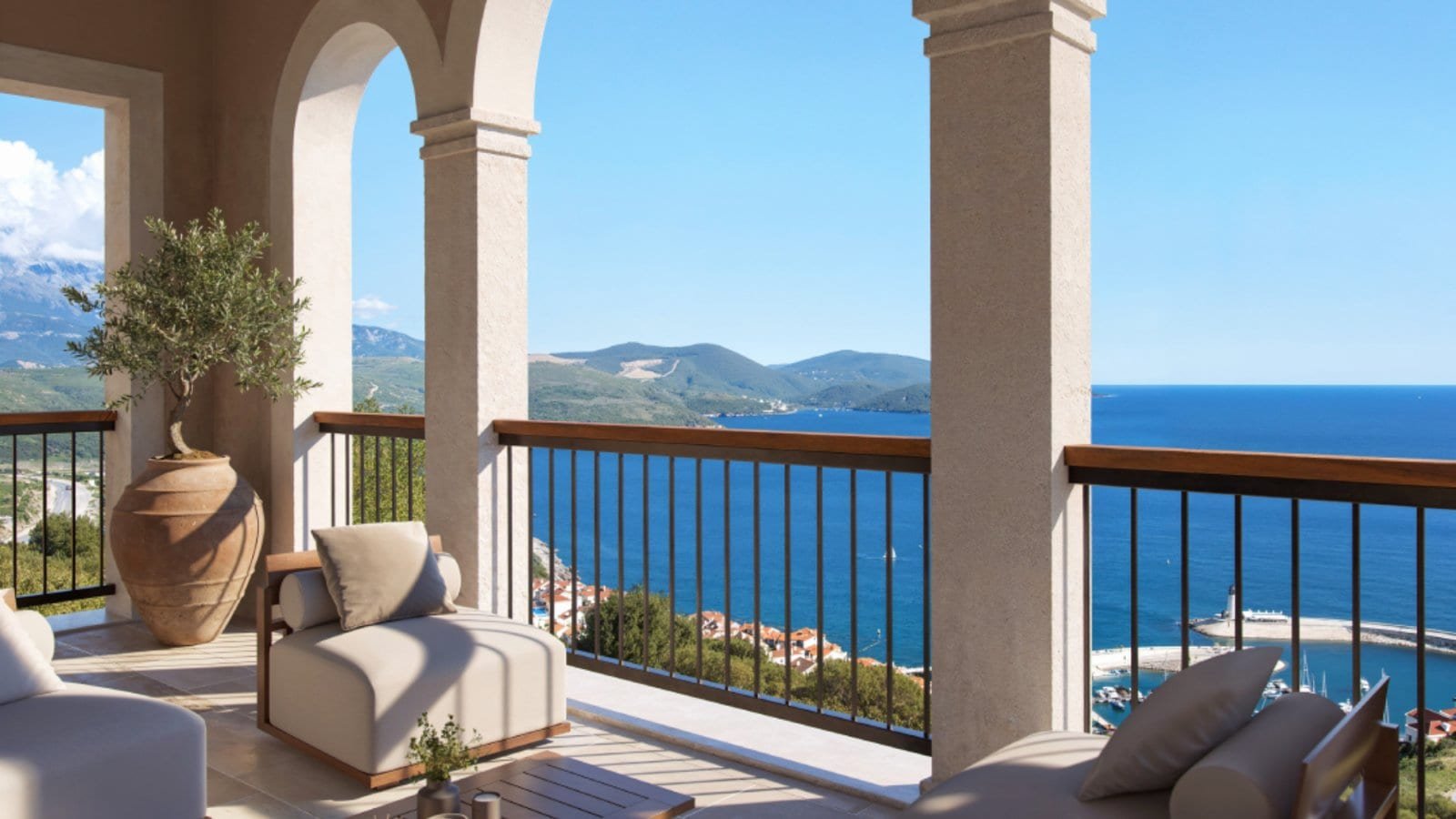
CITY:
Luštica Bay
Type:
Apartment
Price:
Starting from €450,000
Status:
For Sale
Bedrooms:
St. - 1 - 2 - 3
Bathrooms:
1 - 2- 3
Square Footage:
40 - 113 m²
Built:
2027
The Peaks Golf Apartments at Luštica Bay
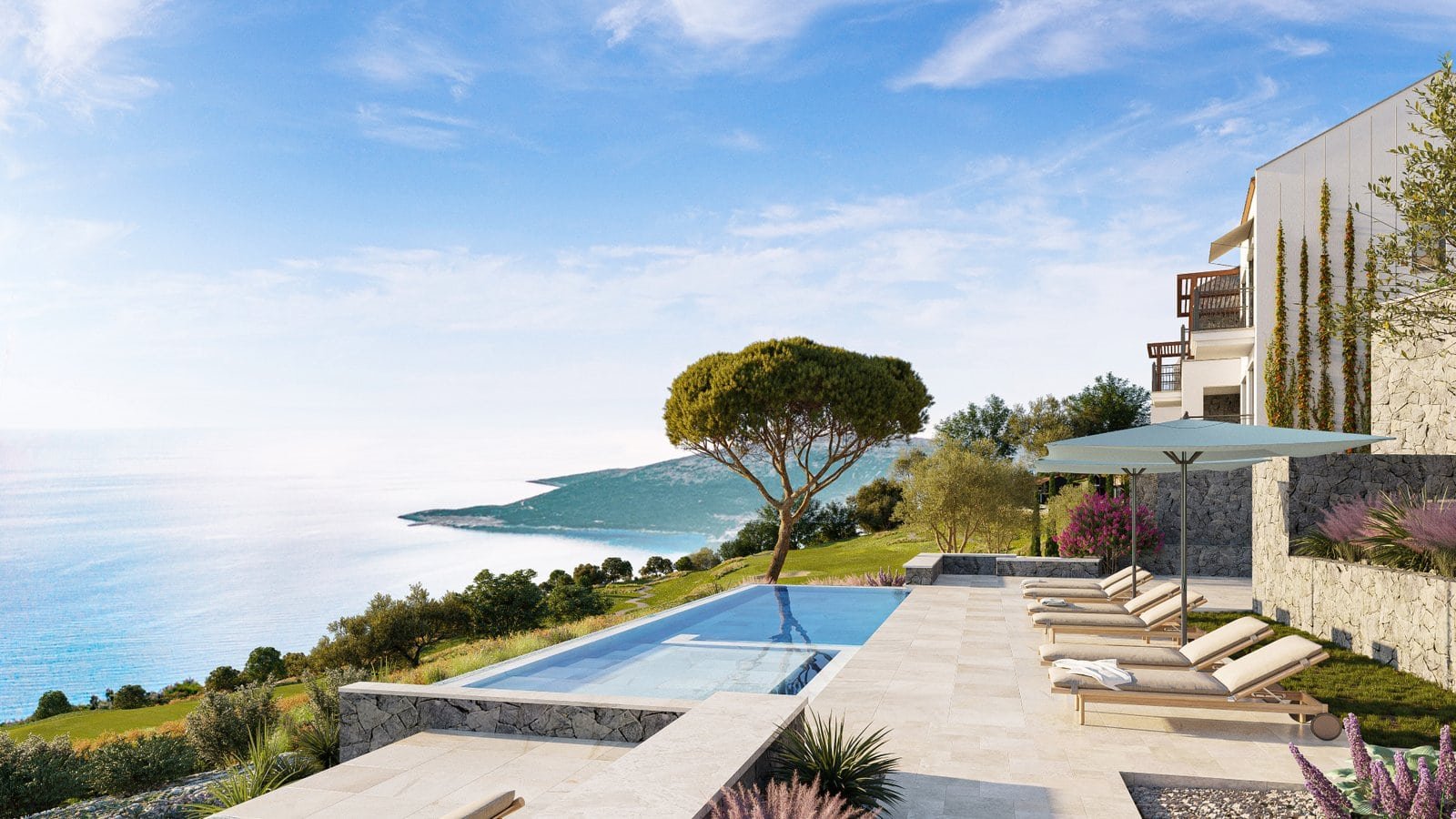
CITY:
Luštica Bay
Type:
Apartment
Price:
Starting from €430,000
Status:
For Sale
Bedrooms:
1 - 3
Bathrooms:
1 - 3
Square Footage:
100 - 170 m²
Built:
One-Bedroom Residence at Alivia Hotel & Residences, Sveti Stefan
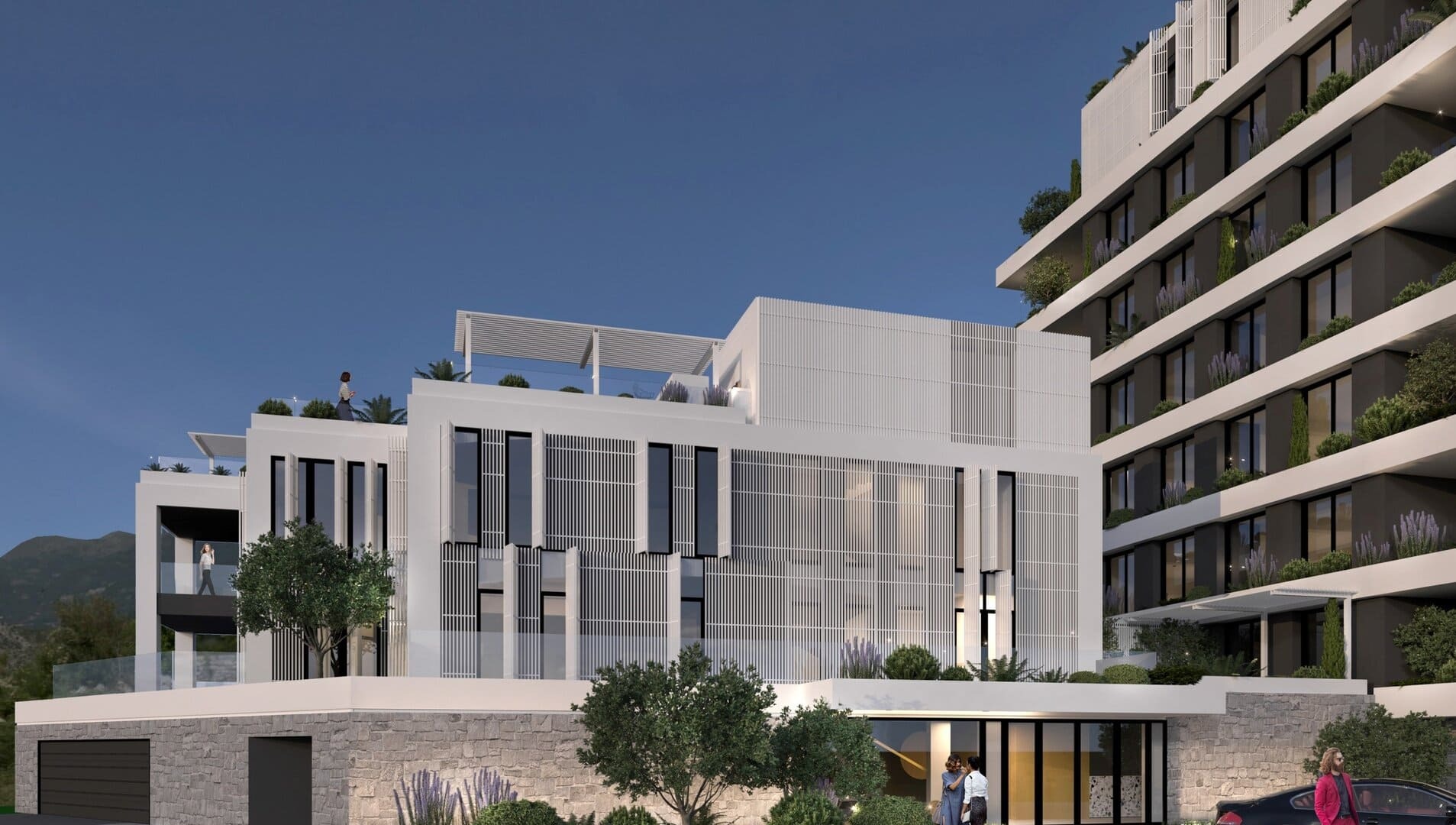
CITY:
Budva
Type:
Apartment
Price:
€276,780
Status:
For Sale
Bedrooms:
1
Bathrooms:
Square Footage:
66 m²
Built:
Two-Bedroom Penthouse with Rooftop Jacuzzi in Bečići
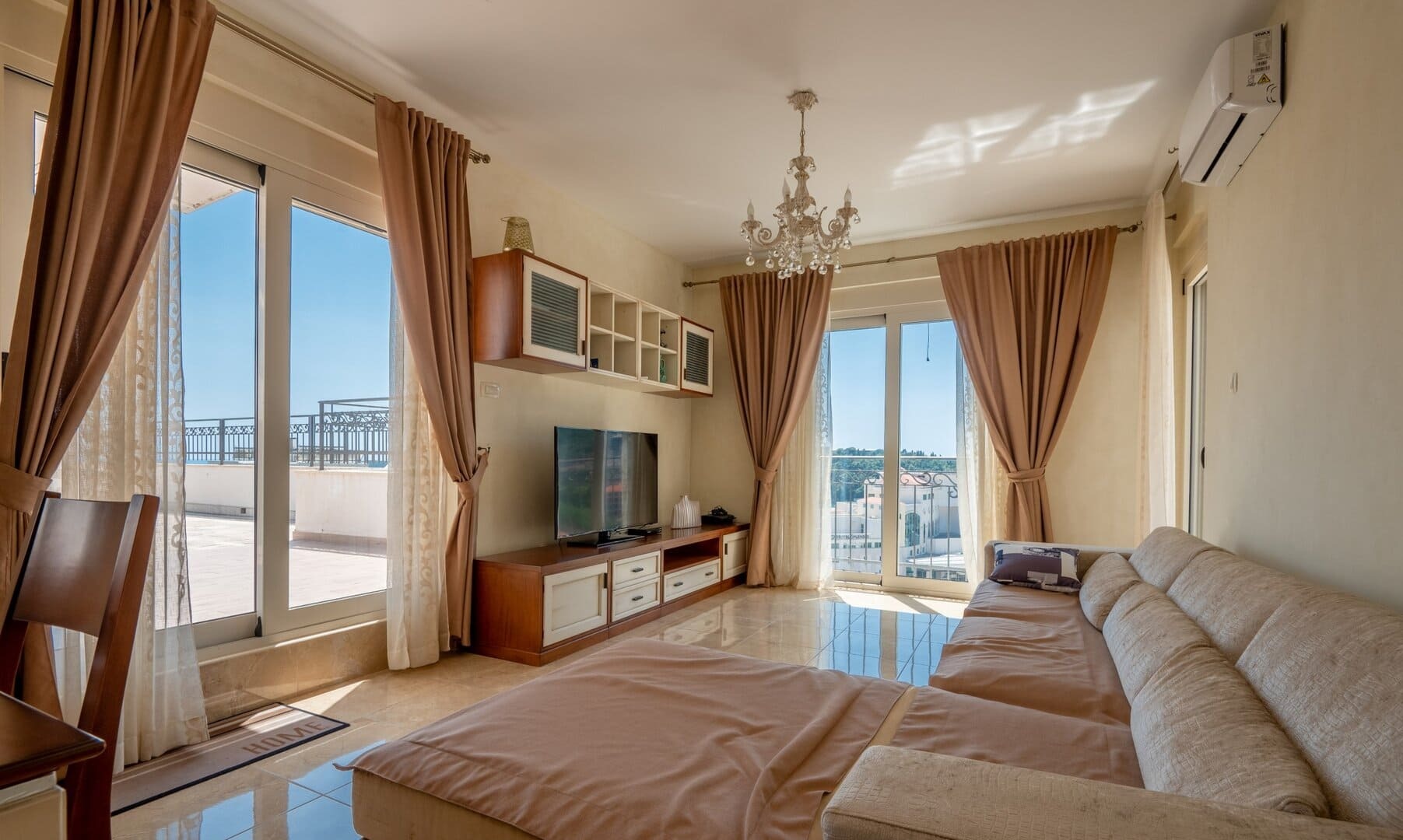
CITY:
Budva
Type:
Penthouse
Price:
€2,390,000
Status:
For Sale
Bedrooms:
2
Bathrooms:
Square Footage:
265 m²
Built:
Three-Bedroom Penthouse at Alivia Hotel & Residences, Sveti Stefan
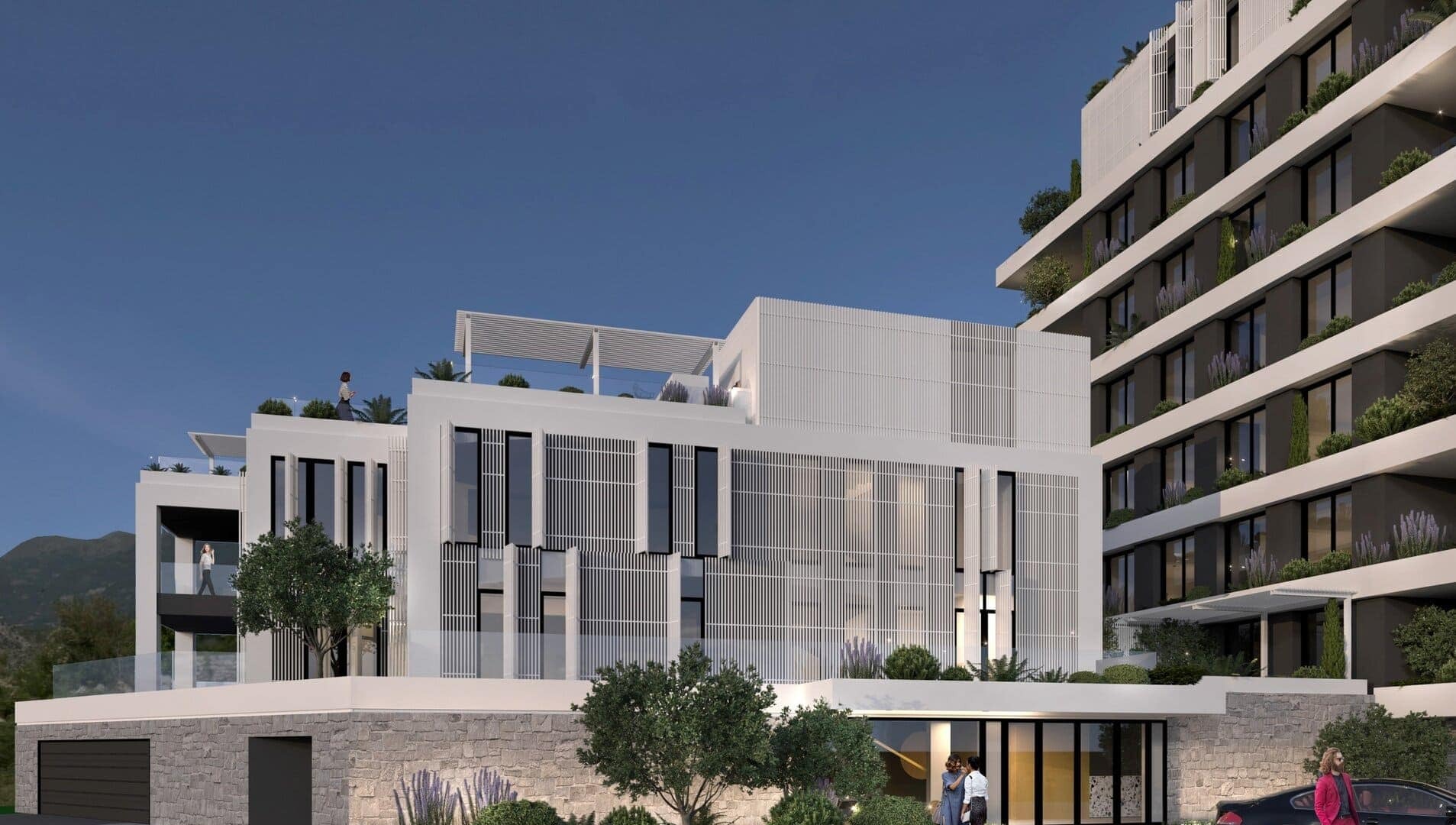
CITY:
Budva
Type:
Penthouse
Price:
Price on Request
Status:
For Sale
Bedrooms:
3
Bathrooms:
Square Footage:
157 m²
Built:
Three-Bedroom Penthouse with Jacuzzi in Đenovići, Herceg Novi

CITY:
Herceg Novi
Type:
Penthouse
Price:
€633,200
Status:
For Sale
Bedrooms:
3
Bathrooms:
2
Square Footage:
Built:
Two-Bedroom Bay-View Apartment in Muo, Kotor
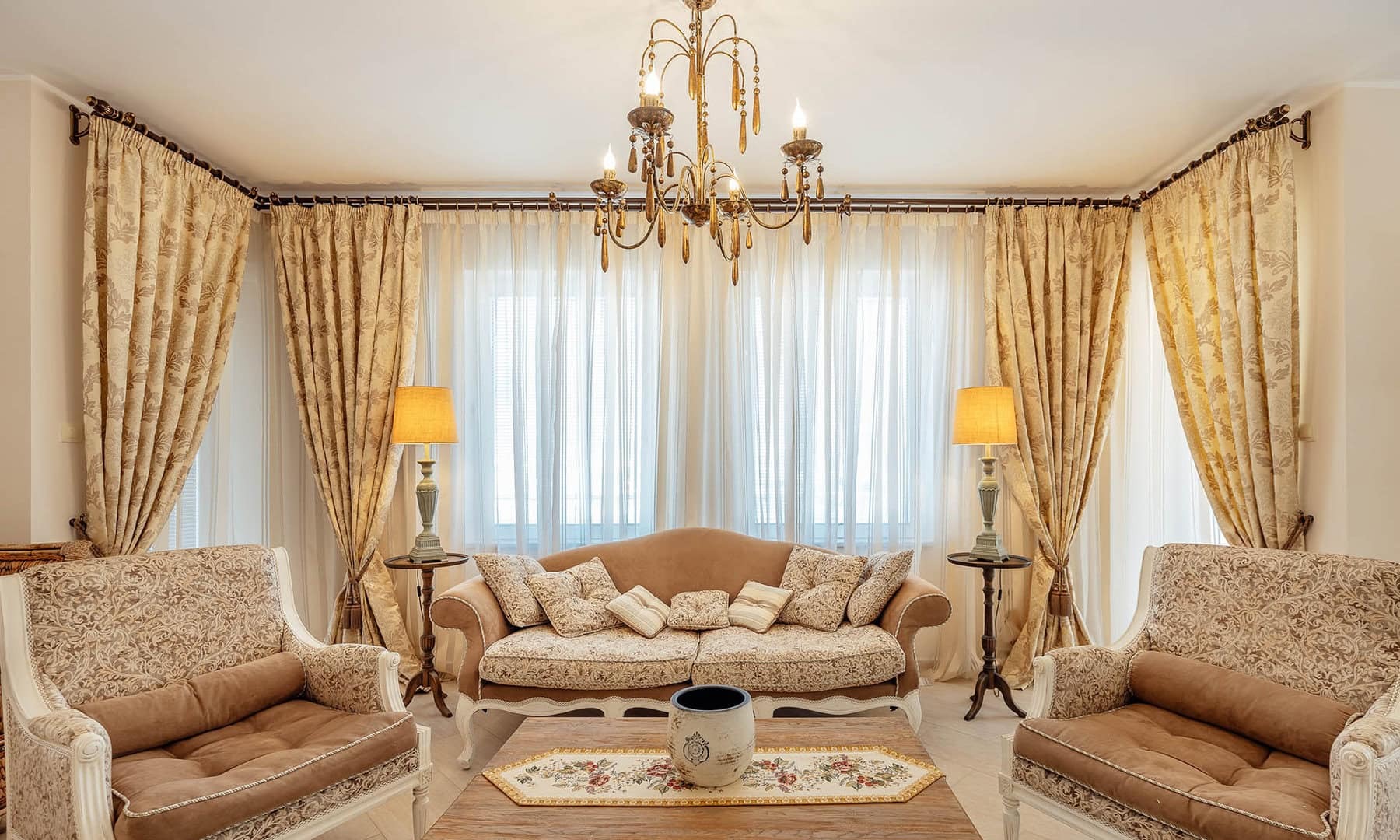
CITY:
Kotor
Type:
Apartment
Price:
€355,000
Status:
For Sale
Bedrooms:
2
Bathrooms:
Square Footage:
181 m²
Built:
Historic Beskuca Palace on the Waterfront in Prčanj
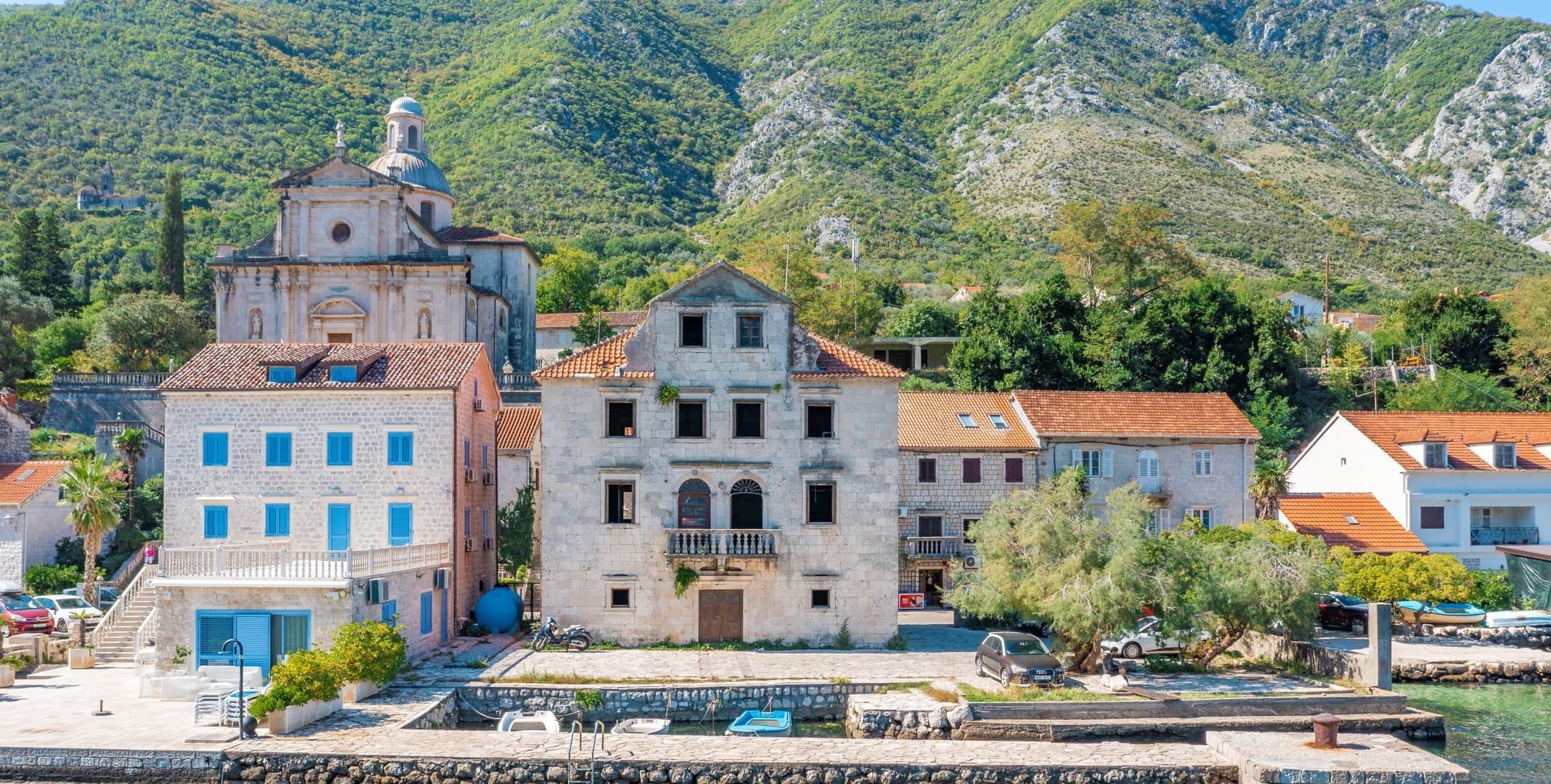
CITY:
Kotor
Type:
Historic Palace
Price:
Price on Request
Status:
For Sale
Bedrooms:
Bathrooms:
Square Footage:
6085 m²
Built:
Two-Bedroom Residence at Nikki Beach Montenegro, Tivat

CITY:
Tivat
Type:
Apartment
Price:
€1,550,000
Status:
For Sale
Bedrooms:
2
Bathrooms:
Square Footage:
195 m²
Built:
Studio Residence at Thyme Residences, K16 Peak, Kolašin
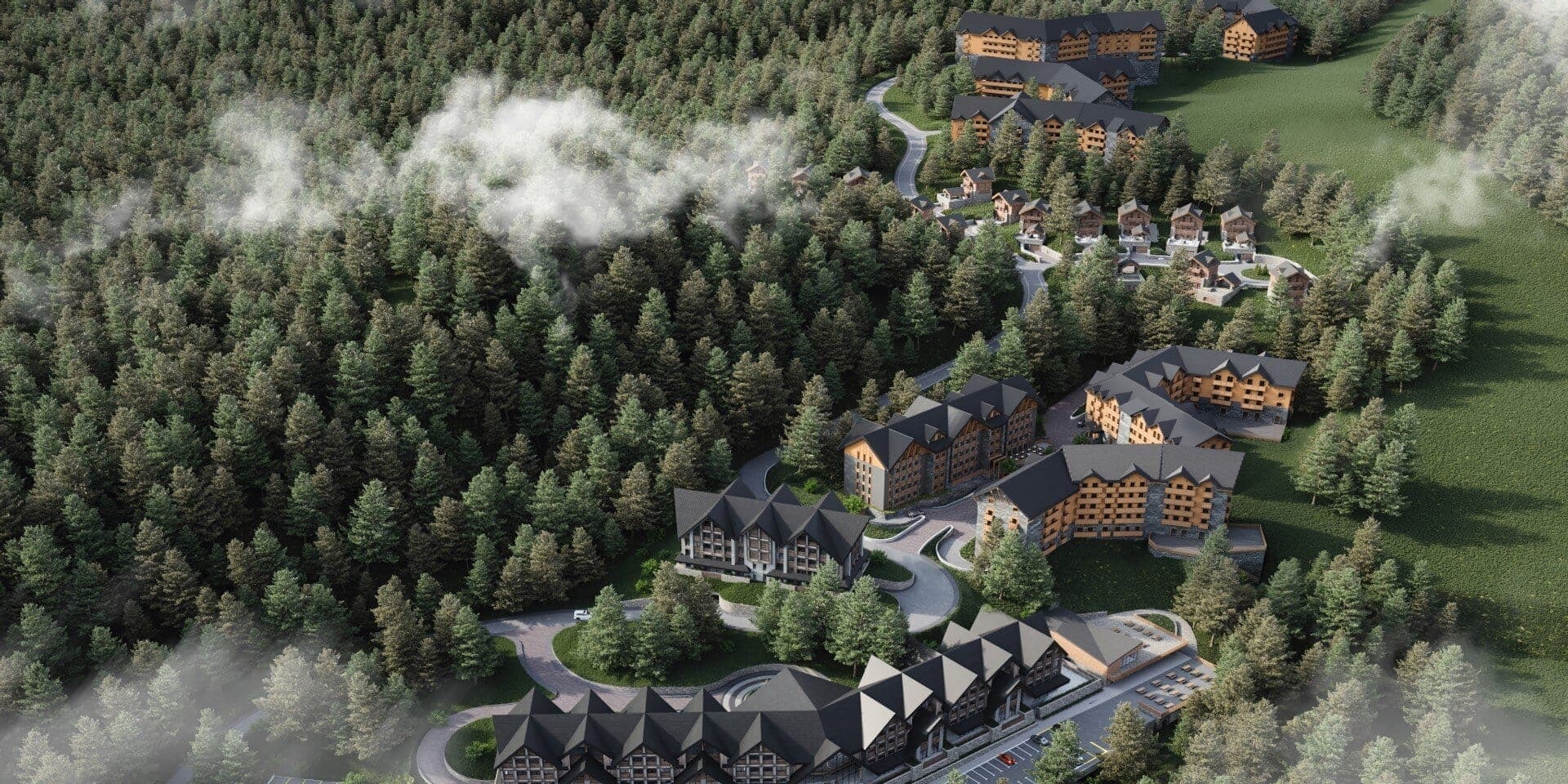
CITY:
Kolašin
Type:
Hotel Residence
Price:
Price on Request
Status:
For Sale
Bedrooms:
Studio
Bathrooms:
1
Square Footage:
Built:
Five-Bedroom Stone Waterfront Villa in Ljuta, Kotor Bay
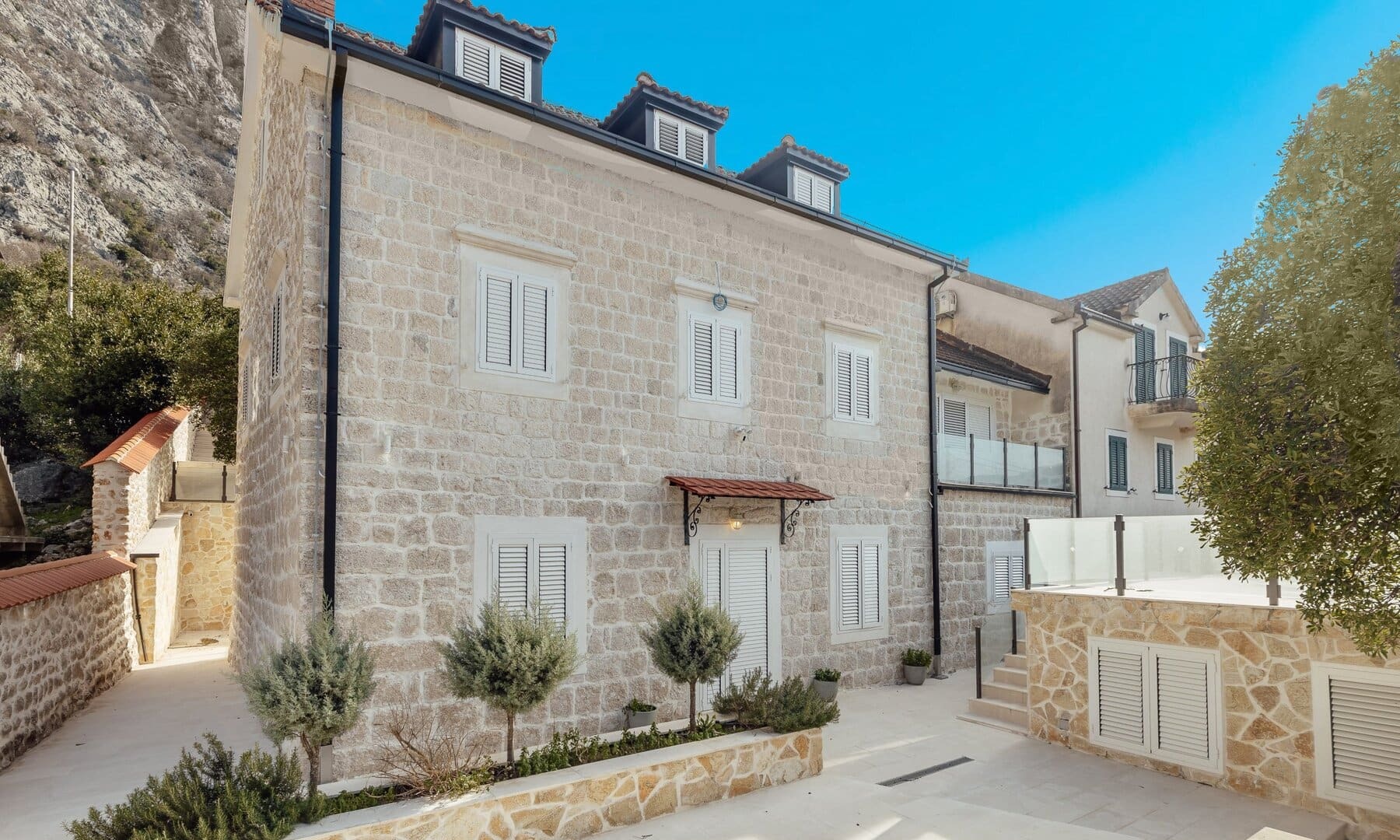
CITY:
Kotor
Type:
Villa
Price:
€1,990,000
Status:
For Sale
Bedrooms:
5
Bathrooms:
4
Square Footage:
380 m²
Built:
Five-Bedroom Stone Villa in Reževići, Budva Riviera
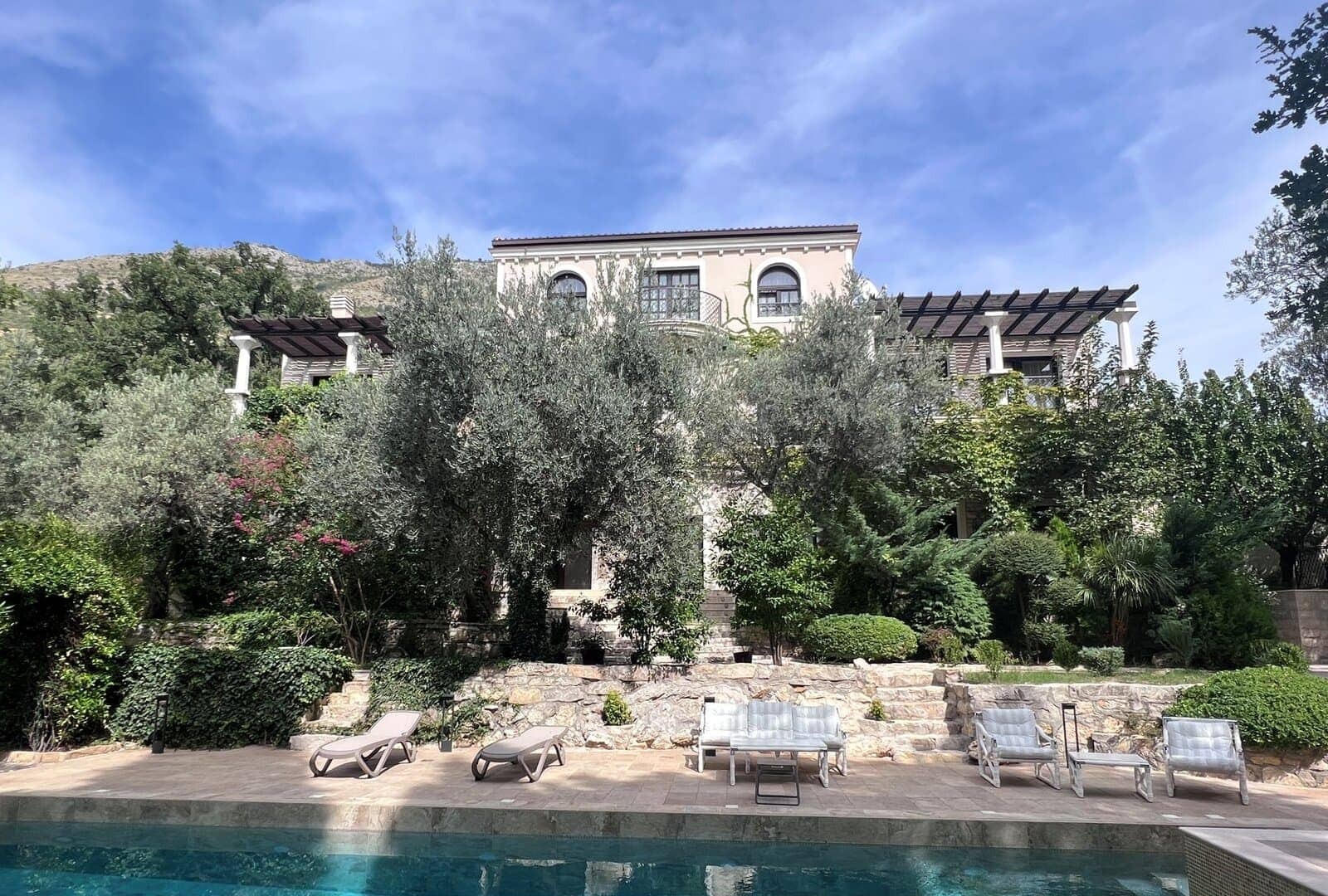
CITY:
Budva
Type:
Villa
Price:
€3,200,000
Status:
For Sale
Bedrooms:
5
Bathrooms:
5
Square Footage:
1408 m²
Built:
One-Bedroom Residence at Hyatt Regency Kotor Bay, Stoliv
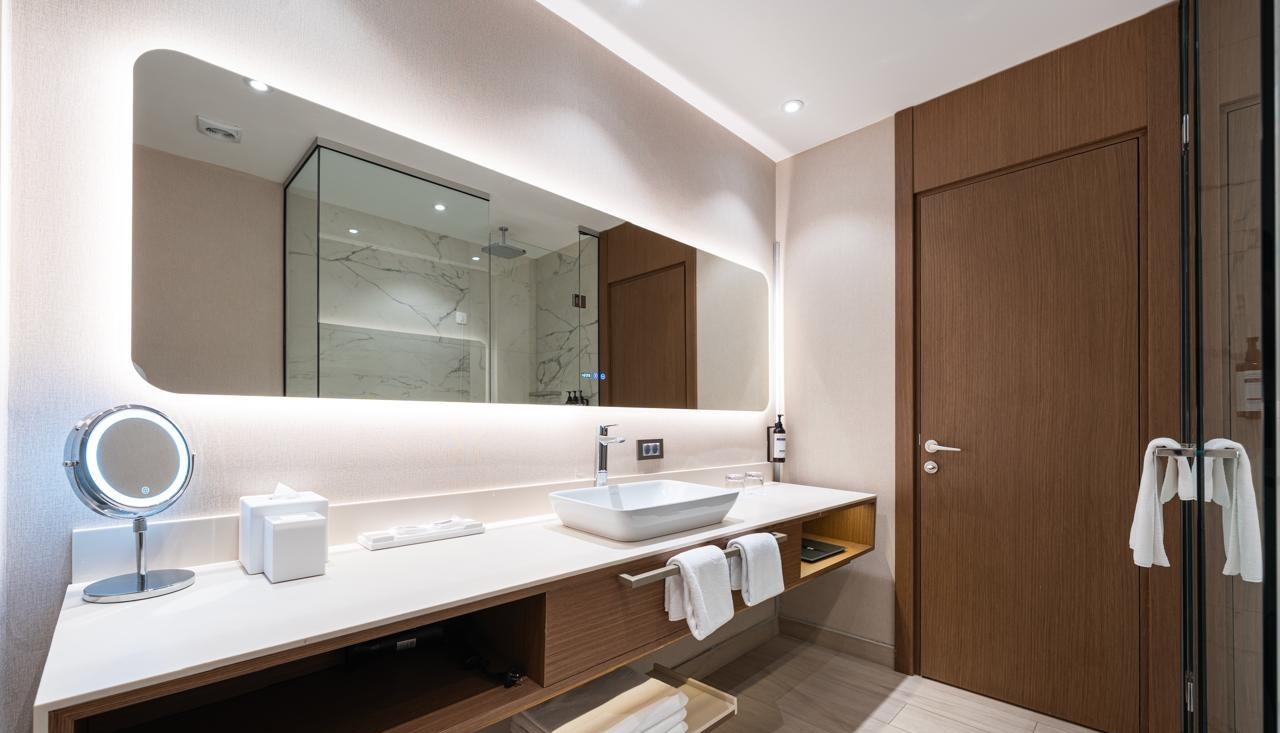
CITY:
Kotor
Type:
Apartment
Price:
€470,000
Status:
For Sale
Bedrooms:
1
Bathrooms:
1
Square Footage:
Built:
Four-Bedroom Waterfront Stone Villa in Rose, Herceg Novi
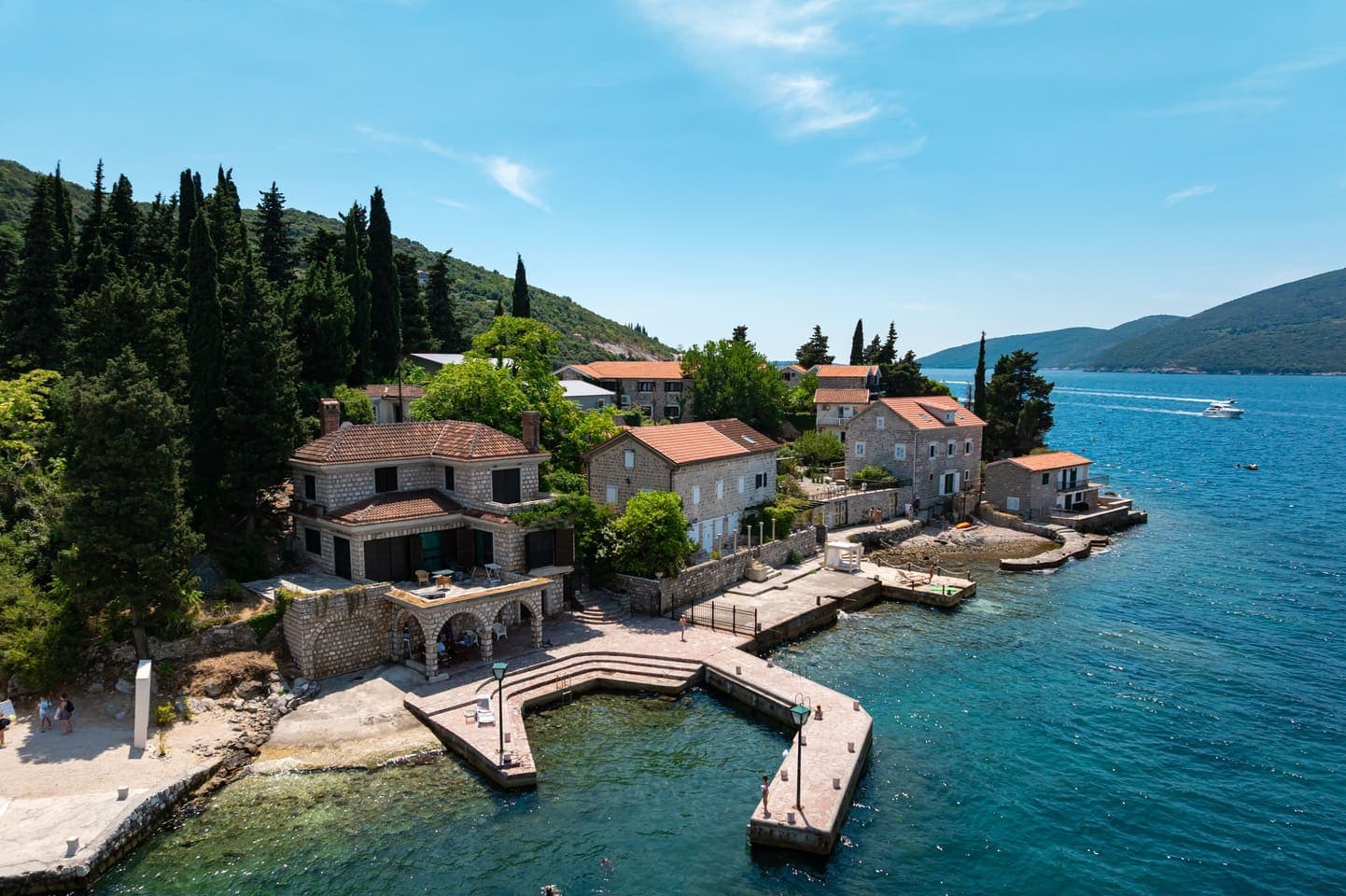
CITY:
Herceg Novi
Type:
Villa
Price:
€1,800,000
Status:
For Sale
Bedrooms:
4
Bathrooms:
3
Square Footage:
350 m²
Built:
Four-Bedroom Villa with Pool in Stoliv, Kotor Bay

CITY:
Kotor
Type:
Villa
Price:
Price on Request
Status:
For Sale
Bedrooms:
4
Bathrooms:
2
Square Footage:
359 m²
Built:
Four-Bedroom Stone Villa in Buljarica, Budva Riviera

CITY:
Budva
Type:
Villa
Price:
Price on Request
Status:
For Sale
Bedrooms:
4
Bathrooms:
4 + 1
Square Footage:
500 m²
Built:
InterContinental Branded Penthouse on the Bar Riviera, Čanj

CITY:
Bar
Type:
Penthouse
Price:
€5,346,555
Status:
For Sale
Bedrooms:
Bathrooms:
Square Footage:
Built:
Three-Bedroom Waterfront Villa in Dobrota, Kotor
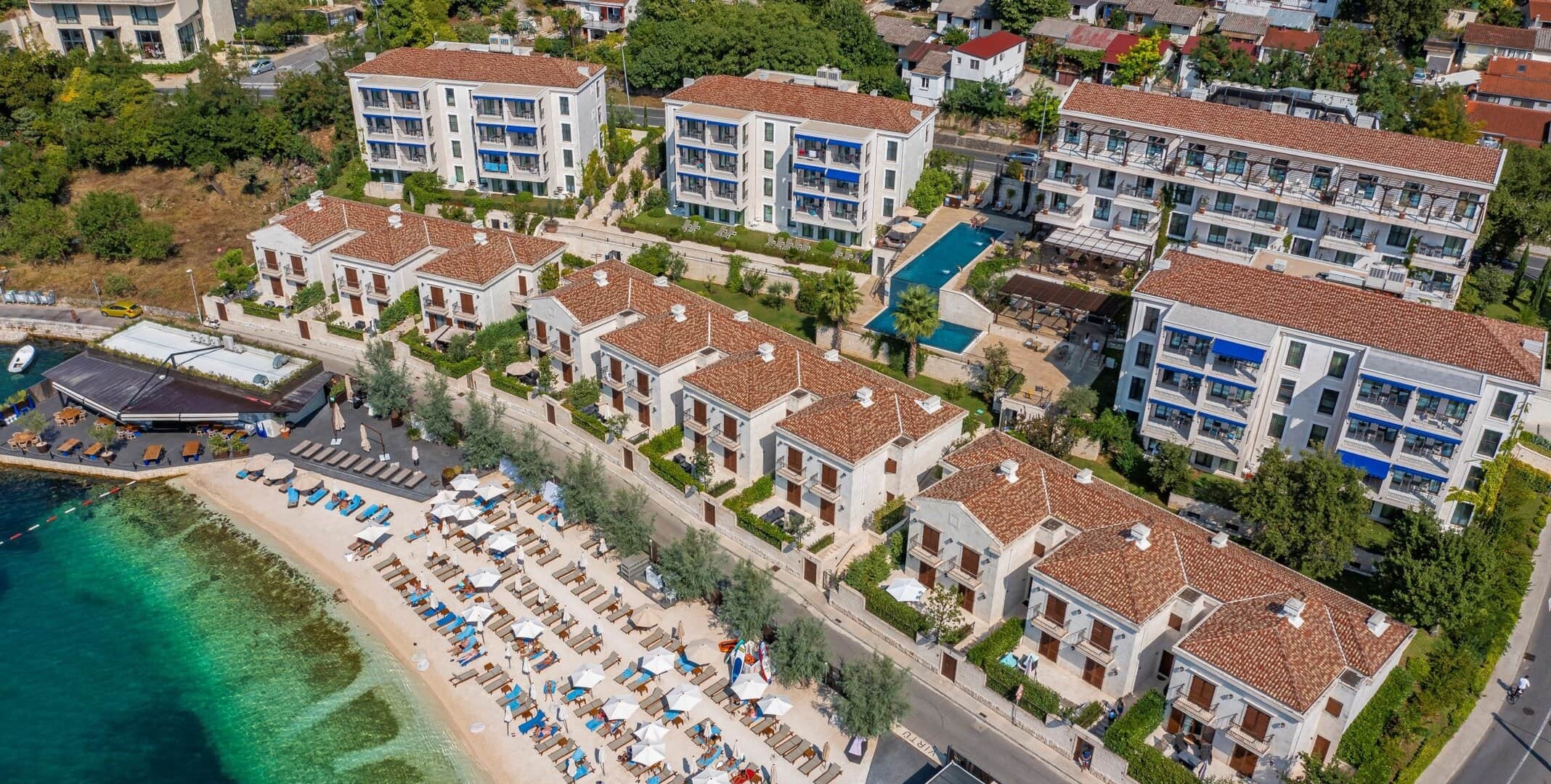
CITY:
Kotor
Type:
Villa
Price:
€2,000,000
Status:
For Sale
Bedrooms:
3
Bathrooms:
3
Square Footage:
Built:
Three-Bedroom Residence at Capital Plaza, Podgorica
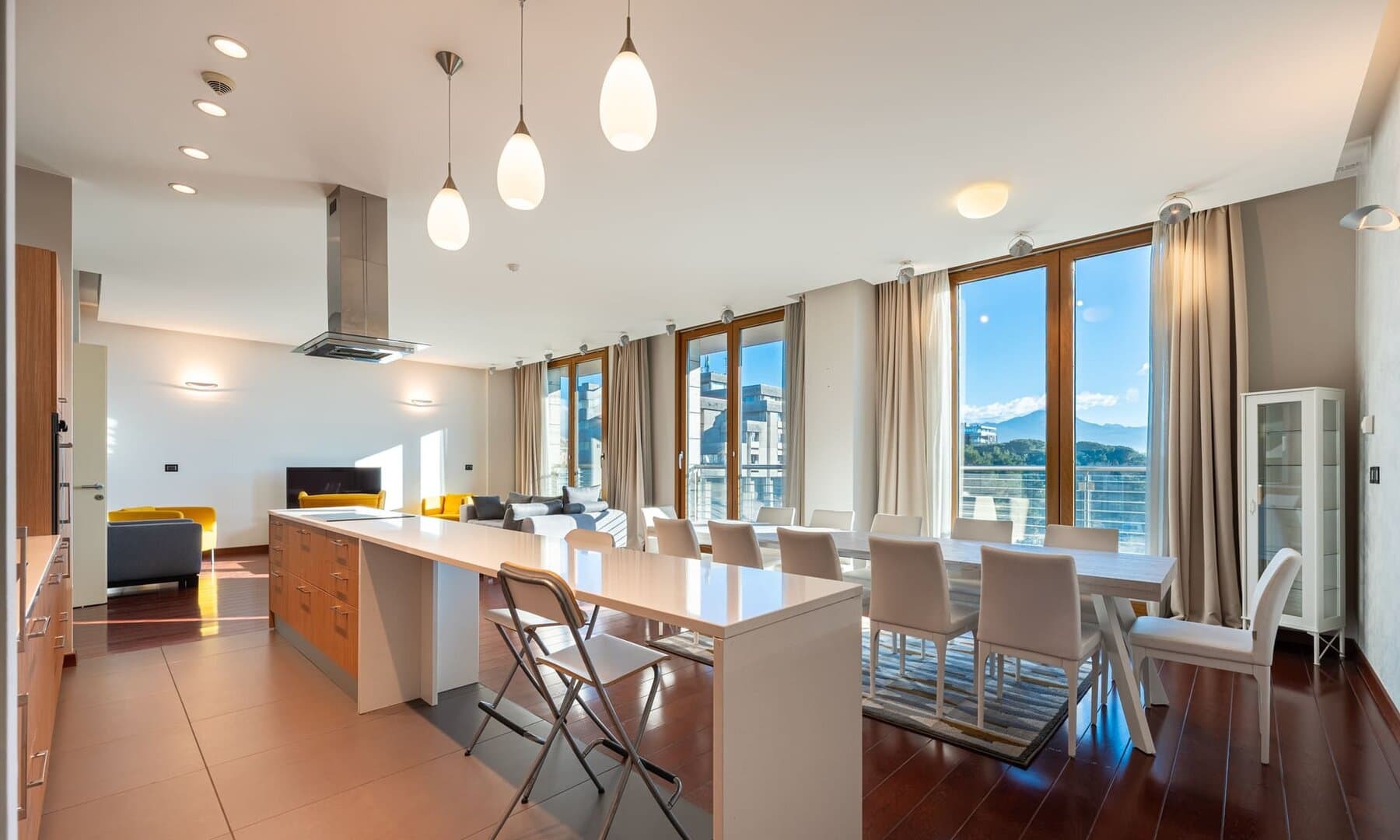
CITY:
Podgorica
Type:
Apartment
Price:
€913,500
Status:
For Sale
Bedrooms:
3
Bathrooms:
Square Footage:
188 m²
Built:
Two-Bedroom Residence at Capital Plaza, Podgorica
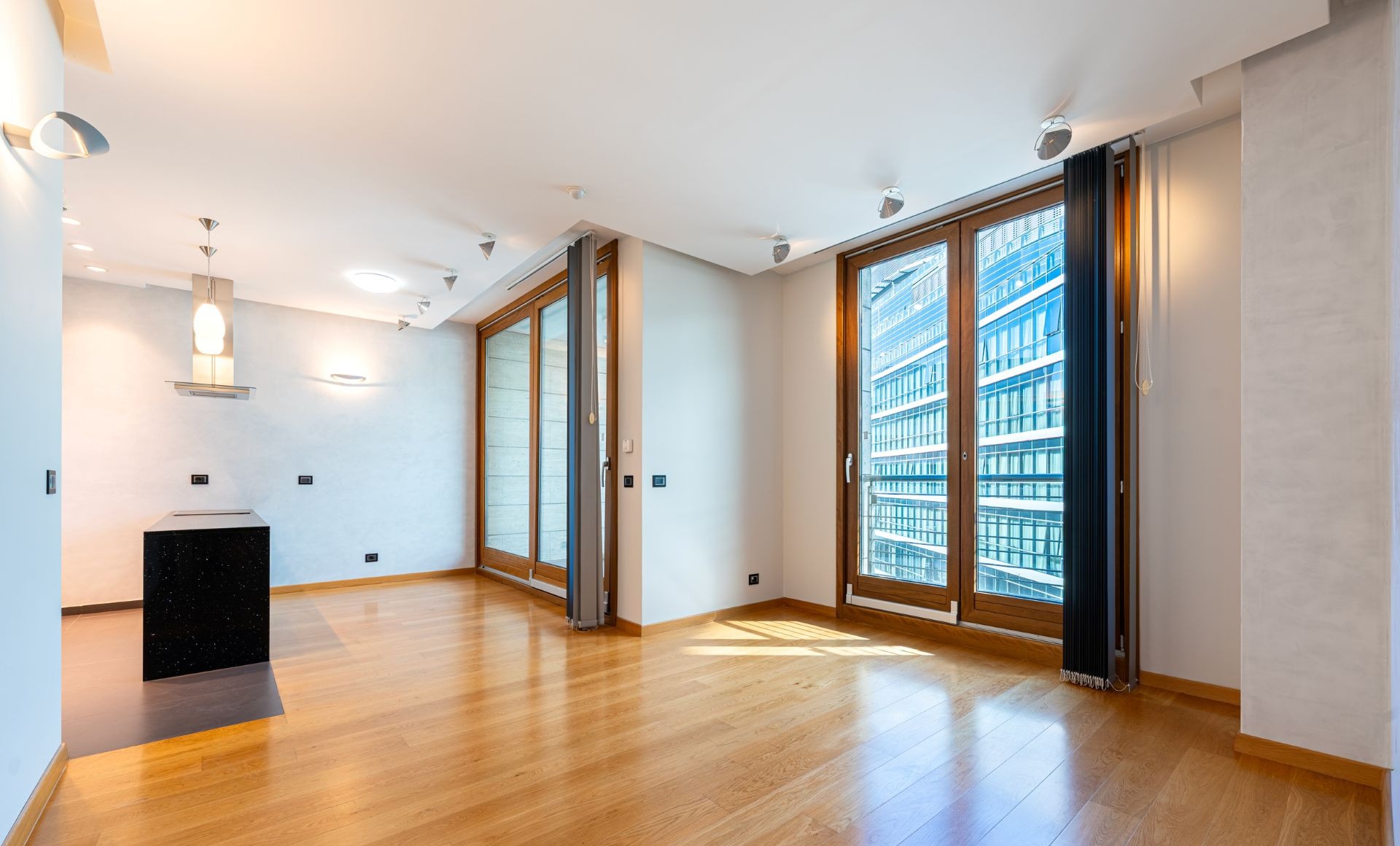
CITY:
Podgorica
Type:
Apartment
Price:
Price on Request
Status:
For Sale
Bedrooms:
2
Bathrooms:
1
Square Footage:
Built:
Six-Bedroom Duplex Penthouse with Private Pool in Bečići
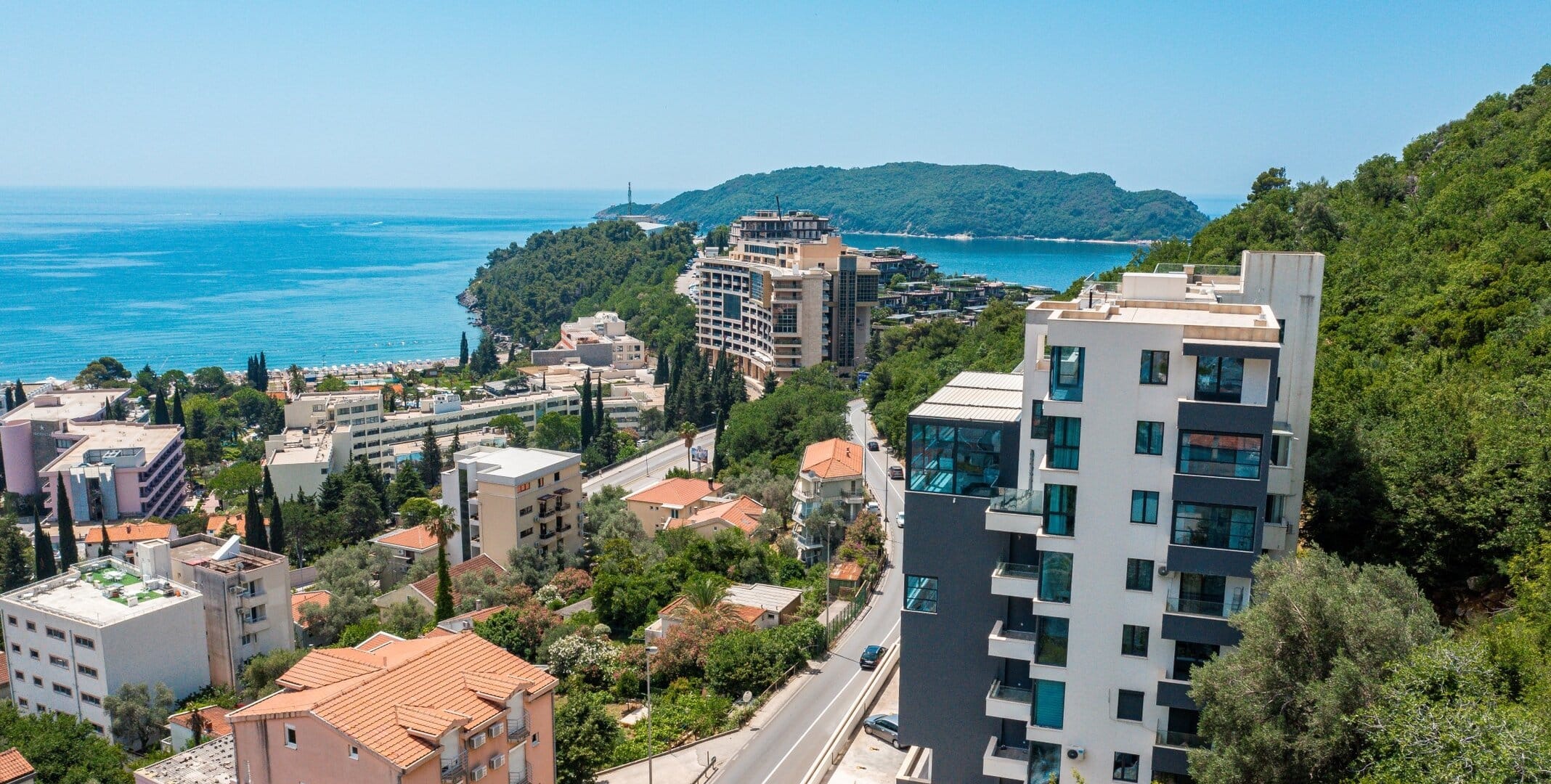
CITY:
Budva
Type:
Penthouse
Price:
€1,500,000
Status:
For Sale
Bedrooms:
6
Bathrooms:
Square Footage:
300 m²
Built:
106 m² Two-Bedroom Apartment at Capital Plaza, Podgorica

CITY:
Podgorica
Type:
Apartment
Price:
€477,000
Status:
For Sale
Bedrooms:
2
Bathrooms:
Square Footage:
106 m²
Built:
Historic Beskuca Palace in Prčanj, Kotor Bay
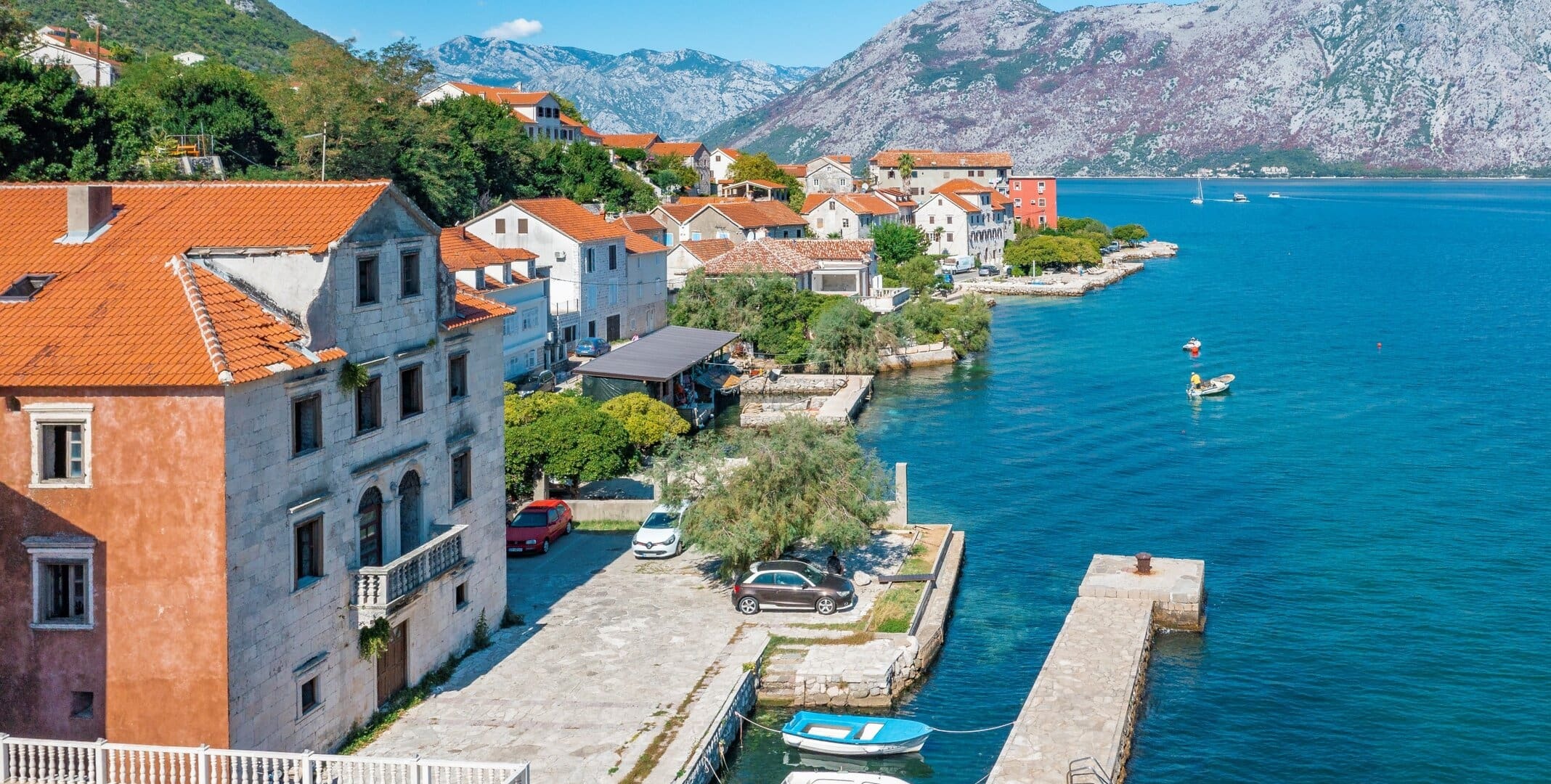
CITY:
Kotor
Type:
Historic Palace
Price:
Price on Request
Status:
For Sale
Bedrooms:
Bathrooms:
Square Footage:
6085 m²
Built:
Three-Bedroom Contemporary Villa in Blizikuće, Budva Riviera

CITY:
Budva
Type:
Villa
Price:
Price on Request
Status:
For Sale
Bedrooms:
3
Bathrooms:
Square Footage:
400 m²
Built:
Eight-Bedroom Cliffside Villa in Kruče, Montenegro

CITY:
Bar
Type:
Villa
Price:
€4,300,000
Status:
For Sale
Bedrooms:
8
Bathrooms:
7
Square Footage:
1197 m²
Built:
One-Bedroom Residence at Hyatt Regency Kotor Bay, Stoliv
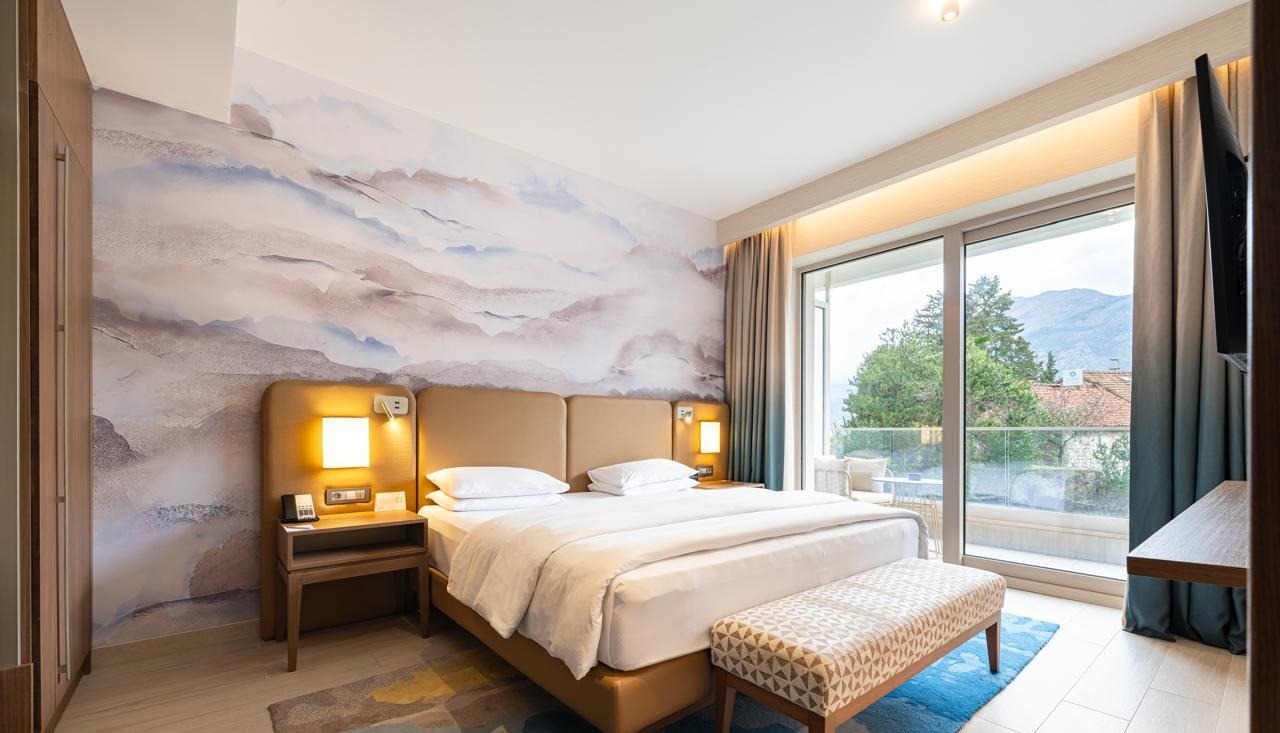
CITY:
Kotor
Type:
Apartment
Price:
€470,000
Status:
For Sale
Bedrooms:
Bathrooms:
Square Footage:
Built:
One-Bedroom Apartment with Two Terraces in Budva
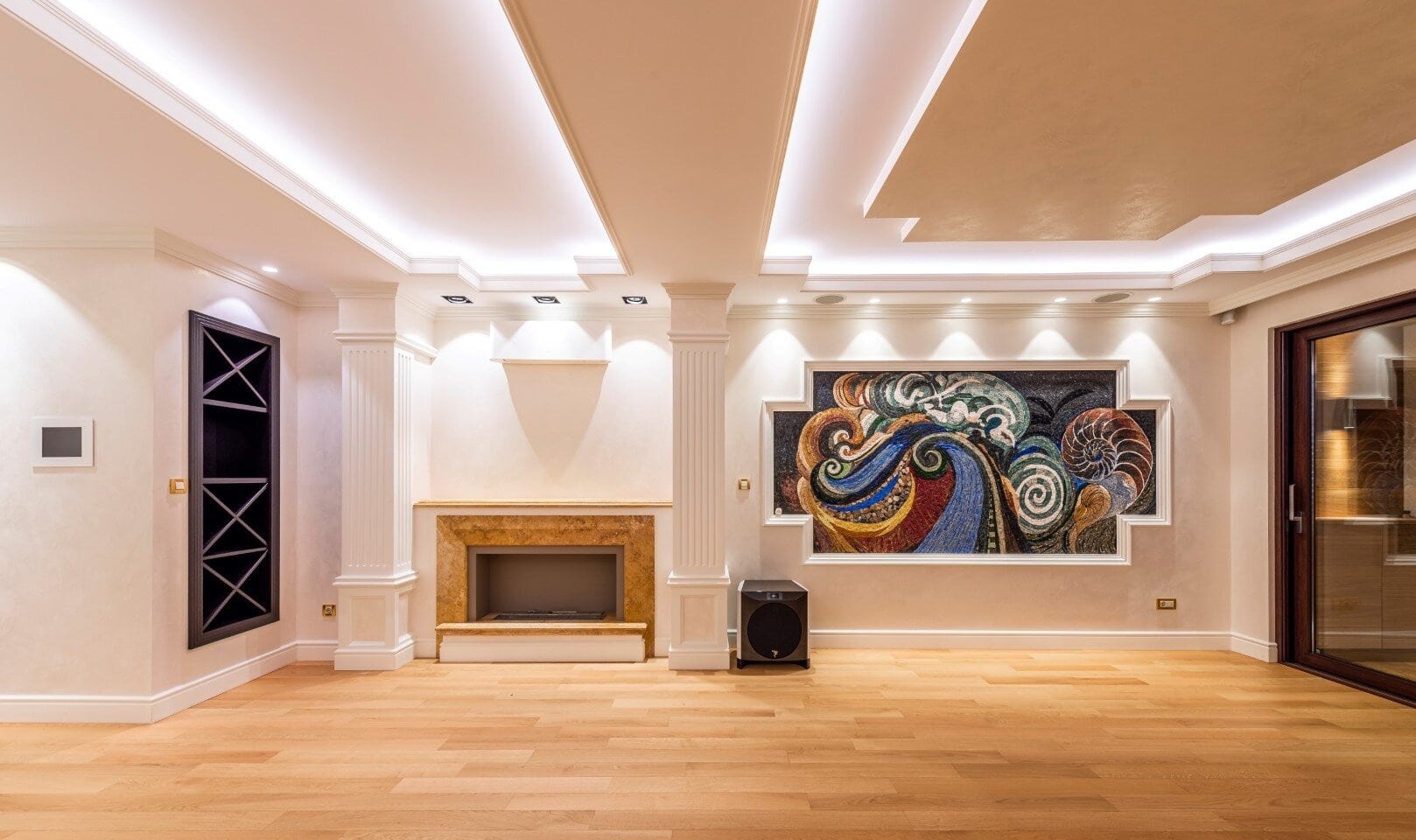
CITY:
Budva
Type:
Apartment
Price:
€560,850
Status:
For Sale
Bedrooms:
1
Bathrooms:
Square Footage:
115 m²
Built:
Three-Bedroom Duplex Penthouse in Babilonija, Budva

CITY:
Budva
Type:
Penthouse
Price:
Price on Request
Status:
For Sale
Bedrooms:
3
Bathrooms:
3
Square Footage:
215 m²
Built:
Four-Star Boutique Hotel in Central Budva
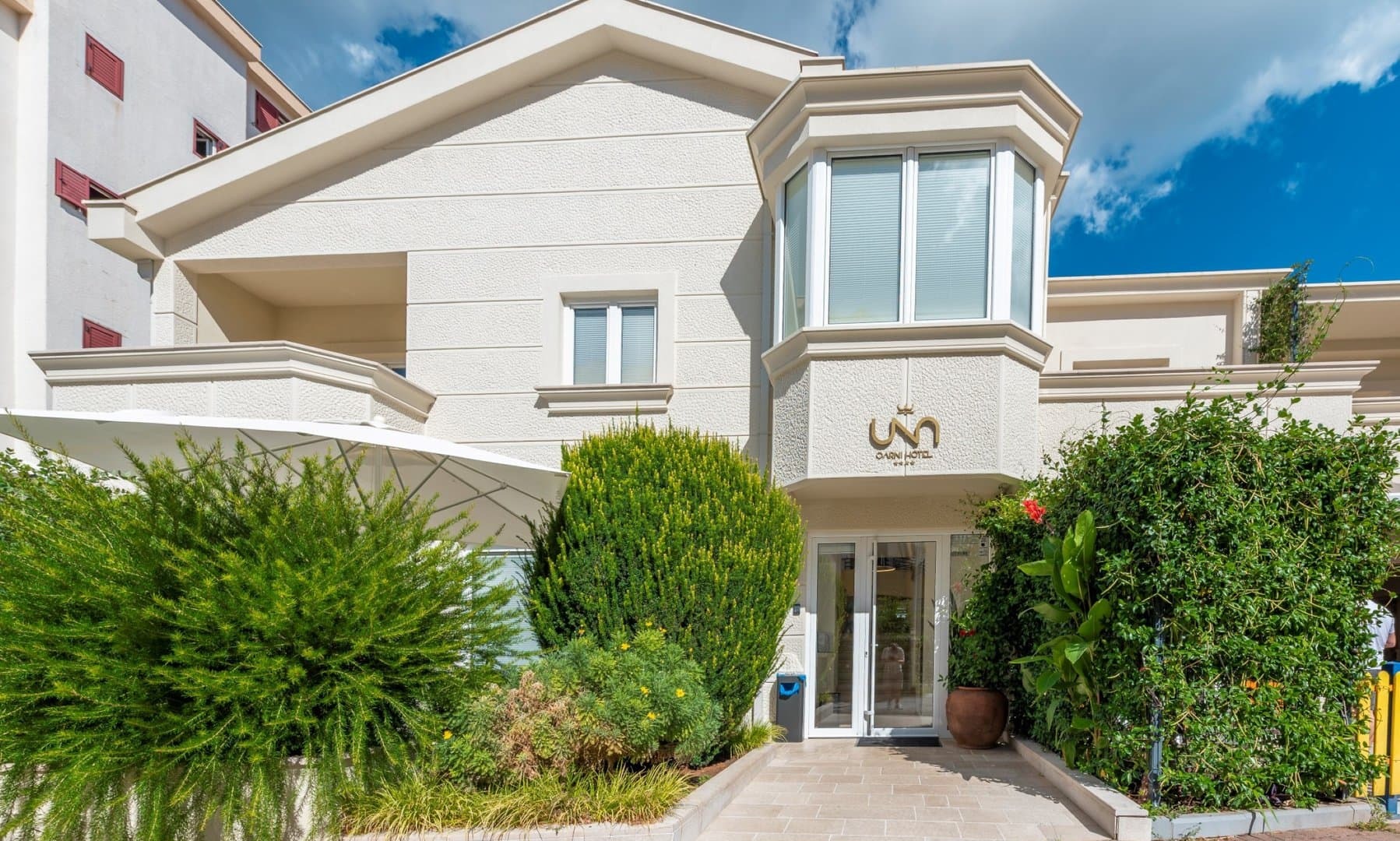
CITY:
Budva
Type:
Hotel
Price:
€1,300,000
Status:
For Sale
Bedrooms:
Bathrooms:
Square Footage:
317 m²
Built:
Five-Bedroom Contemporary Villa in Dobrota, Kotor

CITY:
Kotor
Type:
Villa
Price:
Price on Request
Status:
For Sale
Bedrooms:
5
Bathrooms:
Square Footage:
1294 m²
Built:
Three-Bedroom Waterfront Villa in Kostanjica, Kotor Bay

CITY:
Kotor
Type:
Villa
Price:
Price on Request
Status:
For Sale
Bedrooms:
3
Bathrooms:
3
Square Footage:
300 m²
Built:
Two-Bedroom Apartment at Capital Plaza, Podgorica
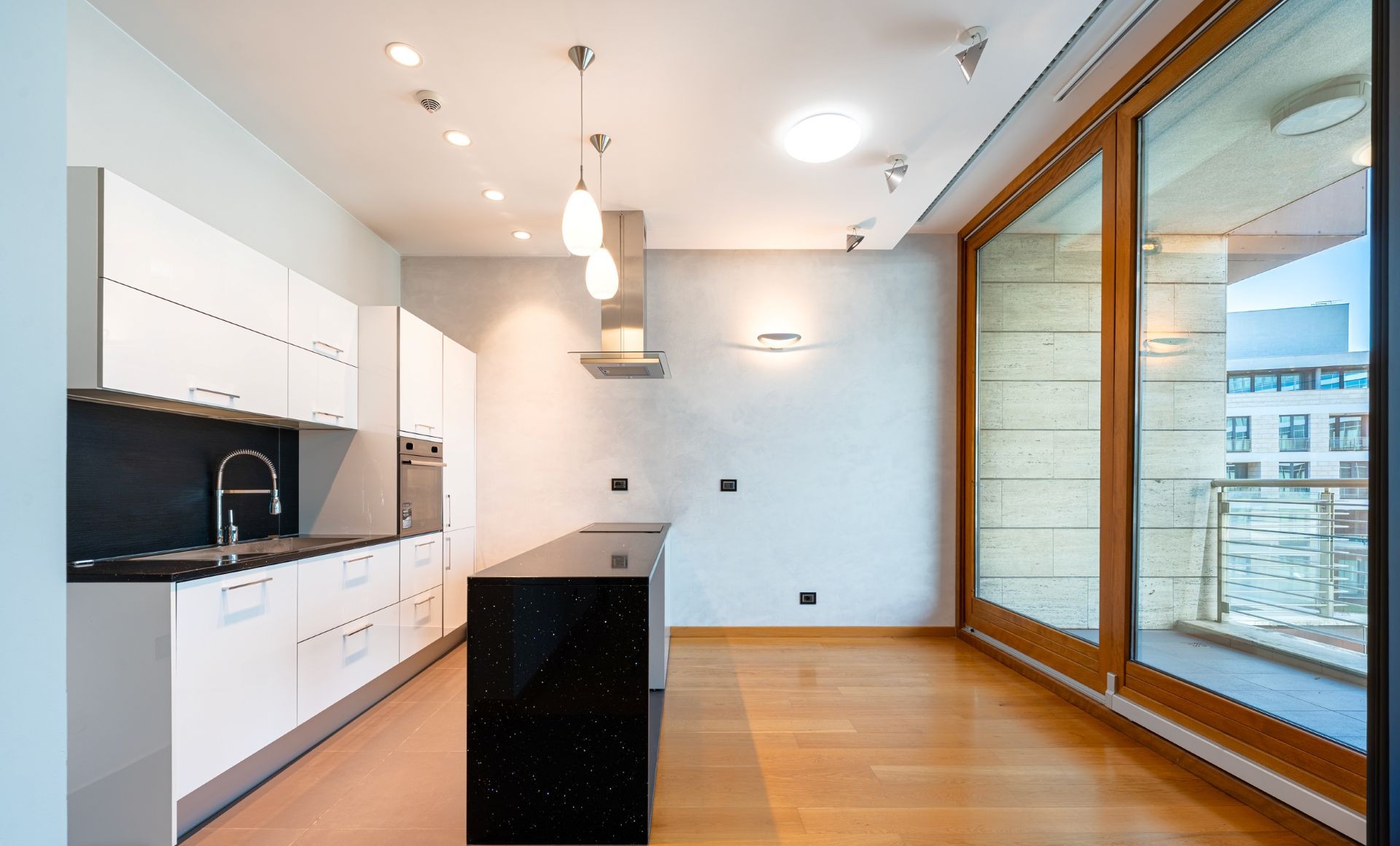
CITY:
Podgorica
Type:
Apartment
Price:
Price on Request
Status:
For Sale
Bedrooms:
2
Bathrooms:
1
Square Footage:
Built:
Four-Bedroom Villa with Pool in Rijeka Reževići, Budva Riviera
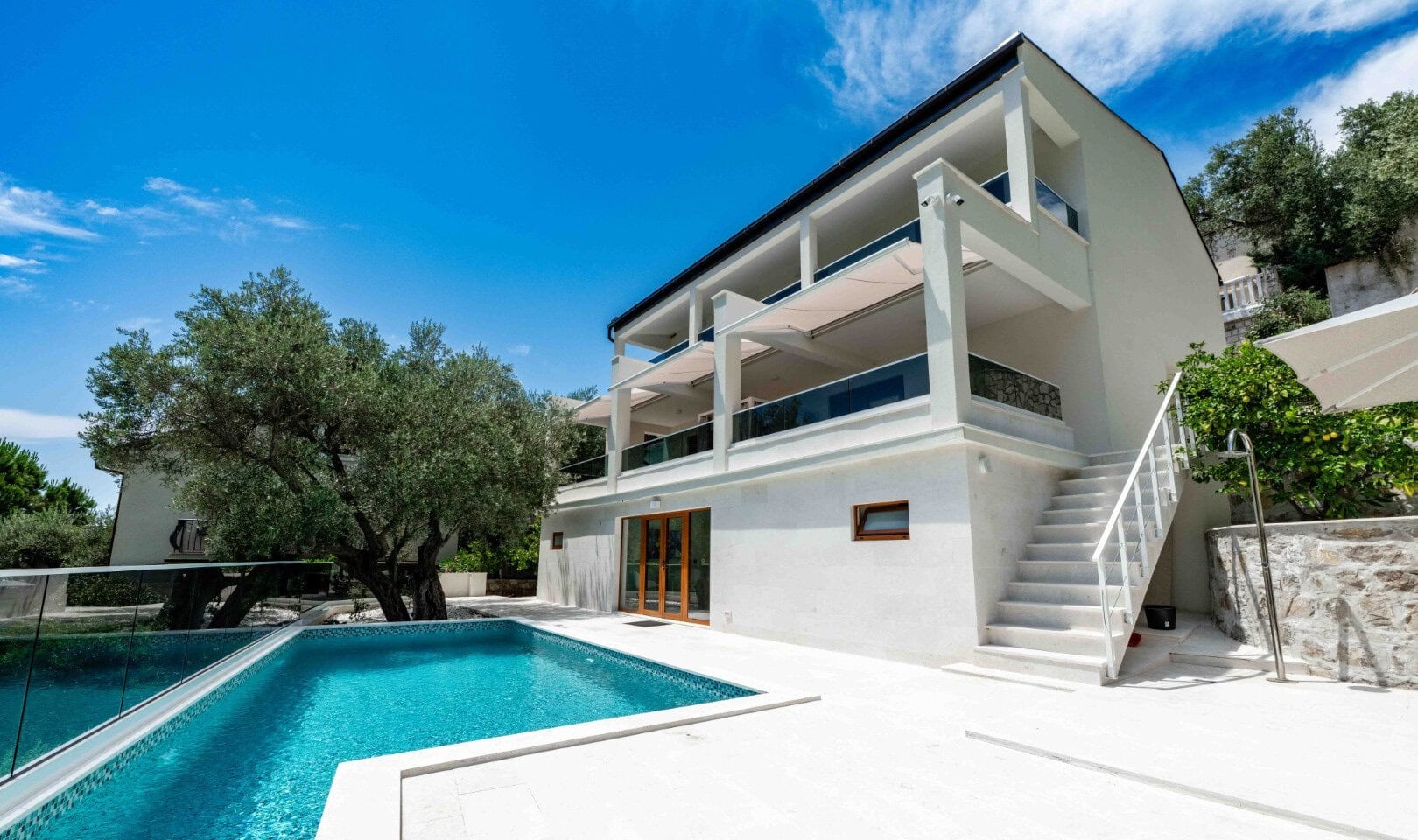
CITY:
Budva
Type:
Villa
Price:
€1,650,000
Status:
For Sale
Bedrooms:
4
Bathrooms:
Square Footage:
261 m²
Built:
Three-Bedroom Waterfront Stone House in Baošići, Herceg Novi
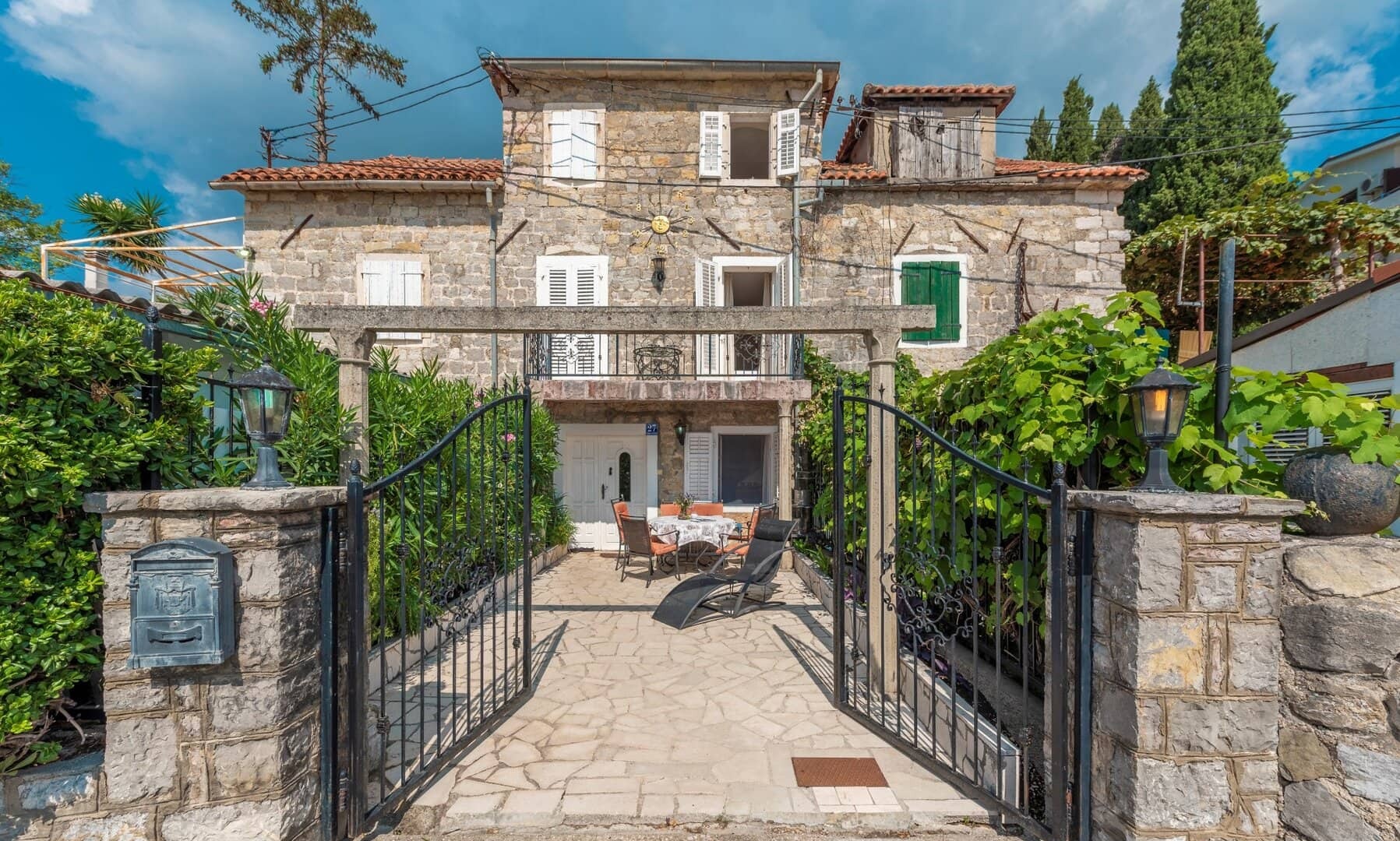
CITY:
Herceg Novi
Type:
House
Price:
€550,000
Status:
For Sale
Bedrooms:
3
Bathrooms:
1
Square Footage:
95 m²
Built:
Four-Bedroom Waterfront Villa in Strp, Kotor Bay
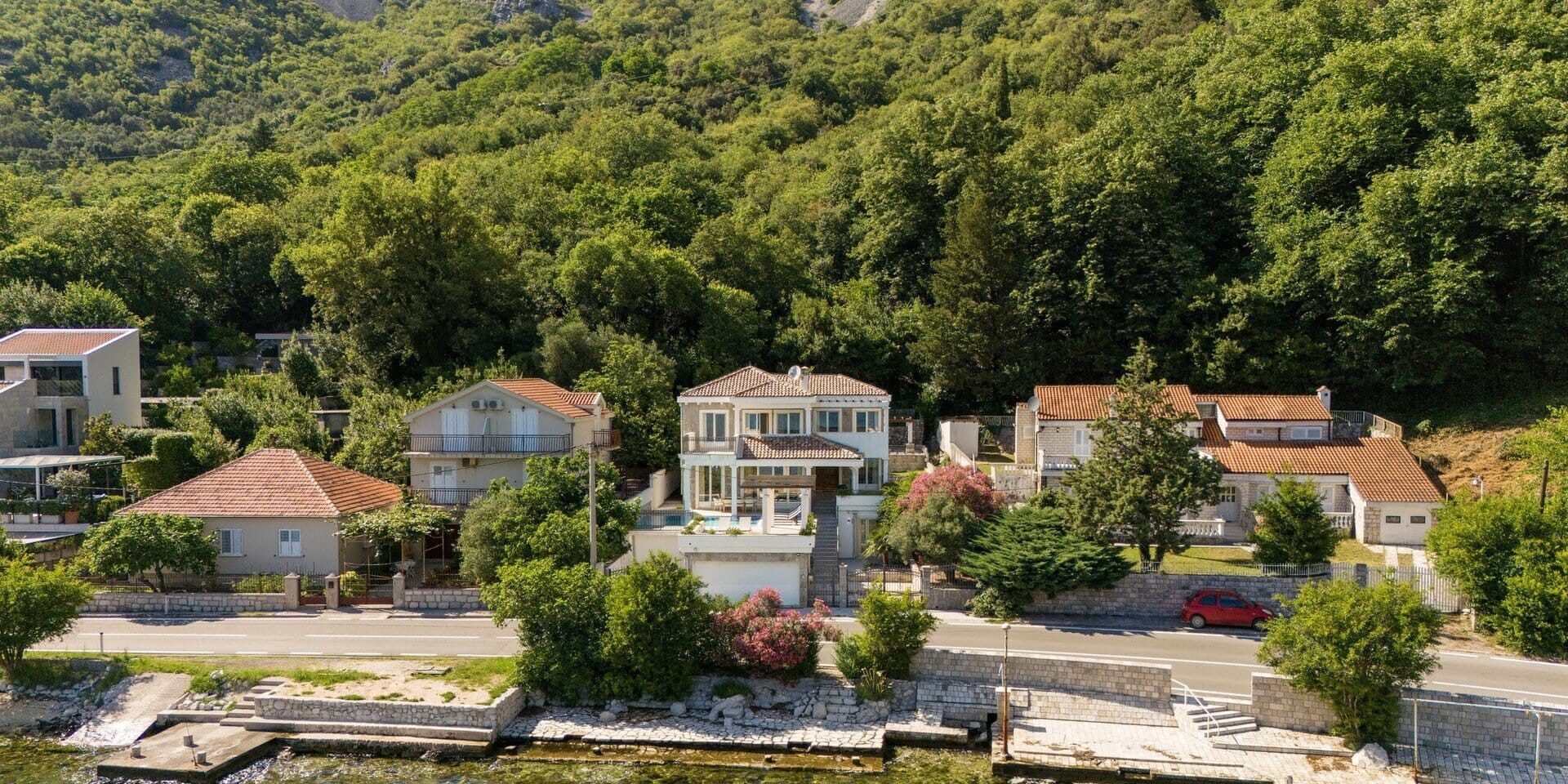
CITY:
Kotor
Type:
Villa
Price:
€3,000,000
Status:
For Sale
Bedrooms:
4
Bathrooms:
4
Square Footage:
405 m²
Built:
Four-Bedroom Waterfront Stone House in Perast, Kotor Bay

CITY:
Kotor
Type:
House
Price:
€1,550,000
Status:
For Sale
Bedrooms:
4
Bathrooms:
2 + 1
Square Footage:
160 m²
Built:
Two-Bedroom Designer-Furnished Apartment at Palazzo Sofia, Tivat

CITY:
Tivat
Type:
Apartment
Price:
€600,000
Status:
For Sale
Bedrooms:
2
Bathrooms:
2
Square Footage:
103 m²
Built:
Four-Bedroom Waterfront Stone House in Rose, Herceg Novi
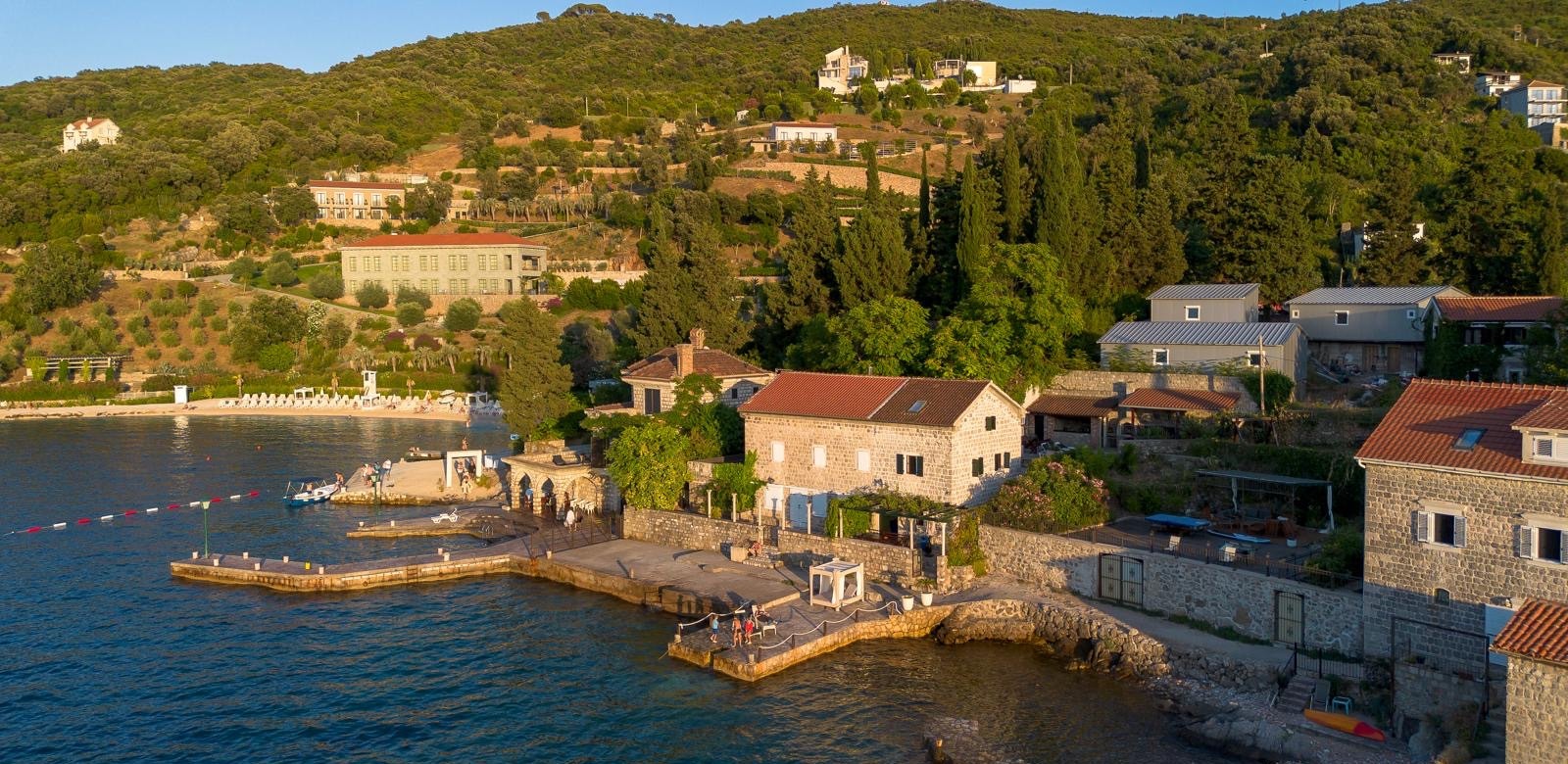
CITY:
Herceg Novi
Type:
House
Price:
€1,250,000
Status:
For Sale
Bedrooms:
4
Bathrooms:
1
Square Footage:
120 m²
Built:
Three-Bedroom Cliffside Villa in Skočidjevojka, Budva Riviera
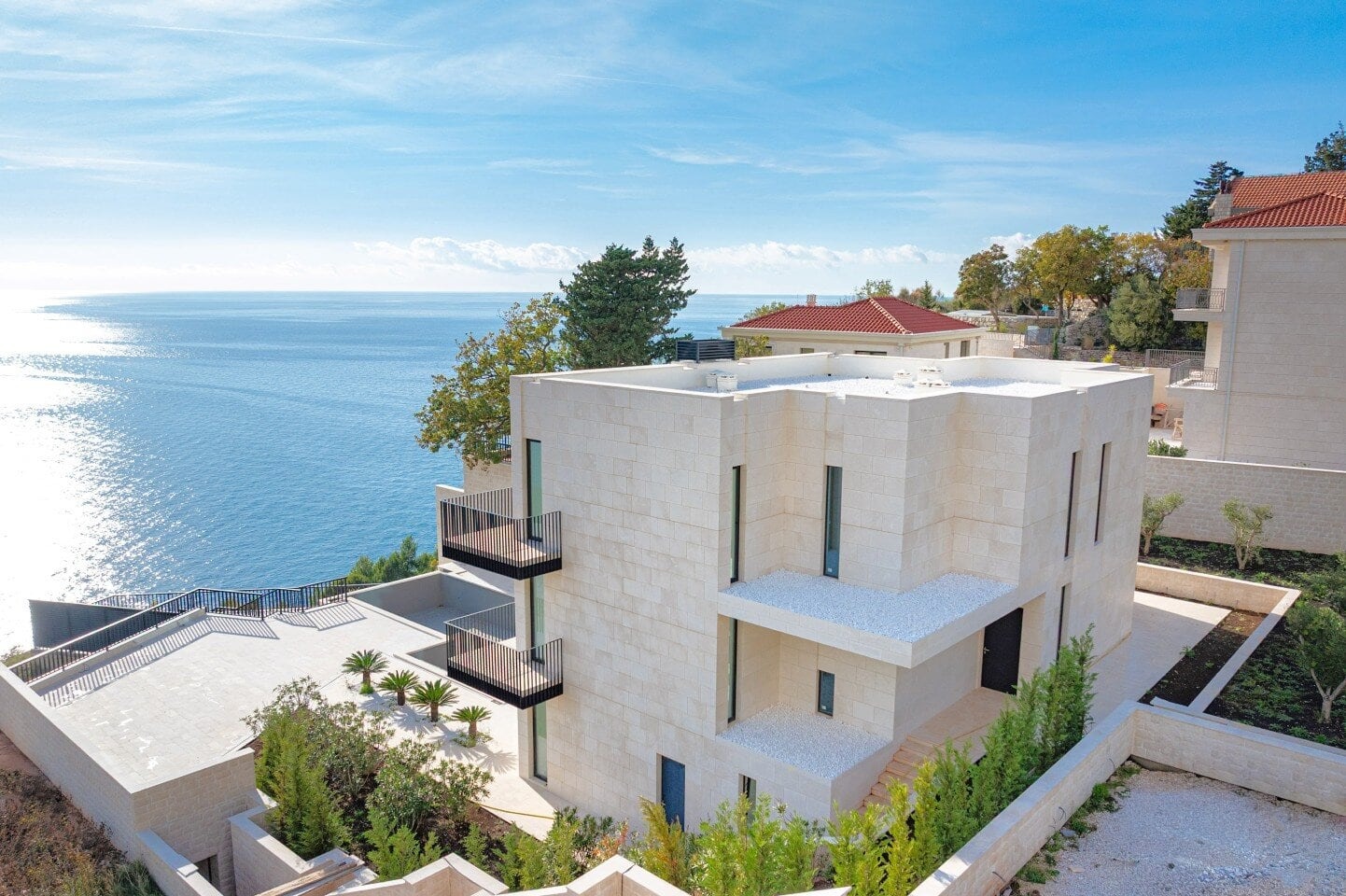
CITY:
Budva
Type:
Villa
Price:
€2,900,000
Status:
For Sale
Bedrooms:
Bathrooms:
Square Footage:
580 m²
Built:
Palazzo Jerovica Stone Estate in Prčanj, Kotor Bay

CITY:
Kotor
Type:
Villa
Price:
€4,000,000
Status:
For Sale
Bedrooms:
10
Bathrooms:
10
Square Footage:
800 m²
Built:
Five-Bedroom Villa with Pool in Krašići, Tivat
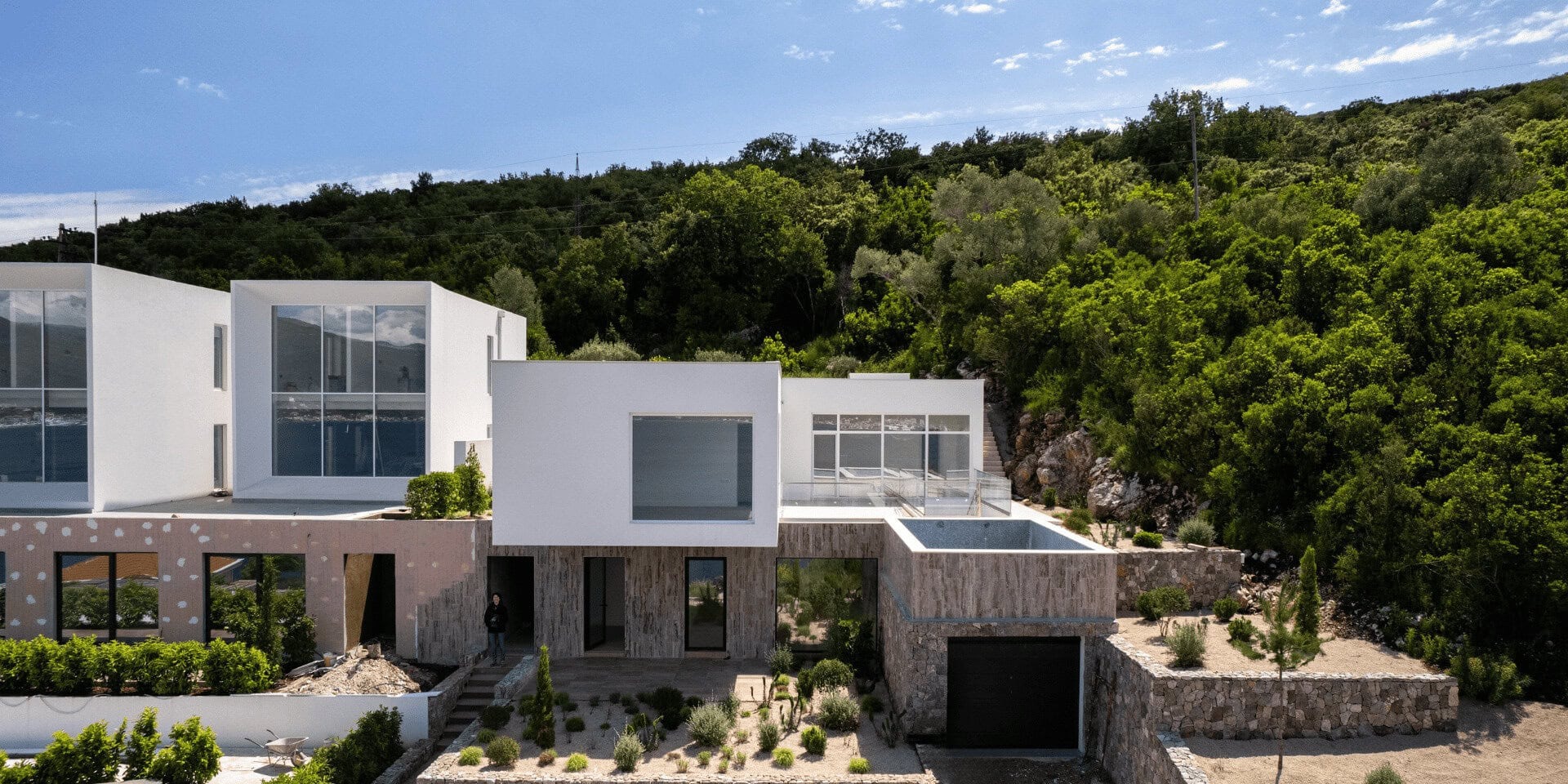
CITY:
Tivat
Type:
Villa
Price:
€1,300,000
Status:
For Sale
Bedrooms:
5
Bathrooms:
Square Footage:
328 m²
Built:
Contemporary Apartments and Duplexes in Krašići, Tivat
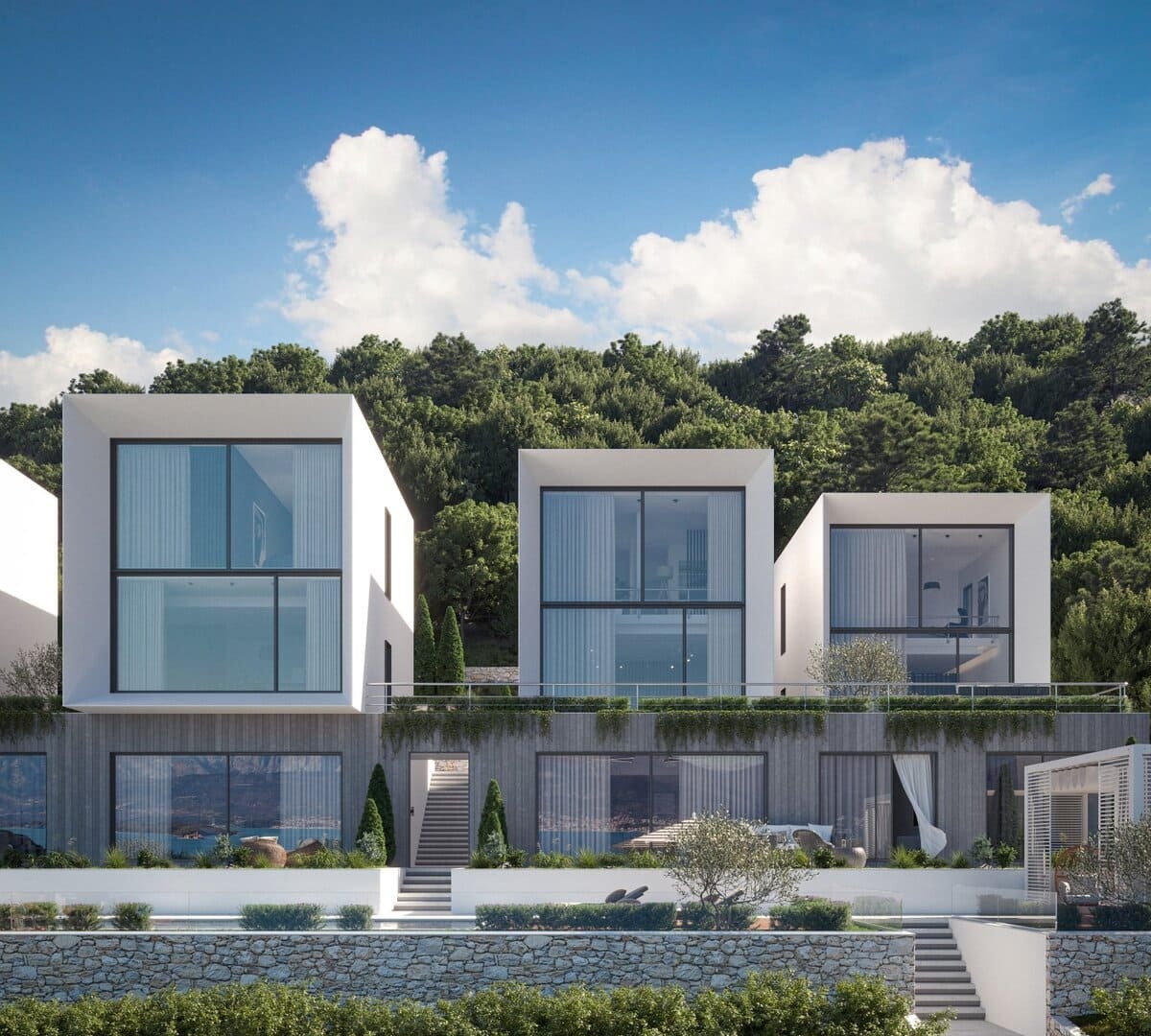
CITY:
Tivat
Type:
Apartment
Price:
€496,199
Status:
For Sale
Bedrooms:
Bathrooms:
Square Footage:
Built:
Crowne Plaza Hotel Residence in Kolašin, Montenegro
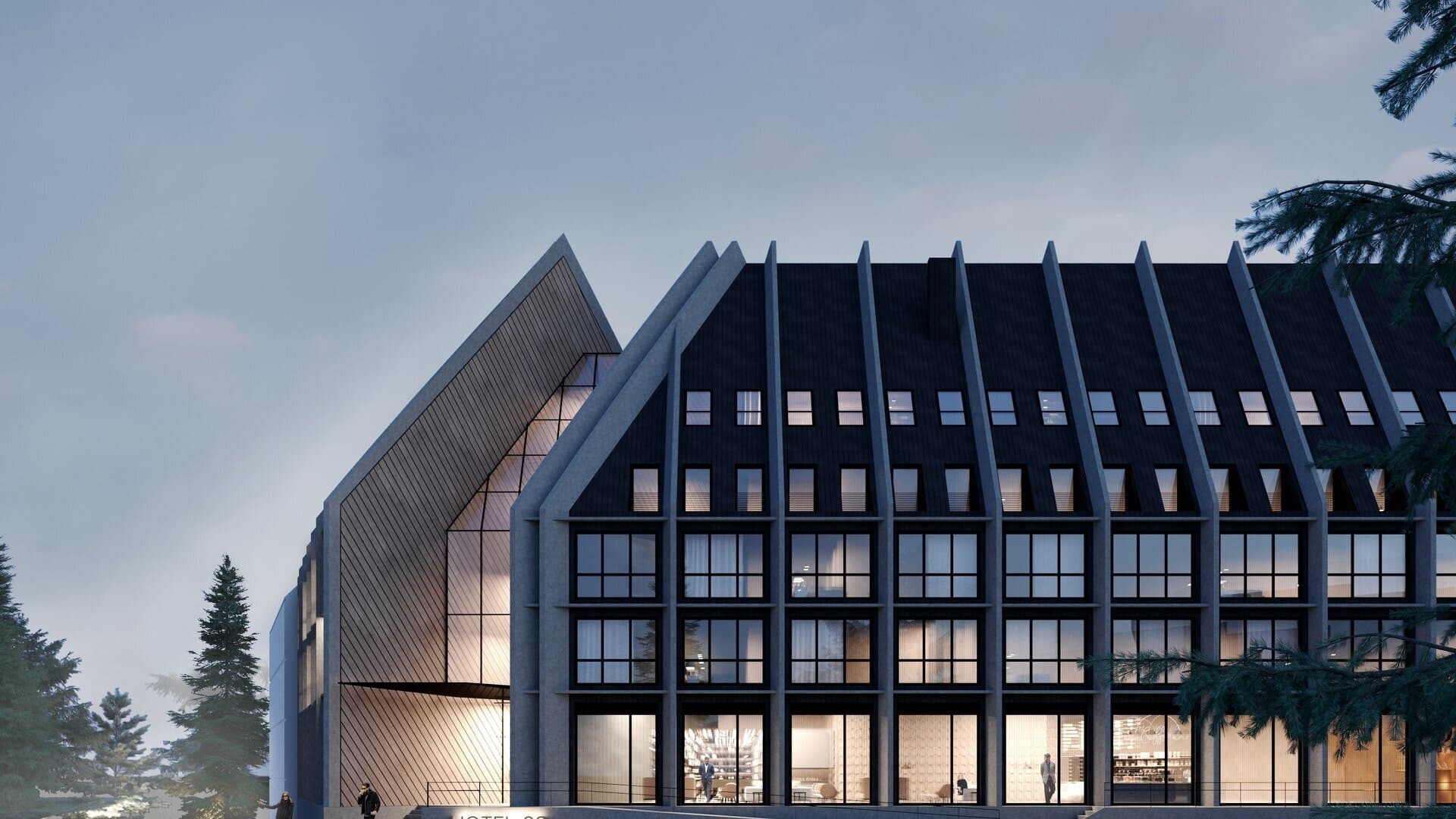
CITY:
Kolašin
Type:
Hotel Residence
Price:
€228,690
Status:
For Sale
Bedrooms:
Studio
Bathrooms:
1
Square Footage:
41 m²
Built:
Three-Bedroom Duplex Penthouse in Đenovići, Herceg Novi

CITY:
Herceg Novi
Type:
Penthouse
Price:
€1,150,000
Status:
For Sale
Bedrooms:
3
Bathrooms:
3
Square Footage:
226 m²
Built:
Six-Bedroom Dual-Villa Estate in Đuraševići, Tivat

CITY:
Tivat
Type:
Villa
Price:
€3,000,000
Status:
For Sale
Bedrooms:
6
Bathrooms:
Square Footage:
558 m²
Built:
Three-Bedroom Apartment with Rooftop Pool in Dobrota, Kotor

CITY:
Kotor
Type:
Apartment
Price:
€670,000
Status:
For Sale
Bedrooms:
3
Bathrooms:
2
Square Footage:
112 m²
Built:
Two-Bedroom Furnished Apartment in Dobrota, Kotor

CITY:
Kotor
Type:
Apartment
Price:
€420,000
Status:
For Sale
Bedrooms:
2
Bathrooms:
1
Square Footage:
84 m²
Built:
Waterfront Stone Villa in Dobrota, Kotor Bay

CITY:
Kotor
Type:
Villa
Price:
€2,500,000
Status:
For Sale
Bedrooms:
5
Bathrooms:
Square Footage:
490 m²
Built:
Two-Bedroom Duplex in Donja Lastva, Tivat

CITY:
Tivat
Type:
Apartment
Price:
€440,000
Status:
For Sale
Bedrooms:
2
Bathrooms:
Square Footage:
1035 m²
Built:
Three-Bedroom Apartment in Donja Lastva, Tivat
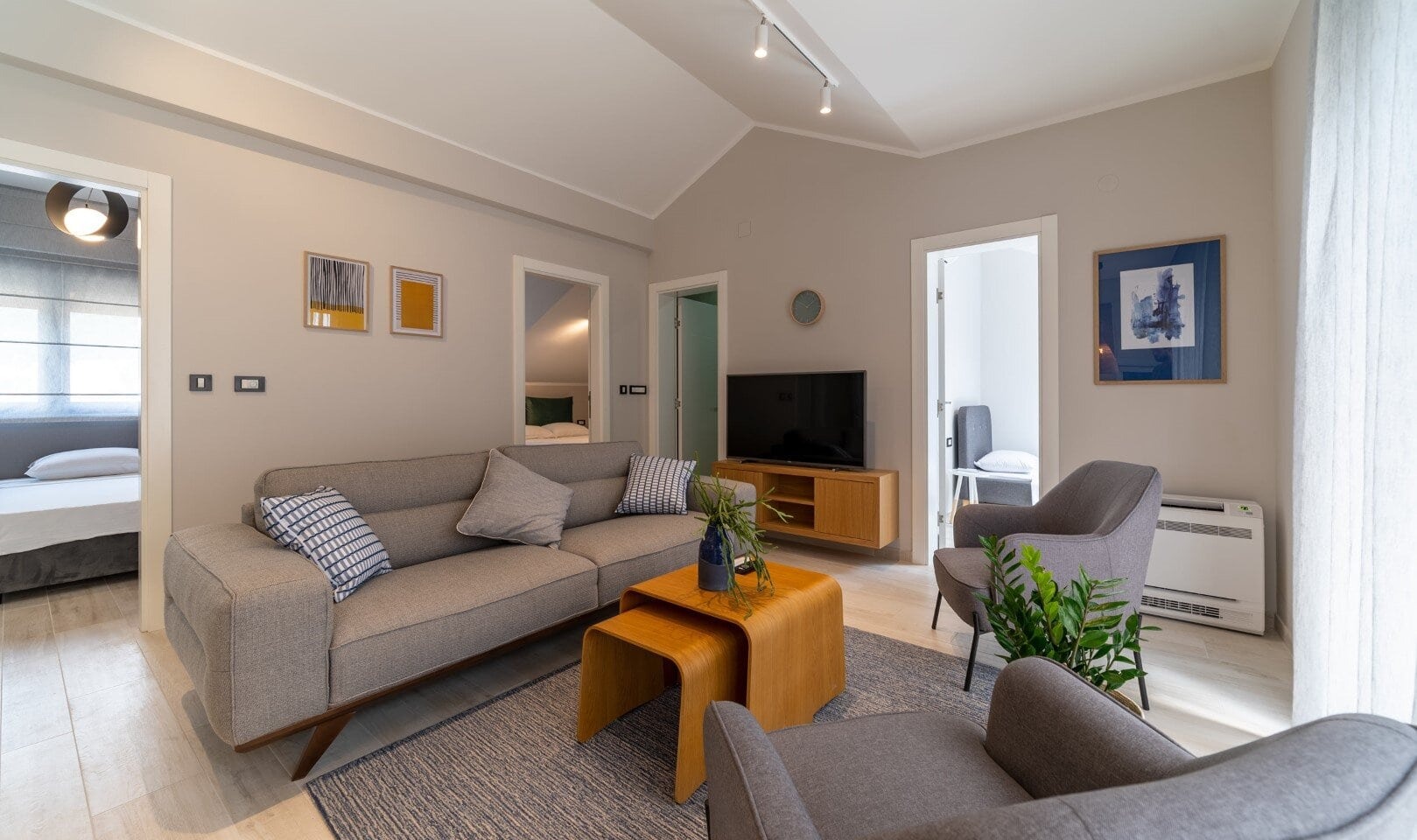
CITY:
Tivat
Type:
Apartment
Price:
€320,000
Status:
For Sale
Bedrooms:
3
Bathrooms:
1
Square Footage:
70 m²
Built:
Two-Bedroom Duplex Penthouse in Milena, Porto Montenegro

CITY:
Tivat
Type:
Penthouse
Price:
€1,000,000
Status:
For Sale
Bedrooms:
2
Bathrooms:
Square Footage:
152 m²
Built:
Two-Bedroom Residence in Centrale, Luštica Bay
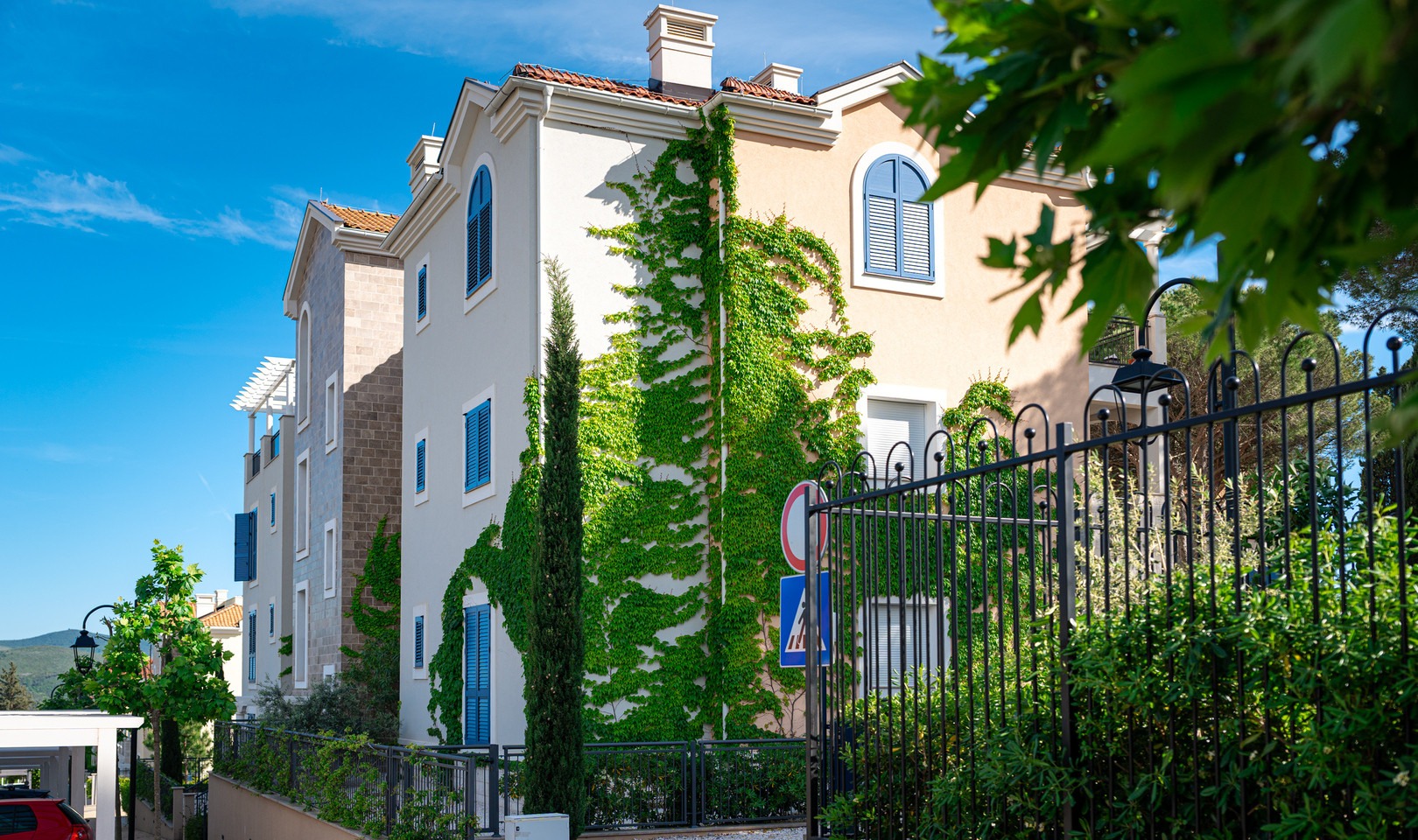
CITY:
Luštica Bay
Type:
Apartment
Price:
€570,000
Status:
For Sale
Bedrooms:
2
Bathrooms:
1
Square Footage:
79 m²
Built:
Beachfront Studio at Porta Rai, Ulcinj
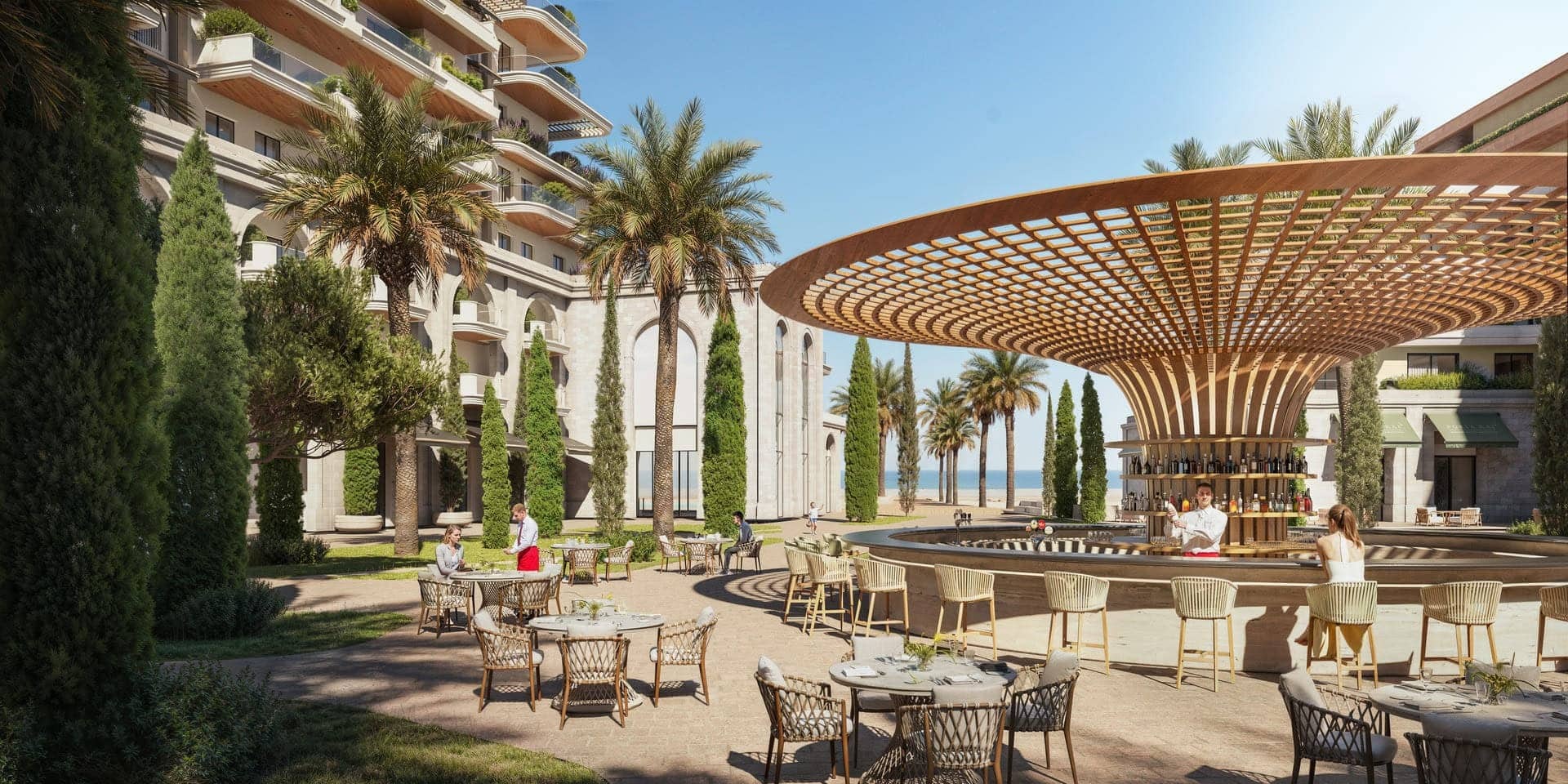
CITY:
Ulcinj
Type:
Studio
Price:
€379,499
Status:
For Sale
Bedrooms:
Studio
Bathrooms:
1
Square Footage:
Built:
Two-Bedroom Residence at Merit Starlit Hotel, Budva
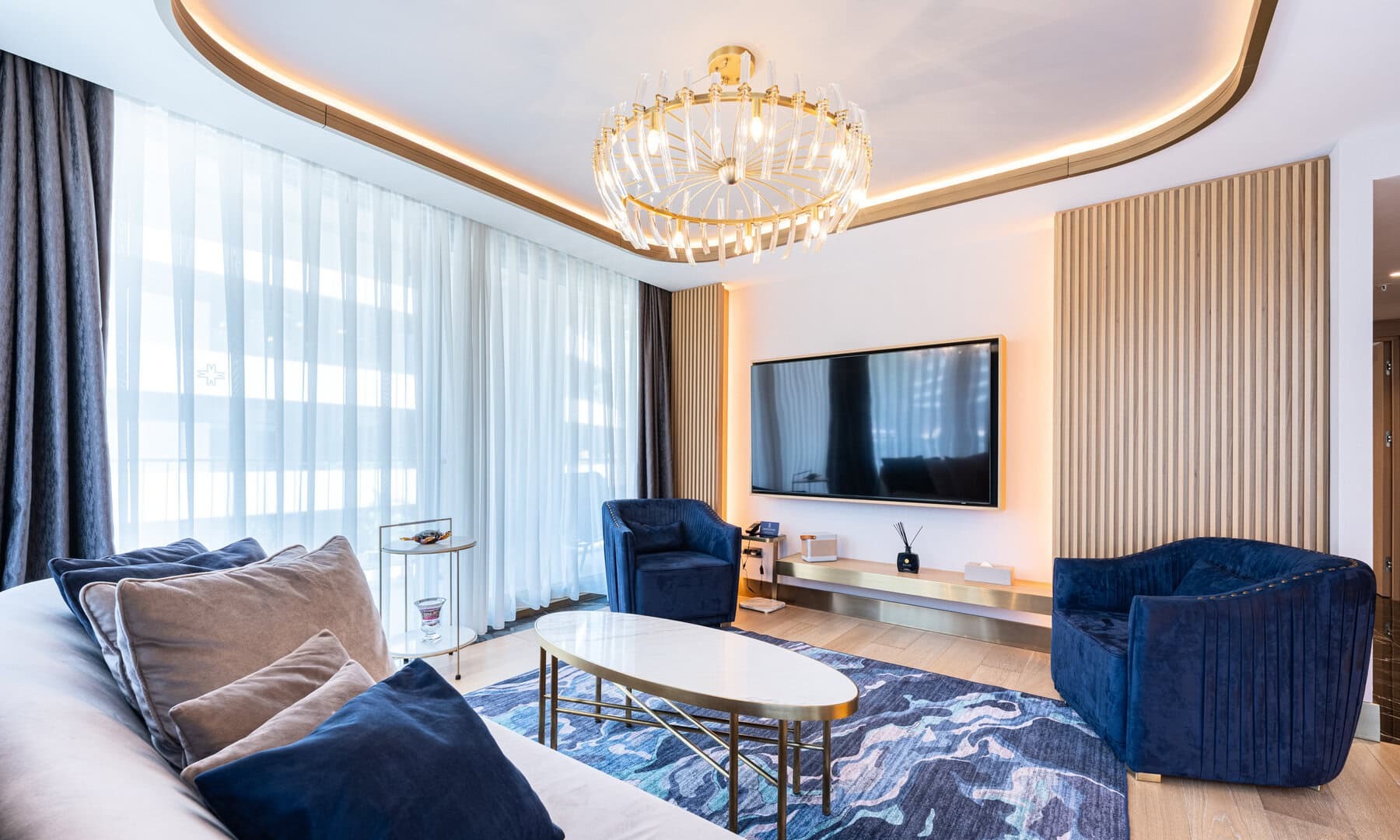
CITY:
Budva
Type:
Apartment
Price:
€950,000
Status:
For Sale
Bedrooms:
2
Bathrooms:
2
Square Footage:
111 m²
Built:
Three-Bedroom Duplex Penthouse in Baia, Porto Montenegro
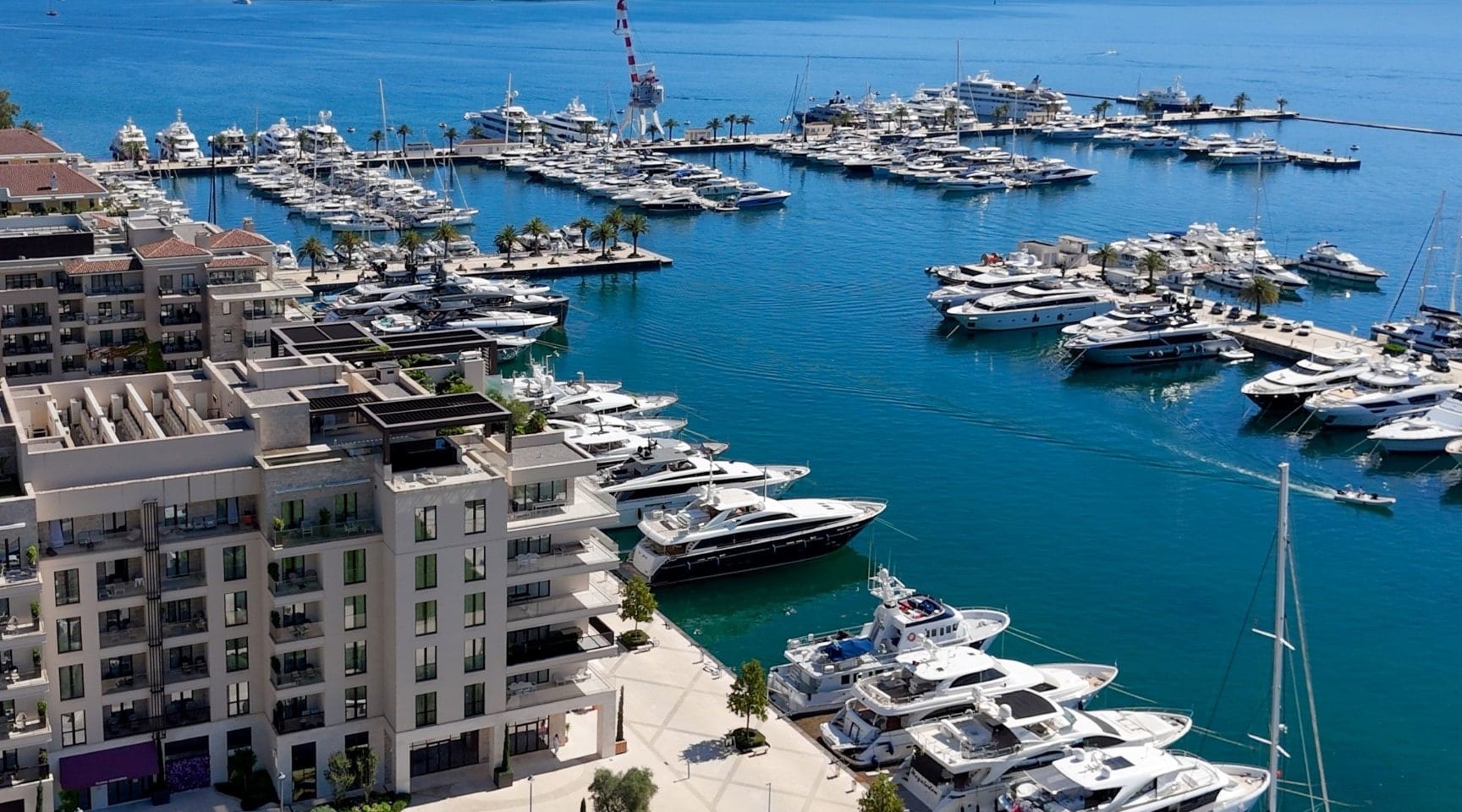
CITY:
Tivat
Type:
Penthouse
Price:
Price on Request
Status:
For Sale
Bedrooms:
3
Bathrooms:
Square Footage:
498 m²
Built:
Six-Bedroom Designer Villa in Skočiđevojka, Budva Riviera
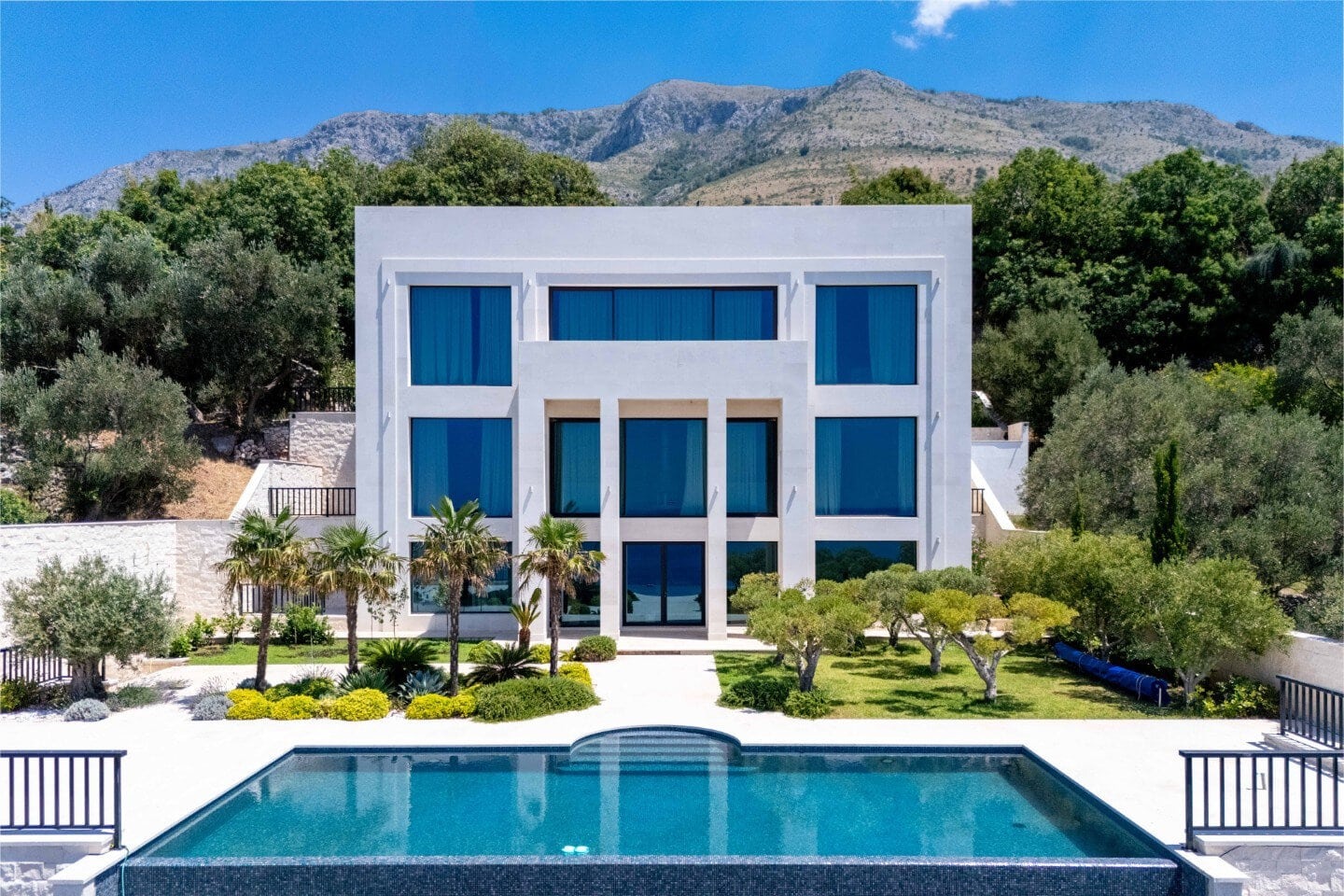
CITY:
Budva
Type:
Villa
Price:
€5,000,000
Status:
For Sale
Bedrooms:
6
Bathrooms:
6
Square Footage:
534 m²
Built:
Development Land in Kolašin Ski Centre Zone
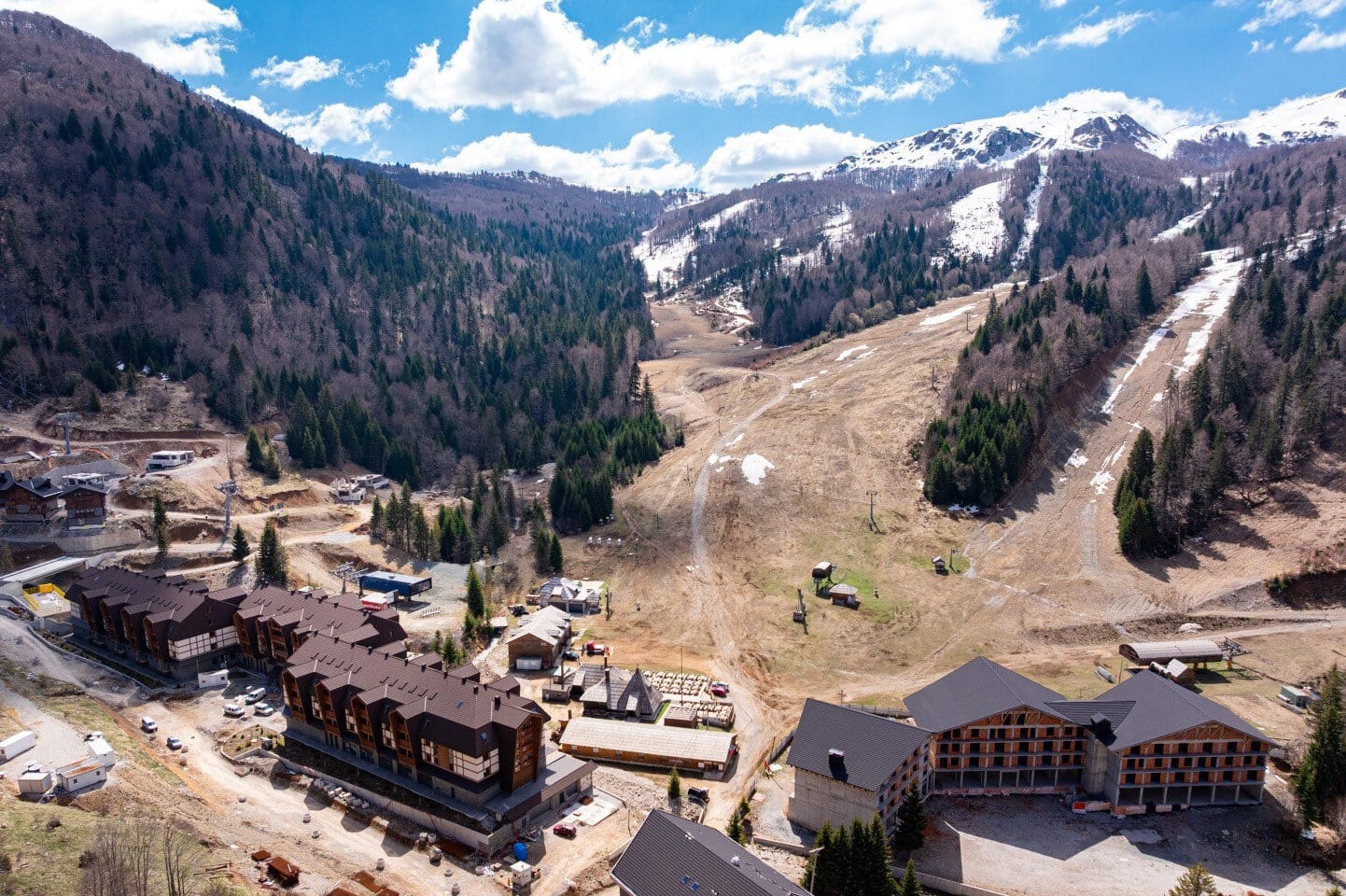
CITY:
Kolašin
Type:
Villa
Price:
Price on Request
Status:
For Sale
Bedrooms:
Bathrooms:
Square Footage:
11940 m²
Built:
Two-Level House in Prčanj, Bay of Kotor
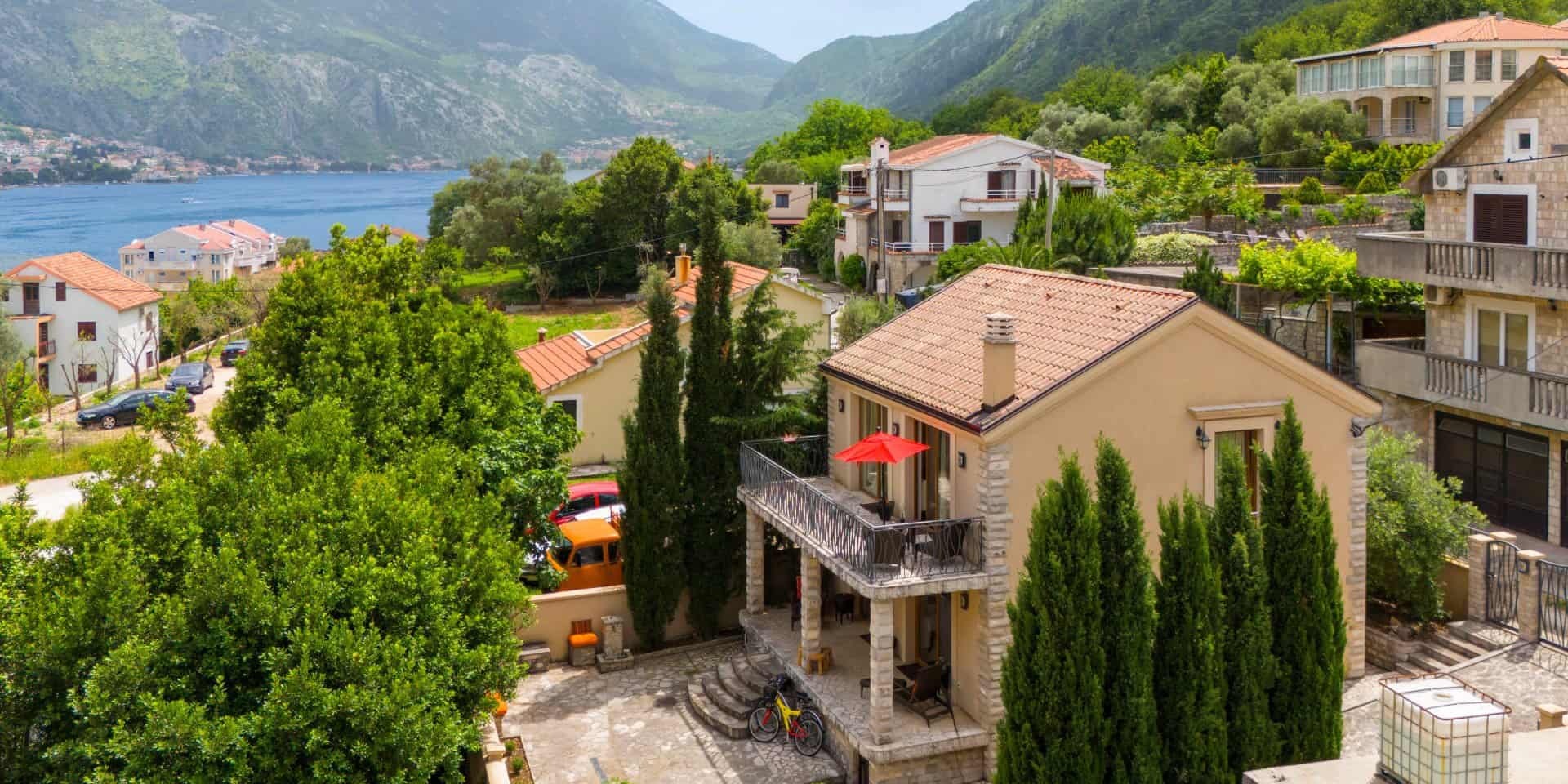
CITY:
Kotor
Type:
Villa
Price:
Price on Request
Status:
For Sale
Bedrooms:
1
Bathrooms:
2
Square Footage:
286 m²
Built:
One-Bedroom Residence at Merit Starlit Hotel, Budva
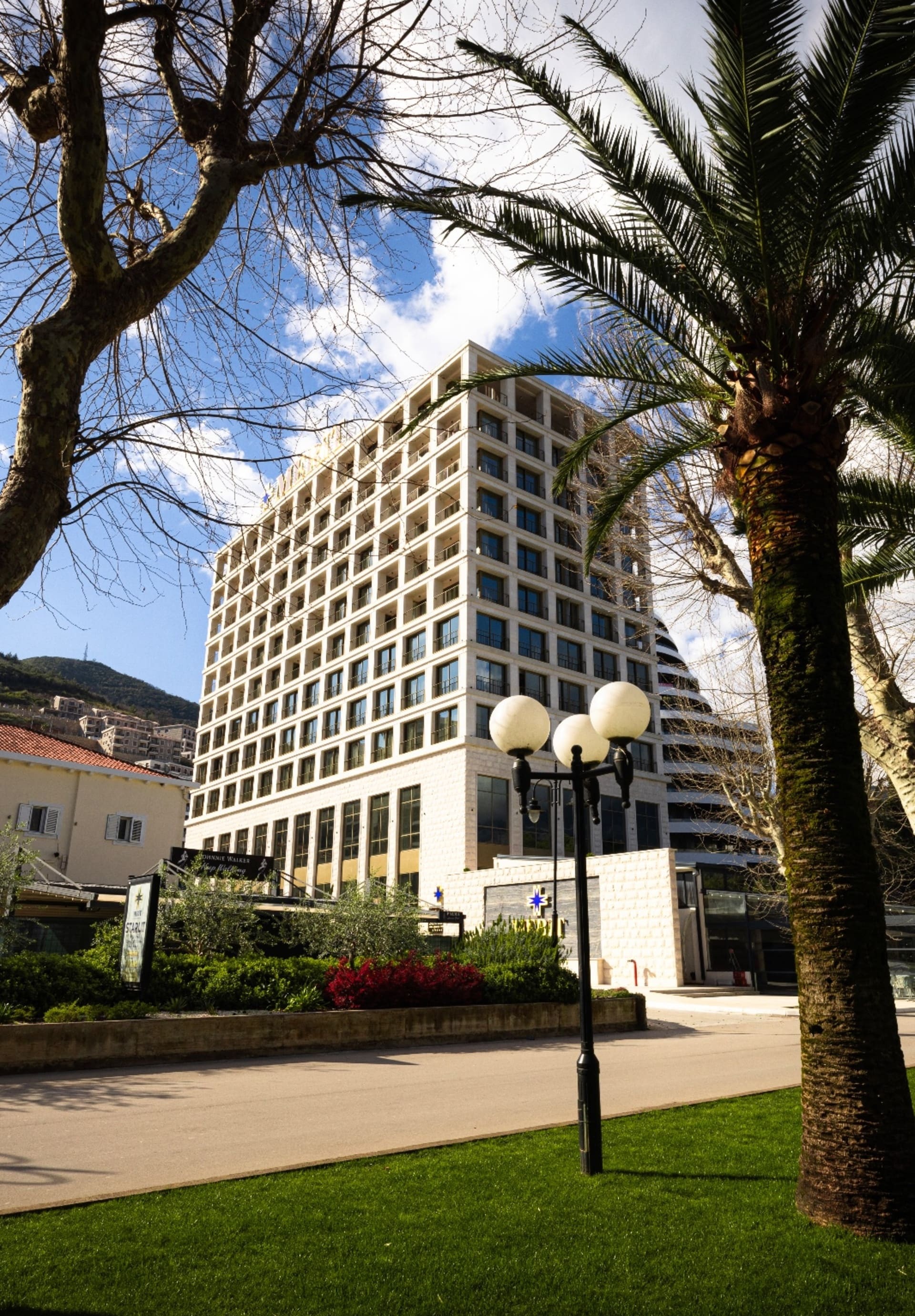
CITY:
Budva
Type:
Apartment
Price:
Price on Request
Status:
For Sale
Bedrooms:
1
Bathrooms:
1
Square Footage:
47 m²
Built:
Three-Bedroom Villa with Pool in Orahovac, Kotor Bay

CITY:
Kotor
Type:
Villa
Price:
€1,200,000
Status:
For Sale
Bedrooms:
3
Bathrooms:
4
Square Footage:
250 m²
Built:
Three-Bedroom Villa with Rooftop Pool in Kavač, Kotor Bay
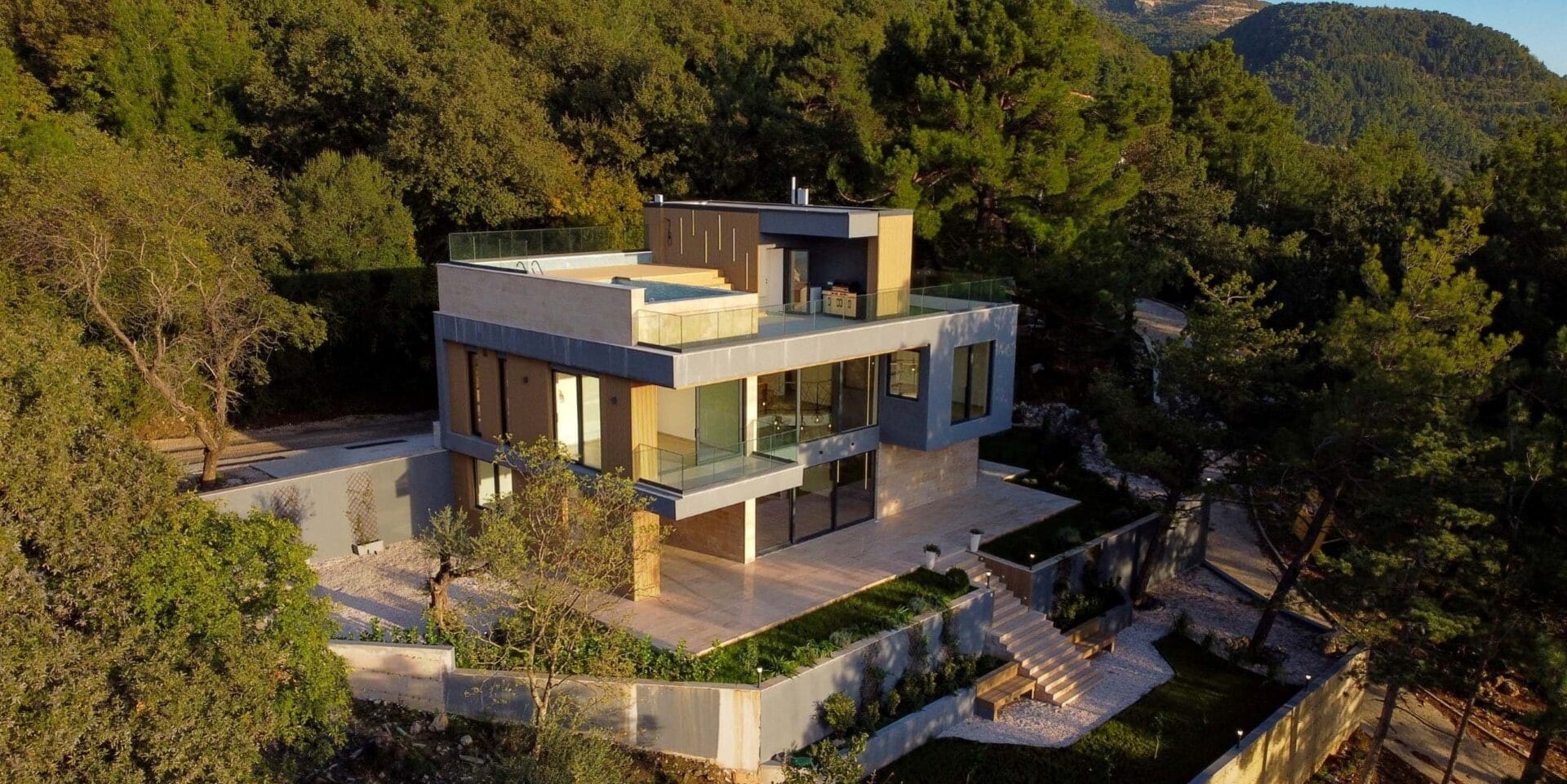
CITY:
Kotor
Type:
Villa
Price:
€2,500,000
Status:
For Sale
Bedrooms:
3
Bathrooms:
Square Footage:
480 m²
Built:
Two-Bedroom Residence at Merit Starlit Hotel, Budva
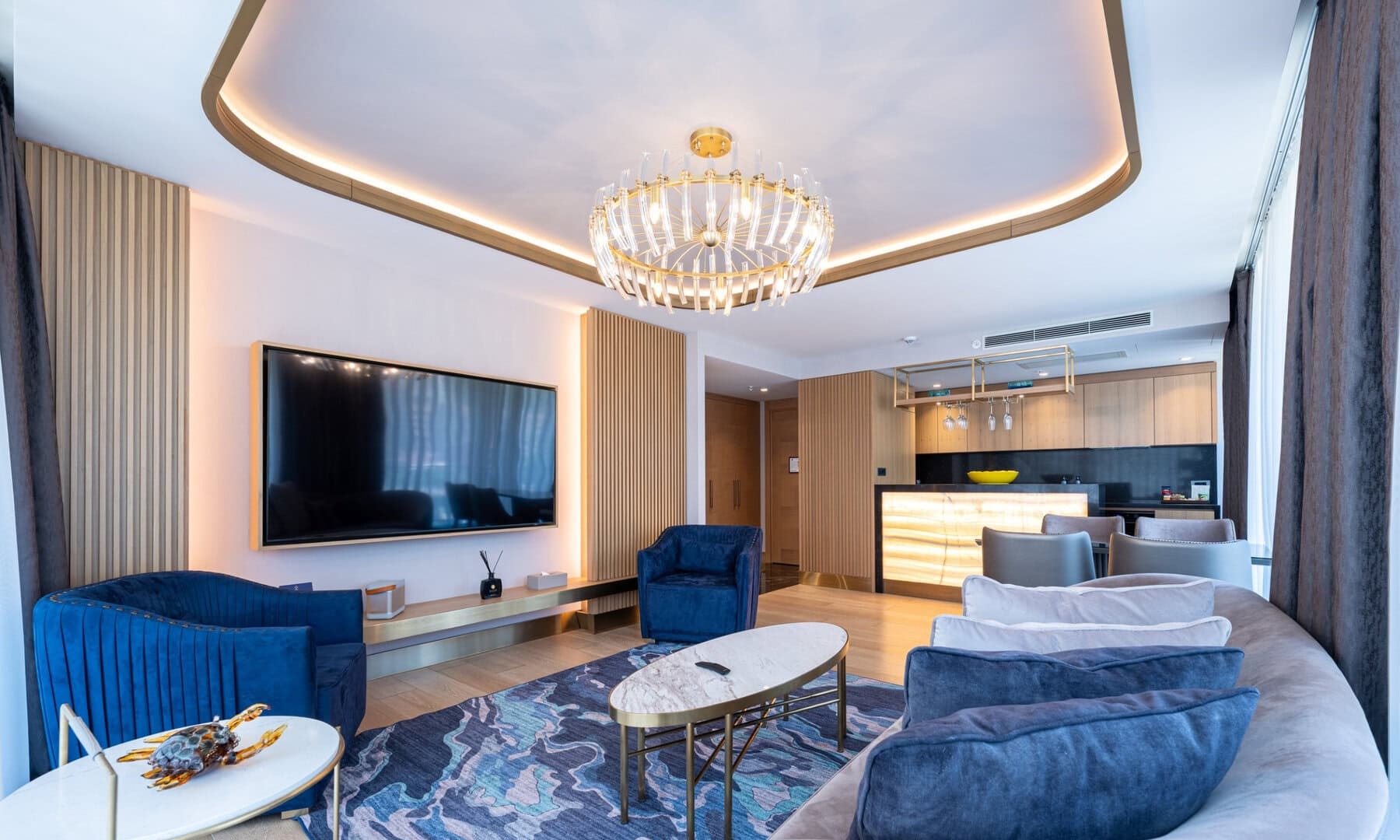
CITY:
Budva
Type:
Apartment
Price:
€950,000
Status:
For Sale
Bedrooms:
2
Bathrooms:
2
Square Footage:
111 m²
Built:
Furnished Two-Bedroom Residence in Luštica Bay
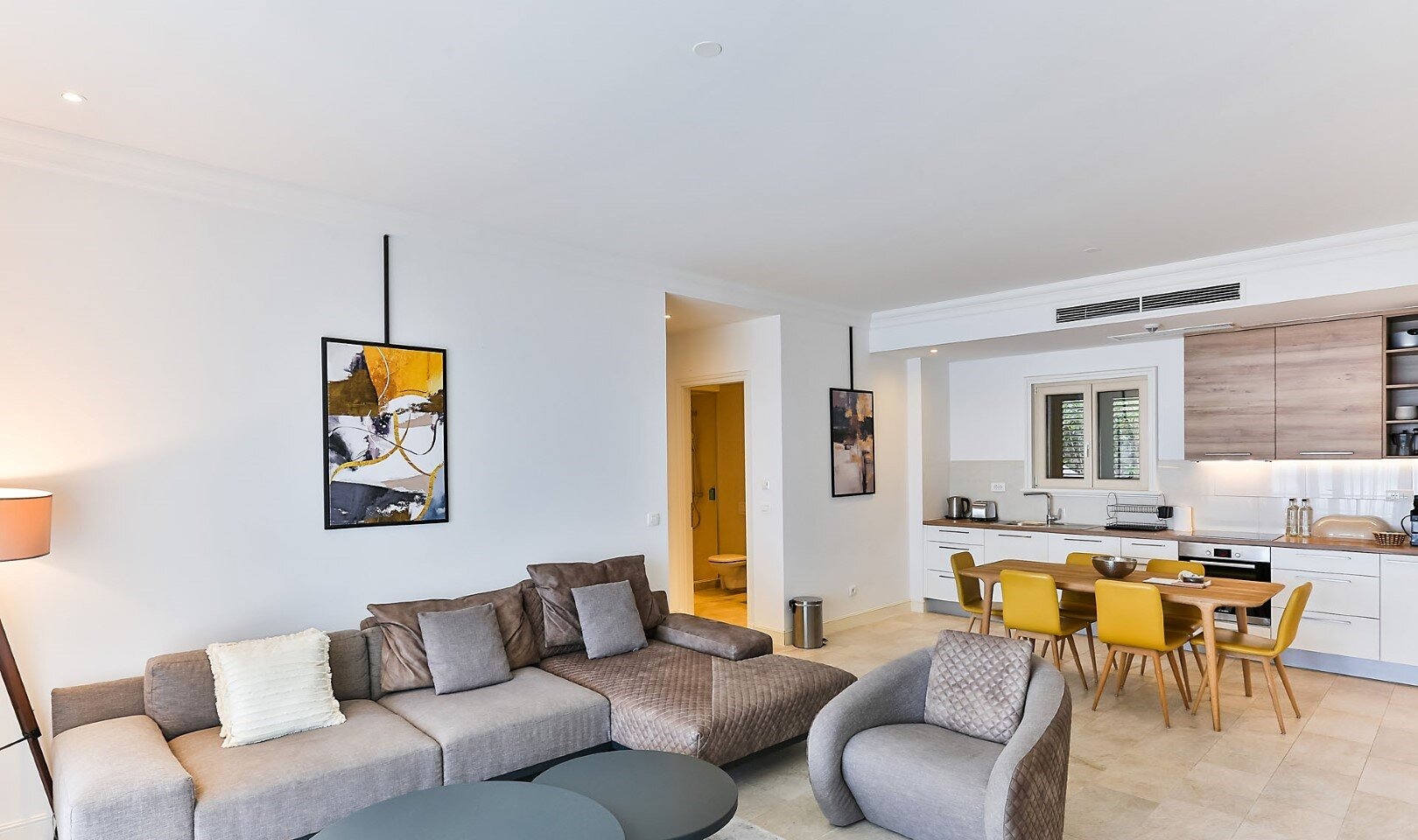
CITY:
Luštica Bay
Type:
Apartment
Price:
€1,325,000
Status:
For Sale
Bedrooms:
2
Bathrooms:
2
Square Footage:
126.10 m²
Built:
Two-Bedroom Resort Residence in Đuraševići, Tivat
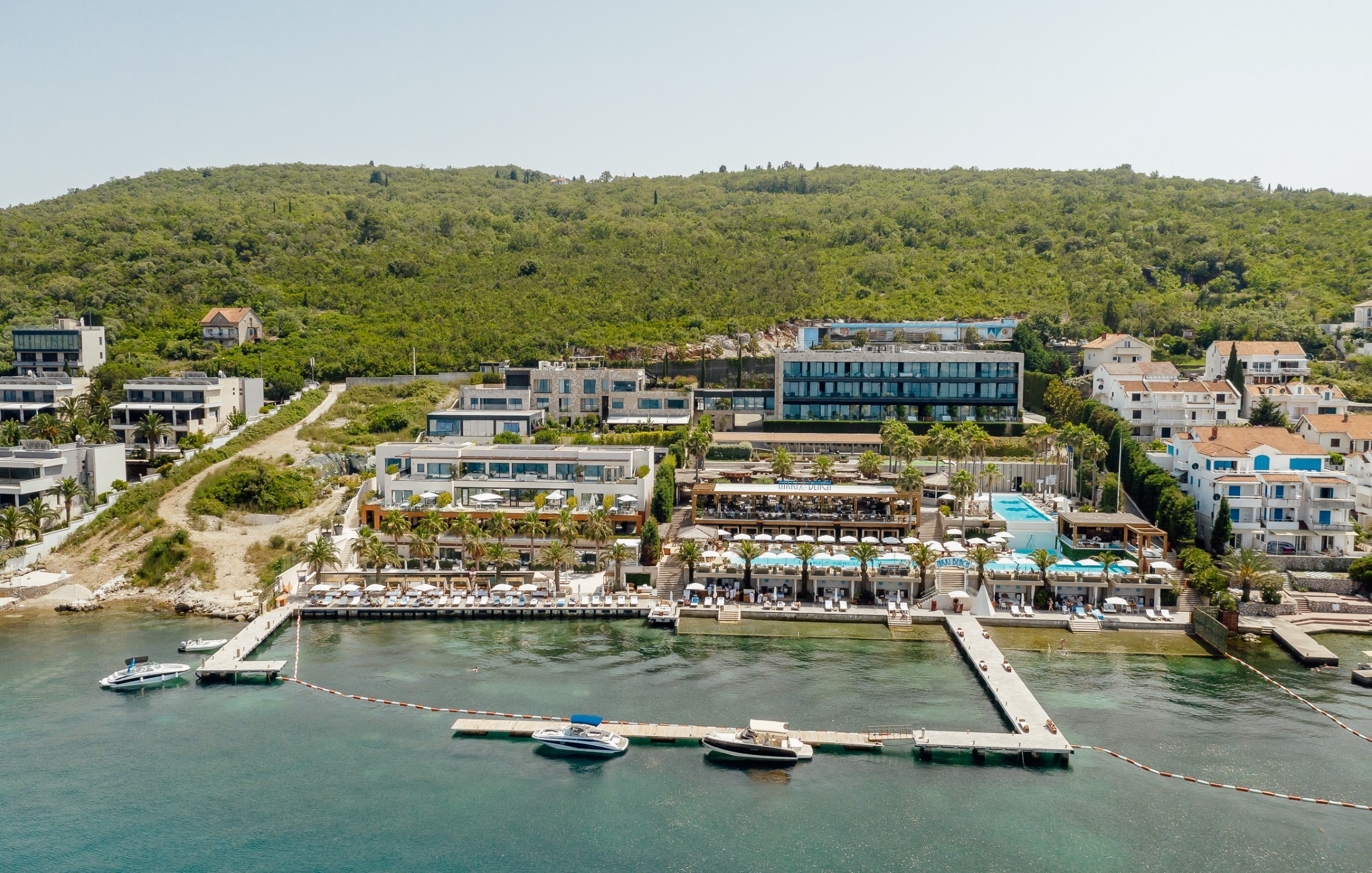
CITY:
Tivat
Type:
Apartment
Price:
€1,970,000
Status:
For Sale
Bedrooms:
2
Bathrooms:
Square Footage:
299.95 m²
Built:
Two-Bedroom Penthouse with Private Roof Terrace in Dobrota
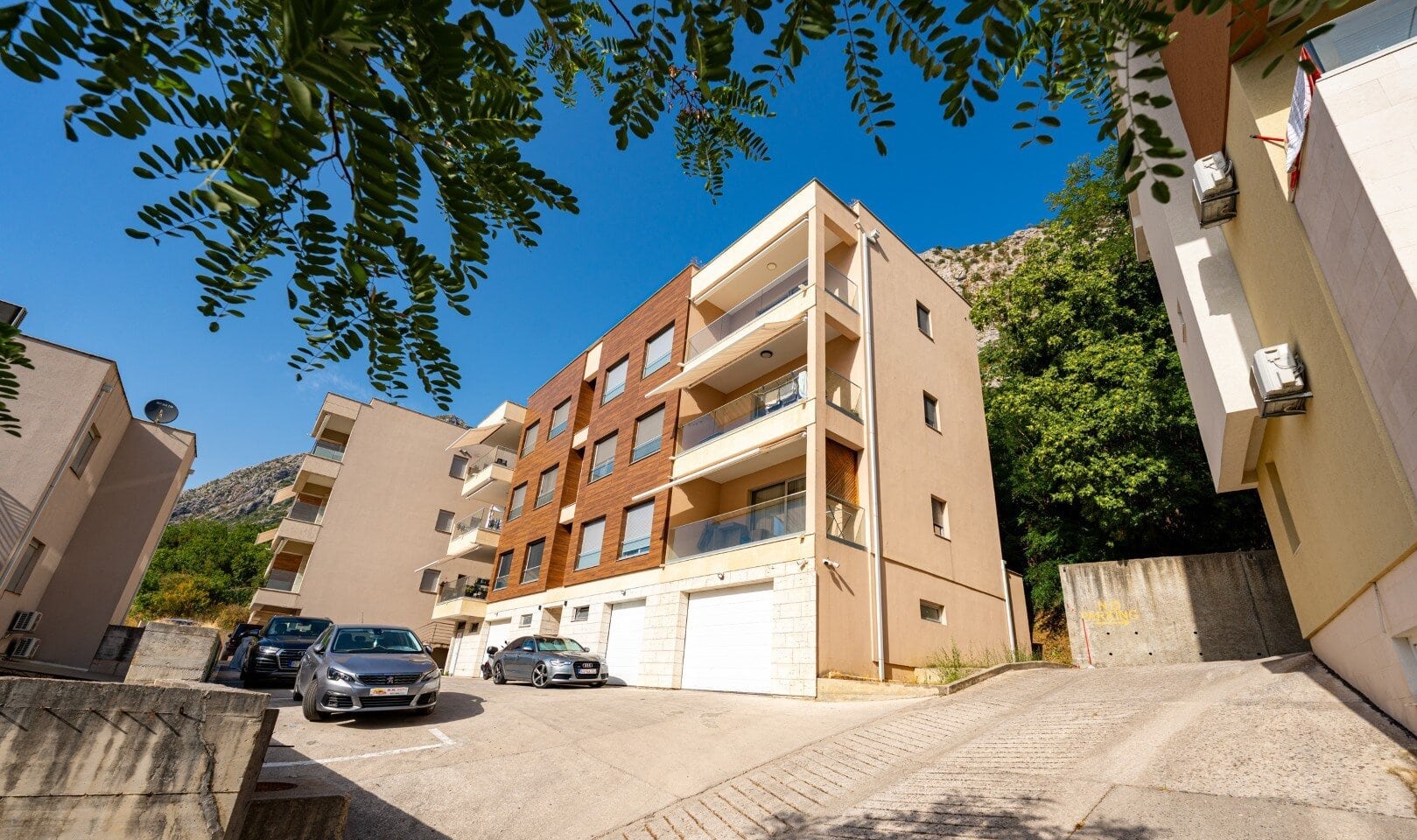
CITY:
Kotor
Type:
Apartment
Price:
€480,000
Status:
For Sale
Bedrooms:
2
Bathrooms:
2
Square Footage:
93 m²
Built:
Six-Bedroom Villa with Pool in Savina, Herceg Novi
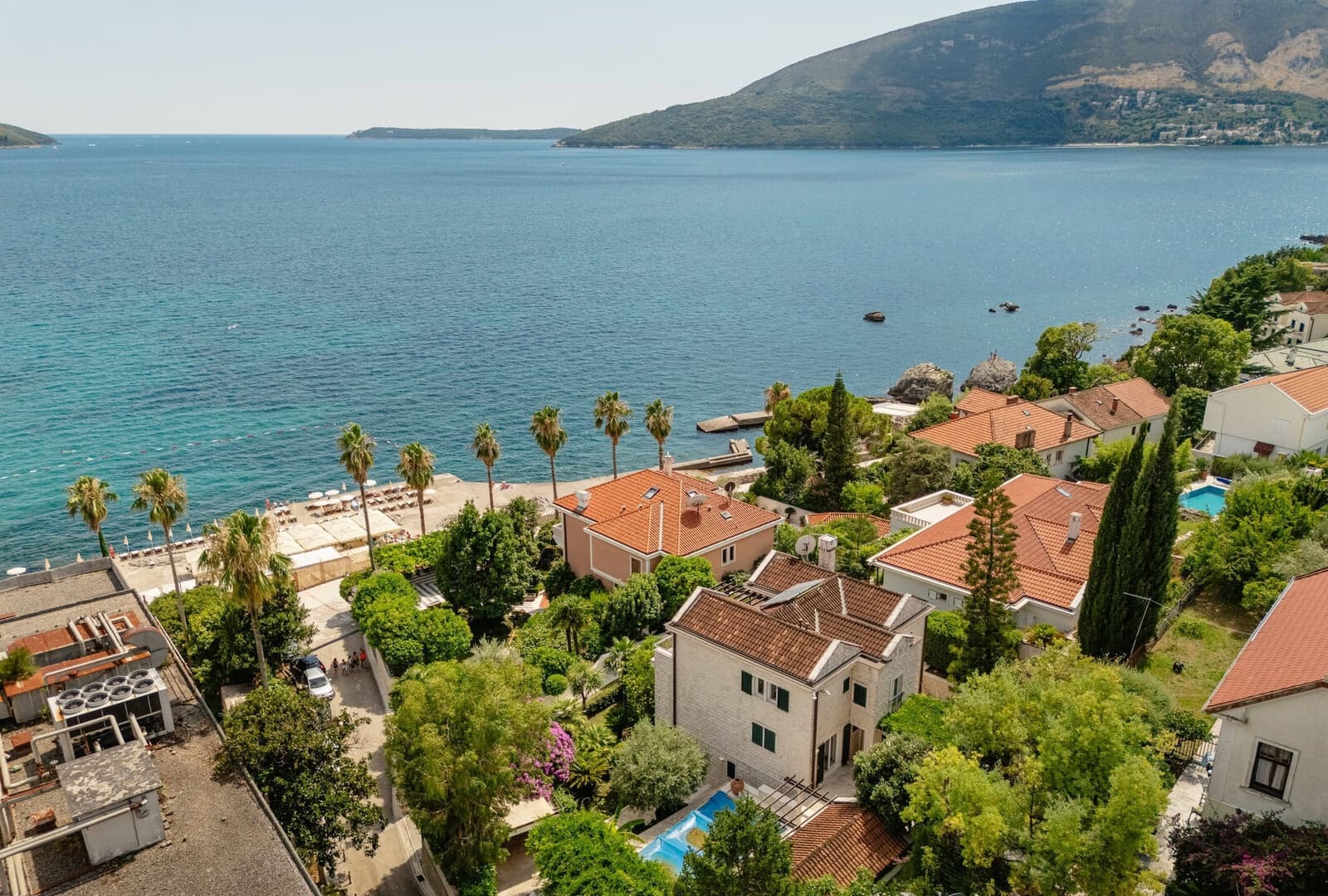
CITY:
Herceg Novi
Type:
Villa
Price:
€2,500,000
Status:
For Sale
Bedrooms:
6
Bathrooms:
5
Square Footage:
233 m²
Built:
Four-Bedroom Mountain Chalet in Žabljak, Durmitor
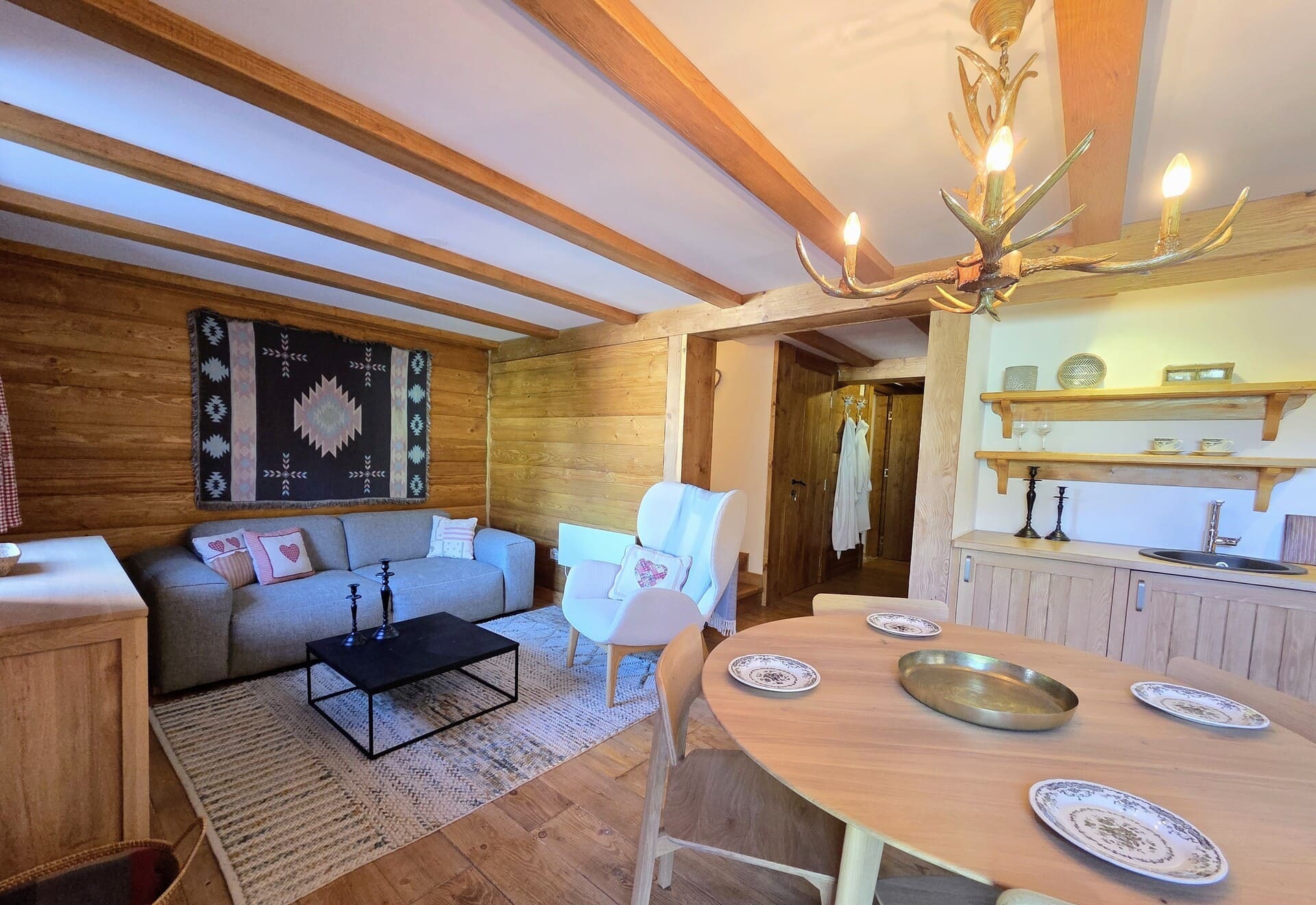
CITY:
Žabljak
Type:
Villa
Price:
€490,000
Status:
For Sale
Bedrooms:
4
Bathrooms:
2
Square Footage:
Built:
One-Bedroom Waterfront Residence in Luštica Bay
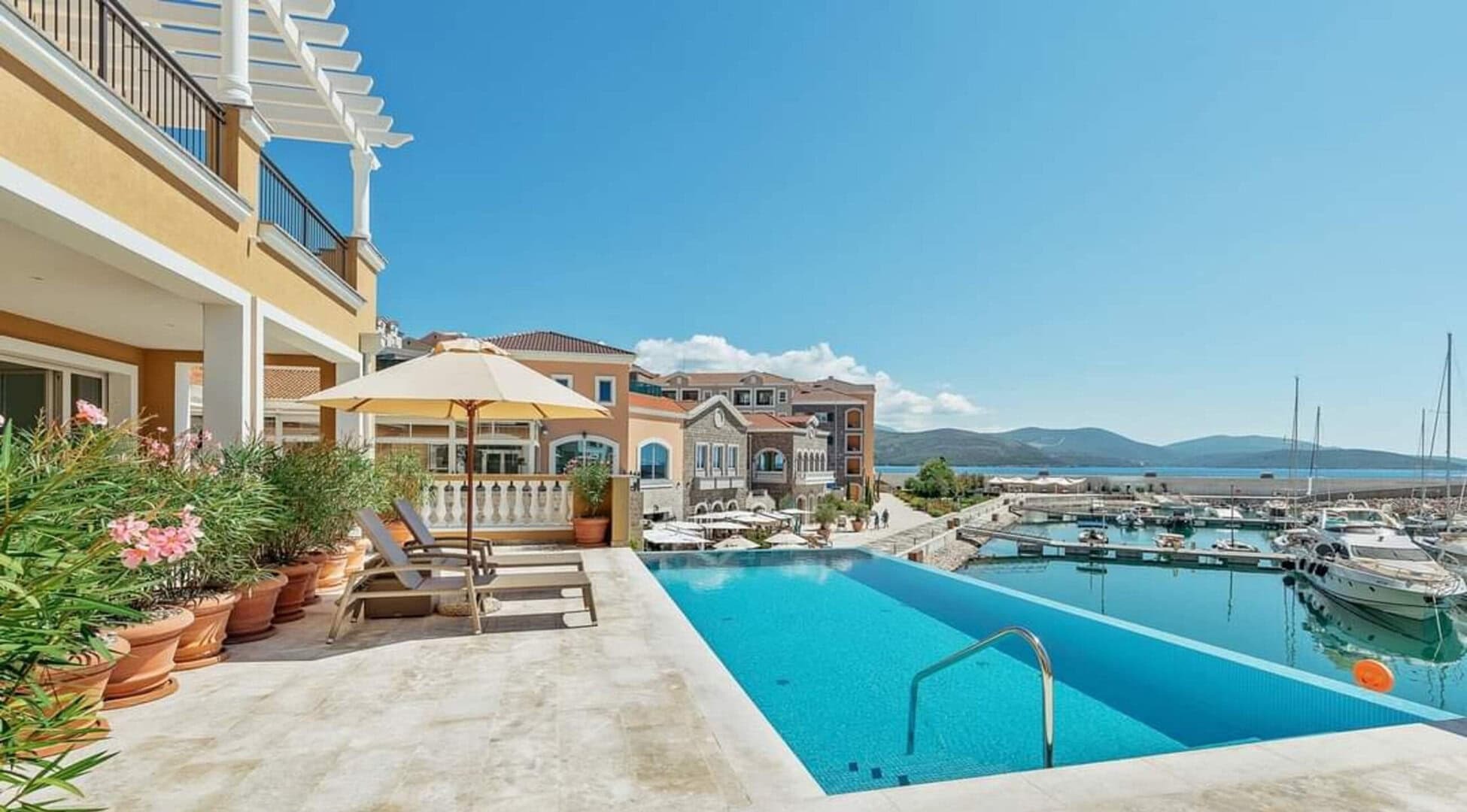
CITY:
Luštica Bay
Type:
Apartment
Price:
€900,000
Status:
For Sale
Bedrooms:
1
Bathrooms:
1
Square Footage:
74 m²
Built:
One-Bedroom Marina Residence at Portonovi

CITY:
Herceg Novi
Type:
Apartment
Price:
€875,000
Status:
For Sale
Bedrooms:
1
Bathrooms:
2
Square Footage:
79 m²
Built:
Three-Bedroom Penthouse with Rooftop Pool in Dobrota

CITY:
Kotor
Type:
Penthouse
Price:
€800,000
Status:
For Sale
Bedrooms:
3
Bathrooms:
Square Footage:
204 m²
Built:
Three-Bedroom Villa with Pool in Orahovac, Kotor Bay
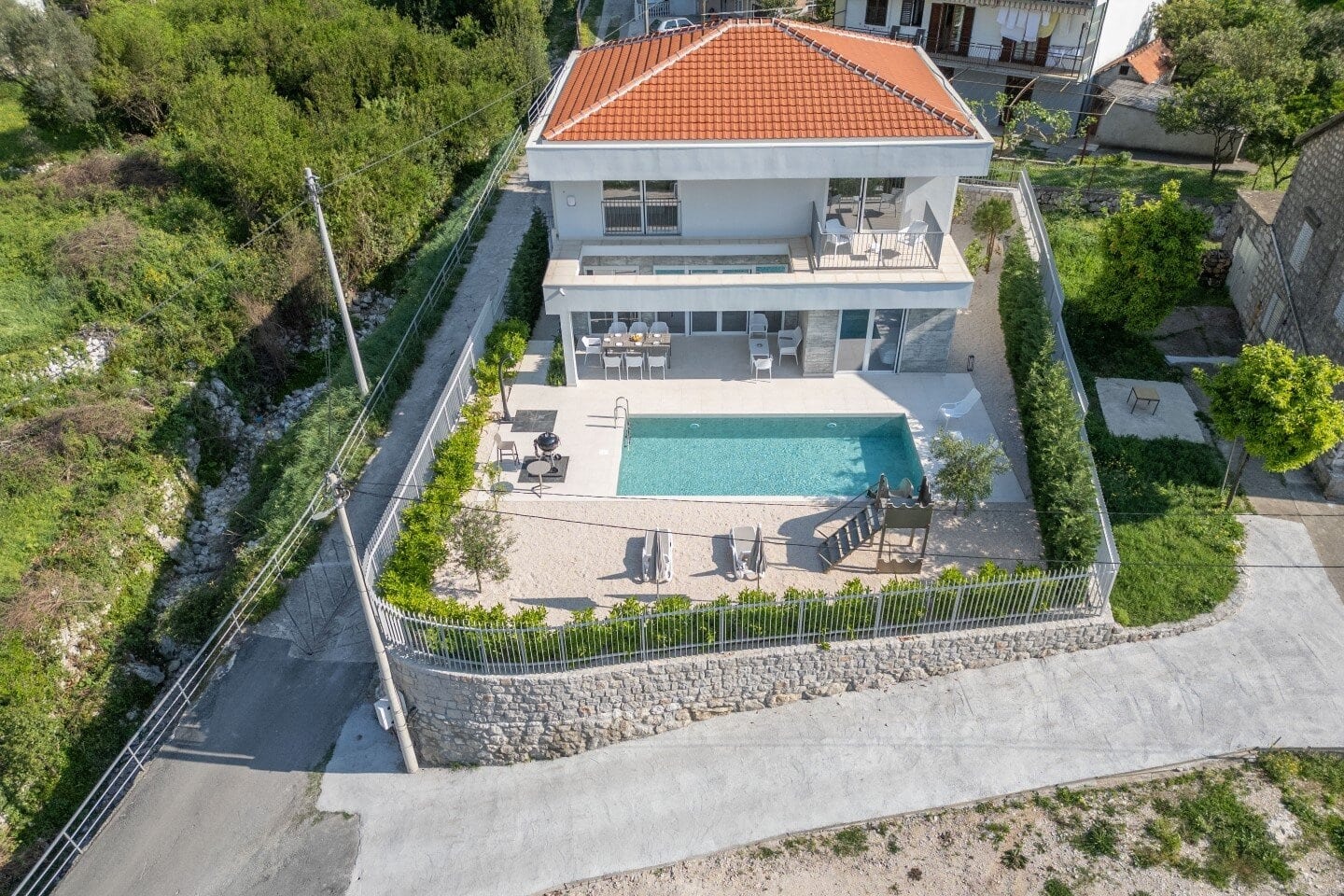
CITY:
Kotor
Type:
Villa
Price:
€1,200,000
Status:
For Sale
Bedrooms:
3
Bathrooms:
4
Square Footage:
250 m²
Built:
One-Bedroom Residence in Iris, Luštica Bay

CITY:
Luštica Bay
Type:
Apartment
Price:
€550,000
Status:
For Sale
Bedrooms:
1
Bathrooms:
1
Square Footage:
53 m²
Built:
Three-Bedroom Waterfront Apartment at Fontana, Budva

CITY:
Budva
Type:
Apartment
Price:
€527,000
Status:
For Sale
Bedrooms:
3
Bathrooms:
2
Square Footage:
85 m²
Built:
Three-Bedroom Villa with Rooftop Pool in Kavač
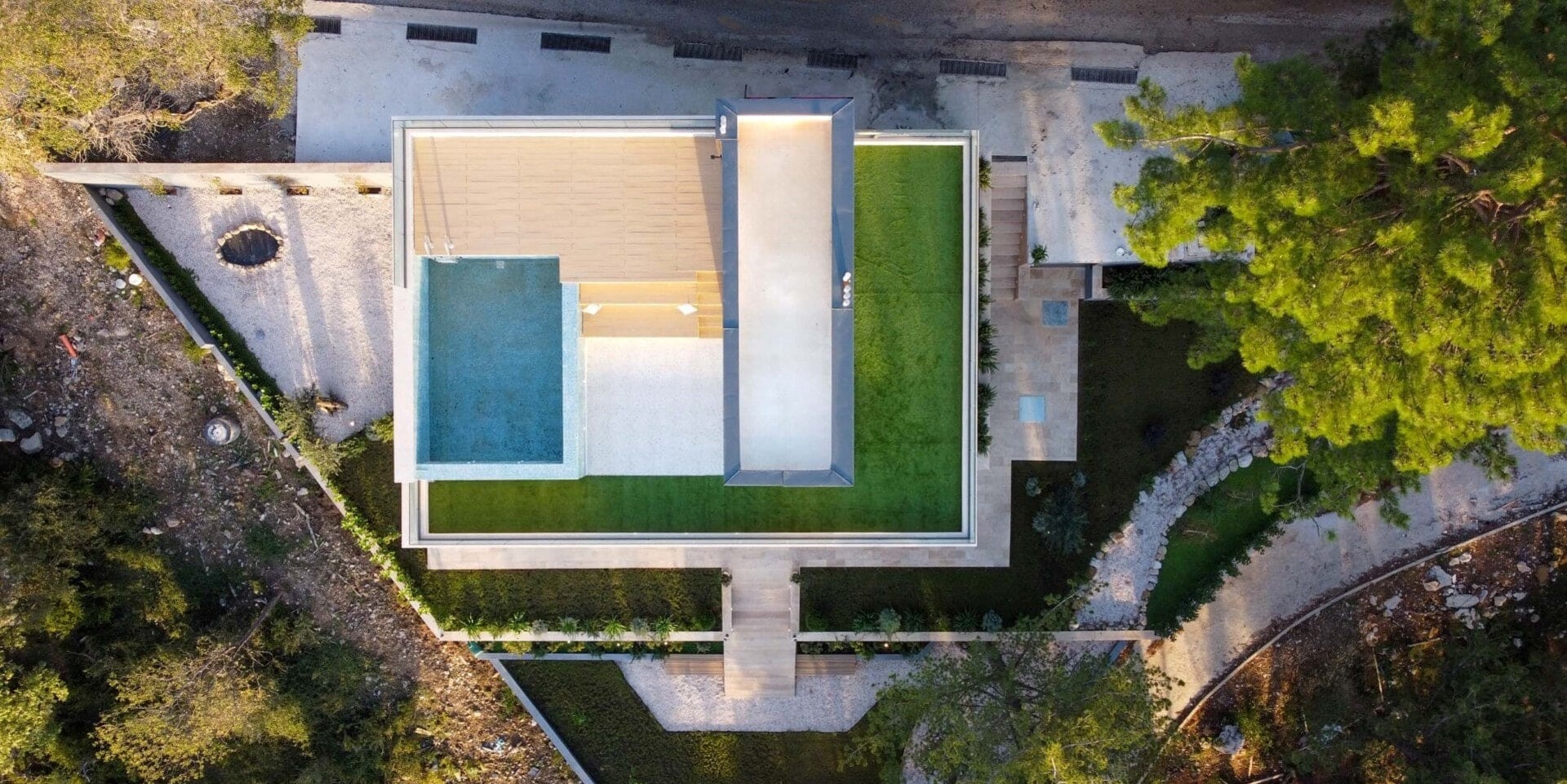
CITY:
Kotor
Type:
Villa
Price:
€2,500,000
Status:
For Sale
Bedrooms:
3
Bathrooms:
Square Footage:
480 m²
Built:
Furnished Two-Bedroom Residence in Luštica Bay
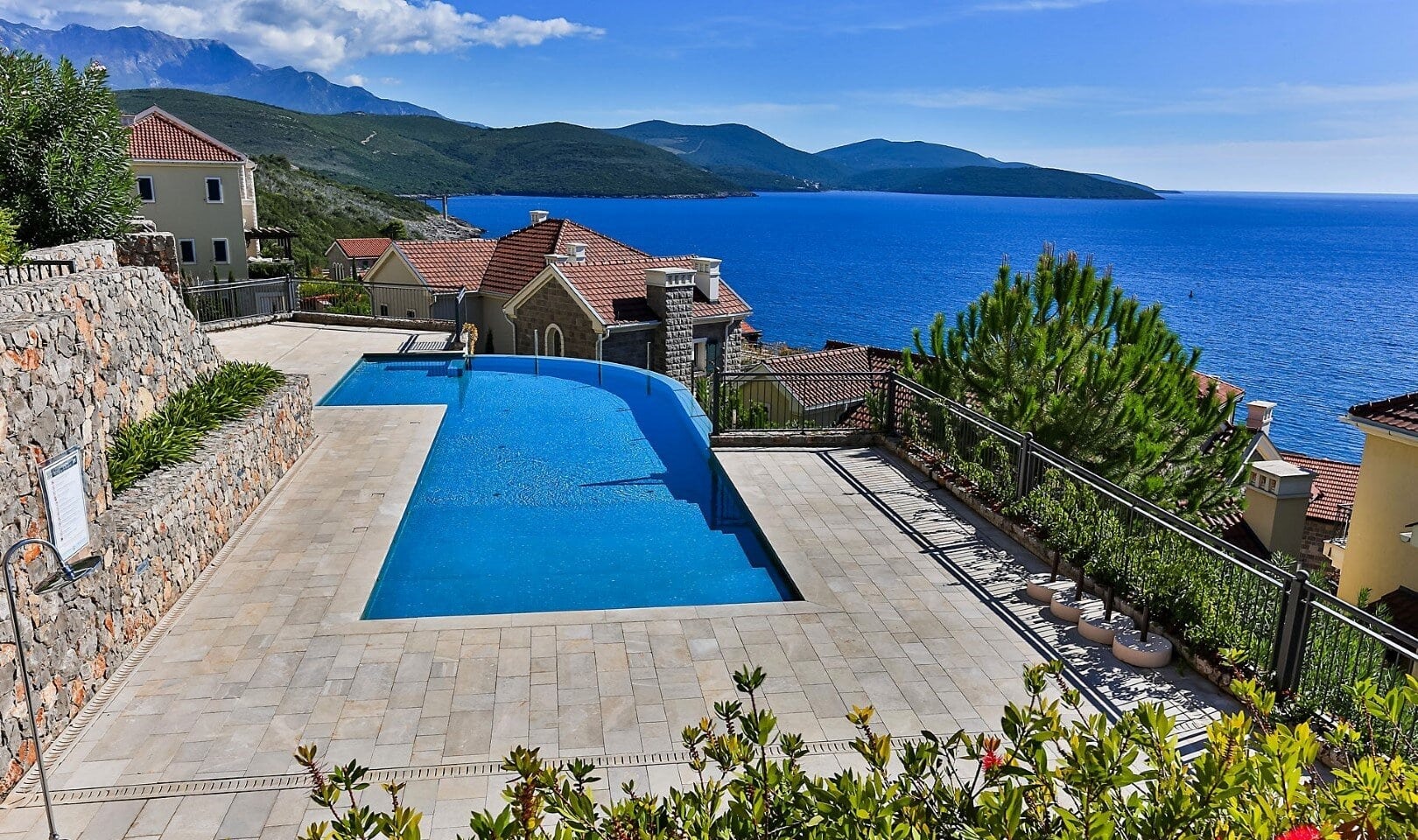
CITY:
Luštica Bay
Type:
Apartment
Price:
€1,325,000
Status:
For Sale
Bedrooms:
2
Bathrooms:
2
Square Footage:
126.10 m²
Built:
Four-Bedroom Villa with Pool in Kavač

CITY:
Kotor
Type:
Villa
Price:
Price on Request
Status:
For Sale
Bedrooms:
4
Bathrooms:
4
Square Footage:
180 m²
Built:
Kava Stone Villa with Three Independent Residences, Tivat

CITY:
Tivat
Type:
Villa
Price:
€2,100,000
Status:
For Sale
Bedrooms:
4
Bathrooms:
4
Square Footage:
450 m²
Built:
One-Bedroom Residence in Sirocco, Boka Place, Porto Montenegro
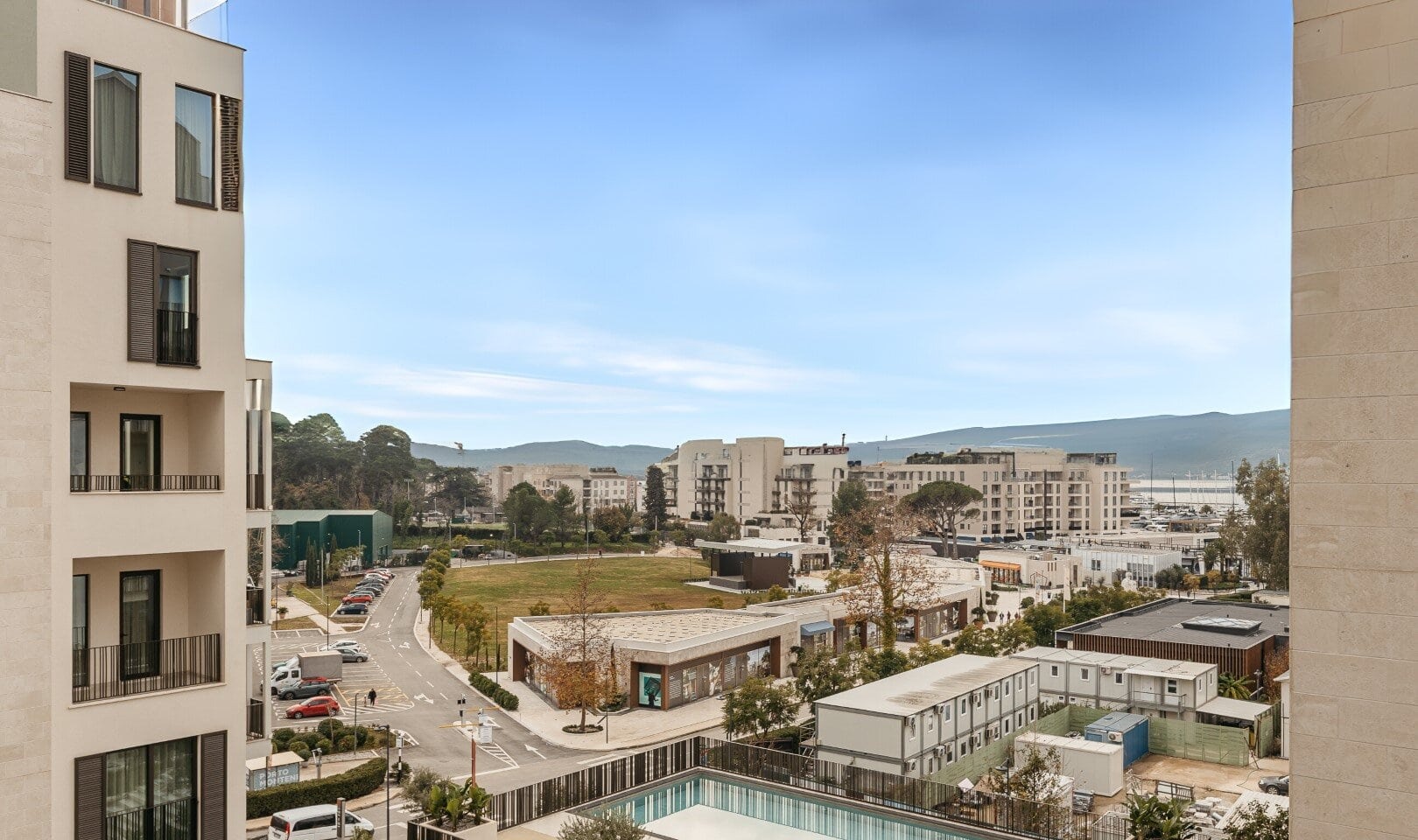
CITY:
Tivat
Type:
Apartment
Price:
Price on Request
Status:
For Sale
Bedrooms:
1
Bathrooms:
1
Square Footage:
72 m²
Built:
One-Bedroom Marina Residence at Portonovi

CITY:
Herceg Novi
Type:
Apartment
Price:
€875,000
Status:
For Sale
Bedrooms:
1
Bathrooms:
2
Square Footage:
79 m²
Built:


.jpg)