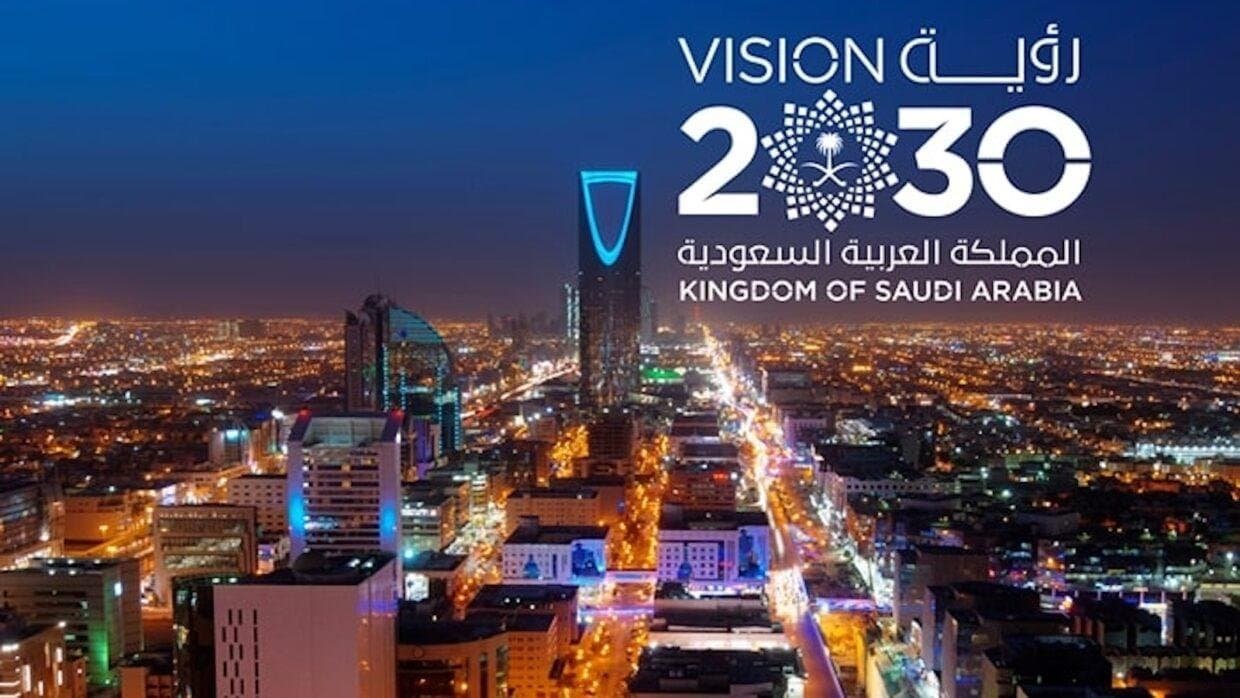
Foreign investors can buy property in Saudi Arabia in designated integrated tourist resorts and Vision 2030 zones. Outside these areas, ownership restrictions apply and professional legal guidance is essential.
Saudi Arabia has entered a period of deliberate market opening that is reshaping the conditions for international real estate investment in the kingdom. For investors who have historically viewed the Saudi property market as inaccessible to foreign capital. The current regulatory environment represents a meaningful departure from precedent. Understanding how to buy property in Saudi Arabia as a foreign investor requires engaging with both the legal framework. That governs foreign ownership and the market context that determines where investment capital is best positioned.
The broader transformation underway in Saudi Arabia under Vision 2030 provides the macro context without. Which any analysis of the property market would be incomplete. The kingdom is investing in tourism, hospitality, entertainment. And urban infrastructure at a scale and pace that is creating genuine real estate demand across new and established asset classes. For international investors, the question is not whether Saudi Arabia’s property market presents opportunity. But how to access it with appropriate structure and intelligence.
Buy property saudi arabia is, for many international principals, an unfamiliar exercise. The legal framework differs from Western property markets in important ways, the cultural context shapes transaction practice in distinctive manners. And the range of qualifying investment types has evolved through successive legislative reforms. This guide provides the orientation that internationally mobile investors need before engaging with the market.
Legal Framework for Foreign Ownership
Saudi Arabia’s foreign property ownership framework is governed primarily by the Foreign Investment Law and the Real Estate Ownership Law. Together with regulations issued by the Ministry of Investment (MISA) and the Real Estate General Authority (REGA). The framework distinguishes between different categories of foreign investor and different types of real estate. With eligibility criteria that vary accordingly.
Foreign nationals who are resident in Saudi Arabia on a valid residency permit (Iqama) are generally permitted to own residential property for personal use, subject to certain conditions. Non-resident foreign investors can buy property saudi arabia through mechanisms that typically require establishing a legal presence in the kingdom. Such as a licensed company or investment vehicle, and in designated investment zones that have been opened to international capital.
Certain areas remain restricted or require specific approvals for foreign ownership. The two holy cities of Makkah and Madinah are not accessible for foreign property ownership. However, the majority of Saudi Arabia’s prime residential and commercial real estate markets, including Riyadh, Jeddah. And the Eastern Province, operate under frameworks that accommodate foreign investor participation with appropriate structuring.
Investment Zones and Special Economic Areas
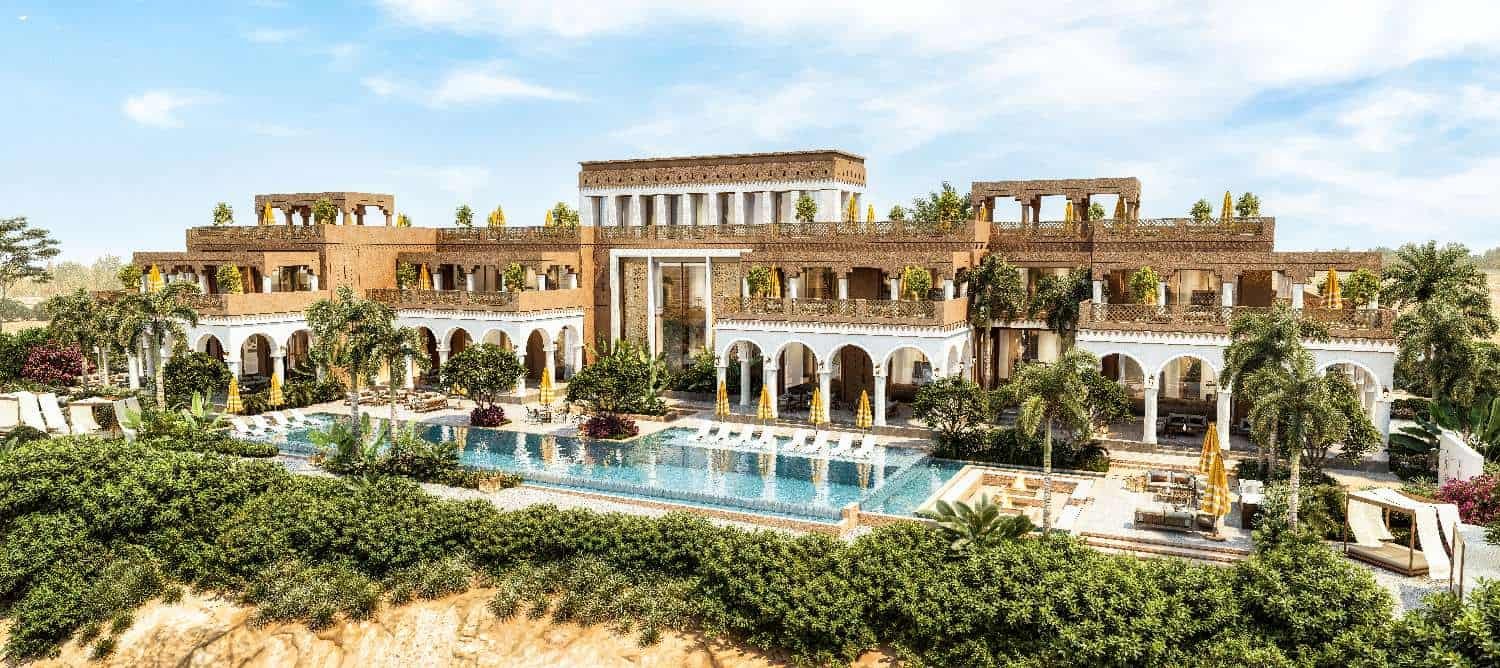
Saudi Arabia has designated a number of special economic zones. And giga-project areas where foreign ownership conditions are more favourable than in the general market. NEOM, the Red Sea Project, Diriyah,. And AMAALA are among the flagship developments that have incorporated international investor participation frameworks from their inception. These projects offer direct ownership structures for qualifying international buyers that are clearer and more administratively straightforward than navigating the general market framework.
Furthermore, the giga-projects attract the global branding infrastructure, including international hotel operators, premium retail concepts. And healthcare and educational institutions, that supports the lifestyle proposition required by internationally mobile high-net-worth residents. For investors seeking a Saudi real estate allocation that simultaneously provides a usable asset and exposure to the kingdom’s Vision 2030 growth trajectory. These developments represent the most accessible entry point.
Transaction Process
The process to buy property saudi arabia involves several regulatory steps that differ from Western transaction conventions. Real estate transactions in Saudi Arabia are documented through notarised sale contracts. And registered with the Real Estate General Authority’s title registration system (Watheeq and Najm platforms). Due diligence on title, encumbrances, and planning permissions requires Saudi-qualified legal expertise.
For international investors, establishing the appropriate acquisition vehicle is typically the first structural question. Options include direct personal ownership (where eligible under the applicable framework), acquisition through a Saudi-incorporated limited liability company. Or acquisition through a foreign holding structure with a Saudi subsidiary. Each approach carries different implications for ownership continuity, tax treatment, inheritance planning, and future disposal. (see PwC’s international tax summaries)
Financing is available through Saudi commercial banks for qualifying investors. Though the conditions governing lending to foreign nationals differ from those applicable to Saudi citizens. In practice, many international investors approach Saudi property acquisitions on an all-equity basis. Which simplifies the transaction process and removes the regulatory complexity associated with cross-border mortgage financing.
Market Opportunities by Asset Class
The Saudi real estate market presents different opportunity profiles across its major asset classes. Residential property in prime Riyadh locations, including the Diplomatic Quarter and emerging ultra-luxury districts such as Wadi Safar. Attracts sustained demand from the diplomatic community, corporate expatriates, and domestic UHNW buyers. Investors who buy property saudi arabia in these segments access a demand base that is structurally supported by the kingdom’s international commercial relationships and its growing corporate sector.
The hospitality and branded residence segment offers a different value proposition: direct exposure to Saudi Arabia’s tourism infrastructure build-out. With management by internationally recognised operators who provide income generation and asset management in return for a fee structure. This model removes the operational burden of direct ownership while maintaining the capital exposure to Saudi real estate values.
Tax and Regulatory Considerations
Saudi Arabia’s tax framework relevant to real estate includes a 15% Value Added Tax on property transactions (with certain exemptions for first-home purchases by Saudi nationals). A Real Estate Transaction Tax of 5% applicable to property transfers, and zakat obligations for Saudi-incorporated entities. Foreign investors holding property through personal ownership are generally not subject to Saudi income tax on rental income from residential properties. Though the applicable framework should be confirmed with Saudi-qualified tax advisors.
The REGA has developed a real estate regulatory framework that introduces greater transparency into the Saudi market. Including broker licensing, developer registration, and escrow requirements for off-plan sales. These reforms reduce the regulatory risk for international investors. And provide a more structured environment for buy property saudi arabia transactions than existed in previous market cycles.
Featured Properties
Explore our curated selection of properties in this area.


Advisory Perspective
Barok Estates International operates an active Saudi Arabia advisory practice serving international investors who are approaching the kingdom’s property market for the first time or expanding an existing allocation. Our practice provides market intelligence, legal structuring guidance, developer due diligence. And transaction support for clients seeking to buy property saudi arabia with appropriate professional infrastructure behind the decision.
Barok Estates International is a premium multi-location luxury real estate advisory operating across Europe and the Middle East. For Saudi Arabia advisory, contact our team at barokestates.com/contact or explore our portfolio at barokestates.com/listings. Learn more about our advisory approach at barokestates.com/about.