
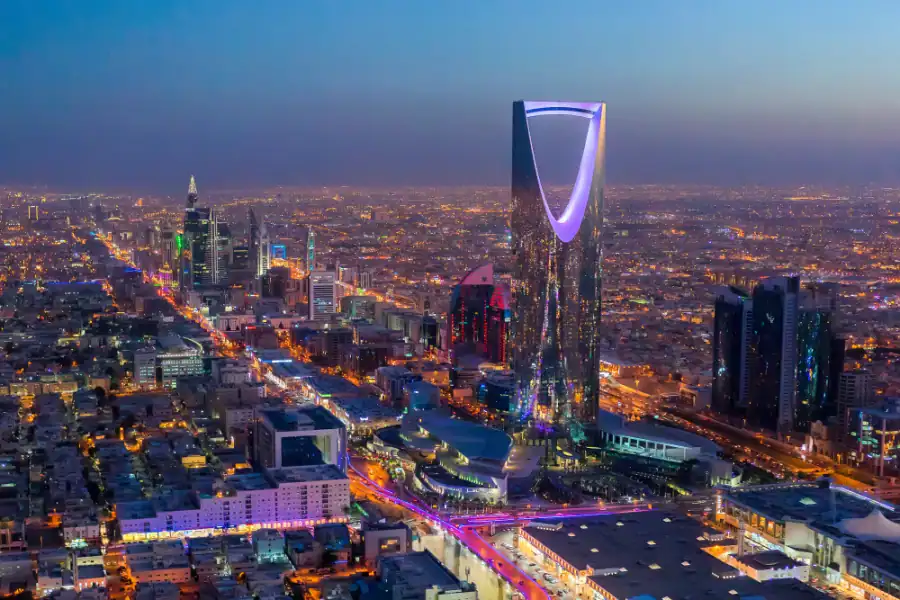
Tourism Growth, Infrastructure Reality, and Strategic Real Estate Positioning
Saudi Arabia recorded approximately 30 million international visitors in 2024, reflecting continued expansion following strong post-pandemic growth. Under Vision 2030, the official target remains 70 million international arrivals annually by the end of the decade.
Tourism is now a structural pillar of the Saudi economy, with its GDP contribution projected to approach 10% by 2030.
However, disciplined investors understand that visitor numbers alone do not define opportunity. Execution quality, infrastructure sequencing, and residential absorption ultimately determine real estate viability.
What Is Driving the Tourism Expansion
The introduction of tourist visas in 2019 marked a turning point.
Since then:
• Religious tourism remains strong through Hajj and Umrah
• Leisure and entertainment events have expanded rapidly
• International marketing campaigns have intensified
• Aviation infrastructure continues to grow
Riyadh and Jeddah remain the most established urban anchors of this expansion. Cultural tourism zones such as AlUla have also strengthened international visibility.
Tourism growth is real. The question is where it translates into sustainable property demand.
Hospitality Pipeline Versus Delivery Reality
Saudi Arabia maintains one of the largest hotel development pipelines globally, with industry reports indicating over 350,000 planned keys before 2030.
However, investors must distinguish between announced projects and delivered inventory.
Some mega-scale projects have experienced timeline adjustments. In particular, NEOM’s large-scale residential components have been scaled back or delayed as the government recalibrates priorities and capital allocation.
Hospitality expansion continues in Riyadh, Jeddah, and selected Red Sea zones, but selective execution is now more visible than blanket rollout.
This is not a negative signal. It reflects market maturation and fiscal discipline.
Where Real Estate Demand Is Actually Forming
Tourism-driven real estate demand is currently strongest in:
Riyadh, as the administrative and financial core
Jeddah, as a gateway city with pilgrimage alignment
Selective Red Sea luxury hospitality zones
Riyadh in particular benefits from:
Business tourism
Government relocation initiatives
Corporate headquarters movement
Conference and event expansion
Premium residential demand in Riyadh is increasingly driven by:
Executive housing
Long-term expatriate presence
Mixed-use district expansion
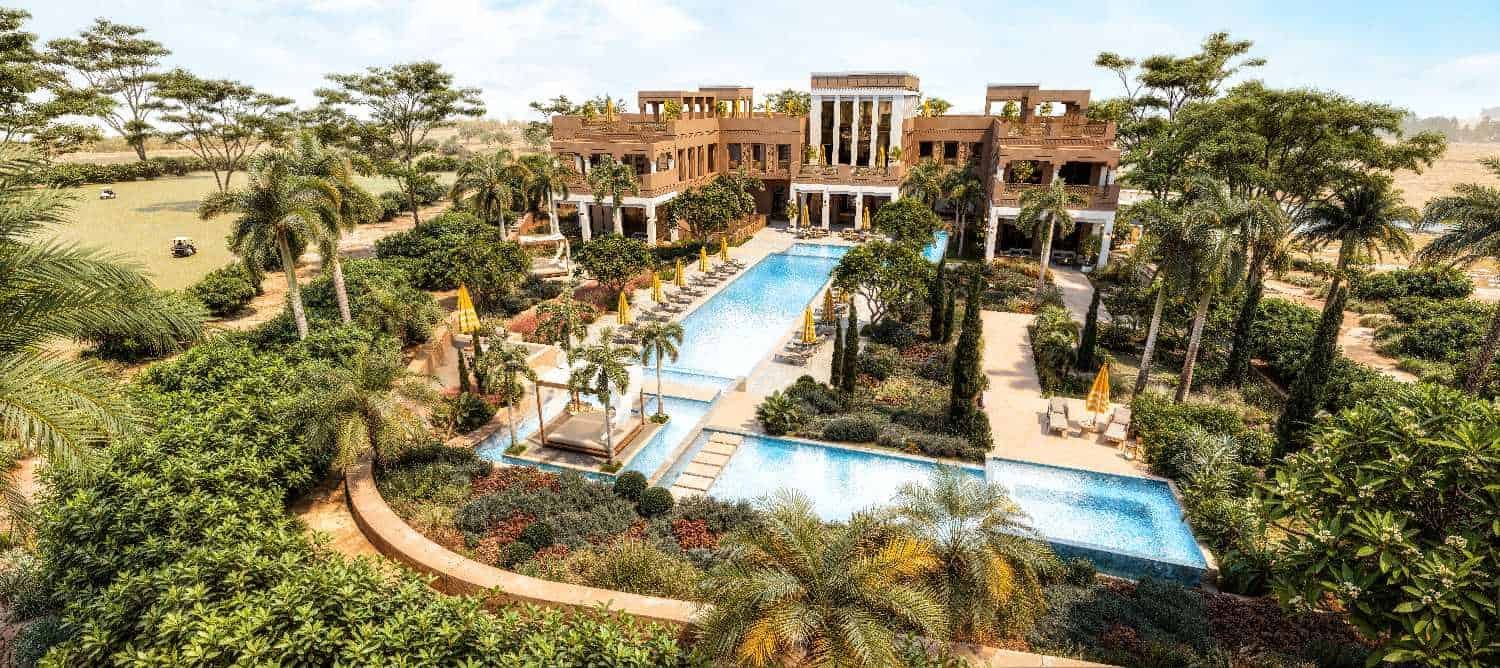
An example of structured luxury positioning within Riyadh is Rayana Mansions, a high-end residential development reflecting the Kingdom’s move toward integrated premium living.
View the listing here:
https://barokestates.com/property/rayana-mansions-riyadh/
This illustrates how residential real estate is aligning with tourism, business growth, and urban infrastructure.
Economic Multiplier Effect
Inbound tourism spending continues to grow year over year. Longer visitor stays, increased business travel, and event-driven arrivals support:
Hotel occupancy
Serviced apartment growth
Luxury short-term rental demand
Retail and entertainment assets
However, unlike earlier cycles, Saudi Arabia’s strategy is now focused on calibrated growth rather than pure volume expansion.
For real estate investors, that creates a healthier risk profile.
Competitive Positioning in the Gulf
Saudi Arabia does not operate in isolation. Dubai, Abu Dhabi, and Doha remain strong regional competitors with mature real estate frameworks.
Saudi Arabia’s differentiation lies in:
Scale of domestic economy
Government capital backing
Land availability
Vision 2030 transformation agenda
Its challenge remains execution sequencing and global investor confidence during phased delivery.
This is where selectivity becomes essential.
The Barok Estates Perspective
At Barok Estates, we approach emerging growth markets through disciplined filters.
We are the Premium European Brokerage Partner of one of the largest Saudi development groups, providing international investors access to curated, execution-backed opportunities rather than speculative inventory.
Our focus is not on headline megaprojects.
It is on deliverable assets in prime urban corridors with measurable absorption demand.
When evaluating Saudi Arabia, we assess:
Infrastructure completion timelines
Developer track record
Liquidity visibility within 5 to 10 years
Alignment with long-term capital preservation
Markets built on tourism growth can create exceptional returns. But only when backed by real delivery.
Structured FAQ
Is Saudi Arabia really receiving 30 million international visitors?
Yes. Official statements and industry data confirm approximately 30 million international visitors in 2024, with growth targets aligned to Vision 2030.
Has NEOM been cancelled?
No. NEOM has not been cancelled. However, several components have been scaled back or delayed as part of phased execution adjustments. Investors should evaluate exposure carefully.
Does tourism growth automatically increase property prices?
Not automatically. Tourism must translate into sustained employment, business relocation, and residential absorption before property markets stabilise.
Where is the strongest residential demand forming?
Currently, Riyadh represents the most structurally supported residential market due to business activity, relocation initiatives, and government infrastructure investment.
Does property ownership grant residency in Saudi Arabia?
No. Residency and property ownership are governed separately under Saudi regulations.
Final Assessment
Saudi Arabia’s tourism growth is significant and structurally aligned with Vision 2030.
However, selective execution is now shaping the real estate landscape.
For investors seeking exposure to the Kingdom, the opportunity lies not in chasing announcements, but in identifying projects backed by delivery, location strength, and long-term demand fundamentals.
That is where disciplined advisory matters.
Barok Estates International Team

Join The Discussion