
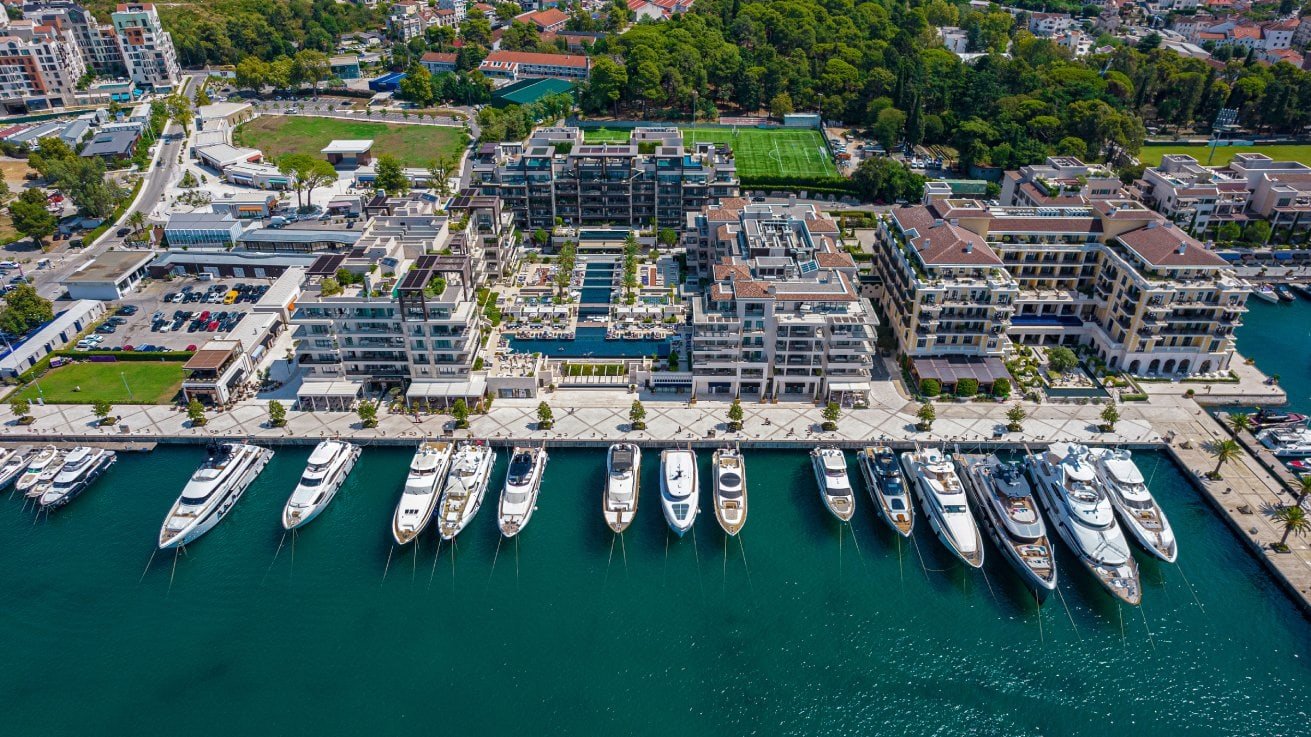
Most international buyers do not use Montenegrin bank mortgages, and for good reason
The majority of international property purchases in Montenegro are completed without local financing. This is not a constraint of the market: it reflects the structure of buyer demand, where off-plan payment plans and home-country financing routes provide more practical, more efficient, and often more cost-effective routes to ownership than applying to a Montenegrin bank.
This guide maps the realistic financing options available to international buyers in 2026, with specific terms and conditions for each route, so you can identify which structure fits your situation before approaching vendors or developers.
For the investment fundamentals underpinning Montenegro’s property market, see our Montenegro real estate hub.
Cash Purchases: Still the Most Common Route
The overwhelming majority of luxury and investment property purchases in Montenegro are completed in cash. This reflects the buyer demographic: established wealth buyers who have previously completed international transactions understand that cash offers negotiating leverage, eliminates approval risk, and substantially accelerates the transaction timeline.
In a market where pre-launch allocations are time-sensitive and where the best units are often allocated within days of becoming available, the ability to move at cash speed is a genuine competitive advantage over buyers dependent on financing approval.
Practical notes for cash transfers into Montenegro:
- Montenegro’s banking system operates on the euro and accepts SWIFT transfers without restriction for property purchases
- Anti-money laundering compliance requirements apply: buyers should expect to provide source-of-funds documentation for amounts above EUR 15,000
- Payment is typically made to the developer’s or notary’s designated account; Barok Estates International guides buyers through the correct payment channels during the transaction process
- Major Montenegrin banks (CKB, NLB, Erste, Hipotekarna) are familiar with receiving international transfers for real estate and process them efficiently

Off-Plan Payment Plans: The Preferred Route for New Developments
For buyers purchasing new development, off-plan payment plans are the most practical financing structure available, and in many respects the most attractive. They provide the economic benefit of instalment-based payment without the cost, documentation, or approval timeline of formal debt financing.
How they work: Stage-based payment plans are aligned to construction milestones rather than calendar dates. A typical structure for a Tivat waterfront development would be:
- Reservation deposit: 20 to 30 percent on exchange of reservation agreement (typically within 14 to 21 days of reservation)
- Construction stage payments: 30 to 40 percent spread across 2 to 3 milestone payments tied to defined construction stages
- Balance on completion: Remaining 30 to 40 percent on practical completion and handover
For a development with a 24 to 30 month construction timeline, this structure effectively provides 0 percent financing over that period. You are paying in instalments rather than a lump sum, retaining capital in your existing portfolio and deploying it progressively as the asset is built.
There is a second benefit that buyers sometimes overlook: in a rising market, the property may appreciate materially during the construction period. Buyers who reserved at pre-launch pricing in Tivat’s waterfront development in 2022 and 2023 have seen their embedded gains accumulate ahead of completion.
Barok Estates International provides full payment plan details and milestone schedules for the Tivat waterfront development during the private briefing process. See our Tivat development page for current availability.
Montenegrin Bank Mortgages: Available but with Caveats
Several Montenegrin banks offer mortgage products to non-resident buyers. The most active in this segment are CKB (Crnogorska Komercijalna Banka), Erste Bank Montenegro, and Hipotekarna Banka.
Typical mortgage terms for non-resident buyers (2026):
- LTV: 60 to 70 percent maximum for non-residents (some banks 50 percent on coastal properties)
- Term: 10 to 20 years
- Interest rate: 4 to 7 percent per annum, euro-denominated (6-month EURIBOR + margin, or fixed-rate options)
- Age restriction: Loan must typically complete before borrower reaches age 70
Documentation requirements:
- Passport and proof of address
- 2 to 3 years of personal tax returns (translated into Montenegrin)
- Bank statements (typically 6 months)
- Proof of income or assets supporting repayment capacity
- Property valuation by bank-approved valuer
Approval timeline: 4 to 8 weeks from submission of complete documentation. Delays are common where documentation is incomplete or requires additional translation and notarisation.
Montenegrin bank mortgages are most practically suited to buyers with established income in Montenegro (business owners, long-term residents) or buyers with strong, cleanly documented international income who are comfortable with the documentation burden. For most purely international buyers, alternative routes are more efficient.
Home Country Financing
Many experienced international property buyers finance overseas acquisitions by refinancing against existing assets in their home country. This route has several practical advantages over local market mortgages:
UK buyers:
- Buy-to-let remortgage: Releasing equity from an existing UK investment property to fund a Montenegro purchase. Rates in 2026 for standard BTL remortgage: 4.5 to 6 percent depending on LTV and lender
- Residential equity release: Where substantial equity exists in a UK primary residence, a further advance or remortgage can release capital without requiring property sale
- Private banking credit lines: High street and private banks both offer secured lending against UK residential and investment property at competitive rates for established clients
General advantages of home country financing:
- Known lender relationship: no new due diligence on the borrower from scratch
- Potentially better rates: UK and European bank lending is often more competitively priced than Montenegrin bank products for the same borrower profile
- No foreign documentation burden: no translation, notarisation, or dealing with a bank in a language other than your own
- Faster approval: existing lender relationships can move substantially faster than new non-resident mortgage applications
Key consideration: If your existing assets and borrowings are in sterling or another non-euro currency, you are introducing currency risk to your Montenegro investment. EUR/GBP movements of 5 to 10 percent over a 3 to 5 year holding period are not unusual. Buyers should factor this into the financing structure or consider currency hedging instruments.
Private Banking and UHNW Credit Lines
For buyers with investable assets above EUR 2 to 5 million, private bank credit lines are typically the most efficient financing mechanism for real estate acquisitions.
Lombard lending: Securities-backed lending against an investment portfolio allows capital deployment into real estate without liquidating existing positions. A portfolio of EUR 5 million in investment-grade securities might support EUR 2.5 to 3.5 million in Lombard borrowing, deployable at rates of EURIBOR + 0.5 to 1.5 percent. The effective borrowing cost is typically 3.5 to 5 percent in the current environment.
Portfolio credit lines: Pre-approved revolving credit facilities secured against a portfolio of assets. Speed advantage is material: a pre-approved facility can move at cash speed — wire transfer within 24 to 48 hours of decision — without the approval delay of a new mortgage application.
For UHNW buyers, private bank financing is the preferred route precisely because it combines the speed advantages of cash with the capital efficiency of leverage.
Developer Instalment Plans vs Bank Financing: A Comparison
| Route | Deposit Required | Interest Cost | Speed | Documentation Burden | Best For |
|---|---|---|---|---|---|
| Developer instalment plan | 20-30% (reservation) | 0% (built into price) | Immediate | Minimal | New builds, off-plan buyers |
| Cash purchase | 100% | None | Fastest | AML documentation only | Resale and pre-launch allocations |
| Montenegrin bank mortgage | 30-50% (30-40% LTV cap) | 4-7% p.a. | 4-8 weeks approval | High (translated docs) | Buyers with local income / strong documented international income |
| Home country refinancing | Subject to existing equity | 4-6% (UK/EU rates) | 2-4 weeks (existing lender) | Moderate (existing relationship) | UK/European buyers with equity in existing assets |
| Private bank credit line (Lombard) | Securities portfolio as collateral | EURIBOR + 0.5-1.5% | Cash-equivalent (pre-approved) | Low (existing private bank) | UHNW buyers with investment portfolios |
For a complete guide to the acquisition process in Tivat, including legal steps and typical timelines, see our guide to buying property in Tivat, Montenegro.
Frequently Asked Questions
Request a Private Briefing
Barok Estates International guides qualified buyers through the full financing process for Tivat waterfront development, including payment plan structures, local legal contacts, and private banking introductions where relevant. No additional buyer cost.
Email: info@barokestates.com
Phone/WhatsApp: +34 614 100 466
Porto Montenegro, Tivat
Available Residences
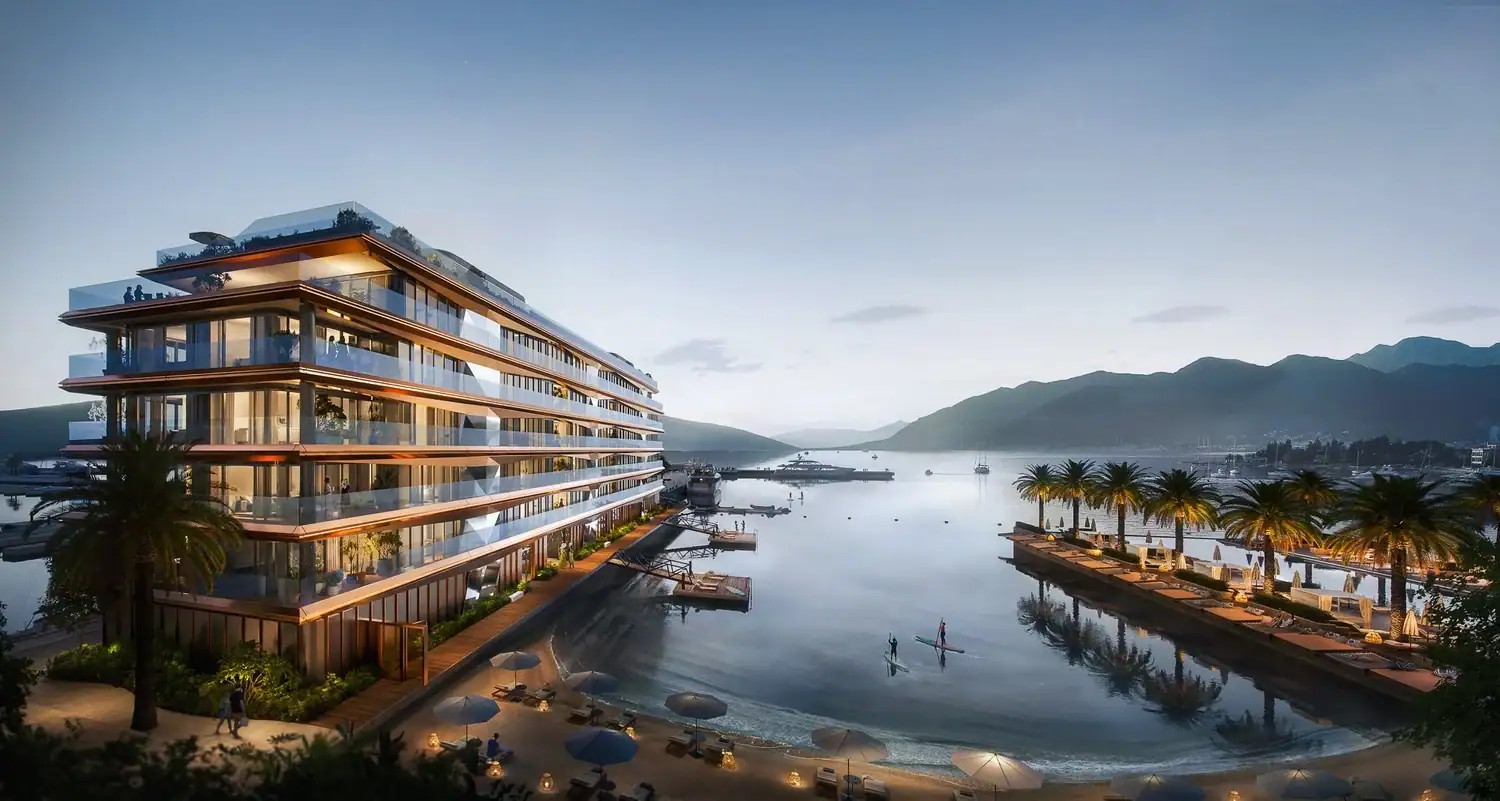
Porto Montenegro, Tivat
Aeris Residences at Synchro Yards
View Residences
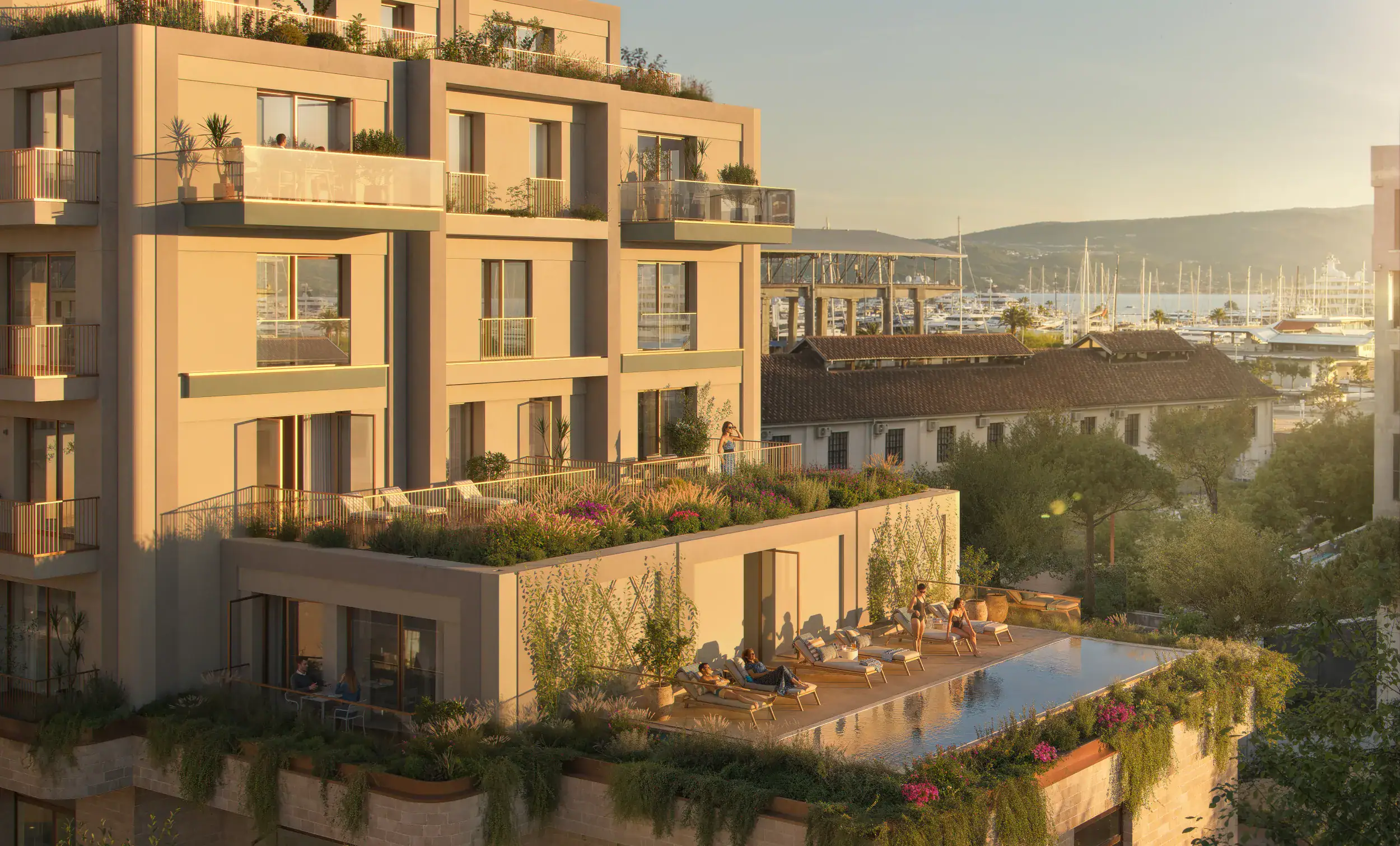
Porto Montenegro, Tivat
Versa Residences
View Residences
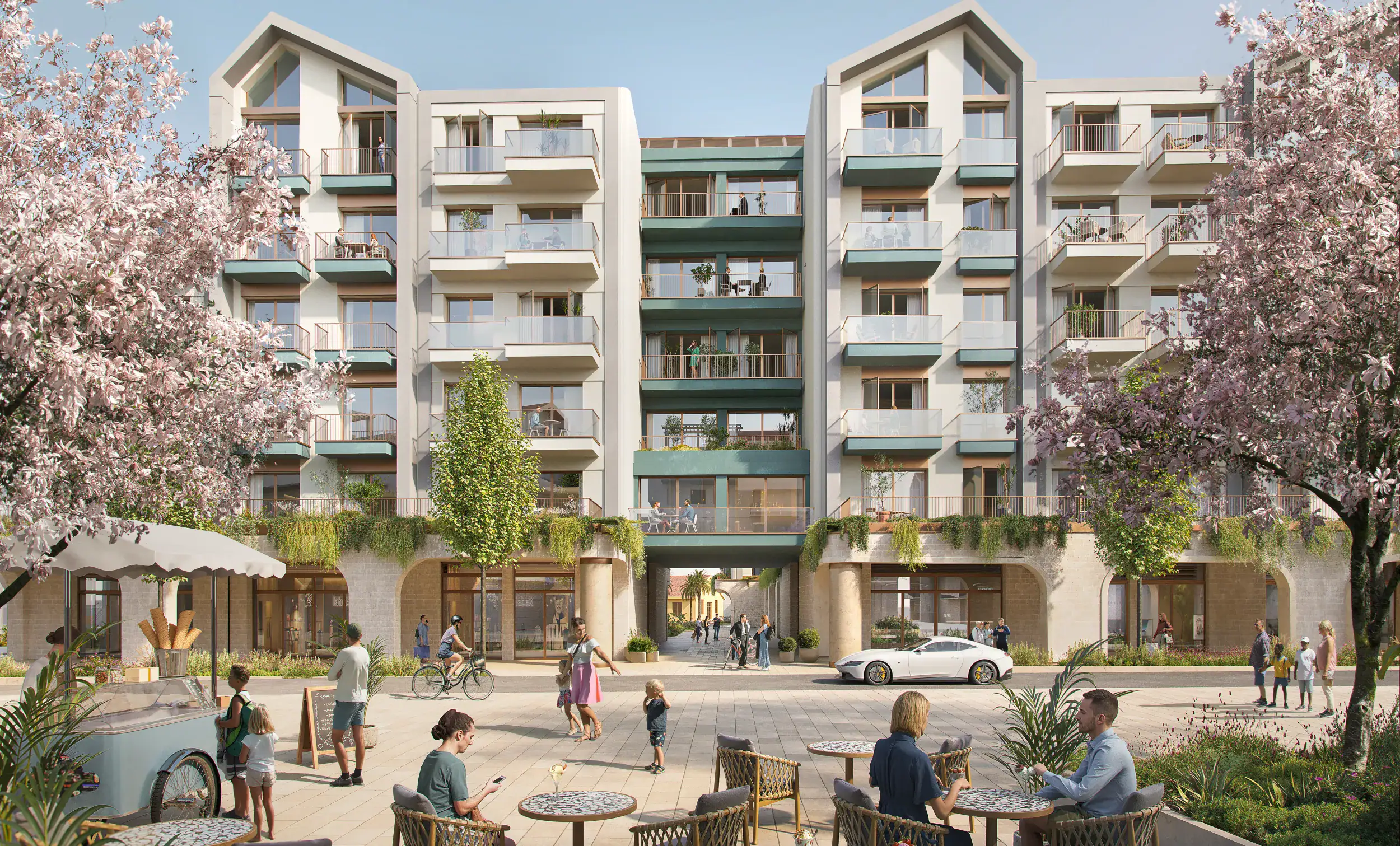
Porto Montenegro, Tivat
Vero Residences
View Residences
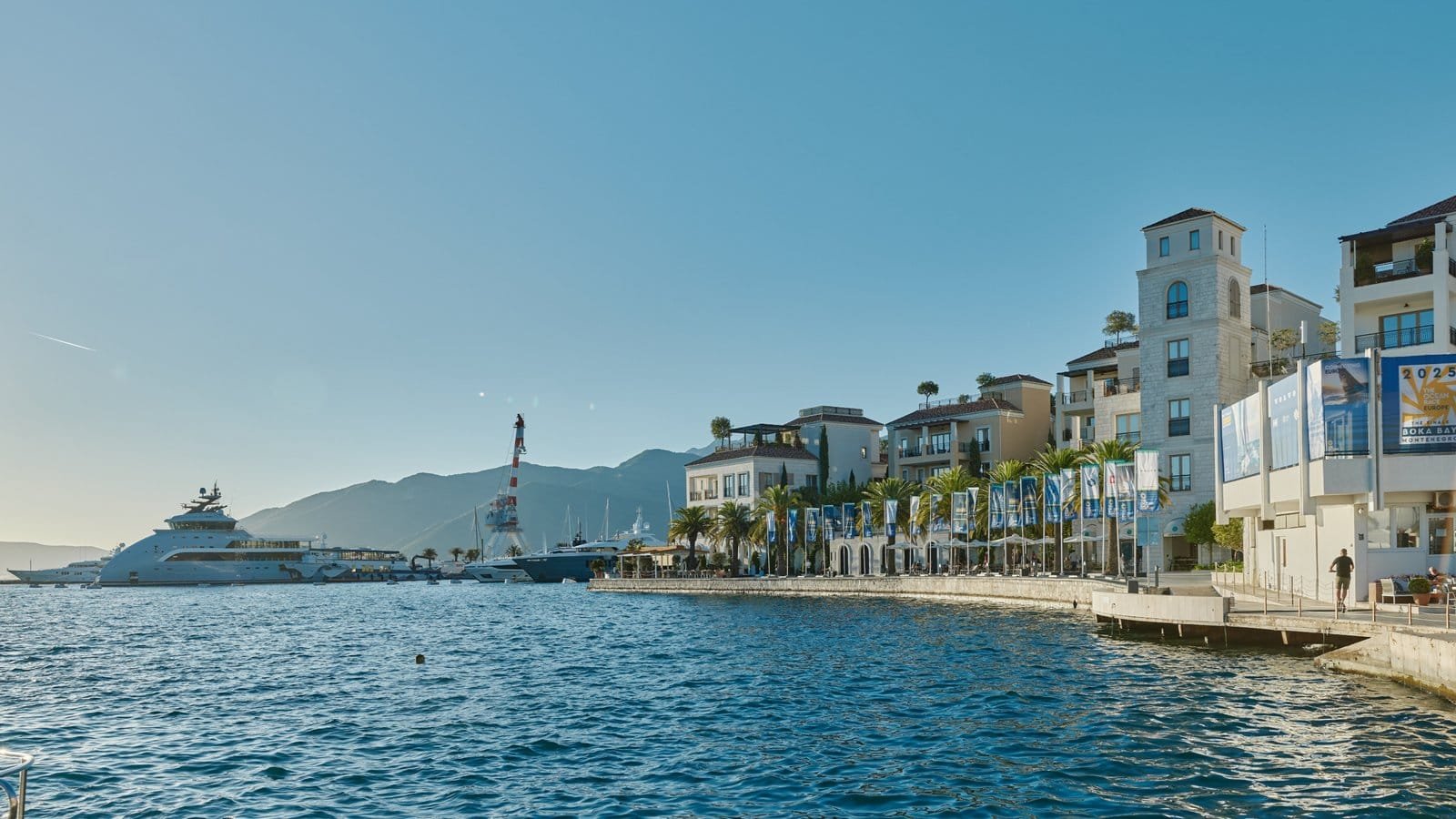
Tivat, Montenegro
Waterfront Residences at Porto Montenegro
View Residences
Premium European Partner: Barok Estates International



Join The Discussion